

Note: This article contains affiliate links. If you click on these links and make a purchase, I may earn a small commission at no extra cost to you. This helps support my research and content. Read my full affiliate disclosure here.
Picking the right plant food for vegetables changes how well your garden converts effort into harvest. The wrong formula can leave leafy crops leggy, root vegetables small, or fruiting plants underproducing. This guide narrows the field to six shortlisted plant foods suited for vegetable gardens, from containers to in-ground beds. We evaluate each option on the nutrient mix, ease of feeding, and how it behaves in real garden conditions so you can match a product to your soil, crop type, and time available. Browse the top picks below, then read the buying guidance and FAQs to decide which feeding approach fits your growing goals.
Top Picks at a Glance
| Best Overall The best all-around choice for most situations | Miracle-Gro Water Soluble Tomato Plant Food, 1.5 lb. |  |
| Best Quality Built to a higher standard if you want something more solid | Osmocote Smart-Release Plant Food Flower & Vegetable, 8 lb. |  |
| Best Value The sweet spot between price and what you get | Miracle-Gro Water Soluble All Purpose Plant Food, 10 lb | 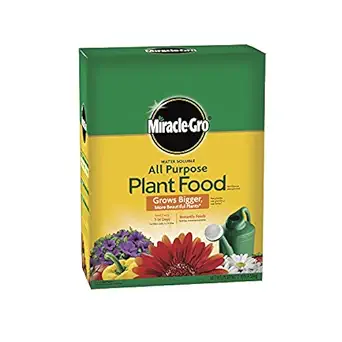 |
| Best Budget The cheapest option that still gets the job done reliably | Jobe's Tomato Fertilizer Spikes, 18 Count |  |
| Highest Rated A top-rated pick with lots of positive feedback | FoxFarm Happy Frog Tomato & Vegetable Fertilizer, 5-7-3, 4 lb |  |
| Most Popular A crowd favorite that many people choose with confidence | Miracle-Gro Water Soluble All Purpose Plant Food, 3 lb |  |
Miracle-Gro Water Soluble Tomato Plant Food, 1.5 lb.

| Item Form | Liquid |
|---|---|
| Application Method | Water Soluble |
| Specific Uses For Product | Plant Food |
| Target Species | Tomatoes and vegetables |
| Mixing Ratio | 18-18-21 |
This Miracle-Gro water-soluble tomato plant food is a straightforward, easy-to-use fertilizer designed to boost vegetable growth and yield. It dissolves in a watering can or works with the Miracle-Gro Garden Feeder so you can feed while you water, with directions calling for applications every 7 to 14 days. The 18-18-21 mixing ratio provides a balanced dose of nitrogen, phosphorus, and potassium to support foliage, fruit set, and overall plant vigor. In practice it produces quicker visible greening and can encourage larger, more abundant tomatoes compared with unfed plants. The liquid form makes measuring and applying simple for container and in-ground vegetables alike. Limitations to note are that it requires regular reapplication through the season and careful measuring to avoid overfeeding, and it is not a slow-release solution so benefits are short term between feeds. For gardeners who want predictable, easy feeding during the growing season, this product delivers reliable, fast-acting nutrition.
Best for: Gardeners who want an easy, fast-acting feed to support vegetables and tomatoes throughout the season and who prefer feeding while watering rather than using slow-release products.
Less Ideal for: People seeking a low-maintenance, long-duration fertilizer or those who prefer granular or organic slow-release options.
- Water-soluble formula usable with a watering can or Garden Feeder for convenient application
- Balanced 18-18-21 nutrient ratio supports foliage, blooms, and fruit production
- Starts working quickly so you can see visible improvement in plant greenness
- Suitable for both in-ground and container vegetables
- Requires frequent reapplication every 1 to 2 weeks rather than providing long-term release
- Must be measured and mixed each time, increasing the chance of user error
Verdict: A dependable, quick-acting water-soluble fertilizer that makes feeding tomatoes and vegetables simple and effective when applied every one to two weeks.
Osmocote Smart-Release Plant Food Flower & Vegetable, 8 lb.

| Item Form | Granules |
|---|---|
| Specific Uses For Product | Root Development |
| Target Species | Perennials |
| Mixing Ratio | 1:22 (1 lb.:1 cubic foot) |
Osmocote Smart-Release Flower & Vegetable is a granular, slow-release fertilizer (14-14-14 NPK) designed to feed vegetables, perennials, and ornamental plants for up to four months. You apply it by spreading the measured scoop over the soil surface or mixing it into the top 1–3 inches of soil in garden beds, raised beds, or mulched areas; 1 pound covers about 40 square feet so the 8 lb container covers roughly 320 square feet. The key benefit is steady nutrient delivery controlled by soil temperature, which promotes consistent root development and sustained above-ground growth without frequent reapplication. It includes an applicator and a mistake-proof release profile that reduces burn risk even if accidentally over-applied. Practical limitations are that it is not a quick-acting corrective for acute nutrient deficiencies and that release rate depends on soil temperature so feeding schedules can vary by climate; it is also a granular form that requires soil incorporation and is less suited to foliar feeding or hydroponic systems. For gardeners who want reliable seasonal feeding with minimal maintenance, this product simplifies vegetable and flower care.
Best for: Vegetable and flower gardeners who prioritize steady, season-long performance and want a low-maintenance fertilizer that supports consistent root and top growth.
Less Ideal for: Growers needing immediate nutrient correction, foliar feed solutions, or those using hydroponic systems should consider alternative products tailored to those methods.
- Balanced 14-14-14 formula suited for vegetables and flowering perennials
- Smart-release granules feed up to four months for low-maintenance nutrition
- Includes applicator and clear coverage guidance making application straightforward
- Designed to resist burning plants even if over-applied
- Not a fast-acting remedy for immediate nutrient deficiencies
- Release rate varies with soil temperature so timing can be less predictable
Verdict: Choose this smart-release 14-14-14 formula when you want dependable, season-long feeding for vegetable beds and flowering perennials with minimal reapplication.
Miracle-Gro Water Soluble All Purpose Plant Food, 10 lb

| Item Form | Granules, Powder |
|---|---|
| Application Method | watering can |
| Target Species | For all flowers, vegetables, trees, shrubs and houseplants |
| Fertilizer Analysis (NPK) | 24-8-16 |
Miracle-Gro Water Soluble All Purpose Plant Food is a concentrated, water-soluble fertilizer intended to give vegetables and other garden plants a fast nutrient boost. You mix measured scoops into a watering can or compatible garden feeder and apply to the soil at the plant base every 1 to 2 weeks for containers or 7 to 14 days for outdoor plants. The 24-8-16 NPK formula supplies a high dose of nitrogen for leafy growth plus phosphorus and potassium to support root and fruit development. Because it dissolves in water it starts working quickly and is easy to use on raised beds, in-ground vegetable rows, and container vegetables where you need predictable results. The product covers a large area from one 10 lb container and includes usage guidance and scoop sizes for indoor versus outdoor feeding. Limitations are that frequent liquid feeding requires more time than a slow-release granular product and regular measuring to avoid overfeeding, so it is best suited to gardeners who want fast, visible responses and are willing to follow the directions closely.
Best for: Gardeners who want fast, measurable results for vegetables and are willing to feed on a schedule and measure solutions for consistent growth.
Less Ideal for: People who prefer low-maintenance, infrequent fertilizing or strictly organic programs should consider slow-release granules or organic alternatives.
- Water-soluble formula that delivers nutrients to roots quickly
- High nitrogen NPK (24-8-16) for vigorous leafy and vegetative growth
- Clear mixing instructions and included scoop for consistent application
- Large 10 lb container covers a wide garden area
- Requires regular mixing and application every 1 to 2 weeks rather than one-time feeding
- Higher nitrogen ratio may be less ideal late in fruiting without switching formulas
Verdict: Choose this if you want a dependable, fast-acting fertilizer to boost vegetable growth on a regular feeding schedule.
Jobe's Tomato Fertilizer Spikes, 18 Count

| Unit Count | 18 Count |
|---|---|
| Target Species | Tomato |
| Item Form | Sticks |
| NPK | 6-18-6 |
| Application Method | Insert spikes around the plants |
Jobe's Tomato Fertilizer Spikes are pre-measured, slow-release sticks designed to feed tomato plants at the roots with a 6-18-6 NPK blend. Use them at planting or early in the season by inserting spikes around each plant; the waterproof spikes dissolve slowly so nutrients are available for up to eight weeks and are less likely to wash away than surface-applied fertilizers. Practical benefits include simple, mess-free application, consistent root-targeted feeding, and a phosphate-forward formula to encourage bloom and fruit set. The small 18-count pack is convenient for container growers or a few garden plants, and the spikes are made from common organic-derived sources like feather and bone meal. Limitations are the limited coverage per pack for larger plots and the fixed NPK ratio, which may not suit every stage of plant growth or soil condition; users with many plants will need multiple packs and more frequent monitoring of nutrient needs. Also check local rules about phosphorus use near waterways.
Best for: Home vegetable gardeners on a tight budget who want a low-effort, root-targeted fertilizer for a few tomato plants or containers.
Less Ideal for: Large-scale vegetable beds or growers who need adjustable NPKs and ongoing feeding plans across many plants.
- Pre-measured slow-release spikes deliver nutrients directly to root zone
- Easy, mess-free insertion at planting or early season
- Formulated NPK 6-18-6 supports flowers and fruit development
- Waterproof packaging and spike form reduce nutrient wash-off
- Small 18-count pack provides limited coverage for larger gardens
- Fixed NPK means less flexibility for different growth stages
Verdict: A simple, low-effort way to feed a small number of tomato plants with targeted slow-release nutrition.
FoxFarm Happy Frog Tomato & Vegetable Fertilizer, 5-7-3, 4 lb

| Item Form | Granules |
|---|---|
| Specific Uses For Product | Vegetables, Tomatoes, Soft Fruits, and Berries |
| Unit Count | 64 Ounce |
| Mixing Ratio | 5:7:3 |
| OMRI Listed | Yes |
FoxFarm Happy Frog Tomato & Vegetable Fertilizer is a granular plant food designed for heavy-feeding vegetables and fruiting plants. You apply it to container or in-ground plantings following the package instructions; the 5-7-3 N-P-K ratio supports vegetative growth first then encourages fruit set, while added calcium helps reduce blossom end rot. The inclusion of mycorrhizal fungi aims to improve root efficiency and can help plants take up water and nutrients more effectively. As an OMRI-listed product it suits gardeners who prefer organic-certified inputs. Practical benefits include straightforward application, suitability across containers, rows, and beds, and a formula targeted for fruiting crops so you can feed through both growing and flowering stages. Limitations are that the bag is a single 4 lb unit which may be small for large plots, and granular feeds require correct timing and occasional reapplication compared with slow-release or liquid program systems. Expect reliable, repeatable results when used as directed on typical vegetable beds and tomato plants.
Best for: Gardeners who prioritize predictable, plant-focused nutrition for tomatoes and other heavy-feeding vegetables and want an organic-certified fertilizer they can apply reliably across beds and containers.
Less Ideal for: Large-scale growers who need bulk quantities or gardeners who prefer drip-feed or ready-to-use liquid fertilizer programs.
- Balanced 5-7-3 N-P-K formula tailored for vigorous, fruiting vegetables and tomatoes
- Contains calcium to help prevent blossom end rot on susceptible fruits
- Includes mycorrhizal fungi to support root efficiency and nutrient uptake
- OMRI listed for use in organic gardening
- Versatile for containers, in-ground beds, and row plantings
- 4 lb bag may be insufficient for large vegetable gardens
- Granular form requires proper timing and distribution compared with continuous-feed systems
Verdict: A reliable, OMRI-listed granular fertilizer formulated to support vigorous vegetable and tomato production while helping prevent common fruiting issues.
Miracle-Gro Water Soluble All Purpose Plant Food, 3 lb

| Item Form | Powder |
|---|---|
| Application Method | Mix with water in a watering can |
| Fertilizer Analysis | 24-8-16 |
| Unit Count | 48 Ounce |
| Coverage | Feeds approximately 1,200 sq. ft. |
Miracle-Gro Water Soluble All Purpose Plant Food is a powder fertilizer you mix with water to feed vegetables, flowers, houseplants, trees, and shrubs. It dissolves quickly and delivers nutrients directly to the root zone, so you should see growth responses faster than with granular slow-release products. Typical use is mixing the scoop into a watering can (indoor dose 1/2 tsp per gallon, outdoor dose 1 1/2 tbsp per 1.5 gallons) and soaking the soil every 7 to 14 days or following container directions. Notable features include a high-nitrogen 24-8-16 NPK formula for leafy growth, a broad compatibility with plant types, and included scoop for dosing. Practical benefits for vegetable gardeners are faster greening and more vigorous plants when applied on schedule and correctly diluted. Important limitations are the need for regular reapplication compared with granular feeds and the potential to overfeed if you ignore dilution instructions. Also this product is a quick-feed solution rather than a long-term soil conditioner, so pair it with good soil practices for best vegetable yields.
Best for: Vegetable gardeners who want a dependable, fast-acting fertilizer to boost growth and recover plants quickly while following clear instructions and social proof of effectiveness.
Less Ideal for: Gardeners seeking a low-maintenance, slow-release soil amendment or those who prefer purely organic fertilizers for long-term soil building.
- Water-soluble powder acts quickly to deliver nutrients to roots
- Broadly labeled safe for all common vegetable and ornamental plants
- Clear dosing instructions and included scoop make mixing straightforward
- High nitrogen ratio supports fast leafy growth on vegetables
- Requires frequent feeding (every 7–14 days) compared with slow-release fertilizers
- Not formulated to amend long-term soil structure or organic matter
Verdict: Use this soluble 24-8-16 formula when you want fast, reliable nutrient boosts for vegetables and other garden plants.
Choosing the Right Plant Food for Vegetables: Key Factors to Consider
Nutrient Balance and Ratios
Vegetables respond to different ratios of nitrogen, phosphorus, and potassium through their life cycles. Leafy greens need higher nitrogen early on for vigorous leaf production, while fruiting crops require slightly more phosphorus and potassium to set and ripen fruit. Look for fertilizers with clear NPK numbers and consider whether a single product covers the full season or whether you will need a bloom/fruiting supplement later.
The presence of secondary nutrients such as calcium, magnesium, and sulfur matters too, especially for tomatoes and peppers that can show blossom end rot or tip burn when calcium is lacking. Micronutrients like iron, zinc, and boron support overall plant health but are useful only in small amounts. Knowing your soil test results helps you choose a fertilizer whose nutrient profile complements existing soil reserves rather than duplicating them.
Release Type and Feeding Frequency
Slow-release, controlled-release, and liquid feeds behave very differently in the garden. Slow-release granular products reduce the need for frequent feeding and lower the risk of burning roots but may take longer to correct deficiencies. Water-soluble and liquid fertilizers act quickly and are useful when plants show immediate nutrient stress or during critical stages like flowering and fruit set.
Consider how often you want to feed and how involved you want the process to be. Container growers often prefer regular liquid feeds since smaller volumes of potting mix deplete nutrients fast. In-ground beds with healthy organic matter can often get by with less frequent applications of a slow-release formula.
Application Method and Convenience
Application method affects both results and gardener time. Granules can be broadcast, side-dressed, or worked into the soil; coated granules make metering easier but may require careful timing. Liquid concentrates need dilution but can be applied with a watering can, hose-end sprayer, or fertigation system for uniform coverage. Foliar feeds deliver nutrients directly to leaves but are a short-term fix and usually supplementary.
Also think about how easy a product is to measure and mix. Products that dissolve cleanly and have clear dosing instructions reduce waste and mistakes. For hobby gardeners without irrigation hookups, a ready-to-use or simple water-soluble option often saves time.
Soil Type and Organic Matter Interaction
Soil texture and organic matter content determine how fertilizers behave. Sandy soils drain fast and lose nutrients quickly, so they benefit from more frequent, lighter feedings or slow-release products designed for leaching conditions. Clay soils hold nutrients longer but can tie up certain elements, making chelated or more soluble forms useful.
Organic matter buffers nutrient swings and supports microbial activity that converts organic fertilizers into plant-available forms. If your beds have low organic matter, pairing fertilizer with compost or choosing a product that includes organic amendments can improve long-term fertility and soil structure.
Crop Stage and Specific Vegetable Needs
Different crops and growth stages call for targeted feeding. Early vegetative growth benefits from nitrogen to build leaf area, while flowering and fruiting stages are when phosphorus and potassium play a larger role. Root crops are sensitive to excessive nitrogen, which can produce lush tops but smaller roots.
Match the fertilizer schedule to crop timing: start with a balanced or slightly nitrogen-rich feed for transplants and young plants, then shift toward bloom and fruiting formulations as blossoms appear. For succession planting, adapt feeding frequency to the shorter production window of quick-maturing vegetables.
Environmental Impact and Safety
Runoff and overapplication of soluble fertilizers can harm nearby waterways and garden beneficials. Choose products with clear application rates and consider those formulated to minimize leaching. Organic fertilizers tend to release more slowly and support soil biology but their nutrient concentrations can be lower and less predictable.
Safety for household members and pets is also relevant. Some concentrated synthetic feeds require careful storage and handling. Read labels for application warnings and use protective gloves or eyewear when mixing strong concentrates.
Feeding Schedules for Common Vegetable Types
Vegetable groups follow general feeding patterns. Leafy crops typically need more frequent nitrogen boosts during rapid leaf expansion, while fruiting and vining crops benefit from an early balanced feed followed by targeted phosphorus and potassium during bloom and fruit set. Root crops require restrained nitrogen to encourage root development rather than excessive foliage.
Adjust frequency to your soil and crop: containers often require weekly or biweekly feeding with water-soluble formulas, whereas well-amended in-ground beds can be fed monthly with slow-release products or supplemented with occasional liquids during critical stages.
- Leafy greens: gentle, steady nitrogen
- Fruiters: balanced start, bloom boost later
- Root vegetables: lower nitrogen, focus on phosphorus
Using Soil Tests to Guide Feeding
A soil test is the single most reliable way to match plant food to actual deficiencies. Tests tell you baseline pH, organic matter, and nutrient levels so you can choose a formula that corrects gaps without overapplying nutrients gardeners often duplicate. For example, if your soil already has adequate phosphorus, adding a high-phosphorus bloom fertilizer is unnecessary and wasteful.
Interpret results against the crop's needs and the label's guaranteed analysis. If pH adjustments are needed, address those first since pH affects nutrient availability and the effectiveness of most fertilizers.
- Test before major planting or when yields decline
- Compare soil levels to target ranges for vegetables
- Adjust pH before applying corrective nutrients
Organic Vs Synthetic Feeds: Practical Differences
Organic and synthetic plant foods both supply nutrients but release them differently. Organic products feed soil life as well as plants, releasing nutrients as microbes break down organic matter. That can improve soil structure over time but makes immediate correction of deficiencies slower. Synthetic feeds deliver plant-available nutrients fast and predictably, which is useful for quick corrections and precise scheduling.
Many gardeners combine approaches: use organic amendments to build long-term fertility and supplement with targeted soluble feeds during critical production phases. Consider labor, availability, and personal preferences when choosing a primary feeding strategy.
- Organic: supports soil biology, slower release
- Synthetic: fast, predictable results
- Combining methods balances immediacy and soil health
Feeding Vegetables in Containers and Small Spaces
Containers and small raised beds need different attention because potting mixes have limited nutrient and water holding capacity. Frequent, lighter feedings are often necessary to avoid leaching and to maintain steady growth. Water-soluble or water-safe granular products are convenient here because they allow precise dosing and quick correction of any deficiencies.
Top-dressing with compost or using slow-release spikes can reduce maintenance, but monitor plants closely for signs of stress. Overfertilizing small volumes of media is a common mistake and can damage roots quickly.
- Feed more often but at lower doses in containers
- Prefer soluble feeds or carefully measured slow-release granules
- Supplement with compost when possible for resilience
Timing Applications Around Weather and Watering
Apply fertilizers when plants are actively taking up nutrients, avoiding times of drought stress or immediately before heavy rainfall. Heavy rain can wash soluble nutrients out of the root zone, especially in sandy soils, reducing effectiveness and causing runoff. In hot, dry spells, delay feeding until soil moisture is adequate to prevent root burn.
Irrigate gently after applying dry granules to move nutrients into the root zone but avoid heavy irrigation that leads to leaching. For foliar sprays, choose cooler parts of the day to reduce leaf burn and improve absorption.
- Avoid feeding before heavy rain
- Water-in granules gently after application
- Apply foliar sprays in cool, low-light conditions
How We Chose the Best Plant Food for Vegetables
We focused on factors that matter to vegetable gardeners and excluded products that are strictly ornamental or meant only for lawns. Our selection criteria prioritize nutrition and practical use in growing vegetables. Key evaluation criteria included the balance and bioavailability of macronutrients, how fertilizers fit into common vegetable feeding schedules, and compatibility with different growing setups such as raised beds, in-ground rows, and containers. We also assessed application method and ease, including whether a product mixes cleanly, meters well through common watering systems, or can be applied as a top-dress. Longevity and release profile were judged to determine how often a gardener must reapply and how that affects labor and risk of nutrient burn. Environmental safety and organic-friendly formulations were weighed to reflect common home-garden priorities. Products that were strictly decorative, formulated only for lawns or houseplants, or lacking clear nutrient labeling were excluded from consideration.
FAQ
How often should I feed my vegetable garden?
It depends on feed type and growing medium. Slow-release granules typically need reapplication every 8 to 12 weeks. Liquid feeds are often applied every 1 to 3 weeks, especially for containers. Adjust frequency for crop stage and soil test results.
Can I use the same plant food for leafy greens and fruiting vegetables?
Often you can start with a balanced feed, but you may want to shift formulas as crops transition. Leafy greens benefit from consistent nitrogen, while fruiting crops usually do better with a balanced start and a bloom or potassium-focused supplement later.
Is organic plant food better for vegetable gardens?
Organic feeds build soil biology and reduce runoff risk, but they release nutrients more slowly and can be less predictable. Many gardeners combine organic amendments with targeted soluble fertilizers for immediate needs and long-term soil health.
Will too much fertilizer harm my vegetables?
Yes. Excessive nitrogen can produce lush foliage at the expense of fruit and root development, and concentrated applications can cause root burn. Follow label rates and consider splitting doses to reduce risk.
How do I correct a specific nutrient deficiency?
Start with a soil test to confirm the deficiency. Use a targeted supplement or foliar feed formulated to supply the missing element, and follow application instructions carefully. Addressing pH issues can also improve nutrient availability.
Final Verdict
Choose a plant food strategy that fits your soil, crop types, and available time. Prioritize the right nutrient ratios for the crop stage, pick a release profile that matches how often you can feed, and consider soil organic matter when deciding between organic and synthetic options. By matching fertilizer type and timing to garden conditions you reduce waste and improve yields. If you want simplicity, select a balanced, easy-to-apply product and monitor plants for signs of deficiency. For long-term soil health, combine organic amendments with occasional targeted feeds during peak production to get the best of both approaches.
