

Note: This article contains affiliate links. If you click on these links and make a purchase, I may earn a small commission at no extra cost to you. This helps support my research and content. Read my full affiliate disclosure here.
Picking the right soil for hosta matters more than many gardeners realize. Hostas are shade-loving perennials that need a soil that holds consistent moisture without becoming waterlogged, drains enough to prevent root rot, and supplies steady nutrients through the growing season. The wrong mix can stunt growth, reduce leaf size, and make plants susceptible to pests and crown rot. This guide covers the top shortlisted soils suited for hosta, focusing on mixes and amendments that perform well in shade beds, containers, and heavy-soil landscapes. We evaluate water-holding capacity, drainage, organic content, and nutrient availability to help you choose the best soil for your hosta patch. Read on for practical tips and factors to consider before planting.
Top Picks at a Glance
| Best Overall The best all-around choice for most situations | Espoma Organic Vegetable & Flower Garden Soil (1 cu ft) |  |
| Best Quality Built to a higher standard if you want something more solid | Coast of Maine Planting Soil for Acid-Loving Plants (20 qt, 2-pack) |  |
| Best Value The sweet spot between price and what you get | Miracle-Gro Moisture Control Potting Mix, 8 qt., 2-Pack |  |
| Highest Rated A top-rated pick with lots of positive feedback | FoxFarm Ocean Forest Potting Soil, 12 qt |  |
| Best Seller A high-volume bestseller chosen again and again | Back to the Roots Premium Blend Organic Potting Mix, 6 Quart |  |
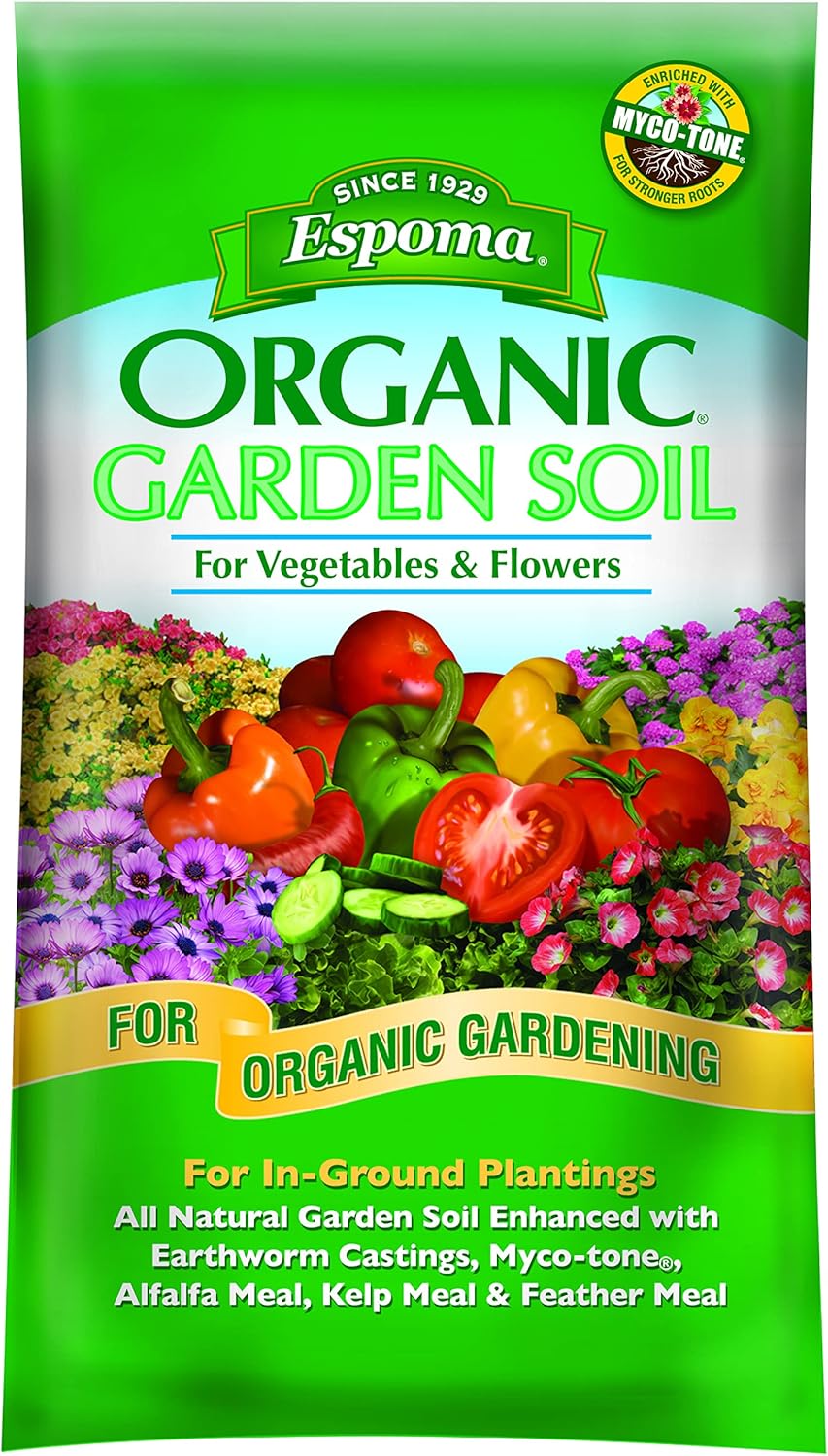
Espoma Organic Vegetable & Flower Garden Soil (1 cu ft)
| Volume | 1 cubic feet |
|---|---|
| Style Name | Peat Moss |
| Unit Count | 1536 Ounce |
Espoma Organic Vegetable & Flower Garden Soil is a 1 cubic foot organic planting mix intended to be blended into native garden soil during planting or transplanting. It combines Canadian sphagnum peat moss with composted materials, earthworm castings, alfalfa, kelp and feather meals, and a proprietary mycorrhizae blend to boost soil biology and nutrient availability. In practice you mix it into the root zone to lighten heavy soils, improve moisture retention in sandy beds, and give shade plants like hostas a biologically active medium at planting time. The inclusion of mycorrhizae and organic amendments supports root establishment and steady growth without synthetic fertilizers. Limitations are that it is a planting mix rather than a long-term topdress or potting soil replacement, and peat-based content means it is best used as an amendment rather than the sole medium for moisture-sensitive containers. For gardeners aiming for healthier beds and better transplant success, it is a practical, natural option to enrich soil at planting.
Best for: Gardeners who want a natural, biology-focused soil amendment to improve transplant success and overall bed health, especially when planting shade perennials like hostas.
Less Ideal for: Those needing a ready-to-use container potting mix or a long-term soil replacement for very moisture-sensitive plants should consider alternatives tailored to containers or peat-free mixes.
- Contains organic amendments such as earthworm castings and alfalfa meal to feed soil biology
- Includes endo and ecto mycorrhizae to improve root establishment
- Formulated for mixing into native soil at planting or transplanting
- Free of synthetic plant foods or chemicals
- Peat-moss content makes it an amendment rather than a standalone, long-term potting mix
- Supplied in a 1 cubic foot bag which may require multiple bags for larger beds
Verdict: A biology-rich organic planting mix that reliably improves native garden soil and aids transplant success for shade-loving perennials.
Coast of Maine Planting Soil for Acid-Loving Plants (20 qt, 2-pack)

| Unit Count | 2 Count |
|---|---|
| Volume | 20 quarts |
| Item Weight | 18 pounds |
| OMRI Listed | Yes |
Coast of Maine Planting Soil is a ready-to-use organic blend made for acid-loving plants such as rhododendrons, azaleas, hydrangeas, and hostas. The mix combines sphagnum peat moss, composted manure, and aged bark to improve structure while supporting moisture retention, drainage, and aeration. In practice it is useful for refreshing planting holes, topping up containers, or building a nutrient-rich bed for shade perennials. Notable features include an intentionally low pH for ericaceous plants, OMRI listing for organic use, and ocean- and farm-sourced inputs that add slow-release nutrients and microbial life. For hostas this soil helps maintain the slightly acidic, humus-rich conditions those plants prefer and promotes steady root development and lush foliage. Limitations are that the bags are relatively small for large beds and that the peat-based formula may compress over time, so periodic incorporation of fresh organic matter or compost will extend benefits. Expect good early-season growth when used as part of regular soil management rather than as a one-time fix.
Best for: Gardeners who want an organic, low-pH planting soil to create or maintain humus-rich, slightly acidic conditions for shade perennials like hostas and other acid-loving plants.
Less Ideal for: Growers seeking a large-volume, ready long-term in-ground amendment for big beds without ongoing maintenance or those who prefer peat-free mixes should consider other options.
- Formulated with low pH suitable for acid-loving plants
- OMRI-listed organic ingredients that support soil biology
- Blend of peat, composted manure, and bark improves moisture retention and aeration
- Versatile for garden beds, raised beds, and containers
- 20 qt bags are small for large garden beds so multiple bags are needed
- Peat-based mix can settle over time and benefits from periodic replenishment
Verdict: Choose this mix when you want an organic, low-pH planting soil to encourage healthy roots and lush foliage in hostas and other acid-loving shade plants.
Miracle-Gro Moisture Control Potting Mix, 8 qt., 2-Pack

| Number of Packs | 2 |
|---|---|
| Unit Count | 512 Ounce |
| Item Type Name | Potting Mix |
| Feeds Plants | Up to 6 months |
Miracle-Gro Moisture Control Potting Mix is a ready-to-use soil blend designed for potted outdoor plants and containers. It uses an AquaCoir formula with peat, coir, and a wetting agent to absorb more water than basic mixes and deliver nutrients for up to six months. Typical use is filling pots or hanging baskets, setting the root ball, and watering through until drainage; it is aimed at gardeners who want consistent moisture without daily attention. The mix is airy to help roots breathe and fast-draining enough for many container-grown perennials. Practical benefits include reduced watering frequency, built-in nutrition for the growing season, and consistent texture that makes repotting straightforward. Limitations are that it is formulated for containers rather than in-ground beds and will need replenishing or repotting annually to avoid compaction and nutrient depletion. Also, gardeners who prefer fully organic or custom soil recipes may find the pre-mixed nutrients and wetting agents do not match their preferences.
Best for: Home gardeners who grow hostas and other shade perennials in containers and want a low-maintenance potting mix that moderates moisture and supplies season-long nutrients.
Less Ideal for: Gardeners planting hostas directly in beds, or those who strictly prefer to mix their own organic soil amendments, should choose a garden soil or custom blend instead.
- AquaCoir formula absorbs up to 33% more water than basic potting soil, helping prevent over- and under-watering
- Feeds plants for up to six months so containers get nutrients without frequent fertilizing
- Light, airy texture encourages root aeration and makes repotting easier
- Packaged in two 8 qt. bags, each sized to fill multiple 8-inch pots for container projects
- Formulated specifically for containers and not intended as in-ground garden soil
- Nutrients are pre-mixed so gardeners wanting purely organic or custom blends may need alternatives
Verdict: Choose this potting mix when you need a container-ready soil that holds moisture more evenly and feeds potted hostas through the growing season.
FoxFarm Ocean Forest Potting Soil, 12 qt

| Item Form | Granules |
|---|---|
| Specific Uses For Product | Dry Fertilizer |
| Coverage | 4.8 sq ft |
| Mixing Ratio | 1:1 |
FoxFarm Ocean Forest is a pre-mixed potting soil built for immediate use in containers, seedlings, and houseplants. The blend pairs aged forest products, sandy loam, and sphagnum peat moss to give a light, aerated texture that drains well while holding enough moisture for regular watering schedules. It includes organic amendments such as fish meal, crab meal, and earthworm castings so newly potted plants and transplants get an initial nutrient boost without needing extra fertilizer for about 30 days. Typical use is fill the pot, place the plant, and water thoroughly; it also works as a top dressing or blended with other mixes at a 1:1 ratio. Practical benefits include easier root penetration, improved microbial activity from the organic inputs, and fewer early feeding needs. Important limitations are that it is a bagged potting mix with a modest coverage per bag so larger containers or many hostas will require multiple bags, and gardeners should still monitor pH and nutrient needs over the season for heavy feeders.
Best for: Gardeners who want a dependable, ready-made potting mix that promotes healthy root growth and reduces early feeding for container plants and shade perennials like hosta.
Less Ideal for: Large-scale or in-ground landscape projects where bulk topsoil or garden loam is more economical and where long-term tailored fertilization strategies are required.
- Ready to use straight from the bag for quick potting and repotting
- Light, aerated texture improves drainage and root development
- Includes organic amendments (fish meal, crab meal, earthworm castings) for early nutrient support
- pH adjusted for better nutrient uptake
- Works as top dressing or can be mixed 1:1 with other soils for customization
- 12 quart bag covers a small area so multiple bags are needed for larger plantings
- Not a complete long-term fertilizer solution beyond the first 30 days
Verdict: A reliable, ready-to-use potting soil that gives hostas and container plants an aerated, nutrient-rich start with minimal fuss.
Back to the Roots Premium Blend Organic Potting Mix, 6 Quart

| Unit Count | 192 Fluid Ounces |
|---|---|
| Item Highlight | Peat-free potting soil for outdoor plants, indoor plants, vegetables, herbs and flowers |
| Item Type Name | 100% Organic Potting Mix | Premium Blend | Made in the USA |
| Volume | 6 quarts |
Back to the Roots Premium Blend is a 100% organic, peat‑free potting mix designed for a wide range of plants including herbs, vegetables, flowers and containerized perennials like hostas. It blends upcycled plant matter and wood fines with organic plant food, yucca extract for improved moisture distribution, and dolomitic limestone to help stabilize pH. In practice the mix is lightweight and easy to handle for potting and topdressing, and the moisture control ingredient helps prevent both waterlogging and rapid drying in containers and raised beds. For gardeners growing hostas, the mix provides an all‑purpose medium that supports steady moisture without heavy compaction, and the pH buffering helps keep nutrient availability stable. Limitations are its small 6‑quart size, which means you will need multiple bags for larger beds or many plants, and it does not list specific nutrient analysis or organic certification details on the label, so heavy feeders may require additional fertilizer planning.
Best for: Gardeners who prefer low‑risk, easy‑to‑use organic potting mixes for container hostas and small garden plantings and who value consistency and simple moisture control.
Less Ideal for: Those planting large outdoor beds or landscaping multiple hosta clumps who need bulk soil or a specific, tested soil blend tailored for heavy feeders.
- Peat‑free, made from upcycled plant matter and wood fines
- Includes yucca extract to improve moisture distribution in the root zone
- Dolomitic limestone added to help stabilize pH
- Suitable for indoor and outdoor container use and a range of plants
- Small 6‑quart bag is not economical for large beds or multiple hostas
- No detailed N‑P‑K nutrient breakdown provided on the product information
Verdict: A safe, peat‑free organic potting mix that delivers consistent moisture control and pH buffering for container hostas and small garden plantings.
Choosing the Right Soil for Hosta: Key Factors to Consider
Water Retention and Drainage Balance
Hostas prefer soil that retains steady moisture but does not stay saturated. A mix that holds water near the root zone supports those broad leaves, yet the same mix must also allow excess water to move away quickly after heavy rains. Gardeners should look for a blend of fine-textured organic material and coarse components that together create a sponge-like effect without pooling.
How a soil drains will change depending on climate and existing site soil. In heavy clay sites, add coarse amendments to increase pore space. In very sandy or free-draining soils, prioritize organic material that increases water-holding capacity to keep plants hydrated between waterings.
Organic Content and Nutrient Release
Hostas respond well to soils with moderate to high organic matter that slowly releases nitrogen and other nutrients during the growing season. Well-decomposed compost, leaf mold, or aged bark give a steady nutrient supply and improve soil biology without a sharp nutrient flush that pushes weak growth.
Avoid mixes that rely solely on quick-release synthetic feeds. Long-term garden health comes from improving organic content so roots can access nutrients over months rather than days. Organic matter also helps buffer pH and increases cation exchange capacity, which benefits nutrient retention.
Soil Structure and Tilth
Good tilth means the soil is friable enough for roots to expand and for oxygen to reach the root zone. Hostas develop shallow but extensive root systems, so a light, crumbly structure encourages spread and uptake of water and nutrients. Incorporating medium-sized particles like coarse compost and fine bark helps maintain open pore space.
Soil structure also affects planting ease and transplant success. A soil that compacts into a hard mass will impede root growth and slow establishment, while a well-structured mix improves early season vigor and long-term resilience.
pH and Nutrient Availability
Hostas prefer slightly acidic to neutral soils for optimal nutrient uptake. Soil pH influences the availability of key nutrients such as iron, manganese, and phosphorus. A buffered pH near the neutral range reduces the risk of micronutrient deficiencies that can manifest as chlorosis in shade-grown foliage.
Gardeners should test soil pH and choose amendments that adjust or stabilize pH without dramatic swings. Materials like leaf mold and well-rotted compost help moderate pH naturally while improving nutrient-holding capacity.
Resistance to Compaction and Crown Health
Because many hostas sit close to the soil surface, compaction that forces crowns upward or restricts root spread harms plant health. Soils that resist compaction maintain pore space, allowing stems and crowns to sit at the correct depth and roots to breathe.
Avoid heavy, dense mixes in planting holes. When working heavy native soils, incorporate coarse organic matter and grit to break up compaction layers. Maintaining a loose surface layer around crowns reduces rot risk and promotes vigorous leaf production.
Suitability for Containers and Raised Beds
Hostas are often grown in containers or raised beds where moisture dynamics differ from in-ground plantings. Container mixes must hold enough moisture between waterings while draining well from pot holes. Raised beds need a balance that matches the underlying soil and bed depth to prevent extremes in wetness or dryness.
Choose mixes formulated for container use when planting hostas in pots and adjust watering schedules according to the mix's water-retention traits. For raised beds, blend in heavier organic material if the bed drains too quickly, or add coarse grit and perlite if the bed holds too much water.
Preparing Existing Beds for Hosta Planting
Before adding new soil or amendments, assess the current bed depth and native soil texture. In heavy clay beds, dig and loosen to at least the depth of the root ball and blend in coarse organic matter to improve pore space. For sandy beds, add plenty of compost or leaf mold to increase moisture-holding capacity.
Work amendments through the top 8 to 12 inches where hosta roots concentrate. Level the planting area and avoid burying crowns too deeply. Lightly firm the soil so crowns sit at the soil surface with roots comfortably below.
- Test soil drainage by digging a hole and filling with water to see how quickly it percolates
- Incorporate aged compost or leaf mold for sustained nutrient release
- Avoid fresh wood chips placed directly against crowns to reduce rot risk
Amendments That Help Hostas Thrive
Amendments change both the physical and biological properties of soil. A mix of well-rotted compost and leaf mold adds moisture-holding capacity and beneficial microbes without compacting. Coarse sand or grit can improve drainage in heavy soils, but use it sparingly to avoid creating a perched water table.
Man-made components like perlite or pumice improve aeration in container mixes. For in-ground plantings, focus on organic amendments that integrate with native soil and feed plants over multiple seasons.
- Use aged compost rather than fresh for steady nutrient release
- Add coarse grit or sand in small amounts to clay soils to open pore space
- Consider leaf mold to improve moisture retention in shady beds
Managing Moisture in Shade Gardens
Shade gardens can hold moisture longer than sun-exposed beds, which often benefits hostas but increases rot risk in poorly drained soils. Mulch helps regulate soil moisture and temperature, but keep mulch away from crowns to avoid trapping moisture against the crown base.
Water deeply and infrequently when possible to encourage roots to seek moisture. In containers, monitor moisture more closely because potting mixes dry faster and require more frequent irrigation.
- Apply 2 to 3 inches of organic mulch, leaving a 1- to 2-inch gap around crowns
- Use drip irrigation or soaker hoses for even moisture distribution
- Adjust watering after heavy rains to prevent prolonged saturation
Soil Testing and Ongoing Bed Maintenance
A simple soil test gives you pH and nutrient baseline information to guide amendment choices. Repeat testing every few years or if plants show signs of nutrient stress. Tests also help determine whether lime or sulfur is necessary to nudge pH into the preferred range.
Maintain soil health with annual topdressings of compost and periodic light aeration. Over time, continue to add organic matter to offset decomposition and keep pore structure favorable for hosta roots.
- Test pH and basic nutrients before major renovation
- Topdress with compost each spring instead of deep tilling
- Avoid compacting beds with heavy equipment near planting areas
Container Mix Tips for Potted Hostas
Select a container mix that combines organic fines for water retention and coarse particles for drainage. Containers need more frequent feeding because nutrients leach more quickly, so include a long-release organic amendment or plan for light feeding through the season.
Choose pots with adequate drainage holes and use a saucer only when drainage is managed carefully. In winter climates, containers may need protection from freeze-thaw cycles to prevent root heaving.
- Use a lightweight mix with compost, perlite, and coarse bark for containers
- Ensure consistent moisture without waterlogging by checking the mix before watering
- Consider slightly larger pots to reduce the frequency of watering
How We Chose the Best Soil for Hosta
We shortlisted soils and soil mixes that match hosta cultural needs and real garden conditions. Our evaluation focused on specific, measurable attributes that affect plant health in shade gardens: water retention and drainage, organic matter content and nutrient-release profile, pH suitability and buffering, soil structure and tilth, and resistance to compaction and crown-sitting. We prioritized materials and blends that support large foliage without promoting chronic wet feet. We excluded products and mixes formulated only for succulents, cacti, or high-sun ornamentals because those compositions are unsuited to hosta moisture needs. We also excluded blends lacking clear ingredient information or those with high proportions of inert fillers that reduce nutrient-holding capacity. The final picks represent options appropriate for in-ground beds, raised beds, and container culture, and they reflect long-season moisture management, steady nutrient supply, and good structure for root development.
FAQ
What soil pH do hostas prefer?
Hostas usually do best in slightly acidic to neutral soil. A pH near neutral keeps most micronutrients available and reduces the risk of chlorosis. Test your soil and adjust gradually with organic matter rather than dramatic chemical swings.
Can I use standard garden soil in containers for hostas?
Standard garden soil is often too dense for containers and can compact, restricting root growth. Use a lighter container mix that balances organic matter and coarse particles to hold moisture without becoming waterlogged.
How much compost should I add when planting hostas in the ground?
Incorporate a generous but not excessive amount of well-rotted compost into the top 8 to 12 inches of soil. Aim for a blend that improves texture and nutrients without creating a thick layer of pure compost that can settle and compact.
Will mulch around hostas cause crown rot?
Mulch helps regulate moisture and suppress weeds but can increase rot risk if piled against crowns. Keep mulch pulled back 1 to 2 inches from the crown and use 2 to 3 inches of material elsewhere in the bed.
How often should I water hostas in a well-amended bed?
Frequency depends on climate and soil, but in well-amended beds hostas typically need deep watering when the top few inches begin to dry. This might be weekly during normal conditions, more often in heat, and less after steady rain.
Final Verdict
Choose soil that prioritizes a balance between moisture retention and free drainage, with ample organic matter to feed roots across the season. Prioritize structure and resistance to compaction so crowns sit at the proper depth and roots can spread. Base your final choice on your site conditions: improve clay with coarse organics and grit, add compost to sandy sites, and use purpose-built container mixes for pots. Focus on soil health and steady nutrient delivery to keep hostas vigorous and full of foliage.
