

Note: This article contains affiliate links. If you click on these links and make a purchase, I may earn a small commission at no extra cost to you. This helps support my research and content. Read my full affiliate disclosure here.
If you want fewer weeds and healthier planting beds, the right mulch makes a big difference. Mulch reduces light reaching weed seeds, evens soil moisture, and cushions shallow roots from temperature swings. For gardeners focused specifically on preventing weeds, choices vary by how long the material lasts, whether it allows water to pass easily, and how it affects soil biology. This guide covers seven top mulches selected for weed suppression and practical garden use. We shortlisted materials that perform well in beds, borders, and around shrubs, and we evaluate them on durability, weed-blocking ability, and impact on soil. Read on to match a mulch type to your garden conditions and maintenance rhythm.
Top Picks at a Glance
| Best Overall The best all-around choice for most situations | USA PINESTRAW Long Needle Pine Straw Mulch – 1 Square Bale |  |
| Best Quality Built to a higher standard if you want something more solid | Playsafer Rubber Mulch Nuggets (40 lb bag, Black) |  |
| Best Value The sweet spot between price and what you get | BRUT Worm Farms Organic Aspen Mulch, 10 qt |  |
| Best Budget The cheapest option that still gets the job done reliably | SGTM Living Mulch, 4 Quart |  |
| Highest Rated A top-rated pick with lots of positive feedback | Back to the Roots Organic Coconut Husk Mulch Block (Expands to 2 cu ft) |  |
| Most Popular A crowd favorite that many people choose with confidence | PlantBest Coco Mulch Compressed Block (expands to ~17.5 sq ft) |  |
| Best Seller A high-volume bestseller chosen again and again | HealthiStraw GardenStraw Premium Wheat Straw Mulch, 3 cu ft |  |
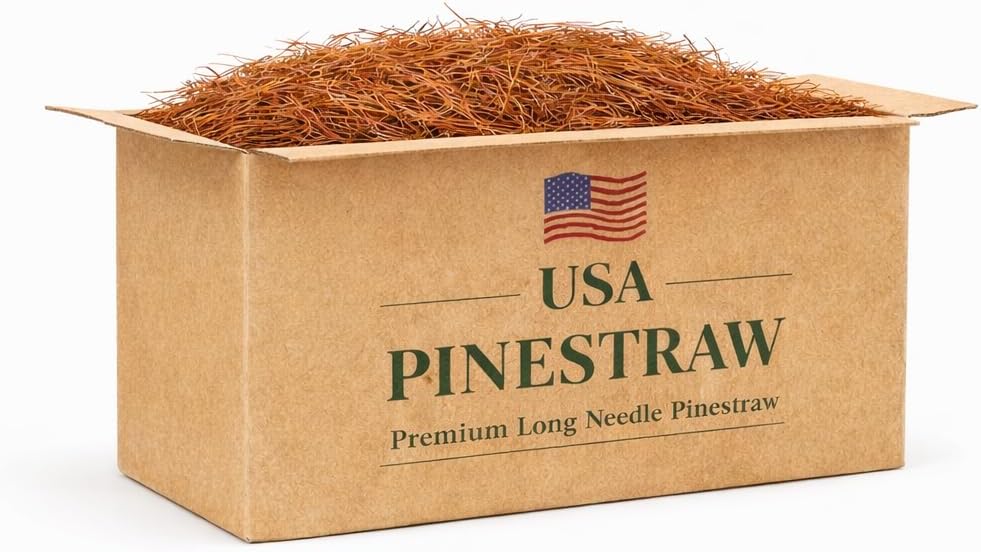
USA PINESTRAW Long Needle Pine Straw Mulch – 1 Square Bale
| Material Type | Pine |
|---|---|
| Package Size Name | Square Bale |
| Unit Count | 1 Count |
| Other Special Features of the Product | Organic |
This product is a single premium square bale of long-needle pine straw harvested for use as organic mulch around beds, trees, and pathways. It is typically pulled apart and spread in a 2–3 inch layer to suppress weeds, conserve soil moisture, and give beds a natural finished look. Because it is long-needle pine straw, it forms a light, interlocking mat that resists wind displacement better than loose short straw and allows water and air to reach roots. The bale is organic and sourced from pine so it will slowly break down and add organic matter to the soil. Limitations are that one bale covers a limited area so larger gardens will need multiple bales and pine straw can be messy to install compared with manufactured mats or rubber mulches. It also does not provide the same long-term color permanence as dyed wood mulch, so occasional replenishing is normal to maintain thickness and appearance.
Best for: Gardeners who want a natural, low-maintenance mulch for beds and around trees and prioritize soil health and weed suppression with an organic material.
Less Ideal for: People needing instant, long-lasting color or those who prefer inert, maintenance-free synthetic mulches for high-traffic decorative beds.
- Organic natural material that improves soil as it decomposes
- Long-needle straw tends to interlock for better wind resistance
- Good at retaining soil moisture which reduces watering frequency
- Effective natural weed suppression when applied at recommended depth
- Single square bale covers a limited area so multiple bales are needed for larger beds
- Color will fade naturally and requires periodic replenishing
Verdict: Choose this long-needle pine straw bale if you want an organic mulch that suppresses weeds and retains moisture while gradually improving soil.
Playsafer Rubber Mulch Nuggets (40 lb bag, Black)

| Material Type | Rubber |
|---|---|
| Item Weight | 40 pounds |
| Item Type Name | Rubber Mulch |
| Item Thickness | 3 inches |
Playsafer rubber mulch nuggets are loose recycled-rubber pieces sold in 40 lb bags for pouring and spreading over play areas, under swings, or in landscape beds. They are IPEMA certified for playground safety and manufactured from recycled tires so they resist decomposition, do not compact, and dry quickly after rain. Typical use is to spread a few inches over soil to create a soft, impact-absorbing surface that also blocks light and reduces weed emergence better than lighter organic mulches. Notable features include a long-lasting color guarantee and a 3-inch nominal thickness of the nuggets when used as recommended. Practical benefits are low maintenance because the product does not need frequent replacement and it stays resilient through freeze and thaw cycles. Important limitations are that loose rubber mulch does not biologically enrich soil like wood mulches, can make planting or future soil work more difficult, and may retain heat in hot climates. You should also plan for containment edging to keep loose nuggets in place around beds and play equipment.
Best for: Buyers who prioritize durable, low-maintenance ground cover for play areas or high-traffic landscape spots and want a long-lasting, performance-focused solution to suppress weeds and cushion falls.
Less Ideal for: Gardeners seeking organic soil improvement, easy planting access, or a natural aesthetic should choose organic mulches instead.
- Made from recycled rubber so it will not decompose or compact
- IPEMA certified for playground safety, providing impact absorption
- Sold in manageable 40 lb bags for easy spreading
- Color formulated to resist fading for up to 12 years
- Does not improve soil fertility or support beneficial soil organisms
- Loose nuggets require edging or containment to prevent migration
Verdict: Choose this rubber mulch when you want a durable, non-decomposing ground cover that suppresses weeds and provides long-lasting safety cushioning for play areas.
BRUT Worm Farms Organic Aspen Mulch, 10 qt

| Brand Name | BRUT WORM FARMS |
|---|---|
| Unit Count | 192 Ounce |
| Volume | 10 quarts |
| Style Name | Moisture-retaining |
This aspen bark mulch is a lightweight, odor-free top dressing for garden beds, planters, and potted plants that focuses on moisture retention and natural weed suppression. It is formulated with about 30% carbon and is OMRI-listed, so it supports soil microbes while slowly decomposing and contributing organic matter. Typical use is to spread a thin layer around plants as a top dressing two to three times a year; the fine texture gives a tidy, uniform look and makes it easy to apply around small plants and pathways. Practical benefits include reduced watering frequency thanks to good water-holding properties and a physical barrier that limits weed seed germination. Because it is primarily a carbon-rich mulch rather than a nutrient-dense compost, it will not quickly supply high levels of NPK but does help soil structure over time. The product comes in a modest 10 quart size, so it is most convenient for small beds, containers, or trial use before committing to larger areas.
Best for: Gardeners who prioritize practical, low-maintenance solutions for tidy beds and container plantings and want a mulch that conserves water and reduces weeds without strong odors.
Less Ideal for: Those looking for a bulk mulch supply for large landscapes or a product that delivers immediate high nutrient levels should consider larger bags or compost-based amendments instead.
- OMRI-listed organic aspen bark that is safe for organic gardens
- Fine, odor-free texture that is easy to spread around small plants and containers
- Helps retain soil moisture and reduce watering frequency
- Creates a physical barrier that suppresses weed seed germination
- 10 quart bag is small for larger beds and may require multiple bags
- Primarily carbon-rich so it provides limited immediate nutrients compared with compost or worm castings
Verdict: A tidy, organic aspen mulch ideal for small beds and containers that reduces watering and suppresses weeds while improving soil carbon over time.
SGTM Living Mulch, 4 Quart

| Brand Name | SGTM |
|---|---|
| Unit Count | 128 Ounce |
| Volume | 4 quarts |
| Style Name | Living Mulch |
SGTM Living Mulch is an organic ground-cover product intended to be spread around garden beds to act like a low-growing, soil-improving mulch. You use it the same way you would apply conventional mulch: lay a uniform layer around plants and in bare soil areas to shade weed seeds, retain moisture, and moderate soil temperature. The product emphasizes benefits for soil health by adding organic matter and supporting beneficial insects, and its root structure helps stabilize soil on slopes. For weed control it functions by crowding out seedlings and reducing light at the soil surface, which lowers the need for manual weeding or herbicides. Because it is a living-style mulch, it requires some establishment time and may need periodic topping or replenishment to keep coverage dense. The 4 quart volume suits small beds, container gardens, or spot treatments rather than large landscapes, so plan quantities accordingly.
Best for: Gardeners working on small beds, container plots, or spot areas who want a low-maintenance organic solution to reduce weeds and conserve water while improving soil health.
Less Ideal for: People needing to cover large lawns or extensive landscapes who prefer a single bulk mulch product rather than repeated small applications.
- Suppresses weeds by shading and crowding seedlings
- Helps retain soil moisture to reduce watering frequency
- Adds organic matter to improve soil structure and fertility
- Supports beneficial insects and biodiversity
- Root structure helps prevent erosion on slopes
- Sold in a small 4 quart size so multiple units are needed for larger areas
- Requires establishment and occasional replenishment to maintain coverage
Verdict: Choose this product if you need a small-quantity, organic living mulch to suppress weeds and improve soil in garden beds or containers.
Back to the Roots Organic Coconut Husk Mulch Block (Expands to 2 cu ft)

| Brand | Back to the Roots |
|---|---|
| Item Highlight | Compressed 10 lb coco husk mulch; expands to 58 qt; peat-free; OMRI Listed |
| Volume | 2 cubic feet |
This compressed coconut husk mulch block expands quickly with water into a loose, fluffy 2 cubic foot mulch designed for garden beds and raised planters. You soak the 10 lb brick, let it rehydrate, then spread it around plants to help retain soil moisture, improve aeration, and cover bare soil where weeds would otherwise take hold. It is OMRI listed and peat free, which is useful if you prefer organic inputs and sustainable materials. The compact brick format is easy to store and transport compared with bulky loose mulch bags, and the finished mulch resists compacting so it stays light around plant roots. Expect a moderate initial cost per coverage compared with basic wood chips, and the fine texture means you may need slightly thicker coverage to block persistent weeds. Also it will gradually break down and require periodic top-up like any organic mulch.
Best for: Gardeners who prioritize reliable, organic mulch that is easy to store and apply and who want a sustainable alternative to peat or bulky wood chips.
Less Ideal for: People who want a long-lasting, low-maintenance mulch that rarely needs topping up or those who prefer very coarse decorative bark for high-traffic landscape areas.
- Expands from a compact 10 lb block into about 2 cubic feet, making storage and transport easy
- OMRI listed and peat free, suitable for organic gardening and sustainable use
- Loose, airy texture helps retain moisture and improves soil aeration around roots
- Fine coconut husk chips create a clean, even cover that suppresses light to slow weed emergence
- Finer texture can decompose faster than coarse bark and requires more frequent replenishing
- May need thicker application compared with heavier mulches to fully block persistent weeds
Verdict: Choose this compact, OMRI-listed coconut husk block when you want an easy-to-store, organic mulch that rehydrates into a moisture-retaining cover to help prevent weeds.
PlantBest Coco Mulch Compressed Block (expands to ~17.5 sq ft)

| Item Form | Block |
|---|---|
| Coverage | 2.5 cubic feet |
| Specific Uses For Product | gardening and landscaping |
| Mixing Ratio | 6 fold in 5 minutes |
This compressed coco mulch block is a lightweight, easy-to-handle alternative to traditional bulky mulch bags: add water and the 9.1 lb block expands in minutes to cover roughly 17.5 sq ft at a 1.5-inch depth. In use it forms a cohesive layer of coconut fibers and husk chips that resists washout on slopes, holds moisture to reduce watering frequency, and helps suppress weed growth. Practical benefits include much easier storage and transport than several heavy bags, quick expansion (mixing ratio about 6-fold in 5 minutes), and an organic, dye-free material that can last through one to two seasons. Important limitations are coverage amount and depth: one block only covers a modest area so larger beds require multiple blocks, and like most organic mulches it will gradually break down and need replenishing over time. Also you should handle it with gloves and keep it away from children and pets until hydrated. For gardeners focused on reducing weeds and watering needs, this offers a convenient, low-mess mulch solution.
Best for: Gardeners who want an easy, low-mess mulch that suppresses weeds and reduces watering, and who value organic, dye-free materials and straightforward application.
Less Ideal for: Large landscaping projects where quick, wide coverage is needed or for buyers who prefer permanent inorganic mulches that never need replenishing.
- Expands quickly with water to create a ready-to-use mulch layer
- Made from 100% renewable coconut coir, free of dyes and chemicals
- Lightweight compressed form is easy to carry, store, and apply
- Holds moisture to reduce watering frequency and regulate soil temperature
- Single block covers a relatively small area so multiple units are needed for larger beds
- Organic material decomposes over time and will require replenishing after a season or two
Verdict: A compact, easy-to-use coconut mulch that expands with water to create a moisture-retaining, weed-suppressing layer for small to medium garden beds.
HealthiStraw GardenStraw Premium Wheat Straw Mulch, 3 cu ft

| Volume | 3 cu ft |
|---|---|
| Ideal use | Edible gardens & lawn seeding |
| Cut length | Approx. 2 inches |
| Sustainably sourced | Yes |
| Non-GMO | Yes |
HealthiStraw GardenStraw is a compressed 3 cubic foot bale of cleaned, non-GMO wheat straw made for garden beds, lawn seeding, and compost-friendly mulching. It is used by spreading a 2–3 inch layer over vegetable, flower, and fruit beds to suppress weeds, retain soil moisture, and reduce evaporation; for lawn seeding it can be applied thinly as a protective seed blanket. The product emphasizes low dust and seed filtration so you are less likely to introduce volunteer weeds compared with untreated straw, and the specially cut fibers interlock when watered to stay in place without chemical binders. Benefits include faster composting and added organic carbon to the soil as the straw breaks down. Practical limitations are that coverage claims depend on layer thickness and compression requires physical effort to break apart the bale, and straw will eventually decompose so it needs occasional replenishing in longer-term beds. For gardeners prioritizing a natural, water-conserving weed barrier, this is a straightforward choice.
Best for: Gardeners who want a low-dust, natural mulch that suppresses weeds and conserves water in vegetable beds, raised beds, and lawn repair and prefer predictable, low-risk materials.
Less Ideal for: People who need a permanent, non-decomposing weed barrier or who prefer inorganic mulches for very long-term coverage should consider alternatives.
- Cleaned, filtered wheat straw with reduced dust and fewer seeds than raw straw
- Designed to interlock when watered so the mulch stays in place without binders
- Composts quickly and adds carbon to soil, improving structure and microbial health
- Helps conserve water and reduce evaporation, lowering irrigation needs
- Versatile for vegetable gardens, raised beds, containers, and lawn seeding
- Compressed bale requires effort to loosen and spread evenly
- Will decompose over time and needs periodic replenishment
Verdict: A clean, low-dust wheat straw mulch that reliably suppresses weeds and conserves water while improving soil as it composts.
Choosing the Right Mulch for Preventing Weeds: Key Factors to Consider
Weed-Blocking Ability
How effectively a mulch prevents weed seeds from germinating and emerging depends on opacity, particle size, and how the material settles. Dense, light-blocking mulches reduce surface germination by denying seeds the light they need. Loose mulches that shift or are very coarse can leave gaps where weed seedlings push through, so thickness and settling behavior matter.
Gardeners should match mulch depth to the material: fine-textured mulches usually need a thinner layer to allow water infiltration without compaction, while larger chunks may require deeper coverage to achieve equivalent light exclusion. Consider that perennial weeds with deep roots or strong rhizomes may still emerge through or around even an effective surface mulch.
Longevity and Maintenance Interval
Different mulches break down at very different rates, affecting how often you need to top them up. Organic mulches like shredded bark or wood chips decompose and feed the soil but require replenishment every season or few years depending on climate and microbial activity.
Inorganic mulches such as gravel or landscape fabric can last for many years but have tradeoffs like heat retention or reduced ease of planting. Think about how often you want to lift the mulch to plant or amend soil and choose a material whose maintenance cycle matches your gardening schedule.
Water Permeability and Drainage
Mulch must let water through to reach roots while still preventing surface runoff. Very dense or compacted mulches can repel water temporarily, leading to dry pockets under the layer or increased irrigation needs. Conversely, mulches that drain well help keep roots evenly moist and reduce disease risk from standing water.
If you are irrigating with drip lines or soaker hoses, ensure the mulch allows water to reach those emitters without clogging. In heavy clay soils, prefer mulches that encourage infiltration rather than those that cause surface crusting.
Effect on Soil Biology and Nutrient Cycling
Organic mulches feed soil organisms as they decompose, improving structure and nutrient availability over time. However, rapid decomposition can temporarily tie up nitrogen near the surface. Coarser, slower-breaking materials minimize this effect while still adding organic matter gradually.
Inorganic mulches do not contribute organic matter and can alter soil temperature and moisture regimes for long periods. Consider how the chosen mulch interacts with the soil life you want to support, especially in vegetable beds or new planting areas where building soil is a priority.
Installation Practicalities and Plant Access
Some mulches are easy to spread by hand or with a wheelbarrow, while others require more effort or tools. Lightweight materials may blow away on exposed slopes unless anchored. Heavy decorative stones need more labor to place but resist displacement.
Also consider how the mulch affects tasks like planting or weed removal. Materials that compact or mat down can make spot-weeding harder. Choose a mulch that balances ease of installation with how often you will need to access the soil for planting, dividing, or feeding.
Matching Mulch Type To Garden Use
Different garden areas have distinct needs. Around perennials and existing shrubs you want a stable, longer-lasting layer that avoids smothering roots. Vegetable beds benefit from mulches that add organic matter and are easy to incorporate into the soil each season. Pathways and high-traffic zones need durable, low-maintenance materials that tolerate footfall and hose spray.
- Use coarser, longer-lasting mulch around established woody plants to reduce annual topping up.
- Choose fine, compostable mulch in vegetable beds to improve soil when tilled in at season end.
- For containers or small raised beds, select mulch that balances weight and water retention to avoid root rot.
Installing Mulch For Best Weed Control
Lay mulch after thoroughly weeding and before weeds set seed. A clean start reduces the seed bank that can sprout later. Apply an even layer that suits the material: generally 2 to 4 inches for organic mulches and thinner for finer materials that might mat down. Avoid piling mulch directly against the stems or trunks of plants. That contact can trap moisture and invite rot or pest problems. Keep a clear ring of a few inches around trunks and crowns to allow air flow and inspection.
- Water the soil before mulching so moisture is retained under the layer.
- Spread mulch more thickly in areas with persistent weeds, but monitor for compaction.
- Replenish organic mulch when it has settled to about half its original depth.
Mulch and Seasonal Timing
Apply mulch in late spring after soil has warmed for annual beds, or in fall to protect soil and suppress winter germination. In climates with wet winters, wait until heavy rains subside to avoid trapping excessive moisture against plants. In hot climates, a thicker layer can reduce irrigation frequency but may increase soil temperatures if the material is dark or heat-absorbing. Adjust the timing when planting new transplants so roots are established before adding a deep layer. For spring-planted areas, light mulching can reduce evaporation while allowing soil to warm efficiently.
- Top-dress beds in spring to conserve moisture through the growing season.
- Add a protective winter layer in cold climates to reduce freeze-thaw heaving of roots.
- Delay thick mulching until seedlings are robust to avoid burying young plants.
Combining Mulches For Best Results
You can use a combination approach to get the best traits of different materials. For example, a thin weed-blocking layer or cardboard beneath a decorative organic or inorganic top layer reduces weed pressure while keeping the surface attractive. A small patchwork approach also lets you use compostable mulch where soil building is a priority and durable mulch where access or aesthetics matter more. Be mindful of interactions: impermeable barriers under heavy stones can trap water, and thick cardboard layers may delay water penetration until they break down. Plan combinations to suit drainage and planting schedules.
- Use a light sheet layer under loose, decorative mulch to interrupt seed germination.
- Reserve compostable materials for beds you amend annually.
- Keep a pathway of durable mulch for access while using softer mulch in planting zones.
How We Chose the Best Mulch for Preventing Weeds
We selected mulches that are commonly used in home gardens and have clear differences in how they suppress weeds and affect soil. Editorial filters emphasized real-world durability, resistance to weed establishment, moisture management, and safety for plants and beneficial soil life. Criteria used to narrow the list included how well the material limits light and seed germination, how long a single application typically lasts, permeability for water and air, and whether the material breaks down into soil or leaves long-term residue. We also considered ease of installation and maintenance demands for typical backyard and urban garden settings. We excluded materials that are primarily decorative without weed-control benefits, those with significant toxicity concerns, and options that require specialized equipment to apply. The aim was to pick widely available mulches that gardeners can reasonably manage themselves and that perform predictably for suppressing weeds.
FAQ
How thick should mulch be to prevent most weeds?
For most organic mulches, 2 to 4 inches is effective at reducing light to weed seeds while still allowing water through. Very fine materials may compact and require a thinner layer, and very coarse chunks might need a deeper spread to fully block light.
Will mulch stop perennial weeds with deep roots?
Mulch helps reduce surface germination but often will not stop deep-rooted perennials from resprouting. Managing those species usually requires removing roots or combining mulch with manual control and targeted digging.
Can mulch cause problems for my plants?
Mulch can cause issues if applied too thickly or piled against stems, which creates excess moisture and can trigger rot or pest problems. Some mulches also affect soil temperature and nutrient dynamics, so choose type and depth to match your plants and local climate.
Is it better to use organic or inorganic mulch to stop weeds?
Organic mulches suppress weeds and improve soil over time but need replenishing. Inorganic mulches last longer and resist weed establishment if properly installed, but they do not add organic matter and may alter drainage and heat around roots.
How often should I replenish mulch?
Replenishment depends on material and climate. Fast-decomposing organic mulches may need topping yearly, while coarse wood chips can last several years. Inspect depth each season and add material when it has settled to roughly half the original depth.
Final Verdict
Focus on the attributes that matter for weed suppression: a material that blocks light, allows water through, and fits your maintenance schedule will deliver the best practical results. Organic options give the added benefit of feeding soil as they break down but require more frequent topping. Inorganic choices give long-term coverage with less upkeep but change soil temperature and do not build organic matter. Decide based on bed use, how often you want to refresh the surface, and whether improving soil biology is a priority. With those tradeoffs in mind, you can choose a mulch that reliably reduces weed pressure while supporting healthier plants.
