

Note: This article contains affiliate links. If you click on these links and make a purchase, I may earn a small commission at no extra cost to you. This helps support my research and content. Read my full affiliate disclosure here.
Picking the right mulch to prevent weeds changes how much time you spend hand-pulling and spot-treating beds. The right material suppresses weed seedlings, moderates soil moisture and temperature, and helps existing plantings thrive while reducing maintenance. This guide covers seven shortlisted mulches that perform well for weed control in garden beds, borders, and around ornamentals. We evaluated each option for how long it blocks sunlight, how it handles in the landscape, and what it does for soil and moisture. Read on for practical pros and cons and to find the best fit for your planting situation.
Top Picks at a Glance
| Best Overall The best all-around choice for most situations | PlantBest Coco Mulch Compressed Block, Expands to 64 Quarts |  |
| Best Quality Built to a higher standard if you want something more solid | PlantBest Coco Mulch Compressed Block — Expands to Mulch for Garden Beds |  |
| Best Value The sweet spot between price and what you get | Back to the Roots Organic Coconut Husk Mulch Block (expands to 2 cu ft) |  |
| Best Budget The cheapest option that still gets the job done reliably | SGTM Living Mulch Organic, 4 Quart |  |
| Highest Rated A top-rated pick with lots of positive feedback | hungkaturn Coconut Coir Mulch Rings (4-Pack, 15.7") |  |
| Most Popular A crowd favorite that many people choose with confidence | HealthiStraw GardenStraw Premium Garden Mulch, 3 cu ft |  |
| Best Seller A high-volume bestseller chosen again and again | USA PINESTRAW Long Needle Pine Straw Mulch, Square Bale |  |
PlantBest Coco Mulch Compressed Block, Expands to 64 Quarts

| Item Weight | 8.95 pounds |
|---|---|
| Expands to | Approximately 16 gallons / 64 quarts |
| Coverage | Up to 17.5 sq ft at 1.5-inch depth |
| Material | 100% coconut coir |
This compressed coconut coir mulch block expands quickly with water into a loose, fibrous mulch you can spread around flower beds, borders, and trees. One 9.1 lb block soaks up water and expands to roughly 16 gallons, covering about 17.5 square feet at a typical 1.5-inch depth, which makes it easy to carry and store compared with bulky prebagged mulch. The natural coir fibers and husk chips interlock to form a stable layer that helps hold moisture, reduce watering frequency, and suppress weeds and soil erosion on slopes. It is peat-free and made from renewable coconut, so it resists compacting and lasts for up to two seasons before breaking down. Expect to need multiple blocks for larger areas since coverage per block is modest, and it will settle over time so occasional top-ups are necessary. Overall it works well where a lightweight, low-mess, and sustainable mulch is preferred, especially for tidy garden beds and around plantings where moisture retention and weed control are priorities.
Best for: Gardeners who want a lightweight, low-mess mulch that holds moisture and helps control weeds in small to medium beds and around trees, while preferring sustainable peat-free materials.
Less Ideal for: Large properties or projects where bulk coverage is needed quickly and cost-effectively should consider bulk loose mulch products instead.
- Expands with water from a compact 9.1 lb block to about 16 gallons for easy storage and transport
- Made from 100% coconut coir, renewable and peat-free
- Fibrous structure helps retain moisture and reduce watering frequency
- Interlocking husk chips resist washout and help suppress weeds and erosion
- Advertised to last up to two seasons, reducing reapplication frequency
- Coverage per block is modest, so multiple blocks are needed for larger beds
- Settles over time and will require occasional replenishing
Verdict: A compact, peat-free coconut coir block that expands into a moisture-retaining mulch ideal for tidy beds and effective weed suppression in small to medium garden areas.
PlantBest Coco Mulch Compressed Block — Expands to Mulch for Garden Beds

| Item Form | Block |
|---|---|
| Coverage | 2.5 cubic feet |
| Specific Uses For Product | gardening and landscaping |
| Mixing Ratio | 6 fold in 5 minutes |
| Target Species | plants |
This compressed coco mulch block is designed to expand quickly with water into a lightweight, ready-to-use mulch for beds, borders, and around trees. You soak the 9.1 lb block and within minutes it expands to cover roughly 17.5 sq ft at a typical 1.5‑inch depth, making it practical for spot mulching or covering small to medium areas without hauling heavy bags. Made from coconut coir and husk pieces, it holds moisture to reduce watering frequency, helps regulate soil temperature, and forms an interlocking layer that suppresses weeds and resists washout on slopes. The product is peat‑free and reportedly lasts up to two seasons, so it maintains a tidy appearance without chemicals or dyes. Limitations are that one block covers a modest area, so larger beds will require multiple blocks, and achieving an even depth needs a little spreading after expansion. Also the expanded texture is lighter than some bark mulches, so very windy sites may need edging or anchoring.
Best for: Buyers who prioritize effective weed suppression and reduced watering for flower beds or smaller landscaping areas and want a sustainable, easy-to-handle mulch solution.
Less Ideal for: People who need to cover large acreage or require a heavy, decorative bark look for high-traffic beds should consider bulk or bagged alternatives.
- Expands quickly with water to produce usable mulch that is easy to transport and store
- Made from renewable coconut coir and husk, free from dyes and peat
- Holds moisture to reduce watering frequency and helps moderate soil temperature
- Interlocking fibrous texture helps suppress weeds and resists washout on slopes
- Single block covers a relatively small area, requiring several blocks for larger gardens
- Lighter expanded texture can shift in high wind without edging or anchoring
Verdict: A compact, sustainable mulch that expands with water to deliver effective weed suppression and moisture retention for small to medium garden beds.
Back to the Roots Organic Coconut Husk Mulch Block (expands to 2 cu ft)

| Item Highlight | Compressed 10 lb coco husk mulch expands to 58 qt |
|---|---|
| Item Type Name | Mulch |
| Volume | 2 cubic feet |
| OMRI Listed | Yes |
This compact coconut husk mulch block rehydrates into roughly 2 cubic feet of loose coco-mulch, making it easy to store and handle compared with bulky bags. To use, you simply soak the 10 lb compressed block in water and it expands into a fluffy mulch suited for raised beds, vegetable gardens, borders, and as a surface layer to suppress weeds and retain moisture. It is OMRI listed and peat-free, so it fits organic gardening practices and is sourced from upcycled coconut husk waste. Practical benefits include lighter lifting and reduced storage space before use, quick readiness in minutes, and improved soil aeration and moisture retention after application. Limitations are that a single block covers a modest area at typical mulch depths so you may need multiple blocks for larger beds, and the loose coco chips can be prone to light drifting in very windy spots until settled. For weed control it forms a moderate barrier best used in conjunction with proper bed preparation and a sufficient thickness of mulch.
Best for: Buyers who prioritize practical, space-saving garden supplies and want an organic, easy-to-handle mulch for small to medium beds to improve moisture retention and reduce weeds.
Less Ideal for: Not the best choice for landscapers or large properties needing to cover many square feet quickly; bulk loose mulch or pallet deliveries suit those projects better.
- Expands from a compact 10 lb brick to about 2 cubic feet for easy storage and transport
- OMRI listed and peat-free so it fits organic gardening practices
- Improves soil aeration and helps retain moisture, reducing watering frequency
- Lightweight coco husk texture is easier to spread than heavy bagged mulch
- Covers only a small area per block at weed-suppressing depths so multiple blocks are needed for larger beds
- Loose chips can shift in high wind until they settle into the soil
Verdict: A tidy, organic coconut-husk mulch brick that saves storage space and quickly provides a practical, peat-free mulch for small to medium garden beds.
SGTM Living Mulch Organic, 4 Quart

| Brand Name | SGTM |
|---|---|
| Unit Count | 128 Ounce |
| Volume | 4 quarts |
This living mulch is a small-batch organic ground cover intended to establish among plants and act as a low-maintenance weed barrier. It is typically used by spreading over bare soil or between rows so the cover can root and reduce light reaching weed seedlings. Notable features listed include moisture retention, weed suppression, erosion control, and soil-building benefits from added organic matter. In practice that means less frequent watering, fewer hand-weed sessions, and gradual improvement to soil structure as the material breaks down. It also attracts beneficial insects and helps moderate soil temperature, which can support plant health in both hot and cool periods. Because this is a living approach rather than an instant physical barrier, it takes time to establish and will not give immediate perfection against persistent annual weeds. Coverage per 4 quart container is limited, so plan to use multiple units for larger beds or to reapply while the mulch becomes established.
Best for: Gardeners working on a tight budget who want a low-maintenance, organic way to reduce weeds and improve soil over time in small beds or focused planting areas.
Less Ideal for: People who need instant, broad-scale weed eradication across large landscapes or who prefer nonliving hard barriers for immediate weed control.
- Suppresses weeds by crowding seedlings once established
- Helps retain soil moisture and reduce watering frequency
- Adds organic matter to improve soil fertility and structure
- Stabilizes soil to reduce erosion on slopes
- Attracts beneficial insects and supports biodiversity
- Requires time to establish and will not block all established weeds immediately
- Small 4 quart volume limits coverage for larger beds
- Not a quick-clean solution for heavily infested weed areas
Verdict: Choose this living mulch if you want an affordable, organic ground cover that steadily suppresses weeds while improving soil health in small to medium garden areas.
hungkaturn Coconut Coir Mulch Rings (4-Pack, 15.7")

| Material | Coconut coir |
|---|---|
| Pack quantity | 4 |
| Diameter | 15.7 inches |
These coconut coir mulch rings are preformed discs intended to sit around tree trunks or plant bases to reduce weeds and conserve soil moisture. Made from 100% natural coconut fiber, they provide a breathable, biodegradable barrier that helps regulate soil temperature and reduce evaporation so you water less often. Each 15.7 inch ring has a pre-cut center and is lightweight and trimmable for a custom fit, which makes installation quick for garden beds, potted specimens, and landscape plantings. The material also degrades over time, returning organic matter to the soil and avoiding plastic waste. Because they are relatively thin and organic, expect them to compress and break down over seasons and to need replacement periodically; they will not provide the long-term permanence of rubber or stone mulch. For gardeners who prioritize an eco-friendly, low-maintenance mulch that reliably reduces surface weeds and holds moisture, these rings are a straightforward solution.
Best for: Gardeners who want a reliable, eco-friendly mulch solution to cut watering and suppress weeds around trees and containers with minimal fuss and easy installation.
Less Ideal for: People wanting a permanent, non-degrading groundcover for high-traffic areas or long-term landscape borders should consider rubber or rock alternatives.
- 100% natural coconut coir that is biodegradable and adds organic matter as it decomposes
- Pre-cut center and trimmable design for fast, tool-free installation around trunks and pots
- Good moisture retention and temperature insulation to reduce watering frequency
- Breathable material that supports healthy root aeration while suppressing surface weeds
- Will decompose and compress over time so replacement every season or two may be needed
- Less durable than inorganic mulches for high-traffic or long-term landscape edging
Verdict: Choose these coconut coir rings if you want a natural, easy-to-install mulch that reliably reduces weeds and keeps soil moist while breaking down into organic matter.
HealthiStraw GardenStraw Premium Garden Mulch, 3 cu ft

| Capacity | 3 cu ft |
|---|---|
| Ideal use | Edible gardens, lawn seeding, raised beds |
| Sourcing | Sustainably sourced, non-GMO |
| Coverage | Up to 100 sq ft at 2–3" layer; 600 sq ft at 1/4" for seeding |
HealthiStraw GardenStraw is a 3 cubic foot compressed bale of wheat straw intended for garden mulching, lawn seeding, and composting. The straw is described as sustainably sourced, non-GMO, and processed to remove dust and most seeds, which makes it suitable for edible beds where cleanliness matters. It spreads easily by hand or with a rake and the specially cut fibers interlock when watered, helping the material stay in place without chemical binders. In practice this provides good moisture retention, reduces evaporation, and helps suppress weeds when applied at recommended depths. It also breaks down relatively quickly to add carbon to compost and improve soil structure. Limitations are that coverage depends on layer thickness so you may need multiple bales for larger areas and the product is a dry, compressed bale that requires fluffing and some labor to spread. Also, while seed filtration reduces volunteer plants, no straw is guaranteed seed-free, so occasional weeding may still be needed in sensitive vegetable plots.
Best for: Gardeners who prioritize minimizing weed seeds and dust in vegetable and flower beds and who want a natural mulch that improves soil health over time.
Less Ideal for: People needing an instant, long-term weed barrier for large landscapes or those who prefer inert, decorative mulches that do not break down.
- Processed to remove dust and as many seeds as possible, reducing weed introduction risk
- Interlocking cut fibers help the mulch stay in place under wind and rain without binders
- Good water retention that can reduce watering needs by up to 50%
- Composts quickly and adds carbon to improve soil structure and microbial activity
- Compressed bale requires fluffing and physical spreading effort
- Coverage varies with depth so larger areas may need several bales
Verdict: A clean, seed-filtered straw mulch that helps suppress weeds while conserving moisture and improving soil for edible gardens.
USA PINESTRAW Long Needle Pine Straw Mulch, Square Bale
| Material Type | Pine |
|---|---|
| Other Special Features of the Product | Organic |
| Package Size Name | Square Bale |
| Unit Count | 1 Count |
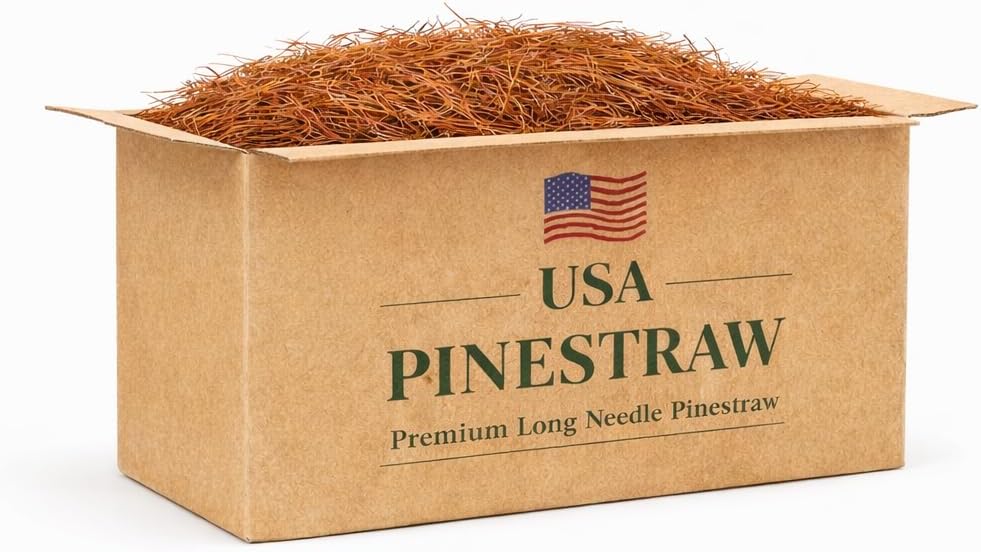
This product is a square bale of long needle pine straw marketed for landscaping uses like mulching flower beds, trees, and pathways. It is 100 percent organic pine straw harvested in the USA and packaged as a single square bale for easy handling and storage. In practice the long needles lay down quickly to form a loose, breathable mulch layer that suppresses weeds while allowing water and air to reach roots. Pine straw is lightweight and contours well around plants and root collars, so it is simple to spread by hand and stays largely in place on slopes. Expect good moisture retention that can reduce watering frequency and a natural look that lasts through seasons. Limitations to note are that pine straw does not form a dense, immovable mat like wood chips, so it can shift or thin in high-traffic areas and will need periodic topping to maintain depth. For buyers wanting an all-organic, easy-to-install mulch for weed reduction and moisture conservation, this bale is a practical choice.
Best for: Homeowners who prefer an all-natural, low-maintenance mulch for garden beds and around trees and prioritize weed reduction and moisture conservation without synthetic products.
Less Ideal for: People needing a heavy, long-lasting barrier in high-traffic paths or who prefer a compact, non-shifting mulch that rarely needs topping.
- 100% organic pine straw sourced from sustainable pine forests
- Long needles create a breathable mulch layer that helps suppress weeds
- Good moisture retention that can reduce watering needs
- Square bale packaging is easy to store and handle
- Loose straw can shift or thin over time and may require periodic replenishing
- Less effective as a physical barrier in very high-traffic or erosion-prone areas
Verdict: Choose this organic pine straw bale if you want a natural, easy-to-apply mulch that helps reduce weeds and retain soil moisture.
Choosing the Right Mulch to Prevent Weeds: Key Factors to Consider
Weed Suppression Mechanism
Different mulches prevent weeds in different ways. Some form a dense physical layer that blocks light and smothers seedlings, while others create chemical or microbial conditions that reduce seed germination. Understanding whether a mulch works primarily by creating shade, by compacting into a dense mat, or by altering the seedbed helps set expectations for how soon and how effectively weeds will be controlled.
This factor matters because a mulch that relies on light exclusion will require consistent coverage and the correct depth to be effective. Mulches that depend on smothering need to be applied without gaps and refreshed as they degrade. Choose a mechanism that matches how frequently you can maintain beds and the types of weeds you face.
Durability and Decomposition Rate
How long a mulch persists determines how often you must top up or replace it. Slow-decomposing materials provide longer weed control but may tie up certain nutrients temporarily if they are high in carbon. Fast-decomposing mulches break down into organic matter and can improve soil structure, but they may expose soil sooner and allow new weeds to germinate.
Consider the tradeoff between labor and soil improvement. If you prefer low-maintenance beds, prioritize durable materials. If soil-building is a priority and you can reapply more often, choose mulches that integrate with the soil over the season.
Application and Handling
Some mulches are light and prone to blowing, others are heavy and difficult to move; some require a weed barrier beneath, while others do not. Think about how you will transport, spread, and reapply the material in narrow beds, around shrubs, or on slopes. Ease of handling also affects how cleanly you can maintain edges and plant crowns without burying perennials too deeply.
This factor matters because an otherwise effective mulch can become impractical if it is awkward to work with. Choose materials that suit your physical capacity, tools, and garden layout to avoid shortcut applications that leave gaps and allow weeds to establish.
Effect on Soil Moisture and Temperature
Mulch moderates soil moisture and temperature, which affects plant health and weed germination. Some materials are excellent at conserving moisture and reducing irrigation needs, while others shed water or create a warmer root zone. The ideal choice depends on your climate and plant needs; in hot, dry areas, look for mulches that retain moisture, while in wet climates you may prefer materials that allow soil to breathe.
Matching mulch performance to site conditions helps prevent problems such as root rot, drought stress, or excessive weed germination following heavy rains.
Impact on Soil Biology and Nutrient Balance
Organic mulches feed soil life as they break down, which generally improves fertility and structure but can temporarily alter nitrogen availability. Some mulches introduce beneficial microbes or slowly release nutrients, while others may encourage fungus or slug activity depending on local conditions. Inorganic mulches typically do not change soil biology but also do not add organic matter.
Gardeners should weigh whether increasing organic matter is a goal and whether short-term nutrient immobilization is an acceptable tradeoff. Consider companion practices such as side-dressing with compost or using mulch that has been partially broken down to reduce nitrogen tie-up.
Aesthetics and Landscape Compatibility
Mulch contributes to the finished look of beds and can either complement or clash with plantings and hardscapes. Color, particle size, and texture influence weed visibility and the perceived neatness of an area. Bulky or coarse mulches may suppress weeds well but can look rough in ornamental beds, while finer materials can appear tidy yet may compact and allow seedlings to poke through.
Choose a mulch that fits the visual character of the garden while still meeting functional needs for weed control, and plan for the visual changes mulches undergo as they age and decompose.
Preparing Beds for Best Weed Control
Establishing effective weed suppression starts before you lay any material. Remove established weeds, particularly deep-rooted perennials, and rake the surface smooth so mulch can form an even layer. If you dig new plants in, loosen the soil in the planting hole and avoid piling mulch against stems or trunks to prevent rot.
Consider whether a landscape fabric or cardboard layer is appropriate under the mulch. These barriers can improve initial suppression but may interfere with water infiltration or future planting if not used thoughtfully. Cut planting holes carefully and tuck edges under to maintain a continuous cover.
- Pull or remove perennial roots to reduce regrowth
- Level the soil to prevent shallow areas where mulch thins
- Leave a small gap around stems to avoid moisture trapping
How Thickness and Particle Size Affect Performance
Depth matters for preventing weeds. Coarse materials often require a thicker blanket to block light, while fine mulches pack more densely at lower depths. Too thin a layer will let light through and allow weed seedlings to establish; too thick a layer can suffocate shallow-rooted ornamentals or shift moisture dynamics.
Particle size also affects settling and wind resistance. Larger chunks resist blowing but can leave voids where seeds settle. Finer mulches settle into a tighter mat but may compact and need refreshing sooner. Match depth and particle size to the mulch type and the plants' tolerance.
- Follow recommended depth guidelines for each material
- Monitor settling after installation and top up as needed
- Avoid burying crowns of perennials when using deep layers
Common Maintenance Tasks to Keep Weeds Down
Even the best mulch needs periodic attention. Sweep or redistribute material that migrates to paths and edges, and inspect for bare spots where seedlings can take hold. Remove visible weeds before they set seed to prevent the seed bank from repopulating beds.
Refresh or top up mulches on a schedule that matches their decomposition rate. Organic mulches often need annual or biennial topping, while more durable inorganic options can go longer between servicing. Adjust maintenance timing to seasonal weed flushes in your area.
- Pull small weeds promptly before seed set
- Top up organic mulches in spring or fall depending on breakdown
- Edge beds to keep mulch confined and reduce migration
Using Mulch with Vegetables and Annuals
Mulching vegetable rows and annual beds requires a slightly different approach because frequent planting and harvesting can disturb the mulch. Choose materials that are easy to move and replace, and keep mulch a few inches away from young stems to reduce rot and pest hiding places. In annual beds, lighter, finer mulches are often more manageable.
For vegetable gardens where soil amendment is a priority, select mulches that decompose into useful organic matter or plan to incorporate compost between seasons. Balance weed suppression with the need to access soil for planting.
- Keep mulch 2 to 3 inches from stems of young plants
- Use removable pathways or row covers where frequent access is needed
- Consider seasonal incorporation of decomposed mulch as soil amendment
Environmental and Wildlife Considerations
Some mulches can attract or deter wildlife and insects. Coarse wood chips may provide habitat for beneficial insects but can also shelter slugs or rodents in some situations. Certain colored or rubberized mulches can raise surface temperatures and affect microhabitats. Consider local wildlife behaviors when selecting materials.
Compost-based or organic mulches support soil food webs as they break down, which is beneficial for long-term soil health. If wildlife is a concern, monitor beds after installation and adjust material choices or placement to reduce unintended shelter.
- Choose materials that match local wildlife tolerance
- Avoid mulches that create long-term hiding spots near vulnerable plants
- Monitor for pest activity and adapt mulch strategy if needed
How We Chose the Best Mulch to Prevent Weeds
We started by focusing on materials gardeners commonly use in beds and borders that directly affect weed emergence and establishment. Selection targeted mulches that create a physical or light-blocking barrier, or that decompose slowly enough to reduce bare soil exposure. Key evaluation criteria included weed suppression longevity, installation ease, effect on soil moisture and temperature, and maintenance requirements. We also considered how each mulch interacts with common garden plants and whether it encourages or discourages volunteer seeds and perennial weeds. Materials that readily blew away, caused widespread nutrient imbalances, or required frequent replacement were excluded. We favored options with straightforward handling, predictable decomposition rates, and minimal negative impacts on desired plants. The shortlist reflects those priorities and the scoring criteria used across the product blocks.
FAQ
How deep should I lay mulch to prevent weeds effectively?
Depth depends on the material, but a common guideline is 2 to 4 inches for most organic mulches and 1 to 2 inches for finer, denser materials. Adjust depth if you see seedlings emerging or if mulch is compacting.
Can I use mulch right after planting new shrubs or perennials?
You can mulch after planting, but leave a small gap at the plant crown to avoid moisture buildup against stems. Apply a moderate depth initially and increase depth over time as the plant establishes.
Will organic mulch add nutrients to my soil as it breaks down?
Yes, organic mulches decompose and contribute organic matter and nutrients to the soil. Some high-carbon mulches may temporarily immobilize nitrogen, so incorporate compost or side-dress if plants show deficiency symptoms.
Is landscape fabric necessary under mulch to stop weeds?
Landscape fabric can improve initial weed suppression, but it is not always necessary and can interfere with long-term soil health. It works best under thicker, inert mulches or in situations where you need a more persistent barrier.
How often should I top up mulch to maintain weed control?
Frequency depends on decomposition and migration. Many organic mulches need topping every year or two, while coarser or inorganic materials can remain effective longer. Inspect beds annually and add mulch where it has thinned.
Can mulch stop perennial weeds like bindweed or quackgrass?
Mulch can suppress surface germination but is less effective against perennial weeds with deep roots or rhizomes. Combining removal of root material and a thicker, persistent mulch layer improves control but may not eradicate aggressive perennials.
Final Verdict
Choose a mulch that fits the balance you want between low maintenance and soil improvement. Durable, slow-decomposing materials reduce reapplication frequency and are good for long-term suppression, while organic, faster-decomposing mulches build soil but require more topping. Prioritize proper bed preparation, correct depth, and routine inspection to keep weeds from reestablishing. With the right material and a small seasonal investment in maintenance, most gardeners can achieve substantial weed reduction and healthier beds.
