

Note: This article contains affiliate links. If you click on these links and make a purchase, I may earn a small commission at no extra cost to you. This helps support my research and content. Read my full affiliate disclosure here.
Picking the right soil for flowers changes how plants establish roots, hold water, and produce blooms. Whether you plant in garden beds, raised beds, or containers, the growing medium defines how often you water, how nutrients are released, and how resilient plants are through heat or rain. This guide covers seven shortlisted soils for flowers that are suited to common garden situations, evaluated for drainage, nutrient balance, and ease of use. Read on to see the decision factors we used and which soil characteristics matter most for strong, consistent flowering.
Top Picks at a Glance
| Best Overall The best all-around choice for most situations | Coast of Maine Roses and Flowers Organic Planting Soil, 20 qt (2-pack) |  |
| Best Quality Built to a higher standard if you want something more solid | FoxFarm Ocean Forest Potting Soil, 1.5 cu ft (Pack of 2) |  |
| Best Value The sweet spot between price and what you get | Burpee Premium Organic Potting Mix with Coconut Coir (9 Quart) |  |
| Best Budget The cheapest option that still gets the job done reliably | Back to the Roots 3-in-1 Seed Starting Mix, 6 qt, Organic, Peat-Free |  |
| Highest Rated A top-rated pick with lots of positive feedback | FoxFarm Happy Frog Potting Soil, 2 cu ft (with 2 Plant Tags) |  |
| Most Popular A crowd favorite that many people choose with confidence | Miracle-Gro Potting Mix, 16 qt. (2-Pack) |  |
| Best Seller A high-volume bestseller chosen again and again | Back to the Roots Organic Expanding Coco Coir Potting Soil Brick (10 lb) |  |
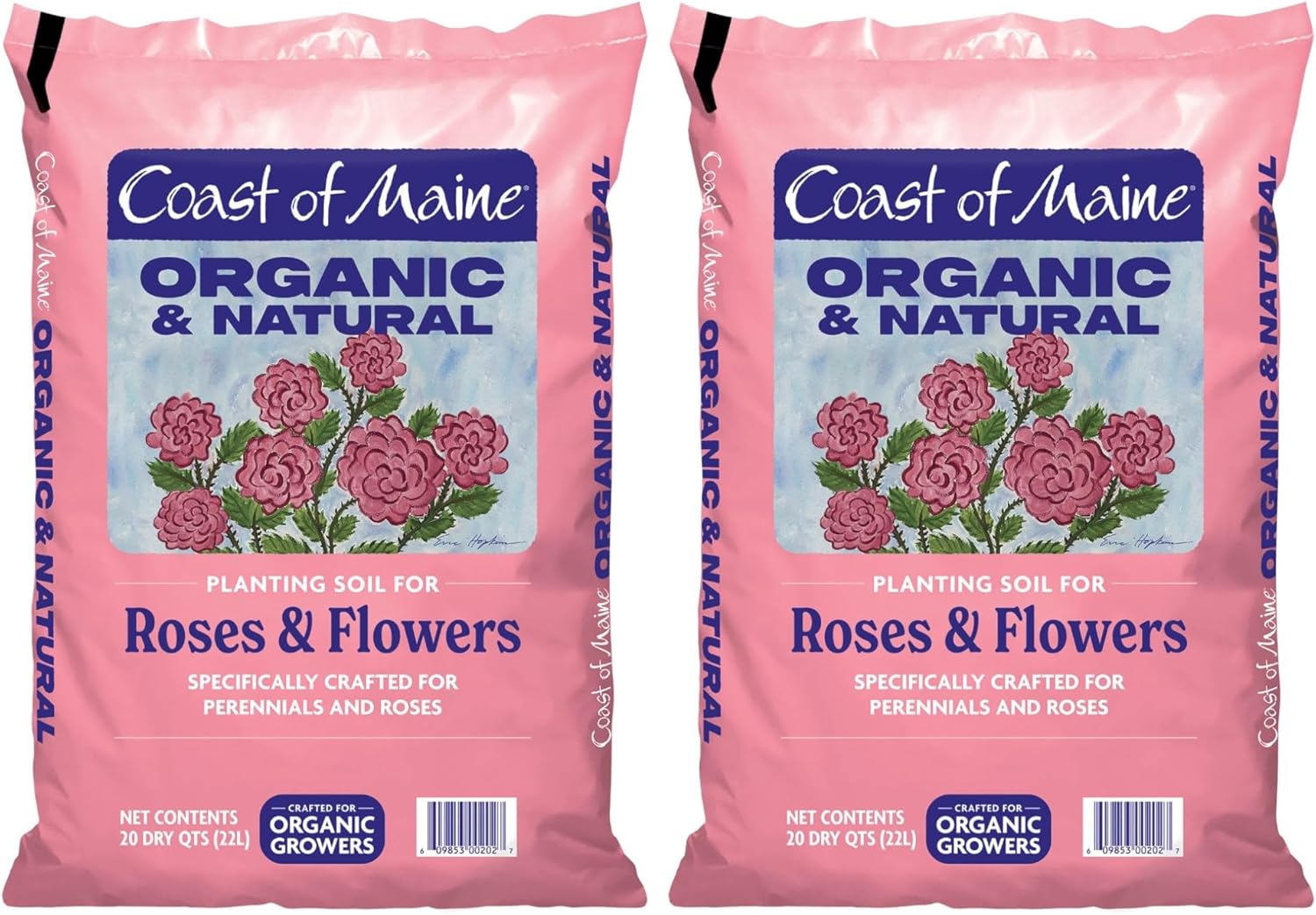
Coast of Maine Roses and Flowers Organic Planting Soil, 20 qt (2-pack)
| Unit Count | 2 Count |
|---|---|
| Volume | 20 quarts |
| Item Weight | 22 pounds |
| Brand Name | Coast of Maine |
This Coast of Maine planting soil is an organic compost-based blend designed to revive beds and containers for roses and flowering perennials. Gardeners typically mix it into existing garden soil or use it as a top dressing and mulch to boost nutrient content, encourage microbial activity, and improve moisture retention while maintaining drainage. Notable ingredients called out by the brand include seaweed, lobster meal, and compost, which provide slow-release nutrients and help feed soil life rather than just the plants. Practical benefits include safer use around kids and pets thanks to OMRI listing and a formula aimed at stronger roots and fuller blooms. Limitations are its small volume per pack for larger beds and the need to amend or mix with existing soil rather than fully replacing large areas. Also follow handling guidance to avoid skin or eye irritation when working with concentrated bags.
Best for: A gardener who wants an all-purpose, organic soil boost to improve blooms and soil life in flower beds or containers and prefers sustainable inputs over synthetic fertilizers.
Less Ideal for: Those who need to fill or replace large areas of ground quickly should choose bulk soil or commercial topsoil instead of small packaged bags.
- OMRI-listed organic formula safe for gardens, children, and pets
- Contains nutrient-rich amendments like seaweed and lobster meal to support sustained flowering
- Balanced moisture retention and drainage suitable for both containers and garden beds
- Supports soil biodiversity by encouraging beneficial microbes and earthworms
- Small effective coverage per 20 qt bag makes it less efficient for large planting areas
- Contains concentrated organic amendments so gloves and care are recommended to avoid irritation
Verdict: Buy this if you want a small-batch, OMRI-listed organic soil blend that reliably improves soil biology and flowering in beds and containers.
FoxFarm Ocean Forest Potting Soil, 1.5 cu ft (Pack of 2)

| Brand | FoxFarm |
|---|---|
| Unit Count | 2 Count |
| Volume | 1.5 cubic feet |
| Included Components | Potting Soil |
FoxFarm Ocean Forest is a high-performance potting soil blended for containers and flowering plants. The mix combines aged forest products, sphagnum peat moss, perlite and sandy loam with nutrient-rich inputs like fish meal, crab meal and earthworm castings so seedlings and established flowers get both drainage and steady nutrition. It arrives ready to use from the bag, so you can pot plants or repot established flowers without adding amendments. The texture is light and aerated, which helps roots develop and reduces waterlogging while the organic meals and castings provide slow-release fertility that supports strong blooms. Practical limitations are that the mix contains peat and marine-derived fertilizers so heavy-feeding plants may still need occasional targeted fertilization, and gardeners who prefer peat-free or fully inorganic mixes should look elsewhere. For flower beds in containers and potted annuals or perennials this soil speeds establishment and promotes noticeable vigor and bloom production.
Best for: Gardeners who prioritize strong flower performance in containers and want a ready-made mix that encourages rapid establishment and abundant blooms.
Less Ideal for: Growers seeking peat-free, purely inorganic, or hydroponic media should consider alternative mixes better suited to those approaches.
- Ready-to-use formula with a balanced blend of organic amendments for steady fertility
- Light, aerated texture promotes root development and good drainage in containers
- Contains earthworm castings and marine meals that supply slow-release nutrients
- Suitable for seedlings through mature flowering plants without immediate amendment
- Contains peat moss which some gardeners avoid for environmental reasons
- May require supplemental fertilization for heavy-feeding or high-yield flowering varieties
Verdict: Choose Ocean Forest when you want a ready-made, nutrient-rich potting soil that helps container flowers establish quickly and bloom well.
Burpee Premium Organic Potting Mix with Coconut Coir (9 Quart)

| Coverage | 9 Qt Container |
|---|---|
| Item Form | Powder |
| Specific Uses For Product | Plant Growth, Root Development, Seed Development, Soil Conditioning |
Burpee Premium Organic Potting Mix is a ready-to-use container soil formulated for indoor and outdoor pots, raised beds, and seed starting. The blend uses coco coir to improve aeration and water retention so pots stay evenly moist without becoming waterlogged, while added nutrients provide feeding for up to three months. Typical use is filling containers, planting seeds or transplants, and routine watering; it also works well for mounding in flower pots and mixing into topsoil for container-grown ornamentals. Notable features include OMRI listing for organic gardening and a lightweight, peat-free base that supports root development and germination. In practice you get consistent moisture management and an easier watering schedule, plus a nutrient boost that reduces early feeding needs. Limitations are the small 9-quart bag size, which means frequent repurchasing for larger projects, and the product is sold only as a preblended mix so advanced gardeners who prefer to customize exact ratios of amendments may need to amend further.
Best for: Gardeners who prioritize reliable, low-maintenance container performance for flowers and companion edibles and want an organic, ready-to-use potting mix that reduces early feeding and watering chores.
Less Ideal for: Big-plot growers or landscapers who need bulk soil for beds and anyone who prefers to custom-blend soil components from individual amendments.
- OMRI-listed organic blend suitable for organic flower and vegetable containers
- Coco coir base improves moisture retention while enhancing drainage and aeration
- Includes slow-release nutrients that feed plants for up to three months
- Formulated to support seed germination and root development in containers
- Small 9-quart coverage requires multiple bags for larger gardens or many pots
- Preblended mix limits customization for gardeners who prefer specific amendment ratios
Verdict: A convenient OMRI-listed potting mix that delivers reliable moisture balance and three months of feeding for healthy container-grown flowers.
Back to the Roots 3-in-1 Seed Starting Mix, 6 qt, Organic, Peat-Free

| Unit Count | 192 Fluid Ounces |
|---|---|
| Style Name | 3-in-1 Seed Starting Mix |
| Organic | Yes |
This 3-in-1 seed starting mix is a peat-free, organic option intended for beginning seeds and transplanting young flowers, herbs, and vegetables. It combines coconut coir, mycorrhizae, yucca extract and nutrient-rich components to encourage root development and improved water uptake while the dolomitic limestone helps balance pH. Typical use is filling seed trays, small pots, or top-dressing containers when starting annuals and perennials; the light, nutrient-forward formula reduces the need for immediate feeding and helps seedlings establish more quickly. Practical benefits include being peat-free for environmentally conscious gardeners, beginner-friendly texture that drains yet retains moisture, and built-in biological inoculants that support root health. Limitations are the small 6 quart volume, which means you will need multiple bags for larger flower beds or many pots, and it is sold as a seed-starting mix rather than a heavy-duty garden soil for established plants needing greater organic bulk. For budget gardeners this is a convenient, low-effort way to start many flower seedlings, but plan quantities around your project size.
Best for: Gardeners who want an easy, eco-minded seed starting mix to raise flower seedlings and small container plants without complicated fertilizing routines.
Less Ideal for: Those needing large volumes of planting soil for garden beds or gardeners who want a heavy, long-term potting mix for mature plants.
- Peat-free organic formula with coconut coir and mycorrhizae to support root development
- Pre-mixed nutrients and yucca extract improve early growth and water uptake for seedlings
- pH-balanced with dolomitic limestone to reduce acidity-related nutrient issues
- Ready-to-use texture suitable for seed trays, small pots, and indoor starting
- Only 6 quarts per bag, so multiple bags are required for medium or large planting projects
- Formulated for seed starting rather than as a bulk garden soil for established plants
Verdict: A compact, peat-free seed starting mix that makes raising healthy flower seedlings simple and environmentally friendly.
FoxFarm Happy Frog Potting Soil, 2 cu ft (with 2 Plant Tags)

| Brand Name | FoxFarm |
|---|---|
| Item Highlight | Ready-to-Use Amended Container Blend with Soil Microbes, Earthworm Castings, Bat Guano, and Aged Forest Products |
| Volume | 2 cubic feet |
| Style Name | Container Garden |
FoxFarm Happy Frog Potting Soil is a pre-mixed container blend designed to give potted flowers and other container plants an immediate nutrient-rich medium. It is typically used straight from the bag to fill planters and hanging baskets, or mixed into containers for transplants. The formula includes earthworm castings, bat guano, aged forest products, and a custom mix of beneficial microbes and mycorrhizae to support root development and nutrient uptake. Practical benefits include reduced need for immediate fertilizing, improved root vigor for flowering plants, and a light, well-amended texture that drains better than heavy garden soils. The package also includes two plant tags to track varieties or planting dates. Limitations are that it is intended for containers rather than in-ground beds and does not replace a regular feeding program for long-season crops; heavier feeders will still benefit from additional fertilizer over time. Buyers should also plan for the bag volume when potting multiple large plants because coverage per bag is finite.
Best for: Gardeners who want a reliable, ready-made potting mix for flowering containers and prefer a product that supports strong root health with minimal prep.
Less Ideal for: Those rebuilding or amending in-ground garden beds or growers who need a single bag to feed large, long-season heavy-feeding plants without additional fertilizer.
- Ready-to-use, no mixing required for immediate container planting
- Contains organic amendments like earthworm castings and bat guano for nutrient density
- Includes beneficial microbes and mycorrhizal fungi to enhance root growth
- Formulated specifically for container use and flower production
- Made for containers so it is not intended as an in-ground soil replacement
- Does not provide long-term nutrients for heavy feeders without supplemental fertilization
Verdict: Choose this bag when you need a dependable, ready-to-use potting mix that jump-starts root health and flowering in container-grown flowers.
Miracle-Gro Potting Mix, 16 qt. (2-Pack)

| Volume | 16 quarts (per bag) |
|---|---|
| Number of Packs | 2 |
| Feeds Plants | Up to 6 months |
| Intended Use | Outdoor containers |
| Ingredients | Sphagnum peat moss, perlite, compost, fertilizer |
Miracle-Gro Potting Mix is a container-focused soil designed to help outdoor potted flowers, vegetables, herbs, and shrubs establish quickly and stay fed for weeks. You use it straight from the bag in planters and hanging baskets: fill the pot about one third, position the plant, top off, press lightly, and water through until drainage runs clear. The mix lists sphagnum peat moss, perlite, compost, and added fertilizer, which together improve aeration and drainage while providing nutrients that feed plants for up to six months. Practical benefits for flower growers include faster root establishment, less compacted soil over a season, and fewer immediate fertilizer applications. It is aimed at routine container planting and seasonal repotting rather than amending in-ground beds. A limitation is that it is formulated for containers only, so it is not a substitute for garden soil in beds, and performance depends on correct watering and using pots with drainage. Also, feeding claims are seasonal so long-term container maintenance will still require fresh soil or additional fertilizer after several months.
Best for: Gardeners who grow flowers in pots or hanging baskets and want a dependable, ready-made mix that speeds establishment and reduces early feeding chores.
Less Ideal for: People looking to amend in-ground garden beds or seeking a long-term soil replacement for perennial beds should choose a product formulated for in-ground use instead.
- Formulated for outdoor containers to support flowers, vegetables, herbs, and shrubs
- Includes perlite and peat for improved drainage and root aeration
- Contains fertilizer that feeds plants for up to six months
- Two 16-quart bags provide enough mix to fill multiple 12-inch containers
- Not intended for in-ground beds or to amend native garden soil
- Nutrient boost is temporary and will need replenishing after the stated feeding period
Verdict: Choose this potting mix if you want an easy, reliable container soil that boosts flower growth and feeds outdoor potted plants for a full growing season.
Back to the Roots Organic Expanding Coco Coir Potting Soil Brick (10 lb)

| Item Highlight | 10 lb compressed coco coir brick; peat-free; OMRI Listed |
|---|---|
| Item Type Name | Coconut Coir |
| Volume | 2 cubic feet |
| Unit Count | 1632 Fluid Ounces |
This Back to the Roots coco coir brick is a convenient, peat-free potting medium that expands with water into a loose, airy substrate for flowers, herbs, and seedlings. You hydrate the 10 lb compressed block and break it up to use alone for containers or mix it into existing garden soil to improve aeration and moisture retention. It is OMRI listed and made from 100% coconut coir, so it is pH balanced and friendly for organic gardening applications. The compressed format makes storage and handling far easier than loose bags, and the finished texture promotes healthy root development and reduces compaction in pots. Limitations to note are that coco coir is low in nutrients on its own, so you will need to add fertilizer or compost for flowering plants, and it can require rewetting in very dry conditions. For gardeners who prefer a consistent, peat-free medium, this brick is a practical, low-mess option for preparing potting mixes and starting flower seedlings.
Best for: Buyers who want a reliable, low-mess, peat-free growing medium for starting flower seedlings and improving pot mixes, and who prefer predictable, organic inputs over experimenting with untested blends.
Less Ideal for: Gardeners who need a ready-to-use nutrient-rich potting mix or those who do not want to amend media with additional fertilizers or compost.
- Peat-free, OMRI listed organic coconut coir suitable for organic gardening
- Expands to about 2 cubic feet for easy storage and transport
- Light, fluffy texture improves aeration and root access in pots and seed trays
- pH balanced and versatile to use alone or mixed with garden soil
- Contains no significant nutrients so requires added fertilizer or compost for flowering plants
- May dry out faster than heavier mixes in hot, exposed conditions
Verdict: A compact, peat-free coco coir brick that reliably expands into a fluffy, pH-balanced medium perfect for starting flowers and improving potting mixes.
Choosing the Right Soil for Flowers: Key Factors to Consider
Drainage and Aeration
Flowers need a balance between water retention and the ability for excess water to escape. Poor drainage leads to root rot and reduced bloom production, while overly free-draining soil can stress plants during hot weather.
Assess particle mix and the presence of coarse components like grit or perlite. These elements break up fine particles, improve oxygen flow to roots, and prevent compaction. In containers, drainage is even more critical because roots have limited volume and dry out faster than in the ground.
Nutrient Balance and Release Pattern
Flowering plants require a steady supply of phosphorus, potassium, and available nitrogen at different stages of growth. A soil that shows an initial burst of nutrients but no sustained release can cause lush foliage but poor flowering.
Look for mixes that specify slow-release or stabilized nutrients, or that recommend compatible organic fertilizers. Consider whether you prefer organic nutrient sources that feed soil life over time or a mineral-enriched mix that gives predictable, quick results.
Organic Matter and Soil Structure
Good organic matter improves water-holding capacity, provides food for beneficial microbes, and helps soils resist compaction. Compost, well-aged bark, and leaf mold boost structure while slowly releasing nutrients.
Too much fine organic material can collapse when wet, reducing aeration. The best flower soils use a mix of particle sizes so structure persists after multiple wet-dry cycles. Durable structure supports long root hairs that gather water and nutrients efficiently.
pH Range and Suitability for Common Ornamentals
Many popular flowering plants prefer a mildly acidic to neutral pH. If the soil pH is too high or too low, certain nutrients become less available and blooms can suffer despite adequate feeding.
Choose a soil with a stated pH range appropriate for the kinds of flowers you grow, or one that is easy to amend. For example, acid-loving species will need a slightly different base mix than classic mixed-border annuals.
Texture and Support for Root Development
Texture affects how roots move and anchor plants. A crumbly, friable texture encourages shallow feeder roots for annuals and deeper anchoring roots for perennials. Sandy mixes favor quick drainage but may require more frequent watering.
Consider the soil texture in relation to planting depth and container size. Heavier textures can work well in permanent beds, while lighter, looser mixes are better for pots and hanging baskets where roots need room to spread.
Soil Choices by Flower Type
Different flowers have different soil needs. For heavy feeders and bulbous plants that push lots of blooms, soils with higher organic matter and a steady nutrient release are preferable. For drought-tolerant perennials and Mediterranean-type flowers, leaner, faster-draining mixes that limit moisture retention reduce disease risk.
- Bulbs and heavy feeders: richer, slightly moisture-retentive mixes
- Drought-tolerant species: gritty or sandy blends with good aeration
- Container annuals: lightweight mixes with consistent moisture-holding components
Using Soil Amendments Effectively
Amendments let you tailor a base soil to specific flowers. Compost, bone meal, and well-rotted manure increase fertility and structure. Grit, perlite, or coarse sand improve drainage in heavy soils. Use amendments sparingly and mix thoroughly to avoid pockets of concentrated nutrients.
- Work amendments into the planting zone rather than layering to prevent root barriers
- Test small batches in pots before applying garden-wide
- Match amendment quantity to plant needs and irrigation frequency
Container Versus In-Ground Considerations
Containers change the rules: they heat and dry faster, and roots are confined. Use a lighter, well-aerated potting soil if you are growing annuals or mixed containers. In-ground beds tolerate heavier textures and benefit more from long-term organic additions. Also consider container size and drainage holes. Small pots need mixes that retain some moisture without becoming compacted between waterings.
- Choose lighter mixes for small containers and hanging baskets
- Add coarse drainage material only if it improves overall porosity
- For in-ground beds, prioritize soil structure and long-term organic matter
Timing Soil Improvements
Work on soil structure and fertility during the off-season or at least several weeks before planting to give amendments time to integrate. Freshly mixed soils can settle, so allow time for any compost or bulky components to break down slightly. For spring planting, amend beds in fall or early spring. For containers, fill pots with the chosen mix at planting time but avoid heavy feeding until roots are established.
- Amend in fall when possible to let mixes stabilize
- Top-dress beds yearly with compost for ongoing improvement
How We Chose the Best Soil for Flowers
We focused on the features that actually affect flower growth and day-to-day care. Selection began with soils formulated specifically for flowering plants and mixes commonly recommended by horticultural professionals for garden beds and containers. We excluded generic topsoils and products aimed exclusively at lawns or vegetables unless their formulas explicitly supported flowering ornamentals. Evaluation criteria centered on measurable, gardener-facing dimensions: drainage and aeration, nutrient profile and release pattern, organic matter content and structure, pH suitability for common ornamentals, and ease of use in beds and pots. We also considered how well a soil retains moisture without becoming waterlogged, and whether the texture supports feeder root development. Durability of structure after repeated wet-dry cycles and compatibility with common amendments were additional filters. Products that relied heavily on unspecified fillers or lacked clear composition details were excluded from the shortlist.
FAQ
How often should I test soil pH for flowering beds?
Test pH every two to three years or if plants show nutrient deficiency symptoms. Rapid changes in plant performance, yellowing leaves, or poor blooming often point to pH or nutrient availability issues.
Can I use garden topsoil in containers for flowers?
Garden topsoil alone is usually too dense for containers and can compact, restricting root growth. If you use it, blend with coarse material and compost to improve drainage and structure.
Should I add slow-release fertilizer to potting mixes?
Often yes. Slow-release fertilizers provide a steady nutrient supply that supports continuous flowering without frequent feeding. Match the fertilizer release rate to container size and plant feeding habits.
How do I improve drainage in an established flower bed?
Incorporate coarse organic matter like aged bark or grit and work the top 6 to 8 inches to improve porosity. Avoid burying uncomposted materials that can rob nitrogen as they break down.
Is more organic matter always better for flowers?
Not always. While organic matter improves fertility and moisture retention, too much fine organic material can collapse and reduce aeration. Aim for a balanced mix of particle sizes to maintain structure.
Final Verdict
Prioritize drainage, nutrient timing, and soil structure when choosing soil for flowers. The best mixes balance moisture retention with aeration, supply nutrients gradually, and match pH to the types of flowers you grow. Consider how you plant – in pots, raised beds, or in-ground – and adjust texture and organic content accordingly. Focus on the tradeoffs between water-holding capacity and airflow to roots; that balance will deliver the most reliable blooms across seasons.
