

Note: This article contains affiliate links. If you click on these links and make a purchase, I may earn a small commission at no extra cost to you. This helps support my research and content. Read my full affiliate disclosure here.
Choosing the right soil mix makes a big difference for Monstera growth, root health, and leaf size. Monsteras need a mix that drains freely yet holds enough moisture between waterings so roots do not dry out or sit in water. In this guide we shortlisted the top six Monstera plant soil mixes gardeners are choosing for healthy indoor plants, and we evaluate each option on practical, garden-tested criteria like texture, aeration, and moisture retention. Read on to learn which mix traits matter for your growing conditions and how to match a mix to your pot, watering rhythm, and light level.
Top Picks at a Glance
| Best Quality Built to a higher standard if you want something more solid | Rosy Soil Aroid Potting Mix (4 Quarts) |  |
| Best Value The sweet spot between price and what you get | Grow Queen Craft Aroid Potting Mix — Chunky, Peat-Free Soil for Monstera & Tropical Houseplants, 2 qt |  |
| Best Budget The cheapest option that still gets the job done reliably | Kapecute Monstera Potting Mix, 2 Quart |  |
| Highest Rated A top-rated pick with lots of positive feedback | Rosy Soil Aroid Potting Mix + Houseplant Potting Soil Bundle (2 × 4 qt) | 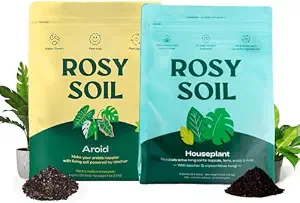 |
| Most Popular A crowd favorite that many people choose with confidence | Back to the Roots Organic Indoor Potting Mix, 6 Quart |  |
| Best Seller A high-volume bestseller chosen again and again | Back to the Roots Organic Indoor Potting Mix, 12 Quart |  |
Rosy Soil Aroid Potting Mix (4 Quarts)

| Unit Count | 128 Ounce |
|---|---|
| Volume | 4 quarts |
| Item Highlight | Peat-Free, Microbially Active, Superior Aeration & Drainage |
| Style Name | Aroid Soil |
Rosy Soil Aroid Potting Mix is built for plants that need airy, fast-draining media—Monstera, Philodendron, Alocasia, Anthurium and similar tropical houseplants. The mix combines pine bark fines, pumice and biochar to create a chunky texture that resists compaction and lets water move through quickly, so roots get oxygen and are less prone to rot. It is enriched with worm castings, mycorrhizae and compost to introduce beneficial microbes and slow-release nutrients, which supports root development and improves nutrient uptake over time. The formula is peat-free and leans on biochar and pumice for structure and carbon storage, which will appeal to growers avoiding peat-based mixes. In practice the bag fills multiple small pots and the resealable packaging helps keep the mix usable between repots. Limitations: a 4-quart bag is best for small repots or top-ups rather than repotting large specimens, and the chunky texture can make fine-rooted seedlings drier than standard seed-starting mixes.
Best for: Plant owners focused on maximum root health and drainage for tropical houseplants who repot small to medium specimens and prioritize microbial, peat-free mixes.
Less Ideal for: People needing large volumes for big trees or those who want a fine, moisture-retentive seed-starting mix for seedlings.
- Chunky, well-draining texture reduces root rot risk and compaction.
- Contains biochar and beneficial microbes to boost long-term soil biology and nutrient uptake.
- Peat-free formula uses pumice and bark for structure and lower environmental impact.
- Resealable bag keeps mix fresh between uses and is convenient for small repotting jobs.
- Small 4-quart volume is limited for repotting larger Monsteras or multiple big plants.
- Chunky mix may require more frequent watering for very fine-rooted seedlings or tiny plants.
Verdict: Choose this mix if you want a high-performance, peat-free soil that keeps Monstera and other aroids well-drained and biologically active.
Grow Queen Craft Aroid Potting Mix — Chunky, Peat-Free Soil for Monstera & Tropical Houseplants, 2 qt

| Volume | 2 quarts |
|---|---|
| Ingredients | Tree fern fiber, coco coir, pumice, lava rock, biochar, earthworm castings, alfalfa meal, gypsum |
| Pre-moistened | Yes |
| Peat free | Yes |
Grow Queen Craft Aroid Potting Mix is a ready-to-use, chunky soil blend designed for Monstera, Alocasia and similar aroids. The mix combines large bark pieces, pumice, lava rock and tree fern fiber to create airy pockets that speed drainage and reduce compaction, while coco coir and charged biochar retain moisture between waterings. Beneficial ingredients like earthworm castings and alfalfa meal supply gentle nutrition and support soil microbes so plants get food without an immediate fertilizer application. It arrives pre‑moistened and works straight from the bag for repotting or top dressing. Practical gardeners will appreciate that it is peat and perlite free, uses washed coco coir to limit salts, and is pH balanced toward the slightly acidic range aroids prefer. The main limitations are the small 2 quart size for larger collections and that the chunky texture may require more frequent top dressing or mixing when used for smaller pots or moisture-loving species. For growers seeking a breathable, low-compaction mix tailored to tropical houseplants, this performs very well.
Best for: Buyers who want a low-maintenance, breathable soil that mimics rainforest conditions for Monstera and other aroids and prefer a botanist-formulated, peat-free option for reliable repotting results.
Less Ideal for: People who mostly grow succulents that need extremely fast-draining gritty mixes or those with large plant collections who need bulk quantities of soil.
- Chunky, well-aerated formula with bark, pumice and lava rock to prevent compaction
- Includes charged biochar and earthworm castings for immediate nutrient availability and microbial support
- Peat-free and perlite-free mix using washed coco coir to reduce salt content
- Arrives pre‑moistened and ready to use for repotting aroids and other tropical houseplants
- Small 2 quart bag may be insufficient for multiple repots or large plants
- Chunky texture can be too coarse alone for very small pots or moisture-loving species
Verdict: If you want a ready-to-use, peat-free chunky mix that gives Monstera and other tropical houseplants excellent aeration and living nutrients, this is a practical, plant-focused choice.
Kapecute Monstera Potting Mix, 2 Quart

| Brand | Kapecute |
|---|---|
| Item Type Name | Monstera Soil |
| Unit Count | 7.4 Ounce |
| Volume | 2 quarts |
This Kapecute Monstera potting mix is a compact 2 quart package of sphagnum moss debris, pine bark, and perlite blended to suit Monstera deliciosa and similar aroid houseplants. It is designed to be loose and fast-draining so roots get oxygen and avoid rot, while the sphagnum component helps hold moisture and provides a mildly acidic environment many Monsteras prefer. The mix arrives dry and fluffy, and the manufacturer says components are handpicked and screened to reduce dust and fines. In practice this product is best used as a top-up or component in small repots and propagation rather than as the sole medium for a large mature specimen because the package volume is small. The inclusion of a balanced granular fertilizer reduces the need for an immediate feed, but you will still want occasional supplemental fertilizing during the growing season. Note the package size and safety note about skin or ingestion irritation when handling around children or pets.
Best for: Buyers looking for an affordable, plant-specific mix to refresh small Monstera pots, topdress propagation plugs, or to trial before committing to larger bags.
Less Ideal for: Do not pick this if you need enough potting media to repot medium or large Monsteras or if you want a ready-to-use commercial bag sufficient for multiple large plants.
- Formulated for Monsteras with sphagnum moss for gentle acidity and moisture retention
- Fast-draining blend helps reduce risk of root rot
- Handpicked pine bark and screened perlite reduce dust and compacting
- Includes a small amount of balanced granular fertilizer for initial nutrition
- Very small 2 quart volume makes it unsuitable as the sole medium for larger repots
- Packaged product can be compressed; you may need to fluff and measure for consistent mixes
Verdict: A budget-friendly, Monstera-focused potting mix ideal for small repots, propagation, or topping up soil in young plants.
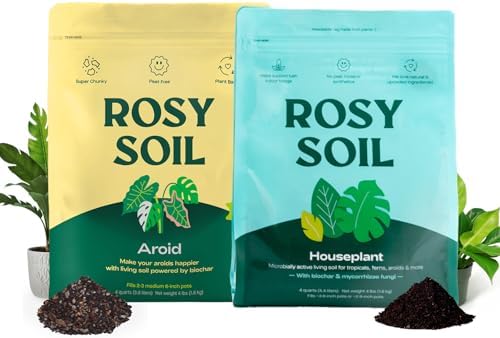
Rosy Soil Aroid Potting Mix + Houseplant Potting Soil Bundle (2 × 4 qt)
| Brand Name | Rosy Soil |
|---|---|
| Number of Packs | 2 |
| Unit Count | 256 Ounce |
| Volume | 4 quarts |
This bundle pairs a chunky aroid potting mix with a finer houseplant soil so you have the right medium for Monstera and other tropicals without hunting for separate bags. The aroid mix is structured for fast drainage and airy pockets that reduce root rot risk in plants like Monstera, Philodendron, and Alocasia while the houseplant blend suits Pothos, Peace Lily, ZZ Plant and most common indoor tropicals. Both formulas replace peat with biochar and include compost, worm castings and mycorrhizae to encourage microbial activity and healthier root establishment from first watering. Resealable 4-quart bags are convenient for small repots and let you store the unused mix between sessions. Because the mixes avoid synthetic fertilizers, you should plan routine feeding after repotting for sustained growth. If you want a reliable, peat-free option tailored to aroids and everyday tropical houseplants, this bundle covers repotting needs across a typical collection with minimal guesswork.
Best for: Buyers who prioritize dependable, plant-focused mixes for common tropicals and want peat-free, microbially active soil they can use immediately for Monstera and similar houseplants.
Less Ideal for: Large-scale growers or anyone repotting many large plants at once who needs bulk volumes or a soil with built-in fertilizer.
- Two tailored mixes cover both chunky aroid needs and finer general houseplant needs
- Peat-free formula with biochar, worm castings and mycorrhizae to support microbial activity
- Resealable 4-quart bags are easy to store and good for multiple small repots
- No synthetic fertilizers or filler ingredients
- Small 4-quart bag size means multiple bags are needed for larger collections or big repots
- No built-in slow-release nutrients so routine fertilizing is necessary after repotting
Verdict: A dependable, peat-free pair of mixes that gives Monstera and other tropical houseplants the right structure and microbial support for reliable repotting.
Back to the Roots Organic Indoor Potting Mix, 6 Quart

| Unit Count | 192 Fluid Ounces |
|---|---|
| Item Type Name | Indoor Potting Mix 6qt |
| Item Highlight | Peat-free, 100% organic; made in the USA |
| Ingredients | Coconut Coir, Yucca, Mycorrhizae, Perlite, Horticultural Sand |
This indoor potting mix is formulated for common houseplants such as pothos and monstera and comes ready to use in a 6-quart bag. The blend uses coconut coir as the base plus yucca extract to help the mix retain moisture and reduce watering frequency, and it includes mycorrhizae to support root development and nutrient uptake. It is peat-free and balanced with dolomitic limestone, which helps stabilize pH for healthier nutrient availability. The mix is made without bark or compost, which lowers the chance of indoor gnats and makes it cleaner for pots kept inside. For monstera growers this means an easier start when repotting or top-dressing, with an emphasis on steady moisture and root establishment rather than extra fertilizer. Limitations to note: the 6-quart size is best for small to medium pots and frequent repotters will need multiple bags, and the formula does not list added slow-release nutrients so you may want to supplement with fertilizer for long-term growth of large specimens.
Best for: A cautious buyer who values proven, organic soil components and wants a low-mess, pet-safe potting mix for small to medium indoor plants like monstera juveniles or pothos.
Less Ideal for: Not ideal for growers repotting large mature monsteras or those seeking a nutrient-rich, long-term container mix without adding fertilizer.
- Peat-free organic blend suitable for environmentally conscious growers
- Includes yucca extract to improve moisture retention between waterings
- Contains mycorrhizae to support stronger root growth and nutrient uptake
- Formulated without bark or compost to reduce indoor gnat problems
- Sold in a single 6-quart bag which is small for larger monstera or multiple repots
Verdict: A small-batch, peat-free indoor potting mix that supports moisture retention and root health, making it a safe, organic choice for repotting young monsteras and other houseplants.
Back to the Roots Organic Indoor Potting Mix, 12 Quart

| Volume | 12 quarts |
|---|---|
| Organic | 100% organic |
| Peat-free | Yes |
| Made in | USA |
This indoor potting mix is designed for common houseplants like monstera, pothos and ferns and is sold as a 12 quart compressed volume. It uses organic yucca extract to help the mix retain moisture and includes mycorrhizal fungi to support root development and nutrient uptake. The blend is peat-free and balanced with dolomitic limestone for stable pH, which makes it a straightforward choice for regular repotting, top-ups and starting seeds. In practice it feels light and well-draining compared with straight peat, and the reduced bark/compost content lowers the risk of indoor gnats. The product is made in the U.S. and carries basic safety guidance to avoid skin or eye irritation. Limitations to note are that it is a general-purpose mix rather than a specialty chunky aroid blend, so aggressive repotting of very large Monsteras may benefit from added orchid bark or perlite for extra aeration; also it is a compressed package so you will need to rehydrate and flake it out before use.
Best for: Buyers who want a low-risk, ready-to-use organic potting mix for common houseplants and seed starting and prefer predictable, beginner-friendly results.
Less Ideal for: Enthusiasts seeking a tailored, chunky aroid substrate or people who want a pre-mixed high-air porosity soil for very large rootbound Monsteras.
- Peat-free and 100% organic composition suitable for eco-conscious indoor gardening
- Contains yucca extract to improve moisture retention without sogginess
- Includes mycorrhizae to promote stronger root growth and nutrient uptake
- Balanced pH with dolomitic limestone for predictable plant feeding and growth
- Not formulated specifically as a chunky aroid mix so may require extra bark or perlite for very large Monsteras
- Compressed packaging requires rehydration and breaking apart before use
Verdict: A dependable, peat-free organic potting mix that simplifies repotting and seed starting for mainstream indoor plant owners.
Choosing the Right Monstera Plant Soil Mix: Key Factors to Consider
Drainage Versus Moisture Balance
Monstera roots need a balance between quick drainage and enough moisture between waterings. A mix that drains too quickly can leave the plant water-stressed between waterings, while a mix that holds too much water increases the risk of root rot. Look for a mix that combines chunky components like bark or perlite with finer organic matter so excess water can escape but moisture remains accessible to roots.
This balance affects how often you will water, how the plant responds to changes in indoor humidity, and the types of pots you can use. For example, unglazed terracotta wicks moisture out faster than plastic, requiring a mix with slightly better retention. Matching mix drainage to your containers and watering habits reduces repots and stress on the plant.
Particle Size and Texture
Particle size determines porosity and how firmly the mix packs around roots. Larger particles create air pockets that improve oxygen availability and drainage, while finer particles increase water-holding capacity and can compact over time. A good Monstera mix uses a range of particle sizes so that roots can grow through airy channels but still find fine material to cling to and extract water.
Texture also affects repotting and root inspection. Coarse, chunky mixes make it easier to examine roots and tease out rootbound plants without damaging them. If you grow Monsteras in decorative pots with poor drainage, favor coarser mixes to compensate.
Organic Content and Nutrient Buffering
Organic ingredients like composted bark, coco coir, or leaf mold supply slow-release nutrients and help the mix retain moisture. However, too much fines-rich compost can hold excessive water and break down quickly, reducing aeration. A balanced approach pairs stable organic components with inert aggregates so the mix feeds the plant without collapsing.
Consider how often you fertilize. If you rely on regular liquid feeding, a mix with modest organic buffering and good aeration is better. If you prefer minimal fertilizing, choose a mix with richer organic matter but monitor for compaction and increased watering frequency as the material breaks down.
pH and Salt Considerations
Monstera plants generally prefer a slightly acidic to neutral pH. The components in a mix influence pH and soluble salts. Peat or sphagnum-based mixes tend to be more acidic, while certain composts and crushed lime additives push pH higher. High soluble salts from poorly rinsed amendments or fertilized compost can stress young roots.
Always check or ask about the dominant ingredients and whether components were pre-rinsed or processed. For sensitive plants or when repotting into small containers, choose mixes with low salt content or rinse aggregates before use to avoid shock.
Longevity and Compaction Rate
Mixes change over time as organic particles break down and fines accumulate. A mix that compacts quickly will hold water longer and reduce aeration, forcing earlier repotting and increasing disease risk. Stable mixes with durable bark, pumice, or lava rock stay airy longer and preserve root health across multiple growing seasons.
Factor in how often you want to repot and whether you have the time to refresh or topdress soil. For large Monsteras or those in permanent decorative pots, invest in a longer-lasting, coarser mix to minimize disturbance and maintain consistent root conditions.
Matching Mix to Pot Type and Size
Pot material and size change how a Monstera experiences the same soil mix. Unglazed clay pots wick moisture and amplify drainage, so a mix with more moisture retention helps prevent the rootball from drying out too fast. Plastic or glazed ceramic pots retain moisture longer, so choose a coarser mix to avoid sogginess.
- Small pots: finer balance of moisture and drainage to keep the root zone stable between frequent waterings.
- Large pots: coarser blends and more stable chunks to reduce waterlogging deep in the container.
- Self-watering containers: use a lighter, more aerated mix in the root zone above a reservoir to avoid continuous saturation.
Adjusting Mix for Your Watering Rhythm
How often you water should be part of the mix choice. If you water infrequently, a mix with higher moisture retention like added coco coir or peat will keep roots hydrated longer. If you water frequently or have a habit of overwatering, prioritize drainage and aeration to protect roots.
- Inconsistent watering: choose mixes with higher moisture buffering to reduce stress on roots.
- Daily or regular watering: favor fast-draining mixes to keep oxygen available at the root surface.
Adapting Mix for Light and Humidity Conditions
Bright, dry indoor light speeds soil drying and increases evapotranspiration. In those conditions, use mixes with better moisture retention. In lower light or humid rooms, a looser, faster-draining mix prevents the root zone from staying wet too long. Consider how seasonal changes in indoor humidity will alter moisture needs and adjust mix composition accordingly.
- High light/low humidity: increase organic retention components.
- Low light/high humidity: increase coarse aggregates like pumice or bark.
Simple Home Amendments to Fine-Tune Mixes
You can tweak premixed soils easily at home. Add pumice, perlite, or coarse horticultural sand to improve drainage. Mix in composted bark or coco coir to raise moisture retention and organic content. Small adjustments let you tailor a base mix to your container type and care routine without full repotting.
- Perlite or pumice: improve drainage and long-term porosity.
- Coco coir or peat: boost moisture retention and slightly increase acidity.
- Composted bark: adds structure and organic nutrients while keeping the mix chunky.
How We Chose the Best Monstera Plant Soil Mix
We selected soil mixes that suit common Monstera growing situations: indoor pots, a range of pot sizes, and typical home light levels. Editorial filters focused on physical mix characteristics a gardener can verify without lab testing. Key evaluation criteria included particle size and texture, moisture retention vs drainage balance, air space and root oxygenation, organic content and nutrient buffering, and long-term stability (how often mixes compact or require repotting). We also considered mix versatility for different pot types and whether the mix is easy to amend for specific needs. Products were excluded if they were formulated exclusively for cacti, succulents, or general-purpose houseplants without clear information on drainage or particle composition. We skipped mixes that require professional blending or specialized inputs unavailable to home gardeners. The final picks emphasize practical, reproducible mix properties rather than brand claims, and align with the scoring metrics used in this guide.
FAQ
How often should I repot a Monstera based on the soil mix?
It depends on mix stability and plant growth. Coarser, stable mixes can go two to three years before repotting. Finer, organic-rich mixes may compact and require repotting or topdressing every 12 to 18 months. Check roots and drainage as the best guide.
Can I use a general houseplant potting mix for Monstera?
General houseplant mixes can work if they contain chunky components for aeration. If the mix is very fine and holds water, amend it with perlite or bark to improve drainage and prevent compaction over time.
Is adding perlite always beneficial for Monstera mixes?
Perlite improves aeration and drainage in many mixes, which benefits Monsteras. However, too much perlite can reduce moisture retention, so balance it with organic components to maintain accessible water between waterings.
Should I moisten a new mix before potting my Monstera?
Slightly moistening a dry mix helps plant roots settle without creating pockets of dry material. Avoid packing the mix too wet or compacted. The goal is a crumbly, aerated medium that contacts roots evenly.
Does potting soil pH matter for Monstera growth?
Slightly acidic to neutral pH is generally best for Monsteras. Most balanced mixes fall in this range, but highly alkaline or extremely acidic components can affect nutrient uptake. If you suspect a pH issue, test the mix and adjust with appropriate amendments.
Final Verdict
Pick a Monstera plant soil mix that matches your container type, watering habit, and indoor environment. Prioritize a balance between drainage and moisture retention, choose particle sizes that preserve aeration, and favor mixes with stable organic components so the medium does not collapse quickly. Tradeoffs are unavoidable: mixes that hold more water need less frequent watering but risk compaction, while very airy mixes protect roots from rot but require more consistent moisture management. Use the decision criteria above to match a mix to your care routine and pot, and you will reduce stress and support robust Monstera growth.
