

Note: This article contains affiliate links. If you click on these links and make a purchase, I may earn a small commission at no extra cost to you. This helps support my research and content. Read my full affiliate disclosure here.
Picking the right plants for a pot matters because container conditions differ from in-ground beds in light, soil volume, and irrigation. The right selections thrive in restricted root space, show consistent color or foliage interest, and tolerate the maintenance you can realistically provide. This guide covers five shortlisted plants for a pot chosen because they perform well in common container situations: limited soil, variable sun exposure, and typical patio or balcony microclimates. We also outline the practical criteria used to evaluate each option so you can match plant habits to your container size and care routine.
Top Picks at a Glance
| Best Overall The best all-around choice for most situations | Altman Plants 12-Pack Assorted Live Indoor Houseplants (2" Pots) |  |
| Best Quality Built to a higher standard if you want something more solid | Plants for Pets Essential Houseplant Collection 4-Pack (4.25" nursery pots) | 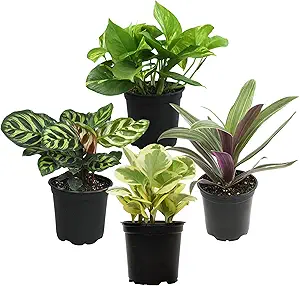 |
| Best Value The sweet spot between price and what you get | Altman Plants 2" Live Succulent 6-Pack (Assorted) |  |
| Best Budget The cheapest option that still gets the job done reliably | THE NEXT GARDENER.COM Live Succulents 4-Pack, Fully Rooted in 2" Pots |  |
| Most Popular A crowd favorite that many people choose with confidence | Costa Farms Money Tree (Pachira aquatica) Live Indoor Plant in Decorative Pot |  |
Altman Plants 12-Pack Assorted Live Indoor Houseplants (2" Pots)

| Indoor Outdoor Usage | Indoor |
|---|---|
| Other Special Features of the Product | Air Purification, Compact, Low Maintenance |
| Sunlight Exposure | Partial Sun |
| Soil Type | Loam Soil |
| Moisture Needs | Regular Watering |
This 12-pack from Altman Plants delivers a mix of popular small houseplants—Pothos, Peperomia, Spider Plant, Fittonia and similar varieties—each grown in a 2-inch pot and shipped ready to pot up or display. The kit is aimed at indoor use and works well for creating grouped pots, filling a long planter, or starting multiple gifts or giveaways. Plants are selected seasonally so you get a varied assortment rather than identical specimens. Care guidance is straightforward: indirect bright light and water when the soil dries, with weekly checks recommended. Because plants arrive compact and rooted, they are easy to re-pot into decorative planters or arrange in clusters for instant impact. Limitations to note are the small initial size—they need potting on for long-term growth—and that specific varieties are not guaranteed in each pack since assortments rotate. Also these are best for indoor environments in mild climates and will need extra protection if temperatures fall near freezing during transit.
Best for: Buyers who want an easy, low-effort way to fill a pot or create a grouped display with a variety of small indoor plants and who enjoy curating plant collections over time.
Less Ideal for: People who need mature specimens, a specific named variety, or immediate large plants for instant coverage in a single planter.
- Assorted mix of popular, easy-care indoor varieties for visual variety
- Small 2-inch pots make them ideal for grouped planters, terrariums, desks, and windowsills
- Shipped fully rooted and packaged for safe arrival, ready to re-pot or display
- Low-maintenance needs: indirect light and watering when soil dries
- Plants are very small on arrival and will need repotting for long-term development
- Assortment varies by season so you cannot choose specific species ahead of time
Verdict: An easy way to add a diverse set of small, low-maintenance houseplants to a pot or grouped planter for immediate decorative impact.
Plants for Pets Essential Houseplant Collection 4-Pack (4.25" nursery pots)

| Indoor Outdoor Usage | Indoor, Outdoor |
|---|---|
| Other Special Features of the Product | Air Purification, Compact, Low Maintenance |
| Sunlight Exposure | Partial Sun |
| Soil Type | Loam Soil |
| Moisture Needs | Regular Watering |
This 4-pack from Plants for Pets delivers a selection of popular, easy-care houseplants — typically Pothos, Philodendron, Calathea, Peperomia and similar varieties — each shipped in a 4.25" grower pot. It is designed for quick placement in bright indirect or medium light and routine watering when the soil dries. The rotating assortment means you get a mix of proven performers rather than a fixed variety, which helps collectors build a diverse potted-plant display or fill several small pots for staging. Practical benefits include low maintenance care, compact size that fits most standard pots, and varieties noted for air-purifying qualities. Limitations are the small nursery pot size if you want larger, mature specimens immediately and the variable mix means you cannot choose specific species. Also some listed varieties have differing light and water needs so you may need to separate incompatible types after receipt for optimal growth.
Best for: Buyers who want a low-fuss way to populate pots or test popular houseplant varieties quickly and prefer healthy, greenhouse-grown starters they can pot up or display immediately.
Less Ideal for: Collectors seeking a single specific cultivar or buyers who need fully mature, large specimens right away should look for larger, labeled plants instead.
- Rotating mix of popular, easy-care varieties for quick diversification
- Shipped rooted in grower pots and greenhouse-grown for better initial health
- Suitable for bright indirect to medium light common in homes and offices
- Includes several varieties known for air-purifying benefits
- Plants arrive in small 4.25" nursery pots so immediate repotting is often needed for faster growth
- Assortment varies by availability so you cannot guarantee specific species in a pack
Verdict: A convenient, low-maintenance way to fill multiple pots with healthy, popular starter houseplants for quick staging or potting up.
Altman Plants 2" Live Succulent 6-Pack (Assorted)

| Indoor Outdoor Usage | Indoor, Outdoor |
|---|---|
| Other Special Features of the Product | Compact, Drought Tolerant, Low Maintenance |
| Sunlight Exposure | Full Sun |
| USDA Hardiness Zone | 10, 9 |
| Moisture Needs | Little To No Watering |
This 6-pack from Altman Plants provides six different fully rooted 2-inch succulents ready for pots, terrariums, or small container gardens. Plants arrive dry to avoid shipping rot and only need a light drink and bright sun to establish, making them a low-effort choice for busy owners. The assortment spans common genera such as Kalanchoe, Crassula, Sedum, and Graptosedum, so you get visual variety for a mixed pot or grouped tabletop display. Because each plant is shipped in a small nursery pot, it is easy to replant into decorative containers or use directly in DIY projects like wedding favors. These succulents are drought tolerant and recommended for full sun and sandy soil, which suits simple pot setups and minimal watering schedules. Limitations are the small initial pot size and seasonal variety changes, so you may need to repot into larger containers as they grow and you cannot guarantee specific cultivars in every pack.
Best for: Buyers who want a low-maintenance, ready-to-display assortment for small pots, beginner-friendly container gardens, or quick décor projects and prefer plants that require little daily care.
Less Ideal for: Gardeners seeking specific named cultivars, mature specimen plants, or large, long-term landscape plantings should look for larger, single-variety specimens instead.
- Six distinct, fully rooted succulents for immediate planting or display
- Arrives dry to reduce shipping damage and requires minimal initial watering
- Assorted varieties provide color and texture contrast in a single purchase
- Small nursery pots make it easy to replant into decorative containers or use in DIY projects
- Plants come in 2-inch nursery pots and will need repotting for long-term growth
- Assortment varies by season so exact varieties are not guaranteed
Verdict: A convenient, low-maintenance six-pack that gives quick, varied color and texture for small pots and simple container displays.
THE NEXT GARDENER.COM Live Succulents 4-Pack, Fully Rooted in 2" Pots

| Indoor Outdoor Usage | Indoor |
|---|---|
| Sunlight Exposure | Partial Sun |
| Soil Type | Sandy Soil |
| Moisture Needs | Moderate Watering |
| Unit Count | 4 Count |
This 4-pack delivers four different small succulents already rooted in 2-inch grower pots with well draining soil, making them an easy, low-effort addition to a windowsill or small patio container. They arrive hand-packed from the grower and are meant for indoor use with partial sun, sandy soil and moderate watering—water only when the soil is dry. The compact pots and low maintenance care make these plants ideal for beginner houseplant owners or anyone who wants a low-cost way to add greenery to a pot or mixed planter. Expect minimal upkeep and good tolerance for occasional drought, though the tiny root space limits how long each plant can stay in the small pot before needing repotting to a larger container. The set is focused on convenience and affordability rather than large specimen size, so buyers should plan to transplant into larger pots or combine several in a decorative planter for a fuller display.
Best for: Budget-minded plant owners who want an easy, low-care way to fill small pots or create a mixed planter with minimal upfront effort.
Less Ideal for: Gardeners seeking large, showy specimens or ready-to-display centerpieces without any repotting or size upgrade.
- Four fully rooted succulents arrive ready to pot or group in a planter
- Low maintenance care with moderate watering and drought tolerance
- Compact 2-inch pots are convenient for small spaces and windowsills
- Hand-packed from the grower for typically better plant condition on arrival
- 2-inch pots provide limited root space so repotting is needed sooner
- Plants are small and may be too modest for buyers seeking immediate impact
Verdict: A low-cost, low-maintenance way to add multiple small succulents to pots or a mixed planter for beginners and tight spaces.
Costa Farms Money Tree (Pachira aquatica) Live Indoor Plant in Decorative Pot

| Indoor Outdoor Usage | Indoor |
|---|---|
| Other Special Features of the Product | Air Purification, Low Maintenance, Pet Friendly |
| Sunlight Exposure | Partial Shade |
| Moisture Needs | Moderate Watering |
The Costa Farms Money Tree is a low-maintenance indoor plant with a distinctive braided trunk and glossy, hand-shaped leaves that make an attractive tabletop or shelf accent. It ships potted in a decorative planter so it is display-ready without immediate repotting and is marketed as tolerant of varying indoor conditions, needing bright, indirect light and weekly or moderate watering. Notable features include pet-safe foliage, air-purifying qualities, and nursery-selected plants packaged to reduce transit damage. In practice this means the Money Tree works well for living rooms, entryways, desks, or small corners where you want a sculptural, tropical look without a lot of fuss. Limitations to expect are modest growth in smaller pots and the need to monitor soil moisture because repeated overwatering or very low light will slow growth. For buyers who prefer ready-to-display plants with clear care guidelines and documented customer feedback, this option provides an easy-care decorative tree that performs well with basic attention.
Best for: Buyers who want a ready-to-display, low-effort indoor tree that adds decorative structure and is safe around pets, with care focused on routine watering and indirect light.
Less Ideal for: People seeking a fast-growing floor specimen or a no-light solution for very dark rooms should consider larger nursery specimens or lower-light tolerant plants instead.
- Arrives pre-potted in a decorative planter so it is display-ready
- Non-toxic to cats and dogs, suitable for homes with pets
- Tolerant of a range of indoor conditions and easy to care for
- Braided trunk and architectural form add strong decorative presence
- Smaller pre-potted size limits long-term growth without repotting
- Requires consistent bright, indirect light for best foliage color
Verdict: A convenient, pet-safe tabletop Money Tree that delivers sculptural, low-maintenance greenery for desks and small spaces.
Choosing the Right Plants for a Pot: Key Factors to Consider
Mature Size and Root Volume
Containers limit how far roots can spread and how much soil is available for moisture and nutrients. Choose plants with a compact mature size or known suitability for pot culture so they do not become rootbound too quickly. A plant that stays within the dimensions of your pot will need less frequent repotting and will establish a more stable water balance.
Consider both height and spread when matching a plant to a pot. Trailing varieties can visually fill a container without needing deep soil, while tall or fast-spreading species often require larger, deeper pots to avoid stress. Knowing expected root vigor helps you plan pot diameter and repotting intervals.
Light Requirements
Containers often sit in locations with more variable light than garden beds, such as shaded balconies or full-sun patios. Confirm whether a plant prefers full sun, part sun, or shade and place the pot where those conditions are met. Plants placed in the wrong light will stretch, fail to bloom, or develop weak foliage.
Also consider seasonal shifts in light. A south-facing balcony offers bright winter light but very hot summer exposure; a plant rated for part shade may scorch there without afternoon protection. Matching light needs reduces the need for constant relocation or protective measures.
Watering Rhythm and Drought Tolerance
Pots dry out faster than ground soil, so a plant that tolerates brief dry spells or has low water demand is a better match for busy gardeners. Evaluate whether you can water daily, every few days, or only weekly and choose plants whose needs match that rhythm.
Plants with succulent leaves or deep-rooted habits generally require less frequent watering. Conversely, thirsty annuals or plants with shallow roots need closer attention. Understanding a plant's drought tolerance helps prevent stress, root rot from overwatering, and wasted effort on needy specimens.
Soil and Nutrient Needs
Container media is different from garden soil: it drains faster and holds fewer nutrients. Pick plants that do well in standard potting mixes or be prepared to use specific mixes for acid-loving or heavy-feeding species. Regular feeding is usually necessary because nutrients leach with watering.
Assess whether a plant needs a fast-draining, gritty mix, an acidic medium, or consistent fertilizer to bloom. Plants that require steady nutrients will need a feeding schedule and possibly slow-release fertilizer to maintain vigor in small-volume soil.
Cold Hardiness and Seasonal Use
Potted plants experience colder root temperatures and quicker freeze-thaw cycles than those in the ground. For outdoor containers in colder climates, choose plants rated for your winter temperatures or plan to move pots indoors or provide insulation. Tender plants often do well as seasonal displays but may not overwinter outdoors.
Decide whether you want long-term container residents or seasonal color. Winter exposure handling and the ability to tolerate temperature swings affect whether a plant will remain in the same pot year after year or require replacement each season.
Pest, Disease, and Maintenance Profile
Some plants are more prone to pests or fungal issues in containers due to restricted airflow or higher humidity at the canopy. Favor species with robust disease resistance or simple pruning needs to reduce maintenance time. Consider how often you will deadhead, trim, or check for pests.
Low-maintenance plants reduce recurring labor. If you prefer minimal upkeep, choose varieties known for tidy habits and low susceptibility to common container pests to keep the pot looking good with less intervention.
Matching Plant Habit to Pot Size
A realistic plan for success starts with matching a plant's growth habit to the pot you have. Small pots suit compact rosettes, dwarf shrubs, and many herbs. Medium pots can support bushier perennials and multiple smaller plants arranged together. Large containers are best reserved for taller specimens or combinations that include a focal upright plant.
When combining plants in a single pot, pair similar root needs and water preferences. Mixing a thirsty annual with a drought-tolerant succulent creates uneven moisture zones and stresses one or both plants. Group plants by light and water requirements to maintain an even microenvironment in the container.
- Use depth for plants with deeper root habits and width for spreading or trailing types
- Group plants with similar watering needs to simplify care
- Allow space for growth to avoid frequent repotting
Seasonal Styling and Replanting Strategies
Containers are flexible for seasonal design. Use long-blooming or evergreen foliage as a structural anchor, then swap in seasonal annuals for color changes. This lets you maintain year-round interest without upsetting the established root plant.
Plan a replanting routine based on your climate and the plant types. Tender plants make excellent summer displays on patios but may require replacement in fall. Perennials and small shrubs can be kept year to year if their hardiness and pot size align with winter conditions.
- Anchor with a structural plant, add filler plants, and finish with a trailing edge
- Rotate seasonal color to match temperature shifts and light changes
- Repot or divide established plants every 1 to 3 years depending on root vigor
Watering Techniques for Containers
Proper watering keeps container plants healthy. Water deeply until excess drains from the pot's bottom to encourage roots to explore the full soil profile. Shallow, frequent misting can lead to surface roots and stress during dry spells.
Adjust frequency by pot size, exposure, and plant type. Clay pots dry faster than plastic, and south-facing positions dry faster than shaded spots. Mulching the soil surface or using water-retentive mixes can lengthen the interval between waterings without causing root suffocation.
- Water until runoff to fully wet the root ball
- Check moisture an inch or two below the surface before watering
- Use saucers or drip trays to protect surfaces, but empty standing water to avoid root rot
Fertilizing and Potting Mix Tips
Containers require a nutrient plan because regular watering flushes soluble nutrients. Use a balanced, water-soluble feed during the active season or a slow-release formula at planting to support steady growth. Tailor feeding frequency to plant vigor and potting mix composition.
Choose a potting mix designed for containers that balances drainage and water retention. Additives like perlite or coarse sand improve drainage for sun-loving species. For acid-preferring plants, use a mix and fertilizer formulated for lower pH.
- Top-dress or refresh potting mix annually for best results
- Match fertilizer type to plant needs: balanced for foliage, higher phosphorus for bloomers
- Avoid heavy garden soil that compacts and impedes drainage
Protecting Pots From Winter Conditions
If you keep containers outdoors in cold climates, insulate pots or move them to protected spots to reduce root freeze. Consider grouping pots against a wall, wrapping them with breathable insulating material, or sinking pots into the ground to moderate temperature swings.
Some species tolerate brief cold snaps but not prolonged freezing. For tender plants you want to keep, move containers into an unheated garage, protected porch, or indoors with adequate light until danger of frost passes.
- Elevate pots slightly to prevent waterlogging and freeze damage at the base
- Use larger pots for overwintering to buffer root temperature swings
- Bring small, tender containers indoors when frost threatens
How We Chose the Best Plants for a Pot
We prioritized traits that matter for plants grown in containers and excluded candidates that need large, permanent beds or specialized greenhouse conditions. Selection filters included compact mature size to suit typical 6- to 14-inch pots, predictable flowering or foliage interest for seasonal impact, and documented tolerance of restricted root volume. We also favored species with straightforward water needs and a track record of pest and disease resilience in container culture. Evaluations considered ease of establishment in potting mix and predictable growth habit, light adaptability from full sun to part shade, drought tolerance or steady watering requirements, and how well the plant responds to routine container maintenance such as pruning and repotting. Plants requiring specialized soil chemistry, aggressive root containment, or long cold stratification were excluded because they are poor fits for casual container gardeners. These criteria align with the scoring metrics below and reflect practical decisions gardeners make when choosing plants for a pot.
FAQ
How often should I repot plants grown in containers?
Repotting depends on root vigor and pot size. Many container plants need repotting every 1 to 3 years when roots start to circle or the plant becomes rootbound. When repotting, choose a pot only one size larger and refresh the potting mix to restore nutrients.
Can the same plant stay in a pot year-round outdoors?
It depends on the plant's hardiness and your climate. Hardy perennials in appropriately sized pots can remain outdoors year-round, but tender species often need shelter or indoor overwintering to survive cold conditions.
What potting mix works best for container plants?
A well-draining, soilless potting mix formulated for containers is usually best. Look for mixes that balance moisture retention and aeration, and amend with perlite or coarse sand for plants that need extra drainage.
How do I prevent my container plants from drying out too quickly?
Use a larger pot when possible, select plants with similar water needs, mulch the soil surface with organic matter, and choose water-retentive mixes or add a water-absorbing amendment. Also check pots daily during heat waves and adjust watering accordingly.
Can I combine different types of plants in one pot?
Yes, but only combine plants with compatible light and water requirements. Pair a structural centerpiece with filler and trailing companions that share irrigation and light preferences to maintain balanced growth and reduce maintenance.
Final Verdict
Choosing plants for a pot is a balance between plant habit, light and water requirements, and how much upkeep you want to provide. Prioritize species that match your pot size and available light, and pick plants with water needs you can meet reliably. Be realistic about seasonal changes and whether you want long-term container residents or seasonal displays. With those tradeoffs in mind, focus on container habit, sunlight adaptability, and maintenance ease when deciding. That approach helps you create durable, attractive pots that perform well in your specific outdoor space.
