

Note: This article contains affiliate links. If you click on these links and make a purchase, I may earn a small commission at no extra cost to you. This helps support my research and content. Read my full affiliate disclosure here.
Japanese knotweed and related aggressive perennials are notorious for returning from fragments of root and stem. Choosing the right weed killer for knotweed matters because surface wilting without root control just invites fresh regrowth. This guide covers seven shortlisted options selected for their ability to reach and suppress deep root systems, speed of visible control, and suitability across common garden settings. You will find hands-on guidance about how these products behave in a real garden, what to expect after application, and which product traits matter most when tackling knotweed. Read on to understand the evaluation criteria used and how to plan follow-up treatments.
Top Picks at a Glance
| Best Overall The best all-around choice for most situations | Ranger Pro Glyphosate Herbicide Concentrate, 2.5 gal |  |
| Best Quality Built to a higher standard if you want something more solid | ALLIGARE Triclopyr 4 EC Herbicide, 1 Quart |  |
| Best Value The sweet spot between price and what you get | Hi-Yield Killzall Super Concentrate Weed & Grass Killer, 1 gal |  |
| Best Budget The cheapest option that still gets the job done reliably | Bonide Stump-Out Stump & Vine Killer, 8 oz with Applicator | 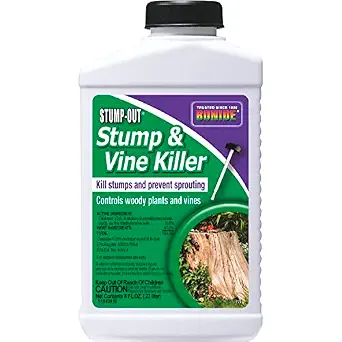 |
| Highest Rated A top-rated pick with lots of positive feedback | Corteva Agriscience Remedy Herbicide |  |
| Most Popular A crowd favorite that many people choose with confidence | Compare-N-Save 75324 Glyphosate Concentrate, 1 Gallon |  |
| Best Seller A high-volume bestseller chosen again and again | Roundup Weed & Grass Killer4 with Pump 'N Go 2 Sprayer, 1.33 gal |  |
Ranger Pro Glyphosate Herbicide Concentrate, 2.5 gal

| Liquid Volume | 2.5 gallons |
|---|---|
| Item Form | Liquid |
| Active Ingredients | Glyphosate 41% |
| Coverage | Annual |
Ranger Pro is a 41% glyphosate concentrate intended for large-area or repeated weed control applications. It is mixed at 2 to 3 ounces per gallon of water and applied with standard sprayers, making it practical for treating persistent perennials like knotweed when applied carefully and repeatedly. The high active ingredient concentration means fewer trips to the store and effective translocation into roots when applications follow label timing. Notable features include a liquid concentrate form and directions for use in residential, park, and recreational settings. Practical benefits are reliable systemic control of tough weeds and the ability to treat large infestations economically by diluting to the needed strength. Important limitations are safety and nonselectivity: it will damage desirable plants on contact and requires protective clothing, careful handling, and attention to wind and drift. Because it is a strong glyphosate product, expect to repeat treatments for deep-rooted knotweed and follow local regulations and disposal instructions.
Best for: Gardeners or property owners who need an economical, effective systemic herbicide for persistent, large patches of tough weeds and who are comfortable following safety and application guidelines.
Less Ideal for: Those who need a selective product to spare nearby desirable plants or who want an organic, nonchemical approach to invasive knotweed control.
- High glyphosate concentration (41%) for systemic control of perennial weeds
- Concentrate format lets you treat large areas economically after dilution
- Clear mixing rate (2–3 ounces per gallon) compatible with standard sprayers
- Label includes use in residential, park, and recreational settings
- Nonselective herbicide that will kill or damage any nearby desirable plants
- Requires protective gear and careful application to avoid inhalation, skin, or eye exposure
- May require multiple applications to fully control deep, established knotweed
Verdict: Choose Ranger Pro if you want a concentrated, economical glyphosate option to tackle large or persistent knotweed infestations when used carefully and repeatedly.
ALLIGARE Triclopyr 4 EC Herbicide, 1 Quart

| Unit Count | 32 Fluid Ounces |
|---|---|
| Item Form | Liquid |
| Coverage | Pastures, rangelands, rights-of-way, lawns, golf courses, sod farms, industrial properties, and ditches |
| Active Ingredients | Triclopyr |
ALLIGARE Triclopyr 4 EC is a concentrated liquid herbicide designed to control woody plants, broadleaf weeds, and brush in settings such as pastures, rangelands, rights-of-way, and forestry. It is typically mixed into a tank at the recommended rate (about 3.2 to 6.4 oz per gallon) with water and a bark penetrant to improve uptake through leaves and stems. The ester formulation promotes absorption and allows treatments to work on both foliar-sprayed foliage and growing stems, which is useful against perennial and woody invaders. Practical benefits include broad applicability across landscapes, compatibility with tank mixes for customizing treatments, and year-round application flexibility when local regulations permit. Important limitations are that it is a synthetic herbicide requiring careful protective equipment and handling, it can damage non-target broadleaf plants if drift or overspray occurs, and follow-up treatments may be needed for persistent root systems such as established knotweed. Follow label directions and local restrictions for safe and effective use.
Best for: Buyers who need a strong, professional-grade solution for removing woody brush and persistent broadleaf invaders from large or rural properties and who prioritize effectiveness over consumer-grade convenience.
Less Ideal for: Home gardeners with small beds, ornamental plantings, or those who prefer non-chemical or less toxic control methods should consider gentler or targeted alternatives.
- Effective on woody plants, brush, and broadleaf weeds common in pastures and rights-of-way
- Ester formulation enhances foliar and stem uptake for stronger control of perennial growth
- Tank-mix compatible so you can combine with other products for targeted results
- Flexible application timing suitable for many seasons and professional uses
- Requires careful PPE and handling due to toxicity and safety restrictions
- Can harm non-target broadleaf plants if not applied carefully and may require repeat treatments for resilient root systems
Verdict: Choose this concentrated triclopyr formula when you need a professional-strength herbicide to reliably knock back woody plants and stubborn broadleaf weeds.
Hi-Yield Killzall Super Concentrate Weed & Grass Killer, 1 gal

| Active Ingredients | Glyphosate |
|---|---|
| Item Form | Liquid |
| Coverage | 25600 square feet |
| Liquid Volume | 128 fluid ounces |
Hi-Yield Killzall is a glyphosate 41% super concentrate intended for broad area weed control where non-selective, systemic kill is needed. You mix the concentrate with water and spray to target unwanted plants; the formula contains double surfactants to help the solution stick and dry on foliage for faster uptake. The listed coverage is large, so one gallon stretches to many applications on extensive infestations like knotweed patches when applied thoroughly and repeatedly. It is designed to kill to the root and will work on woody brush and persistent perennial weeds if treated correctly and at the proper growth stage. Important practical considerations: it is non-selective so it will damage desirable plants and must not be used on lawns, and application requires a sprayer and careful adherence to label safety instructions. For aggressive species you should expect to re-treat regrowth and follow timing guidance for best results.
Best for: Gardeners and property owners dealing with large stands of invasive, deep-rooted weeds who prioritize an effective, economical systemic herbicide to reduce resprouts over time.
Less Ideal for: Casual gardeners with small plantings, mixed beds, or those who need selective control near desirable plants should choose targeted options instead.
- High glyphosate concentration for systemic control of deep-rooted perennials
- Super concentrate formula provides large coverage from one gallon
- Double-surfactant formula improves foliar uptake and speed of action
- Effective on grasses, broadleaf weeds and woody brush when applied correctly
- Non-selective herbicide that will harm or kill desirable plants
- Requires a separate sprayer and careful mixing and safety precautions
Verdict: Choose this super-concentrate glyphosate when you need a cost-effective, large-coverage systemic herbicide to tackle persistent invasive weeds like knotweed.
Bonide Stump-Out Stump & Vine Killer, 8 oz with Applicator

| Unit Count | 8 Ounce |
|---|---|
| Item Form | Spray |
| Coverage | Stumps, woody plants, vines, broadleaf weeds |
| Active Ingredients | 3,5,6-Tricloro-2-Pyridinyloxyacetic Acid |
Bonide Stump-Out is a small 8-ounce concentrate formulated to kill stumps, woody plants, vines and broadleaf weeds when applied directly. It is typically used undiluted on cut stumps or mixed for foliar spraying with a hose-end or tank sprayer for vines and weeds. The included brush applicator makes spot treatments easy and reduces overspray when working near lawns, fences or ornamentals. Active ingredient 3,5,6-trichloro-2-pyridinyloxyacetic acid provides relatively fast visible control within a few weeks, which is useful for persistent root systems. As a compact concentrate it is a budget-friendly option for treating a few problem spots rather than large infestations. Limitations are the small bottle size if you need to treat extensive knotweed stands and the need for careful, targeted application to avoid contact with desirable plants. Follow label directions for safe use and suitable environmental precautions.
Best for: Home gardeners on a budget who need a targeted, economical solution for spot-treating stumps, vines or small knotweed patches and prefer a product that reduces overspray.
Less Ideal for: Landscapers or homeowners facing large, widespread knotweed infestations who need a high-volume treatment or long-term program.
- Concentrated formula effective on stumps, woody plants, vines and broadleaf weeds
- Includes brush applicator for precise, low-overspray application
- Can be applied undiluted to stumps or diluted for foliar spray with common sprayers
- Produces visible control within 1 to 6 weeks for persistent growth
- Small 8 oz volume may require multiple bottles for large or dense infestations
- Contains a strong active ingredient that requires careful handling and strict label adherence
Verdict: A compact, affordable concentrate for targeted stump and vine control that works well for spot treating knotweed patches when used carefully.
Corteva Agriscience Remedy Herbicide

| Manufacturer | Corteva Agriscience |
|---|---|
| Part Number | Remedy |
| Coverage | 1 acre |
Remedy Herbicide is a professional-strength systemic herbicide designed for control of woody plants and broadleaf weeds across rangeland, permanent grass pastures, fence rows, and non-irrigation ditch banks. It is typically mixed and applied with standard sprayers to treat large patches; the product listing notes coverage sufficient for about one acre. Key features include labeled use on woody plants and broadleaf species and a manufacturer recommendation to wear protective equipment during application. For someone tackling persistent invasive species like knotweed, the systemic action and pasture/rangeland label mean it is intended for tough, established growth rather than spot-treating ornamentals. Limitations to consider are that it is formulated for agricultural and non-crop areas, so careful attention to the label is required to avoid off-target damage, and protective gear is needed for safe handling. It is not a fast cosmetic burn but a targeted tool for long-term control when used as directed.
Best for: Buyers who prioritize dependable, long-term control of tough invasives on non-crop acreage and want a product labeled for professional or agricultural use.
Less Ideal for: Home gardeners seeking quick spot treatments around ornamentals, small yards, or gardens should consider household or spot-use herbicides instead.
- Labeled for control of woody plants and broadleaf weeds common in rangeland and pastures
- Systemic formulation suitable for treating established, deep-rooted invasives
- Designed to cover large areas with one application quantity listed as one acre
- Manufacturer guidance included for safe application and targeted use
- Intended for agricultural and non-crop sites so not appropriate for lawns, gardens, or near desirable plants
- Requires protective equipment and careful handling to avoid off-target damage
Verdict: Choose Remedy when you need a labeled, systemic herbicide for reliable, long-term control of woody plants and broadleaf invasives on rangeland or pasture.
Compare-N-Save 75324 Glyphosate Concentrate, 1 Gallon

| Liquid Volume | 1 gallons |
|---|---|
| Active Ingredients | glyphosate |
| Item Form | Spray |
| Coverage | 25000 square_feet |
This is a one-gallon concentrate of glyphosate formulated to be mixed with water and sprayed onto unwanted weeds and grasses. It is used by mixing the recommended ounces per gallon for routine or tougher weeds, then applying to foliage on a calm, warm day; the glyphosate is absorbed through leaves and translocated to the root for reliable control. The bottle claims fast visible results in two to four days and becomes rainproof within two hours, which helps scheduling applications. It covers a large area when diluted, making it useful for treating patches, driveways, fence lines, garden preparation, and lawn renovation. Important limitations include its nonselective action, so it will kill desirable plants if contacted, and it provides no residual prevention of new growth. Because it contains a high percentage of glyphosate users should follow label safety directions, avoid drift to nearby ornamentals and edibles, and wear protective gear when mixing and spraying.
Best for: Gardeners or property owners who prioritize proven, practical weed control and prefer products with a strong track record and clear usage guidance for treating persistent weeds like knotweed.
Less Ideal for: People who need a selective product to preserve surrounding plants, or those unwilling to follow protective and drift-avoidance measures should choose an alternative control method.
- Concentrated formula stretches to many gallons of ready-to-use spray for large coverage
- Glyphosate active ingredient is absorbed through foliage and moves to roots for effective kill of perennial and annual weeds
- Rainproof in about two hours so treatments are less likely to wash off if weather is stable
- Clear mixing guidelines for light and tougher weed problems allow adjustable strength
- Nonselective herbicide that will damage or kill any green plants it contacts
- Contains a high concentration of active ingredient requiring careful handling and personal protective equipment
Verdict: A concentrated, no-nonsense glyphosate concentrate for buyers who want an effective, widely used chemical option to kill established knotweed and other tough weeds.
Roundup Weed & Grass Killer4 with Pump 'N Go 2 Sprayer, 1.33 gal

| Unit Count | 170 Fluid Ounces |
|---|---|
| Item Form | Spray |
| Coverage | 300 Square_Feet |
| Active Ingredients | Triclopyr, Fluazifop-P-Butyl, Diquat Dibromide |
This all-in-one unit combines a 1.33 gallon container of Roundup Weed & Grass Killer4 with the Pump 'N Go 2 sprayer for targeted spot applications around beds, patios, driveways, and fences. You attach the extendable wand, pump to build pressure, then get up to about 10 minutes of continuous spray for wiping out dandelions, crabgrass, poison ivy, clover and other common weeds. The formula claims visible browning in hours, becomes rainproof in as fast as 30 minutes, and lets you repl ant in 1 to 30 days depending on instructions. The integrated sprayer removes mixing guesswork and helps deliver accurate sprays without bending over. Important limitations: the product contains multiple active herbicides so you must follow safety directions, keep people and pets away until treated areas are dry, and wear protective clothing; it is a non-selective spray so care is required near desirable plants. Coverage is listed around 300 to 400 sq ft per container, which is fine for spot treatments but may be small for large infestations. For a cautious gardener looking to remove persistent knotweed shoots, repeated, careful applications and strict safety precautions will be necessary.
Best for: Buyers who want a straightforward, ready-to-use solution for spot-treating persistent garden and landscape weeds while minimizing mixing and setup time and who prioritize predictable, quick results.
Less Ideal for: Homeowners who need to clear very large areas or who prefer organic, non-chemical methods should consider alternative approaches or professional services.
- Integrated Pump 'N Go 2 sprayer for up to 10 minutes of continuous spray and improved accuracy
- Visible browning and control reported within hours for many common weeds
- Rainproof in about 30 minutes so light rain is less likely to wash treatment away
- Ready-to-use formula requires no mixing and is convenient for spot treatments
- Non-selective herbicide that will damage desirable plants on contact
- Container size covers modest area, not ideal for treating very large infestations
- Contains multiple active ingredients that require strict adherence to safety instructions
Verdict: A convenient ready-to-use weed and grass killer with an integrated Pump 'N Go sprayer that makes targeted, fast-acting spot treatments simple and predictable.
Choosing the Right Weed Killer for Knotweed: Key Factors to Consider
Mode of Action and Systemic Movement
How a herbicide moves within the plant is the primary determinant of success against knotweed. Products that are systemic travel from treated foliage or a cut stem down into the roots, reaching rhizomes and tubers that would otherwise re-sprout. Non-systemic, contact herbicides only scorch leaves and may force repeat treatments with little long-term effect.
Understanding whether a product translocates to roots helps you pick the right application technique. For example, some systemic herbicides work best as foliar sprays on actively growing shoots, while others are labeled for cut-stump or stem injection to concentrate actives into the root mass. Timing applications for strong translocation, typically late summer or early fall when the plant moves carbohydrates to the roots, improves control.
Best Timing and Seasonal Considerations
Season and plant growth stage shape effectiveness. Knotweed is most vulnerable when it is actively transporting sugars to roots, usually from late summer into autumn. Applying systemic treatments during this window increases the chance that herbicide reaches rhizomes.
Early-season sprays on young shoots may produce quick visible wilting but less root kill. Repeat treatments or a targeted late-season application are often necessary for more durable control. Also consider local climate: frost timing and extended drought can alter plant physiology and influence when systemic movement is strongest.
Application Method and Accessibility
How you apply the product affects both efficacy and safety. Options include foliar spray for broad infestation, cut-stump painting to focus actives into freshly cut stems, stem injection for dense stands where foliage is hard to reach, and spot-treating for isolated plants. Each method delivers herbicide to the plant differently and changes the amount of product needed.
Choose methods that suit the infestation size and site constraints. Cut-stump and injection concentrate treatment and reduce drift risk near desirable plants, while foliar sprays are better for large areas but need careful drift management and attention to wind and temperature.
Non-Target Plant and Soil Safety
Knotweed control often occurs near desirable plants, hedges, or watercourses, so minimizing harm to non-target vegetation is essential. Some systemic herbicides can be more selective when applied as cut-stump or injection treatments because the active ingredient is localized. Broadcast foliar sprays risk drift and runoff that can injure nearby plants.
Consider label guidance for buffer zones, use of surfactants, and restrictions near water. Also think about soil residual activity: long-lived residues can limit planting of replacement vegetation and affect soil health, so choose products and application rates that align with your replanting plans.
Speed of Visible Control Versus Long-Term Suppression
Fast wilting feels rewarding but does not always mean the root system is dead. Rapid knockdown is useful for immediate aesthetics and to reduce biomass quickly before disposal, but lasting suppression depends on root translocation and follow-up treatments. Some treatments produce slow decline over weeks yet achieve better long-term control.
Plan for repeat assessments after initial treatment. A strategy that combines an initial knockdown with a later late-season systemic application or multiple treatments across seasons often yields the best results for tough knotweed stands.
Practicality for Gardeners: Coverage, Cost, and Equipment
Application practicality shapes whether you will complete treatments correctly. Consider how much area you must treat, the equipment required to apply the product safely, and how often repeat treatments are needed. Products that need specialized injection tools or protective gear add complexity, while foliar sprays require pump sprayers and attention to coverage.
Also factor in how easy disposal of treated biomass will be managed. Some treatments require cutting and burning or sealed disposal; others allow natural decomposition. Pick options that match the time and equipment you have available for a multi-season control program.
Preparing the Knotweed Patch Before Treatment
Assess the stand to determine the density, height, and proximity to desirable plants or structures. Mapping the infestation helps you decide between spot treatments, stem injection, or broadcast applications and plan buffer zones to protect non-target vegetation.
Cutting mature stalks before treatment can reduce biomass and improve access, but timing matters. When using cut-stump methods, treat the cut surface immediately to deliver herbicide directly into the vascular tissue. For foliar sprays, avoid cutting too soon because regrowth is the tissue that translocates herbicide most effectively.
- Survey for nearby desirable plants and water to plan buffer zones
- Decide on cut-stump versus foliar based on access and size
- Gather appropriate PPE and application equipment before you start
Disposal and Legal Considerations for Cut Material
Knotweed fragments can re-root, so disposal protocols matter. Some local authorities have strict rules about moving or disposing of knotweed material because fragments spread the infestation. Secure containment, sealed bags, and site-specific guidance may be required.
If burning or sealed-offsite disposal is not an option, leave cut material in a sunny, contained area to desiccate before sealing. Never compost knotweed cuttings in a home compost that will be used in planting areas.
- Check local rules for invasive plant disposal
- Keep cuttings contained and avoid transport through unaffected areas
- Allow cut material to dry thoroughly before final disposal if permitted
Monitoring and Follow-Up Treatment Plans
One-time treatment rarely eliminates knotweed. Plan to re-inspect treated zones at regular intervals through the growing season and into the following year. Look for new shoots emerging near the original stand and treat quickly to prevent re-establishment.
Document application dates, weather conditions, and areas treated. This helps refine timing for subsequent treatments and gives a record for long-term control efforts. Treat regrowth with the same or adjusted method depending on how the plant responds.
- Re-inspect at least monthly during the active season
- Target new sprouts early with spot treatments
- Keep treatment records to optimize future timing
Combining Mechanical and Chemical Strategies
Physical methods can reduce top growth and make chemical treatments more effective when used together. Repeated cutting weakens aboveground reserves and reduces photosynthetic capacity, which can improve herbicide uptake when timed properly. However, mechanical alone rarely suffices against extensive rhizomes.
Use chemicals to target roots after mechanical reduction or as part of a cut-and-treat approach. Sequence matters: in many cases, cutting followed by immediate stump treatment concentrates the active ingredient where the plant will translocate it into the root crown.
- Stagger cutting and chemical treatment for best translocation
- Avoid mechanical disturbance that spreads fragments unintentionally
- Combine methods based on infestation size and site limitations
Restoration and Replanting After Control
After successful suppression, plan for site restoration to prevent reinvasion. Quick replanting with competitive groundcovers or shrubs can occupy space and reduce the chance of recolonization by knotweed fragments or seeds.
Choose species tolerant of any residual soil conditions and time replanting to avoid interfering with late-season systemic applications. In some cases, wait a season after the final treatment to confirm that no regrowth occurs before establishing permanent plantings.
- Select competitive, site-appropriate plants for rapid cover
- Delay replanting if residual herbicide activity could harm new plants
- Monitor restored areas for volunteer knotweed shoots
How We Chose the Best Weed Killer for Knotweed
We prioritized products that demonstrably address knotweed's two main challenges: extensive rhizome networks and rapid regrowth from fragments. Our editorial filters focused on modes of action that move systemically through foliage to roots, data or manufacturer guidance about root translocation, and documented field use for perennial woody or herbaceous invasives. We also evaluated practical gardener concerns: how quickly a product produces visible knockdown, how long it remains active for follow-up treatment, and how safe it is to use around desirable plants and in common site conditions. Application flexibility mattered too, including whether a product works with stem injection, cut-stump treatment, foliar spray, or spot-treatment techniques. We excluded products designed only for annual weed control, pre-emergent herbicides that do not translocate to established roots, and general-purpose formulations without guidance for tough perennials. The final list favors systemic activity, documented root control, adaptable application methods, and predictable results in varied garden and border settings.
FAQ
Can I kill knotweed with a single application?
Often a single application will weaken the plant and reduce top growth, but long-term suppression usually requires follow-up treatments. Knotweed's extensive rhizomes can survive partial damage, so plan multiple interventions, especially late-season applications aimed at root translocation.
Is cut-stump treatment better than foliar spray for knotweed?
Cut-stump treatment concentrates herbicide into the vascular tissue and reduces drift risk, making it effective for isolated stems or plants near desirable vegetation. Foliar spray is practical for large stands but needs careful application to protect non-target plants.
When is the best time of year to apply a systemic herbicide?
Late summer to autumn is generally best because the plant is moving sugars to its roots, which improves translocation of systemic herbicides. Local climate and plant vigor can shift timing, so adjust based on when stems are mature but still actively transporting to roots.
Will repeated cutting without chemicals control knotweed?
Repeated cutting can weaken knotweed over time but is unlikely to provide quick eradication because rhizomes store energy and can resprout. Combining mechanical cutting with targeted chemical applications yields faster and more reliable results.
Can treatments harm nearby desirable plants?
They can if you use broadcast foliar sprays or allow drift and runoff. Using cut-stump or injection methods, maintaining buffer zones, and following label guidance reduces the risk to nearby vegetation.
Final Verdict
Choosing the right weed killer for knotweed is about matching mode of action, timing, and application method to the infestation and site constraints. Prioritize systemic products and late-season timing to move actives into rhizomes, and favor targeted application methods near desirable plants to reduce non-target impact. Expect a multi-season plan that pairs mechanical reduction with chemical follow-up and careful disposal. By focusing on root translocation, application flexibility, and practical site management you can make informed choices and build a reliable strategy for long-term suppression.
