

Note: This article contains affiliate links. If you click on these links and make a purchase, I may earn a small commission at no extra cost to you. This helps support my research and content. Read my full affiliate disclosure here.
Picking the right mulch for asparagus matters because this perennial bed needs year-round protection, steady soil moisture, and minimal disturbance to crowns. The wrong mulch can trap too much moisture, invite pests, or leave a mat that chokes new spears. In this guide we shortlisted the top mulches for asparagus based on durability, soil benefits, and seasonal behavior so you can choose a long-term solution that fits your growing style. The selections ahead were evaluated for how they affect soil temperature, weed control, and nutrient cycling, and we note practical handling and application tips so you can install or refresh a bed with confidence.
Top Picks at a Glance
| Best Overall The best all-around choice for most situations | USA PINESTRAW Long Needle Pine Straw Mulch Bale — 100 sq ft Coverage |  |
| Best Quality Built to a higher standard if you want something more solid | Plantonix Coco Chips Coconut Husk Mulch (10 lb) |  |
| Best Value The sweet spot between price and what you get | Brut Organic Aspen Mulch, 10 qt |  |
| Best Budget The cheapest option that still gets the job done reliably | SuperMoss Coco Mulch (200 in³) |  |
| Highest Rated A top-rated pick with lots of positive feedback | Bean Products Hemp Garden Mulch — Hemp Hurd Soil Conditioner, 1 lb |  |
| Most Popular A crowd favorite that many people choose with confidence | HealthiStraw GardenStraw Premium Wheat Straw, 3 cu ft |  |
USA PINESTRAW Long Needle Pine Straw Mulch Bale — 100 sq ft Coverage
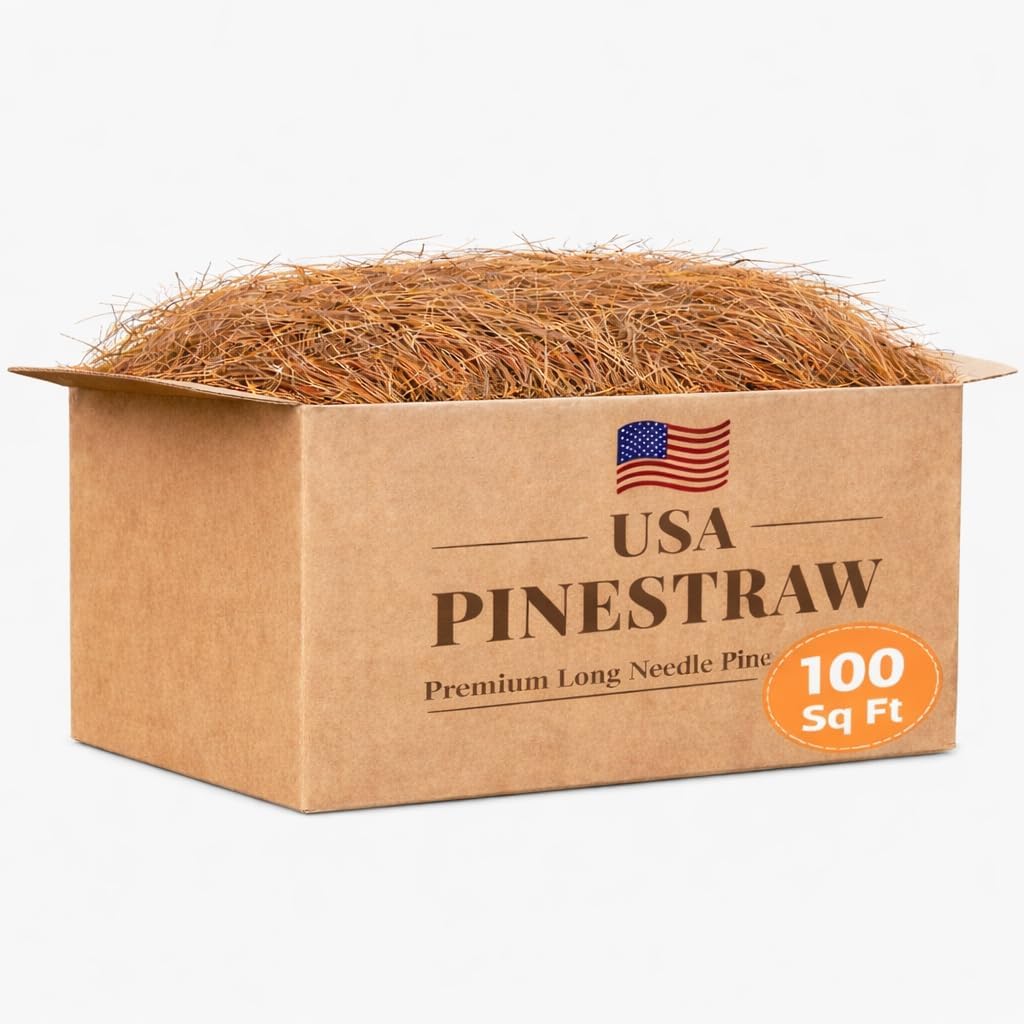
| Coverage | 100 Sqft |
|---|---|
| Material | Long needle pine straw |
| Manufacturer | USA PINESTRAW |
This pine straw bale is a straightforward natural mulch for beds and around perennial crops like asparagus. It is supplied as long-needle pine straw sourced in the USA and is typically spread in a 2 to 3 inch layer over soil to reduce evaporation, moderate soil temperature, and limit weed emergence. The product description highlights moisture retention and improved soil health, and pine straw is light and easy to work with so you can quickly dress rows or crowns without compacting the soil. It also makes a tidy, low-profile cover that breaks down gradually, adding organic matter without heavy tilling. Limitations are that it will not adhere in high-wind locations as well as shredded mulches and it does not provide the same bulk or immediate erosion control as heavier bark products. Also, because pine straw is acidic it can slightly lower surface pH over time, so monitor soil conditions if you have sensitive plants.
Best for: Gardeners who want a low-effort, natural mulch for perennial beds and vegetable rows and value moisture control and a tidy appearance with minimal handling.
Less Ideal for: People needing heavy-duty erosion control, a dense wind-resistant cover, or an immediately sterile weed barrier should consider alternative mulches or supplemental anchoring methods.
- Good moisture retention that reduces watering frequency
- Natural weed suppression when applied in a consistent layer
- Lightweight and easy to spread around crowns and rows
- Breaks down gradually to add organic matter to soil
- Not as effective in stabilizing soil on steep or windy slopes
- Can slightly acidify the topsoil over long-term use
Verdict: A simple, easy-to-apply natural mulch that keeps asparagus beds moist and tidy while adding organic matter over time.
Plantonix Coco Chips Coconut Husk Mulch (10 lb)

| Brand Name | plantonix |
|---|---|
| Unit Count | 160 Ounce |
| Item Type Name | Soil and Soil Amendments |
| Volume | 15 gallons |
| Ingredients | Compressed Coconut Husk Chips |
Plantonix Coco Chips arrive compressed and expand when hydrated into loose coconut husk chips you can spread as mulch or mix into potting mixes. For asparagus beds the chips form a breathable surface layer that reduces evaporation, moderates soil temperature, and helps prevent compaction while still allowing air and water to reach crowns. The product is pre-screened, washed, and low in soluble salts so it is suitable near recently planted crowns and established rows. Because it is slow to break down compared with fine organic mulches, it provides longer-lasting coverage and requires less frequent top-ups. The chips are lightweight and easy to handle, but you will need to hydrate and fluff the brick before use and they do not provide the same nutrient release as compost or well-rotted straw, so plan to supplement with fertilizer or compost for long-term soil fertility. Watch for dust when opening and avoid contact with eyes and lungs.
Best for: Gardeners who prioritize consistent soil moisture and a long-lasting, breathable mulch layer for perennial beds like asparagus and want a low-compaction alternative to wood mulches.
Less Ideal for: Growers looking for a mulch that significantly improves soil fertility on its own or those who prefer an immediately nutrient-rich amendment rather than a structural mulch.
- High moisture retention that reduces watering frequency
- Pre-screened and washed to remove debris and lower soluble salts
- Lightweight, long-lasting chips that resist compaction
- Versatile for beds, containers, and tropical or perennial plantings
- Requires hydration and breaking up of the compressed block before use
- Provides minimal nutrient value compared with compost or aged organic mulches
Verdict: If you want a long-lasting, low-compaction mulch that holds moisture and keeps asparagus crowns airy, this coco husk chip brick is an effective, performance-focused choice.
Brut Organic Aspen Mulch, 10 qt

| Unit Count | 192 Ounce |
|---|---|
| Manufacturer | Brut Worm Farms, Inc. |
| Style Name | Moisture-retaining |
| Volume | 10 quarts |
Brut Organic Aspen Mulch is a fine-textured, odor-free aspen bark mulch formulated to conserve soil moisture and create a tidy planting surface. You apply it as a top dressing around crowns and rows to reduce weed pressure and cut watering frequency, which is especially helpful in perennial beds. The product is OMRI-listed and contains about 30% carbon, so it boosts organic matter without pulling excess nitrogen from the soil. Its lightweight, moisture-retaining texture makes it easy to spread in raised beds and around crowns without compacting. Important limitations: the 10 quart unit covers a small area so you will need multiple bags for a full asparagus patch, and because it is primarily carbon-based it provides little immediate nutrient nitrogen compared with compost or manure. Also follow the safety guidance when handling to avoid dust exposure. Overall, this mulch is a low-mess, plant-safe choice when you want consistent moisture retention and clean bed appearance for asparagus beds and adjacent plantings.
Best for: Gardeners who prioritize efficient watering and tidy bed appearance and want an organic, easy-to-apply mulch for perennial crops like asparagus.
Less Ideal for: Growers seeking a bulk mulch or a high-nitrogen soil amendment should consider larger-volume mulches or composted manures instead.
- Fine, lightweight texture that is easy to spread around crowns and in narrow rows
- High moisture retention reduces watering frequency for thirsty perennials
- OMRI-listed organic material that adds carbon and supports soil microbial life
- Odor-free and clean appearance suitable for indoor containers and ornamental beds
- Small 10 quart volume means multiple bags are required for larger asparagus beds
- Low immediate nutrient content compared with compost or manure amendments
Verdict: A clean, organic aspen mulch that keeps asparagus beds moist and weed-suppressed while presenting a tidy, low-odor finish.
SuperMoss Coco Mulch (200 in³)

| Volume | 200 cubic inches |
|---|---|
| Unit Count | 1 Count |
| Number of Packs | 4 |
| Item Weight | 8 ounces |
SuperMoss Coco Mulch is a compressed coconut coir bale designed for gardeners who want a renewable alternative to peat-based mulches. You break apart the bale, hydrate it in water and spread the fibrous coir around beds, containers, or in potting mixes to increase water retention and improve soil aeration. Notable features include high water absorption that the manufacturer says helps prevent root rot, a near-neutral pH suitable for most plants, and a clean, disease-free material that stores easily. For asparagus beds, it moderates moisture and resists compaction better than some organic mulches, which helps crowns stay aerated. Limitations are that the product is sold in small compressed units so you will need to rehydrate and fluff it before use and multiple bales are required for larger beds; it also provides only modest nutrient contribution compared with composted organic mulches. For budget-minded gardeners it is lightweight to handle and keeps for years if stored dry, but plan to supplement with fertilizer or compost for long-term soil fertility.
Best for: Gardeners looking for an inexpensive, low-maintenance mulch that improves moisture retention and aeration for perennial beds like asparagus while being easy to store and handle.
Less Ideal for: Gardeners who want a mulch that contributes substantial nutrients or who prefer a permanently applied, heavy mulch that does not require periodic topping up.
- Renewable coconut coir holds water well to reduce frequent watering
- pH close to neutral so it is broadly compatible with most garden plants
- Clean and free from soil-borne diseases which reduces pest and pathogen risk
- Compact bales store easily and hydrate quickly when needed
- Compressed format requires rehydrating and manual fluffing before use
- Provides little in the way of nutrients compared with composted mulches
Verdict: A practical, low-cost coconut coir mulch that holds moisture and improves aeration, making it a good choice for maintaining asparagus beds while keeping storage and handling simple.
Bean Products Hemp Garden Mulch — Hemp Hurd Soil Conditioner, 1 lb

| Brand | Bean Products |
|---|---|
| Unit Count | 16 Ounce |
| Item Type Name | pet-litter |
| Manufacturer | Bean Products |
This hemp hurd garden mulch is a lightweight, natural soil conditioner intended to be spread around plants to conserve moisture and slow weed growth while gradually decomposing to add organic matter. Typical use is a thin top layer around crowns and beds for vegetables and perennials; for asparagus it can be spread after spears emerge to conserve moisture and protect crowns over summer. Notable features include its hemp-based composition grown and processed in the Midwest and low-dust handling suitable for routine garden application. Practical benefits are improved soil moisture retention, better root temperature buffering, and a steady supply of organic matter as the mulch breaks down, which supports long-term bed health. Important limitations are the small unit size provided here, which means multiple packages will be needed for even a modest asparagus bed, and the product will decompose over the season so it needs replenishing rather than serving as a permanent barrier.
Best for: Gardeners who prioritize reliable, natural soil improvement and want a breathable mulch that supports steady soil moisture and long-term bed health for perennial crops like asparagus.
Less Ideal for: Those needing bulk mulch for large beds or a long-lasting, non-decomposing mulch layer should consider larger-volume or more persistent alternatives.
- Made from natural hemp hurd that breaks down to add organic matter to soil
- Helps retain moisture and reduce watering frequency
- Suppresses weeds while remaining breathable for roots
- Produced and processed in the U.S., emphasizing local sourcing
- Sold in a small 1 lb unit that is insufficient for larger beds
- Will decompose over the season and requires periodic replenishment
Verdict: Choose this hemp mulch if you want a natural, moisture-retaining conditioner that steadily improves soil health in asparagus beds.
HealthiStraw GardenStraw Premium Wheat Straw, 3 cu ft

| Volume | 3 cu ft |
|---|---|
| Ingredients | 100% non-GMO wheat straw |
| Intended use | Garden mulch, lawn seeding |
| Cut length | Approximately 2 inches |
| Sustainably sourced | Yes |
HealthiStraw GardenStraw is a compressed bale of cleaned wheat straw intended for mulching vegetable and ornamental beds. The product is advertised as sifted to remove dust and most seeds, then cut into short fibers that interlock when watered so the layer stays put without adhesives. In practice this makes it easy to spread by hand or with a rake and it forms a light, insulating mulch that reduces evaporation and helps suppress weeds while it slowly composts into the soil. The manufacturer publishes coverage figures — a 2 to 3 inch layer will cover roughly 100 square feet — which is useful when planning for asparagus crowns that need a weed-free, moisture-retentive bed. Important limitations are that compressed bales require fluffing and some handling to separate the straw, and any residual seeds can still appear if absolute sterility is required. Also the product is lightweight and may need occasional anchoring in windy spots before it fully settles.
Best for: Gardeners who prioritize a clean, compostable mulch that conserves moisture and improves soil health for edible beds like asparagus and who value products with visible user approval and brand reliability.
Less Ideal for: Those who need a sterile, seed-free soil amendment for propagation or who prefer an instant decorative mulch that requires no initial handling.
- Sustainably sourced 100% non-GMO wheat straw processed to reduce dust and seeds
- Fibers interlock when watered so mulch stays in place without chemical binders
- Helps retain soil moisture and reduce evaporation, beneficial for shallow-rooted asparagus crowns
- Breaks down relatively quickly to add carbon and improve soil structure
- Clear coverage guidance from the manufacturer to estimate how much to buy
- Compressed bale requires time and effort to fluff and distribute
- May still contain some viable seeds despite filtration process
Verdict: Pick this cleaned, compostable wheat straw if you want a moisture-retaining, easy-to-spread mulch that improves soil health in edible beds like asparagus.
Choosing the Right Mulch for Asparagus: Key Factors to Consider
Moisture Balance and Drainage
Asparagus crowns need consistent moisture but do not tolerate standing water. A mulch that retains soil moisture during dry spells while allowing excess water to drain is important. In practice this means choosing materials that do not compact into an impermeable mat over time and that shed surface water rather than holding it against crowns.
Think about your site drainage, how often you irrigate, and local rainfall patterns. In heavy clay soils prefer coarser mulches that improve surface drainage. In sandy soils a finer, moisture-retentive organic mulch helps reduce irrigation frequency and supports spear development.
Impact on Soil Biology and Organic Matter
Some mulches break down slowly and feed the soil, improving structure and microbial activity, while others are inert and provide little long-term benefit. For a perennial crop like asparagus, adding organic matter over seasons can improve crown vigor and root health.
Consider whether you want a mulch that gradually integrates into the soil and contributes nutrients, or a stable cover that mainly provides physical protection. If you use high-carbon materials, plan for nitrogen management so microbial decomposition does not temporarily tie up available nitrogen in the root zone.
Weed Control Performance
Effective weed suppression reduces competition for water and nutrients and makes harvest easier. Dense, long-lasting mulches offer better suppression, but very dense layers can impede new spears if applied too thick.
You should balance layer thickness with the need for spears to emerge. Some mulches perform well when topped with a lighter layer in spring so spears can push through, while others require periodic raking or thinning to avoid matting.
Winter Protection and Temperature Moderation
Asparagus crowns benefit from insulation against extreme freeze-thaw cycles and from moderated soil temperatures that support early spring growth. A mulch that provides winter insulation without keeping the ground excessively warm in late winter is ideal.
Consider local winter severity. In cold climates a thicker insulating layer protects crowns, while in mild zones a lighter mulch prevents premature warming that could trigger early spear emergence and subsequent frost damage.
Pest and Disease Considerations
Some mulches can harbor slugs, voles, or fungal pathogens if they create cool, damp microclimates around crowns. Choosing materials that dry reasonably between rains and that do not provide heavy cover at the soil line helps reduce pest habitat.
Also think about previous disease history in the bed. Avoid mulches made from material from diseased plants, and consider periodically turning or refreshing the mulch to reduce pathogen build-up.
Practical Handling and Longevity
How often you want to refresh mulch matters. Some options last multiple seasons with little attention, while others decompose and need annual replacement. Handling concerns include weight, bulk, dust, and how easy the material is to spread evenly without damaging crowns.
If you have limited mobility or time, favor longer-lasting, easy-to-spread mulches that require minimal annual work. For small beds where fine tuning is possible, faster-decomposing mulches that improve soil may be preferable.
Timing and Thickness for Asparagus Beds
Apply or refresh mulch at times that align with asparagus growth and seasonal needs. In late fall or after cutting back ferns, add a protective layer to insulate crowns through winter. In spring, remove or thin the mulch where spears will emerge so they are not impeded.
Recommended thickness depends on material. Coarse materials can be deeper without smothering crowns, while fine mulches require a thinner layer. Check beds each spring and adjust thickness rather than leaving a heavy layer year-round.
- Add winter insulation after fern dieback for cold climates
- Thin or clear mulch from spear lines in early spring
- Refresh thinly each year for fast-decomposing organic mulches
Preparing the Bed Before Mulching
Before applying mulch, clear perennial weeds and dead fern material. Good bed prep reduces the chance that mulch will trap pests or provide habitat for overwintering weeds. Ensure crowns are healthy and soil surface is level so mulch lays evenly.
If you plan to add compost as a nutrient boost, incorporate it lightly at the edges rather than piling directly over crowns. This keeps root-zone biology active while avoiding direct high-nutrient contact with crowns that can encourage rot.
- Remove dead fern stalks and weeds
- Level the soil surface for even mulch spread
- Apply any soil amendments before laying permanent mulch
Mulch Management Across Seasons
Throughout the season, check the mulch for compaction, matting, or pest activity. Rake or loosen dense patches to restore airflow and allow new spears to emerge cleanly. In dry summers monitor moisture and add irrigation if mulch is maintaining lower-than-desired soil moisture.
At the end of the season, clean up decayed material and replace heavily broken-down mulch. Saving a thin layer of decomposed organic matter is beneficial, but avoid accumulating thick, soggy layers at the soil line that can cause crown problems.
- Loosen compacted mulch in spring
- Monitor for slugs, voles, or soggy spots
- Top up mulch in late fall after cutting back foliage
Combining Mulches and Spot Treatments
Sometimes a layered approach works best. Use a coarse base to improve drainage and a finer top layer to conserve moisture and suppress small weeds. This combination gives both airflow and surface coverage without creating an impermeable mat.
For problem spots with persistent weeds or erosion, apply targeted thicker mulch or a short-term weed barrier, then return to a standard mulch regime once seed sources are controlled.
- Use coarse materials beneath finer covers
- Apply heavier treatments only where needed
- Avoid continuous thick layers directly over crowns
Environmental and Sourcing Considerations
Choose mulches with sustainable sourcing when possible. Locally produced organic materials reduce transport impact and often integrate more predictably into your soil. Avoid materials treated with chemical residues or sourced from diseased plant material.
If using woody or bark-based products, know that they can be higher in carbon and decompose slowly. Plan for nitrogen management in beds where large amounts of high-carbon mulch are introduced.
- Prefer locally sourced organic mulches
- Avoid material from infected plants
- Anticipate nitrogen needs with high-carbon mulches
How We Chose the Best Mulch for Asparagus
We focused on practical, garden-tested characteristics that matter for established asparagus beds and new plantings. Evaluation centered on how each mulch type affects soil moisture regulation and drainage, since asparagus crowns need steady moisture without prolonged waterlogging. Longevity and maintenance were considered so a mulch that lasts through seasons or is easy to refresh scored higher. Soil health impact was another key filter, favoring mulches that either add organic matter gradually or avoid chemical residues that harm soil biology. Weed suppression and how easily the mulch allows spears to push through were also scored. We excluded products that are primarily decorative and do not perform in vegetable or perennial beds, and we left out materials that require frequent replacement in intensive vegetable production. Filters applied included compatibility with perennial crowns, risk of crown rot, contribution to organic matter, and seasonal behavior under snow and freeze-thaw cycles. The final list balances low-maintenance options with choices that improve long-term soil structure.
FAQ
When should I add or refresh mulch in an asparagus bed?
Add a protective layer after ferns die back in late fall for winter insulation, and inspect in early spring. Thin or remove mulch where spears will emerge so new growth is not obstructed.
How thick should mulch be around asparagus crowns?
Thickness depends on material. Coarse mulches can be deeper and still allow drainage, while fine organic mulches should be applied thinner to avoid matting. Adjust thickness seasonally and check emergence lines each spring.
Will mulch cause crown rot or other diseases?
Improper mulching that traps moisture directly against crowns can increase disease risk. Use materials that allow airflow, avoid piling mulch against crowns, and remove or thin mulch if beds stay soggy after rain.
Can I use grass clippings as mulch in asparagus beds?
Fresh grass clippings can mat and heat up as they decompose, which may impede spears. If used, apply thinly and mix with coarser material or allow clippings to dry first to reduce matting and odor.
How often should I replace organic mulch in a perennial asparagus bed?
Frequency depends on decomposition rate. Fast-breaking organic mulches may need annual topping, while coarse or woody mulches can last multiple seasons. Monitor breakdown and top up as needed to maintain coverage and soil benefits.
Will mulch help with weed problems in asparagus beds?
Yes. A suitable mulch reduces weed seed germination and makes weeding easier. For persistent weeds combine mulch with pre-application bed cleanup and occasional spot weeding to prevent seeds from becoming established.
Final Verdict
For asparagus beds prioritize a mulch that balances moisture retention with good drainage, supports soil life over time, and does not mat over emerging spears. Coarser, longer-lasting materials reduce maintenance and improve drainage in heavier soils, while finer organic mulches add organic matter in lighter soils but require more frequent topping. Weigh winter insulation needs, pest risks, and how much annual work you want to do, then choose the approach that aligns with your garden routines and climate.
