

Note: This article contains affiliate links. If you click on these links and make a purchase, I may earn a small commission at no extra cost to you. This helps support my research and content. Read my full affiliate disclosure here.
Astilbe thrive when their soil and feeding schedule match the plant's moisture and shade preferences. Choosing the right fertilizer for Astilbe matters because these perennials respond to both nutrient balance and timing: too much nitrogen can produce floppy foliage while too little phosphorus can limit flower set. This guide covers six shortlisted options suited to Astilbe growing conditions and compares how they perform across nutrient profile, ease of use, and effect on blooms. Read on for practical guidance about application timing, form, and soil considerations before you choose the best feed for your shade border or woodland garden.
Top Picks at a Glance
| Best Overall The best all-around choice for most situations | Miracle-Gro Water Soluble Azalea, Camellia, Rhododendron Plant Food, 5 lb. |  |
| Best Quality Built to a higher standard if you want something more solid | Espoma Organic Holly-Tone 4-3-4 Fertilizer, 4 lb. Bag (Pack of 2) |  |
| Best Value The sweet spot between price and what you get | Scotts All Purpose Flower & Vegetable Continuous Release Plant Food, 3 lb |  |
| Highest Rated A top-rated pick with lots of positive feedback | Jack's Classic 20-20-20 All Purpose Water-Soluble Fertilizer, 24 oz | 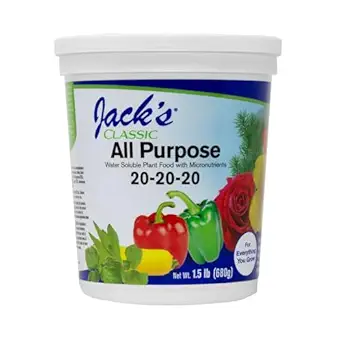 |
| Most Popular A crowd favorite that many people choose with confidence | Miracle-Gro Liquid All Purpose Plant Food Concentrate, 32 oz |  |
| Best Seller A high-volume bestseller chosen again and again | Miracle-Gro Water Soluble All Purpose Plant Food, 1.5 lb |  |
Miracle-Gro Water Soluble Azalea, Camellia, Rhododendron Plant Food, 5 lb.

| Item Form | Powder |
|---|---|
| Application Method | watering can or Miracle‑Gro Garden Feeder |
| Coverage | Medium |
| Target Species | Azaleas, Camellias, Rhododendrons, Gardenias, Hibiscus, Hollies, Hydrangeas, Orchids |
| Mixing Ratio | 1:144 (indoor), 1:18 (outdoor) |
This water‑soluble Miracle‑Gro formula is designed for acid‑loving shrubs and flowering plants and dissolves easily in a watering can or Miracle‑Gro Garden Feeder. You mix the powder at the labeled ratios and apply every 7–14 days while plants are actively growing. The product targets plants that prefer acidic soil and lists azaleas, camellias, rhododendrons, gardenias, hydrangeas, and several ornamentals; that makes it suitable for feeding spring and summer bloomers. The powder form and clear mixing instructions let you control strength for containers or beds, and a 5 lb. container covers a fairly large area when used at recommended dilution. Practical benefits include quick nutrient uptake because it is water soluble and flexible application methods for both indoor and outdoor use. Limitations are that it is tailored to acid‑loving species so it is not a general all‑purpose NPK for every garden plant and requires frequent reapplication during the growing season rather than a slow‑release schedule.
Best for: Buyers who want a focused, easy‑to‑use liquid feed plan for acid‑loving perennials and shrubs and who prefer regular, controllable applications over slow‑release products.
Less Ideal for: Gardeners who want a one‑time slow‑release fertilizer or who need a universal feed for a wide mix of neutral and alkaline‑preferring plants.
- Water‑soluble powder for fast nutrient uptake
- Clear mixing ratios for indoor and outdoor use
- Works with a watering can or Miracle‑Gro Garden Feeder for flexible application
- Formulated specifically for acid‑loving flowering shrubs and ornamentals
- 5 lb. container covers a large area when mixed as directed
- Requires frequent application every 7–14 days during active growth
- Formulation is aimed at acid‑loving species and is not ideal as a universal fertilizer
Verdict: An easy, water‑soluble feed that gives acid‑loving flowering shrubs and perennials a fast, controllable nutrient boost when applied regularly.
Espoma Organic Holly-Tone 4-3-4 Fertilizer, 4 lb. Bag (Pack of 2)

| Item Form | Powder |
|---|---|
| Specific Uses For Product | Organic,Plant Food |
| Application Method | Sprinkle over the root zone and water in |
| Target Species | Acid-loving Plants |
Espoma Holly-Tone is an organic, slow-release granular fertilizer formulated for acid-loving plants that supplies a steady mix of nitrogen, phosphorus, and potassium with added sulfur. It is typically applied by sprinkling around the drip line of shrubs, evergreens, and other acid-loving species and then watering in, which makes it simple to use for routine spring and fall feedings. The product’s natural organics and Bio-tone formula break down gradually to create a lasting nutrient reservoir rather than a quick flush of growth, which helps support steady foliage and flower development over time. Because it is labeled for organic gardening and contains no sludges or fillers, it fits growers who prioritize natural inputs. Limitations to expect are that it is targeted for acid-loving plants only and its slower release means you will not see immediate, dramatic greening compared with high-analysis synthetic fertilizers.
Best for: Gardeners who want consistent, long-term nutrient support for acid-loving perennials and shrubs and prefer organic inputs to boost flowering and foliage over seasons.
Less Ideal for: Growers seeking rapid, high‑nitrogen green-up or those tending plants that require neutral to alkaline soils should choose a different fertilizer.
- Slow-release organic formula provides steady feeding over time
- Specifically formulated for acid-loving plants common to woodland borders
- Contains added sulfur to help maintain acidic soil conditions
- Approved for organic gardening and made from natural ingredients
- Not formulated for neutral or alkaline soil plants
- Slower visible results compared with fast-acting synthetic fertilizers
Verdict: Choose Holly-Tone if you want a reliable organic, slow-release fertilizer tailored to acid-loving plants for steady seasonal performance.
Scotts All Purpose Flower & Vegetable Continuous Release Plant Food, 3 lb

| Item Form | Granules |
|---|---|
| Application Method | Sprinkle on soil and rake into top 1-3 inches |
| Unit Count | 48 Ounce |
| Target Species | All Purpose Flower & Vegetable Continuous Release Plant Food |
Scotts All Purpose Flower & Vegetable Continuous Release Plant Food is a granular fertilizer intended for in-ground garden use on flowers, annuals, perennials and vegetables. You apply it by sprinkling the recommended amount around plants, raking it into the top 1 to 3 inches of soil, and watering to activate a steady nutrient release that lasts about two months. The formula is designed to promote vigorous root growth, lush foliage and improved blooms or harvests without burning plants when used as directed. A small 3 lb bag covers roughly 150 sq ft, making it easy to dose beds and borders. Because it is a general-purpose, continuous-release product it reduces the need for frequent feeding, which saves time for gardeners who prefer a simple schedule. Limitations are that it is a broad NPK-style feed rather than a plant-specific mix tailored to acid-loving or moisture-preferring species, and it must be raked in and watered to work properly, so it is not ideal for no-dig or container setups where incorporation is difficult.
Best for: Gardeners who want a low-maintenance, general-purpose fertilizer to feed mixed flower and vegetable beds on a simple two-month schedule and who prefer predictable, steady feeding over precise formulation.
Less Ideal for: Specialist growers who need an acid-boosting or moisture-specific fertilizer for plants like astilbe or gardeners relying on no-dig or container methods should consider a product formulated for those conditions instead.
- Continuous-release granules feed plants for up to two months, reducing application frequency
- Easy application: sprinkle, rake into topsoil and water to activate
- Suitable for a wide range of plants including flowers, vegetables, perennials and shrubs
- Small bag covers about 150 sq ft, useful for targeted beds or trial plots
- Not formulated specifically for acid-loving plants like astilbe so may lack tailored nutrient balance
- Requires incorporation into soil and watering to activate, so not ideal for undisturbed no-dig beds
Verdict: Choose this if you want an easy, two-month continuous-release granular feed to keep mixed flower and vegetable beds fed with minimal fuss.
Jack's Classic 20-20-20 All Purpose Water-Soluble Fertilizer, 24 oz

| Item Form | Powder |
|---|---|
| Specific Uses For Product | Plant Growth |
| Coverage | All |
| Mixing Ratio | 0.22 |
| Unit Count | 24 Ounce |
Jack's Classic 20-20-20 is a professional-grade water-soluble powder designed to feed plants through both roots and foliage. You mix the powder with water (the package includes a measuring spoon) and apply as a root drench or foliar spray every 7 to 14 days, or at a reduced rate for seedlings and cuttings. The balanced N-P-K promotes fast green-up and leaf expansion, while added micronutrients help prevent common deficiencies. Because it dissolves cleanly it is suitable for hand-watering, spray bottles, and continuous feed systems commonly used in containers and beds. For astilbe, which prefers consistent moisture and steady nutrition rather than heavy bloom boosters, this formula supports healthy foliage and steady growth without complex feeding schedules. Important limitations are that it is a general-purpose formula rather than a shade- or acid-specific feed, so you may need to pair it with soil pH management or a bloom-focused product if you want heavier flowering or to correct acidic soil conditions.
Best for: Gardeners who prioritize reliable, consistent nutrition and want a single, easy-to-mix fertilizer for routine feeding of beds and containers, including ornamental perennials like astilbe.
Less Ideal for: Growers seeking a fertilizer formulated specifically to acidify soil or maximize flowering in acid-loving shade plants should consider a product tailored to those needs instead.
- Balanced 20-20-20 N-P-K supports steady foliage growth and general plant health
- Water-soluble powder mixes cleanly for foliar sprays, root feeds, and continuous feed systems
- Includes measuring spoon and clear mixing directions for consistent, repeatable applications
- Contains micronutrients to reduce common deficiencies without separate supplements
- General-purpose formula does not adjust soil pH or target shade-loving species specifically
- Not specialized for boosting flowers or modifying nutrient ratios for peak bloom
Verdict: Choose this if you want a dependable, easy-to-mix all-purpose feed that delivers consistent foliage health for astilbe and other ornamentals.
Miracle-Gro Liquid All Purpose Plant Food Concentrate, 32 oz

| Item Form | Liquid |
|---|---|
| Specific Uses For Product | Plant Growth, Root Development |
| Application Method | Mix with water in a watering can |
| Mixing Ratio | 1:10 (concentrate to water, estimate) |
Miracle-Gro Liquid All Purpose Plant Food is a water-soluble concentrate you mix with a watering can to feed container and in-ground plants every one to two weeks. It is typically used by filling the cap to the indicated line for garden applications or using a teaspoon per gallon for houseplants, then applying the solution to soil around the plant. The product's liquid form makes it easy to deliver nutrients quickly to the root zone, supporting growth and root development for flowering perennials like astilbe. Notable features are the simple mixing directions and the stated broad compatibility with flowers, vegetables, shrubs and houseplants. Practical benefits include fast uptake compared with granular fertilizers and flexible application frequency for active growing seasons. Important limitations are that the formula is a generic all-purpose feed rather than an astilbe-specific blend, so it does not target shade-loving, moisture-preferring perennials with tailored nutrient ratios, and frequent use requires careful dilution and scheduling to avoid overfeeding sensitive plants.
Best for: Buyers who want a reliable, easy-to-use liquid fertilizer that delivers quick, visible growth for a variety of garden plants and prefer products with broad customer acceptance and clear instructions.
Less Ideal for: Gardeners seeking a specialized or slow-release fertilizer formulated specifically for shade-loving perennials or for no-fuss, low-maintenance feeding schedules should consider alternatives.
- Liquid concentrate for fast nutrient uptake
- Simple, repeatable mixing instructions for garden or container use
- Suitable for a wide range of plant types including flowering perennials
- Flexible application schedule allows feeding during active growth
- Easy to apply with a watering can for targeted root-zone feeding
- All-purpose formula is not tailored to shade-loving, moisture-preferring plants like astilbe
- Requires regular, correct dilution to avoid nutrient burn
- Does not provide slow-release feeding between applications
Verdict: A straightforward liquid concentrate that reliably delivers quick nutrients to astilbe and other flowering plants when applied carefully and regularly.
Miracle-Gro Water Soluble All Purpose Plant Food, 1.5 lb

| Item Form | Powder |
|---|---|
| Application Method | Watering Can |
| Target Species | For all flowers, vegetables, trees, shrubs and houseplants |
| Mixing Ratio | 24-8-16 |
Miracle-Gro Water Soluble All Purpose Plant Food is a powdered fertilizer you mix into water and apply with a watering can or compatible garden feeder to give plants a quick nutrient boost. With an NPK of 24-8-16 it supplies a high dose of nitrogen for leafy growth while still providing phosphorus and potassium for root and bloom support. Typical use is every 7 to 14 days outdoors and every two weeks for houseplants, using the included scoop for correct dilution. The product is safe for a broad set of species and is intended to dissolve completely so nutrients reach roots quickly, which is useful for reinvigorating tired perennials like astilbe in the growing season. Practical benefits include fast uptake, easy mixing, and clear dosing instructions. Limitations are the high nitrogen ratio, which favors foliage over flowering if overused, and the need to follow dilution guidelines carefully to avoid nutrient imbalance; it is not a slow-release option so it requires regular applications for sustained results.
Best for: Buyers who want a reliable, easy-to-use feed to quickly revive or maintain garden perennials and houseplants and who prefer clear, conservative application guidance.
Less Ideal for: Gardeners looking for a low-nitrogen bloom-focused formula or those who prefer a single application slow-release fertilizer for seasonal maintenance.
- Fast-acting water-soluble formula delivers nutrients quickly to roots
- Clear application instructions and included scoop simplify dosing
- Suitable for a wide range of plants including flowers, vegetables, shrubs and houseplants
- Can be applied with a watering can or garden feeder for flexible use
- High nitrogen formulation can suppress blooms if used too frequently
- Requires repeated applications because it is not a slow-release fertilizer
Verdict: A dependable, easy-to-mix fertilizer that gives fast nutrient support for a wide range of plants, ideal when you want predictable, quick results.
Choosing the Right Fertilizer for Astilbe: Key Factors to Consider
Nutrient Ratio and Bloom Focus
Astilbe benefit from a fertilizer that favors bloom development without encouraging excessive leafy growth. A balanced formulation with moderate nitrogen and proportionally higher phosphorus supports strong flower production while keeping stems sturdy. Overfeeding nitrogen can cause large, soft leaves and fewer flowers, especially in shaded sites where light limits structural growth.
Consider fertilizers labeled for flowering perennials or those with an N-P-K ratio that does not heavily favor nitrogen. Slow-release phosphorus availability is especially helpful in soils with high organic matter where immediate spikes are less useful.
Release Type and Feeding Frequency
How a fertilizer releases its nutrients affects both labor and plant response. Slow-release granules or controlled-release prills provide steady nutrients through the season with fewer applications, which is convenient for borders and woodland beds. Water-soluble or liquid feeds give fast results and are useful if you need to correct a deficiency quickly, but they require more frequent applications.
Match the release type to your maintenance routine and site. In consistently moist Astilbe beds, controlled-release products will dissolve predictably, while in marginally dry soils, liquid feeds let you time doses when plants are actively growing.
Form and Ease of Application
Fertilizers come as granules, spikes, liquids, and powders. Granules are simple to broadcast or side-dress, while liquids are convenient for foliar or root drench feeding and are easy to mix at the correct strength. Spikes reduce measuring but may deliver uneven distribution in shallow-rooted perennials.
Choose a form that fits your workflow. If you maintain many small clumps of Astilbe, a liquid concentrate with a watering-can application can be faster. For larger drifts, a well-distributed granular application or a single spring controlled-release treatment may be more efficient.
Soil Type and Moisture Interaction
Astilbe prefer humusy, moisture-retentive soils. Fertilizer performance varies with soil texture and organic matter. In rich, organic soils, nutrients are held and released slowly, reducing the need for heavy feeding. In lighter, faster-draining mixes the same product may leach quickly and need shorter feeding intervals.
Assess your bed's organic content and drainage before selecting a product. Amendments that improve moisture retention and soil structure can reduce fertilizer dependence and improve uptake, making moderate, well-timed feeding more effective.
Salt Index and Plant Safety
High-salt fertilizers can stress perennials, especially in confined or poorly drained sites where salts concentrate. Astilbe growing in containers or tight root zones are more sensitive to salt buildup. Lower-salt formulations and products with clear application guidance help avoid leaf scorch and root damage.
If you use granular feeds, follow label rates and water well after application. Periodic soil testing or flushing in containers reduces the risk of cumulative salt stress and keeps plants looking vigorous.
Timing Relative to Growth Cycle
Timing feeds to the plant's growth cycle improves efficiency. Apply the first feed as new growth emerges in spring to support shoot development and later apply a bloom-focused feed at bud set. Avoid heavy late-season feeding that encourages tender growth vulnerable to frost.
For reblooming varieties or extended displays, lighter, more frequent feeds during the active season can help sustain flower production without overstimulating foliage growth.
Feeding Schedule For Best Results
Set a feeding schedule aligned with local climate and growth timing. Start with a light application when shoots appear in spring, follow with a bloom-focused feed at bud set, and give a final light dose after peak flowering if the plants remain actively growing.
Adjust frequency based on fertilizer type: liquids every two to four weeks at recommended strength, controlled-release once in spring, and granular feeds as a light side-dress when soil moisture is reliable.
- Begin feeding at first active growth in spring
- Apply bloom-supporting doses as buds develop
- Avoid heavy late-season fertilization
Soil Tests and When to Amend
A simple soil test helps tailor your fertilizer choice. Check pH and basic nutrient levels before establishing a feeding plan, since extreme pH or a phosphorus surplus can change what product will be effective.
If the soil is low in organic matter, incorporate compost to improve structure and nutrient-holding capacity. That reduces reliance on concentrated fertilizers and smooths nutrient release through the season.
- Test pH and available phosphorus before major feeding
- Add compost or leaf mold to boost moisture retention
- Retest periodically to track changes after amendments
Container and Small-Scale Planting Tips
Astilbe in containers need gentler, more frequent feeds because potting mixes drain and deplete nutrients faster. Use a water-soluble feed at reduced strength every one to two weeks during active growth and flush pots occasionally to prevent salt buildup.
Choose slower-release granules only if rated for containers and follow reduced application rates. Monitor leaf color and flower set to adjust strength rather than increasing dose.
- Use diluted liquid feed for container plants
- Flush containers periodically to avoid salt buildup
- Reduce rates for slow-release products in pots
Organic Vs Synthetic Options
Organic fertilizers release nutrients more slowly and improve soil biology, which benefits long-term bed health and moisture retention. They are a good match for woodland-style plantings where gradual nutrient supply and improved humus are desirable.
Synthetic fertilizers give predictable nutrient ratios and faster correction of deficiencies. They are useful when you need quick bloom response or when soil tests show a clear shortfall. Balance speed with long-term soil health when choosing between the two approaches.
- Organics build soil life and structure over time
- Synthetics offer precise, immediate nutrient correction
- Consider combining organic soil improvements with targeted synthetic feeds if rapid action is needed
Practical Application Techniques
For granular products, apply evenly around the drip line and avoid piling material against crowns. Work light surface incorporation into the top inch of soil and water thoroughly to begin nutrient release.
For liquid feeds, apply as a root drench or low-pressure foliar spray in the cool morning. Follow label dilution and do not apply foliar sprays in direct midday sun to prevent leaf burn.
- Distribute granules around the root zone, not on the crown
- Water in granular applications to activate nutrients
- Apply liquids in the morning at recommended strength
How We Chose the Best Fertilizer for Astilbe
We narrowed the list using criteria that matter to gardeners growing Astilbe. We prioritized nutrient balance tailored to flowering perennials, focusing on moderate nitrogen with adequate phosphorus and potassium to encourage bloom development without overly vegetative growth. Application method and frequency was critical: we favored products that offer predictable release or easily controlled liquid dosing for season-long feeding. Soil and moisture compatibility was assessed to ensure the fertilizers work in consistently moist, humusy soils common to Astilbe. Safety for nearby plants and for use around children and pets was considered, favoring lower-salt options and clear label instructions. Excluded items included generic high-nitrogen lawn fertilizers, products formulated mainly for bulb forcing, and mixes requiring specialized equipment not typical for home gardeners. The final selections reflect how well each option balances nutrient ratios, fits common application routines, and performs in typical shade-border or woodland-site conditions.
FAQ
How often should I feed Astilbe during the growing season?
It depends on the product type. Slow-release granules can be applied once in spring, while liquid feeds are usually used every two to four weeks during active growth. Adjust frequency to plant vigor and local conditions.
Can I use a general-purpose fertilizer on Astilbe?
General-purpose fertilizers can work if their nutrient balance is moderate and not high in nitrogen. Prefer formulations that support flowering and follow conservative rates to avoid excessive leafy growth.
Is organic fertilizer better than synthetic for Astilbe?
Organic fertilizers improve soil structure and release nutrients slowly, which suits long-term bed health. Synthetic feeds give faster, more predictable results for correcting deficiencies or encouraging blooms quickly. The best choice depends on whether you prioritize immediate response or soil improvement.
What signs indicate my Astilbe needs feeding?
Pale or yellowing leaves, small or sparse flower panicles, and generally poor vigor can indicate nutrient shortfall. Confirm with a soil test before increasing fertilizer to rule out pH or moisture issues.
Can I harm Astilbe by over-fertilizing?
Yes. Over-fertilization can cause leaf scorch, salt build-up in the root zone, and weak, floppy growth. Always follow label rates, water after application, and err on the side of lighter feeding.
Final Verdict
Choose a fertilizer for Astilbe that balances bloom-supporting nutrients with a release pattern that fits your gardening routine. Prioritize products with a moderate nitrogen level, adequate phosphorus for flower set, and a release type suited to your soil moisture and maintenance capacity. Remember that improving soil organic matter often reduces the need for heavy feeding and supports healthier plants. With the right balance of timing, form, and nutrient ratio, you can encourage consistent blooms and resilient foliage across seasons.
