

Note: This article contains affiliate links. If you click on these links and make a purchase, I may earn a small commission at no extra cost to you. This helps support my research and content. Read my full affiliate disclosure here.
Choosing the right mulch for an asparagus bed matters more than it might for an annual vegetable patch. Asparagus is a perennial crop with crowns that need winter protection, steady moisture in spring, and minimal competition from weeds for many seasons. The right mulch reduces weed pressure, moderates soil temperature around crowns, and slowly contributes organic matter without smothering spears. This guide covers five well-suited mulches chosen for asparagus-specific needs and explains the practical tradeoffs you will face. We evaluate each option for longevity, weed suppression, and how it affects soil and crown health so you can pick a material that fits your gardening rhythm.
Top Picks at a Glance
| Best Overall The best all-around choice for most situations | USA PINESTRAW Long Needle Pine Straw Mulch – 100 sq ft Coverage |  |
| Best Quality Built to a higher standard if you want something more solid | Plantonix Coco Chips Coconut Husk Mulch (10 lb, Expands to 15 gal) |  |
| Best Budget The cheapest option that still gets the job done reliably | Halatool Coco Husk Chips Bricks, 2-Pack Compressed Coconut Coir (Expands to 7 qt) |  |
| Highest Rated A top-rated pick with lots of positive feedback | Home and Country USA Triple Shredded Hardwood Mulch, 2 cu ft |  |
| Most Popular A crowd favorite that many people choose with confidence | HealthiStraw GardenStraw Premium Garden Mulch, 3 cu ft |  |
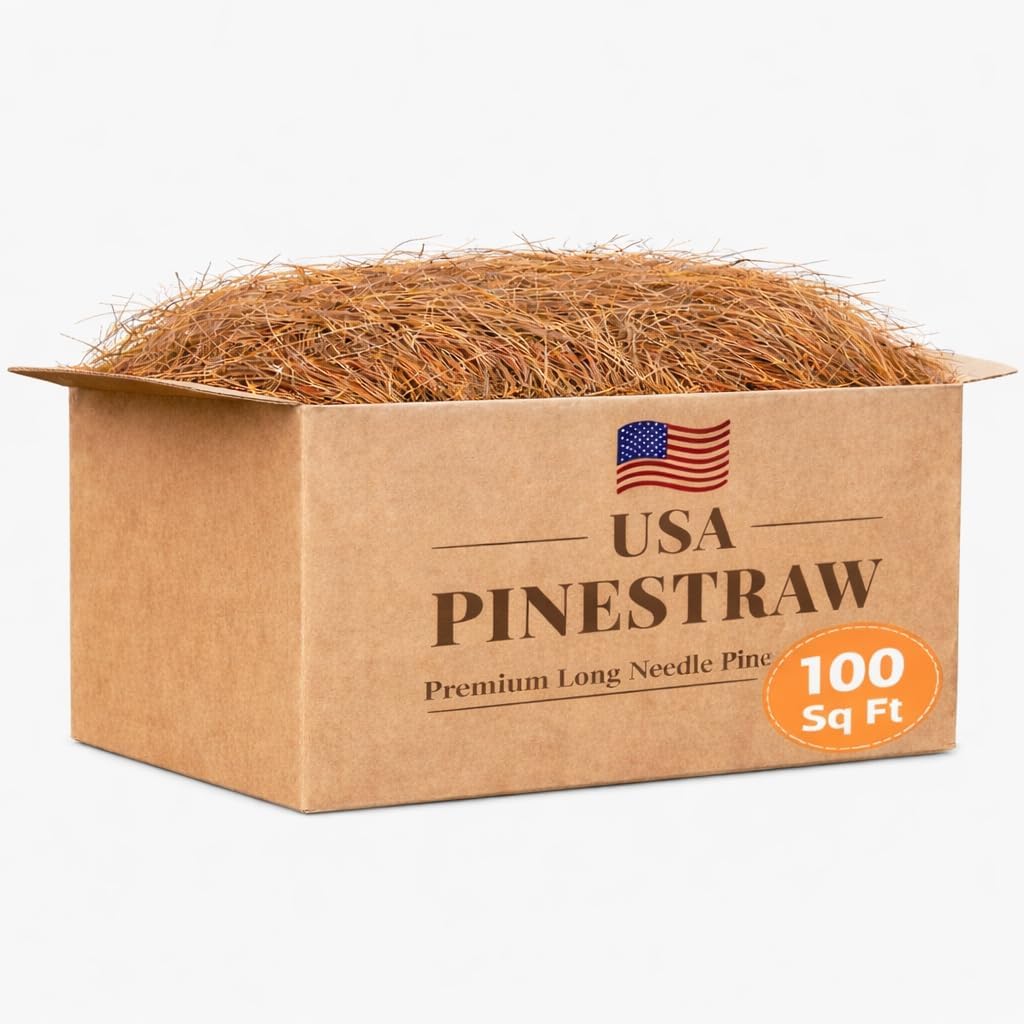
USA PINESTRAW Long Needle Pine Straw Mulch – 100 sq ft Coverage
| Coverage | 100 Sqft |
|---|---|
| Material | Pine straw (long needle) |
| Manufacturer | USA PINESTRAW |
This pine straw bale is a straightforward, all-natural mulch for beds and pathways. It is used by pulling apart the compressed bale and spreading a 2 to 3 inch layer around plants, trees, or planting rows to conserve soil moisture and reduce weed pressure. Notable features include long needles that interlock to form a breathable mat and a nominal 100 sq ft coverage per bale, which makes it easy to estimate how many bales you need. Practical benefits include improved moisture retention for developing roots, cleaner-looking beds that resist erosion, and a lightweight, biodegradable material that works well around perennial crowns. Limitations are that pine straw does not add significant bulk or nutrients like composted organic mulches do and it can shift more easily on slopes or under heavy foot traffic, so occasional topping or anchoring may be necessary. It is best used where a natural, low-maintenance cover is preferred and where acidic needles are acceptable for the planting area.
Best for: Gardeners who want a low-maintenance, natural mulch to retain moisture and suppress weeds in perennial beds, especially those who prefer biodegradable materials and easy installation.
Less Ideal for: People seeking a mulch that substantially improves soil nutrient content or a heavy, stabilizing surface for steep erosion-prone slopes should consider composted mulch or heavier options instead.
- Natural, 100% organic pine straw that biodegrades and supports soil health
- Long needles that interlock to form a breathable mat for good moisture retention
- Easy to spread from compact bale for quick coverage of beds
- Helps suppress weeds without chemicals and creates a tidy, natural appearance
- Does not significantly increase soil fertility like composted mulch
- Can migrate or thin out on steep slopes or high-traffic areas requiring periodic replenishment
Verdict: A lightweight, natural mulch that gives quick, breathable coverage to conserve moisture and tidy asparagus beds with minimal fuss.
Plantonix Coco Chips Coconut Husk Mulch (10 lb, Expands to 15 gal)

| Unit Count | 160 Ounce |
|---|---|
| Item Type Name | Soil and Soil Amendments |
| Manufacturer | Plantonix |
| Volume | 15 gallons |
Plantonix Coco Chips come as a compressed 10 lb brick that hydrates and expands into lightweight coconut husk chips used as mulch or a soil amendment. Typical use is rehydrating the block, breaking the chips apart, and spreading a 1 to 2 inch layer over beds or mixing into potting mixes to improve aeration and water retention. Notable features are that the chips are pre-screened, washed, and aged to reduce fines and salt, and they have low electrical conductivity and neutral pH so they will not upset soil chemistry. Practical benefits for a performance-minded gardener include long-lasting moisture retention that reduces watering frequency, improved drainage compared with heavy wood mulches, and good structure that resists compaction around roots. Limitations are that coco chips do not supply significant nutrients as they break down and they decompose more slowly than finer coir products, so they are better as a surface mulch or coarse amendment rather than an immediate nutrient source. Users should also take basic dust precautions when handling the dry brick.
Best for: Gardeners focused on efficient moisture management and soil structure who want a long‑lasting, low‑compaction mulch for beds and containers.
Less Ideal for: Growers who need a nutrient-rich soil amendment or want a fast‑breaking material to quickly increase organic matter should choose compost or finer coir products instead.
- Expands from a compact brick to a light, airy mulch that is easy to store and transport
- Strong moisture retention reduces watering frequency and helps keep soil temperatures stable
- Pre-screened and washed to remove dirt, rocks, and excess fines
- Neutral pH and low EC make it safe for sensitive plantings
- Provides little direct nutrition to plants and will not replace fertilizer needs
- Coarse chips break down slowly so they are not ideal if you want rapid incorporation into soil
Verdict: A compact, high‑performance mulch that expands into airy, moisture‑holding coconut chips ideal for maintaining stable soil moisture in beds.
Halatool Coco Husk Chips Bricks, 2-Pack Compressed Coconut Coir (Expands to 7 qt)

| Number of Packs | 2 |
|---|---|
| Unit Count | 35.2 Ounce |
| Material | Coconut husk |
| Volume (expanded) | 7 quarts |
These compressed coco husk chip bricks expand into a loose coconut coir medium that works as a mulch, soil conditioner, or component in potting mixes. You rehydrate each 1.1 lb brick in water to expand it to about 7 quarts of coir chips, then mix it into existing soil or use it as a surface mulch. The product is low in soluble salts and pH balanced which helps protect roots while improving aeration and drainage for heavy soils. Practical benefits for an asparagus bed include improved moisture retention without waterlogging, better oxygen flow to crowns, and a light, weed-suppressing surface layer that breaks down slowly. Because the bricks are compressed, they store and transport cheaply and you can expand only what you need. Limitations are that you must rehydrate and fluff the bricks before use and coir provides little inherent nutrients so it is best combined with compost or fertilizer when prepping an asparagus bed.
Best for: Gardeners looking for an inexpensive, space-saving organic mulch or soil conditioner to improve drainage and moisture management in beds and pots.
Less Ideal for: Those who want an all-in-one planting medium with built-in nutrients or who prefer a ready-to-use loose bagged mulch without rehydration steps.
- Expands from a small compressed brick to ~7 quarts, saving storage space
- Low electrical conductivity and pH balanced, friendly to roots
- Improves drainage and aeration while retaining moisture
- 100% natural organic coconut husk suitable as mulch or soil conditioner
- Provides little nutritional value and should be supplemented with compost or fertilizer
- Requires time and a container to rehydrate and break apart before use
Verdict: A budget-friendly, compact way to add organic, well-draining coco coir mulch to an asparagus bed that expands only when you need it.
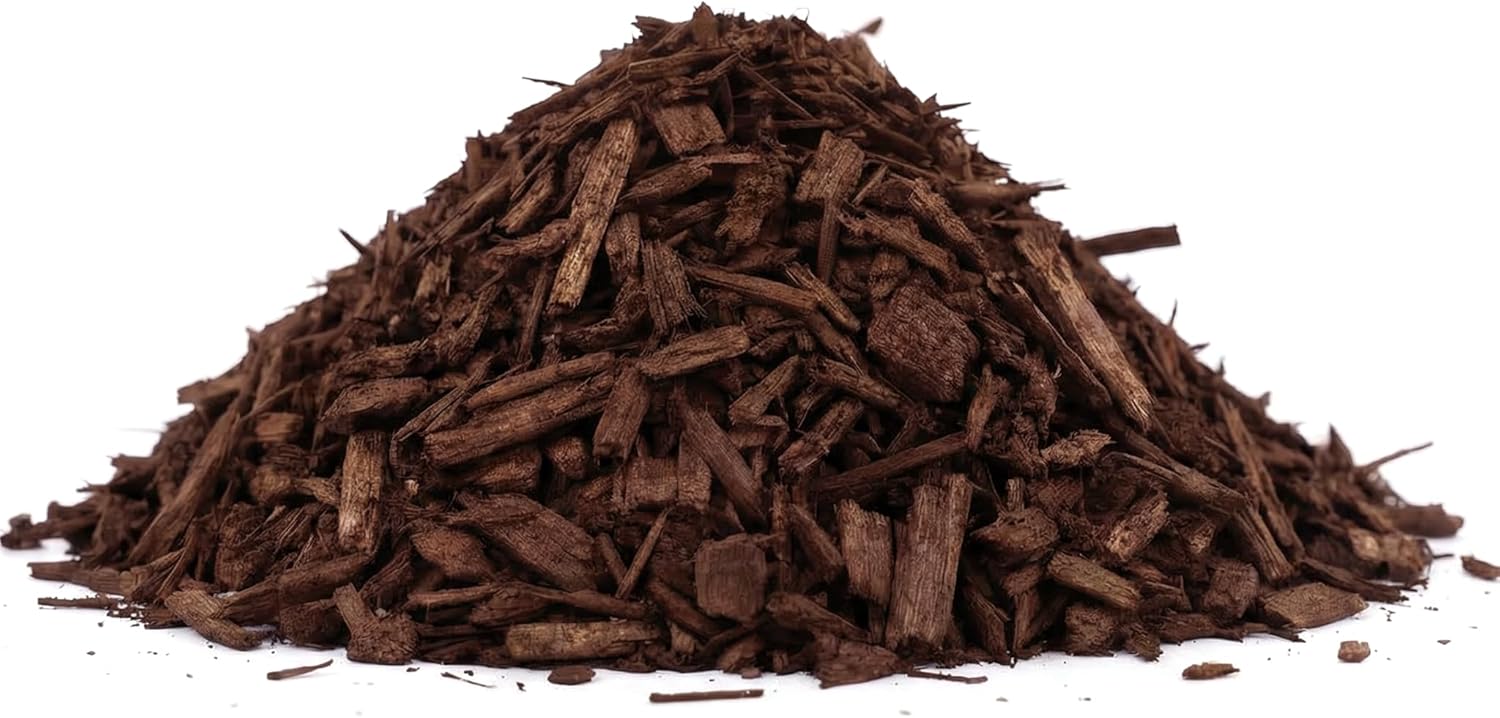
Home and Country USA Triple Shredded Hardwood Mulch, 2 cu ft
| Manufacturer | Home and Country USA |
|---|---|
| Item model number | HCM |
| ASIN | B0CVM9VW66 |
This triple-shredded hardwood mulch is a straightforward organic option for gardeners who want durable ground cover without extra additives. It is typically spread 2 to 3 inches over beds, around crowns, and along borders to reduce weed germination, slow surface evaporation, and gradually add organic matter as it breaks down. Notable features include the triple-shredded texture for good coverage and interlocking that resists wind displacement, plus a formulation aimed at long-lasting color and moisture retention. For an asparagus bed it helps keep crowns cool and soil evenly damp through the growing season while contributing modest nutrients as it decomposes. Limitations to note are that, like all wood mulches, it will decompose over time and need annual topping to maintain depth and weed control, and it can temporarily tie up nitrogen in soil surface layers if incorporated in large quantities rather than left on top.
Best for: Gardeners who prioritize a reliable, low-maintenance organic mulch to keep perennial beds tidy and moisture-stable throughout the season.
Less Ideal for: People needing an instant decorative finish that never changes or those who prefer inorganic mulches such as rubber or stone for permanent low-maintenance landscaping.
- Triple-shredded texture gives good coverage and resists wind displacement
- Organic hardwood composition that breaks down to improve soil structure over time
- Designed to retain moisture and reduce watering frequency
- Works as a natural weed suppressant by blocking light at the soil surface
- Will require annual replenishing as it decomposes
- May temporarily immobilize some surface nitrogen as it breaks down if excess is mixed into soil
Verdict: A dependable organic hardwood mulch that holds moisture and suppresses weeds, making it a practical choice for maintaining healthy asparagus beds.
HealthiStraw GardenStraw Premium Garden Mulch, 3 cu ft

| Net volume | 3 cu ft |
|---|---|
| Intended use | Garden mulch, lawn seeding, compost |
| Source | 100% non-GMO wheat straw |
| Enhanced filtration | Yes |
HealthiStraw GardenStraw is a compressed 3 cu ft bale of cleaned, non-GMO wheat straw intended for use as garden mulch, seed-cover, and compost feedstock. It is designed to spread easily, interlock when watered, and resist light wind and rain without added binders, which makes it useful for protecting delicate crops and newly seeded areas. In practice you spread a 2 to 3 inch layer for beds or a thin 1/4 inch layer for lawn seeding; the straw helps retain soil moisture, reduces evaporation, and breaks down quickly to add carbon and improve soil structure. Notable features include enhanced seed filtration to reduce weed seeds and a clean, low-dust finish compared with unprocessed straw. Important limitations are that performance depends on proper application thickness and occasional repositioning in very windy spots; the compressed bale also requires fluffing before use and will occupy storage space until needed. For an asparagus bed this straw offers water savings and soil-building benefits but needs correct layering to avoid smothering crowns.
Best for: Gardeners who prioritize low-seed, sustainably sourced mulch for vegetable beds and seed work and who want a product that conserves water and improves soil over time.
Less Ideal for: People who need an instant decorative mulch or want a long-lasting inorganic cover for perennial ornamentals; also not the best choice if you cannot store or handle compressed bales.
- Cleaned, sustainably sourced non-GMO wheat straw with reduced dust and fewer seeds
- Interlocking cut fibers stay in place when watered without chemical binders
- Helps retain soil moisture and reduce watering needs by up to 50%
- Breaks down quickly to add carbon and improve soil structure and microbial activity
- Compressed bale requires time and effort to fluff and spread evenly
- Can require occasional repositioning in exposed, very windy locations
Verdict: A clean, water-conserving wheat straw mulch that protects seedlings and builds soil, making it a practical choice for vegetable beds like asparagus.
Choosing the Right Mulch for Asparagus Bed: Key Factors to Consider
Weed Suppression and Maintenance Frequency
Asparagus crowns can be outcompeted by perennial and annual weeds if the bed is not kept clean. A mulch that suppresses germination and smothers small seedlings reduces the time you spend hand-weeding or hoeing. Consider how densely a mulch layers and whether that layer compacts or forms gaps where weeds can take hold.
Maintenance frequency ties directly to weed suppression. Fast-breaking mulches may need replenishing every season, while longer-lasting materials let you leave crowns undisturbed for multiple years. Think about how often you want to lift mulch to inspect crowns or thin spears and choose a material that aligns with that schedule.
Breakdown Rate and Soil Organic Matter
Different mulches decompose at widely varying rates, affecting both how often you replace them and how they change the soil over time. Fast-decomposing organic mulches feed soil microbes and gradually build organic matter, which benefits asparagus crowns through improved structure and nutrient cycling. However, these need more frequent top-ups.
Slow-breakdown materials provide longer protection with fewer interventions but contribute less immediate organic matter. Consider whether you prefer a mulch that acts as a slow composting amendment or one that mainly serves as a physical barrier with minimal biological change.
Insulation and Crown Protection
Asparagus crowns are sensitive to severe freeze-thaw cycles and late spring temperature swings. Mulches that provide consistent winter insulation help reduce crown heaving, delayed emergence, and winter injury. The ideal mulch buffers extremes without holding excessive heat in spring that can interfere with normal spear growth.
Assess the typical winter severity in your area and choose a mulch thickness and material that offers appropriate insulation. Also think about how easily the mulch can be removed or thinned in early spring to allow spears to emerge cleanly.
Nitrogen Tie-Up and Nutrient Effects
Some high-carbon mulches temporarily immobilize nitrogen as microbes break them down. In an established asparagus bed this is usually manageable, but in beds being newly established or heavily amended you should watch for signs of nitrogen deficiency during the active growth period. Choosing mulches with lower carbon-to-nitrogen ratios or supplementing with side-dress fertilizer can prevent nutrient lock-up.
Understand whether your mulch will require additional feeding during the season, especially in the first years after application, and plan a simple fertility routine if needed.
Workability and Impact on Cultivation Tasks
You will handle asparagus beds seasonally: removing winter mulch in spring, harvesting spears, and replacing mulch in fall. A mulch that is easy to move, raked back, and re-applied without damaging crowns makes seasonal tasks quicker and safer. Very heavy or compacted mulches complicate early-spring emergence checks and harvesting.
Consider whether the material mixes into the soil easily or requires removal. Also think about how the mulch affects irrigation uniformity and whether it interferes with hand tools when you need to thin or repair crowns.
Pest and Disease Considerations
Mulches can influence pest and disease pressure by changing moisture and shelter conditions around crowns. Materials that retain excessive moisture close to crowns can encourage crown rot or fungal problems in poorly drained sites. Conversely, a well-draining mulch can reduce prolonged wetness while still protecting crowns from extremes.
Inspect mulches for pest-harboring properties. Some organic materials attract slugs, rodents, or overwintering insects. In colder climates a denser insulating mulch might be desirable despite a slightly higher pest risk, while in wetter regions a lighter, more open mulch that dries faster can reduce disease pressure.
Types of Mulch That Work Well in Asparagus Beds
Gardeners use a range of organic and inorganic mulches for asparagus, each with tradeoffs. Organic mulches such as shredded leaves, straw, and well-rotted compost feed the soil as they break down and improve long-term structure. Coarser materials cushion crowns and suppress weeds but differ in how quickly they decompose.
Inorganic or semi-permanent options provide long-term weed suppression and require less frequent renewal, but they do not contribute nutrients. Choose a type that matches your maintenance style and climate, then adjust depth and timing to protect crowns without inhibiting spring emergence.
- Shredded leaves add organic matter and are easy to apply but break down faster.
- Straw creates a light insulating layer with good spring porosity for spears.
- Compost provides nutrients but should be well-aged and applied thinly.
- Gravel or landscape fabric suppresses weeds long-term but offers no soil building.
Timing Mulch Application and Removal
Proper timing keeps mulch from blocking spear emergence or causing crown problems. Apply a protective layer after the first hard frost in fall to insulate crowns through winter. In spring remove or thin the mulch as new spears begin to push so they are not smothered and sunlight reaches emerging growth.
A light raking in early spring to expose crowns is usually better than full removal for beds that need some insulation. For materials that break down into the soil, plan to replenish thin layers in late fall rather than heavy seasonal overhauls.
- Apply mulch after frost to reduce crown heaving.
- Thin or rake back mulch when spears begin to emerge.
- Top up decomposing mulches in late fall for steady year-to-year coverage.
Preparing an Existing Bed Before Mulching
Before applying new mulch, clear perennial weeds and remove dead fern material from the previous season. Light cultivation around crowns can help reduce persistent weed roots but avoid deep digging that harms crowns. A layer of well-rotted compost worked lightly into the soil surface can balance carbon-heavy mulches and give crowns accessible nutrients.
Repair any low spots that collect water and ensure the bed has good surface drainage. Mulch over a well-prepared, mostly weed-free bed will last longer and be less likely to harbor pests or disease.
- Remove old ferns and perennial weeds before applying fresh mulch.
- Level the bed and correct drainage issues first.
- Apply a thin compost top-dressing if soil fertility is low.
Managing Mulch in Different Climates
In cold regions a thicker insulating layer can prevent crown heaving and frost damage, but you should plan a reliable spring removal or thinning schedule to allow spears to emerge. In warm or wet climates prioritize mulches that drain well to avoid prolonged soil saturation near crowns, which increases rot risk.
Consider local seasonal patterns when choosing mulch depth and material. A material that works well in a dry summer zone may retain too much moisture in a damp climate, so adapt thickness and type to site-specific conditions.
- Thicker insulation for cold, short-season zones.
- Lighter, fast-draining mulches in wet or warm climates.
- Adjust depth seasonally rather than using the same thickness year-round.
Combining Mulches for Best Results
Many gardeners use a layered approach: a thin compost or well-aged manure next to the soil for nutrients, topped with a coarser insulating layer for weed suppression and crown protection. This combination gives both fertility and physical coverage while letting you manage each component separately.
Layering also lets you tailor decomposition rates. Use a slower-breaking top layer to reduce maintenance and a quicker-breaking underlayer to feed soil life without creating a dense mat that blocks emergence.
- Apply compost close to the crown and a coarser cover on top.
- Layer to balance nutrient release and surface protection.
- Replace only the top layer when it has broken down.
How We Chose the Best Mulch for Asparagus Bed
We focused on traits that matter across years for perennial asparagus beds rather than short-term convenience. Selection began with materials gardeners commonly use in perennial vegetable and ornamental beds, then narrowed to those that balance winter crown protection, spring emergence, and long-term soil health. Key evaluation criteria were longevity and breakdown rate in situ, effectiveness at suppressing common perennial weeds, winter insulation and frost protection for crowns, contribution to soil structure and nutrients as the mulch decomposes, and ease of application and renewal without damaging crowns. Products or materials that create persistent soil compaction, contain persistent contaminants, or require aggressive removal at each season were excluded. We also filtered out mulches that excessively heat the root zone in spring or form an impenetrable crust that blocks emerging spears. The resulting shortlist prioritizes materials that stay manageable in an asparagus bed, protect crowns through dormancy, and support steady soil organic matter gains over multiple seasons.
FAQ
How deep should mulch be around asparagus crowns?
Generally aim for a 2 to 4 inch layer of mulch over the bed after frost; this offers insulation without burying crowns. In colder climates you can increase depth slightly for winter protection, but reduce or thin mulch in spring as spears emerge.
Can I use grass clippings as mulch in an asparagus bed?
Fresh grass clippings have high nitrogen and can mat and smell as they decompose. If you use them, apply in thin layers and mix with drier, coarser material to prevent matting. Allow clippings to dry first or compost them before application for best results.
When should I remove winter mulch from an asparagus bed?
Remove or thin winter mulch in early spring when spears start to show above the surface. Timing depends on local temperatures, but the goal is to expose emerging shoots so they receive light and avoid being smothered by heavy mulch.
Will mulch encourage pests in my asparagus bed?
Some mulches can provide shelter for slugs, snails, or rodents, especially in wetter climates. Choosing well-draining materials and keeping mulch off direct contact with crowns can reduce pest habitat. Regular inspection and maintaining a tidy bed also helps.
Should I add fertilizer with mulch application?
Mulch itself may not supply all nutrients asparagus needs, particularly in newly established beds. If using high-carbon mulches, consider a light fertilizer or compost application to prevent temporary nitrogen immobilization. Monitor plant vigor and adjust fertility in subsequent seasons.
Final Verdict
Pick a mulch that fits your climate, maintenance preferences, and long-term bed goals. If you want annual soil building, choose a faster-breaking organic mulch and plan to top up each year. If low maintenance and strong weed suppression are priorities, select a slower-breaking or more permanent cover and accept less immediate soil amendment. Balance insulation, decomposition rate, and ease of handling to protect crowns through winter while allowing clean spring emergence. Prioritize weed control and proper timing of application and thinning so you can protect asparagus productivity for many seasons with minimal disruption.
