

Note: This article contains affiliate links. If you click on these links and make a purchase, I may earn a small commission at no extra cost to you. This helps support my research and content. Read my full affiliate disclosure here.
Choosing the right potting mix for ferns changes how well they establish, hold moisture, and resist root problems in pots or containers. Ferns need a substrate that stays evenly damp without becoming waterlogged, supplies steady nutrition, and provides a loose, airy structure for fine roots. This guide covers seven shortlisted potting mixes for ferns, chosen for their balance of water retention, drainage, and organic nutrition. We explain the evaluation criteria you should care about and what each mix type delivers so you can pick the right base for your porch, shady border, or indoor plant collection.
Top Picks at a Glance
| Best Overall The best all-around choice for most situations | Rio Hamza Trading Fern Potting Soil Mix, 8 Quart |  |
| Best Quality Built to a higher standard if you want something more solid | Rosy Soil Organic Houseplant Potting Mix (8 qt) |  |
| Best Value The sweet spot between price and what you get | Soil Sunrise Fern Potting Soil Mix (8 Quarts) |  |
| Best Budget The cheapest option that still gets the job done reliably | Doter Fern Potting Soil Mix, 1 qt |  |
| Highest Rated A top-rated pick with lots of positive feedback | Rosy Soil Organic Houseplant Potting Mix, 4 Quart |  |
| Most Popular A crowd favorite that many people choose with confidence | Back to the Roots Organic Indoor Potting Mix, 6 Quart |  |
| Best Seller A high-volume bestseller chosen again and again | Back to the Roots Organic Indoor Potting Mix, 12 Quart |  |
Rio Hamza Trading Fern Potting Soil Mix, 8 Quart

| Brand | Rio Hamza Trading |
|---|---|
| Volume | 8 quarts |
| Ingredients | peat moss, perlite, lime, sand, charcoal, mulch |
This fern potting soil is a ready blend aimed at making potting and repotting ferns straightforward. It pairs peat moss and mulch with perlite, sand, lime, and charcoal to hold moisture without turning waterlogged and to keep the root zone airy, which supports delicate fern roots. Typical use is filling pots or refreshing topsoil for indoor and outdoor ferns; the 8-quart bag is convenient for several small to medium pots or a few repots. Notable features include the moisture-retentive base, added perlite for drainage and aeration, and modest nutrient enrichment for sustained foliage. Practically, it reduces the need to mix your own custom blend and helps maintain consistent hydration between waterings. The main limitations are the small package size if you have many plants and the inclusion of peat, which some gardeners avoid for sustainability reasons. Expect a good, no-fuss medium for everyday fern care rather than a heavy-duty or specialty professional mix.
Best for: Gardener looking for an easy, plant-specific potting mix to keep houseplants and patio ferns healthy without custom blending; ideal for casual to committed hobbyists who value consistent moisture and good aeration.
Less Ideal for: Growers who need bulk quantities for many plants or who prefer peat-free, commercial-grade professional mixes should consider other options.
- Formulated specifically for ferns with a balance of moisture retention and aeration
- Contains perlite and sand to reduce compaction and promote healthy root growth
- Pre-enriched with nutrients to support lush foliage without immediate fertilizing
- Convenient 8-quart size suitable for potting several small to medium ferns
- 8-quart volume may be small for larger collections or multiple big repots
- Contains peat moss, which some gardeners avoid for environmental reasons
Verdict: An easy, fern-focused potting mix that delivers balanced moisture and aeration for most home fern potting and repotting needs.
Rosy Soil Organic Houseplant Potting Mix (8 qt)

| Unit Count | 256 Ounce |
|---|---|
| Item Type Name | Soil for House Plants |
| Item Highlight | Biochar and Worm Castings, for Monstera, Pothos, Tropical Indoor Plants, Peat Free |
| Style Name | Houseplant |
Rosy Soil Houseplant Potting Mix is an 8 quart, peat-free indoor soil built for tropical houseplants and ferns. It combines biochar, worm castings, mycorrhizal fungi, compost, bark fines and sand to create a chunky, well-aerated mix that drains quickly and resists compaction. In practice that means faster root establishment and less risk of root rot for species that need moist but not waterlogged conditions. The added mycorrhizae and beneficial microbes help roots take up water and nutrients more efficiently, so foliage and new fronds generally look healthier after repotting. The bag is resealable, and the biochar component is described as longer-lasting than typical peat blends, so you may repot less often. Important limitations are the small 8 quart volume—plan on multiple bags for several ferns or larger specimens—and the mix can produce fine dust when handling so use precautions indoors. This is a practical, performance-focused potting mix for growers who prioritize drainage, biological activity, and a peat-free formula for sensitive indoor ferns.
Best for: Experienced indoor gardeners who prioritize plant performance and biological soil health and who repot ferns and other tropical houseplants to improve root development and reduce root rot.
Less Ideal for: Casual plant owners who want a large, ready-to-use volume from a single purchase or those who need a moisture-retentive, peat-heavy mix for very drought-tolerant species.
- Peat-free organic formula with biochar and worm castings for sustained nutrient supply
- Contains mycorrhizal fungi and beneficial microbes to improve root nutrient and water uptake
- Chunky, well-draining texture (bark fines and sand) reduces risk of root rot
- Resealable bag and biochar help the mix resist compaction and last longer in pots
- Small 8 quart volume may require multiple bags for several or larger ferns
- Can generate fine dust during handling which may irritate airways if inhaled
Verdict: Choose this peat-free, microbe-rich mix when you want a high-performance soil that improves root uptake and drainage for healthy, fast-growing ferns.
Soil Sunrise Fern Potting Soil Mix (8 Quarts)

| Volume | 8 quarts |
|---|---|
| Ingredients | Peat, pine bark, perlite, sand, charcoal, lime |
| Unit Count | 1 Count |
| Manufacturer | Soil Sunrise |
This 8-quart Soil Sunrise fern mix is a purpose-made potting medium for container ferns such as Boston, maidenhair, and bird's nest. It combines peat moss for moisture retention with perlite and sand to keep the mix airy and draining, while pine bark and horticultural charcoal improve structure and protect roots. Use it for repotting house ferns, refreshing container soil in hanging baskets, or starting new transplants; the small-batch hand blend aims for consistent texture and pH suited to ferns. Practical benefits include less compaction than standard houseplant soils, improved aeration that reduces root rot risk, and a mix that holds enough moisture so plants do not need daily watering. Limitations are inherent to the bag size and ingredients: 8 quarts covers roughly one large 12-inch pot so multiple bags are needed for several plants, and peat-based mixes dry differently across climates so you may still need to adjust watering frequency. Safety notes advise keeping contact with skin and eyes to a minimum and using in ventilated areas.
Best for: Buyers who want a ready-made, fern-focused potting mix to simplify repotting and container care and who prioritize consistent performance over mixing their own media.
Less Ideal for: People creating large-scale beds or filling many pots at once who need bulk volumes or gardeners who prefer peat-free or purely organic formulas.
- Formulated specifically for ferns with ingredients that balance moisture and drainage
- Perlite and sand reduce compaction and improve aeration for healthier roots
- Pine bark and horticultural charcoal enhance soil structure and help protect roots
- Hand-blended in small batches for consistent texture and pH
- Suitable for both indoor house ferns and outdoor container use
- 8-quart bag is small for multi-plant projects so you may need several bags
- Peat-based composition can require watering adjustments in different climates
Verdict: A convenient, small-batch potting mix that delivers the moisture balance and aeration potted ferns need.
Doter Fern Potting Soil Mix, 1 qt
| Brand | Doter |
|---|---|
| Unit Count | 32 Ounce |
| Item Type | Garden soil |
| Volume | 1 quarts |
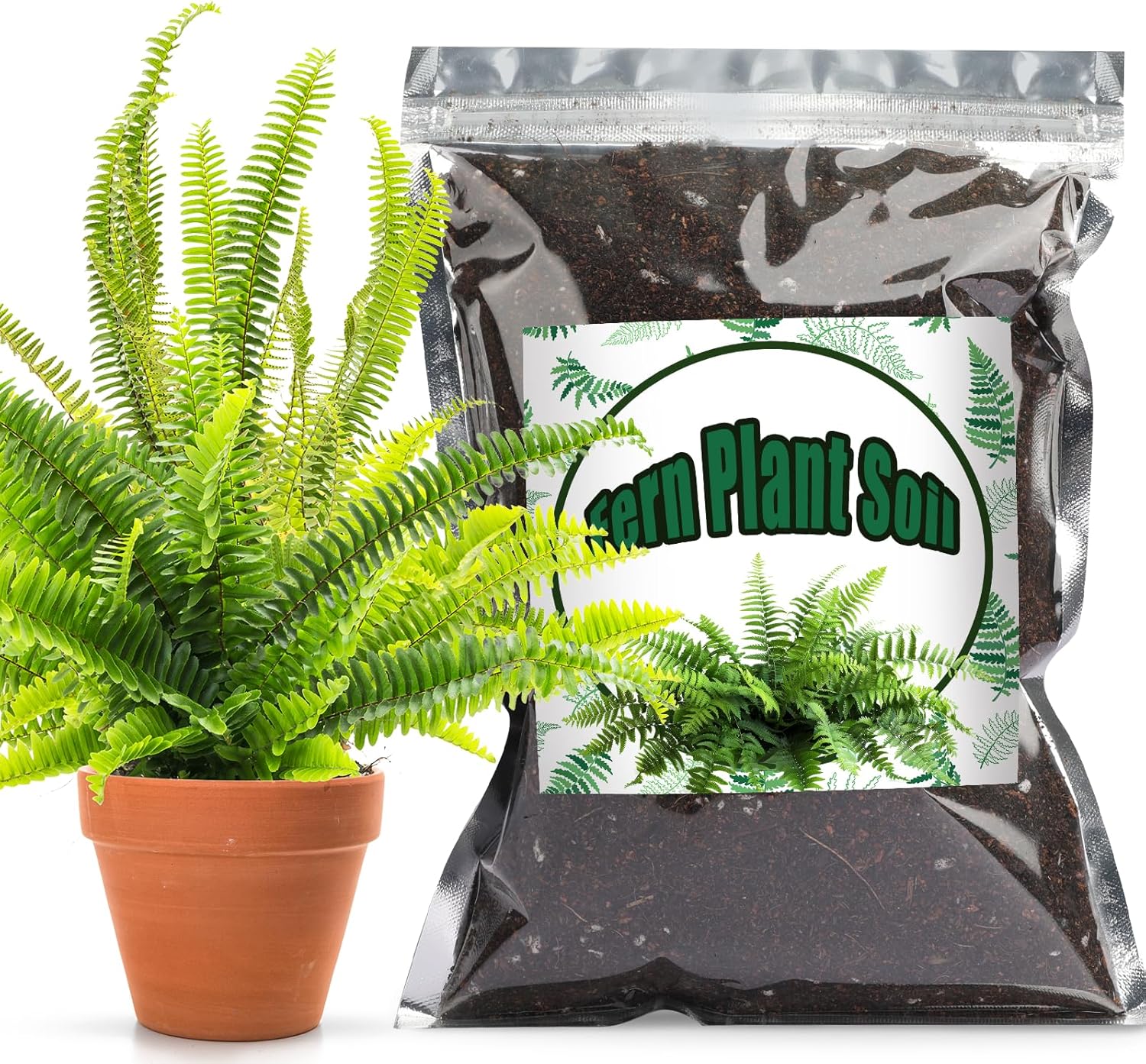
This 1 quart Doter fern potting mix is a ready-to-use blend formulated to give potted ferns consistent moisture without waterlogging. It combines moisture-retentive components like peat moss with chunky perlite and horticultural charcoal to improve aeration and drainage, which helps prevent root rot in consistently damp-loving species. In practice the bag works well for repotting small ferns, topping off shallow fern pots, or starting new divisions; the small size makes it easy to handle and mix with existing media. Notable features include added organic matter and worm-casting style amendments mentioned by the brand, plus sterile additives to reduce pests. The main limitation is the 1 quart volume, which means you will need multiple bags for larger pots or several plants, and the mix description does not give specific nutrient or pH values so experienced growers may want to amend for long-term feeding. For casual indoor fern care and quick repotting jobs this blend provides a balanced, low-effort medium.
Best for: Buyers who want an affordable, ready-made potting mix to repot or top-dress a few small ferns quickly and with minimal fuss.
Less Ideal for: Gardeners who need bulk quantities for many plants or who require exact pH and nutrient specifications for specialized fern cultivars should look elsewhere.
- Formulated to retain moisture while including components that improve drainage to reduce root rot risk
- Contains organic amendments and sterile additives aimed at healthier root development
- Small 1 quart size is easy to handle for repotting small plants or topping pots
- Versatile for indoor and outdoor potted ferns, mosses, and similar moisture-loving plants
- Only a 1 quart volume so multiple bags are required for larger pots or multiple plants
- No explicit nutrient analysis or pH information provided for precise long-term fertilization planning
Verdict: A convenient, budget-friendly small-bag fern mix that keeps soil moist without becoming waterlogged, ideal for quick repots and small collections.
Rosy Soil Organic Houseplant Potting Mix, 4 Quart

| Unit Count | 128 Ounce |
|---|---|
| Included Components | Rosy Soil Indoor Potting Soil Mix – 4 Quart |
| Item Type Name | Soil |
| Ingredients | Wood Biochar, Bark Fines, Compost, Mycorrhizae, Worm Castings |
This 4-quart Rosy Soil potting mix is designed for indoor houseplants and contains biochar, worm castings, compost, bark fines, and mycorrhizal fungi instead of peat. In practice it is used at repotting or top-dressing to improve drainage and microbial activity for plants that prefer airy, moisture-retentive but well-draining media, such as ferns and tropicals. The inclusion of mycorrhizae and beneficial microbes helps roots access water and nutrients more efficiently, while worm castings supply micronutrients that encourage leafy growth. Bark fines and biochar create a chunky texture that resists compaction and speeds water movement to reduce the risk of root rot. The bag is resealable which helps keep the remainder usable between jobs. Limitations are the small 4-quart volume, which means multiple bags are needed for larger collections, and the mix is formulated for indoor houseplants so heavier-draining cactus blends or outdoor garden applications are not its intended use.
Best for: For indoor plant owners who prioritize a reliable, biologically active potting medium to keep ferns and other tropical houseplants healthy and minimize repotting frequency.
Less Ideal for: Not the best choice for gardeners needing large volumes for outdoor beds or for those who require a very fast-draining cactus and succulent mix.
- Peat-free organic formulation using biochar and compost for long-term structure
- Mycorrhizal fungi and beneficial microbes to improve root nutrient and water uptake
- Worm castings provide natural micronutrients to support foliage growth
- Chunky texture with bark fines and biochar reduces compaction and improves drainage
- Resealable bag helps keep unused mix fresh
- Small 4 quart volume may require several bags for multiple or large ferns
- Not formulated for cactus/succulent or outdoor garden use
Verdict: Choose this mix if you want a peat-free, microbially active potting soil that reliably improves drainage and root health for indoor ferns and tropicals.
Back to the Roots Organic Indoor Potting Mix, 6 Quart

| Volume | 6 quarts |
|---|---|
| Unit Count | 192 Fluid Ounces |
| Ingredients | Coconut Coir, Yucca, Mycorrhizae, Perlite, Horticultural Sand |
| Item Highlight | Indoor potting mix; peat-free; 100% organic; made in the USA |
This 6 quart Back to the Roots indoor potting mix is designed for common houseplants including ferns, pothos and monsteras by combining coconut coir, yucca extract, mycorrhizae and horticultural sand. In practice it provides a light, airy medium that drains more freely than heavy garden soils and holds moisture more evenly thanks to the yucca extract. The included mycorrhizae supports root development and nutrient uptake, which can help timid or slow-growing ferns establish after repotting. It is peat-free and balanced with dolomitic limestone so pH levels are steadier for sensitive indoor plants. Because the mix is made without bark or compost it tends to attract fewer fungus gnats. The main limitation is quantity: a single 6 qt bag is best for a few small pots or for top dressing rather than repotting several large ferns, so plan to buy multiple bags for larger collections. For gardeners who prioritize organic, pet-safe mixes and easier moisture management this blend is a practical choice.
Best for: Indoor gardeners who want an organic, pet-safe potting mix that helps roots establish and keeps moisture more stable for ferns and other common houseplants.
Less Ideal for: Growers with large fern collections or those who need a very moisture-retentive bog mix should consider larger-volume products or mixes with higher organic matter content.
- Peat-free and 100% organic formulation suitable for environmentally conscious indoor gardeners
- Yucca extract helps retain and moderate moisture, aiding ferns that need consistent humidity
- Contains mycorrhizae to support root growth and improve nutrient uptake
- Made without bark or compost which reduces likelihood of indoor gnats
- Small 6 quart bag may not be enough for repotting multiple or large ferns
- Contains horticultural sand which can increase drainage but may reduce water retention for very moisture-loving fern species
Verdict: A small, organic indoor potting mix that improves root health and moisture stability, making it a smart choice for pet-friendly fern care.
Back to the Roots Organic Indoor Potting Mix, 12 Quart

| Volume | 12 quarts |
|---|---|
| Organic | 100% organic |
| Peat | Peat‑free |
| Origin | Made in the USA |
Back to the Roots Indoor Potting Mix is a ready‑to‑use, organic soil blend intended for indoor houseplants. It is typically used to repot ferns, pothos, monstera and other common houseplants or as an all‑purpose mix for seed starting after rehydration. Notable features include yucca extract to improve moisture retention, added mycorrhizal fungi to support root development and dolomitic limestone to help balance pH. In practice the mix holds water better than plain peat‑free blends while remaining fairly light and easy to work with in pots and hanging baskets. The organic, peat‑free formula and reduced bark content also lower the chance of indoor gnats and make it a conscientious choice for indoor use. Limitations to consider are that it is sold as a bagged volume so very large collections will require multiple bags, and serious growers who need custom nutrient profiles or heavier moisture control may prefer to amend this mix further for long‑term containers or specialty fern species.
Best for: Best for cautious indoor gardeners who want a low‑risk, organic potting mix that supports common houseplants and makes repotting simple and predictable.
Less Ideal for: Not a great fit for collectors with many large specimens who need bulk quantities or growers seeking a highly customized soil recipe for specialty fern species.
- Peat‑free organic formula supports environmentally conscious indoor gardeners
- Yucca extract improves moisture retention for plants that like consistent humidity, such as ferns
- Includes mycorrhizae to encourage stronger root growth and nutrient uptake
- Balanced pH with dolomitic limestone helps prevent common indoor soil acidity issues
- Volume sold as 12 quarts may be insufficient for multiple large repots
- Not tailored for growers who need specific nutrient mixes or heavy long‑term water control
Verdict: A dependable, peat‑free organic potting mix that keeps ferns and other houseplants consistently hydrated and encourages healthy root growth.
Choosing the Right Potting Mix for Ferns: Key Factors to Consider
Moisture Retention
Ferns generally prefer consistently damp soil without prolonged saturation. A mix that holds moisture helps prevent rapid drying between waterings, which is especially important for indoor plants or containers exposed to wind. Components such as fine peat or coconut coir provide that water-holding capacity while releasing moisture slowly so roots remain hydrated.
Too much retention, however, risks oxygen-poor conditions that invite root rot. Look for mixes that pair moisture-holding ingredients with coarse particles that create channels for excess water to escape.
Drainage and Aeration
Good drainage ensures that excess water moves away from the root zone after watering. Aeration keeps small fern rootlets supplied with oxygen so they can absorb water and nutrients efficiently. Coarse elements such as perlite, pumice, coarse sand, or shredded bark increase pore space and prevent compaction in container mixes.
A balance between fine and coarse particles is essential. A mix that compacts will hold water too long and suffocate roots; a mix that is too free-draining will require more frequent watering and stress the plant.
Nutrient Content and Organic Matter
Ferns are not heavy feeders but benefit from a steady, gentle supply of nutrients. Organic matter such as well-aged compost, leaf mold, or decomposed bark supplies slow-release nutrients and supports beneficial microbial activity in the root zone. Some mixes include light amounts of slow-release fertilizer to support growth between repotts.
Avoid mixes with excessive fresh manure or high initial soluble fertilizer levels, which can burn delicate roots or create salt buildup. The ideal mix offers moderate fertility and the capacity to accept occasional liquid feedings.
pH Compatibility
Most common ferns prefer slightly acidic to neutral conditions. Potting mixes with a stable pH in the broad range of mildly acidic to neutral help maximize nutrient availability. Ingredients such as peat tend to lower pH while lime-amended materials raise it.
When choosing a mix, consider the fern variety and local water chemistry. If you use hard water, selecting a mix that buffers pH can prevent the substrate from drifting too alkaline over time.
Particle Size and Root Structure
Fern roots are typically fine and shallow, so substrate texture influences how roots spread and access moisture. A mix with a range of particle sizes supports root anchoring and offers both moisture reservoirs and air pockets. Fine particles hold water around tiny roots while larger particles prevent compaction and allow root tips to explore.
Uniformly fine substrates can become dense and poorly oxygenated. Conversely, overly coarse mixes may leave roots struggling to maintain contact with moisture. Aim for a heterogeneous structure tuned to the fern's rooting habits.
Longevity and Re-Potting Frequency
How long a mix holds its structure affects how often you will need to repot. Organic components break down over time, reducing aeration and increasing water retention in undesirable ways. A stable mix slows compaction, extending the time between repottings and reducing transplant shock.
Consider how often you want to refresh containers. For low-maintenance setups, choose blends with durable inert components that preserve drainage and structure for at least a growing season or two.
Best Mix Base Options for Different Fern Settings
Different growing situations call for different base mixes. For indoor potted ferns in low-light rooms, a peat- or coir-based mix with added perlite and a little compost gives consistent moisture and nutrients. Patio containers exposed to wind benefit from a slightly coarser profile with extra pumice or bark to prevent rapid surface drying.
For nursery flats or seasonal propagation, a lighter, well-draining seedling mix with fine organic matter supports delicate root development. In hanging baskets, blends that combine moisture retention with fast surface drying help prevent soggy crowns while keeping roots hydrated.
- Indoor shade: coir/peat + perlite + compost
- Outdoor shaded containers: mix with bark or pumice for airflow
- Propagation: fine, sterile seedling mix with gentle nutrients
- Hanging baskets: moisture-holding base with quick surface drainage
Adjusting Mixes by Fern Type and Climate
Some fern species tolerate drier conditions while others demand near-constant moisture. Species native to tropical understories usually do best in mixes that retain more water, while temperate rock or woodsy ferns might prefer a slightly faster-draining blend. Consider your fern's origin when selecting a mix.
Local climate affects how quickly containers dry. In hot, dry climates choose mixes with higher water-holding content and greater mulch cover to slow evaporation. In cool, wet climates prioritize drainage so the root zone does not remain waterlogged between rains.
- Tropical ferns: higher organic and water-retention components
- Temperate ferns: mix with better drainage and more aeration
- Hot climates: increase water-holding matter and use mulches
- Humid regions: boost pumice or bark to improve drying
How to Amend Store Mixes for Better Fern Performance
You can tailor a general potting mix to fern needs with simple amendments. Add perlite or pumice to increase aeration, and fold in a small amount of leaf mold or fine compost to boost organic matter and slow-release nutrients. For mixes that dry too fast, add coconut coir or peat fines to increase moisture retention.
Aim for small incremental changes and test in a single pot before treating an entire collection. Monitor watering frequency and root health after amending to ensure the new balance suits your conditions.
- To improve drainage: add 10-30% pumice or coarse perlite
- To increase moisture retention: mix in 10-25% coir or peat
- To add slow nutrients: blend 5-10% well-aged compost or leaf mold
- Always mix thoroughly to avoid layered watering problems
Repotting and Refreshing Soil for Healthy Fern Roots
Repot before the mix becomes dense or waterlogged. Signs that a mix needs refreshing include poor drainage, foul odors, and roots circling or filling the pot. When repotting, gently tease roots and move to a slightly larger container with fresh mix to restore aeration and nutrient balance.
Top-dressing with a thin layer of fresh mix and light feeding can extend time between full repots. For containers left outdoors, refresh the top couple of inches each spring to replace washed-out organic matter.
- Watch for compacted mix and slow drainage as repotting cues
- Repot in spring or early growth period when possible
- Use slightly larger pots to reduce transplant frequency
- Top-dress annually to replenish organic matter
Watering Practices That Complement Potting Mix Choice
Your watering routine and the chosen mix should work together. A moisture-retentive mix allows longer intervals between waterings, while a fast-draining mix requires more frequent but measured watering. Water thoroughly, allowing excess to drain, then wait until the top layer feels slightly dry for most fern varieties.
Avoid letting crowns sit in standing water. Good drainage combined with consistent, even water application helps maintain root health and reduces leaf yellowing and fungal problems.
- Water until excess drains, then allow mild surface drying
- Adjust frequency seasonally and with indoor heating or AC use
- Use room-temperature water to avoid shocking roots
- Check moisture at root level rather than relying only on surface feel
How We Chose the Best Potting Mix for Ferns
We focused on properties that matter in everyday fern care and excluded mixes formulated primarily for cacti, succulents, or heavy-feeding vegetables. Our editorial filters looked for blends that maintain consistent moisture while avoiding saturated conditions that lead to root rot. We considered particle-size balance, organic content and slow-release nutrient sources, pH suitability for most fern species, and the presence of moisture-retaining components such as peat, coir, or fine compost. We also evaluated how mixes affect root aeration and drainage by examining proportions of chunky components like perlite, pumice, or bark. Longevity and re-potting frequency were considered, favoring mixes that retain structure over several months. We excluded any mixes whose formulations put ferns at risk of salt buildup or excessively rapid drying. The criteria reflect practical gardener concerns: moisture control, drainage and aeration, nutrient balance, pH compatibility, and structural stability over time.
FAQ
Can I use standard houseplant potting mix for ferns?
Often you can, but standard mixes can be too uniform and either dry too quickly or hold too much moisture depending on formula. Amendments like perlite for drainage or coir for retention will tailor a general mix to fern needs.
How often should I repot ferns grown in containers?
Repotting frequency depends on mix longevity and root growth. Many container ferns benefit from a refresh every 12 to 24 months, or sooner if the mix compacts, drainage slows, or roots become rootbound.
Is peat or coir better for fern potting mixes?
Both work. Peat holds water well and tends to be acid, while coir is more sustainable and buffers pH better. Choose based on availability and pH needs, and balance either with coarse particles for aeration.
Should I add fertilizer to a potting mix for ferns?
Ferns appreciate light, regular feeding rather than heavy initial charges. A slow-release component or dilute liquid feeds during the growing season supports steady growth without causing salt buildup. Monitor plant response and flush containers occasionally if salts accumulate.
How can I tell if my potting mix is too compacted for my fern?
Signs include slow drainage, water pooling on the surface, wilting despite moist soil, and roots circling densely in the pot. If the mix feels dense and heavy, it likely needs replacement or amendment with coarse material.
Final Verdict
Choose a potting mix for ferns that balances steady moisture retention with good drainage and aeration. Prioritize particle-size diversity, moderate organic content for slow nutrients, and a pH suited to your fern species. Expect to adjust mixes for your local climate and container type. Focus on the tradeoffs: mixes that hold more water reduce watering frequency but require excellent drainage channels to avoid root rot, while faster-draining blends demand more frequent attention. Use the evaluation criteria above to match a mix to your watering habits, fern type, and maintenance plan so you can grow healthy, lush foliage with confidence.
