

Note: This article contains affiliate links. If you click on these links and make a purchase, I may earn a small commission at no extra cost to you. This helps support my research and content. Read my full affiliate disclosure here.
Getting the soil right is one of the fastest ways to improve onion size, storage life, and disease resistance in your garden or raised bed. Onions need a well-structured medium that drains freely yet holds enough moisture and nutrients for steady bulb development. This guide covers seven shortlisted soils and mixes that suit common onion-growing situations, from in-ground rows to containers and raised beds. We'll explain the key soil traits that matter, how we evaluated each option, and practical tips for prepping and maintaining soil for onions.
Top Picks at a Glance
| Best Overall The best all-around choice for most situations | Espoma Organic Vegetable & Flower Garden Soil, 1 cu ft |  |
| Best Quality Built to a higher standard if you want something more solid | Premier Horticulture Pro-Mix HP with Mycorrhizae, Loose Growing Medium |  |
| Best Value The sweet spot between price and what you get | Miracle-Gro Organic Outdoor Potting Mix, 16 qt. |  |
| Best Budget The cheapest option that still gets the job done reliably | SunGro Horticulture Organic Seedling Mix (8 Quart) |  |
| Highest Rated A top-rated pick with lots of positive feedback | KXUPOIAV Ultimate Organic Vegetable & Herb Mix Soil, Compressed Bale |  |
| Most Popular A crowd favorite that many people choose with confidence | Miracle-Gro Potting Mix, 16 qt. (2-Pack) |  |
| Best Seller A high-volume bestseller chosen again and again | Back to the Roots 3-in-1 Seed Starting Mix, 6 Quart Organic Seed & Potting Mix |  |
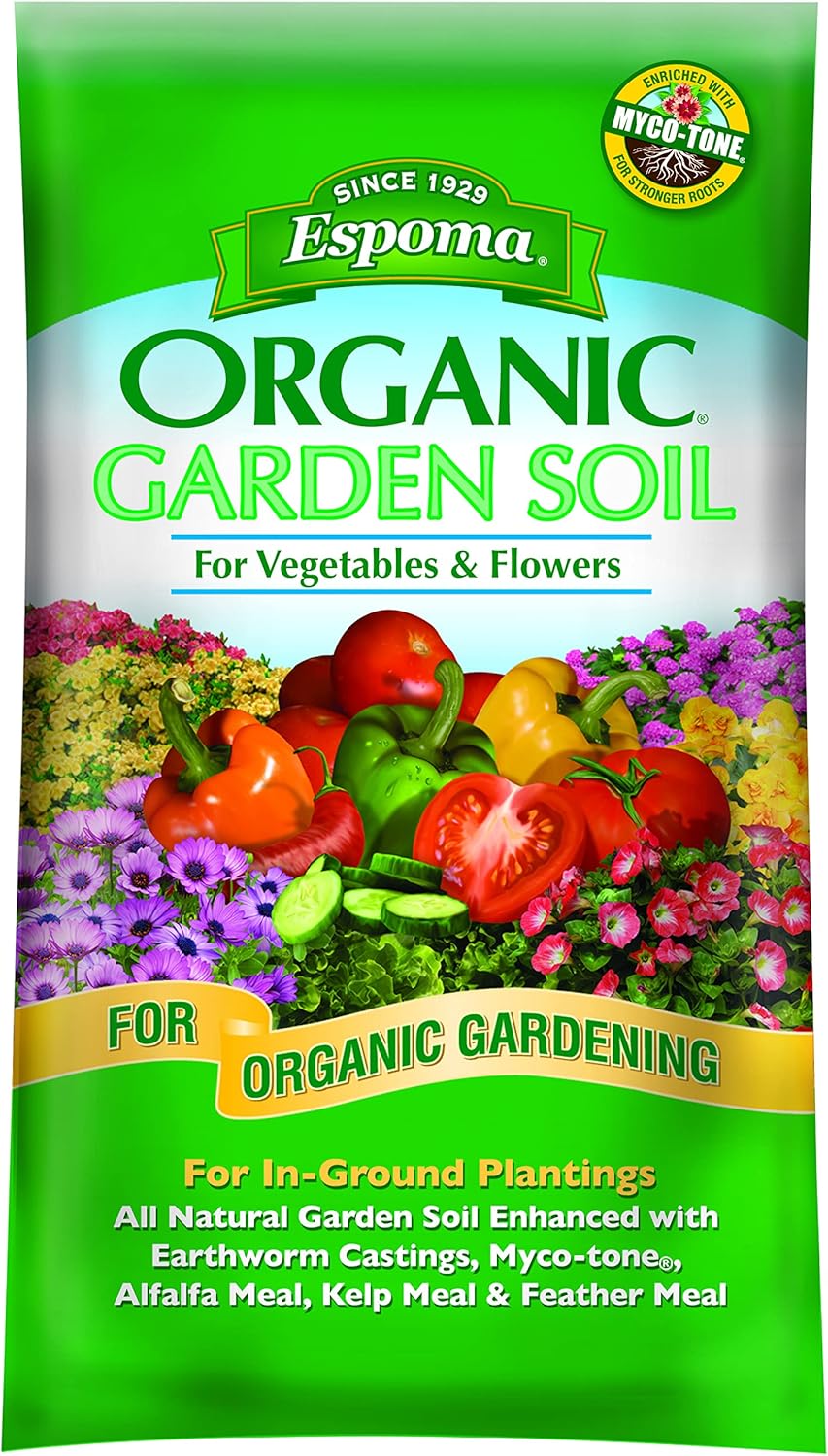
Espoma Organic Vegetable & Flower Garden Soil, 1 cu ft
| Volume | 1 cubic feet |
|---|---|
| Style Name | Peat Moss |
| Unit Count | 1536 Ounce |
Espoma Organic Vegetable & Flower Garden Soil is a ready-to-use, peat-moss based planting mix designed to improve garden beds at planting or transplanting time. You blend it into native soil to increase organic matter and improve moisture retention and tilth, which helps young onion sets and transplants establish more quickly. The formula includes Canadian sphagnum peat moss, composted materials or rice hulls, limestone to balance pH, and biological amendments such as earthworm castings, alfalfa, kelp and feather meals plus a mycorrhizal blend to support root growth. In practice this means easier soil incorporation, better early-season moisture control and a nutrient-rich environment for onions during their critical early weeks. Because it is a planting mix rather than a finished topsoil, use it as an amendment at planting rather than as a bulk fill for deep beds. Gardeners should also monitor soil pH and supplement with balanced fertilizer as onions grow, since the mix supplies starter nutrients but will not replace ongoing feeding for heavy-feeding varieties.
Best for: Gardeners who want an easy organic soil amendment to improve bed conditions at planting and help onion transplants establish quickly.
Less Ideal for: Those looking to build or level large volumes of topsoil or needing a finished, long-term soil replacement should choose bulk topsoil or compost instead.
- Formulated for planting and transplanting to improve native soil structure
- Contains organic amendments and earthworm castings to boost early nutrient availability
- Includes a mycorrhizal blend to support root establishment
- Peat-based mix improves moisture retention for small-seeded crops like onions
- Not intended as bulk topsoil so multiple bags are needed to amend large beds
Verdict: A convenient organic planting mix that improves soil structure and supports rapid establishment of onions at planting time.
Premier Horticulture Pro-Mix HP with Mycorrhizae, Loose Growing Medium

| Item Form | Loose Fill |
|---|---|
| Specific Uses For Product | Plant Growth, Root Development |
| Coverage | Medium |
| Mixing Ratio | 75:25 |
Pro-Mix HP with mycorrhizae is a loose, high-porosity peat-based medium formulated to promote root development and perform where extra drainage and air capacity are needed. It is typically used to fill pots, trays, or raised beds before transplanting seedlings or rooting cuttings; the manufacturer also recommends thorough watering after filling and a regular fertilization schedule. The added Glomus intraradices mycorrhizal inoculum helps plant roots access nutrients and can improve early vigor, which is useful when establishing onions from sets or transplants. Practical benefits include lighter, well-aerated structure that reduces waterlogging risk and supports root branching, and compatibility with water-sensitive crops and lower-light starts. Important limitations are that it is peat-based, so gardeners who prefer peat-free mixes will need an alternative, and it does not supply complete nutrition long-term so regular fertilization is required for bulb crops like onions. The provided mixing ratio guidance helps if you want to blend this medium with other components for specific water retention or feeding regimes.
Best for: Gardeners seeking a performance-oriented growing medium to establish transplants and encourage strong root systems, especially when starting onions from sets or seedlings.
Less Ideal for: Growers who prioritize peat-free or fully organic potting mixes or who want a media that supplies extended fertilizer on its own.
- High porosity promotes good drainage and air circulation around roots
- Includes Glomus intraradices mycorrhizal inoculum to support root establishment
- Loose fill texture makes it easy to use for pots, trays, and raised beds
- Formulated for water-sensitive crops and low-light starting conditions
- Peat-based composition may be undesirable for gardeners seeking peat-free options
- Does not provide long-term nutrient supply and requires regular fertilization
Verdict: Choose Pro-Mix HP with mycorrhizae when you want a well-aerated, root-focused medium that helps establish vigorous onion transplants.
Miracle-Gro Organic Outdoor Potting Mix, 16 qt.

| Unit Count | 1 Count |
|---|---|
| Item Type Name | Miracle-Gro Organic Outdoor Potting Mix |
| Item Highlight | Plant Soil For Outdoor Container Plants, Contains Quick-Release Natural Fertilizer, OMRI Listed |
| Volume | 1 cubic feet |
This Miracle‑Gro Organic Outdoor Potting Mix is a ready‑to‑use potting soil designed for outdoor containers and is particularly convenient for growers who prefer organic inputs. It blends responsibly sourced peat with upcycled green waste and a quick‑release natural fertilizer that feeds plants for up to two months. Typical use is filling pots or raised beds for vegetables, herbs, and flowers; the product page notes one 16 qt. bag fills a 12‑inch container. For onion growers using containers or tight garden spaces, the mix holds moisture while providing nutrient boost during early growth, making it useful for establishing sets or transplants. It is OMRI listed, so it fits organic approaches. Practical limitations are that it is a container potting mix rather than a field soil amendment, so you may need to blend with extra drainage material for very heavy feeders or amend in larger volumes for full raised beds; the fertilizer is short term so ongoing feeding will be needed for a long onion season. Also, repotting or refreshment every six to twelve months is recommended to avoid compaction.
Best for: Gardeners growing onions in containers or small raised beds who want an organic, ready‑to‑use mix that jumpstarts early growth and reduces prep time.
Less Ideal for: Growers preparing large in‑ground onion beds or those who want a long‑lasting soil amendment without additional fertilization should consider garden composts or field soil mixes instead.
- Formulated for outdoor containers so it supports exposure to sun and wind
- Contains quick‑release natural fertilizer that feeds up to two months
- OMRI listed for organic gardening
- Includes responsibly sourced peat and upcycled green waste for structure and sustainability
- Fertilizer effect is temporary so additional feeding is required for a full onion crop cycle
- Designed as a container potting mix and may need bulkier amendments for in‑ground beds
Verdict: A convenient OMRI‑listed potting mix that gives container onions a quick nutrient boost and reliable moisture retention to get sets and transplants off to a strong start.
SunGro Horticulture Organic Seedling Mix (8 Quart)

| Brand Name | SUN GRO |
|---|---|
| Style Name | Peat Moss |
| Volume | 8 quarts |
SunGro Horticulture Seedling Mix is a fine-textured, peat-based starting mix formulated to germinate seeds in flats, pots, and plug trays. It contains sphagnum peat moss, perlite for lightness and drainage, and an organic wetting agent to promote even water absorption, which helps maintain consistent moisture for small seeds. The mix also includes a silicon-enriched additive called RESiLIENCE intended to support stronger seedlings and reduce wilting during establishment. Typical use is filling trays or small pots, keeping the medium evenly moist but not waterlogged, then transplanting seedlings once roots are established. Practical benefits include predictable moisture retention, a clean fine texture that allows delicate roots to develop, and OMRI listing for organic onion transplants and other edible starts. Limitations are its small 8 quart volume for larger onion seed programs and that peat-based mixes dry out faster than heavier soils, so frequent monitoring is required; it also provides limited long-term nutrients so potting up into a richer mix or fertilizing before transplant is necessary.
Best for: Gardeners who want an organic, predictable seed starting medium for small to medium onion seed batches and who prioritize reliable germination over bulk volume.
Less Ideal for: Commercial growers or anyone starting very large quantities of onion seedlings should choose larger-volume or more nutrient-dense starting media.
- Fine, light texture suitable for delicate seed germination
- Organic wetting agent promotes uniform water absorption
- OMRI listed so safe for organic edible starts
- Contains perlite for improved drainage and root aeration
- Small 8 quart bag may not be cost-effective for starting large onion batches
- Peat-based mix has low long-term nutrient content and needs fertilizing before transplant
Verdict: A reliable OMRI-listed seed starting mix that delivers even moisture and a fine texture ideal for producing healthy onion seedlings in small home gardens.
KXUPOIAV Ultimate Organic Vegetable & Herb Mix Soil, Compressed Bale

| Unit Count | 1536 Ounce |
|---|---|
| Style Name | Compressed Bale |
| Volume | 4 cubic feet |
| Item Weight | 40 pounds |
This compressed bale is a peat-based organic vegetable and herb mix designed to expand into loose planting medium for in-ground beds and containers. The 2 cu ft compressed bag expands to roughly 4 cu ft of soil and contains added mycorrhizae plus a slow-release organic fertilizer that feeds plants for up to three months. For onion beds the mix provides a sterile, consistent medium that improves drainage and root development compared with heavy native soils. It is typically used by breaking up the bale, moistening to allow expansion, and blending into garden rows or filling raised beds and containers. Practical benefits include predictable texture, reduced need for immediate fertilizer applications, and convenience of a compressed package that is easy to store. Important limitations are that it is peat-based rather than fully composted garden compost and may need supplemental amendments for long-term fertility or to adjust pH for specific onion varieties; users sensitive to peat should note the safety warning about skin and eye contact.
Best for: Gardeners who want a reliable, ready-to-use organic planting medium for establishing onion beds or filling raised beds and containers and who prioritize consistent texture and predictable early fertility.
Less Ideal for: Those seeking a peat-free or fully composted soil alternative or gardeners who prefer to build fertility from local compost and soil amendments.
- OMRI-listed organic mix suitable for vegetables and herbs
- Contains mycorrhizae to support root growth
- Includes slow-release organic fertilizer for up to three months
- Compressed bale expands to more usable volume for easier storage and transport
- Peat-based formula may require additional compost or mineral amendments for long-term fertility
Verdict: A dependable, OMRI-listed compressed organic mix that expands into ready-to-use soil for reliably establishing onion beds.
Miracle-Gro Potting Mix, 16 qt. (2-Pack)

| Feeds up to | 6 months |
|---|---|
| Volume per bag | 16 quarts |
| Number of packs | 2 |
| Intended use | Outdoor containers |
| Ingredients | Sphagnum peat moss, perlite, compost, fertilizer |
Miracle-Gro Potting Mix is a ready-to-use container soil designed to help outdoor potted plants establish quickly and stay fed for several months. You use it by filling a pot with drainage, setting the plant at nursery depth, topping off around the root ball, and watering through until excess drains. The formula combines peat and perlite with compost and a built-in fertilizer so roots get aeration and slow-release nutrients that the manufacturer says feed plants up to six months. For growing onions in containers, the mix provides the light, well-draining medium onions prefer and gives an initial nutrient boost so young bulbs get off to a strong start. Important limitations are that this is a potting mix rather than a heavy garden soil, so for in-ground beds or long-term soil-building you will still want to amend native soil or use a garden soil product; nutrients will taper after the feed period and you may need to side-dress or repot for successive crops. Follow container sizing and watering guidance to avoid overwatering.
Best for: Gardeners who want a reliable, easy container potting mix that starts vegetables and flowers strong and removes guesswork from initial potting and repotting.
Less Ideal for: Landscape gardeners planning to amend large in-ground beds or growers who need a long-term soil amendment for extended successive crops.
- Formulated for containers with ingredients that improve drainage and root aeration
- Includes slow-release fertilizer that feeds plants up to six months
- Consistent, ready-to-use mix that simplifies potting and repotting tasks
- Two 16 qt. bags provide enough volume to fill multiple 12-inch containers
- Not formulated to amend in-ground garden beds or replace long-term soil improvements
- Nutrient feeding is temporary so additional fertilizing is needed for subsequent plantings
Verdict: Use this potting mix when you want an easy, well-draining container medium that gives onions and other potted vegetables an early nutrient boost for several months.
Back to the Roots 3-in-1 Seed Starting Mix, 6 Quart Organic Seed & Potting Mix

| Unit Count | 192 Fluid Ounces |
|---|---|
| Style Name | 3-in-1 Seed Starting Mix |
| Brand Name | Back to the Roots |
This 3-in-1 seed starting mix is a premixed organic potting medium intended for seed starting and young transplants. It combines coconut coir, mycorrhizae, worm castings and yucca extract so seedlings get built-in nutrients and improved root uptake while the moisture-controlling yucca helps even water distribution. Use it in seed trays, small pots, or to top up containers when starting onions from seed or sets; the balanced, lightly amended formula simplifies early growth so you do not need to add fertilizer immediately. The mix is peat-free and made in the USA, which appeals to gardeners avoiding peat. It is packaged in a small 6 quart bag that is easy to handle but means you will likely need multiple bags for a full onion bed. The product focuses on seed starts and container use rather than bulk garden bed amendment, so for large-scale onion rows plan on blending with garden soil or compost to reach the volume you need and to adjust fertility for mature bulbs.
Best for: Gardeners who want a low-risk, ready-made organic seed starting mix for indoor trays or small container-grown onions and who value peat-free, nutrient-rich starter media.
Less Ideal for: Growers planning to prepare large outdoor onion beds or needing bulk soil should choose a garden soil or compost product sold in larger volumes instead.
- Organic, peat-free formula with added mycorrhizae and worm castings for early root and seedling support
- Moisture-controlling yucca extract reduces dry spots and helps even water distribution in small containers
- Ready-to-use mix removes the need for immediate fertilizer when starting seeds or transplants
- Small 6 quart bag is convenient and easy to handle for indoor seed trays
- Small volume per bag makes this impractical as the sole soil source for large outdoor onion beds
Verdict: Buy this if you need a small, peat-free organic seed starting mix that gives dependable early growth for onions started in trays or containers.
Choosing the Right Soil for Growing Onions: Key Factors to Consider
Drainage and Texture
Onions need a medium that drains freely to avoid waterlogged bulbs and crown rot. A loamy, sandy texture encourages straight, firm bulb formation while still retaining enough moisture for steady growth.
Too fine a texture or compacted soil limits root expansion and reduces oxygen around the basal plate, increasing the risk of soft rot. Evaluate the crumb structure and perform a simple squeeze test: properly textured onion soil forms a loose ball that breaks apart easily.
Nutrient Profile and Fertility
Onion bulbs develop over weeks of steady growth, so soils that supply consistent, balanced nutrients produce the best results. Look for a mix with available nitrogen for leafy growth early, then steady phosphorus and potassium to support bulb development and storage quality.
Slow-release organic sources and a modest baseline of soluble nutrients reduce the need for frequent side-dressing. Avoid soils with excessively high initial nitrogen that drive leafy growth at the expense of bulb formation.
Soil pH and Mineral Availability
Onions prefer slightly acidic to neutral soil, typically around pH 6.0 to 7.0, where essential nutrients are most available. If soil is too acidic or alkaline, certain minerals become less available and bulb quality can suffer.
Amending pH is possible, but stable pH at planting reduces mid-season surprises. Test the soil pH before planting and choose a soil or mix that is close to the desired range, or plan simple lime or sulfur adjustments well before transplanting or seeding.
Organic Matter and Soil Structure
Organic matter improves moisture retention between waterings, feeds soil microbes, and helps create friable structure that supports root growth. Well-decomposed compost or peat-alternative organic material will improve tilth without causing nitrogen lockup when fully mature.
Too much undecomposed organic material can temporarily immobilize nitrogen, so soils blended for onions should use stable organic components. Good structure also eases planting and harvesting and reduces the effort needed to thin or lift bulbs at maturity.
Disease Cleanliness and Past Use
Onions are susceptible to fungal diseases and some soil-borne pathogens. Using a clean, pathogen-free mix reduces early losses and helps maintain bulb quality for storage. Avoid soils reclaimed from areas with known fungal problems or heavy volunteer green crops without proper pasteurization or composting.
For raised beds and containers, fresh, labeled mixes cut down on disease carryover. In-ground gardeners should consider crop rotation and soil solarization or adding well-aged compost to dilute pathogen loads.
Suitability for Containers and Raised Beds
Container-grown onions and raised beds require a different balance of drainage and water-holding capacity than in-ground rows. Mixes intended for containers usually include amendments like perlite or coarse sand to avoid sogginess, while raised-bed soils need enough structure and organic matter to support a season of multiple crops.
Consider the depth and volume available: shallow containers limit bulb size, so choose a lighter, well-draining mix and maintain regular feeding. For raised beds, prioritize a loamy, slightly heavier mix that still crumbles easily at harvest.
Preparing Soil Before Planting
Test and adjust soil pH at least a few weeks before planting so amendments have time to react. Incorporate stable organic matter and a balanced base fertilizer if the existing soil is low in nutrients.
Work the top 8 to 12 inches to break compaction and create a fine, level seedbed for onions. If using containers or shallow beds, ensure the medium is loose and contains coarse components to maintain drainage.
- Perform a soil pH test and adjust early
- Incorporate fully cured compost rather than fresh manure
- Avoid over-tilling which can destroy structure
Amending Soil During the Season
Onions grow steadily and benefit from moderate side-dressings of fertilizer during leaf development. Use light applications to avoid forcing excessive top growth at the expense of bulbs.
Maintain even moisture with mulch to reduce watering frequency and keep soil temperatures stable. Replenish organic mulch as needed to manage weeds and conserve moisture.
- Apply a light nitrogen side-dress early in growth
- Mulch with straw or shredded leaves to maintain moisture
- Avoid working the soil when it is wet to prevent compaction
Container and Small-Space Onion Culture
Choose a deeper container when possible and use a mix formulated for vegetables with good drainage components. Containers dry out faster, so inspect moisture levels frequently and water shallow containers more regularly.
Fertilize container-grown onions on a regular schedule with dilute nutrients, as available nutrient supply is smaller than in-ground beds. Consider using a slow-release feed at planting and supplementing with liquid feed every few weeks.
- Use mixes with added perlite or coarse sand for drainage
- Select containers at least 6 to 8 inches deep for small bulbs
- Monitor for overwatering and root crowding
Preparing Soil for Storage-Quality Bulbs
To produce onions that store well, aim for steady but not excessive nitrogen after the early growth phase and ensure good potassium availability for cell wall strength. Avoid waterlogging late in the season which promotes rot and reduces storability.
Drying and curing after harvest depends on growing conditions. Well-drained soil reduces the incidence of soft necks and helps bulbs dry more evenly in drier weather.
- Reduce nitrogen as bulbs begin to swell
- Ensure good potassium and phosphorus levels midseason
- Avoid late-season heavy irrigation
Common Soil Problems and Fixes
Clay soils often hold too much water and compact, which can be fixed by adding coarse sand and plenty of well-rotted organic matter to open structure. For heavy clay, create raised beds or use containers with a lighter mix to improve drainage.
Sandy soils drain quickly and may need more organic matter and more frequent feeding to maintain steady growth. Use mulch to reduce moisture loss and incorporate compost to increase nutrient-holding capacity.
- Amend clay with coarse sand and compost
- Boost sandy soils with organic matter and mulch
- Rotate crops and add compost to reduce disease pressure
How We Chose the Best Soil for Growing Onions
We prioritized attributes that directly affect onion bulb development and health. Key evaluation criteria included drainage and texture, since onions need free-draining but moisture-retentive soil; nutrient profile and slow-release fertility to support steady growth; soil pH and nutrient availability because onions prefer a slightly acidic to neutral range; and organic matter and structure for root development and microbial activity. We also assessed disease and pest suppression potential by looking at soil cleanliness and past usage considerations. Practical handling factors such as suitability for raised beds and containers, ease of amendment, and consistency between bags or batches were considered. Excluded from the shortlist were soils designed primarily for flowering annuals or heavy clay remediation that do not provide the loose, friable tilth onions need. We did not include growing media that require extensive, specialized setup or ongoing lab-based adjustments. The selections focus on ready-to-use soils or straightforward mixes that offer the right balance of drainage, fertility, and structure for typical home garden onion production.
FAQ
What soil pH is best for growing onions?
Onions do best in slightly acidic to neutral soil, roughly pH 6.0 to 7.0. Testing and adjusting pH before planting helps ensure nutrient availability during bulb formation.
Can I grow onions in a potting mix?
Yes. Choose a vegetable-oriented potting mix with good drainage and added coarse components. Containers need more frequent watering and regular feeding because nutrients and moisture are in smaller volumes.
How much compost should I add to onion beds?
Incorporate a couple of inches of well-rotted compost into the topsoil before planting. Avoid fresh, high-nitrogen manures that can promote excessive leaf growth and harm bulb development.
Do onions need fertilizer during the season?
Onions benefit from moderate, staged feeding. Provide nitrogen early for leaf growth, then reduce nitrogen and ensure adequate phosphorus and potassium as bulbs swell. Light, regular applications work better than heavy single doses.
How do I prevent bulb rot in wet climates?
Improve drainage with raised beds or by amending soil with coarse sand and organic matter. Plant in higher ground if possible, and avoid overwatering late in the season to reduce rot risk.
Final Verdict
Prioritize a loose, well-draining loam with stable organic matter and a slightly acidic to neutral pH when choosing soil for growing onions. Balance early nitrogen with midseason phosphorus and potassium to encourage bulb formation rather than excessive top growth. Consider container mixes or raised-bed blends if your garden soil is heavy clay or very sandy. Focus on drainage, steady fertility, and pathogen cleanliness when deciding which soil to use. Those tradeoffs will guide whether you amend existing soil or move to a ready-made mix, and they will determine how much seasonal management the crop needs for reliable, storage-worthy bulbs.
