

Note: This article contains affiliate links. If you click on these links and make a purchase, I may earn a small commission at no extra cost to you. This helps support my research and content. Read my full affiliate disclosure here.
Sage needs a growing medium that drains quickly, warms up in spring, and still supplies enough nutrients for steady growth. Choosing the right soil for sage matters because this herb is prone to root rot in heavy, waterlogged mixes yet benefits from enough structure to support woody stems and repeat harvests. This guide covers the top shortlisted soils for sage, focusing on drainage, texture, and pH suitability so you can pick a mix that fits raised beds, containers, or in-ground patches. Below you will find our top picks and the criteria used to evaluate them, followed by practical guidance for planting and ongoing care.
Top Picks at a Glance
| Best Overall The best all-around choice for most situations | FoxFarm Ocean Forest Potting Soil, 12 qt |  |
| Best Quality Built to a higher standard if you want something more solid | FoxFarm Happy Frog Potting Soil, 2 cu ft (Container Garden) with 2 Plant Tags |  |
| Best Value The sweet spot between price and what you get | Espoma Organic Potting Mix, 16-Quart |  |
| Best Budget The cheapest option that still gets the job done reliably | Miracle-Gro Organic Outdoor Potting Mix (16 qt) |  |
| Highest Rated A top-rated pick with lots of positive feedback | FoxFarm Ocean Forest Potting Soil, 12 qt (with 2 Plant Tags) |  |
FoxFarm Ocean Forest Potting Soil, 12 qt

| Item Form | Granules |
|---|---|
| Specific Uses For Product | Dry Fertilizer |
| Coverage | 4.8 sq ft |
| Mixing Ratio | 1:1 |
FoxFarm Ocean Forest is a pre‑mixed potting soil designed for container gardening and houseplants that arrives ready to use straight from the bag. It combines aged forest products, sandy loam and sphagnum peat moss to create an airy, well‑draining medium that helps seedlings and established plants avoid compaction. The mix is amended with fish meal, crab meal and earthworm castings so it supplies a starter dose of organic nutrients and reduces the need for additional fertilizer for the first month. Practical uses include potting up sage and other Mediterranean herbs, filling containers for seed starting, or top‑dressing pots to refresh existing mixes. Notable features are its pH adjustment for nutrient uptake, a 1:1 mixing guideline for blends, and instructions that recommend watering well after planting. Limitations to consider: it is a packaged, amended mix so heavy feeders may need supplemental fertilizing after the initial month, and gardeners who prefer completely soilless or cactus‑specific substrates may find the organic-leaning formula richer than necessary for very drought‑loving herbs.
Best for: Buyers who want an easy, nutrient‑rich potting mix for potted herbs and container gardens and prefer a balanced, all‑purpose soil that gets plants off to a strong start.
Less Ideal for: Growers seeking a sterile, soilless medium or a very lean, gravelly substrate for extreme drought‑tolerant species should consider specialized mixes instead.
- Ready to use out of the bag for quick potting and transplanting
- Light, aerated texture that promotes drainage and reduces compaction
- Contains organic amendments (fish meal, crab meal, earthworm castings) to feed seedlings and young plants
- pH adjusted to improve nutrient uptake for a wide range of container plants
- Nutrient boost diminishes after about 30 days so follow‑up feeding is usually needed
- Not tailored specifically for extremely drought‑adapted or succulent mixes
Verdict: A convenient, nutrient‑rich potting mix that gives sage and other container herbs a strong, easy start.
FoxFarm Happy Frog Potting Soil, 2 cu ft (Container Garden) with 2 Plant Tags

| Brand Name | FoxFarm |
|---|---|
| Unit Count | 600 Ounce |
| Volume | 2 cubic feet |
| Item Highlight | Ready-to-Use Amended Container Blend with Soil Microbes, Earthworm Castings, Bat Guano, and Aged Forest Products |
| Style Name | Container Garden |
FoxFarm Happy Frog Potting Soil is a ready-to-use container mix designed to give potted plants a strong start by supplying organic nutrients and beneficial microbes. Typical use is filling pots for herbs, shrubs, and small trees where roots cannot forage in the ground. The mix contains earthworm castings, bat guano, and composted forest humus plus mycorrhizal fungi to improve root development and nutrient uptake, and it arrives pH adjusted so young sage and other Mediterranean herbs can access nutrients reliably. For gardeners focused on plant performance, this soil supports vigorous vegetative growth and better flowering or fruiting without immediate amendment. It is convenient for indoor or patio containers and includes two plant tags for tracking varieties. Limitations are that it is a packaged potting mix so you may still want to top-dress or supplement nutrients long term for heavy feeders, and container growers should size pots and drainage appropriately since performance depends on container choice and watering regimen.
Best for: Gardeners who prioritize rapid, measurable plant performance in containers and want a nutrient-rich, microbe-active mix that helps herbs and ornamentals establish quickly.
Less Ideal for: Those looking for a bare-bones, inexpensive filler soil or growers who prefer to custom-blend their own mixes from raw components.
- Pre-amended with earthworm castings, bat guano, and aged forest products for immediate organic nutrition
- Contains beneficial microbes and mycorrhizal fungi to improve root development and nutrient uptake
- pH adjusted for better nutrient availability in containers
- Ready to use out of the bag and suitable for indoor or outdoor pots
- Packaged potting mix may require additional fertilization for heavy-feeding plants over time
- Performance depends on correct pot size and drainage which are not provided with the product
Verdict: Choose this soil when you want a ready-made, nutrient-dense potting mix that boosts root growth and early performance in container-grown sage and other herbs.
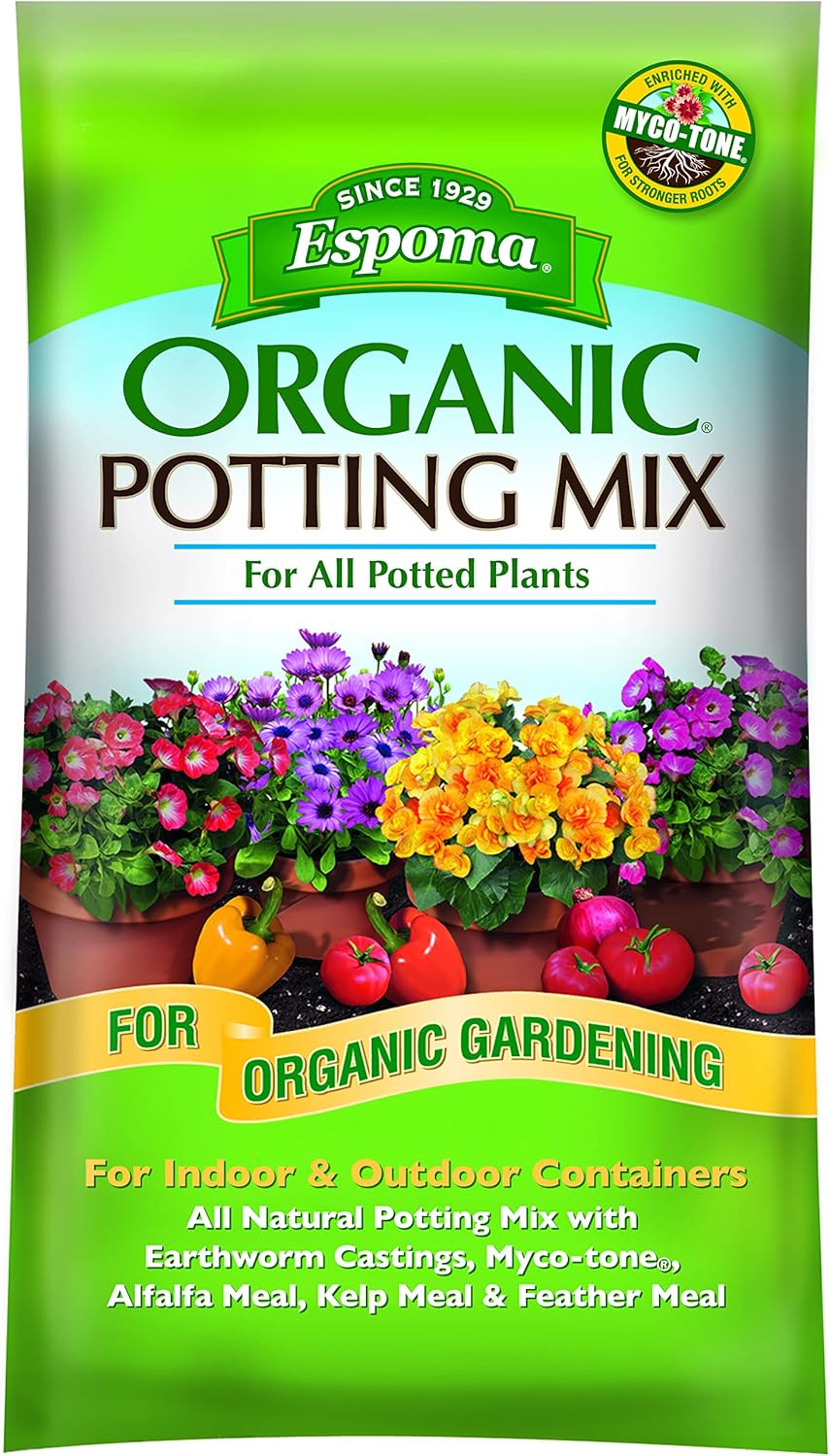
Espoma Organic Potting Mix, 16-Quart
| Brand | Espoma |
|---|---|
| Volume | 16 quarts |
| Style Name | Mix |
Espoma Organic Potting Mix is a general-purpose, organic container mix designed for planting and repotting herbs, vegetables, and ornamental container plants. It blends sphagnum peat moss, humus and perlite with natural amendments such as earthworm castings, alfalfa meal, kelp meal and feather meal to improve nutrient content and soil structure. The included Myco-tone mycorrhizal inoculant helps root establishment and can be beneficial when transplanting or starting new pots. In practice the mix drains better than straight peat while still retaining moisture, which suits many herb containers including sage grown in pots. Because it is an all-natural formula with no synthetic fertilizers, gardeners who prefer organic inputs can top-dress or feed as needed rather than relying on built-in chemical nutrients. Limitations are that the bag is a modest 16 quarts so you will need multiple bags for larger projects and the peat-based base means pH and long-term nutrient needs should be monitored for Mediterranean herbs that prefer very free-draining, alkaline-leaning soils.
Best for: Gardeners who prioritize organic inputs and want a ready-made, multipurpose potting mix for container herbs and vegetables, especially when starting or repotting plants.
Less Ideal for: Growers needing a very coarse, ultra-draining or lime-rich mix for mature Mediterranean herbs in large planters should consider mixes specifically formulated for those conditions.
- Organic formula with natural amendments supports steady nutrient release without synthetic fertilizers
- Contains mycorrhizal inoculant to improve root establishment after transplanting
- Balanced mix of peat, humus and perlite provides moisture retention with reasonable drainage for container plants
- Suitable for both indoor and outdoor containers including herbs and vegetables
- Only 16 quarts per bag, requiring multiple bags for larger herb beds or many pots
- Peat-moss base may compress over time and can hold more acidity than some Mediterranean herbs prefer
Verdict: A convenient organic potting mix that helps establish container herbs and vegetables with natural amendments and mycorrhizae.
Miracle-Gro Organic Outdoor Potting Mix (16 qt)

| Volume | 1 cubic feet |
|---|---|
| Item Highlight | Plant Soil For Outdoor Container Plants, Contains Quick-Release Natural Fertilizer, OMRI Listed |
| Unit Count | 1 Count |
Miracle-Gro Organic Outdoor Potting Mix is a ready-to-use organic blend made for outdoor containers like pots and planters. It combines responsibly sourced peat and upcycled green waste with a quick-release natural fertilizer that feeds plants for up to two months, so it simplifies planting and early growth for herbs and small vegetables. Typical use is filling a pot partially, loosening the plant root ball, setting the plant and topping up with fresh mix, then watering through. Notable features include OMRI listing for organic use, locally crafted sourcing, and guidance to repot bi-annually to avoid compaction. For growing sage in containers this mix provides a light, moisture-retentive base with some starter nutrients, which helps young transplants establish without extra feeding for several weeks. Limitations are that the bag size covers only a single 12-inch pot and the included fertilizer is short-term, so larger containers or longer-season plantings will need additional soil or scheduled feeding and occasional repotting to maintain structure and nutrients.
Best for: Gardeners who want an organic, easy-to-use potting mix for outdoor container herbs and small vegetables and prefer a product that helps young plants establish with minimal initial fertilizing.
Less Ideal for: People planting large containers, raised beds, or full-season crops who need bulk soil or a long‑lasting fertilizer solution; indoor houseplant growers should choose a mix formulated for indoor use.
- OMRI listed and formulated for organic container gardening
- Contains quick-release natural fertilizer that feeds up to two months
- Made with responsibly sourced peat and upcycled green waste
- Instructions and guidance for potting and bi-annual repotting included
- 16 qt bag fills roughly one 12-inch pot so multiple bags needed for larger containers or beds
- Fertilizer is short-term so additional feeding is required for longer-season growth
Verdict: A compact OMRI-listed potting mix that jumpstarts outdoor container herbs like sage with organic nutrients and easy planting steps.
FoxFarm Ocean Forest Potting Soil, 12 qt (with 2 Plant Tags)

| Unit Count | 144 Ounce |
|---|---|
| Volume | 12 quarts |
| Item Highlight | Light, aerated texture with fish meal, crab meal, earthworm castings |
FoxFarm Ocean Forest is a pre-mixed potting soil built to give seedlings and container plants a strong start. The blend combines aged forest products, sandy loam and sphagnum peat moss for good aeration and drainage and is amended with fish meal, crab meal and earthworm castings so plants get built-in nutrients without needing immediate fertilizer. Typical use is filling pots or starter trays and planting herbs, houseplants or container vegetables; the bag notes you can use it straight from the bag and water in after planting. For sage specifically, the soil’s light, well-draining texture helps prevent root rot while the organic amendments support steady early growth. Because it is a nutrient-rich mix, heavy-feeding plants may need less early fertilizer, but persistent feeders could require additional balanced nutrients later. The 12 qt size is convenient for small batches of pots, and the included plant tags make tracking varieties and dates easier, though gardeners who need larger volumes will need multiple bags for bigger plantings.
Best for: Gardeners who prioritize a dependable, ready-to-use potting mix for container herbs and seedlings and want consistent results without immediate fertilization.
Less Ideal for: Those planting large in-ground beds or anyone who prefers soil-free mixes or peat-free blends should consider other products better suited to bulk or non-peat needs.
- Ready-to-use mix with built-in organic amendments for early growth
- Light, aerated texture that promotes drainage and reduces risk of root rot
- Suitable for seedlings, houseplants and container herbs straight from the bag
- Includes plant tags for easy labeling of varieties and planting dates
- 12 quart bag covers only a few pots so you may need multiple bags for larger plantings
- Contains peat moss which some gardeners avoid for sustainability reasons
Verdict: Choose this potting soil when you want a reliable, ready-to-use, nutrient-rich mix that helps container sage and seedlings establish quickly.
Choosing the Right Soil for Sage: Key Factors to Consider
Drainage and Percolation
Sage is susceptible to root rot if roots sit in water, so a soil that drains well is crucial. Look for mixes with coarse particles such as grit, sand, pumice, or perlite that open up pore space and speed water movement. Fast percolation also helps the soil warm earlier in spring, which supports new top growth.
Overly fine, compacting components like untreated compost or high-peat mixes can hold excess water and reduce oxygen around roots. For containers, ensure the blend drains freely out of the pot and that the pot has adequate drainage holes. In raised beds or ground plots, improve heavy soils by adding coarse amendments rather than relying on organic matter alone.
Soil Texture and Structure
The ideal texture balances coarse aggregates with enough finer material to retain a modest amount of moisture and nutrients. Sandy-loam or loam-like textures give sage roots both anchorage and aeration. Particle-size diversity prevents packing and allows roots to explore.
Structure stability matters over time. Some mixes break down quickly as organic components decompose, causing compaction and poorer aeration. Choosing a blend with stable aggregates or mineral components helps maintain an open structure through a growing season or multiple seasons in containers.
pH Compatibility
Sage typically prefers slightly alkaline to neutral conditions, roughly pH 6.5 to 7.5. Soil pH affects nutrient availability and the plant's ability to take up minerals like iron and manganese. A mix that is too acidic can lead to chlorosis and slow growth, while strongly alkaline extremes create other nutrient lockups.
When buying or mixing soil for sage, consider the base pH and whether the blend contains lime or acidic components. You may need only small adjustments with garden lime or wood ash to shift pH upward, or a light application of elemental sulfur to lower pH if needed.
Nutrient Balance
Sage does not require rich, high-nitrogen soils, but it does need a balanced supply of nutrients for steady growth and flavor. A moderate fertility mix helps avoid overly lush, floppy growth that reduces essential oil concentrations. Look for soils with a balanced base of organic matter or slow-release nutrients rather than high doses of quick-release fertilizers.
Consider whether the soil will be used in containers or in-ground. Container soils often need a built-in nutrient reserve or planned feeding schedule, while in-ground plantings can rely more on occasional topdressing and compost amendments.
Longevity and Stability
How long a soil maintains its structure and nutrient profile affects maintenance frequency and plant health. In containers, soils that break down quickly require more frequent replacement or re-amendment; in beds, breakdown changes drainage and compaction characteristics.
Choose mixes with mineral components that resist compaction and organic fractions that decompose predictably. Think about the intended season length and whether you want a mix that supports perennial sage for multiple years or a seasonal container planting that will be refreshed annually.
Preparing Soil Before Planting
Test the existing soil pH and texture where you plan to plant sage so you know what adjustments are necessary. For in-ground plantings, loosen the top 12 to 18 inches and incorporate coarse sand, grit, or small gravel to improve drainage in heavy soils.
For containers, avoid using garden soil straight from the yard. Start with a free-draining potting mix and add perlite, pumice, or coarse sand at a ratio that gives visible space between particles. This helps prevent compaction and keeps roots oxygenated.
- Amend clay with coarse mineral grit rather than only organic matter.
- For new beds, form a raised planting surface if natural drainage is poor.
- Fill containers with mix that feels loose and crumbly, not dense.
Adjusting pH and Nutrients for Sage
If a soil test shows acidity, raise pH gradually using garden lime or wood ash, following recommended rates for your soil type. If the soil is too alkaline, small applications of elemental sulfur or acidic organic matter can lower pH over time.
Feed sparingly. Use a low-to-moderate nitrogen fertilizer or slow-release formula if plants show pale leaves or slow growth. Over-fertilizing pushes tender growth and can reduce the herb's flavor concentration.
- Check pH in spring and after major amendments.
- Apply balanced nutrients at planting and then light feedings during the growing season.
Container Mixes Versus In-Ground Mixes
Containers need a mix that drains exceptionally well and retains just enough water between waterings. Because containers dry faster, choose blends with a bit more organic matter and a larger proportion of coarse aggregate than an in-ground mix.
In-ground mixes can rely more on the native soil once drainage is corrected. Focus amendments on improving long-term structure and reducing compaction rather than holding extra moisture.
- Containers: higher drainage, stable structure, planned feeding.
- In-ground: improve bulk density and drainage, then topdress with compost annually.
Seasonal Care and Mulching
Use a light organic mulch such as shredded bark or gravel rather than heavy, moisture-retentive mulches. Mulch conserves moisture in dry spells but keep it away from the crown to avoid trapping moisture at the stem base.
Sage benefits from good air movement and sun exposure. In cooler climates, a coarse mulch layer can protect roots in winter, but avoid thick, unventilated coverings that hold moisture.
- Apply mulch 1 to 2 inches deep, keeping clearance around stems.
- Refresh mulch annually and check for signs of excess moisture.
Amending Soil Over Time
Monitor texture and drainage each season. If the mix compacts or drainage slows, work in fresh coarse material and replace part of the topsoil or container mix. Light applications of compost maintain fertility without significantly increasing moisture retention when used sparingly.
Rotate container soils every 1 to 3 years depending on breakdown and plant performance. For permanent bed plantings, topdress with compost in early spring and re-check pH and nutrient levels periodically.
- Topdress beds with compost every spring.
- Replace or refresh container mixes when structure breaks down.
How We Chose the Best Soil for Sage
We selected soils based on factors that most directly affect sage health and gardener outcomes. Primary evaluation criteria included drainage and texture because sage prefers a free-draining medium that prevents root waterlogging. Nutrient profile and pH were also essential since sage thrives in slightly alkaline to neutral soils with modest fertility. Structure and particle size were considered to ensure mixes support root anchoring while allowing air exchange. Longevity and stability measured how long a mix retains structure without compacting or breaking down. We excluded blends formulated for moisture-loving herbs or heavy organic potting mixes that retain high moisture. Products that relied mainly on peat without a coarse aggregate were not considered ideal. Our process favored mixes adaptable to containers and beds, easy to amend in the garden, and with clear ingredient lists so gardeners can assess drainage and pH adjustments. The scoring criteria reflect these priorities and guided each shortlist decision.
FAQ
Can I use regular potting soil for sage in containers?
Often regular potting soil retains too much moisture for sage. It can work if amended with coarse grit, perlite, or sand to improve drainage and reduce compaction. Ensure the container has good drainage holes and monitor moisture closely.
What pH range should I aim for when growing sage?
Sage generally does well in slightly alkaline to neutral soils, around pH 6.5 to 7.5. Small adjustments are usually effective; large swings should be done gradually and tested over several weeks.
How can I improve drainage in a heavy clay soil before planting sage?
Work in coarse mineral amendments such as grit, sharp sand, or small gravel and raise the planting area slightly. Avoid relying solely on high rates of organic matter, which can temporarily hold more water as it breaks down.
How often should I refresh container soil for sage?
Typically container mixes should be refreshed or partially replaced every 1 to 3 years, depending on how quickly the mix compacts and how well the plants perform. Refresh sooner if drainage slows or plants decline.
Will adding compost help sage grow better?
A modest amount of well-rotted compost improves nutrient availability without making the soil overly rich. Apply compost sparingly in the planting mix or as a thin topdressing to avoid creating a moisture-retentive environment.
Final Verdict
Focus on a free-draining, well-structured soil that matches your planting situation. Prioritize drainage and stable texture first, then tune pH and nutrient balance to the slightly alkaline needs of sage. For containers choose faster-draining mixes with coarse additives; for beds correct heavy soils with mineral amendments and light composting. Balancing these tradeoffs will keep sage vigorous, flavorful, and less prone to root problems. Use the evaluation criteria above to match a soil mix to your site and maintenance plan so you can plant with confidence.
