

Note: This article contains affiliate links. If you click on these links and make a purchase, I may earn a small commission at no extra cost to you. This helps support my research and content. Read my full affiliate disclosure here.
Calla lilies respond strongly to the right feeding plan, producing bigger, longer-lasting blooms when given the correct nutrients at the right time. Choosing plant food for calla lily growth matters because these bulbs need a balance of phosphorus for blooms, nitrogen for leaf strength, and micronutrients to avoid yellowing or stunted flowers. This guide shortlists top plant foods suited to calla lily habits and growing situations, with an emphasis on nutrient ratio, ease of application, and safety for bulbs and nearby plants. Below we evaluate the best options gardeners use to support flowering, whether you grow calla lilies in containers, garden beds, or indoors.
Top Picks at a Glance
| Best Overall The best all-around choice for most situations | Miracle-Gro Indoor Plant Food, Liquid, 8 oz., 2-Pack |  |
| Best Quality Built to a higher standard if you want something more solid | FoxFarm Big Bloom Liquid Plant Food (1 Pint) |  |
| Best Value The sweet spot between price and what you get | Purived 16 oz All-Purpose Liquid Plant Fertilizer |  |
| Best Budget The cheapest option that still gets the job done reliably | Miracle-Gro Indoor Plant Food Spikes for All Plants, 48 Spikes |  |
| Highest Rated A top-rated pick with lots of positive feedback | Miracle-Gro Water Soluble All Purpose Plant Food, 12.5 lb |  |
| Most Popular A crowd favorite that many people choose with confidence | Miracle-Gro Indoor Plant Food for All Plants, Liquid, 2 × 8 fl oz |  |
| Best Seller A high-volume bestseller chosen again and again | Miracle-Gro Water Soluble All Purpose Plant Food, 1.5 lb |  |
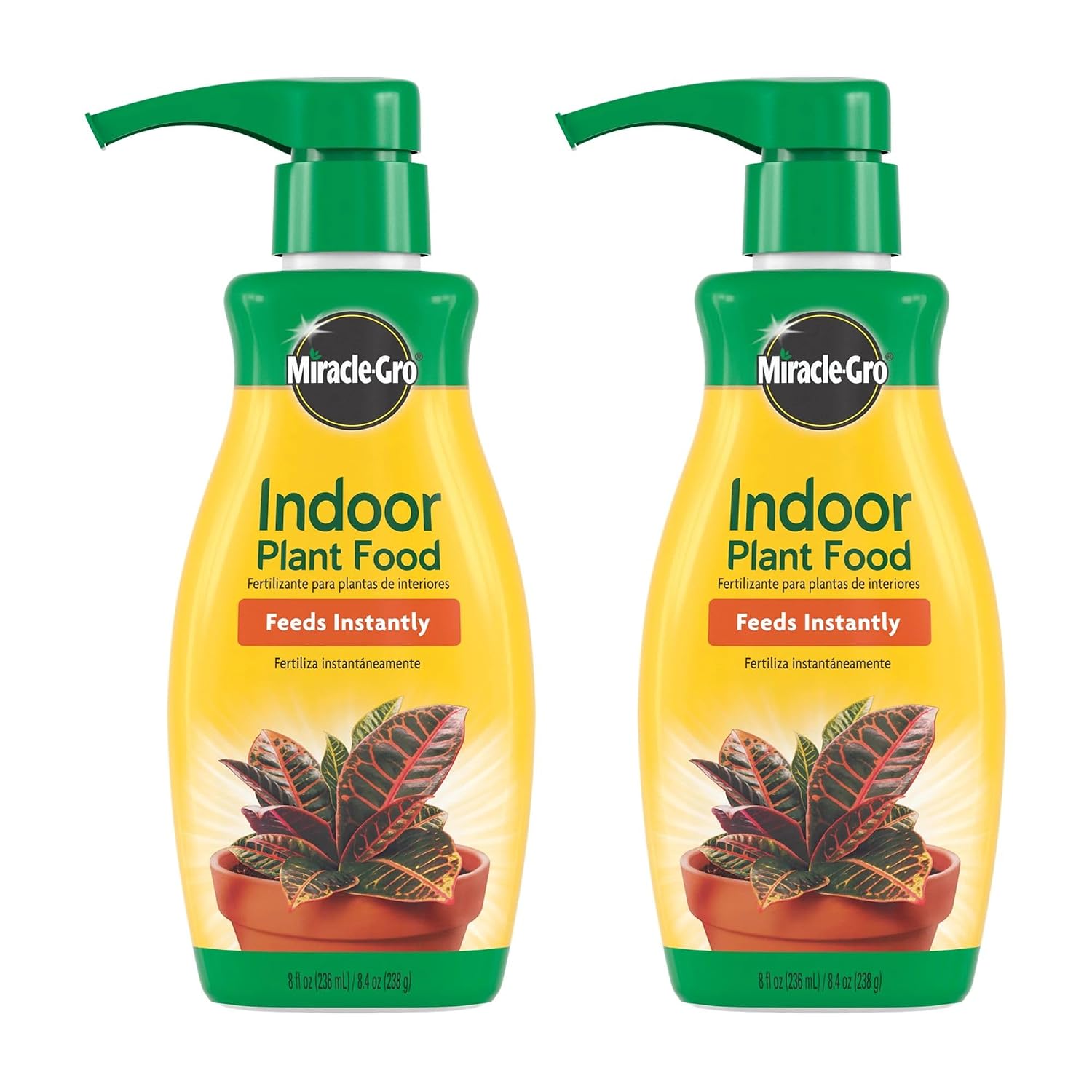
Miracle-Gro Indoor Plant Food, Liquid, 8 oz., 2-Pack
| Item Form | Liquid |
|---|---|
| Application Method | Apply directly to the soil or mix with water |
| Specific Uses For Product | Plant Food |
| Target Species | Peace Lily, Snake Plant, Croton, Succulents, Herbs |
| Number of Packs | 2 |
Miracle-Gro Indoor Plant Food is a liquid concentrate designed to feed a wide range of indoor container plants, including flowering houseplants. It is typically applied directly to the soil with a pump (one pump for small pots, two for larger pots) or diluted into a quart of water (four pumps per quart) and used when you water; the maker recommends weekly applications. The formula is made for common indoor species listed on the label and aims to provide quick, accessible nutrients that help maintain foliage and support blooms. Practical benefits include the convenience of the pump dispenser, predictable dosing for consistent use, and the inclusion of two small bottles so you can keep one at hand and one in reserve. Limitations are the small bottle size for frequent users and that the product is a general-purpose indoor feed rather than a bloom-boosting formula formulated specifically for plants with special nutrient needs, so enthusiasts seeking targeted phosphorus-rich bloom food may prefer a different formulation.
Best for: Indoor gardeners who want a simple, weekly liquid feed to keep a mixed collection of houseplants healthy and flowering without fuss.
Less Ideal for: Growers who need a fertilizer tailored specifically to maximize flowering or to address precise nutrient deficiencies should consider specialized bloom formulations or soil tests.
- Pump dispenser enables easy, measured application directly to the soil
- Ready-to-use liquid mixes into water for watering can application
- Suitable for a wide variety of common indoor plants including flowering species
- Sold as a two-pack so you have a backup bottle
- Small 8 oz. bottles require frequent replacement for larger collections
- General-purpose formula is not specialized for bloom enhancement
Verdict: A convenient, general-purpose liquid feed that keeps mixed indoor houseplants healthy with simple weekly dosing.
FoxFarm Big Bloom Liquid Plant Food (1 Pint)

| Item Form | Liquid |
|---|---|
| Specific Uses For Product | Organic |
| Application Method | watering can, sprayer, or drip system |
| Target Species | Plants |
| Liquid Volume | 16 fluid ounces |
FoxFarm Big Bloom is a concentrated liquid bloom fertilizer intended to be mixed into water and applied with a watering can, sprayer, or drip system to encourage flowering and fruit set. It combines organic ingredients such as bat guano and earthworm castings to supply readily available nutrients and is OMRI listed for organic gardening. For routine use the directions call for 4 tablespoons per gallon every other watering, which makes it easy to feed container and garden plants, including flowering bulbs like calla lilies. The formula is designed for quick uptake so you can see changes in bloom production relatively soon after application. Important limits to note are that it contains phosphorus so runoff rules may restrict use in some areas and it is focused on bloom support rather than complete balanced feeding for vegetative growth, so pairing it with a general-purpose fertilizer may be beneficial for all-stage nutrition. Packaging is a single 16 fluid ounce bottle, so heavy users will need to repurchase more frequently.
Best for: Gardeners focused on maximizing flower production and visible bloom response who want an organic, easy-to-apply liquid feed for potted plants or garden beds.
Less Ideal for: People seeking a single, balanced all-purpose fertilizer for leaf growth and long-term heavy feeding or those who must avoid phosphorus use in their jurisdiction.
- OMRI listed organic ingredients including bat guano and earthworm castings for bloom stimulation
- Quickly absorbed liquid formula suitable for watering cans, sprayers, or drip systems
- Simple, repeatable mixing rate for regular feeding every other watering
- Designed specifically to promote flowering and fruit formation
- Small 16 fl oz bottle may require frequent repurchase for larger gardens or heavy feeders
- Contains phosphorus which may be restricted in some localities due to runoff concerns
Verdict: Choose Big Bloom when you want a tested organic liquid feed that reliably boosts flowering and fruiting in ornamental and container plants like calla lilies.
Purived 16 oz All-Purpose Liquid Plant Fertilizer

| Item Form | Liquid |
|---|---|
| Application Method | soil drench, foliar feed, full & semi hydroponics |
| Target Species | Houseplants |
| Mixing Ratio | 320:1 |
Purived 16 oz All-Purpose Liquid Plant Fertilizer is a concentrated, water-soluble nutrient designed for routine feeding of indoor potted plants and small outdoor containers. You mix one cap per gallon (mix ratio 320:1) and apply as a soil drench or foliar feed, and the bottle claims it will make about 50 gallons of feed solution. The formula includes primary macronutrients plus micronutrients such as iron, magnesium, and boron, so it covers basic nutritional needs and can be used in full or semi-hydroponic setups. Practical benefits are straightforward: low odor, long shelf life, and easy measuring for regular maintenance feeding. For calla lilies specifically, it provides a balanced, all-purpose feed that supports healthy foliage and flowering when used at recommended dilution and frequency. Limitations are that the product lists nutrient types but not an exact N-P-K ratio on the provided details and it is a general-purpose formula rather than a bloom-boosting or specialty mix tuned to a single species, so users seeking targeted high-phosphorus bloom feeding may want a dedicated flowering fertilizer instead.
Best for: Buyers who want a simple, cost-effective all-purpose feed for routine maintenance of potted plants and who prefer easy measuring and multiple application options.
Less Ideal for: Growers seeking a fertilizer specifically formulated to maximize flowering or to fine-tune nutrient ratios for advanced bloom control should consider a targeted bloom fertilizer instead.
- Concentrated formula yields about 50 gallons from one bottle for economical regular feeding
- Versatile application: soil drench, foliar spray, and usable in full or semi-hydroponics
- Includes a range of micronutrients in addition to NPK for complete houseplant nutrition
- Low odor and a two year shelf life for convenient storage and infrequent purchase
- No explicit N-P-K breakdown provided in the listed product details to guide precise bloom-focused feeding
- Single bottle is a general-purpose fertilizer rather than a specialty high-phosphorus bloom formula
Verdict: A concentrated, easy-to-use all-purpose liquid fertilizer that delivers broad nutrition and good value for routine feeding of houseplants like calla lilies.
Miracle-Gro Indoor Plant Food Spikes for All Plants, 48 Spikes

| Item Form | Sticks |
|---|---|
| Application Method | Insert spike into soil |
| Coverage | Full |
| Target Species | Houseplants |
| Unit Count | 48 Count |
Miracle-Gro Indoor Plant Food Spikes are pre-formed fertilizer sticks designed to give houseplants a low-effort nutrient boost for about two months per application. You use the included aerator to make a small hole in the potting mix, press a spike into the soil, and water as usual. The product is sold as a 48-count pack with coverage guidance by pot size so you can plan how many spikes each plant needs. For practical indoor use these spikes are tidy, mess-free, and convenient for busy or forgetful caretakers since they deliver consistent feeding without measuring. They work across flowers, vegetables, herbs, and typical houseplants, meaning a single product can serve mixed collections. Important limitations are that they provide a general NPK feed rather than a formula tailored to specific species like calla lilies, and heavily nutrient-hungry or very large containers will need multiple spikes or supplemental feeding. Also the two-month interval means you still need to plan periodic replacements to maintain steady nutrition.
Best for: Buyers who want a low-maintenance, budget-friendly way to keep multiple indoor plants fed with minimal fuss and predictable schedules.
Less Ideal for: Growers seeking species-specific fertilization plans for crops with unique nutrient needs or those who prefer precise liquid feeding regimens.
- Pre-measured spikes deliver consistent nutrition without mixing or measuring
- Easy, low-mess application using the Miracle-Aerator and simple insertion
- Long-lasting feeding up to two months per application reduces maintenance
- Large 48-count pack covers multiple houseplants or several feeding cycles
- General all-purpose NPK formula not specialized for specific plants like calla lilies
- Coverage varies by pot size so larger pots require multiple spikes and more frequent replacements
Verdict: A convenient, low-cost way to keep indoor plants fed on a two-month cycle with minimal effort.
Miracle-Gro Water Soluble All Purpose Plant Food, 12.5 lb

| Item Form | Powder |
|---|---|
| Mixing Ratio | 1 tablespoon per gallon of water |
| Unit Count | 200 Ounce |
| Target Species | all plants |
| NPK | 24-8-16 |
Miracle‑Gro Water Soluble All Purpose Plant Food is a powdered, water‑soluble fertilizer you mix into a watering can or garden feeder to supply routine nutrients to a wide range of plants. It contains a high nitrogen blend with phosphorus and potassium (24-8-16) that starts working immediately when applied and is intended for use every 1 to 2 weeks depending on whether plants are indoors or outdoors. Typical use is dissolving the measured scoop into water and soaking the soil at the base of the plant to nourish roots; the package includes dosing guidance for containers and garden use and claims coverage of roughly 5,000 sq ft per container. For growers of calla lilies this product delivers fast, dependable nitrogen to support leafy growth and general vigor, but the high N ratio means you should follow the lower indoor dosing and avoid overapplication during bloom if you want more flowers than foliage. It is easy to store and measure and works with a garden feeder for larger areas, though gardeners wanting slow‑release feeding or a bloom‑focused lower‑nitrogen formula may prefer a different specialized product.
Best for: Gardeners who prioritize a reliable, fast‑acting feed for routine maintenance and want a single product to cover both containers and beds for general health and growth.
Less Ideal for: Growers seeking a specialized bloom‑boosting or slow‑release fertilizer tailored specifically to maximize flower production should consider alternatives targeted to flowering plants.
- Water‑soluble powder for quick nutrient availability
- Clear mixing and application instructions for indoor and outdoor use
- Broadly labeled safe for all plants including container and in‑ground use
- Large 12.5 lb container provides extensive coverage for multiple seasons
- High nitrogen ratio may encourage foliage over flowering for bloom‑focused plants
- Requires regular reapplication every 1–2 weeks rather than being a slow‑release option
Verdict: Choose this if you want a dependable, fast‑acting all‑purpose fertilizer that feeds a wide range of plants with clear dosing for regular maintenance.
Miracle-Gro Indoor Plant Food for All Plants, Liquid, 2 × 8 fl oz

| Item Form | Liquid |
|---|---|
| Application Method | Apply directly to soil or mix with water |
| Target Species | Houseplants |
| Liquid Volume | 8 fluid ounces |
| Mixing Ratio | 4 pumps per 1 quart of water |
Miracle-Gro Indoor Plant Food is a ready-to-use liquid fertilizer for indoor container plants sold as a two-pack of 8 fl. oz. bottles. It is intended to be mixed with water (manufacturer recommends 4 pumps per quart) or applied directly to the soil, and used every two weeks to deliver NPK nutrients that feed houseplants, flowers, herbs and vegetables. In practice this product makes regular feeding easy: the pump dosing simplifies measuring, the liquid formula absorbs quickly when you water, and the small bottles are convenient for keeping on a windowsill or potting bench. Notable benefits are broad compatibility with many indoor plant types and clear dosing guidance for both small and larger pots. Important limitations are that the listing does not specify exact NPK numbers on the product page and the 8 fl. oz. bottles are small if you maintain many plants, so frequent repurchasing or buying multiple packs may be necessary for larger collections. For growers focused on a specific crop like calla lilies you may want to check NPK needs and adjust schedule accordingly.
Best for: Indoor gardeners who want an easy, no-fuss liquid fertilizer to feed a mix of houseplants and container edibles on a regular schedule and value clear dosing and convenience.
Less Ideal for: Specialist growers who need precise, labeled NPK ratios or large-scale indoor collections that require bulk fertilizer should consider targeted or larger-capacity alternatives.
- Simple pump applicator for repeatable dosing
- Liquid formula feeds quickly when mixed into watering can
- Designed for broad use across houseplants, herbs, vegetables and flowers
- Bottle size is small for enthusiasts with many plants
- Product page does not list a precise NPK ratio on the visible details
Verdict: A convenient, pump-dosed liquid fertilizer that makes twice-monthly feeding of mixed indoor plants quick and simple.
Miracle-Gro Water Soluble All Purpose Plant Food, 1.5 lb

| Item Form | Powder |
|---|---|
| Application Method | Watering Can |
| Target Species | For all flowers, vegetables, trees, shrubs and houseplants |
| Mixing Ratio | 24-8-16 |
Miracle-Gro Water Soluble All Purpose Plant Food is a powder fertilizer you dissolve in water and apply with a watering can or compatible garden feeder to give plants a quick nutrient boost. It is used on everything from houseplants and container flowers to in-ground vegetables, shrubs and trees; directions provide specific scoop sizes for indoor and outdoor applications and recommend feeding every 1 to 2 weeks. The formulation (24-8-16) is high in nitrogen so it encourages rapid leafy growth while also supplying phosphorus and potassium for roots and overall vigor. Practical benefits include fast uptake because the nutrients are dissolved in water, clear mixing instructions for routine care, and broad labeled use so you can rely on one product across a mixed garden. Important limitations are the high nitrogen balance, which favors foliage over bloom in some plants, and the need to follow dosing carefully to avoid overfeeding; it is not a slow-release option so feeds are short lived compared with granular fertilizers.
Best for: Gardeners who want a reliable, easy-to-use feed they can apply routinely to a variety of plants and who prefer predictable, instruction-driven products that minimize risk of plant burn when used as directed.
Less Ideal for: Growers seeking a low-nitrogen bloom booster or a long-term slow-release fertilizer for seasonal feeding should consider specialized bloom or granular options instead.
- Water-soluble formula delivers nutrients to roots quickly for fast results
- Clear mixing and application directions for indoor and outdoor use
- Broadly labeled for flowers, vegetables, shrubs, trees and houseplants
- Feeds approximately 600 sq. ft. from a 1.5 lb. container
- High nitrogen NPK (24-8-16) may promote foliage more than flowers on bloom-focused plants
- Requires frequent reapplication since it is not a slow-release fertilizer
Verdict: A dependable, easy-to-mix water-soluble fertilizer that gives a fast nutrient boost to a wide range of plants.
Choosing the Right Plant Food for Calla Lily: Key Factors to Consider
Nutrient Ratio and Timing
Calla lilies benefit from a feeding program that supports bloom production without pushing excessive leafy growth. Look for a higher middle number in the N-P-K ratio or formulas explicitly labeled for flowering bulbs. Timing matters: start light feeding as new growth emerges and increase briefly during the lead-up to bloom, then taper off after peak flowering.
Overfeeding early in the season can produce lots of foliage but few flowers, while too little phosphorus during bud formation can reduce bloom size. A predictable schedule helps; follow label timing and avoid heavy nitrogen feedings in late season when bulbs are moving energy to the rootstock.
Formulation Type and Release Profile
Different formulations deliver nutrients in distinct ways. Water-soluble concentrates and soluble powders act quickly and are useful for foliar feeding or short correction cycles. Slow-release granules or coated pellets provide a steadier supply over weeks and reduce the risk of accidental overfeeding in containers.
Match the formulation to your setup: containers and hanging baskets often need soluble or frequent low-dose feeds because potting mixes drain nutrients quickly. In-ground plantings with richer soil can do well with a pre-plant or early-season slow-release application.
Application Method and Ease
Practical application is important for consistent results. Products with clear dilution instructions or built-in application tools make it easier to feed at the right strength. Foliar sprays let you correct micronutrient deficiencies fast, while soil drenches target the root zone directly.
Gardeners with many pots will prefer concentrates that mix quickly and can be used with a watering can or hose-end applicator. Those who prefer low-maintenance feeding should consider slow-release options that require only occasional top-ups.
Safety for Bulbs and Foliage
Calla lily bulbs and tender foliage can be sensitive to salt buildup and concentrated feeds. A product that gives explicit bulb-safe application rates and warns against foliar burn reduces risk. Rinse or water well after applying any strongly concentrated feed, and avoid feeding when foliage is wilted or the sun is hottest.
Consistent light feedings tend to be safer than infrequent heavy doses. If your soil or container medium is low in organic matter, choose a balanced formulation that includes chelated micronutrients rather than high-salt compound blends.
Compatibility With Containers and Soil Types
Container-grown callas experience faster nutrient depletion and sometimes salt buildup. Use feeds labeled for container plants or that specify use on ornamentals to avoid unintended effects. In heavier soils or garden beds, a slow-release product or pre-plant incorporation may be best to prevent leaching.
Consider your water quality too. Hard water can interact with certain fertilizers, making them less available. If you use tap water with high mineral content, look for products that include chelated micronutrients or advise on buffering.
Micronutrients and pH Considerations
Small quantities of iron, magnesium, and trace elements keep calla lily foliage green and support enzyme functions required for flowering. Some soils lock up these nutrients if pH drifts too high or too low, so feeds that include chelated forms can be helpful.
Monitor soil pH and watch for leaf discoloration that indicates micronutrient shortages. Choosing a feed with balanced trace elements reduces the need for separate corrective sprays and simplifies the feeding routine.
When to Start Feeding Calla Lilies
Begin a light feeding schedule as new shoots emerge in spring. Early-season nutrition supports healthy leaf development and builds energy for later flowering without overstimulating foliage.
Increase feed frequency or strength slightly as flower buds form, then reduce or pause feeding after the main bloom period so bulbs can replenish reserves.
- Start with low-strength applications to avoid root burn
- Follow label timing for number of applications per month
- Avoid heavy feeding during dormancy or immediately after planting bulbs
Feeding Containers Versus Garden Beds
Containers dry and leach nutrients faster than in-ground beds, so they usually need more frequent, lighter feedings. Use soluble feeds or water-soluble granules to allow precise control.
In garden beds, a slow-release application or an early-season soil drench is often sufficient. Always consider soil organic matter and base future feedings on plant response rather than a fixed calendar.
- Top-dress pots with slow-release granules for low-maintenance care
- Use liquid feeds for quick corrections in containers
- Test bed soil once a season to check nutrient levels
Foliar Feeding: When and How
Foliar feeding supplies micronutrients quickly and is useful when leaves show signs of deficiency. Apply in the cooler part of the morning or late afternoon to reduce risk of leaf scorch and improve absorption.
Use low concentrations for foliar sprays and avoid spraying during heat or direct midday sun. Repeated foliar feeds can compensate for short-term nutrient lockups in the soil but do not replace root feeding entirely.
- Spray only on cool, dry foliage conditions
- Use a fine mist to cover both sides of leaves
- Do not exceed recommended frequency on the product label
Avoiding Common Feeding Mistakes
Overconcentration and irregular application are the most common mistakes. Too-strong solutions can burn roots and foliage, while sporadic feeding can lead to nutrient swings that stress bulbs.
Another frequent error is feeding during extreme heat or drought. If plants are wilted, water first and delay feeding until they recover. Flush containers occasionally to prevent salt accumulation from repeated liquid feeding.
- Always measure and follow dilution instructions
- Water before feeding stressed plants
- Flush pots periodically to clear salts
Adjusting Feeding for Bloom Stage
Shift toward bloom-supporting ratios as bud formation begins, emphasizing phosphorus and balanced micronutrients. Reduce nitrogen slightly to keep foliage from overwhelming flowers.
After blooms fade, cut back feeding to help bulbs store carbohydrates for the next season. A lighter maintenance feed helps preserve vigor without encouraging unnecessary top growth.
- Use bloom-leaning formulations during bud set
- Switch to lower nitrogen maintenance feeds post-bloom
- Record feeding dates to refine future schedules
How We Chose the Best Plant Food for Calla Lily
We focused on practical feeding factors that affect calla lily performance in home gardens and containers. Our filters prioritized nutrient formulations that favor bloom development without causing excessive leafy growth, plus clear label directions for timing and dilution. We evaluated formulation type because liquid feeds, soluble powders, and slow-release granules behave differently in pots and beds. Ease of application was assessed since foliar sprays and straightforward soil drenches help gardeners keep to a schedule. Safety for bulbs and foliage guided selection to avoid burn risk from overly concentrated products. Compatibility with container media and common soil types mattered because many callas are grown in pots or shallow beds. We excluded products whose labels lacked explicit N-P-K breakdowns, omitted application rates for bulbs or ornamental perennials, or were targeted only to vegetables or turf. We also filtered out feeds that required uncommon equipment to apply. The dimensions that mattered most were nutrient balance for flowering, concentration and dilution guidance, formulation type, application flexibility, and bulb safety. Those same dimensions inform the scoring criteria used in each product card.
FAQ
How often should I feed calla lilies in containers?
Usually every one to two weeks with a half-strength soluble feed during the active growing and flowering season. Frequency can be reduced to monthly when using slow-release granules or after peak bloom.
Can I use general-purpose houseplant fertilizer on calla lilies?
Often yes, but choose formulations that support flowering and follow adjusted dilution rates. If the houseplant feed is high in nitrogen, reduce strength to avoid excessive foliage at the expense of blooms.
Will foliar feeding replace root feeding for bulbs?
No. Foliar feeding is a fast way to correct micronutrient shortages but does not supply the root zone with the long-term nutrient reserve bulbs need. Use foliar sprays as a supplement to regular soil or container feeds.
Is it safe to feed calla lilies during bloom?
Yes, when using formulations intended for flowering plants and applied at recommended strengths. Avoid strong concentrations directly on blooms and feed in the morning or late afternoon to reduce leaf burn risk.
How can I tell if my calla lily needs micronutrients?
Look for subtle leaf discoloration, interveinal chlorosis, or stunted growth. If soil pH is appropriate and you still see symptoms, a balanced micronutrient supplement or chelated trace elements can help.
Final Verdict
Prioritize a feed that balances bloom-supporting nutrients with clear application guidance and bulb safety. Match formulation to your growing situation: frequent low-dose liquid feeds for containers, and slow-release or soil-drench approaches for garden beds. Monitor plant response and adjust timing during bud set and after flowering. With attention to nutrient ratios, dilution clarity, and safe application, you can reliably boost blooms while protecting bulbs for future seasons.
