

Note: This article contains affiliate links. If you click on these links and make a purchase, I may earn a small commission at no extra cost to you. This helps support my research and content. Read my full affiliate disclosure here.
Zinnias respond quickly to the right feeding, turning a patch of seedlings into a long season of bold color. Choosing the right fertilizer for zinnias matters because these annuals prefer steady nutrients that support abundant flowering without creating floppy, leggy plants. This guide summarizes the top shortlisted fertilizers for zinnias and explains how each option performs in practical garden settings. We evaluated products on factors that matter to backyard and container gardeners alike, including nutrient ratios, application method, and impact on bloom production. Read on to see the best options and why they made this list, then use the buying guidance below to pick the right match for your planting style.
Top Picks at a Glance
| Best Overall The best all-around choice for most situations | Miracle-Gro Water Soluble Bloom Booster Flower Food, 4 lb |  |
| Best Quality Built to a higher standard if you want something more solid | FoxFarm Big Bloom Liquid Plant Food, 16 fl oz |  |
| Best Value The sweet spot between price and what you get | Miracle-Gro Water Soluble Bloom Booster Flower Food, 10-52-10, 1 lb |  |
| Best Budget The cheapest option that still gets the job done reliably | ferti-lome All Purpose Water Soluble Plant Food 20-20-20 (8 oz) |  |
| Most Popular A crowd favorite that many people choose with confidence | Miracle-Gro Water Soluble All Purpose Plant Food, 1.5 lb |  |
| Best Seller A high-volume bestseller chosen again and again | Miracle-Gro Pour & Feed Liquid Plant Food, 32 fl. oz. | 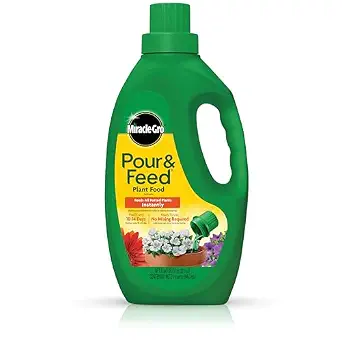 |
Miracle-Gro Water Soluble Bloom Booster Flower Food, 4 lb

| Item Form | Powder |
|---|---|
| Application Method | Water Soluble |
| Target Species | flowers |
| Mixing Ratio | 1 tablespoon per gallon |
This Miracle‑Gro Bloom Booster is a water‑soluble powder designed to promote bigger, more colorful blooms on annuals and perennials. It mixes easily in a watering can (mixing ratio 1 tablespoon per gallon for outdoor use) and can also be used with a garden feeder to treat multiple containers and flower beds. The high phosphorus 10-52-10 formulation is the notable feature for encouraging bud set and more abundant flowers, and it delivers results quickly because nutrients dissolve and reach roots fast. Typical use is every 7 to 14 days during the growing season, which makes it convenient for regular maintenance of flowering groundcovers like creeping phlox or mixed container displays. Limitations include the frequent reapplication schedule compared with slow‑release granular fertilizers and the focused bloom‑boosting formula which is not balanced for leafy growth or nonflowering plants. It is best used as a periodic flowering supplement alongside a basic all‑purpose feed or when you specifically want to increase bloom production.
Best for: Gardeners who prioritize frequent, visible flowering results and want an easy soluble booster to use on spring and summer bloomers such as creeping phlox in beds and containers.
Less Ideal for: Those seeking a low‑maintenance, slow‑release fertilizer for foliage development or for primarily nonflowering perennials should consider an all‑purpose or slow‑release option instead.
- High phosphorus 10-52-10 formula to encourage bud formation and more blooms
- Water‑soluble powder that dissolves quickly for fast nutrient uptake
- Works with a watering can or Miracle‑Gro Garden Feeder for flexible application
- Clear mixing directions (1 tablespoon per gallon) make dosing straightforward
- Requires feeding every 7–14 days rather than long‑term slow release
- Specialized bloom formula may not support vigorous leafy growth for nonflowering periods
Verdict: Choose this bloom booster when you want a fast‑acting, water‑soluble fertilizer that reliably increases flower production in creeping phlox and other bloom‑focused plantings.
FoxFarm Big Bloom Liquid Plant Food, 16 fl oz

| Item Form | Liquid |
|---|---|
| Specific Uses For Product | Organic |
| Application Method | watering can, sprayer, or drip system |
| Unit Count | 16 Fluid Ounces |
| Mixing Ratio | 4 |
Big Bloom is a ready-to-mix liquid plant food intended for flowering and fruiting plants; you dilute 4 tablespoons per gallon of water and apply with a watering can, sprayer, or through drip systems. The formula centers on natural inputs such as bat guano and earthworm castings and is OMRI listed for organic gardening, so it supplies readily available nutrients that can boost blooms and help struggling plants recover quickly. Because it is a low-NPK, bloom-focused concentrate it is useful through multiple growth stages without overwhelming foliage with high nitrogen. Practical benefits include easy integration into existing irrigation, fast uptake for visible response, and suitability for organic beds, containers, and fruiting ornamentals. Important limits are that it contains phosphorus, which some local regulations restrict for turf or lawns, and the small 16 fl oz bottle means frequent refills for larger plantings. Users should follow dilution guidance and local rules to avoid runoff issues.
Best for: Buyers focused on maximizing blooms and fruit on ornamentals, container plants, and small fruiting crops who prefer organic, fast-acting feeding and want a product that fits existing watering systems.
Less Ideal for: People managing large turf areas, large-scale vegetable plots, or those who need a high-nitrogen general-purpose fertilizer should look for formulations designed specifically for those uses.
- Organic certified and OMRI listed, suitable for certified organic gardens
- Natural nutrient sources (bat guano and earthworm castings) that support flowering and fruit set
- Versatile application: watering can, sprayer, hose-end, or drip irrigation compatible
- Low-NPK bloom-focused formula that can be used throughout flowering stages without excessive foliage growth
- Contains phosphorus, which may be restricted by local regulations for some lawn or turf applications
- Smaller 16 fl oz bottle may require frequent repurchasing for medium to large gardens
Verdict: Choose Big Bloom if you want an OMRI-listed, easy-to-use liquid fertilizer that reliably boosts flowering and fruiting in small to medium organic gardens.
Miracle-Gro Water Soluble Bloom Booster Flower Food, 10-52-10, 1 lb

| Item Form | Liquid |
|---|---|
| Application Method | Water Soluble |
| Coverage | 500 square feet |
| Target Species | all blooming plants |
| Mixing Ratio | 1 tablespoon/gallon (1.5 tsp for indoor plants) |
This Miracle-Gro bloom booster is a water-soluble plant food designed for flowering annuals and perennials, and it is typically mixed into a watering can or used with a garden feeder. The 10-52-10 formula supplies a high phosphorus dose aimed at increasing bud set and flower production, and it starts working quickly through root and foliar feeding when applied as directed. Practical features include a simple mixing ratio (1 tablespoon per gallon for outdoor use, reduced rate for indoor plants) and compatibility with the Miracle-Gro garden feeder for easy coverage up to about 500 square feet per refill. For gardeners focused on colorful displays, the concentrated phosphorus and repeat feeding schedule (every 7 to 14 days during bloom) deliver noticeably fuller flower shows. Limitations are that it is specifically a bloom booster rather than an all-purpose fertilizer and should be used only during bud set and bloom to avoid nutrient imbalance; following label rates is important to prevent overfeeding. For basic container or bedding displays, it is an easy-to-use option that targets bloom performance without complicated application steps.
Best for: Gardeners who want an affordable, straightforward booster to increase flower production on annuals and container displays and who plan to feed regularly during the bloom period.
Less Ideal for: Those seeking an all-in-one, season-long fertilizer or a slow-release product for hands-off maintenance should look elsewhere.
- High phosphorus 10-52-10 formula to promote more blooms and better bud set
- Water-soluble for quick uptake and easy mixing in a watering can or garden feeder
- Clear mixing instructions with lower indoor rate to reduce risk of burning when used as directed
- Covers a substantial area per feeder refill, useful for beds and multiple containers
- Focused on bloom boosting rather than providing a balanced, all-season nutrient program
Verdict: If you want an inexpensive, easy-to-use booster that reliably increases blooms on annuals and containers, this is a strong, no-frills choice.
ferti-lome All Purpose Water Soluble Plant Food 20-20-20 (8 oz)

| Item Form | Liquid |
|---|---|
| Application Method | soil drench and foliar spray |
| Target Species | Geraniums, Pansies, Petunias, Impatiens, annuals, perennials, hanging baskets |
| Mixing Ratio | 1:64 (soil), 1:256 (foliar) |
This 8 oz bottle of ferti-lome 20-20-20 is a straightforward, balanced water‑soluble fertilizer for flowering annuals like zinnias. It mixes easily—directions call for 1–2 teaspoons per gallon for soil applications and a much weaker foliar spray—so you can feed plants either through the potting mix or by spraying leaves. The even N-P-K ratio supports steady vegetative growth while supplying phosphorus and potassium for blooms and overall vigor. Because it is liquid and concentrated, small amounts treat many plants and you can apply it every watering or every few days for continuous bloom production. Limitations are the small 8 oz size if you maintain a large planting area and the lack of granular slow‑release option for low‑maintenance schedules. Also it is a general purpose formula rather than a zinnia-specific bloom booster, so some growers may prefer a higher-phosphorus feed when pushing heavy flower set.
Best for: Gardeners who want an affordable, easy-to-mix liquid fertilizer to keep zinnias and other bedding annuals blooming regularly without complicated feeding schedules.
Less Ideal for: Large-scale or low-maintenance gardeners who prefer slow‑release granules or a high‑phosphorus bloom formula tailored specifically for heavy flowering.
- Balanced 20-20-20 formula suitable for foliage and flowering needs
- Water‑soluble concentrate that mixes quickly for soil or foliar feeding
- Concentrated dosing means small bottle treats many plants when mixed correctly
- Small 8 oz bottle may require frequent repurchase for larger beds or repeated use
- Not a high-phosphorus bloom booster if you want to force extra-heavy flowering
Verdict: A compact, easy-to-use 20-20-20 liquid fertilizer that delivers frequent, balanced feeding to keep zinnias blooming without complicated mixing.
Miracle-Gro Water Soluble All Purpose Plant Food, 1.5 lb

| Item Form | Powder |
|---|---|
| Application Method | Watering Can |
| Target Species | For all flowers, vegetables, trees, shrubs and houseplants |
| Mixing Ratio | 24-8-16 |
Miracle-Gro Water Soluble All Purpose Plant Food is a powder concentrate you mix with water to give a quick nutrient boost to flowers, vegetables, houseplants, shrubs and trees. It is typically dissolved in a watering can or used with a compatible garden feeder to soak soil at the base of plants, delivering nitrogen-heavy nutrition that shows effects faster than granular fertilizers. Notable features include an easy scooping method for indoor and outdoor dosing, compatibility with containers and in-ground planting, and clear directions for feeding every one to two weeks. In practice this makes the product a convenient option when you want visible growth and greener foliage quickly, and the 1.5 lb container covers roughly 600 sq. ft. Important limitations are that it is a fast-release, high-nitrogen formula best used as a regular quick feed rather than a long-term slow-release solution, and it requires careful measuring to avoid overfeeding. For routine maintenance combine with good watering and follow the label to avoid nutrient imbalance.
Best for: Buyers who prefer proven, easy-to-use feeding routines and want noticeable growth quickly for a variety of garden and houseplants, guided by established usage directions and broad user experience.
Less Ideal for: Gardeners seeking a single, long-term slow-release solution or those who prefer organic or low-nitrogen fertilizers for sensitive plantings should consider alternative products.
- Water-soluble powder starts working quickly at the roots when mixed and applied
- Clear, simple dosing for indoor and outdoor use with included scoop guidance
- Suitable for a wide range of plants including vegetables, flowers, shrubs and houseplants
- Covers a large area from a small container (about 600 sq. ft. per 1.5 lb)
- Fast-release formula means benefits are short-term compared with slow-release granular fertilizers
- Requires precise measuring and regular reapplication to avoid overfeeding
Verdict: A reliable, fast-acting water-soluble plant food for gardeners who want easy, repeatable feeding and quick visible results.
Miracle-Gro Pour & Feed Liquid Plant Food, 32 fl. oz.

| Item Form | Liquid |
|---|---|
| Application Method | Directly to the soil |
| Target Species | potted plants |
| Unit Count | 32 Fluid Ounces |
Miracle-Gro Pour & Feed is a ready-to-use liquid fertilizer designed for container plants and houseplants. You apply it by measuring with the bottle cap and pouring the recommended amount directly onto the soil around each pot, so no mixing or watering-can prep is required. Its convenience makes it easy to maintain a regular 10–14 day feeding schedule for bedding plants like petunias in containers. The product is formulated for potted plants only, and the liquid form gives fairly quick nutrient availability compared with slow-release granules. Practical benefits include simple dosing with the cap, suitability for indoor and outdoor use, and a clearly stated application rhythm that helps keep flowering plants vigorous. Important limitations are that it is not intended for in-ground beds and that frequent applications mean you need to remember regular feedings; it is also a general all-purpose formula rather than a petunia-specific bloom booster.
Best for: A plant owner who prefers simple, low-effort care for container flowers and wants a dependable, easy-to-measure fertilizer to keep petunias and other potted ornamentals blooming.
Less Ideal for: Gardeners seeking a long-term, in-ground soil amendment or those who prefer an infrequent, slow-release feeding schedule should consider other products.
- Ready-to-use liquid requires no mixing so application is fast and low-effort
- Cap-measure dosing makes it easy to apply the correct amount for each container
- Suitable for both indoor and outdoor container plants so one product covers many uses
- Feeds on a 10–14 day schedule for consistent nutrient supply to flowering containers
- Not formulated for in-ground planting so unsuitable for garden beds
- Requires frequent application compared with slow-release fertilizers
Verdict: Use this if you want a no-mix, easy-to-measure liquid fertilizer to keep container petunias fed and blooming on a regular schedule.
Choosing the Right Fertilizer for Zinnias: Key Factors to Consider
Nutrient Ratio and Bloom Support
Zinnias perform best with fertilizer ratios that support flowering rather than excessive leafy growth. Look for formulas with moderate nitrogen, elevated phosphorus, and adequate potassium to promote bud set and strong stems. High-phosphorus numbers can encourage more blooms, while too much nitrogen often leads to lush foliage at the expense of flowers.
Consider how label analysis maps to your soil. If you already have fertile soil or have recently added compost, choose a lower-strength feed or a product meant for maintenance rather than heavy feeding. For new or poor soil, a balanced starter feed followed by bloom-focused applications will produce fuller flower displays.
Application Method and Ease
The form of fertilizer determines how you will feed zinnias. Water-soluble feeds give quick results and are easy to apply during active flowering, which is useful when you want a rapid bloom boost. Granular options, including slow-release pellets, reduce the frequency of application and are convenient for borders and low-maintenance beds. Liquid organics and foliar feeds provide targeted nutrient delivery but require more frequent attention.
Think about how often you want to tend your beds or containers. Choose a method that matches your schedule and planting setup. For community plots or larger borders, less frequent granular or slow-release products cut down on labor, while container gardeners often prefer regular liquid feeding to control nutrient levels precisely.
Release Profile and Feeding Frequency
Release profile determines how long a single application will support plants. Fast-release formulations show quick responses but require repeated applications throughout the season, which is fine for gardeners who inspect plants regularly. Slow-release or controlled-release fertilizers can provide steady nutrition for many weeks, lowering maintenance and reducing the risk of overfeeding.
Match release profile to the season and planting timing. For a concentrated summer bloom, short frequent feeds can maximize flower production. For long-term plantings or when you will be away, choose a product with a measured release timeline to maintain consistent flowering without gaps.
Salt Content and Seedling Sensitivity
Young zinnia seedlings and newly transplanted plants are sensitive to fertilizer salts, which can cause leaf scorch and poor establishment. Products with a lower salt index or those formulated for seedlings reduce burn risk. If sowing seeds directly into beds, delay strong feeds until seedlings have a few true leaves or use a gentler starter nutrient.
Always follow label dilution rates to avoid concentrated applications. When using granular feeds, avoid placing granules in direct contact with stems or root crowns. For containers, leach pots periodically to flush accumulated salts if using synthetic or higher-salt fertilizers.
Soil and Container Compatibility
Zinnias are commonly grown in garden beds and containers, and fertilizer needs differ between those settings. Containers have limited root volume and nutrient-holding capacity, so they benefit from regular, balanced liquid feeding or slow-release granules designed for pots. In-ground plantings usually have more buffering capacity, so less frequent feeding can be effective when combined with organic matter.
Consider the existing soil fertility and whether you use amended mixes. High-organic soils may only need light feeding, while poor, sandy soils require a more consistent program. Pay attention to label recommendations for potted plants versus garden beds to get the intended results.
Organic Vs Synthetic Formulations
Organic fertilizers release nutrients as microbes break down organic matter, providing a gentler, longer-term feed and improving soil structure over time. Synthetic fertilizers supply immediately available nutrients and can produce faster bloom responses, but they may increase salt levels and require careful dosing. For gardeners prioritizing soil health or working in edible gardens where organic inputs are preferred, organic options are attractive.
Decide based on gardening philosophy and timing needs. If you want rapid bloom boosts during the peak season, synthetic feeds can be effective when used correctly. If you prefer gradual improvement to soil biology and steadier nutrition, choose organic formulas and plan for slightly slower initial responses.
Feeding Timelines for Peak Flowering
Zinnias bloom best when fed on a schedule that matches their growth stages. Start with a gentle feed after the first true leaves form or once transplants are established, then shift to bloom-focused applications as buds form. For water-soluble fertilizers, feed every one to two weeks during active blooming. For slow-release granulars, a single application at planting can carry through several weeks to months depending on the product.
Timing also matters for heat and drought. During hot spells, reduce concentration and increase watering to avoid stress. Plan heavier feed cycles in the lead-up to major flowering flushes to maximize bud development.
- Begin light feeding after seedlings have true leaves
- Increase bloom-focused feeding as buds set
- Adjust frequency based on release profile and weather
Adjusting Feed for Container Zinnias
Containers need closer attention because nutrients and moisture fluctuate quickly in small volumes of soil. Use a regular liquid feed at half-strength if you water frequently, or incorporate a slow-release pellet at planting to provide steady nutrition. Re-potting or refreshing topsoil midseason can also restore nutrient levels.
Watch for yellowing leaves that indicate nutrient depletion and be prepared to flush pots with water if salts build up from repeated synthetic feeding.
- Prefer liquid feeds or pot-specific slow-release granules for containers
- Flush pots occasionally to prevent salt buildup
- Refresh or top-dress potting mix during long seasons
Balancing Bloom Size and Plant Habit
Different feeding approaches will change how zinnias grow. More phosphorus helps bud formation and can increase bloom count, while excess nitrogen can produce larger leaves and taller, floppier plants. If compact habit and multiple blooms are the goal, choose a fertility plan that limits high nitrogen spikes and promotes steady phosphorus and potassium supply.
Pinching or deadheading complements feeding by redirecting energy into more blooms rather than fewer oversized flowers.
- Use bloom-focused ratios to favor bud set over foliage
- Combine feeding with pruning to control habit
- Monitor plant response and reduce nitrogen if plants become leggy
Using Fertilizer with Organic Soil Amendments
If you add compost, well-rotted manure, or other organic amendments, adjust supplemental fertilizer accordingly. These materials supply slow-release nutrients and improve water retention, which can reduce the need for frequent feeding. Test soil fertility or observe plant vigor before adding strong synthetic feeds to avoid overapplication.
Layer organic matter at planting and use lighter supplementary fertilization during the season. Organic fertilizers complement these amendments by feeding soil life and maintaining nutrient availability.
- Factor existing organic matter into your feeding plan
- Prefer lighter supplemental feeds when soil is fertile
- Use soil tests or plant observations to fine-tune applications
Troubleshooting Common Feeding Problems
Yellow leaves, poor flowering, or leaf scorch are common signs of feeding issues. Yellow older leaves often indicate nutrient deficiency, while new growth that is pale can mean improper pH or lack of specific micronutrients. Leaf scorch and crisp edges usually point to salt burn from over-application or too concentrated liquid feeds.
Address problems by checking application rates, flushing containers, testing soil pH, and adjusting the feeding schedule. When in doubt, scale back feeding frequency and choose gentler formulations until plants recover.
- Yellowing can indicate deficiency or pH problems
- Leaf scorch often results from salt buildup or overfeeding
- Reduce concentration and flush containers to remedy salt issues
How We Chose the Best Fertilizer for Zinnias
We focused on fertilizer qualities that directly affect zinnia performance in beds and containers. Primary evaluation criteria included nutrient ratio and bloom support, because zinnias need a balance of nitrogen, phosphorus, and potassium that favors flower production; application method and ease, because gardeners use granular, water-soluble, and slow-release formulas depending on time and planting situation; and feeding frequency and longevity to match seasonal bloom expectations. We also assessed salt index and plant safety to avoid burn in young seedlings, and organic certification or natural ingredient lists for those preferring lower-salt or biological options. Products were excluded if they were formulated specifically for lawns, trees, or crops with very different nutrient needs, or if directions conflicted with common home-garden dosing practices. We prioritized fertilizers with clear label analysis, straightforward application instructions, and documented suitability for flowering annuals. These filters ensured the roundup covers practical choices for everyday gardeners seeking bigger, healthier zinnia blooms.
FAQ
How often should I fertilize zinnias in garden beds?
It depends on the fertilizer type. Water-soluble feeds are often applied every one to two weeks during active blooming. Slow-release granulars may only need one application at planting or every few months. Adjust frequency based on plant vigor and existing soil fertility.
Can I use the same fertilizer for container and in-ground zinnias?
You can use the same product if the label includes directions for both containers and beds, but application rates may differ. Containers need more frequent, lighter feeding or a pot-formulated slow-release product because nutrients wash out and concentrate more quickly.
Will too much fertilizer make zinnias produce fewer blooms?
Yes. Excessive nitrogen encourages leafy growth at the expense of flowers. Follow recommended rates and favor bloom-oriented nutrient ratios to avoid lush foliage with reduced bloom counts.
Are organic fertilizers effective for zinnias?
Organic fertilizers can be very effective, providing steady nutrition and improving soil structure. They tend to release nutrients more slowly, so responses may be less immediate than synthetic feeds, but they support long-term soil health and are a good choice for sustainable gardens.
What should I do if seedlings show fertilizer burn?
Stop feeding immediately and water the area thoroughly to leach salts from the soil. If in containers, flush pots until runoff runs clear. Wait until plants show recovery and then resume with a much weaker, gentler starter feed.
Is a bloom booster necessary for vibrant zinnias?
Not always. A balanced feeding plan that avoids excess nitrogen and supplies phosphorus can produce excellent blooms. Specialized bloom boosters can help in some situations, but they are most useful when combined with correct timing and overall plant care.
Final Verdict
Prioritize nutrient ratios that support flowering, a feeding method that fits your gardening routine, and a release profile suited to your planting situation. Containers typically need more frequent attention, while beds can rely on slow-release options or balanced amendments. Balance immediate bloom goals against longer-term soil health when deciding between synthetic and organic feeds. Choose a fertilizer that matches your timing and maintenance preferences, adjust doses for seedlings and containers, and monitor plant response. With the right feeding plan you can encourage steady, abundant zinnia blooms throughout the season.
