

Note: This article contains affiliate links. If you click on these links and make a purchase, I may earn a small commission at no extra cost to you. This helps support my research and content. Read my full affiliate disclosure here.
Growing trees in pots changes the rules compared with in-ground planting. Root volume is limited, water moves differently, and nutrient reserves are easily depleted, so the right soil makes the difference between a thriving container tree and one that struggles. This guide covers seven shortlisted soils chosen for container trees, explaining how each handles drainage, moisture holding, aeration, and slow-release nutrition. Below we explain the key traits gardeners should watch for, how the soils were selected, and practical care tips to keep potted trees healthy through seasons.
Top Picks at a Glance
| Best Overall The best all-around choice for most situations | Soil Sunrise Citrus Tree Potting Soil Mix (30 Quarts) |  |
| Best Quality Built to a higher standard if you want something more solid | Back to the Roots Organic Expanding Coco Coir Potting Soil Brick (10 lb) |  |
| Best Value The sweet spot between price and what you get | Miracle-Gro Indoor Potting Mix for All Plants, 6 qt., 2-Pack |  |
| Best Budget The cheapest option that still gets the job done reliably | Doter Citrus Tree Potting Soil Mix (1 qt) |  |
| Highest Rated A top-rated pick with lots of positive feedback | GARDENWISE Organic Olive Tree Potting Mix (3 Quarts) — Nutrient-Rich Mediterranean Blend |  |
| Most Popular A crowd favorite that many people choose with confidence | Miracle-Gro Cactus, Palm & Citrus Potting Mix, 8 qt. |  |
| Best Seller A high-volume bestseller chosen again and again | Back to the Roots Organic Indoor Potting Mix, 6 Quart |  |
Soil Sunrise Citrus Tree Potting Soil Mix (30 Quarts)

| Volume | 30 quarts |
|---|---|
| Ingredients | Peat moss, perlite, sand, worm castings, lime |
| Unit Count | 1 Count |
| Style Name | Sandy |
This Soil Sunrise mix is a lightweight, well-draining potting soil designed for container fruit trees. It combines peat moss for water retention, perlite and coarse sand for quick drainage and aeration, worm castings for slow-release nutrients, and lime to keep pH suitable for acid-sensitive fruit. In use you would fill pots or repot rootballs with this blend to reduce soggy roots and encourage steady growth and fruiting. The resealable 30-quart bag and all-natural ingredient list make it a low-fuss option for regular repotting and seasonal top-ups. Important limitations: the formula is targeted at citrus and formulated with lime, so its pH profile and ingredient balance are optimized for citrus preferences rather than apple-specific needs; heavier-feeding or larger potted apple varieties may also require supplemental fertilizer over time. For growers seeking a clean, airy base for container fruit trees this mix provides a reliable starting medium, but you should monitor soil fertility and adjust amendments for apples as they mature.
Best for: Home gardeners who want a clean, well-draining base mix for potted fruit trees and prefer an all-natural, low-maintenance soil to encourage steady growth.
Less Ideal for: Growers who need a soil tailored precisely to apple tree pH or nutrient demands, or those planting large standard apple trees in oversized containers without planned fertilization.
- Designed for container fruit with a balance of peat, perlite, and sand to prevent waterlogging
- Includes worm castings to provide natural nutrients and improve soil biology
- Lime added to stabilize pH for fruit-bearing trees that prefer slightly higher pH
- All-natural, hand-blended ingredients with no fillers listed
- Resealable bag and 30-quart volume suited to repotting small to medium trees
- Formulated specifically for citrus so pH and lime content may not match apple preferences exactly
- May require additional fertilization for heavier-feeding apple varieties over a growing season
Verdict: A well-draining, all-natural container mix that gives small to medium potted fruit trees a healthy airy foundation and low-maintenance starting point.
Back to the Roots Organic Expanding Coco Coir Potting Soil Brick (10 lb)

| Item Highlight | 10 lb compressed coco coir brick; peat-free; OMRI Listed |
|---|---|
| Item Type Name | Coconut Coir |
| Volume | 2 cubic feet |
| Ingredients | Coconut Coir |
| Style Name | Expanding Potting Soil |
This compressed coco coir brick provides a lightweight, peat-free potting medium that expands when you add water to create loose, airy substrate for containers and seed flats. It is typically used by hydrating the 10 lb block to about 2 cubic feet of coir and then using it alone for potted plants, mixing it into garden soil to improve drainage and aeration, or blending with compost for starting seeds. Notable features include OMRI listing for organic use, a balanced pH suited to a wide range of plants, and compact storage before expansion which saves space. Practical benefits are improved root aeration and water retention compared with heavy garden loam, easier handling than bulky bags, and versatility across vegetables, herbs, and ornamentals. Important limitations are that coco coir is a soilless substrate and does not supply significant nutrients on its own so you will need to add fertilizer or compost for long-term potted herbs like rosemary, and the product requires time and a water source to expand before use.
Best for: Buyers who prioritize low-risk, easy-to-handle, organic potting media and want a versatile base for container herbs and seed starting without dealing with heavy bags.
Less Ideal for: Gardeners who want a ready-to-plant, nutrient-rich potting mix out of the box or those who prefer soil with built-in slow-release fertilizer.
- Peat-free OMRI listed organic coco coir suitable for organic growing
- Expands from a compact brick to about 2 cubic feet for easy storage and transport
- pH balanced and airy texture that improves drainage and root aeration
- Versatile use: can be used alone, for seed starting, or mixed into existing soil
- Provides little inherent fertility so supplemental feeding or compost is needed for nutrient-hungry plants
Verdict: A compact, peat-free coco coir brick that expands into an airy, pH-balanced base ideal for low-risk organic container gardening and seed starting when paired with fertilizer or compost.
Miracle-Gro Indoor Potting Mix for All Plants, 6 qt., 2-Pack

| Number of Packs | 2 |
|---|---|
| Unit Count | 400.58 Ounce |
| Item Highlight | Feeds for up to 6 Months |
| Ingredients | Sphagnum Peat Moss, Coir, Perlite, Fertilizer, Wetting Agent |
This Miracle-Gro indoor potting mix is formulated as an all-purpose soil for indoor container plants and is sold in a two-pack of 6‑quart bags. It combines sphagnum peat moss, coconut coir, and perlite to create a lightweight, well-draining mix that holds moisture yet releases it to roots, which helps tropical houseplants like a Dragon Tree avoid waterlogged roots. The bagged mix includes a slow-release fertilizer meant to feed plants for up to six months so you do not need to amend immediately after potting. Notably the formula excludes bark and compost, which can reduce habitats for fungus gnats — useful when repotting indoor specimens. Use is straightforward: fill a pot with drainage, set the plant, backfill with mix, and water. Limitations are that the fertilizer schedule is fixed to the included feed and heavy feeders may need additional fertilizing after several months, and serious growers who want a custom cactus or orchid-style mix will find the texture too fine. For routine repotting of Dragon Trees and similar tropical houseplants this mix is convenient and consistent.
Best for: Buyers who want a reliable, low-effort potting mix for repotting tropical houseplants like Dragon Trees and prefer a product with built-in feeding and pest-reduction features.
Less Ideal for: Specialist growers who need custom texture blends for succulents, orchids, or aggressive feeders should choose purpose-formulated mixes or amend this product accordingly.
- Balanced blend of peat moss, coir, and perlite for good moisture retention and drainage
- Includes slow-release fertilizer that feeds up to six months for low-maintenance care
- Bark- and compost-free formula reduces places for fungus gnats to breed
- Ready-to-use bag makes repotting quick with no mixing required
- Fertilizer is fixed for about six months so additional feeding may be necessary for heavy feeders
- Texture may be too fine for plants that prefer very fast-draining or chunky mixes
Verdict: A convenient, low-maintenance indoor potting mix that keeps Dragon Trees healthy with good drainage and up to six months of built-in feeding.
Doter Citrus Tree Potting Soil Mix (1 qt)
| Brand Name | Doter |
|---|---|
| Item Type Name | Garden soil |
| Volume | 1 quarts |
| Item Weight | 224 g |
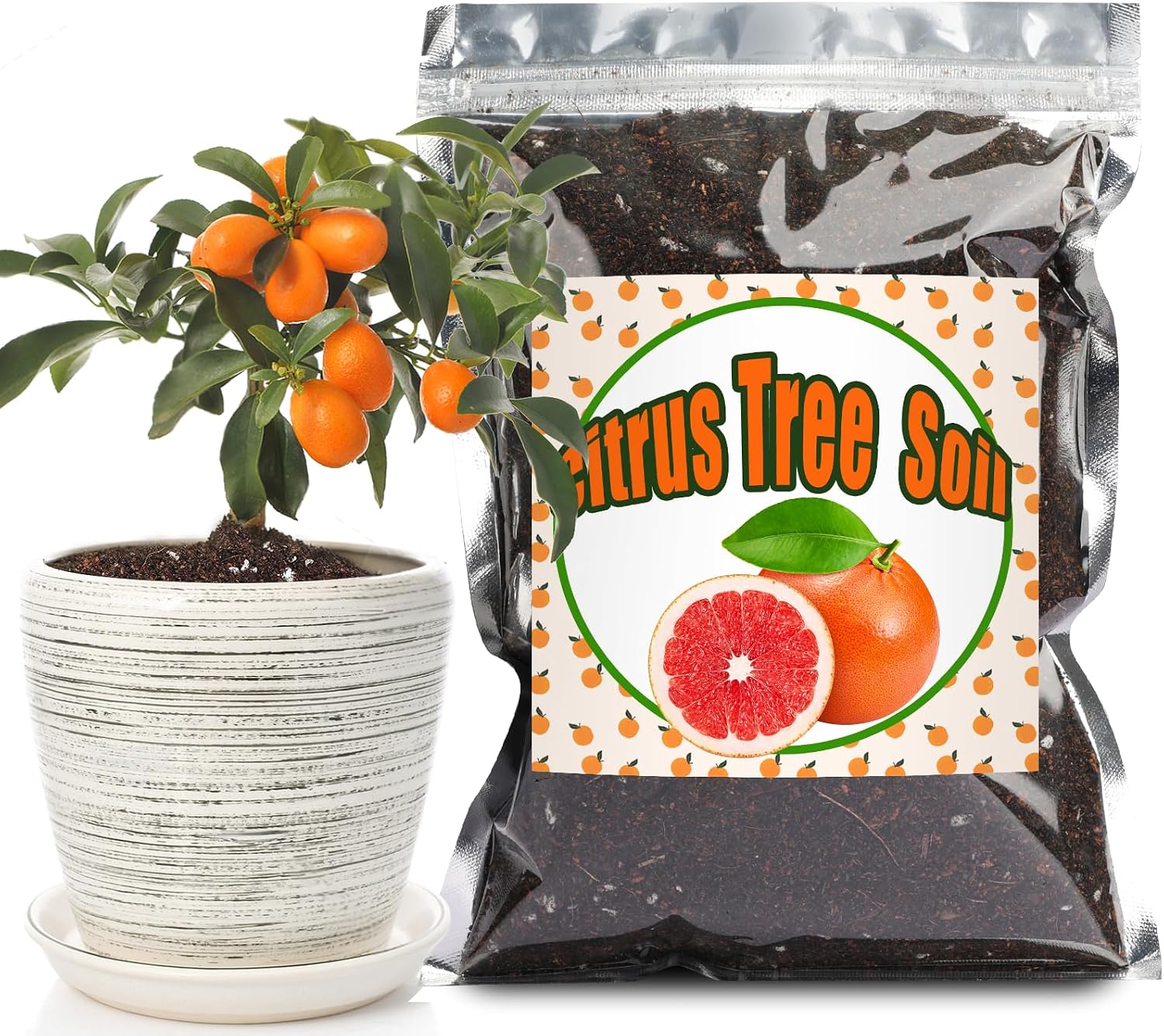
This Doter citrus potting mix is a small, 1-quart, ready-to-use soil blend designed for container-grown lemon, lime, orange and other citrus trees. It mixes organic and mineral components to deliver a balanced nutrient profile and claims an ideal pH between 6.0 and 7.1, which helps citrus roots access nutrients. The formulation emphasizes drainage and aeration so pots do not stay waterlogged, and the bagged format makes it convenient for repotting seedlings or refreshing the top layer in containers. For budget-conscious gardeners the single-quart size is useful for small projects, trial runs, or blending into larger mixes, but you will likely need multiple bags for a single mature container tree. The product works best as a component or short-term potting medium rather than a sole long-term planting substrate for large trees. Expect good seedling establishment and faster drainage compared with generic garden soil, but plan to supplement with larger volumes or slow-release fertilizer for sustained feeding on mature citrus.
Best for: Gardeners looking for an inexpensive, small-batch citrus-specific soil to repot seedlings, top-dress containers, or trial a citrus blend before committing to larger quantities.
Less Ideal for: Growers with mature potted citrus or those who need large volumes for in-ground planting should choose bulk soils or custom mixes instead.
- Formulated pH between 6.0 and 7.1, suitable for citrus nutrient uptake
- Designed for improved drainage and aeration to reduce root rot risk
- Nutrient-rich blend of organic and mineral components to support growth
- Ready-to-use bag convenient for repotting seedlings and small containers
- Small 1-quart volume means multiple bags are required for larger pots or trees
- Not marketed as a long-term complete potting substrate for mature trees
Verdict: A convenient, budget-friendly small bag of citrus-specific potting mix ideal for repotting seedlings and topping up container citrus plants.
GARDENWISE Organic Olive Tree Potting Mix (3 Quarts) — Nutrient-Rich Mediterranean Blend

| Unit Count | 96 Fluid Ounces |
|---|---|
| Included Components | Coco coir, sand, perlite, worm castings, orchid bark, compost, manure |
| Item Type Name | Olive Tree Soil |
| Volume | 5 liters |
This olive tree potting mix is blended to give container-grown Mediterranean trees reliable drainage and steady nutrition. It combines coco coir, sand, perlite and orchid bark for quick water movement and air around roots, while worm castings, compost and manure supply slow-release nutrients that reduce the need for frequent feeding. Use it when potting or repotting olive trees and other Mediterranean plants in containers to lower the risk of root rot and improve root development. The formula includes limestone for a balanced pH and is described as non-toxic, making it suitable for homes with children and pets. Because it is organic and nutrient-rich, you can expect several months of sustained feeding before additional fertilizer is needed. Limitations are the fixed 5 liter / 3 quart volume per unit and the bagged format, which may require multiple bags for larger pots or trees and additional mixing if you prefer a custom soil texture.
Best for: Gardeners who want a dependable, ready-made potting mix tuned for olive trees and other Mediterranean potted plants and prefer an organic, low-maintenance option that lowers the risk of overwatering.
Less Ideal for: Growers who need large-volume commercial mixes or want exact nutrient analysis and customizable soil recipes for specialty crops should look elsewhere.
- Fast-draining blend reduces risk of root rot in container-grown olive trees
- Contains organic amendments like worm castings and compost for sustained nutrients
- Includes sand, perlite and orchid bark to improve aeration and root development
- Formulated to replicate Mediterranean conditions and balanced pH with limestone
- Non-toxic organic ingredients suitable for homes with children and pets
- Small 5 liter volume means multiple bags needed for large pots or full repots
- No specific fertilizer N-P-K values provided for precise feeding plans
Verdict: Pick this mix when you want a reliable, Mediterranean-style organic potting soil that promotes drainage and steady nutrition for potted olive trees.
Miracle-Gro Cactus, Palm & Citrus Potting Mix, 8 qt.
| Brand Name | Miracle-Gro |
|---|---|
| Volume | 8 quarts |
| Unit Count | 1 Count |
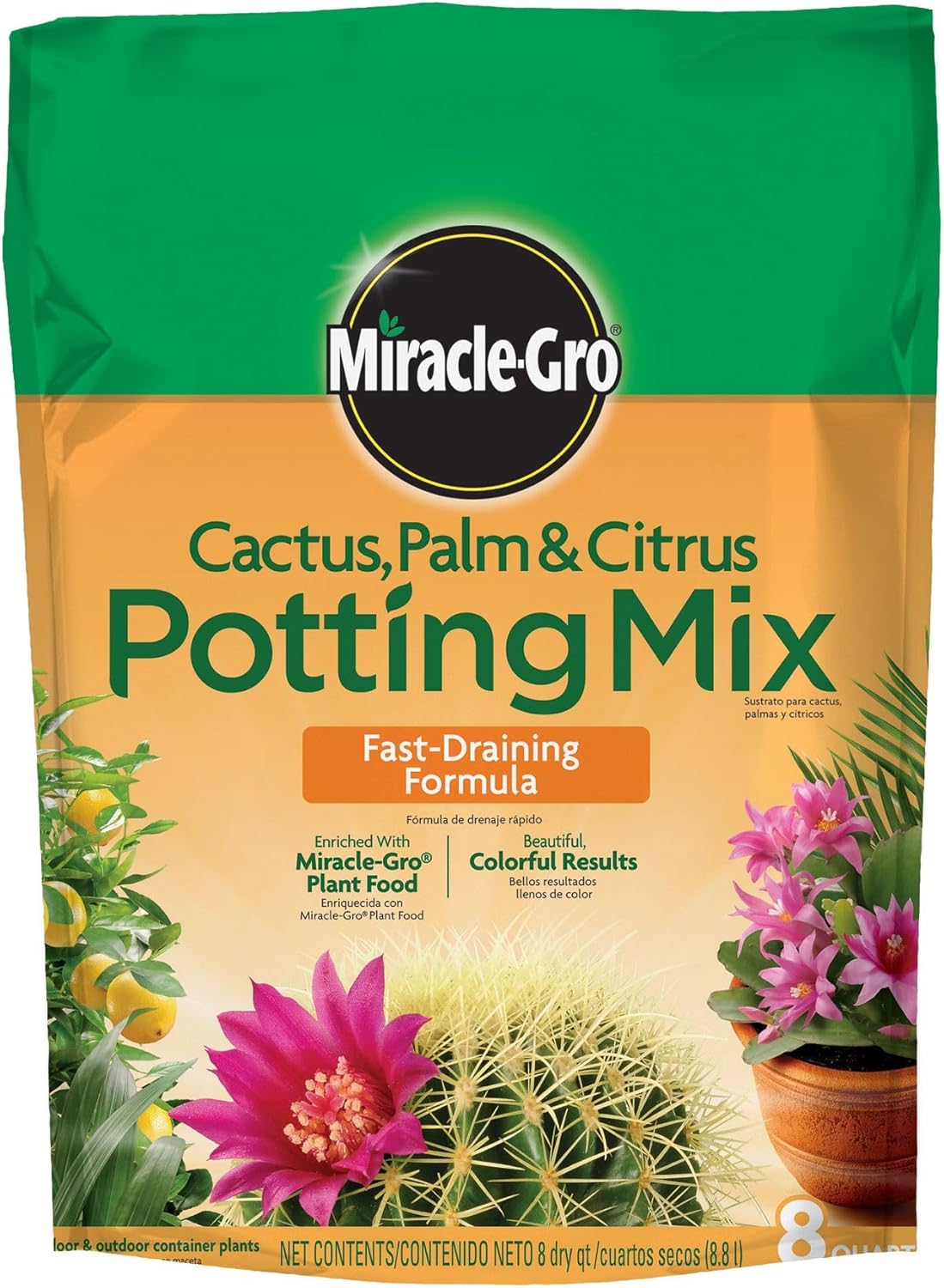
This 8-quart Miracle-Gro potting mix is designed for container-grown cacti, palms, and citrus and combines peat moss, sand, perlite, and forest products for faster drainage and reduced compaction. It arrives ready to use and is enriched with Miracle-Gro plant food so newly potted citrus get an initial nutrient boost without immediate fertilizing. Typical use is straightforward: choose a pot with drainage, fill about one third, set the root ball and top up, then water and allow to drain. The formula helps soil dry between waterings, which is important for citrus root health in containers, and one bag is enough for two 8-inch pots. Limitations are the small volume for larger trees and the presence of peat moss if you prefer peat-free mixes; heavier or older citrus will need larger volumes and eventual repotting. For growers wanting a quick, reliable container medium that balances moisture retention with drainage, this mix performs as expected.
Best for: Growers who repot or maintain container citrus and want a ready-to-use mix that balances drainage and initial feeding for healthier root development.
Less Ideal for: Gardeners potting mature or large citrus specimens that need large volumes of soil or those seeking a peat-free or custom mineral-heavy citrus bonsai substrate.
- Fast-draining blend reduces risk of waterlogged roots for container citrus
- Pre-enriched with plant food to give newly potted plants an initial nutrient boost
- Contains perlite and sand to resist compaction and maintain aeration
- Formulated for indoor or outdoor containers so it works across sites
- 8-quart bag is small for larger or multiple citrus containers
- Contains peat moss which some buyers avoid for sustainability reasons
Verdict: A convenient, fast-draining, plant-food–enriched container mix that makes repotting small to medium citrus trees quick and reliable.
Back to the Roots Organic Indoor Potting Mix, 6 Quart

| Unit Count | 192 Fluid Ounces |
|---|---|
| Item Type Name | Indoor Potting Mix 6qt |
| Item Highlight | Peat-free, 100% organic, made in the USA |
| Ingredients | Coconut Coir, Yucca, Mycorrhizae, Perlite, Horticultural Sand |
This Back to the Roots indoor potting mix is a ready-to-use, 6-quart blend designed for common houseplants such as pothos, monstera and ferns. It combines coconut coir, yucca extract, mycorrhizae, perlite and horticultural sand to improve moisture retention, drainage and root development without peat. In practice it feels light and friable, so it is easy to pot seedlings or repot mature plants and it reduces compaction that can suffocate roots. The added mycorrhizae helps young roots establish and take up nutrients more efficiently while yucca extract helps the mix hold water between waterings, which is convenient for forgetful or busy plant owners. Because it is peat-free and made in the USA, it is a more sustainable choice versus traditional peat-based mixes. Limitations are the small 6-quart size, which means frequent repurchasing for larger collections, and the bag does not include fertilizer so you will need to feed plants separately as they grow.
Best for: Buyers who prioritize low-risk, easy-care houseplant solutions and want an organic, ready-to-use potting mix that reduces watering hassles and supports healthy root growth.
Less Ideal for: Not ideal for gardeners who need large-volume soil for many pots or for those expecting a mix that includes built-in fertilizer for long-term feeding.
- Peat-free organic formula that reduces environmental impact
- Yucca extract improves moisture retention between waterings
- Contains mycorrhizae to support root development and nutrient uptake
- Light, well-draining texture suitable for repotting seedlings and houseplants
- Small 6-quart volume may require frequent repurchasing for larger plant collections
- Does not include fertilizer so additional feeding is necessary
Verdict: A compact, peat-free potting mix that simplifies indoor plant care by holding moisture and boosting root establishment.
Choosing the Right Soil for Trees in Pots: Key Factors to Consider
Drainage and Porosity
Container trees need a soil that drains freely so roots are not sitting in standing water. Good porosity comes from a mix of coarse components such as pine bark, perlite, or grit that create pore space. That pore space allows excess water to escape and air to remain available to roots.
Too-fine particles compact over time and reduce oxygen levels, which increases the risk of root rot. For larger containers, aim for a looser structure that still holds enough moisture between waterings.
Moisture Retention Balance
Potted trees require a balance between holding enough water between irrigations and releasing excess quickly after heavy rain or watering. Organic components like composted bark or coir can hold moisture, while inorganic elements such as perlite reduce waterlogging. The right balance depends on your climate and how often you can water.
In hot, dry areas choose mixes with higher water-holding components. In cool, wet climates favor faster-draining mixes and increase water-holding materials only if irrigation is infrequent.
Nutrient Content and Longevity
Trees in containers rely on the soil for all their nutrients, and reserves are finite. Soils with stable organic matter and slow-release nutrient sources reduce the frequency of feeding and help avoid nutrient swings. Look for mixes that list composted organic inputs and controlled-release amendments.
Very rich mixes can lead to excessive vegetative growth that stresses roots, while lean mixes require more frequent fertilizing. Choose based on how often you want to repot and how much maintenance you prefer.
Aeration and Resistance to Compaction
Roots need oxygen as much as water. Over time, repeated wetting and drying, plus root growth, can compress fine-textured soils. Including structural components that resist breakdown, such as coarse bark or chunky aggregates, helps the mix stay open for years.
Compaction reduces root exploration and can produce a perched water table in containers. For long-lived container trees, prioritize mixes formulated to retain structure over multiple seasons.
pH and Mineral Availability
Soil pH affects which nutrients are available to the tree. Many common container trees prefer a slightly acidic to neutral range, so choose a mix with predictable pH or one that can be adjusted easily. Some amendments can shift pH over time, so stable formulations reduce surprises.
If you grow acid-loving species, pick mixes formulated for lower pH. Otherwise aim for a neutral baseline and monitor annually, especially if you use fertilisers that can alter pH.
Weight and Suitability for Container Type
Potting soil weight matters for large planters, rooftop and balcony situations, or when you move containers seasonally. Heavier mixes with high mineral content are stable in wind but are hard to lift. Lightweight mixes with a high proportion of bark or pumice are easier to move but may require supplemental anchoring for tall trees.
Match the soil weight to the container material and placement. If the tree will be moved, prioritize lighter blends that still provide structure and moisture balance.
Adjusting Mixes for Different Tree Sizes
Young container trees and small specimens need a slightly different soil feel than large, established specimens. Nursery-sized trees can use mixes with more moisture retention to support initial root establishment, while larger trees benefit from coarser structure to provide stable aeration as roots expand.
When repotting into a much larger container, blend portions of the existing soil with a fresh mix to help roots acclimate without shocking nutrient levels or moisture dynamics.
- Seedlings and small saplings: slightly finer mix with higher organic content.
- Medium-sized containers: balanced mix of bark, compost, and mineral grit.
- Large planters: coarser, highly porous mix to prevent compaction.
Seasonal Care and Irrigation Strategies
Soil choice interacts with how you water. In summer, soils with better moisture retention reduce the frequency of watering, while in winter faster-draining mixes prevent waterlogged roots during cool, wet periods. Adjust your irrigation schedule rather than changing soils seasonally.
Mulching the surface with a breathable material helps stabilize moisture and temperature in the root zone and reduces surface evaporation.
- Monitor container weight to judge watering needs.
- Water deeply until excess runs from drain holes, then allow partial drying.
- Reduce watering in dormancy for deciduous trees.
Amending Existing Container Soil
If a container soil has become compacted or depleted, you can remediate without full repotting. Scarify the top layer, gently tease roots if accessible, and mix in coarse material to restore porosity. Topdress with compost or slow-release nutrients to rebuild fertility gradually.
For severe compaction or root-bound trees, a full repot with fresh, appropriately structured soil is preferable to incremental amendments.
- Topdress with well-aged compost every spring.
- Incorporate perlite or pumice to improve aeration in heavy mixes.
- Avoid excessive fine sand which can increase compaction over time.
Special Considerations for Rooftop and Balcony Trees
Weight, wind exposure, and limited rooting depth are key constraints for rooftop and balcony plantings. Choose a lighter, well-draining mix and ensure containers are adequately anchored or heavy at the base to prevent tipping. Soil that dries quickly may require drip irrigation or more frequent checks.
Use breathable containers with good drainage and consider root barriers or liners that do not restrict water flow. Reduce the initial planting size and plan for regular maintenance checks on moisture and nutrient levels.
- Use lighter aggregates such as pumice to lower weight.
- Prioritize mixes with stable structure so frequent watering does not compact the soil.
- Plan for secure anchoring against wind.
Testing and Monitoring Soil Health in Containers
Regular monitoring of container soil helps prevent problems. Test pH and nutrient levels annually, observe root color and vigor during repotting, and watch for signs of water stress such as leaf yellowing or wilting. Check for slow drainage which often indicates compaction or blocked drain holes.
Simple tools like a moisture meter or soil probe can help you learn how a chosen mix behaves between waterings so you can adjust schedule and amendments appropriately.
- Perform a fingertip moisture check before watering small containers.
- Lift medium to large pots to sense weight change for irrigation timing.
- Repot or refresh soil every few years for long-lived specimens.
How We Chose the Best Soil for Trees in Pots
We selected soils that meet the specific demands of trees grown in containers rather than general potting mixes. Evaluation focused on soil structure and porosity, moisture retention versus drainage balance, nutrient content and longevity, root aeration and resistance to compaction, and pH stability for common container tree species. We also considered organic matter sources and compatibility with topdressing or slow-release feeding. Products were excluded if they were labeled only for annuals or houseplants without clear formulation for large-root-volume containers, or if mixes relied solely on peat with poor aeration. The final list prioritizes mixes that provide stable moisture without becoming waterlogged, supply enough nutrients to span typical repotting intervals, support healthy root growth, and maintain structure in a range of container sizes and materials.
FAQ
How often should I repot a tree in a pot?
It depends on species and growth rate. Fast-growing trees usually need attention every 2 to 3 years, while slower growers can go 4 to 6 years. Repotting is triggered by root-bound signs, poor drainage, or depleted soil structure.
Can I use garden soil for a potted tree?
Garden soil is usually too dense for containers and tends to compact, which restricts root oxygen. Mix garden soil with coarse material and compost only for large, very heavy containers, but a purpose-made container mix is typically a better starting point.
What is the best way to water potted trees to avoid root rot?
Water deeply and thoroughly, then allow the top portion of the soil to dry slightly before the next irrigation. Ensure containers have adequate drainage and choose a soil that does not hold standing water to reduce root rot risk.
How do I adjust soil for trees that prefer acidic conditions?
Select a base mix with slightly acidic components or add acidifying amendments like pine bark or specific soil sulfur products in small amounts. Test pH periodically, because frequent fertilizing or irrigation water can shift acidity over time.
Should I add fertiliser directly to potting soil when planting?
Including a modest amount of slow-release fertilizer or well-composted organic matter at planting gives the tree an initial nutrient reserve. Avoid heavy feeding at planting which can burn roots; subsequent feeding schedules depend on the tree's growth and the soil's nutrient longevity.
Final Verdict
Choosing the right soil for trees in pots is about balancing drainage, moisture retention, and long-term structure. Prioritize mixes that maintain porosity, supply steady nutrients, and match the weight and maintenance you can manage for the container and site. Consider climate, container size, and how often you will water or repot when making a selection. Focus on the tradeoffs: more organic matter holds water and nutrients but risks compaction, while coarser mixes drain better but may need more frequent feeding. With the priorities above you can select a soil that supports healthy roots and simplifies seasonal care for your potted trees.
