

Note: This article contains affiliate links. If you click on these links and make a purchase, I may earn a small commission at no extra cost to you. This helps support my research and content. Read my full affiliate disclosure here.
When you only have a windowsill, balcony ledge, or tiny patio, the right plants can turn limited space into a lush spot. Choosing Plants for Small Pots matters because confined root volume changes watering frequency, fertilizing needs, and pot selection. This guide covers seven shortlisted options that perform well in small containers and explains the practical tradeoffs gardeners face. Each pick was evaluated for common apartment and small-space conditions. Below we explain the criteria used and what to expect for light, water, and seasonal care before you browse the individual product blocks.
Top Picks at a Glance
| Best Overall The best all-around choice for most situations | Altman Plants Deluxe Live Succulents 6-Pack (2" Pots) |  |
| Best Quality Built to a higher standard if you want something more solid | Altman Plants Assorted 12-Pack Live Houseplants (2 in.) |  |
| Best Value The sweet spot between price and what you get | Sprout N Green Haworthia Collection — 3 Live Succulents in 2" Starter Pots |  |
| Highest Rated A top-rated pick with lots of positive feedback | Altman Plants 20-Pack Live Succulent Assortment (2" Pots) |  |
| Best Seller A high-volume bestseller chosen again and again | THE NEXT GARDENER Baby Toes Succulent, 4-inch Potted, Fully Rooted |  |
Altman Plants Deluxe Live Succulents 6-Pack (2" Pots)

| Indoor Outdoor Usage | Indoor |
|---|---|
| Other Special Features of the Product | Compact, Drought Tolerant, Low Maintenance |
| Sunlight Exposure | Full Sun |
| USDA Hardiness Zone | 10, 9 |
| Moisture Needs | Regular Watering |
This 6-pack from Altman Plants supplies six different, fully rooted succulents in 2-inch pots that are ready for indoor display or placement on a sunny windowsill. The mix changes seasonally and typically includes common easy-care genera like Kalanchoe, Crassula, Echeveria, Sedum, and Portulacaria, so you get a variety of shapes and colors for small planters, terrariums, or desktop groupings. Plants are shipped dry to reduce transit rot and arrive needing only a light initial watering; they prefer bright light and infrequent watering once established. Practical benefits include instant variety without duplicates, compact pots that are simple to reposition, and low overall maintenance suitable for beginners. Limitations are the small pot size, which means repotting is usually needed within weeks for serious growth, and the exact varieties are not guaranteed so aesthetic results may differ from photos.
Best for: Buyers who want an easy, ready-to-display indoor succulent collection that adds variety without complicated care and are comfortable repotting small plants into larger containers as they grow.
Less Ideal for: People seeking mature, show-sized specimens or those who prefer exact cultivar selection and uniformity across plants.
- Assorted mix of six different succulent varieties for visual variety
- Arrives fully rooted and shipped dry to minimize transit rot
- Low-maintenance and drought-tolerant once established
- Compact 2-inch pots are convenient for desks, windowsills, and terrariums
- 2-inch pots are small and will require repotting soon for sustained growth
- Specific varieties are not guaranteed so appearance may vary from pictures
Verdict: A convenient, beginner-friendly six-pack that delivers instant variety and low-maintenance indoor succulents ready for display.
Altman Plants Assorted 12-Pack Live Houseplants (2 in.)

| Indoor Outdoor Usage | Indoor |
|---|---|
| Other Special Features of the Product | Air Purification, Compact, Low Maintenance |
| Sunlight Exposure | Partial Sun |
| Moisture Needs | Regular Watering |
| Unit Count | 1 Count |
This 12-pack from Altman Plants delivers a variety of popular, compact houseplants grown in 2-inch grower pots that work well for grouped displays, terrariums, desks, and windowsills. The assortment commonly includes pothos, peperomia, spider plant, fittonia, croton and other foliage varieties that tolerate indirect light and regular, moderate watering. Plants arrive rooted and packaged for safe delivery, and seasonal rotation keeps the selection interesting. The small size makes them convenient for creating mixed mini-planters or filling a terrarium, but expect limited initial foliage and the need to repot as they establish. Care guidance is simple: indirect bright light and water when the soil dries, though specific varieties in the box may have slightly different needs. If you want an easy way to populate a small indoor display or start multiple terrarium specimens, this pack provides a cost-effective, low-maintenance jump start, while buyers who need mature plants or exact variety selection should plan to upgrade individual specimens later.
Best for: Gardeners and hobbyists who want an efficient way to fill terrariums, create mixed mini-planters, or stock-test several easy-care indoor varieties at once.
Less Ideal for: Buyers who need mature, display-ready plants or must select exact species for a collection should consider ordering individual larger specimens instead.
- Twelve fully rooted, ready-to-use plants ideal for groupings, terrariums, or small planters
- Rotating assortment exposes you to a variety of popular indoor species
- Small 2-inch pots make placement flexible for desks, shelves, and windowsills
- Low-maintenance varieties that do well in indirect light with moderate watering
- Plants are juveniles and will need repotting for long-term growth
- Varieties are not guaranteed so you may not receive specific species you want
Verdict: A convenient, low-effort way to populate terrariums and small indoor displays with a diverse set of young, easy-care houseplants.
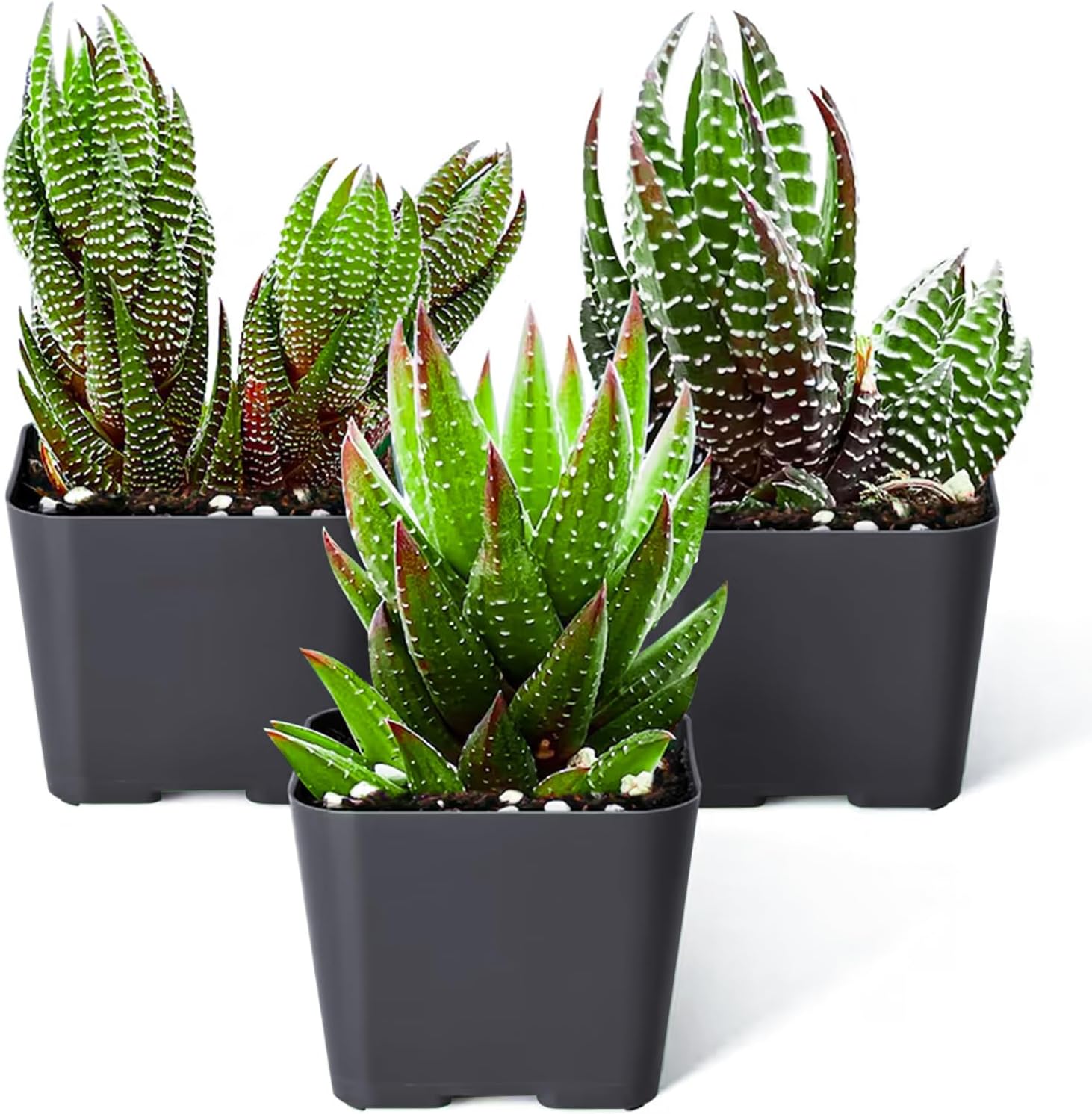
Sprout N Green Haworthia Collection — 3 Live Succulents in 2" Starter Pots
| Indoor Outdoor Usage | Indoor, Outdoor |
|---|---|
| Other Special Features of the Product | Drought Tolerant, Low Maintenance, Pet Friendly |
| Sunlight Exposure | Partial Shade |
| USDA Hardiness Zone | 10a – 11b |
| Unit Count | 3 Count |
This Haworthia collection delivers three small, fully rooted succulents in 2-inch starter pots that are ready to drop into a sunny windowsill, balcony tray, or mixed succulent planter. These plants are drought tolerant and low maintenance, so routine care is minimal: bright indirect light, sandy well-draining soil, and only moderate watering when the soil dries. Because they arrive established with a strong root system they are more resilient during the first weeks after potting and easier to transplant into larger containers if you want to grow them on. The pack is practical for creating a small patio grouping, a miniature container garden, or gifting as living party favors. Limitations are the small starter pot size and modest height, which means you will likely need to repot within a few months if you want fuller specimens; also leaf damage can occur in transit so expect some cosmetic variability. For buyers focused on easy patio plants, these provide a reliable low-effort option that adapts well to sheltered outdoor spots in mild climates.
Best for: Buyers who want low-effort, attractive patio or windowsill plants that require little daily care and can be grouped or potted up as needed.
Less Ideal for: Gardeners seeking large, mature specimens or instant full-screen patio coverage should choose larger plants or established container arrangements instead.
- Sold as a set of three established, fully rooted succulents ready to use
- Low maintenance and drought tolerant, suitable for busy owners
- Arrives in soil and starter pots so no immediate repotting is required
- Pet friendly variety and suitable for indoor or sheltered patio placement
- Plants come in small 2-inch starter pots and will need repotting for long-term growth
- Individual plants may show cosmetic leaf damage or leaf loss from shipping
Verdict: This three-pack of established Haworthia succulents is a simple, space-efficient choice for anyone who wants an easy, low-maintenance patio or windowsill planting.
Altman Plants 20-Pack Live Succulent Assortment (2" Pots)

| Indoor Outdoor Usage | Indoor, Outdoor |
|---|---|
| Moisture Needs | Little To No Watering |
| Sunlight Exposure | Full Sun |
| USDA Hardiness Zone | 5 |
This 20-pack from Altman Plants delivers a varied selection of 2" succulents intended for starting container displays, terrariums, or gifting. Each pack contains ten paired varieties such as Echeveria, Crassula, Sedum and others, so you get color and texture variety without sourcing plants individually. The plants are grown to be drought tolerant and prefer bright light and sandy, well-draining media, which makes them easy to place in small pots or mixed container gardens. Practical benefits include low watering needs, year-round interest, and visibly healthy nursery-rooted stock suited to DIY arrangements. Limitations to note are the small nursery pot size, so plan to pot up into larger containers for long-term growth, and full sun preferences mean some indoor spots may require very bright light or supplemental light. For container projects these give a quick, coordinated start but expect to replant or group them for mature displays.
Best for: Buyers who want a reliable, low-maintenance way to start multiple container displays or DIY succulent projects and who value visible social proof that the mix performs well for other gardeners.
Less Ideal for: Gardeners seeking mature, display-size specimens or those who need plants for consistently low-light indoor spots should consider larger, sun-tolerant varieties or shade-adapted houseplants instead.
- Twenty individually potted succulents provide immediate variety for mixed container arrangements
- Pairs of ten different varieties make it easy to create balanced, symmetrical plantings
- Low watering needs and drought tolerance reduce maintenance for container growers
- Suitable for both indoor and outdoor container use when given bright light
- Plants come in 2" nursery pots and will need repotting for sustained growth
- Many varieties prefer full sun, which can limit bright indoor placement options
Verdict: A convenient, low-maintenance 20-pack that gets container succulent projects started quickly with a variety of ready-to-pot plants.
THE NEXT GARDENER Baby Toes Succulent, 4-inch Potted, Fully Rooted

| Indoor Outdoor Usage | Indoor |
|---|---|
| Other Special Features of the Product | Low Maintenance |
| Expected Blooming Period | Winter to Spring |
| Sunlight Exposure | Partial Sun |
| Moisture Needs | Moderate Watering |
This Baby Toes succulent arrives fully rooted in a 4-inch grower pot and is designed for easy indoor care. It thrives in bright, indirect to partial sun and uses a sandy, well-draining mix so you can follow a simple soak-and-dry watering routine. The plant is drought-tolerant and only needs moderate watering once the soil dries, making it a good choice for a windowsill, desk, or tabletop. Notable features include its low-maintenance habit, winter-to-spring bloom window for those who get flowers, and clear recovery tips for common problems like freezing, over-drying, or rough transit. Practical benefits are minimal attention required, resilience to short periods of neglect, and attractive, compact form suited to small spaces. Limitations to expect are the small pot size on arrival, which may require repotting as it grows, and the need for consistent bright light to maintain color and form; in low-light rooms the plant will stretch and lose vibrancy. For buyers who prefer forgiving houseplants, this is an accessible option with straightforward care guidelines.
Best for: Buyers who want a fuss-free, resilient indoor succulent for a windowsill or small space and prefer plants that tolerate occasional missed waterings and simple care routines.
Less Ideal for: People looking for large, immediate-impact houseplants or those with consistently low-light rooms where succulents will etiolate and lose color.
- Fully rooted in a 4-inch grower pot ready to display or repot
- Low-maintenance and drought-tolerant, suitable for infrequent watering
- Prefers bright, indirect or partial sun which fits common indoor locations
- Comes with care advice for recovery from cold, dehydration, or transit damage
- Arrives in a small grower pot that may need repotting for long-term growth
- Requires consistent bright light to keep compact shape and good color
Verdict: A compact, fully rooted Baby Toes succulent that makes a low-effort, attractive addition to bright indoor spots for buyers who want a reliable, easy-care plant.
Choosing the Right Plants for Small Pots: Key Factors to Consider
Light Requirements
Light is the single most important factor for container success. Small pots hold little soil and offer limited buffering for plants stressed by low light, so choosing species that match the available brightness prevents leggy growth and weak foliage. Shade-tolerant plants will survive with indirect window light but may grow slowly; sun-loving species in a small pot will need regular rotation and may require more frequent watering.
Assess the actual hours of direct sun you get and compare that with the plant's needs. Remember that light intensity at a balcony can be harsher than an indoor sill, so a plant labeled 'full sun' outside might need partial shade indoors. Matching light needs reduces stretch, lowers pest pressure, and minimizes corrective pruning.
Watering and Soil Moisture
Small pots dry out much faster than larger containers because they hold less water and expose more surface area to air. Watering frequency becomes a central maintenance consideration, especially in warm months or on exposed balconies. Choose plants with watering needs that align with how often you can realistically check them.
Use well-draining potting mixes to avoid waterlogging and root rot. For plants that prefer evenly moist media, pick slightly larger top-dressing or self-watering strategies to reduce daily attention. Mulch is less effective in tiny pots, so adjust watering schedule rather than relying on surface covers.
Root Space and Growth Habit
Plants for Small Pots should either have naturally compact root systems or tolerate root confinement without rapid decline. Some species slow down growth when root-bound and maintain healthy foliage; others become stressed and stop flowering. Understanding whether a plant is a 'container-friendly' species influences how often you will need to repot or divide it.
Opt for plants described as clump-forming, rosette-forming, or trailing rather than those that develop large taproots or aggressive woody roots. If you prefer long-term container specimens, plan for periodic root pruning or pot-ups as part of seasonal care.
Feeding and Nutrient Needs
Small pots have limited nutrient reserves, so regular feeding is often necessary to sustain growth, especially for flowering or fruiting plants. The type and frequency of fertilizer will differ depending on whether a plant is a light feeder or heavy feeder. Slow-release granules can help reduce the number of interventions, while liquid feeds allow fine-tuning during active growth.
Consider nutrient needs in context with watering. Heavy feeding without adequate drainage increases the risk of salt buildup and root burn. Choose plants with moderate feeding requirements if you prefer low-maintenance care.
Temperature and Microclimate
Small pots change temperature more rapidly than the ground. Soil in a small container heats up and cools down faster, which can stress roots during heat waves or cold snaps. Plants that tolerate fluctuating temperatures or that are hardy within your local microclimate are preferable for tiny pots exposed on balconies or windowsills.
If you keep pots close to doors or vents, be mindful of drafts and temperature swings. For exposed locations, use insulating pot materials or move containers to protected spots during extreme weather to extend plant health.
Maintenance and Propagation Ease
Maintenance time is a realistic constraint for many gardeners with small-space plantings. Plants that respond well to light pruning, are easy to propagate from cuttings, or that naturally stay compact reduce ongoing workload. Consider how much time you are willing to spend on deadheading, trimming, and occasional repotting.
Plants that propagate easily allow you to refresh containers without purchasing replacements. Ease of propagation also makes it simpler to scale a small collection or to share cuttings with other gardeners.
Best Potting Mixes and Amendments for Small Containers
A potting mix optimized for small pots balances drainage and moisture retention. Aim for a blend that contains high-quality organic matter, a coarse component such as perlite or grit for aeration, and a light moisture-retentive element like coconut coir or peat-free fiber.
Avoid garden soil or heavy mixes that compact in shallow containers. For plants needing more moisture, add composted bark or a small proportion of water-retentive crystals. For succulents and other drought-tolerant types, include extra coarse sand or pumice to speed drying.
- Use a fine-textured mix to fill tiny pots without leaving large air pockets.
- Pre-moisten mixes before planting to ensure even settling.
- Consider a top-dressing of fine gravel for trailing or rosette plants to reduce splash and soil loss.
Choosing Pot Material and Size
Material matters in small pots because it influences water retention and temperature. Terracotta breathes and speeds drying, which is helpful for drought-tolerant plants but demands more frequent watering. Plastic or glazed ceramic holds moisture longer and is often better for moisture-loving species.
Size should match the plant's root ball with slight room for growth. A pot that is too deep can hold excess water and increase rot risk, while a pot that is too shallow can limit root development and cause stress. For shelf displays, prioritize width over depth for many small-rooted species.
- Match pot material to the plant's water needs.
- Pick a slightly wider pot for trailing plants to allow lateral growth.
- Ensure adequate drainage holes are present or add a thin drainage layer.
Watering Strategies for Busy Gardeners
Establish a simple watering routine based on the plant's needs and potting mix. For most small pots, the fingertip test or a moisture meter helps prevent over- or under-watering. Water deeply until excess drains, then allow the top portion of the mix to dry to the plant's preferred level.
Use self-watering inserts sparingly; they can reduce daily care but may keep media too wet for some species. Grouping pots with similar watering needs makes irrigation more efficient and reduces the risk of applying the wrong schedule to a particular plant.
- Check moisture at the root zone, not just the surface.
- Water in the morning to reduce disease risk from nighttime moisture.
- Adjust frequency seasonally-less in cool months, more in heat.
Container Styling and Placement Tips
Arrange small pots to maximize visual impact. Pair plants with different textures and heights to create depth on a ledge or balcony. Consider trailing plants in front to soften edges and compact, upright plants behind for structure.
Placement affects microclimate: balconies facing south will be warmer and drier, north-facing spots cooler and shadier. Rotate pots periodically to keep growth even and to expose all sides to available light.
- Use saucers or drip trays to protect surfaces and to catch excess water.
- Group pots by light and watering needs for easier care.
- Elevate some pots on stands to create layers and improve airflow.
Seasonal Care and Overwintering Small Pots
Small pots are more vulnerable to winter freeze and summer heat. In cold climates, move sensitive pots indoors or into sheltered microclimates before sustained freezes. Reduce watering and stop fertilizing as growth slows in autumn.
In hot weather, provide afternoon shade and increase watering frequency for thirsty species. For overwintering, consider temporarily potting into slightly larger containers with insulating material or grouping pots together to moderate temperature swings.
- Plan seasonal moves in advance to avoid last-minute stress.
- Reduce repotting in late fall to avoid stimulating tender new growth.
- Monitor for pests that can exploit indoor overwintering conditions.
How We Chose the Best Plants for Small Pots
We shortlisted plants that reliably perform in containers under roughly 6 to 8 inches of soil depth and that tolerate the typical constraints of small-pot culture. Selection emphasized plants with compact root systems or naturally slow, contained growth so they require less frequent repotting and smaller containers. We favored species and varieties known for predictable habit in pots rather than those that only perform in ground beds. Evaluation criteria focused on measurable gardener concerns: light tolerance, watering frequency and drought resilience, growth habit and pruning tolerance, disease and pest resistance in container conditions, and ease of propagation for replacing specimens. We also considered seasonal interest-flowering or foliage appeal across the year-and how much routine maintenance each plant needs. Plants showing invasive root behavior, strict large-container requirements, or highly specialized greenhouse-only needs were excluded. We did not include cultivars that require professional grafting or those that need specific soil chemistry unavailable to most casual gardeners.
FAQ
Can any plant be grown in a very small pot?
Not every plant adapts well to tight root confinement. Species with small, fibrous root systems or naturally compact habits do best. Large taprooted or vigorous woody plants typically struggle unless frequently root-pruned or repotted.
How often will small pots need watering compared with larger ones?
Small pots usually need watering more often because they hold less moisture. Frequency depends on pot material, exposure, and plant type, but expect daily to every-other-day checks in warm, sunny conditions and less frequent watering in cool, shaded spots.
Are self-watering pots a good option for small containers?
Self-watering pots can reduce daily maintenance but may keep media too wet for drought-tolerant plants. They work best for moisture-loving species or for gardeners who prefer less frequent hands-on care, provided drainage and reservoir management are monitored.
How do I prevent root rot in small pots?
Use a well-draining potting mix, ensure drainage holes are clear, and avoid constant saturation. Water based on the plant's moisture needs rather than a fixed schedule, and repot into fresh mix if the media becomes compacted or shows signs of poor drainage.
When should I repot a plant in a small pot?
Repot when roots emerge from drainage holes, the plant becomes top-heavy, or growth stalls despite proper care. Many container-friendly plants tolerate being root-bound for a season, but swapping to fresh soil or pruning roots will refresh vigor when needed.
Can I grow edible herbs in very small pots?
Yes, many culinary herbs do well in small pots if they receive adequate light and regular feeding. Herbs with compact habits are best; vigorous types may need pinching back or periodic trimming to stay healthy in small containers.
Final Verdict
For small-pot gardening, prioritize plants that tolerate limited root volume, match your light and watering rhythms, and require the maintenance level you can commit to. The key tradeoffs are between visual impact and how much time you will spend watering, feeding, and pruning. Focus first on matching light and water needs, then pick pot material and size that suit those requirements. With proper soil, routine checks, and seasonal adjustments, small pots can deliver long-lasting, attractive plantings that fit any tight space.
