

Note: This article contains affiliate links. If you click on these links and make a purchase, I may earn a small commission at no extra cost to you. This helps support my research and content. Read my full affiliate disclosure here.
Choosing the right natural fertilizer for container plants matters because pots are a limited, closed environment where nutrients and moisture behave differently than in open garden beds. A fertilizer that works well in soil can be too strong or too weak in a pot, and feeding mistakes show up quickly in leaf scorch, stunted growth, or poor flowering. This guide gathers six top natural fertilizers suited to container growing and explains how each option addresses nutrient needs, salt buildup, and watering compatibility. We shortlisted products that match common container situations and evaluated them on nutrient balance and ease of use so you can pick a feeding approach that fits your routine.
Top Picks at a Glance
| Best Quality Built to a higher standard if you want something more solid | Down To Earth Bio-Live Organic Starter & Transplant Fertilizer, 5-4-2 (4 lb) |  |
| Best Value The sweet spot between price and what you get | Grow Queen Organic Liquid Indoor Plant Food 5-5-5 with Sea Kelp, 8 oz | 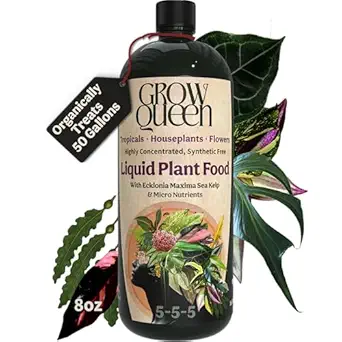 |
| Best Budget The cheapest option that still gets the job done reliably | Miracle-Gro Organic Liquid Plant Food, 32 fl. oz. |  |
| Most Popular A crowd favorite that many people choose with confidence | Purived All-Purpose Liquid Houseplant Fertilizer, 16 fl oz (Makes 50 Gallons) |  |
| Best Seller A high-volume bestseller chosen again and again | TPS NUTRIENTS Indoor Plant Food Liquid Fertilizer, 8 fl oz |  |
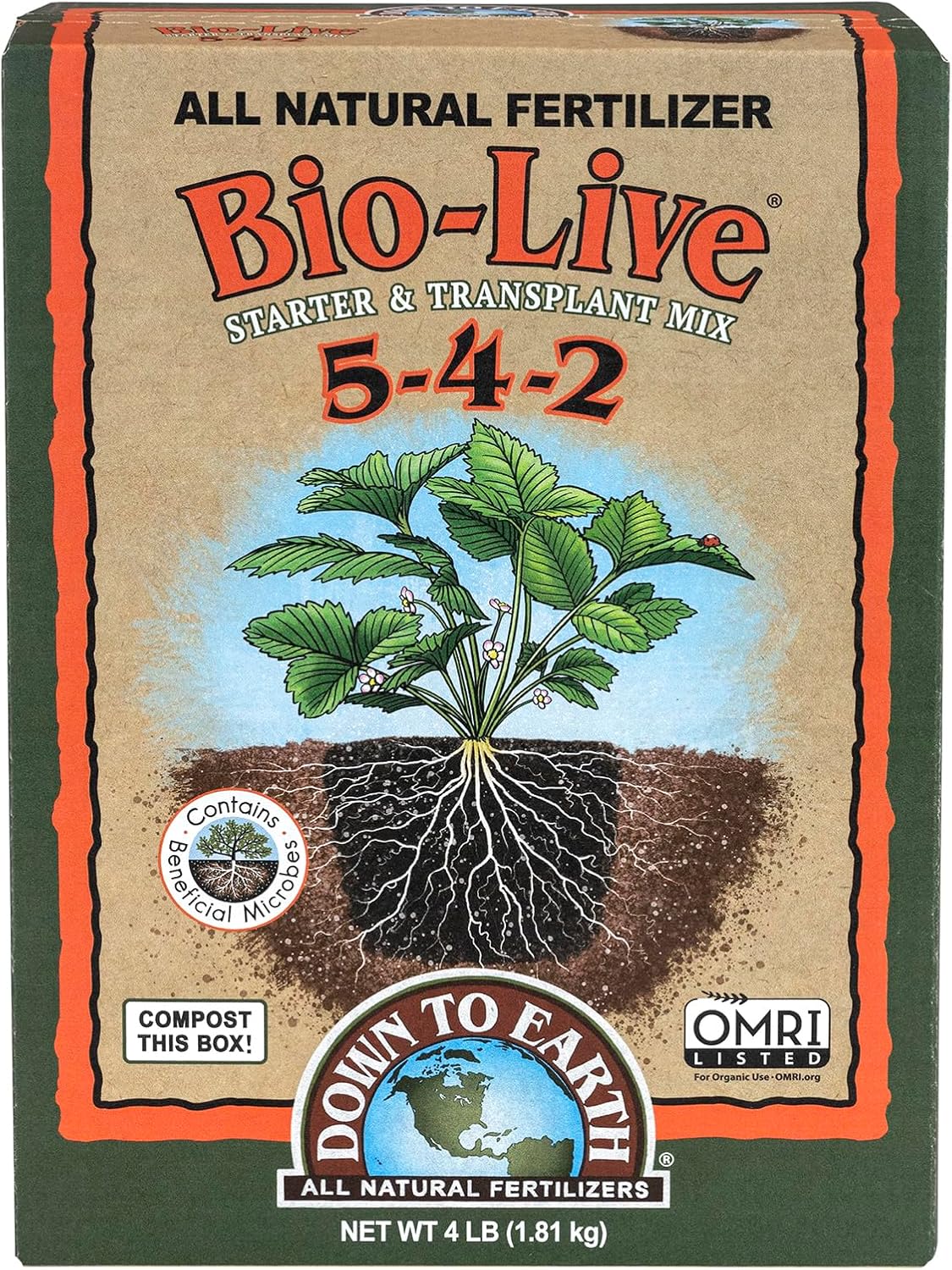
Down To Earth Bio-Live Organic Starter & Transplant Fertilizer, 5-4-2 (4 lb)
| Item Form | Powder |
|---|---|
| Application Method | soil drench |
| Coverage | 80 square feet |
| Mixing Ratio | 5:4:2 |
| Specific Uses For Product | Plant Growth |
Down To Earth Bio-Live is a granular organic starter and transplant mix designed to be worked into potting soil, garden beds, or soilless mixes to promote root development and early vigor. It combines marine- and plant-based meals with langbeinite, humates, seaweed, mycorrhizal fungi, and beneficial bacteria so planted roots make direct contact with both nutrients and inoculants. Typical use is pre-plant incorporation for containers or garden transplants and occasional soil drenches; the package lists a 5:4:2 mixing ratio and coverage around 80 square feet for the 4 lb unit. The practical benefits are stronger root colonization, improved early growth for seedlings and transplants, and organic nutrient sources that work with soil biology rather than supplying quick-release salts. Limitations to note are that it is not water soluble and must be mixed into the medium for best effect, the beneficial microbes have limited shelf life so storage matters, and the 4 lb box covers a modest area so larger container programs will need multiple units or larger sizes.
Best for: Serious container gardeners and vegetable growers who prioritize long-term plant performance and want an organic starter mix that strengthens roots and soil biology before planting.
Less Ideal for: Gardeners who need an immediate soluble fertilizer for foliar feeding or quick correction of nutrient deficiencies should consider a water-soluble product instead.
- Includes mycorrhizal fungi and beneficial bacteria to boost root colonization
- Uses marine and plant meals plus seaweed and humates for slow organic nutrition
- OMRI-listed formulation suitable for organic container growing
- Designed for pre-plant incorporation so nutrients and inoculants contact roots directly
- Not water soluble so cannot be used as a quick liquid feed
- Contains perishable microbes that lose efficacy after about two years if not stored properly
Verdict: Choose this product if you want an organic starter fertilizer that builds strong root systems and soil biology for better container plant performance.
Grow Queen Organic Liquid Indoor Plant Food 5-5-5 with Sea Kelp, 8 oz

| Item Form | Liquid |
|---|---|
| Mixing Ratio | 1:1 |
| Specific Uses For Product | Plant Growth |
| Application Method | Watering |
| Target Species | Plants |
Grow Queen's 8 oz concentrated liquid plant food is a balanced 5-5-5 organic fertilizer designed for regular use on houseplants, tropicals and container gardens. You mix one capful (about 4 ml) per gallon of water and either drench the soil or apply as a foliar mist every one to three weeks, which makes it straightforward to fold into a weekly watering routine. The formula includes Ecklonia maxima sea kelp and trace micronutrients, which help support greener foliage, stronger stems and root development without the burning risk of high-strength synthetic feeds. At the stated dilution the bottle treats up to 50 gallons so it will last a small collection for months. It is also labeled safe for aerated hydroponic systems when reservoirs are changed regularly, though it can form a film in stagnant water so fresh mixes are recommended. The product has an earthy ocean scent from real kelp and excludes perfumes and dyes, but that natural smell may bother some users. Directions are simple and the fertilizer pairs well with slow-release feeds for longer-term nutrition.
Best for: Buyers who want a simple, one-bottle solution to feed a mixed collection of houseplants regularly and prefer organic ingredients and seaweed benefits.
Less Ideal for: Growers who need precision nutrient formulas for specific flowering or high-yield vegetable crops or those who require ready-to-use sprays without mixing.
- Balanced 5-5-5 NPK suitable for general indoor plant feeding
- Concentrated formula stretches up to 50 gallons from an 8 oz bottle
- Contains sea kelp and micronutrients to promote foliage color and root strength
- Safe for regular use at recommended dilution with low burn risk
- Natural kelp scent may be noticeable indoors
- Can form a film in standing water so not ideal for non-aerated reservoirs
Verdict: A concentrated, easy-to-use organic 5-5-5 liquid fertilizer with sea kelp that provides straightforward, all-purpose nutrition for indoor plant collections.
Miracle-Gro Organic Liquid Plant Food, 32 fl. oz.

| Item Form | Liquid |
|---|---|
| Application Method | Soak the soil around each plant |
| Liquid Volume | 32 |
| Mixing Ratio | 2:1 |
| Ingredients | 1(N)-0.5(P)-1(K) |
Miracle-Gro Organic Liquid Plant Food is a ready-to-mix, plant-based fertilizer designed for regular feeding of houseplants, container plants and in-ground garden beds. The concentrate is diluted with water (manufacturer directions call for 2 capfuls per gallon for outdoor use and 1 capful per gallon for some indoor uses) and applied by soaking the soil around each plant. It is OMRI listed and made from about 94% plant-based ingredients, which makes it suitable for gardeners looking for an organic option that acts quickly. Practical benefits include easy mixing, clear dosing lines on the cap, and broad compatibility with flowers, vegetables, herbs and potted plants. Because it is a liquid feed you can see effects faster than slow-release granules and it is convenient for regular fortnightly or weekly feedings during the growing season. Limitations are that you must mix and apply frequently to maintain results and a single 32 fl. oz. bottle yields a finite amount of diluted solution, so heavier feeders or larger plots may need multiple bottles over a season.
Best for: Gardeners who want an affordable, certified organic liquid fertilizer that is simple to mix and use regularly on houseplants, containers, and small vegetable or flower beds.
Less Ideal for: People managing large landscape areas or heavy-feeding vegetable plots who prefer low-maintenance, slow-release options that require fewer applications.
- OMRI listed and made with about 94% plant-based ingredients
- Liquid concentrate mixes easily and feeds plants quickly when watered in
- Clear dosing instructions and cap markings simplify dilution
- Suitable for indoor and outdoor use across flowers, vegetables, herbs and shrubs
- Requires frequent reapplication compared with slow-release fertilizers
- A single 32 fl. oz. bottle may not be economical for large gardens
Verdict: A practical, OMRI-listed liquid concentrate that delivers plant-based nutrition quickly and is best for gardeners who will feed regularly on containers and small beds.
Purived All-Purpose Liquid Houseplant Fertilizer, 16 fl oz (Makes 50 Gallons)

| Item Form | Liquid |
|---|---|
| Application Method | soil drench, foliar feed, full & semi hydroponics |
| Target Species | Houseplants |
| Mixing Ratio | 320:1 |
Purived All-Purpose Liquid Houseplant Fertilizer is a concentrated 16 fl oz bottle that mixes 1 cap per gallon to treat up to 50 gallons of water. It is formulated for indoor potted plants and supports multiple application methods including soil drench, foliar spray, and full or semi-hydroponics, so you can use the same product whether you water, mist, or run nutrient solutions. The formula lists primary macronutrients and a range of micronutrients, which helps correct common deficiencies and supports steady growth when used at the recommended dilution. Practical benefits include an easy-to-follow mixing ratio, an odorless solution that is simple to store, and broad compatibility with different feeding routines. Important limits are that the label gives no N-P-K percentages, so precise nutrient planning for sensitive seedlings or specialty plants is not possible, and safety precautions mean you must handle and store it carefully. For new plants, start at or below the recommended dilution and observe growth before increasing frequency.
Best for: Buyers who want a versatile, no-fuss fertilizer for establishing and maintaining new houseplants and who value a single product that works across watering, misting, and basic hydroponic setups.
Less Ideal for: Growers who need exact N-P-K formulations for seedlings, specialty plants, or strict hydroponic nutrient regimens should consider a product with full nutrient breakdown and concentration details.
- Very concentrated so one bottle treats up to 50 gallons, reducing repurchase frequency
- Suitable for multiple application methods: soil drench, foliar feed, and hydroponics
- Includes a range of micronutrients in addition to primary NPK components
- Simple, clear mixing ratio (320:1) that is easy to follow
- No N-P-K ratio listed on the product information, limiting precise nutrient management
- Requires careful handling and storage due to safety warnings
Verdict: A concentrated, easy-to-use all-purpose fertilizer that covers feeding, foliar, and basic hydroponic needs for new houseplants.
TPS NUTRIENTS Indoor Plant Food Liquid Fertilizer, 8 fl oz

| Item Form | Liquid |
|---|---|
| Specific Uses For Product | Plant Food |
| Application Method | Watering can |
| Mixing Ratio | 2:1 (oz/gallon) or 1:64 (tbsp/gallon) |
TPS NUTRIENTS Indoor Plant Food is a concentrated liquid fertilizer made for regular use with houseplants. You mix the measured dose into water and apply it with your usual watering can; the label gives an easy mixing ratio for household use. Its kelp-enriched formula is pitched at improving leaf color, encouraging steady new growth, and supporting root health, so expect glossier foliage and more frequent leaf production when plants are fed consistently. The 8 fl oz bottle is portable and fits on a plant shelf or utility area, and the liquid form dissolves readily for even application. It is intended for medium coverage and labeled as gentle for weekly feeding, which simplifies care for busy owners. Important limitations are that this is a small bottle meant for regular top-up feedings rather than long-term bulk use, and it assumes you will follow dilution directions to avoid overfeeding. Keep it away from children and pets and avoid skin or eye contact when handling.
Best for: Plant owners who want a simple, low-effort weekly fertilizer to keep indoor foliage vibrant and encourage steady new leaf growth. Good for people who prefer an easy liquid mix applied during regular watering routines.
Less Ideal for: Gardeners needing a bulk or multi-season fertilizer for outdoor beds or large collections should consider larger-capacity or specialized products instead.
- Liquid concentrate mixes easily for even application with a watering can
- Kelp-enriched formula aimed at improving foliage color and encouraging new growth
- Gentle enough for weekly feedings according to product guidance
- Clear mixing instructions for home use
- Small 8 fl oz volume limits how many plants you can feed before repurchasing
- Not formulated or labeled for outdoor or large-scale garden use
Verdict: A convenient kelp-enriched liquid concentrate that makes weekly feeding easy for anyone who wants healthier, more vibrant indoor foliage.
Choosing the Right Natural Fertilizer for Container Plants: Key Factors to Consider
Nutrient Balance and Ratios
Container plants live in a confined volume of potting mix, so the balance of nitrogen, phosphorus, and potassium affects growth in clear ways. Nitrogen supports leafy growth, phosphorus helps root establishment and bloom set, and potassium improves overall vigor and stress tolerance. A natural fertilizer with a balanced N-P-K ratio or a clearly stated slow-release profile makes it easier to avoid one-dimensional feeding that encourages lots of foliage at the expense of blooms.
Micronutrients like iron, magnesium, and calcium are also important in containers because small pots can become depleted quickly. Look for products that list these trace elements or combine with a comprehensive potting mix to prevent deficiencies.
Solubility and How It Behaves in Pots
How a fertilizer dissolves determines how often you need to water and feed container plants. Water-soluble natural feeds deliver nutrients quickly but can wash out or build up salts if used excessively. Slow-release granules or coated organic pellets release nutrients gradually, which suits long-term containers but may be slower to correct an existing deficiency.
Think about your watering routine. If you water heavily and frequently, a slow-release product that resists quick leaching is helpful. If you want immediate correction for a yellowing leaf or poor bloom set, a soluble feed is more practical. The best choice avoids rapid swings in available nutrients that stress roots in confined containers.
Residue, Salt Buildup, and Repotting Frequency
Containers concentrate salts and undecomposed material. Natural fertilizers that leave gritty residue or rely on high-salt ingredients can increase electrical conductivity in the potting mix and damage sensitive roots. Over time this residue forces more frequent leaching or repotting to restore balance.
Choose fertilizers that either have low salt indices or recommend safe leaching intervals. Regularly flushing pots with plain water can mitigate buildup, but selecting a feed that minimizes residue reduces maintenance and the chance of root burn.
Application Convenience and Compatibility
Application method affects how likely you are to feed consistently. Liquid concentrates and water-soluble powders mix into the irrigation water and are simple to dose, while granules and spikes require less frequent attention but must be placed correctly in the pot to feed roots evenly. Consider how the fertilizer fits your pot sizes, plant types, and whether you use drip irrigation or hand-watering.
Also check compatibility with your potting mix and any other amendments you use. Some natural feeds work best when combined with compost or mycorrhizae, while others are intended as standalone top-dressings.
Odor, Pest Attraction, and Outdoor Suitability
Some natural fertilizers use animal byproducts or fish-based ingredients that are nutrient-rich but can smell or attract pests. On a balcony, patio, or indoor windowsill, odor and attraction to animals matter. Products with strong scents may limit where you position pots or require more careful storage.
For outdoor containers, consider whether wildlife or insects are drawn to the fertilizer. Choosing less aromatic options or incorporating the material below the soil surface can reduce unwanted attention while still providing benefits.
Release Speed and Seasonal Timing
Containers need different feeding schedules through the seasons. Fast-release natural feeds give a quick nutrient boost that is useful during active growth and bloom periods. Slow-release options provide a steady baseline and reduce the need for frequent applications. Matching release speed to the plant's growth habit and the season prevents overfeeding during dormancy and supports peak performance when plants need it most.
Understand the expected release timeline on the label or product information so you can align feeding with repotting and pruning cycles.
When to Feed Container Plants
Timing feeding to plant growth and local climate reduces stress in pots. Start light feeding in spring when new growth begins and reduce applications in late summer or fall as growth slows. Tropical houseplants with year-round growth may need a gentler, steady schedule.
Adjust frequency after repotting because fresh potting mix often contains starter nutrients. Wait a few weeks before applying concentrated feeds so roots can settle and avoid nutrient shock.
- Increase frequency during bloom or active growth
- Hold back during dormancy or slow growth
- Flush pots occasionally to control salt buildup
How to Apply Different Natural Feed Types
Liquid feeds and water-soluble powders mix with water and reach roots quickly. Measure carefully and apply at the recommended dilution to avoid over-concentration. Apply during a regular watering session so moisture distribution stays even.
Granules, pellets, and spikes give slow, steady nutrition. Place them near the root zone but not touching the stem crown. Rotate placement when top-dressing to encourage even root access.
Top dressings like compost or worm castings add nutrients and improve texture, but they release more slowly and may need to be combined with a soluble feed to correct immediate deficiencies.
- Dilute soluble feeds to container-safe strengths
- Place slow-release granules evenly around root ball
- Top-dress lightly and mix into the top inch of soil
Managing Salts and Preventing Root Burn
Salt buildup is a common container problem with frequent feeding. To manage salts, water thoroughly until runoff every few weeks to flush accumulated minerals. Use a low-salt feed if you notice leaf-tip browning or poor water uptake.
When repotting, inspect the root zone for white crust or compacted residue and refresh the potting mix as needed. Choosing fertilizers with lower soluble salt content reduces how often you must flush or repot.
- Flush pots monthly under heavy feeding schedules
- Repot every 1 to 3 years depending on plant and pot size
- Monitor leaf tips and new growth for salt stress
Pairing Feed with Potting Mix and Water Quality
Your potting mix and local water chemistry interact with fertilizers. Soft water leaches salts more readily; hard water can contribute additional minerals that change nutrient balance in the pot. Account for irrigation water when deciding feed frequency and concentration.
Match fertilizer type to your potting mix. Soilless mixes drain quickly and may need more frequent feeding, while mixes with organic matter hold nutrients longer. Adjust feeding schedules accordingly.
- Test irrigation water if you suspect high mineral content
- Choose slow-release for quick-draining mixes
- Top up organic mixes with light soluble feeds during peak growth
Safe Storage and Handling for Natural Fertilizers
Natural fertilizers can be hygroscopic or attract pests if stored improperly. Keep containers sealed, dry, and away from direct sunlight. Store near your garden tools so you apply fresh product and minimize exposure to moisture that causes clumping or fermentation.
Follow label guidance for shelf life and avoid keeping organic wet materials in enclosed spaces where they can rot and produce odor. Proper storage preserves nutrient integrity and reduces pest attraction.
- Use airtight containers for bulk materials
- Label storage dates and discard degraded material
- Store away from children and pets
How We Chose the Best Natural Fertilizer for Container Plants
We prioritized practical, container-focused criteria that matter in a potting environment. Nutrient balance was central: fertilizers must supply macro- and micronutrients in proportions that support foliage, root health, and flowering without causing salt buildup in limited potting mixes. Application method was another key filter, since liquid feeds, slow-release granules, and water-soluble blends behave differently in containers and affect how often you water and repot. Solubility and residue mattered because insoluble or high-salt products can compact and harm roots in small pots. Organic sourcing and ingredient transparency were considered to favor options gardeners can recognize and manage safely. We also looked at scent and potential for attracting pests, since some natural materials can draw insects or create odor issues on patios. Exclusions: we did not include synthetic chemical fertilizers, products intended only for large-scale agricultural use, or amendments that require extensive composting before they are safe for container use. The final short list reflects products that matched these filters and performed well across nutrient profile, ease of application, solubility/residue, and container-appropriate release rates.
FAQ
How often should I feed container plants with a natural fertilizer?
It depends on the feed type and plant needs. Water-soluble natural feeds are often applied every 1 to 4 weeks during active growth. Slow-release granules can last several months to a year. Monitor plant vigor and leaf color to adjust frequency.
Can I use compost or worm castings alone in pots?
Compost and worm castings are excellent for improving texture and supplying slow nutrients, but they may not provide all needed elements quickly. They work best combined with periodic soluble feeding or when repotting into a richer mix.
Will natural fertilizers attract pests to my balcony or patio?
Some natural feeds containing fish or manures can attract pests or cause odor, especially in warm weather. Choosing low-odor options, incorporating materials into the soil, and storing product securely reduces attraction.
How can I tell if my container has salt buildup from fertilizer?
White crust on the soil surface, leaf-tip browning, and slow water infiltration are common signs. Flush the pot thoroughly with water until runoff is clear and consider switching to a lower-salt feed if issues persist.
Is slow-release natural fertilizer safe for young seedlings in pots?
Seedlings are sensitive to concentrated nutrients. Use very mild or diluted feeds and opt for gentle water-soluble or light compost top-dressing rather than full-strength slow-release granules until plants are established.
Final Verdict
For container plants, prioritize gentle, container-appropriate nutrition that matches your watering habits and potting mix. Balance nutrient ratios, watch for salt buildup, and choose a release speed that fits seasonal growth and repotting cycles. Applying the right type at the right frequency and storing materials properly keeps pots healthy without excess maintenance. Focus on the practical tradeoffs described here to pick a natural fertilizer that supports steady growth and robust flowering in your containers.
