

Note: This article contains affiliate links. If you click on these links and make a purchase, I may earn a small commission at no extra cost to you. This helps support my research and content. Read my full affiliate disclosure here.
Selecting the right playground ground cover changes how a play area performs day to day. The surface affects fall protection, drainage after storms, upkeep time, accessibility for strollers and wheelchairs, and how the space handles heavy use. This guide looks at seven shortlisted playground ground covers that fit common site conditions from home yards to community parks. We evaluated each option for impact absorption, long-term durability, maintenance needs, and accessibility. Below you will find practical notes to match a surface to your playground size, budget, and safety priorities, followed by focused decision guidance.
Top Picks at a Glance
| Best Overall The best all-around choice for most situations | Playsafer Heavy Duty Commercial Rubber Playground Wear Mat, 1.5" Thick, 36 x 36 in |  |
| Best Quality Built to a higher standard if you want something more solid | Playsafer Heavy-Duty Commercial Rubber Playground Safety Mat, 2" Thick |  |
| Best Value The sweet spot between price and what you get | Harmiden Recycled Rubber Mulch Mat Roll, 8 ft x 2 ft (2-Pack) |  |
| Highest Rated A top-rated pick with lots of positive feedback | Gorilla Playsets Protective Rubber Mats (Pair) |  |
| Most Popular A crowd favorite that many people choose with confidence | Playsafer Rubber Mulch Nuggets (40 lb bag) |  |
Playsafer Heavy Duty Commercial Rubber Playground Wear Mat, 1.5" Thick, 36 x 36 in

| Material | Rubber |
|---|---|
| Unit Count | 1 Count |
| Manufacturer | Playsager |
| Item Weight | 55 pounds |
| Product Care Instructions | Hand Wash Only |
This Playsafer commercial wear mat is a dense rubber square intended to add an extra layer of protection in high-traffic playground spots like under swings and at the base of slides. At 1.5 inches thick the mat provides noticeable shock absorption and a firm walking surface, while the textured web bottom improves grip and helps keep the mat in place. Typical uses include placing one or more mats under swing seats, at slide exits, or creating a small cushioned zone on pathways and patios. The mat’s heavy-duty construction makes it durable for repeated foot and play traffic and it can double as outdoor flooring for play areas or a home gym. Limitations are its weight and bulk which make positioning one person’s task-heavy, and the product is a single 36 x 36 panel so achieving full coverage requires multiple mats. Care is simple but hand-washing is recommended rather than machine cleaning.
Best for: Buyers who want a robust, long-lasting cushioning solution for focused high-impact spots on a playground and who prioritize safety and durability over lightweight convenience.
Less Ideal for: Those needing lightweight, easily moved padding or who want to cover large playground areas on a tight budget without buying multiple panels.
- Commercial-grade rubber construction for durable, long-lasting cushioning
- 1.5 inch thickness gives real impact absorption for swings and slides
- Textured web bottom improves traction and helps resist shifting
- Versatile uses beyond playgrounds such as patios, pathways, or home gym flooring
- Heavy and bulky which makes single-person installation and repositioning difficult
- Single 36 x 36 panel means multiple mats are required for larger coverage
Verdict: Choose this heavy-duty rubber wear mat when you need concentrated, commercial-grade cushioning and traction beneath swings or slides.
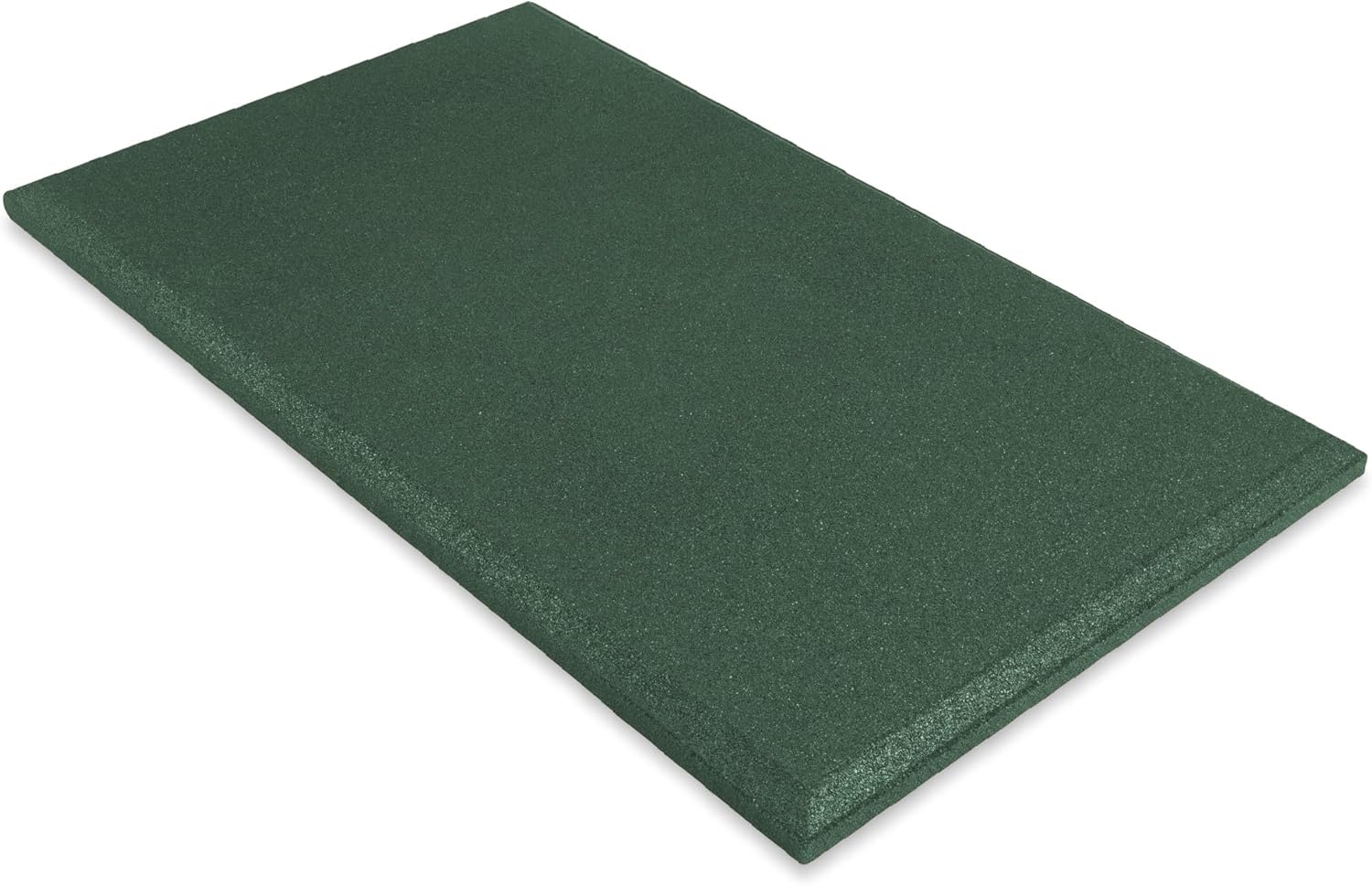
Playsafer Heavy-Duty Commercial Rubber Playground Safety Mat, 2" Thick
| Material Type | Rubber |
|---|---|
| Item Thickness | 2 inches |
| Included Components | RUBBER MAT |
| Item Type Name | Rubber Pad |
This Playsafer commercial rubber safety mat is a dense 2-inch pad intended to reduce impact from falls in playgrounds, daycare centers, gyms, and other high-traffic play surfaces. Typically installed under swings, slides, or play structures, the mat provides consistent cushioning and traction thanks to its full-rubber construction and textured surface. Its 100% recycled rubber composition makes it non-toxic and weather-resistant, and cleaning is straightforward with a hose and mild soap. The mat’s solid rectangular shape and heavy weight keep it in place without frequent adjustments, which helps when you need reliable performance in busy outdoor settings. Important limitations are its substantial weight and fixed size, which make handling and placement a two-person job and reduce flexibility compared with loose-fill surfacing or interlocking tiles. It also must be kept away from open flames and will require planning for edging or seams if covering larger areas.
Best for: Buyers who need a low-maintenance, high-performance safety surface for a specific landing zone or individual play feature and prioritize durability and impact protection over easy portability.
Less Ideal for: Those planning to cover large irregular areas, customers who need lightweight or modular surfacing for frequent reconfiguration, and small-space gardeners repurposing product types not intended for plant beds.
- Commercial 2-inch thickness for reliable shock absorption in playground settings
- Made from 100% recycled rubber and labeled non-toxic for safer play surfaces
- Durable construction suitable for high-traffic indoor or outdoor use
- Easy to clean by hosing off with water and mild soap
- Very heavy single-piece mat which makes handling and installation difficult for one person
- Fixed rectangular dimensions limit coverage flexibility and require seams or edging for larger areas
Verdict: Choose this mat when you want a heavy-duty, maintenance-light rubber safety surface that delivers dependable commercial-grade impact protection for a focused playground area.
Harmiden Recycled Rubber Mulch Mat Roll, 8 ft x 2 ft (2-Pack)

| Material Type | Rubber |
|---|---|
| Item Thickness | 0.5 inches |
| Number of Items | 2 |
| Unit Count | 2 Count |
The Harmiden recycled rubber mulch mat is a permanent ground-cover solution that lays out like a rolled pathway to reduce weeds and provide a cushioned surface for walking and light play. Each 8 ft by 2 ft roll is made from recycled tire rubber with a 0.5 inch thickness and includes backing for extra weed blocking. Typical use is to roll the mat over soil or compacted ground, cut it to shape around beds or play areas, and secure it in place so it does not shift. The material resists scattering and holds up across seasons so you do not need to re-mulch annually, and its rubber surface sheds water while still allowing air and nutrients to pass through the ground. Installation is simple and quick compared with loose mulch, and the mats are easy to trim for walkways, under downspouts, or around play equipment. Limitations are the permanent, non-biodegradable nature of rubber compared with organic mulch and the need to handle the relatively heavy rolls carefully during placement to avoid tearing.
Best for: Buyers who want a low-maintenance, durable ground cover for play areas or pathways and prefer a long-term solution that minimizes annual upkeep and cleanup.
Less Ideal for: People seeking an organic, biodegradable mulch or those who plan frequent seasonal replanting and want a product that can be turned into soil over time.
- Permanent weed barrier that reduces the need for annual re-mulching
- Cushioned, non-scattering surface suitable for pathways and light playground use
- Made from 100% recycled rubber, shedding water while allowing air and nutrients to pass through
- Easy to cut and shape for custom installations around beds, patios, and equipment
- Non-biodegradable rubber is less environmentally friendly than organic mulch
- Heavy rolls require careful handling to avoid tearing during installation
Verdict: A durable, low-maintenance rubber mat that delivers permanent weed control and a cushioned surface ideal for playgrounds and high-traffic pathways.
Gorilla Playsets Protective Rubber Mats (Pair)

| Material Type | Rubber |
|---|---|
| Number of Packs | 2 |
| Indoor Outdoor Usage | Outdoor |
| Included Components | installation manual, safety mat (2) |
These Gorilla Playsets protective rubber mats are heavy rubber pads sold as a pair to place under high-traffic areas of a backyard playset such as swings and slide exits. Each mat is large and thick so it resists tearing and shields turf from repeated foot traffic and mud build-up. Installation is simple: lay the mats where you need protection and pick them up to move or store when desired. Notable features include durable rubber construction, no sharp edges for child safety, and portability for seasonal use. Practically, they reduce soil compaction and muddy patches under swings, extending the look of a play area without permanent landscaping changes. They are not marketed as part of a certified safety surfacing system, so they should not be treated as fall-attenuation surfacing beneath equipment where certified impact protection is required. Expect straightforward protection for lawn wear rather than meeting specialized playground safety standards.
Best for: Buyers who prioritize long-lasting, low-maintenance protection for turf beneath backyard play equipment and want a simple, reliable solution to prevent mud and soil wear.
Less Ideal for: Families who need certified fall protection or engineered playground surfacing for high fall heights should choose a tested safety surface instead.
- Durable thick rubber construction resists tearing and lasts through regular outdoor use
- Pair format covers two high-wear spots such as both swing locations or a swing and slide landing
- No sharp edges and portable design make them easy and safe to move or store
- Simple lay-down installation requires no tools or permanent anchoring
- Not intended or certified as impact-attenuating playground safety surfacing
Verdict: Choose these mats when you want durable, no-fuss ground protection to prevent muddy, worn spots under swings and slides.
Playsafer Rubber Mulch Nuggets (40 lb bag)

| Item Type Name | Rubber Mulch |
|---|---|
| Item Weight | 40 pounds |
| Material Type | Rubber |
| Additional Features | organic |
Playsafer rubber mulch comes in 40 pound bags of loose recycled-rubber nuggets intended for playgrounds, swing sets, and landscaped play areas. You spread the nuggets as a loose-fill surface to create a cushioned fall zone that resists decomposition and compression, so it does not need frequent top-ups. The product is made from recycled tires and is marketed as nearly metal-free, which helps when installing around children’s play equipment. Color options are produced for long life and the nuggets drain and dry quickly, avoiding long periods of sogginess or freezing solid in cold weather. Because this is loose fill it is simple to install with a rake and shovel but you will need edging to keep it contained and occasional raking to keep depth even in high-traffic spots. It is not a poured safety surface, so impact performance depends on maintained depth, and some users prefer poured or interlocking products where cleanup or containment is a priority. For standard backyard playgrounds needing an affordable, long-lasting cushion, these nuggets are a practical choice.
Best for: Buyers who prioritize a durable, low-maintenance playground surface with clear safety credentials and want social-proofed choices backed by positive user feedback.
Less Ideal for: People who need a maintenance-free, permanent poured surface or who prefer a solid interlocking mat for easiest cleanup and containment.
- Designed for playground safety and to reduce injury risk when properly installed
- Made from recycled rubber and reported to be 99.9% metal free
- Won't decompose or compress so it requires less frequent replenishing than organic mulches
- Drains and dries quickly and resists freezing, keeping play areas usable in cold weather
- Loose-fill requires containment edging and periodic raking to maintain safe depth
- Impact absorption depends on maintained thickness so additional material may be needed in high-wear zones
Verdict: A long-lasting, recycled-rubber loose-fill mulch that provides affordable, low-maintenance protective surfacing for backyard playgrounds when kept at the proper depth.
Choosing the Right Playground Ground Cover: Key Factors to Consider
Impact Protection and Fall Height
How well a surface cushions falls directly affects injury risk. Surfaces have published critical fall heights or known shock-absorption characteristics that should match the height of play equipment. Softer loose-fill surfaces compact over time and need adequate initial depth to meet performance standards.
When choosing ground cover, look for materials with documented impact ratings or manufacturer guidance for required depth. Consider how maintenance and compaction will change protective thickness over months and plan for scheduled replenishment where needed.
Durability in Sun and Wet Climates
Playground surfaces face constant UV exposure, temperature swings, and wet-dry cycles. Some materials fade, harden, or break down under sunlight, while others resist moisture but may harbor mold if drainage is poor. Durability determines replacement frequency and long-term cost of ownership.
Match material choice to your climate. In sunny locations select UV-stable options that retain elasticity. In rainy regions prioritize surfaces and sub-base designs that shed water and resist degradation from freeze-thaw cycles.
Maintenance Requirements and Upkeep
Different ground covers demand different levels of hands-on care. Loose-fill materials need periodic raking, topping, and redistribution. Poured or bonded surfaces require less frequent attention but need surface cleaning and occasional repairs. Maintenance affects labor time, supply costs, and how safe the surface remains between service intervals.
Plan for realistic maintenance cycles when evaluating options. Ask whether the material tolerates common playground activities like chalk, spilled drinks, or pets, and how easy it is to spot and remove hazards such as glass or sharp objects.
Drainage and Water Management
A surface that drains well reduces slip hazards, limits downtime after storms, and prevents water-related degradation. Some systems rely on a porous base layer, others use pervious surfacing, and loose materials depend on slope and sub-base composition.
Assess site slope, existing soil conditions, and how runoff is handled. Good drainage design may include engineered base layers, permeable surfacing, or simple grading changes to prevent standing water and extend the life of the cover.
Accessibility and Compliance
Play areas must often accommodate strollers, coaches, and children with mobility aids. Some loose-fill surfaces can be difficult to traverse for wheels and walkers, while poured or modular surfaces offer firm, stable travel. Accessibility requirements and local safety standards should guide material selection.
Check guidelines relevant to your location and intended users. Consider transitions from pathways to the play area and whether the chosen surface will require ramps, edging, or specialized installation to meet accessibility expectations.
Installation Complexity and Site Prep
Proper installation influences performance and lifespan. Some surfaces install quickly over a prepared sub-base, while others require detailed grading, compaction, underlay, or curing time. Labor, equipment needs, and site access affect total project time and cost.
Evaluate whether you have the skills and tools for DIY installation or if professional installation is advisable. Consider seasonal timing as some materials require warm, dry conditions to set or bond correctly.
Matching Surface to Playground Use Case
Think about the primary users and how the space will be used. High-impact zones beneath swings and slides require the best available shock absorption, while open play lawns can tolerate firmer surfaces. Surfaces that work well for preschool areas might be overkill for a small backyard swing set, and vice versa.
Consider user flow and ancillary needs. Areas that double as gathering spaces or picnic spots benefit from firmer, low-dust surfaces. If the playground sees heavy seasonal use, prioritize durability and easy maintenance to keep the area functional with minimal downtime.
- High-climbing equipment needs higher-rated impact absorption.
- Multipurpose spaces may require a compromise between comfort and firmness.
- Small home playgrounds often prioritize low maintenance and ease of installation.
Proper Sub-Base and Grading
The visible surface is only part of a well-performing playground. A compacted, well-draining sub-base prevents settling and helps meet impact standards. Without proper grading and base layers, even premium surfacing can fail to drain or can compress unevenly under heavy use.
Plan for edging and containment so loose-fill materials stay in place. Use slope to direct water away from play areas and into appropriate drainage channels.
- Compact sub-base reduces settlement and uneven wear.
- Edging preserves material depth at high-traffic edges.
- Proper slope and drainage prevent pooling and extend lifespan.
Safety Inspections and Routine Care
Establish a regular inspection routine to check depth, drainage, and foreign objects. For loose-fill surfaces, measure depth at high-use spots and replenish where depth falls below recommended levels. Bonded and poured surfaces should be inspected for cracks, soft spots, and worn areas.
Simple daily checks by caregivers combined with scheduled maintenance ensure the surface maintains protective performance and appearance over seasons.
- Measure protective depth at least twice a year for loose-fill surfaces.
- Clear debris and foreign objects promptly to avoid hazards.
- Document inspections to track when replenishment or repairs are needed.
Seasonal Considerations and Climate Impacts
Cold winters and freeze-thaw cycles can heave or crack some materials, while hot summers can soften others. Choose a surface suited to the temperature extremes and precipitation patterns you expect. Some options perform consistently across seasons, but every material has tradeoffs.
If you expect heavy winter snow or frequent storms, favor systems that shed water quickly and resist moisture retention to prevent microbial growth and freeze damage.
- Check manufacturer guidance for temperature and moisture limits.
- Plan maintenance timing around growing seasons and heavy-use months.
- Expect different repair needs depending on winter freeze or intense sun exposure.
Managing Accessibility and Transitions
Smooth transitions between pathways and play surfaces help keep the playground usable for everyone. Firm, stable surfaces make supervising and moving through the play area easier. If accessibility is a priority, design edges, ramps, and pathway connections at the time of installation.
Consider combined surface strategies, such as firm access paths leading into softer play zones, so mobility devices can reach play features without compromising fall protection.
- Use firm entry strips or poured approaches to improve reachability.
- Plan for edging that prevents trip hazards and keeps surfaces contained.
- Review local accessibility guidance for surface firmness and transition details.
How We Chose the Best Playground Ground Cover
We focused on criteria that matter most where children run, climb, and fall. Primary evaluation points included impact absorption measured by published fall-height performance or material properties, long-term durability against UV, moisture, and heavy foot traffic, and maintenance burden including regular topping, raking, or surface repairs. We also considered accessibility for mobility devices and compliance with common safety guidelines, plus drainage performance to limit pooling and surface degradation. We excluded options that fail basic safety testing or are known to shed hazardous particles, and we filtered out materials unsuitable for typical playground climates. Final selections balanced proven safety characteristics with real-world upkeep demands and lifespan expectations. The scoring emphasizes measurable safety features, ease of maintenance, weather resilience, accessibility, and installation complexity.
FAQ
What depth of loose-fill surface do I need for playground safety?
Required depth depends on the material and the maximum fall height. Softer materials generally need greater depth to meet impact ratings, and depths can vary by manufacturer or guideline. Measure high-use areas periodically because compaction and displacement reduce effective depth over time.
How often does playground surface material need maintenance or replacement?
Maintenance frequency depends on the material and traffic. Loose-fill surfaces often need topping and redistribution once or twice a year in busy playgrounds. Poured or bonded systems need less frequent maintenance but should be inspected annually for cracks or wear and repaired as needed.
Can I install playground ground cover myself?
Some surfaces are suitable for DIY installation if you can prepare a stable, well-draining sub-base and follow installation depth guidelines. Other systems require specialized equipment or professional installation to guarantee performance and warranty coverage. Consider site access and your comfort with civil-site prep before deciding.
Which surfaces are easiest to keep accessible for wheelchairs and strollers?
Poured, bonded, or solid modular surfaces provide the firmest, most consistent travel for wheels. Firm access paths into the play area also help. Loose-fill materials are typically more challenging for mobility devices unless contained and stabilized with firm approach strips.
How do I prevent drainage problems under playground surfaces?
Good drainage starts with grading and a properly engineered sub-base that promotes percolation and channels runoff away from the play area. Permeable surfacing or added drainage layers can help in wetter climates. Avoid low spots where water can pool and accelerate surface breakdown.
Final Verdict
Choose a playground ground cover by balancing impact protection, durability, and maintenance. Prioritize materials that meet impact ratings for your equipment height, then layer in considerations for climate, drainage, and accessibility. Expect tradeoffs: the most protective systems can cost more to install but reduce upkeep, while loose-fill options are cheaper to start but need regular attention. Make installation quality and site prep a priority because they determine long-term performance. Select the surface that matches your safety needs, maintenance capacity, and how the playground will be used to keep children safe and play areas open for years.
