

Note: This article contains affiliate links. If you click on these links and make a purchase, I may earn a small commission at no extra cost to you. This helps support my research and content. Read my full affiliate disclosure here.
If you want bright, reliable blooms without a lot of fuss, choosing easy potted flowers makes container gardening rewarding and repeatable. The right selections tolerate changeable light, fit restricted root volumes, and respond well to routine feeding and watering schedules. This guide shortlists five top easy potted flowers that perform in patios, balconies, and small yards, and explains why each plant made the cut. We evaluated candidates for how they behave in containers, their light and water tolerance, pest resistance, and how quickly they provide visual impact. Read on for practical notes on placement, care, and pairing so you can pick the best options for your growing spot.
Top Picks at a Glance
| Best Overall The best all-around choice for most situations | Costa Farms Bromeliad Live Indoor Plant |  |
| Best Quality Built to a higher standard if you want something more solid | California Tropicals Purple Anthurium 4" potted plant |  |
| Best Value The sweet spot between price and what you get | Plants for Pets Florist Kalanchoe Live Succulent Plants, 3-Pack |  |
| Most Popular A crowd favorite that many people choose with confidence | Costa Farms Peace Lily Live Indoor Plant in Decorative Pot (6-in) |  |
| Best Seller A high-volume bestseller chosen again and again | Costa Farms Assorted Live Indoor Plants Starter Collection, 3-Pack (4-inch Pots) |  |
Costa Farms Bromeliad Live Indoor Plant

| Indoor Outdoor Usage | Indoor |
|---|---|
| Sunlight Exposure | Partial Sun |
| Moisture Needs | Moderate Watering |
| USDA Hardiness Zone | 10-11 |
| Product Care Instructions | Bright, Indirect Sunlight; Water 1/2 cup once a week |
The Costa Farms Bromeliad is a compact, low-maintenance flowering houseplant that works well as a tabletop accent or windowsill companion. It arrives in a 4-inch nursery pot and is intended for indoor use in medium to bright indirect light. Care is simple: water about a half cup once a week and ensure excess water drains so the roots do not sit in standing water. The plant produces a central pineapple-like bloom in colors such as red, yellow, orange, or pink and will produce pups after the mother bloom fades, which you can separate to propagate new plants. Because it tolerates occasional dry spells and only moderate watering, it suits busy owners or those new to flowering houseplants. Notable features include air-purifying foliage and year-round bloom potential when given proper light. Limitations are that it prefers warmer USDA zones if moved outdoors and it can be slow-growing, so it is better as a stable decorative piece than a fast filler for a large display.
Best for: Buyers who want a low-effort flowering houseplant that adds tropical color and works as a small statement piece on tables, desks, or windowsills.
Less Ideal for: People seeking fast-growing foliage to quickly fill large displays or gardeners who need plants that tolerate cold outdoor conditions.
- Easy weekly care with modest water needs suitable for busy owners
- Produces bold, long-lasting central blooms that add decorative color
- Arrives in a nursery pot with drainage holes to reduce overwatering risk
- Can produce pups for propagation and to create more plants
- Slow grower that may not fill space quickly
- Not cold-hardy outdoors outside USDA zones 10–11
Verdict: A fuss-free, colorful bromeliad that delivers long-lasting blooms and easy weekly care, ideal for buyers wanting a low-maintenance potted flower.
California Tropicals Purple Anthurium 4" potted plant

| Sunlight Exposure | Partial Shade |
|---|---|
| Moisture Needs | Moderate Watering |
| Unit Count | 12 Ounce |
| Number of Pieces | 1 |
The California Tropicals Purple Anthurium arrives ready in a 4" nursery pot and is intended as an easy potted flowering plant for indoor display. It produces long-lasting purple spathes and glossy foliage, and the listing notes partial shade and moderate watering as its basic care needs, which makes it suitable for homes and offices with bright indirect light. Because it ships rooted in its pot you can place it on a shelf or table without immediate repotting, and its compact size fits small spaces. Practical benefits include low-to-moderate maintenance, an attractive bloom color that stands out among common houseplants, and suitability as a gift. Limitations are its small nursery pot that will need repotting for long-term growth and the modest moisture requirement that still demands consistent attention to avoid under- or overwatering. This plant is best treated as a decorative, easy-care flowering option rather than a no-care specimen for neglectful environments.
Best for: Buyers who want an attractive, low-to-moderate maintenance flowering houseplant that is ready to display immediately and fits small indoor spaces.
Less Ideal for: Gardeners seeking a large, fast-growing specimen or a plant tolerant of prolonged neglect should consider different varieties.
- Ships rooted in a 4" pot ready for immediate display
- Showy purple spathes add long-lasting color indoors
- Simple care: prefers partial shade and moderate watering
- Compact size fits small spaces and tabletops
- Small nursery pot means repotting will be needed for sustained growth
- Not suitable for direct sun or very dry conditions
Verdict: A ready-to-display, easy-care flowering Anthurium that brings reliable indoor color with minimal initial setup.
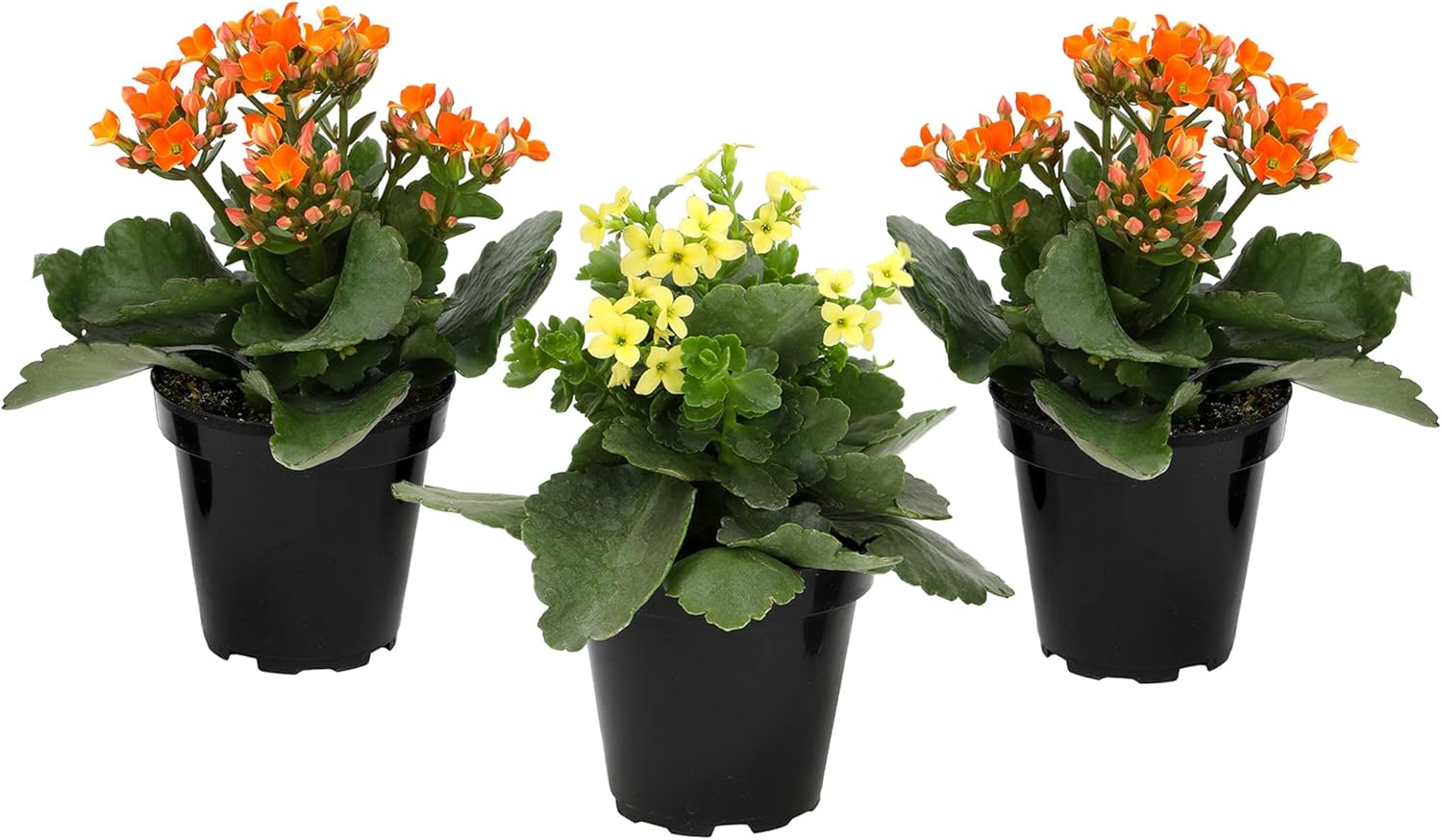
Plants for Pets Florist Kalanchoe Live Succulent Plants, 3-Pack
| Indoor Outdoor Usage | Indoor, Outdoor |
|---|---|
| Other Special Features | Air Purification, Compact, Extended Bloom Time, Low Maintenance |
| Expected Blooming Period | Year Round |
| Sunlight Exposure | Partial Sun |
| USDA Hardiness Zone | 10, 11, 12 |
These Florist Kalanchoe arrive as three compact, flowering succulents in 3.5-inch nursery pots and are aimed at people who want colorful, low-effort potted flowers. They produce dense clusters of blooms in warm hues and can flower year-round with proper light and a short-day dark period to trigger buds. Typical use is as an indoor windowsill or protected porch plant where it receives bright indirect light and periodic watering only after the soil dries. Notable features include drought tolerance, extended bloom time, and compact growth that fits small containers or grouped displays. Practical benefits are instant color without frequent deadheading, suitability for beginners, and an easy maintenance routine that suits busy households. Important limitations are that they prefer zones 10 to 12 if planted outdoors and may need intentional light/dark cycles to rebloom reliably; also these are sold in small nursery pots so you may want to repot for longer-term growth. Overall this is a convenient option for someone seeking dependable, easy-to-care-for flowering houseplants.
Best for: Buyers who want easy-to-care-for potted flowers that deliver reliable color with minimal daily attention and fit small indoor spaces or grouped displays.
Less Ideal for: Gardeners seeking large specimens or cold-hardy outdoor bedding plants across temperate climates should look for hardier species or larger nursery stock.
- Long-lasting, vibrant blooms that provide instant color
- Low maintenance and drought tolerant once established
- Compact size fits small pots, windowsills, and grouped arrangements
- Suitable for year-round indoor flowering with simple light management
- Sold in small 3.5-inch nursery pots so repotting may be needed for long-term growth
- Outdoor use is limited to warm climates (USDA zones 10–12) for year-round survival
Verdict: Choose this 3-pack if you want fuss-free, compact flowering plants that add reliable, long-lasting color to small indoor spaces.
Costa Farms Peace Lily Live Indoor Plant in Decorative Pot (6-in)

| Indoor Outdoor Usage | Indoor |
|---|---|
| Other Special Features of the Product | Air Purification, Flowers |
| Sunlight Exposure | Partial Sun |
| Moisture Needs | Regular Watering |
| Product Care Instructions | Bright, Indirect Sunlight; Water 1 cup once a week |
This Costa Farms Peace Lily arrives potted and ready to display, offering broad dark green leaves and the white, calla-like blooms peace lilies are known for. It is typically used as a tabletop or corner plant where it receives bright, indirect light but will tolerate lower-light rooms, making it suitable for living rooms, offices, or bedrooms. Notable features include its air-purifying reputation and low-maintenance care routine of roughly one cup of water once a week and bright indirect sun; the decorative bamboo-style pot is non-draining to avoid spills during shipping. Practical benefits include an instant decorative statement without repotting, straightforward weekly watering cues from leaf droop, and moderate growth that does not demand frequent intervention. Important limitations are that the shipped container has no drainage holes so repotting is needed for long-term health, and it prefers higher humidity and bright indirect light to bloom best, so truly dark rooms will limit flowering. The plant is hardy only in warm USDA zones and, as a living product, individual specimens may vary in size and appearance.
Best for: Buyers who want an easy-care, attractive indoor plant that adds greenery and occasional blooms to lower-light rooms without complex maintenance.
Less Ideal for: People seeking a plant that will reliably flower in dim rooms or those unwilling to repot into a draining container for long-term health.
- Arrives pre-potted and display-ready for immediate use indoors
- Tolerates lower light while performing best in bright, indirect light which helps blooms
- Simple weekly watering routine with visible leaf cues for watering needs
- Decorative pot and foliage provide instant visual impact without extra styling
- Shipping pot lacks drainage holes so repotting is recommended for long-term growth
- Performs best with higher humidity and may not bloom in very low-light or dry indoor conditions
Verdict: A low-effort, decorative houseplant that brings green foliage and occasional white blooms to lower-light interiors while requiring only simple weekly care.
Costa Farms Assorted Live Indoor Plants Starter Collection, 3-Pack (4-inch Pots)

| Indoor Outdoor Usage | Indoor, Outdoor |
|---|---|
| Other Special Features of the Product | Air Purification |
| Sunlight Exposure | Partial Sun |
| Moisture Needs | Regular Watering |
| Unit Count | 3 Count |
This Costa Farms 3-pack is a practical way to add low-maintenance greenery to small, low-light areas like shelves, desks, and windowsills. The set ships as three assorted foliage plants commonly including varieties such as pothos, snake plant, and small ferns that tolerate bright, indirect light and modest indoor conditions. Plants come in 4-inch decorative plastic pots without drainage holes and are intended to be watered sparingly—about 1/2 cup once a week—so they suit busy owners or beginners who prefer simple routines. Notable features are the starter-ready size, air-purifying foliage, and nursery-grown quality that arrives packaged for safe delivery. Limitations to consider are the small pot size and lack of drainage, which mean you will likely need to repot sooner than with larger plants and watch watering closely to avoid soggy soil. Also, exact varieties vary by shipment so you should expect some variation in appearance. For anyone wanting an easy, low-effort way to introduce several houseplants at once, this pack does the job well.
Best for: Buyers who want an easy, low-effort way to add multiple small houseplants to desks, shelves, or low-light rooms and prefer ready-to-display plants that require minimal weekly care.
Less Ideal for: Collectors seeking specific varieties or large, mature specimens who prefer full control over potting and immediate long-term plant size.
- Three live plants provide an instant grouped display for small spaces
- Low-maintenance care instructions suitable for beginners (bright indirect light and weekly light watering)
- Plants selected for air-purifying foliage
- Arrives nursery-grown and packaged to reduce transit stress
- Pots do not have drainage holes, requiring careful watering or early repotting
- Small 4-inch pots mean plants will need repotting as they grow
Verdict: An affordable, beginner-friendly 3-pack that instantly outfits small, low-light spaces with easy-care houseplants.
Choosing the Right Easy Potted Flowers: Key Factors to Consider
Light Requirements and Placement
Light level is the single biggest determinant of success for potted flowers. Different species prefer full sun, part sun, or shade and will behave very differently when placed in the wrong location. Consider how much direct midday sun your balcony or patio receives and match plants that tolerate that exposure rather than forcing a high-light plant into a shaded corner.
Placement also affects leaf scorch, bloom production, and how quickly potting mix dries. South- or west-facing exposures will need more frequent watering and sturdier root volumes, while east- or north-facing spots benefit from flowers that bloom well in lower light. Using the correct placement from the start reduces stress and lowers maintenance needs.
Container Size and Root Space
Potted flowers perform differently depending on container volume and depth. Some species develop shallow, spreading root systems and do fine in shallow saucer-style planters, while others need deeper pots to avoid drying out too quickly and to support a larger top growth habit.
When selecting plants, think about how their mature root spread matches your container. Overpotting with too-large pots can lead to soggy soil and root issues, while undersized pots force more frequent watering and can stunt blooms. Choose containers that balance root room with the plant's expected size for consistent flowering.
Watering Frequency and Soil Mix
In containers, moisture fluctuates much faster than in the ground, so water needs are a critical buying consideration. Some easy potted flowers tolerate brief drying between waterings; others demand evenly moist soil. Matching plant choice to the watering routine you can maintain avoids stress and blossom drop.
A free-draining, well-aerated potting mix reduces the risk of root rot and supports feeding. Consider mixes with added water-retention components if you expect hot, windy conditions or if you will be away from daily watering. Also factor in whether you plan to use self-watering containers or decorative pots without drainage, as both change how frequently and how you water.
Bloom Habit and Seasonal Interest
Different flowers have different bloom habits. Some give a single major flush of flowers, while others rebloom when deadheaded or with regular feeding. For continuous color in a container, look for plants known to rebloom or maintain long bloom windows under container conditions.
Also consider foliage interest and seasonal timing. Pairing plants with staggered peak bloom periods can extend visual appeal, and including varieties with contrasting leaf texture prolongs attractiveness after blooms fade. Knowing the bloom habit helps you plan feeding and deadheading routines for uninterrupted display.
Cold Tolerance and Overwintering
If you expect cold weather, select potted flowers suited to your local climate or plan for overwintering strategies. Some easy potted flowers are frost-tender and will need bringing indoors or treating as annuals; others tolerate mild freezes and can be left in place with insulation.
Overwintering choices affect how you manage pots in fall, whether you move containers to protected areas, and if you need to prune back plants. Understanding hardiness or the plant's lifecycle as an annual versus perennial helps set expectations for long-term container planning.
Maintenance Needs and Feeding
Maintenance ranges from nearly zero to moderately hands-on. Some container flowers require routine deadheading, weekly fertilizing, or regular pinching back to maintain compact habit and continuous blooms. Low-maintenance picks will need less frequent feeding and minimal pruning while still offering good color.
Decide how much time you want to invest. If you prefer minimal upkeep, choose varieties known for sustained flowering with light feeding. If you enjoy seasonal grooming, pick plants that reward pruning with heavier bloom cycles.
Pest Susceptibility and Cultural Defenses
Containers can concentrate pest pressure, so selecting plants with natural resistance or that tolerate light pest presence matters. Some species are prone to sap-sucking insects or fungal issues in humid conditions, while others remain relatively trouble-free.
Cultural practices like good air circulation, avoiding overhead watering, and keeping soil surface clean reduce many problems. Still, pick flowers that will not require frequent interventions in container environments to keep the setup genuinely easy.
Choosing Containers That Help Plants Thrive
Container choice can make or break potted flowers. Use pots with adequate drainage holes to prevent standing water, and pick a size that matches the plant's mature root system. Lightweight resin pots warm up faster but may dry out sooner, while ceramic or terracotta hold moisture differently and influence watering frequency.
Consider color and material for both aesthetics and microclimate. Darker pots absorb heat and can stress roots in very hot sun, while lighter colors reflect heat. If you use decorative cachepots without drainage, place a well-draining inner liner or add a layer of drainage material and monitor moisture closely.
- Match pot depth to root depth for stable growth
- Ensure drainage and avoid waterlogged soil
- Use saucers or trays to protect surfaces but empty excess water
Pairing Plants for Continuous Color
Create mixed container combos by pairing a thriller, filler, and spiller. Pick one plant with upright habit for height, one compact bloomer for mass color, and a trailing variety to soften edges. Combining different bloom times and textures extends interest and reduces gaps when one species slows.
Balance light and water needs when combining plants. Avoid pairing a drought-tolerant spiller with a thirsty thriller, because uneven needs complicate care and often shortens the display life of one component.
- Select compatible water and light requirements
- Combine varied textures for visual interest
- Stagger bloom periods to lengthen the season
Basic Seasonal Care Schedule
A simple seasonal routine keeps potted flowers productive. In spring, refresh the top layer of potting mix, add slow-release fertilizer or start a regular liquid feeding schedule, and check root health. During the growing season, deadhead spent blooms and monitor for pests.
In heat spells, increase watering and provide temporary afternoon shade if leaf scorch appears. At season end, trim back and move tender plants indoors or protect containers if you plan to keep them for the next year.
- Spring: refresh soil and begin feeding
- Summer: consistent watering and deadheading
- Fall: prepare for overwintering or replace annuals
Troubleshooting Common Container Problems
Yellowing leaves, wilting, and poor bloom can stem from either overwatering or underwatering. Check soil moisture an inch below the surface and adjust the schedule rather than guessing. Compacted mix leads to poor drainage and root issues; repot when roots start circling or soil becomes depleted.
For pests, identify the culprit and start with cultural fixes like removing affected leaves and improving air flow. Use targeted, low-toxicity controls if populations grow. Regular inspection prevents small problems from becoming reasons to discard a container.
- Test soil moisture before adjusting watering
- Repot when roots become pot-bound
- Inspect weekly for pests and remove damaged foliage
Design Tips for Small Balconies and Urban Spaces
Maximize vertical space with tiered planters, railing boxes, and hanging baskets that keep pots off limited floor area. Use containers that are lightweight and proportionate to the space to avoid overcrowding. Group pots with similar light and water needs to streamline care.
Consider mobility. Pots on casters or movable trays allow you to follow the sun or protect plants in bad weather. Reflective surfaces and light-colored walls can help brighten shaded balconies and improve bloom performance for lower-light varieties.
- Group like with like to simplify watering
- Use vertical options to expand planting area
- Choose lighter pots for easy movement
How We Chose the Best Easy Potted Flowers
To assemble the shortlist we used criteria that matter in real container gardening. We prioritized plants that establish quickly in pots and keep a strong display through typical container stresses like drying, heat, and repeated watering. Key evaluation points included light adaptability, drought tolerance specific to container soil, bloom duration and reblooming habit, and ease of routine maintenance. We also considered growth habit and mature size to ensure each plant fits common container depths and widths, plus resistance to common pests and diseases that show up in pots. Plants that required specialized soils, complicated pruning regimes, or extensive overwintering were excluded. We favored choices that suit a range of skill levels and that reliably provide color and structure in small-space container arrangements. Excluded were species that need large in-ground beds, extensive training, or delicate greenhouse conditions. The final list balances fast visual payoff with straightforward seasonal care and predictable behavior in typical home containers.
FAQ
How often should I water potted flowers in summer?
It often depends on pot size, soil mix, and sun exposure, but many containers need daily or every-other-day checks in hot weather. Water when the top inch of soil feels dry and water deeply until excess drains from the hole.
Can I put different flowering plants in the same pot?
Yes, provided their light and water needs match. Mixing a tall centerpiece with compact bloomers and trailing plants creates interest, but avoid pairing drought-tolerant species with thirsty ones to prevent uneven stress.
What potting mix is best for container flowers?
A free-draining, lightweight potting mix with organic matter and good aeration usually works best. Avoid using garden soil, which compacts in containers. Adjust mix with water-retaining components if you need longer intervals between waterings.
When should I fertilize potted flowers?
Begin fertilizing in spring after planting or repotting and continue at a regular interval recommended for container plants. Many gardeners use a balanced liquid feed every two to four weeks or a slow-release formula at planting to sustain blooms through the season.
How do I protect potted flowers from frost?
Move tender containers to a sheltered area, bring them indoors, or wrap pots with insulating material for short cold snaps. For permanent outdoor placement in cold regions, choose frost-hardy varieties or treat tender plants as annuals and replant each year.
Final Verdict
Choose easy potted flowers by matching plant habits to your light, container size, and available care time. Prioritize species that tolerate your typical watering rhythm and that fit the container depth you have available. Expect tradeoffs between showy, high-maintenance bloomers and low-effort, steady performers. When you focus on placement, potting mix, and grouping plants with similar needs, container gardening becomes low-stress and reliably colorful. Use the evaluation criteria here to pick flowers that fit your routine, and you will get long-lasting displays with minimal fuss.
