

Note: This article contains affiliate links. If you click on these links and make a purchase, I may earn a small commission at no extra cost to you. This helps support my research and content. Read my full affiliate disclosure here.
Choosing the right hardy flowers for pots matters when you want dependable color from a container, patio box, or balcony without constant fuss. Plants that tolerate temperature swings, limited soil volume, and regular watering cycles behave differently than their in-ground counterparts, so picking varieties suited to pots makes a big practical difference. This guide shortlists five top options that perform well in containers, with attention to cold tolerance, bloom span, and maintenance needs. Below you will find criteria we used, factors to weigh for container planting, and practical advice to help you pick and care for the best hardy flowers for your pots.
Top Picks at a Glance
| Best Overall The best all-around choice for most situations | Clovers Garden Shasta Daisy Live Perennial Plants (2 Count) |  |
| Best Quality Built to a higher standard if you want something more solid | Daylily Nursery Hellebore (3-pack) in 2.5-inch Pots |  |
| Best Value The sweet spot between price and what you get | BuggyBeds Premium Marigold Mix Seeds (1000 Count) |  |
| Highest Rated A top-rated pick with lots of positive feedback | CZ Grain Blue Moon Crocus Bulbs (Top Size) |  |
| Best Seller A high-volume bestseller chosen again and again | CZ Grain Mixed Crocus Bulbs (10-Pack) |  |
Clovers Garden Shasta Daisy Live Perennial Plants (2 Count)

| Indoor Outdoor Usage | Outdoor |
|---|---|
| Expected Blooming Period | Fall, Summer |
| Sunlight Exposure | Full Sun |
| Moisture Needs | Regular Watering |
| Unit Count | 2 Count |
These Clovers Garden Shasta Daisy plants arrive as two healthy, potted perennials ready to transplant into beds or containers. They produce classic white petals with bright yellow centers on sturdy stems that make good cut flowers and hold up well in bouquets. Best used in full sun with well-drained, organically rich soil and regular watering, they bloom from mid-summer until the first frost and respond well to deadheading for extended flowering. The listing notes robust root development and careful packaging, which improves transplant success and early growth. Practical benefits include suitability for containers, patios, and small gardens, and general hardiness across many US zones when planted outdoors. Limitations are that they can reach about 36 inches tall and may need staking or caging in windy sites, and they require protection from freezing if kept in containers in colder climates. Buyers should also plan routine watering and well-drained soil to avoid stress.
Best for: Gardeners who want a low-maintenance, season-long flowering perennial for pots or mixed borders and value reliable establishment and easy deadheading.
Less Ideal for: Those seeking compact annuals that stay very short without staking or gardeners who cannot provide regular watering or protection for container roots in freezing conditions.
- Arrives as live, potted perennials ready to transplant which improves establishment
- Classic long-blooming flowers that are good for cutting and borders
- Sturdy stems and reported robust root development reduce transplant shock
- Suitable for containers, small spaces, patios and larger gardens
- GMO free and grown for season-long blooms with simple deadheading to extend flowering
- Can grow up to around 36 inches tall and may require staking or caging
- Needs regular watering and well-drained, organically rich soil to perform well
Verdict: A reliable, easy-to-establish perennial that delivers classic, long-lasting daisy blooms for pots and sunny borders.
Daylily Nursery Hellebore (3-pack) in 2.5-inch Pots

| Expected Blooming Period | Winter |
|---|---|
| Sunlight Exposure | Full Shade, Partial Shade |
| Expected Planting Period | Fall |
| USDA Hardiness Zone | 4 |
| Moisture Needs | Moderate Watering |
These three Helleborus plants arrive in 2.5-inch pots and are intended to add early-season color to shady containers or border edges. Hellebores are evergreen perennials that set nodding, long-lasting blooms as early as midwinter and keep glossy foliage year-round, making them good for winter interest in pots placed in full to partial shade. They are marketed as tolerant of a wide range of conditions and resistant to many pests and diseases, so they work well for gardeners who want low-maintenance, reliable shade flowers. Practical benefits include showy blooms for cutting, evergreen structure through winter, and a reputation for hardiness down to USDA zone 4. Limitations are that plants shipped small in 2.5-inch pots will need time to establish before reaching full size and may require careful handling after transit; the seller recommends waiting about a week before repotting. For potted use expect to replant into larger containers and provide regular moisture until roots fill the new pot.
Best for: Gardeners who want low-maintenance, winter-flowering plants for shady containers and value proven performance and community reviews when choosing plants.
Less Ideal for: Those seeking instant, full-size container specimens or gardeners who do not want to repot young plants and nurse them through establishment.
- Winter-blooming evergreen provides color and foliage interest in shade when few other plants flower
- Described as disease and pest resistant, reducing routine maintenance needs
- Three-plant bundle gives immediate visual impact for containers or grouping
- Suitable for full to partial shade and hardy to USDA zone 4
- Plants ship in small 2.5-inch pots and will need repotting and time to establish
- Sensitive to extreme shipping temperatures and may arrive stressed in heat or cold
Verdict: Choose this three-pack of hellebores when you want dependable, low-maintenance winter blooms for shady pots that will establish into attractive evergreen specimens.
BuggyBeds Premium Marigold Mix Seeds (1000 Count)

| Indoor Outdoor Usage | Outdoor |
|---|---|
| Expected Blooming Period | Summer |
| Sunlight Exposure | Full Sun |
| USDA Hardiness Zone | 2-11 |
| Moisture Needs | Regular Watering |
These BuggyBeds marigold seeds supply 1000 premium seeds of mixed double-flowering varieties intended for outdoor use in full sun. They are typically sown in spring after frost or started indoors 4–6 weeks earlier for an earlier display, then transplanted to beds, borders, or pots on patios and balconies. Notable features include broad USDA zone adaptability (2–11), high germination claims, and pollinator-attracting blooms that also help deter common pests, which makes them useful as companion plants in vegetable or herb plots. Practical benefits are continuous summer through fall flowering, easy establishment in sandy, well-drained soil, and resilience to heat and mild drought so they perform well in containers that dry faster than garden beds. Limitations are inherent to annual marigolds: they complete their life cycle each season so you must re-sow yearly, and results depend on follow-up watering and deadheading for longest bloom. Seed mixes can also produce variable plant height and bloom density compared with named cultivars, so exact appearance may vary from packet to packet.
Best for: Gardeners who want an easy, cost-effective way to fill multiple pots or beds with continuous summer color and who prioritize low-maintenance, pollinator-friendly plants.
Less Ideal for: Growers seeking a sterile, repeatable cultivar or permanent perennial plantings should consider named varieties or perennials instead.
- Very large seed count suitable for massing in beds or filling many containers
- Adaptable across USDA zones 2–11 for use in most climates
- Attracts pollinators while helping deter common garden pests
- Performs well in full sun and tolerates heat and mild drought once established
- Annuals that must be replanted each year
- Seed mix means flower size and exact colors can vary between plants
Verdict: A high-count, easy-to-grow marigold seed mix that delivers bright, pollinator-friendly summer blooms ideal for filling pots and hardy container displays.
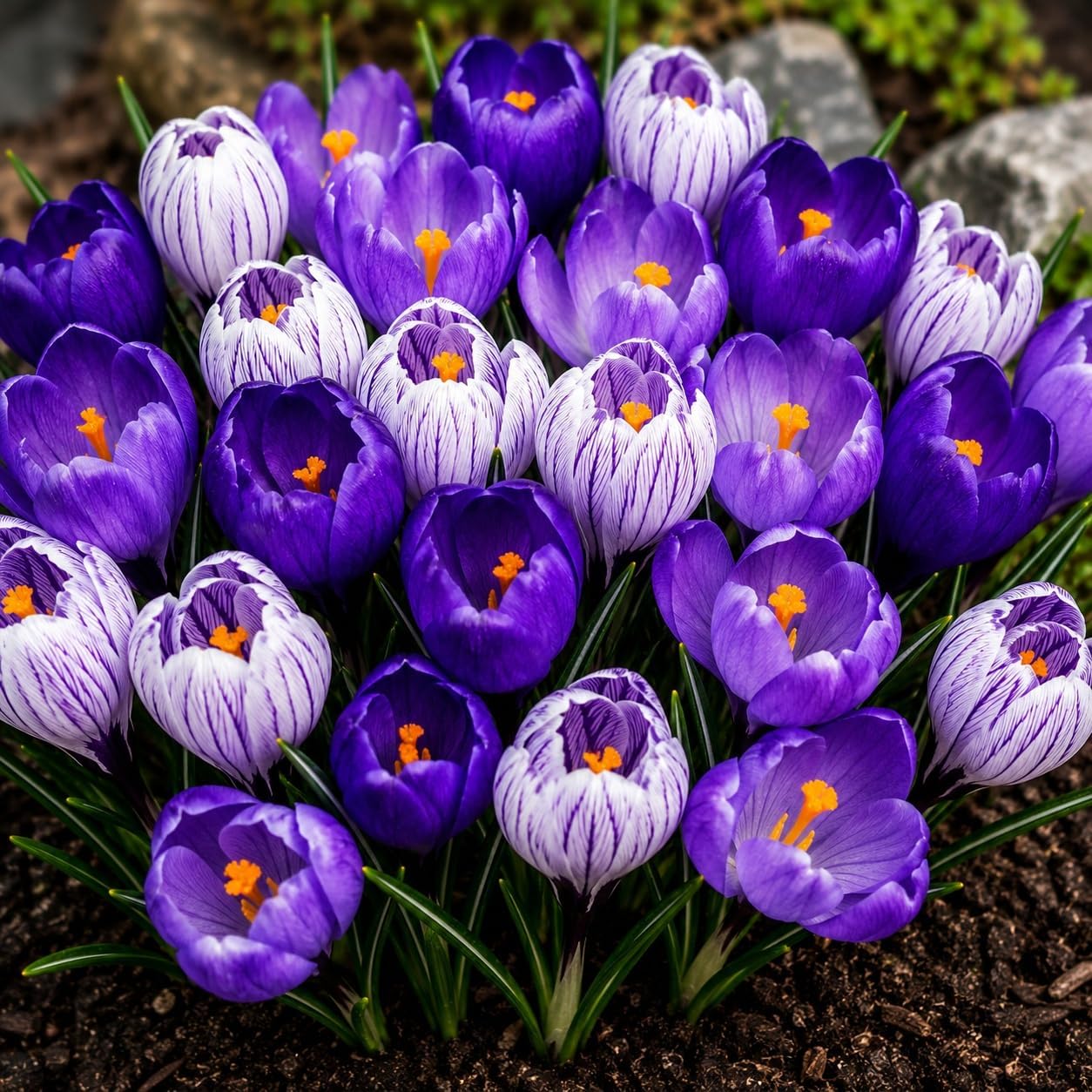
CZ Grain Blue Moon Crocus Bulbs (Top Size)
| Expected Blooming Period | Summer to Winter |
|---|---|
| Sunlight Exposure | Full Sun |
| USDA Hardiness Zone | Zones 4,5,6,7 and 8 |
| Soil Type | Loam Soil |
| Moisture Needs | Moderate Watering |
These Blue Moon crocus bulbs are an easy-to-grow early spring option for adding concentrated color to containers and the front of beds. Planted in fall in well-draining soil and exposed to full sun, the bulbs produce a mix of deep purple, lavender and striped blooms with bright orange-yellow centers. They are low maintenance and hardy in USDA zones 4 through 8, so once established they can return year after year and slowly naturalize. Typical use is massing bulbs in clusters or planting several in a single decorative pot to create an instant, jewel-toned display; their compact habit also suits rock gardens and pathway edges. Practical benefits include simple fall planting, minimal moisture needs beyond moderate watering, and heirloom material that is suitable for repeat seasonal displays. Limitations are that they need fall planting and a sunny, well-draining spot to perform well, and single packets are intended for small groupings rather than large landscape sweeps unless multiple packs are used.
Best for: Buyers who want a reliable, low-effort perennial bulb to deliver dependable early-spring color in pots and small garden spots and who plan fall planting and basic seasonal care.
Less Ideal for: Gardeners who need instant height or summer-blooming container plants or those unwilling to plant in fall should consider other options.
- Compact bulbs that are ideal for containers and front-of-bed planting
- Low maintenance once planted and hardy across USDA zones 4–8
- Vivid mix of purple, lavender and striped blooms for an early spring color boost
- Requires fall planting before ground freezes to ensure spring blooms
Verdict: A dependable, low-maintenance crocus for planting in fall to give reliable, vivid early-spring color in pots and small displays.
CZ Grain Mixed Crocus Bulbs (10-Pack)

| Expected Blooming Period | Late Winter to Early Spring |
|---|---|
| Sunlight Exposure | Full Sun |
| USDA Hardiness Zone | Zones 4,5,6,7 and 8 |
| Soil Type | Loam Soil |
| Moisture Needs | Moderate Watering |
These mixed crocus bulbs provide a simple way to add early spring color to pots and small beds. Plant them in fall in well-draining potting mix or garden loam and they spend the winter underground before producing low, cup-shaped flowers in several colors when temperatures warm. The bulbs are heirloom and low-maintenance, needing full sun to bloom best and moderate watering during the growing season. They are well suited to mass planting in containers or the front of borders where a carpeted display is desirable, and they can naturalize over time if left undisturbed. Limitations to keep in mind are that crocuses are short-statured and best for front-of-pot placement rather than as a tall focal plant, and they require fall planting to get reliable spring blooms. For gardeners seeking dependable, early-season color in pots, these bulbs are an easy, no-fuss option.
Best for: Buyers who want an easy, low-maintenance way to add reliable early-season color to pots and the front of beds and prefer plants that can naturalize over time.
Less Ideal for: Gardeners seeking tall container specimens or instant single-season focal plants should choose larger spring bulbs or potted perennials instead.
- Provides early spring color with a mix of purple, lavender, white, and yellow blooms
- Heirloom bulbs advertised as low maintenance and suitable for naturalizing
- Works well in containers and mass plantings to create a carpeted display
- Suitable for a wide range of climates within USDA zones 4 through 8
- Short, ground-level flowers that do not provide height or structure in pots
- Must be planted in fall to bloom reliably the following spring
Verdict: An easy, low-maintenance way to get dependable early-spring color in pots and front-of-bed plantings.
Choosing the Right Hardy Flowers for Pots: Key Factors to Consider
Cold Tolerance and Winter Survival
Cold tolerance matters because pots cool and freeze faster than garden beds, exposing roots and crowns to deeper temperature swings. Choose varieties rated for your local lows and consider how a small root mass in a pot changes the plant's ability to overwinter.
For borderline-hardy choices, you may need to bring pots closer to the house, group containers to buffer temperature, or add insulating material around the pot. Understanding a plant's hardiness range helps you decide whether it will reliably return the next season or behave more like a short-lived perennial in a pot.
Root System and Pot Size Compatibility
Plants with compact, fibrous root systems adapt better to restricted soil volumes than those that form deep taproots or aggressive runners. Root behavior affects how often you must repot, the minimum container size required, and whether the plant will quickly become root-bound and decline.
Consider the eventual root spread and depth when estimating container size. A larger pot moderates temperature and moisture swings, but many garden spaces favor mid-sized containers; select species known to perform in those volumes to reduce repotting and stress.
Blooming Habits and Seasonal Interest
Bloom duration determines how long a pot will look good without major intervention. Some hardy flowers bloom in concentrated spring flushes, while others provide intermittent blooms from spring through fall with light deadheading.
Match blooming habits to your goals: if you want nonstop color with little upkeep, choose long-flowering or repeat-blooming types. If seasonal spikes of color are acceptable, spring-focused or early-summer bloomers may be fine and often require less feeding.
Watering Needs and Drainage Sensitivity
Container plants have different moisture dynamics than in-ground plantings. Pots dry out faster and can suffer from both underwatering and waterlogged roots, depending on pot material and drainage.
Look for species that tolerate routine fluctuation and pair them with appropriate potting mix and drainage. Understanding a plant's drought tolerance and susceptibility to root rot will inform pot choice, watering schedule, and whether to add moisture-retentive amendments.
Maintenance and Grooming Requirements
Maintenance needs influence whether a plant is a good fit for busy gardeners or those who prefer low-effort containers. Some hardy flowers demand frequent deadheading, pinching back, or division to stay compact and productive, while others require minimal grooming.
Estimate time commitment for tasks like deadheading, feeding, and overwintering. Plants that self-clean or only need a light trim at season end are better for casual container displays.
Exposure, Wind Resistance, and Structural Strength
Pots on balconies and patios are often in windier, more sun-exposed microclimates. Structural strength and flexible stems reduce breakage, and foliage that dries quickly lowers disease risk after rain.
Pick species with sturdy stems or dense habit if your containers face frequent wind. For high-exposure sites, favor plants that tolerate full sun and quick drying soils to preserve flower and foliage quality.
Preparing Pots and Soil for Hardy Container Plants
Start with a pot that matches the plant's mature size and offers adequate drainage. Standard potting mixes are best for container-grown hardy flowers because they balance moisture retention with aeration; avoid garden soil that compacts and holds too much water.
Use quality potting mix and consider adding a slow-release fertilizer or an organic amendment to support long bloom periods. For winter protection, choose heavier pots or stable groupings so wind does not tip containers when plants go dormant.
- Select pots with drainage holes and consider saucers with gaps to avoid standing water.
- Use a high-quality, well-draining potting mix with some organic matter.
- Choose container size based on the plant's eventual root spread; err slightly larger to stabilize moisture swings.
Placement and Microclimate Strategies
Assess sunlight, wind exposure, and proximity to heat-reflective surfaces before placing pots. East- or south-facing balconies will warm faster and encourage earlier blooms, while north-facing spots may extend bloom life by reducing heat stress.
Group pots with similar watering needs together and use physical shelter, like lattice or a railing, to reduce wind damage. In cold areas, clustering pots against a building wall can create a thermal buffer that improves winter survival.
- Map daily sun exposure to match each plant's light needs.
- Group by water needs to make irrigation and drainage management easier.
- Use physical barriers or companion pots to reduce wind and cold exposure.
Feeding and Watering Routines for Containers
Containers need regular feeding because fertilizer leaches with each watering. Choose a balanced routine that fits the plant's bloom cycle: higher phosphorus and potassium during flowering, moderate nitrogen to avoid overly lush foliage at the expense of blooms.
Water on a schedule adjusted for pot size, sun exposure, and season. Morning watering is best to reduce evening dampness and disease risk. In summer heat, pots may need daily checks; in cooler months water less frequently but avoid letting roots dry completely.
- Use a balanced fertilizer on a regular schedule, following package guidance for containers.
- Check moisture by finger testing the top 1 to 2 inches of soil before watering.
- Reduce watering frequency in cool weather and increase in hot, windy conditions.
Seasonal Care and Overwintering Tips
For hardy perennials in pots, reduce feeding and water as growth slows, and move containers to sheltered locations if late freezes threaten buds or crowns. Mulch the top of the pot and wrap sides with insulating material for additional protection.
If a plant is only marginally hardy in your zone, consider lifting the pot into an unheated garage or grouping it tightly with other containers to share warmth. Divide and repot congested specimens in early spring to renew vigor before the growing season begins.
- Cut back spent stems after frost but leave enough structure to protect crowns.
- Add a 1 to 2 inch mulch layer to pot surface for winter moisture stability.
- Bring borderline-hardy pots to protected microclimates when deep freezes are forecast.
How We Chose the Best Hardy Flowers for Pots
We selected entries by focusing on traits that directly affect container performance. Our primary evaluation points were cold hardiness in small soil volumes, continuous bloom potential in seasonal climates, root system behavior in restricted space, and ease of maintenance for typical urban and suburban gardeners. We also checked structural reliability for wind and rain, and how well plants tolerate regular pot watering schedules. We excluded plants that require in-ground layering, extensive deadheading or specialized pruning, and varieties that need large root runs to thrive. Varieties that are strictly annuals or that demand greenhouse conditions were not considered. The process emphasized observable container-friendly traits such as compact growth habit, resistance to common container pests and diseases, and predictable flowering windows. Our filters favored plants that succeed with standard potting mixes and routine container care, and that offer gardeners clear tradeoffs between season length, frost tolerance, and maintenance time. These same dimensions are reflected in the scoring criteria used to assess each pick.
FAQ
Can hardy flowers in pots survive winter in a cold climate?
Often they can if the species is truly hardy for your zone and the pot is large enough to buffer root temperature. Smaller pots freeze faster, so insulating or moving containers to a sheltered spot improves survival.
How often should I repot a hardy container flower?
It depends on root behavior; many compact container-friendly species need repotting every 2 to 4 years. Repot when roots circle the pot or when growth slows despite proper care.
Are there soil mixes that help hardy flowers last longer in pots?
Yes. A well-draining, airy potting mix with some organic matter and a slow-release fertilizer supports long bloom periods while reducing root-rot risk. Avoid heavy garden soils.
Can I grow hardy perennials and treat them like annuals in pots?
You can. Some gardeners use hardy perennials as single-season container color and replace them yearly for a specific look. This avoids overwintering work but sacrifices longer-term establishment.
Do I need special fertilizer for container-grown hardy flowers?
Not usually. A balanced container fertilizer or a regular schedule of liquid feed will support blooms. Adjust feeding intensity during heavy bloom periods and cut back in late season.
Final Verdict
Pick hardy flowers for pots by prioritizing cold tolerance, root behavior, and bloom duration for your specific container conditions. Balance the size of the pot with the plant's root habit to reduce stress, and match water and exposure needs to your site. Decide whether you want season-long low-maintenance color or concentrated seasonal displays, and choose species accordingly. With the right pot, soil, and placement, you can get reliable, attractive blooms from containers year after year.
