

Note: This article contains affiliate links. If you click on these links and make a purchase, I may earn a small commission at no extra cost to you. This helps support my research and content. Read my full affiliate disclosure here.
If fleas are turning your yard or patio into a nuisance, the right outside flea spray can reduce bites and break the outdoor lifecycle that brings pests indoors. You want a product that works quickly where fleas live, keeps working for days or weeks, and is safe to use around pets, children, and garden plants. This guide evaluates seven shortlisted outside flea sprays chosen for real outdoor situations – from sunny lawns to shady border edges and under decks. We tested editorially for how long each formula lasts on typical yard surfaces, how fast it knocks down flea activity, and how easy and safe it is to apply in a home garden. Read on for the decision factors we used and practical guidance to match a spray to your outdoor needs.
Top Picks at a Glance
| Best Overall The best all-around choice for most situations | Trifecta Ready-to-Use Flea & Tick Yard Spray, 32 oz |  |
| Best Quality Built to a higher standard if you want something more solid | Atticus Talak 7.9% Bifenthrin Indoor/Outdoor Insecticide Concentrate, 32 oz |  |
| Best Value The sweet spot between price and what you get | Cutter Backyard Bug Control Spray Concentrate, 32 oz (2 pack) |  |
| Best Budget The cheapest option that still gets the job done reliably | Black Flag Flea and Tick Killer Concentrate Yard Treatment, 32 oz |  |
| Highest Rated A top-rated pick with lots of positive feedback | Ortho Tick B-gon Ready-to-Spray Tick Killer, 32 fl. oz. | 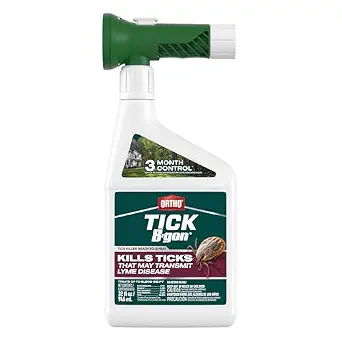 |
| Most Popular A crowd favorite that many people choose with confidence | Wondercide Flea & Tick Yard Spray (Ready-to-Use, 32 oz) |  |
| Best Seller A high-volume bestseller chosen again and again | Absorbine UltraShield EX Insecticide & Repellent, 32 fl oz Sprayer |  |
Trifecta Ready-to-Use Flea & Tick Yard Spray, 32 oz

| Coverage (RTU) | Up to 5,000 Sq Ft |
|---|---|
| Format | Ready To Use (hose‑end) |
| Active approach | Powered by essential oils |
| Kills | Fleas, ticks, and eggs |
| Made in | U.S.A. |
This ready-to-use Trifecta yard spray uses a blend of essential oils to kill and repel fleas, ticks, and their eggs across lawns, patios, and landscaped areas. It attaches to a hose as an RTU sprayer and is designed to cover up to about 5,000 sq ft per bottle, making it a straightforward option for routine yard treatments or targeting known problem zones. Key ingredients such as cedarwood, peppermint, citronella, geraniol, and thyme oil provide a natural scent that fades after application while delivering contact kill and repellent action. Practical benefits include pet- and family-friendly marketing when used as directed, no mixing for the RTU format, and the convenience of a hose-end application for even coverage. Limitations to note are the reliance on essential oils rather than synthetic actives, which may require more frequent reapplication in heavy infestation areas, and the RTU bottle covers less area than concentrated options if you have very large properties. Users should follow label directions for timing and avoid applying during rain or to edible plants.
Best for: Buyers who want an easy, lower‑toxicity yard treatment that is simple to apply with a hose and suitable for regular maintenance around pets and family.
Less Ideal for: Landowners with several acres or persistent heavy infestations who need long residual control or larger coverage per bottle should consider concentrated or professional-strength alternatives.
- Ready-to-use hose-end format for fast, even coverage without mixing
- Plant-based formula that is marketed as safe for pets and family when used as directed
- Claims to kill fleas, ticks, and their eggs on contact while also repelling pests
- Natural scent from essential oils that fades after application
- Less long-lasting residual compared with many synthetic insecticides, so treatments may need to be repeated
- RTU bottle covers less area than concentrated formulations for very large yards
Verdict: A convenient, pet‑friendly ready‑to‑use yard spray that makes routine flea and tick prevention simple for typical suburban yards.
Atticus Talak 7.9% Bifenthrin Indoor/Outdoor Insecticide Concentrate, 32 oz

| Active Ingredient | Bifenthrin |
|---|---|
| Formulation | Suspension Concentrate |
| Liquid Volume | 32 fluid ounces |
| Length of Control | Up to three months |
| Target Species | Insects |
Talak 7.9% is a liquid concentrate for treating lawns, landscaping, outdoor living areas and indoor perimeter spots like baseboards and cabinets. You dilute the concentrate with water to create a spray for barrier treatments, spot applications or lawn mixes; label rates explain how much to mix per gallon depending on the use. The product uses bifenthrin, a proven broad-spectrum active ingredient, and the manufacturer states it controls over 75 species and can give residual control for as long as three months. Its water-based formula dries clear, leaves no odor or visible residue, and is not phytotoxic on plants when used per label. Practical benefits include flexible indoor and outdoor use, clear drying, and a bottle designed for easier pouring. Important limitations are that solutions should be mixed only for same-day use, it is not registered for sale in a few states, and it is not approved for fogger application, so professional-style misting methods are not appropriate.
Best for: Buyers who want a single, reliable product to protect yards, patios and building perimeters from a wide range of common pests and prefer conservative, label-driven application practices.
Less Ideal for: People seeking ready-to-use sprays or fogger-compatible products or those in states where this formulation is not registered should look at alternatives.
- Broad-spectrum control listed for 75+ indoor and outdoor pest species
- Water-based formula that dries clear and leaves no odor or residue
- Flexible label directions for lawns, landscapes, hardscapes and indoor perimeter treatments
- Long residual activity up to three months when applied at recommended rates
- Mixed spray solutions cannot be stored and must be used the same day
- Not approved for fogger application and not available for sale in some states
Verdict: A versatile, water-based bifenthrin concentrate that delivers long-lasting, broad-spectrum outdoor (and perimeter indoor) control when used according to the label.
Cutter Backyard Bug Control Spray Concentrate, 32 oz (2 pack)

| Unit Count | 64 Fluid Ounces |
|---|---|
| Item Form | Spray |
| Target Species | Insects |
| Active Ingredients | Lambda Cyhalothrin |
This Cutter Backyard Bug Control Spray Concentrate is a hose‑end applicator concentrate designed to treat lawns, shrubs and other outdoor surfaces to reduce mosquitoes and a range of listed insects. You attach the QuickFlip hose‑end sprayer, walk the area and apply as a cover spray; the ready‑to‑mix nozzle meters water automatically so you do not need separate measuring. The formula lists lambda‑cyhalothrin as an active ingredient and claims up to 12 weeks of control and coverage for up to 5,000 sq ft per bottle, which makes it suitable for seasonal perimeter treatments and spot landscape applications. Practical benefits include easy application with the flip‑on nozzle, thorough foliar coverage when used as directed, and long residual control that reduces repeat treatments. Important limitations are that it is a pesticide so you must keep children and pets out of treated areas until dry, follow label restrictions for vegetables and sensitive areas, and avoid applications before rain or near drains or water bodies.
Best for: Buyers who want a simple, ready‑to‑use perimeter treatment to reduce mosquitoes and common yard insects across lawns and landscaped beds without frequent reapplication.
Less Ideal for: People who need an organic, pet‑safe, or water‑safe option for insect control or those who require frequent spot treatments in small container gardens.
- Hose‑end QuickFlip sprayer for fast, no‑mix application over large areas
- Claims up to 12 weeks of residual control, reducing the need for frequent reapplications
- Covers up to 5,000 sq ft per bottle for single‑treatment perimeter protection
- Works on lawns, shrubs and outdoor surfaces for flexible use around the yard
- Contains a synthetic pesticide ingredient and requires strict adherence to safety and label restrictions
- Not intended for use where runoff could reach water bodies or drains
Verdict: A convenient hose‑end concentrate that delivers broad yard coverage and long‑lasting mosquito and insect control with minimal setup.
Black Flag Flea and Tick Killer Concentrate Yard Treatment, 32 oz

| Liquid Volume | 32 fluid ounces |
|---|---|
| Item Form | Spray |
| Target Species | Insects |
| Active Ingredients | Lambda-Cyhalothrin, Pyriproxyfen |
This Black Flag concentrate is a hose‑end yard treatment designed to control fleas, ticks, mosquitoes and several other insects over large outdoor areas. You mix it directly on the hose with the quick‑flip sprayer and sweep the nozzle while walking back toward the faucet; one 32 ounce bottle claims to treat about 5,000 square feet. The formula includes a fast-acting pyrethroid plus an insect growth regulator to interrupt the flea life cycle, which supports longer residual control—the label notes up to 12 weeks of flea reduction when used as directed. Practical benefits are simple application without measuring jugs, broad target coverage for home lawns, kennels and foundation barriers, and the ability to include this step in an integrated pest management routine. Important limitations: it is a chemical insecticide so you must follow safety directions to avoid eye or skin contact and protect desirable plants, pets and pollinators during application, and it is not a pet treatment so animal treatments should be done separately. Also, as with any outdoor spray, repeat treatments or combined approaches are often needed for full season control.
Best for: Buyers who want an affordable, no‑frills yard spray to reduce fleas, ticks and mosquitoes across a typical home lawn and who plan to include it as part of a broader pest management routine.
Less Ideal for: People seeking organic or non‑chemical pest control, or those who need a pet‑safe topical product to treat animals directly.
- Hose‑end concentrate mixes automatically for fast, no‑measuring application.
- Claims one quart treats approximately 5,000 sq ft so a single bottle covers a typical yard.
- Contains an insect growth regulator to help interrupt the flea life cycle for longer control.
- Targets fleas, ticks, mosquitoes and other common yard insects for broad protection.
- Contains synthetic active ingredients that require careful handling and avoidance of non‑target exposure.
- Not formulated for direct use on pets so separate pet treatments are required.
Verdict: A budget‑minded, hose‑end concentrate that delivers broad outdoor flea and tick control with easy, quick application.
Ortho Tick B-gon Ready-to-Spray Tick Killer, 32 fl. oz.

| Item Form | Spray |
|---|---|
| Scent Name | Unscented |
| Target Species | Insects |
| Active Ingredients | Bifenthrin 0.300%, Zeta-Cypermethrin 0.075% |
Ortho Tick B-gon Ready-to-Spray is a hose-end treatment designed to simplify backyard tick and flea control. You attach the 32 fl. oz. bottle to a garden hose, spray lawn areas, perimeters, and ornamentals, and the formula begins working within minutes while providing up to three months of control for listed pests. It targets American dog ticks, deer ticks, cat and dog fleas, mosquitoes and more, and covers large areas per application so a single bottle treats most average yards. The ready-to-spray delivery eliminates measuring or mixing, and the product is labeled for use around lawns, trees, shrubs and even certain vegetable/fruit plants when label directions are followed. Important limitations are that it contains bifenthrin and zeta-cypermethrin so users must follow safety directions and keep people and pets out of treated areas until dry, and reapplication may be needed sooner for heavy infestations. Also it is not for direct use on pets and requires attention to label restrictions for edible plants.
Best for: Buyers who want a straightforward, low-effort way to reduce ticks and fleas across a typical yard and who prioritize broad, multi-month protection with easy hose-end application.
Less Ideal for: People who prefer non-chemical or organic pest controls or who need solutions safe for immediate pet contact or for direct application to animals.
- Ready-to-spray hose-end applicator for fast, no-mix backyard treatments
- Provides up to 3 months control against ticks, fleas, and many listed pests
- Label allows use on lawns, perimeters, ornamentals and some edible gardens with directions
- Covers large area per treatment so one bottle treats most average yards
- Contains synthetic pyrethroid active ingredients that require following safety and re-entry instructions
- Not formulated for direct application to pets; separate veterinary treatment needed if animals are infested
Verdict: A simple hose-end treatment that delivers broad, up-to-three-month yard protection against ticks and fleas with minimal setup.
Wondercide Flea & Tick Yard Spray (Ready-to-Use, 32 oz)

| Liquid Volume | 946 ml |
|---|---|
| Item Form | Spray |
| Active ingredient | 12.63% Cedarwood Oil |
| Coverage (fleas/mosquitoes) | Up to 5,000 sq ft |
| Coverage (ticks/mosquito repel) | Up to 2,500 sq ft |
Wondercide Flea & Tick Yard Spray is a ready-to-use hose-end treatment that uses cedarwood and other plant-derived ingredients to kill and repel fleas, ticks, and mosquitoes in the yard. You attach the bottle to a garden hose, turn the sprayer on, and walk steady sweeping passes to treat up to 5,000 sq ft for fleas and mosquitoes or 2,500 sq ft for ticks and mosquito repellency. Notable features include a pre-mixed formula for quick application, a hose-powered sprayer for even coverage, and an ingredient list centered on cedarwood oil that the brand says is safe for pollinators when used as directed. In practice it is convenient for routine maintenance and for reducing pest pressure around foundations, patios, and pet areas without waiting for drying or reentry. Important limitations are sensitivity to high heat or direct sun which can cause plant foliage browning if applied above 90°F and reduced residual effect after heavy rain, which may require reapplication. The product is exempt from EPA registration under FIFRA and carries typical safety instructions to avoid eye contact and keep out of reach of children.
Best for: Buyers who want a convenient, natural-first yard repellent that treats broad outdoor areas and lowers pest pressure around pets and play spaces with minimal setup.
Less Ideal for: Those who need a product that holds up through heavy storms or who require a chemically registered pesticide for regulatory or commercial settings should consider other options.
- Pre-mixed hose-end bottle makes whole-yard treatment fast and easy
- Plant-based active (cedarwood oil) targets fleas, ticks, and mosquitoes
- Covers a large area per bottle (up to 5,000 sq ft for fleas and mosquitoes)
- Formulated to be safe for people, pets, and pollinators when used as directed
- Can cause phytotoxic browning if applied in direct sun or when temperatures exceed 90°F
- Heavy rain or intense irrigation can wash away residue and may require reapplication
Verdict: If you want an easy, plant-powered yard spray to reduce mosquitoes, fleas, and ticks over large lawns while prioritizing pet and pollinator safety, this ready-to-use option delivers fast, low-fuss coverage.
Absorbine UltraShield EX Insecticide & Repellent, 32 fl oz Sprayer

| Unit Count | 32 Fluid Ounces |
|---|---|
| Item Form | Liquid |
| Scent Name | Unscented |
| Active Ingredients | Pyrethrins |
| Recommended Uses For Product | Fly Control |
Absorbine UltraShield EX is a 32-ounce, ready-to-use spray designed for broad insect control around horses, barns, and outdoor areas. The water-based formula combines pyrethrins, piperonyl butoxide, and permethrin to kill and repel more than 70 species of pests while leaving no greasy residue. It is applied directly to animal coats or used as a premise spray and is intended to stick to hair and surfaces when applied to a clean coat. Notable features include weatherproof UltraBond Technology that can extend protection up to 17 days in some conditions and added sunscreens and coat conditioners for UV and coat care. Practical benefits are straightforward: no mixing, multi-species control including ticks, and suitability for spot-treating stalls, doorways, and tack areas as well as animals. Important limitations are that the product label emphasizes use on horses and premises and that some ingredients are insecticides requiring careful adherence to safety directions; it is not universally approved for all species and users should follow label precautions for application frequency and treated animals.
Best for: Buyers who prioritize robust, long-lasting insect control for horses, stalls, and outdoor areas and want a ready-to-use spray that reduces reapplication frequency.
Less Ideal for: Owners exclusively seeking a dog-specific repellent or those who prefer natural, non-pyrethroid formulations should consider alternatives tailored to dogs or gentler ingredient lists.
- Ready-to-use water-based formula requires no mixing and leaves little to no greasy residue
- EPA-approved actives that kill and repel over 70 insect species including ticks
- UltraBond Technology offers weatherproof protection that can last up to 17 days in some conditions
- Contains sunscreens and coat conditioners to help protect and maintain animal coats
- Label and ingredient profile require careful reading and safety precautions during application
- Primary registration and marketing focus is on horses and premises which limits direct claims for other pets
Verdict: Choose UltraShield EX if you need a ready-to-use, performance-oriented spray that kills and repels a wide range of pests and provides long-lasting protection for horses and outdoor areas.
Choosing the Right Outside Flea Spray: Key Factors to Consider
Residual Control Duration
How long a spray continues to kill fleas after application determines how frequently you will need to reapply and how well it protects vulnerable areas. Longer residuals reduce labor and the chance of reinfestation, especially in shaded or protected microhabitats where flea eggs and larvae persist.
Residual performance can vary by weather exposure, mowing, foot traffic, and surface type. Expect shorter protection on porous soil that receives regular watering and longer persistence on hardscape, mulch, and dry turf. Checking label claims and realistic durations for yards helps set expectations and maintenance intervals.
Knockdown Speed for Active Infestations
A spray that quickly reduces adult flea activity will provide immediate relief and lower the number of eggs laid after treatment. Fast knockdown is especially important when pets or people are already being bitten and when you need to reduce visible flea numbers while residuals take effect.
Knockdown is influenced by active ingredients and formulation. Gardeners should balance the desire for quick control with safety considerations and use additional mechanical measures, such as vacuuming pet resting areas and washing bedding, to help break the life cycle.
Pet and Child Safety Instructions
Outdoor sprays are used where pets and children play, so clear safety labeling and recommended re-entry intervals are essential. Look for products with specific directions about keeping pets off treated areas until dry, rinsing or removing pet water dishes, and precautions for pregnant or nursing animals.
Safety also covers whether treated turf or mulch requires buffer periods before allowing chewing, digging, or close contact. A product with simple, straightforward safety steps reduces the chance of accidental exposure during normal yard activities.
Surface and Plant Compatibility
Yards are a patchwork of grass, ornamental beds, mulch, stone, and wooden structures. A spray that is safe for common landscape plants and materials prevents unintended damage and expands where you can treat.
Read labels for restrictions on edible gardens, newly planted seedlings, or delicate ornamentals. Some formulations may require avoiding direct application on flowering plants to protect pollinators. Understanding compatibility keeps both your landscape and pest control goals on track.
Application Method and Coverage
How a product is applied affects effectiveness and convenience. Hose-end sprayers, pump sprayers, and ready-to-use trigger bottles each suit different yard sizes. Hose-end options save time on larger lawns, while pump sprayers let you target edges, under decks, and shrub bases precisely.
Coverage information on the label helps you plan quantities and labor. A product that sprays evenly and resists drift will cover hard-to-reach harborage sites more reliably, reducing missed refuges where fleas can survive.
Environmental Impact and Non-target Safety
Consider the broader ecological effects of treating outdoor areas. Some active ingredients have higher toxicity to bees, aquatic life, or beneficial invertebrates. Choosing a product with lower non-target risk or using targeted application techniques reduces environmental harm.
Avoid spraying flowering plants during pollinator activity, keep runoff away from storm drains and water features, and follow label guidance for buffer zones. Thoughtful application minimizes collateral impact while still addressing flea pressure.
When to Treat Your Yard
Treat outdoors when you observe persistent flea bites on pets or family members, or when you find fleas or flea dirt in pet resting areas. Seasonal peaks vary by region, but warm, humid stretches and shaded microclimates often sustain flea populations even when daytime temperatures seem mild.
Target treatment to areas pets frequent, shaded edges, under shrubs, wood piles, and the perimeter of decks and porches. Treating the whole lawn is not always necessary and can increase environmental exposure; focus on likely harborage sites for better results.
- Prioritize shaded, moist spots where larvae thrive
- Treat perimeter zones to prevent movement into the home
- Spot-treat under furniture, in kennels, and bedding areas
Safe Application Habits
Read and follow label directions for dilution rates, protective equipment, and re-entry intervals. Wear recommended protective gear when mixing and applying concentrated formulas to avoid skin or inhalation exposure.
Keep pets and children out of treated zones until sprays are fully dry and follow label guidance on rinsing food and water sources. Prevent runoff by avoiding application before heavy rain and do not spray directly into water features or drainage pathways.
- Avoid treating flowering plants during pollinator activity
- Store concentrates locked away and out of reach of children
- Use targeted application to reduce overall chemical use
Integrating Sprays with Nonchemical Controls
Combine sprays with habitat modification and mechanical actions for a more durable solution. Regularly mowing, removing leaf litter, and reducing ground-level brush lowers flea habitat and exposes eggs and larvae to drier conditions that reduce survival.
Using traps or treating pet bedding and resting areas indoors complements outdoor spray work. Pet-focused preventative measures, such as veterinarian-recommended topical or oral products, can reduce the chance of reinfestation from animals that shuttle fleas between yard and house.
- Clear away debris and trim vegetation to reduce humidity
- Use physical barriers to limit pet access to untreated zones
- Wash pet bedding regularly and vacuum high-traffic areas
Treating Near Edible Gardens and Pollinator Areas
Avoid spray drift into vegetable beds and flowering plants. If you need to treat adjacent zones, use targeted applications on soil or mulch rather than broad sprays and consider physical barriers like temporary row covers for edible plants.
For pollinator safety, do not apply sprays to blooming plants and follow label guidance on pollinator precautions. Time treatments for early morning or evening when pollinator activity is lower, and focus on non-flowering surfaces.
- Cover or remove harvestable produce if treating nearby
- Prefer spot treatments around ornamental beds
- Use buffer zones to protect water and pollinator habitats
Seasonal Timing and Maintenance Schedule
Plan treatments based on local flea activity and seasonal cues. In many climates a spring application reduces early-season buildup, while a later summer or early fall treatment addresses peak populations. Short residual products may need monthly reapplication during high-pressure months.
Monitor treated zones and reapply only where activity resumes. Over-application can increase non-target risk without proportionate benefits, so pair scheduled maintenance with observation to keep treatments purposeful.
- Time initial treatments before peak flea season in your area
- Reapply to focused hotspots rather than blanket retreatments
- Use weather forecasts to avoid applications before heavy rain
How We Chose the Best Outside Flea Spray
We focused on features that matter in everyday yard use and excluded indoor-only or veterinary-only formulations not intended for general outdoor application. Selection prioritized products with clear labeling for outdoor use, measurable residual activity, and application options suited to gardens, lawns, patios, and around structures. Evaluation emphasized these concrete criteria: residual protection duration against flea eggs and adults, knockdown speed for active infestations, pet and child safety instructions and exposure limits, compatibility with common outdoor surfaces and plants, ease of application including hose-end or pump sprayer options, and environmental impact considerations like biodegradability or non-target toxicity. We excluded products lacking explicit outdoor directions or those primarily designed for livestock or industrial use. The resulting list reflects sprays that balance effectiveness, safety, and practical yard-level usability for home gardeners.
FAQ
How long after spraying can pets use the yard?
Time varies by product and formulation, but many labels recommend keeping pets off treated surfaces until the spray is dry, typically between 30 minutes and several hours. For concentrated treatments or hose-end applications, follow the specific re-entry interval on the label to ensure safety.
Will outside flea sprays harm my lawn or garden plants?
Most products labeled for outdoor use are formulated to be safe for common turf and established ornamentals when used as directed. However, delicate seedlings, some ornamentals, and edible plants may be sensitive. Check label restrictions and avoid spraying directly on edible foliage or flowering plants.
Can I treat just spots instead of the whole yard?
Yes. Spot treatments to pet pathways, shaded edges, and resting areas are often more effective and lower risk than treating the entire lawn. Focus on likely harborage sites to interrupt the flea lifecycle while minimizing environmental exposure.
How often should I reapply outside flea spray?
Reapplication depends on the product's residual claim, weather, and site conditions. Short-residual formulas may need reapplication every few weeks during high season, while longer-lasting options extend coverage. Monitor flea activity and follow label instructions for timing.
Are natural or botanical sprays effective for yard fleas?
Some botanical products can reduce adult fleas temporarily but often have shorter residual activity than conventional formulations. They can be useful for targeted, lower-toxicity applications, but may require more frequent reapplication and integration with nonchemical controls.
What should I do if it rains soon after application?
Rain can reduce residual effectiveness, especially if it occurs shortly after application. If heavy rain is forecast, postpone treatment. If rain occurs within the product's rainfast window, you may need to reapply to maintain protection according to label guidance.
Final Verdict
Choose an outside flea spray that matches the size and layout of your yard, the level of flea pressure, and your tolerance for reapplication and environmental risk. Prioritize products with the residual duration you need and clear safety directions for pets and children. Pair spraying with habitat reduction and pet-focused controls to break the flea life cycle and reduce repeat treatments. When in doubt, target treatments to likely harborage areas rather than blanket-spraying the whole property. That approach balances effectiveness, safety, and environmental responsibility so you can keep outdoor spaces comfortable and usable.
