

Note: This article contains affiliate links. If you click on these links and make a purchase, I may earn a small commission at no extra cost to you. This helps support my research and content. Read my full affiliate disclosure here.
If you garden in a small yard you still want the benefits of a greenhouse: earlier starts, frost protection, and a stable spot for tender plants. Choosing the right mini greenhouse for yards matters because these units need to be sturdy enough for wind and rain while staying compact and easy to access. This guide lists six shortlisted mini greenhouses suited to yard use and explains the practical differences between frame materials, covers, ventilation, and layout. We evaluated each option on structure durability and microclimate control so you can pick the design that fits your space and seasons.
Top Picks at a Glance
| Best Overall The best all-around choice for most situations | EAGLE PEAK 8×8 Walk-In Pop-Up Greenhouse |  |
| Best Quality Built to a higher standard if you want something more solid | Sylviera 6×4 ft Outdoor Polycarbonate Greenhouse with Hygrometer | 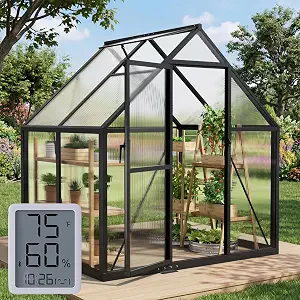 |
| Best Budget The cheapest option that still gets the job done reliably | porayhut Pop-Up Mini Greenhouse Cover (PVC, Aluminum Frame) |  |
| Highest Rated A top-rated pick with lots of positive feedback | Giantex Mini Walk-In Greenhouse with Roll-Up Door and Vent |  |
| Most Popular A crowd favorite that many people choose with confidence | EAGLE PEAK 6×4 Pop-Up Walk-In Greenhouse |  |
| Best Seller A high-volume bestseller chosen again and again | EAGLE PEAK 6×4 Pop-Up Walk-In Greenhouse (Clear/White) |  |
EAGLE PEAK 8×8 Walk-In Pop-Up Greenhouse

| Size | 8×8 |
|---|---|
| Number of Doors | 1 |
| Number Of Vents | 3 |
| Cover Material | Reinforced Polyethylene and Polyester |
| Frame Material | Alloy Steel |
The EAGLE PEAK 8×8 walk-in pop-up greenhouse brings a generous, easy-to-use protected space for backyard gardening without tools or long assembly. The patented PeakPush center lock lets one person raise and lower the preassembled steel frame in seconds, and the reinforced polyethylene and polyester cover has zippered roll-up doors plus mesh windows for ventilation. Its walk-in interior fits shelving and gives comfortable room to pot, start seedlings, or overwinter potted plants. Practical benefits include quick seasonal setup and portability so you can move or store it between uses, and reinforced corners and a steel-ceiling roof add rigidity compared with lightweight tunnel tents. Expect limits typical of pop-up greenhouses: it is not a permanent structure for high winds or heavy snow loads, and long-term UV and weather exposure will eventually degrade the cover. For yard gardeners who want a roomy, temporary greenhouse to extend the season or protect plants, this model balances space and convenience well.
Best for: Gardeners who want a roomy, temporary greenhouse to start seedlings, overwinter pots, or extend the growing season with minimal setup effort and easy portability.
Less Ideal for: Those needing a permanent, year-round greenhouse or a structure rated for heavy snow loads and sustained high winds should consider rigid-frame or anchored solutions instead.
- One-person, tool-free pop-up setup with patented center lock for fast assembly
- Spacious 8×8 walk-in interior that accommodates shelving and potting activities
- Reinforced polyethylene cover and alloy steel frame for improved rigidity over basic tents
- Zippered roll-up door and mesh windows provide ventilation and easy access
- Not intended as a permanent structure for heavy snow, strong winds, or long-term outdoor exposure
Verdict: A roomy, truly one-person pop-up greenhouse that gives backyard gardeners quick seasonal protection and usable walk-in space.
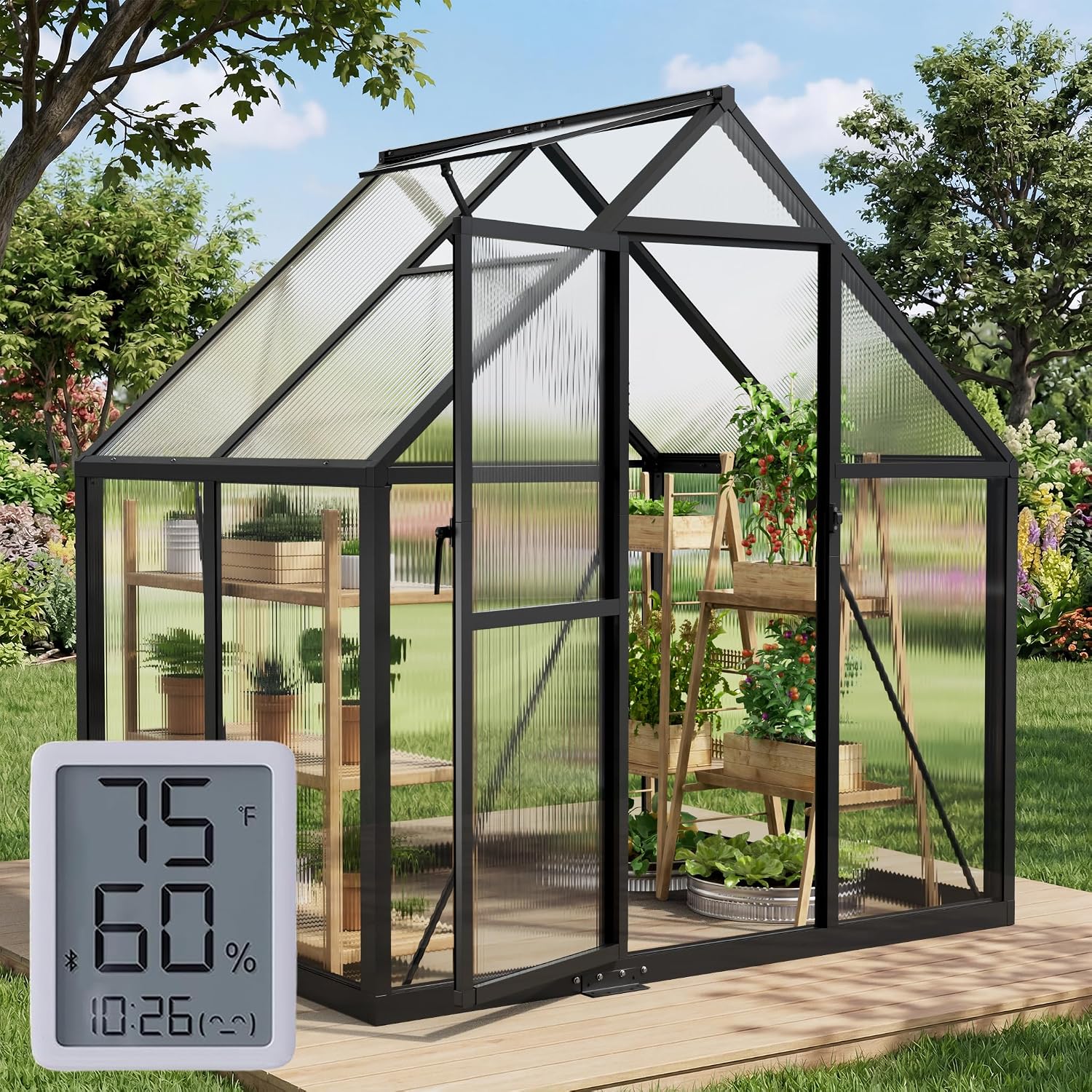
Sylviera 6×4 ft Outdoor Polycarbonate Greenhouse with Hygrometer
| Cover Material | Polycarbonate (PC) |
|---|---|
| Frame Material | Aluminum |
| Number Of Vents | 2 |
| Indoor Outdoor Usage | Outdoor |
The Sylviera 6×4 ft greenhouse is a compact walk-in shelter that creates a controlled environment for vegetables, herbs, and ornamentals. It uses an aluminum frame with 4mm double-wall polycarbonate panels to let light in while blocking UV, and the kit includes roof vents, a lockable door, and a hygrometer for basic climate monitoring. Typical use is to stage potted plants and seed trays on shelving inside, open vents to prevent overheating on warm days, and close up for wind or light snow. Notable features are the impact-resistant panels that improve insulation compared with single-sheet plastic, a reinforced frame for better wind resistance, and labeled parts with tools to simplify assembly. In practice this means extended growing seasons and safer overwintering for small crops, but expect a modest usable footprint that limits large beds and taller crops. Assembly takes two people and some time to align panels and secure seams, and heavy wind or deep snow may still require additional anchoring or sealant to keep joints tight.
Best for: Gardeners who prioritize year-round performance and want a durable small greenhouse to extend seasons and protect plants from wind and light snow.
Less Ideal for: Those needing a large production space, tall plant beds, or a no-assembly, instant shelter should consider larger or prebuilt alternatives.
- Double-wall polycarbonate panels provide UV protection and better insulation than thin plastic sheeting
- Aluminum frame offers corrosion resistance and increased structural strength
- Adjustable roof vents and a lockable door help regulate temperature and airflow
- Includes a hygrometer and labeled parts for clearer assembly and basic climate monitoring
- Small interior footprint limits planting layout and vertical growing space
- Assembly requires two people and careful alignment of panels for a weather-tight fit
Verdict: Choose this compact Sylviera greenhouse when you want a durable, ventilated small walk-in that reliably extends your growing season.
porayhut Pop-Up Mini Greenhouse Cover (PVC, Aluminum Frame)

| Indoor Outdoor Usage | Indoor, Outdoor |
|---|---|
| Closure Type | Zipper |
| Cover Material | Polyvinyl Chloride (PVC) |
| Frame Material | Aluminum |
| Number of Doors | 1 |
This porayhut pop-up mini greenhouse is a lightweight, easy-to-deploy shelter for extending the growing season around seedlings, small vegetable starts, strawberries and potted plants. The dome-style frame pops up in seconds and the clear PVC cover provides UV protection and rain resistance while letting light through. A single zippered door/vent lets you check plants and add ventilation on warm days, and ground stakes and ropes help keep the cover secured. Because it folds flat into a compact package it is convenient to store or move around the yard when not in use. Expect straightforward protection from light frost, wind and rain but not from heavy snow or strong storms since the thin hoops and PVC cover are intended for seasonal, small-scale use. Assembly is minimal but the lightweight construction means it is best for sheltered spots rather than exposed, high-wind locations.
Best for: Yard gardeners who want an inexpensive, portable way to protect seedlings and small plants and who prioritize easy setup and low-cost seasonal protection.
Less Ideal for: Gardeners needing a permanent, heavy-duty greenhouse or anyone who needs protection from heavy snow, sustained high winds, or large plants that require more interior space.
- Quick pop-up setup that can be folded for compact storage
- Transparent PVC cover lets light in while providing UV and water resistance
- Zippered door for easy access and adjustable ventilation
- Includes ground fastening options (stakes and ropes) to stabilize the cover
- Lightweight frame and PVC cover are not designed for heavy snow loads or sustained high winds
Verdict: A very affordable, instantly deployable mini greenhouse that delivers simple seasonal protection for seedlings and small plants.
Giantex Mini Walk-In Greenhouse with Roll-Up Door and Vent

| Cover Material | Polyethylene (PE) |
|---|---|
| Frame Material | Metal |
| Number Of Vents | 2 |
| Indoor Outdoor Usage | Outdoor |
This Giantex mini walk-in greenhouse is built to give reliable seasonal protection for a small backyard patch or patio collection. The heat-retentive PE cover and rustproof PE-coated metal pipes create a simple microclimate that helps seedlings, herbs and vegetables survive cooler nights and light storms. Practical features include a large roll-up zippered door for easy access and a side vent window to improve airflow and reduce humidity. The overlong cover plus included ground stakes, guy ropes and fastening straps let you anchor the unit securely in windy conditions. Setup is straightforward for one person and the footprint fits narrow yards or alongside raised beds. Expect a modest, lightweight structure that is best for sheltering pots and small beds rather than heavy-duty, permanent use, and the thin PE cover will eventually show wear in prolonged sun or severe weather. For gardeners who value dependable seasonal protection without a heavy permanent installation, this greenhouse is a sensible option.
Best for: Gardeners who want a dependable, easy-to-install seasonal shelter to protect seedlings, herbs or a few vegetable pots and extend the growing season without committing to a permanent structure.
Less Ideal for: People seeking a permanent, heavy-duty greenhouse for year-round production or large-scale crop growing should consider sturdier, all-season options.
- PE cover retains heat and shields plants from sun and rain
- Rustproof PE-coated metal frame with straps and connectors increases structural stability
- Large roll-up zippered door and side vent improve access and ventilation
- Includes ground stakes and guy ropes for windproof anchoring
- PE cover and lightweight frame are not intended for long-term exposure to severe weather
- Limited interior space suited to small beds and containers rather than large-scale growing
Verdict: A practical, easy-to-anchor mini walk-in greenhouse that reliably protects small yard plants and extends the growing season.
EAGLE PEAK 6×4 Pop-Up Walk-In Greenhouse

| Size | 6×4 |
|---|---|
| Cover Material | Reinforced Polyethylene Film |
| Frame Material | Alloy Steel |
| Number of Doors | 1 |
| Number Of Vents | 2 |
The EAGLE PEAK 6×4 pop-up walk-in greenhouse is a compact, easy-to-use shelter for starting seeds, protecting tender plants from frost, and extending fall or early-winter growth. Its pre-assembled pop-up frame and patented center lock let one person erect the structure quickly without tools, and the reinforced polyethylene cover holds warmth and humidity while filtering light. Mesh windows and a roll-up zippered door provide straightforward ventilation and access, and included stakes and guy ropes help stabilize the unit in light to moderate winds. The alloy steel frame and powder-coated finish add durability compared with flimsy hobby tents, but because it is a lightweight pop-up design it still needs care in heavy snow or high winds and can require additional anchoring or weight bags for stormy weather. The greenhouse is best for patios, balconies, and small backyards where a simple, portable shelter is desirable rather than a permanent heavy-duty structure.
Best for: Buyers who want a small, reliable portable greenhouse they can set up alone to start seeds, overwinter plants, or extend the growing season in a patio or small yard with minimal fuss.
Less Ideal for: Gardeners needing a permanent, heavy-duty greenhouse for large crops or those in exposed, high-wind or heavy-snow climates should choose a framed, rigid structure instead.
- One-person, tool-free pop-up frame for quick setup
- Reinforced PE cover that retains warmth and is UV and water resistant
- Alloy steel frame with powder-coated finish for improved durability
- Zippered roll-up door and mesh windows for ventilation and easy access
- Pop-up design is not suited to heavy snow loads or extreme wind without extra anchoring
Verdict: A compact, one-person pop-up greenhouse that delivers easy setup and season-extension performance for small-space gardeners.
EAGLE PEAK 6×4 Pop-Up Walk-In Greenhouse (Clear/White)

| Size | 6×4 |
|---|---|
| Cover Material | Polyethylene (PE) |
| Frame Material | Alloy Steel |
| Number Of Vents | 2 |
| Indoor Outdoor Usage | Outdoor |
The EAGLE PEAK 6×4 pop-up walk-in greenhouse is a compact, easy-to-use shelter for extending the growing season and protecting plants from frost. Its preassembled pop-up frame and patented center lock let one person set it up quickly without tools, so it is handy for hobby gardeners who need temporary or seasonal protection. The alloy steel frame has extra reinforcement compared with typical pop-ups and comes with stakes and guy ropes to improve stability in light to moderate wind. The PE cover is UV-treated and water-resistant to retain warmth and humidity while allowing diffused light for seedlings or overwintering vegetables. Venting comes from two mesh windows and a roll-up zippered door that help control temperature and airflow. Important limitations are its pop-up design and PE cover, which should be cleared of heavy snow and reinforced or weighted during strong storms; it is best for fall, early winter, and mild climates rather than heavy snow areas. Shelving accessories are available to increase usable space inside.
Best for: Buyers who want a low-effort solution to extend the growing season and protect seedlings or small crops through fall and mild winter conditions, prioritizing easy setup and reliable day-to-day plant protection.
Less Ideal for: Gardeners in regions with heavy snowfall, frequent strong winds, or those seeking a permanent, heavy-duty greenhouse solution should consider rigid-frame or polycarbonate structures instead.
- One-person pop-up setup with a center lock for fast assembly
- Alloy steel frame with powder-coated finish for better durability and rust resistance
- UV-treated, water-resistant PE cover that traps warmth and filters sunlight
- Roll-up zippered door and mesh windows for ventilation control
- Includes stakes and guy ropes for added stability outdoors
- Pop-up PE cover is not designed for heavy snow loads and requires manual snow removal or reinforcement during storms
Verdict: A quick one-person pop-up greenhouse that delivers easy setup and dependable frost protection for gardeners who need simple season extension in mild winter conditions.
Choosing the Right Mini Greenhouse for Yards: Key Factors to Consider
Structure Durability
A mini greenhouse in a yard faces wind, rain, and UV exposure, so the frame material and connection design matter. Steel or aluminum frames that are powder-coated resist rust better than untreated metal, while reinforced plastic joints reduce the risk of collapse when snow or heavy wind loads occur. Look for models with strong anchor points for staking or bolting to a patio or compact foundation. Durable frames reduce long-term repair needs and give the cover material a stable shape so vents and doors seal properly.
Long-term exposure also affects fasteners and zippers. Metal zippers and corrosion-resistant screws or rivets will last longer than basic hardware. Consider how the frame handles local weather extremes and whether replacement parts are available to keep the unit functional season after season.
Cover Material and Light Transmission
Covers determine how much light reaches your plants and how well the greenhouse retains heat. Clear polyethylene gives good light transmission for seedlings and vegetables but can degrade under UV and tear more easily than thicker options. PVC and vinyl covers are often stronger and clearer, but they can trap heat and create high daytime temperatures without proper ventilation. Polycarbonate panels offer superior durability and steady light diffusion but are usually heavier and used on sturdier frames.
Consider whether you need removable panels for winter insulation or a single-sheet cover for easy access. Also check how the cover attaches to the frame and whether it can be tightened to avoid flapping, which shortens lifetime and stresses connection points.
Ventilation and Temperature Control
Good ventilation prevents overheating on sunny days and reduces humidity that can encourage fungal disease. For yard-use mini greenhouses, look for adjustable vents, roll-up sidewalls, or screened windows that let you tune airflow without opening the main door. Passive vents placed at opposite sides or at different heights improve crossflow and help pull cooler air in while allowing hot air to escape.
Temperature control also means having the option to add small fans, shade cloth, or thermostatic vents. In small units, even brief midday heat spikes can stress seedlings, so predictable airflow and easy shading matter as much as how well the unit holds heat at night.
Footprint and Layout Efficiency
Yard space is often limited, so a mini greenhouse should maximize usable growing area without overwhelming the yard. Consider internal shelving, tiered racks, or narrow bench layouts that let you grow pots vertically. A compact footprint with efficient height gives more planting volume per square foot while keeping the structure accessible from one or both sides.
Also think about door placement and how you will water and move pots. A design that forces you to step inside a narrow aisle can make routine tasks awkward. Efficient layouts reduce time spent rearranging plants and make it easier to rotate crops or overwinter containers.
Ease of Assembly and Maintenance
Installation should be realistic for one or two people working in a yard. Look for clear instructions, labeled parts, and simple connection systems that do not require specialized tools. Quick-release clips or slip-fit connectors speed assembly and make seasonal removal possible if you need to store the unit in winter.
Maintenance includes cleaning the cover to maintain light levels and checking seals, zippers, and anchor points each season. Removable covers, replaceable panels, and commonly available fasteners simplify upkeep and extend the life of a mini greenhouse.
Sizing a Mini Greenhouse for Yard Conditions
Measure the available area and account for clearance around the unit for maintenance and wind exposure. A narrow model along a fence can make efficient use of an otherwise unused strip, while a freestanding unit needs access on at least one side for pot handling.
Factor in height for hanging plants or tall seedling racks. If you plan to use shelving, calculate bench depth and aisle width so you can tend plants without removing multiple pots.
- Allow at least 2 feet of clearance from structures to reduce wind funneling.
- Choose a model tall enough for your tallest containers plus shelving.
Anchoring and Wind Resistance
Yard locations can be windier than sheltered patios. Secure anchoring is essential: look for tie-down points, ground stakes, or options to bolt the base to a compact pad. Some designs include sandbag loops or anchor plates that spread load across the base.
Assess local wind patterns and choose a placement that avoids pressure from prevailing winds. A low profile with rounded edges will generally handle gusts better than a boxy, high-sided design.
- Use additional ground anchors in loose soil.
- Consider weighted bases if staking is impractical on hard surfaces.
Seasonal Use and Insulation Strategies
Mini greenhouses are most useful for spring starts and fall protection, but some gardeners extend winter protection with insulating wraps or bubble insulation on the inside. Removable panels and double-layer covers can improve nighttime heat retention without forcing you to sacrifice ventilation during daytime.
If you plan to overwinter plants, add thermal mass such as water-filled barrels or place containers close together to reduce heat loss. Monitor for condensation build-up and provide occasional airflow to prevent rot and disease.
- Use shade cloth on hot afternoons to prevent overheating.
- Install small thermostatic vents or use manual venting strategies as temperatures change.
Maintenance Tips to Prolong Lifespan
Clean the cover periodically to maximize light transmission and inspect seams for early signs of wear. Remove dead leaves and soil spillovers that trap moisture against the cover, accelerating decay. Repair small tears promptly with patch kits recommended for the cover material.
Before winter, tighten all connections and consider removing lightweight covers if heavy snow is expected. Lubricate zippers occasionally and replace worn fasteners so the structure stays taut and secure.
- Store spare clips and a small repair kit near the greenhouse.
- Check anchors after storms and retension covers each season.
Accessories That Improve Usability
Simple accessories can make a mini greenhouse more productive and easier to use. Shelving kits, tray systems, and hanging hooks increase planting density while maintaining access. Thermometers, humidity gauges, and small circulating fans help you monitor conditions and react quickly.
Consider a rainwater catchment plan for easy watering and using recycled water. Portable heat mats or seedling-specific lights provide targeted warmth or light without heating the whole structure.
- Choose modular shelving that can be rearranged as plants grow.
- Place a thermometer at plant height to get an accurate reading of growing conditions.
How We Chose the Best Mini Greenhouse for Yards
We shortlisted mini greenhouses that perform reliably in yard environments and filtered out fragile, overly large, or indoor-only models. Key evaluation dimensions included structure durability, cover material and clarity, ventilation and airflow control, ease of assembly and maintenance, and footprint efficiency for small outdoor spaces. Each product had to provide clear protection against light frost while still allowing adequate air exchange to avoid overheating on sunny days. We excluded hobby tabletop units intended for indoor use, temporary grow tunnels that lack rigid support, and designs without replaceable covers. We prioritized options that offer straightforward anchor points for yards, accessible door or panel systems for potting and watering, and materials known to resist UV and moisture. The final selections reflect a balance of weather resistance, usable growing area, and practical day-to-day access for gardeners working in constrained outdoor spaces.
FAQ
Will a mini greenhouse protect plants from light frost in a yard?
Yes, most mini greenhouses provide enough insulation to protect tender plants from light frost by trapping daytime warmth and reducing overnight radiative heat loss. For hard freezes you may still need extra insulation or to move containers to a more protected spot.
How much sunlight do mini greenhouses for yards typically allow?
Light transmission depends on the cover material. Clear polyethylene and vinyl allow high light levels suitable for seedlings and vegetables, while diffusing panels reduce hot spots. Expect some reduction compared with open-sky conditions but enough for most common garden starts.
Can I leave a mini greenhouse up year-round in a yard?
You can in many climates, but year-round exposure increases wear from UV, wind, and ice. If you experience heavy snow or strong seasonal storms, it is often safer to disassemble or add reinforcements in the offseason.
How do I prevent overheating inside a small greenhouse on sunny days?
Use adjustable vents, roll-up sides, or shade cloth to reduce solar gain. Opening vents early in the day and using passive cross-ventilation prevents rapid heat buildup. In very hot weather, temporary shading and increased airflow are the most effective controls.
What is the best place to locate a mini greenhouse in a yard?
Place it where it gets morning sun and some afternoon shelter from prevailing hot afternoon sun or strong winds. A level spot with good drainage and easy access to water will simplify routine care and reduce maintenance issues.
Final Verdict
A mini greenhouse for yards is a practical way to extend the growing season, protect tender plants, and increase planting density in a compact footprint. Prioritize a durable frame and a cover material that matches your light and insulation needs, and choose a layout that fits how you work in the yard. Balance ventilation and heat retention based on your local climate, and plan for anchoring and routine maintenance to keep the unit functional season after season. With those tradeoffs in mind, you can confidently select a mini greenhouse that brings more reliable starts and better overwintering for your yard garden.
