

Note: This article contains affiliate links. If you click on these links and make a purchase, I may earn a small commission at no extra cost to you. This helps support my research and content. Read my full affiliate disclosure here.
Tomato plants in raised beds react quickly to surface conditions, so the right mulch can make a big difference in fruit set, disease management, and watering frequency. This guide looks at six top mulch options suited for tomatoes in raised beds and explains how each type behaves in a real garden. You will get practical guidance on moisture control, disease suppression, soil temperature, and maintenance demands. The shortlist that follows are the top picks we vetted for raised-bed tomato culture. Below those entries, we explain our selection criteria and the tradeoffs you should weigh before choosing a mulch for your tomatoes.
Top Picks at a Glance
| Best Overall The best all-around choice for most situations | NRWRTY 4 Mil Red Plastic Mulch, 4 x 50 ft with Drainage Holes and Cable Ties |  |
| Best Quality Built to a higher standard if you want something more solid | Plantonix Coco Chips Mulch Brick (10 lb) – Compressed Coconut Husk Chips |  |
| Best Value The sweet spot between price and what you get | PlantBest Coco Mulch Compressed Block (expands to 2.5 cu ft) |  |
| Best Budget The cheapest option that still gets the job done reliably | ZeeDix Coco Coir Bricks (2-Pack) — 100% Organic Coconut Coir |  |
| Highest Rated A top-rated pick with lots of positive feedback | Home And Country USA Triple Shredded Hardwood Mulch, 2 cu ft |  |
| Most Popular A crowd favorite that many people choose with confidence | HealthiStraw GardenStraw Premium Garden Mulch, 3 cu ft |  |
NRWRTY 4 Mil Red Plastic Mulch, 4 x 50 ft with Drainage Holes and Cable Ties

| Material thickness | 4 mil |
|---|---|
| UV resistance | Yes |
| Drainage | 2.5 cm spaced holes |
| Size | 4 ft x 50 ft |
This red plastic mulch is made from a heavier 4 mil UV-stabilized material intended for season-to-season use in raised beds and small gardens. It is laid over beds and secured with the included cable ties or landscape staples; pre-spaced drainage holes let rain and irrigation pass through while helping the surface retain warmth and reduce weeds. The manufacturer cites USDA-based research that red plastic can boost tomato yields by reflecting far-red light and accelerating ripening, which matches how tomato phytochrome responds to light. In practice the product is useful for gardeners who want earlier harvests and reduced hand-weeding without daily watering changes. Expect reliable weed suppression and soil warming for heat-loving crops, though plastic mulch does not add organic matter and needs to be removed or recycled at season end. Installation requires some care to get a tight fit and to avoid trapping excess water in heavy storms despite the drainage holes.
Best for: A gardener who prioritizes predictable, low-maintenance tomato production and wants a durable plastic mulch to reduce weeds and speed ripening in raised beds or small plots.
Less Ideal for: Growers who prefer building soil health with organic mulches or who want fully biodegradable options should consider compost or straw instead.
- Heavier 4 mil construction and UV resistance for longer life than thinner films
- Pre-spaced drainage holes balance water penetration with moisture retention
- Designed color effect to promote earlier flowering and higher tomato yields according to cited research
- Large 4 x 50 ft sheet covers multiple raised beds and can be trimmed to fit
- Does not improve soil organic matter or nutrient content
- Must be removed or recycled after use which adds end-of-season work
- Can require careful anchoring and trimming to avoid flapping or pooling in strong wind and heavy rain
Verdict: Choose this durable red plastic mulch when you want a proven way to warm soil, cut weeds, and help tomatoes ripen and yield earlier.
Plantonix Coco Chips Mulch Brick (10 lb) – Compressed Coconut Husk Chips

| Unit Count | 160 Ounce |
|---|---|
| Item Type Name | Soil and Soil Amendments |
| Brand Name | plantonix |
| Volume | 15 gallons |
Plantonix Coco Chips arrive as a compact 10 pound brick that hydrates and expands into lightweight coconut husk chips for use as mulch, soil amendment, or terrarium bedding. You soak or wet the block to break it apart, then spread the chips over garden beds, containers, orchid pots, or raised beds to reduce evaporation and moderate soil temperature. The product is pre-screened, washed, and aged to remove dirt and rocks, and the low electrical conductivity and near-neutral pH make it safe to mix with potting mixes. Practical benefits include improved drainage and aeration compared with heavy wood mulches, long-lasting moisture retention that can reduce watering frequency, and an attractive tropical look. Important limitations are that you must rehydrate and break up the compressed brick before use which adds prep time, and coco chips do not supply nutrients so you will still need to fertilize regularly. Also note the safety warning about dust and keeping it away from children and pets during handling.
Best for: Buyers who prioritize reliable, consistent mulch performance and want a sustainable, low-maintenance material that retains moisture and improves soil structure for beds and containers.
Less Ideal for: Gardeners who need a nutrient-rich soil amendment or who prefer a no-prep, ready-to-spread loose mulch should consider alternatives.
- Made from 100% recycled coconut husks, a renewable alternative to peat and wood mulches
- Pre-screened and washed to remove dirt, rocks, and excess fiber
- Excellent at retaining moisture while maintaining airflow and drainage
- Lightweight and long-lasting so it does not compact like some organic mulches
- Requires soaking and manual breakup of the compressed brick before use
- Does not provide plant nutrients and should be used with a fertilizer plan
Verdict: A dependable, renewable mulch solution that holds moisture and improves aeration without compacting, ideal for gardeners who want consistent performance.
PlantBest Coco Mulch Compressed Block (expands to 2.5 cu ft)

| Item Form | Block |
|---|---|
| Coverage | 2.5 cubic feet |
| Specific Uses For Product | gardening and landscaping |
| Mixing Ratio | 6 fold in 5 minutes |
| Target Species | plants |
This compressed coco mulch block is designed to expand quickly with water into a lightweight, easy-to-spread mulch for flower beds and borders. One 9.1 lb block soaks up water and expands to roughly 2.5 cubic feet, making it simple to store and handle compared with bulky bags. The coconut fibers form a cohesive layer that helps retain soil moisture, reduce watering frequency, and suppress weed growth while resisting mild washout on slopes. It is peat-free and made from renewable coconut coir, so it avoids dyes and chemicals and can last through up to two seasons in typical garden use. Mixing and expansion are fast using the provided water ratio, and the material is useful around plants, trees, and walkways. Limitations are that coverage claims assume a 1.5-inch depth so you may need more than one block for larger beds, and it will gradually decompose over time so expect to top up after a season or two.
Best for: Gardeners who want an easy-to-store, peat-free mulch for flower beds and borders that conserves water and reduces weed pressure without heavy bags.
Less Ideal for: People needing permanent, decorative bark that lasts many years or those covering very large beds where buying in bulk loose mulch is more economical.
- Expands with water to a usable mulch, reducing storage bulk and handling weight
- Made from renewable coconut coir with no dyes or chemicals
- Helps retain soil moisture and can reduce how often you need to water
- Fibrous structure suppresses weeds and resists minor erosion on slopes
- Coverage is calculated at a 1.5-inch depth so larger beds may require multiple blocks
- Will break down over time and typically needs replenishing after one to two seasons
Verdict: A compact, peat-free coco mulch that expands with water to give flower beds moisture-retaining, weed-suppressing coverage with easy storage and handling.
ZeeDix Coco Coir Bricks (2-Pack) — 100% Organic Coconut Coir

| Number of Packs | 2 |
|---|---|
| Unit Count | 44.8 Ounce |
| Volume | 15 quarts |
| Item Highlight | Low EC & pH Balance Coconut Fiber Seed Starter Soil for Indoor Outdoor Plants, Houseplants, Raised Garden Beds, Grow Bags |
These ZeeDix coco coir bricks compress 100% natural coconut fiber into two compact blocks that expand into loose, peat-like coir when soaked. Typical use is to hydrate a brick, break it apart, and mix the expanded coir with potting soil or use it alone for seed starting, container plants, or to amend raised beds. The product emphasizes low electrical conductivity and a balanced pH so it will not introduce excess salts to sensitive seedlings or young tomato transplants. Its fiber structure improves aeration and water retention, helping roots stay moist without becoming waterlogged. Advantages here are convenience and storage savings since the bricks are light and compact until needed. Important limitations are that coco coir does not supply nutrients on its own so you will need to add fertilizer or compost for tomatoes, and a single 2-pack expands to about 15 quarts so larger raised beds will require multiple packs for full coverage. For mulch over soil, coir will hold moisture but may compact over time and need replenishing or mixing into existing soil.
Best for: Home gardeners watching budget who want a cheap, compact growing medium to improve moisture retention and aeration for seedlings, containers, and small raised bed tomato plantings.
Less Ideal for: Gardeners who need an all-in-one soil that supplies nutrients or who want to mulch large raised beds without buying multiple packs.
- 100% natural coconut fiber for an inert, low-salt medium
- Compresses to a small brick for easy storage and transport
- Good water retention while remaining airy to reduce root rot risk
- Neutral pH and low EC suited for seedlings and young plants
- No inherent nutrients so fertilization is required for fruiting crops
- Two-brick pack yields a limited volume not enough to mulch large raised beds
Verdict: An inexpensive, compact way to add moisture retention and aeration to seed trays, containers, or small raised-bed tomato plantings when you plan to add your own fertilizer or compost.
Home And Country USA Triple Shredded Hardwood Mulch, 2 cu ft
| Manufacturer | Home and Country USA |
|---|---|
| Item model number | HCM |
| ASIN | B0CVM9VW66 |
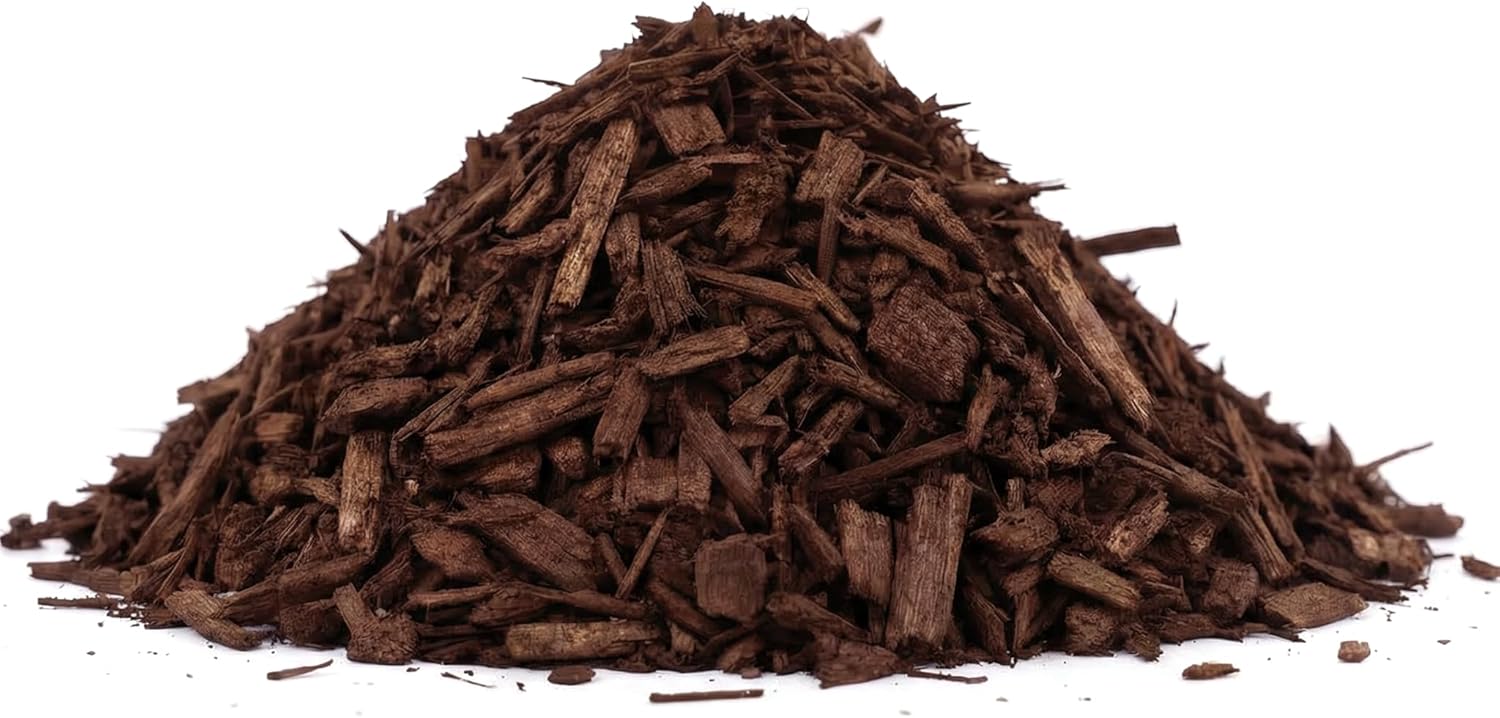
This triple-shredded hardwood mulch is a straightforward organic ground cover intended for garden beds, borders, and around shrubs and fruit plants. It is typically spread in a 2 to 3 inch layer to suppress weeds, reduce evaporation, and help regulate soil temperature. The product emphasizes long-lasting color and gradual decomposition that returns organic matter to the soil, which supports root health over time. Practical benefits for blueberry growers include better moisture retention and reduced weed pressure, both important for shallow-rooted berry bushes. Because it is hardwood and triple shredded, it provides good coverage without compacting heavily, yet still allows water and air to reach roots. Limits to expect are the usual ones with organic mulch: it will slowly break down and require annual top-ups, and hardwood mulches can temporarily immobilize nitrogen if incorporated into soil before fully decomposed, so monitor plant vigor and supplement with nitrogen if needed. For gardeners prioritizing a natural, reliable soil cover, this mulch performs the core tasks well.
Best for: Gardeners who want a dependable, natural mulch to maintain consistent soil moisture and reduce weed upkeep for berry beds and ornamental plantings.
Less Ideal for: Those who need a permanent inorganic groundcover or want a mulch that never needs replenishing should look at nonorganic alternatives.
- 100% natural organic hardwood that adds organic matter as it decomposes
- Triple-shredded texture gives even coverage without compacting
- Designed to retain soil moisture and reduce evaporation
- Helps suppress weeds by creating a physical barrier
- Requires periodic replenishing as it breaks down over a season or year
- May temporarily tie up soil nitrogen during decomposition if mixed into planting beds
Verdict: A reliable, natural hardwood mulch that helps blueberry beds retain moisture and suppress weeds while gradually improving soil health.
HealthiStraw GardenStraw Premium Garden Mulch, 3 cu ft

| Net volume | 3 cu ft |
|---|---|
| Intended use | Garden mulch, lawn seeding, compost-friendly |
| Material | 100% wheat straw |
| Source | Sustainably sourced, non-GMO |
HealthiStraw GardenStraw is a 3 cubic foot compressed bale of cleaned wheat straw formulated for use as garden mulch and seed protection. It is designed for vegetable, herb, flower and shrub beds where you want a lightweight, compostable mulch that retains soil moisture and suppresses weeds. The straw is processed to reduce dust and stray seeds and the short, specially cut fibers interlock when watered so the mulch stays in place without chemical tackifiers. For bushes you can apply a 2 to 3 inch layer around the drip line to cut evaporation, reduce compaction and gradually add organic matter as it breaks down. Practical benefits include easy spreading from a compressed bale, fast composting into the soil, and reduced watering needs. Limitations are that straw is less decorative than bark or wood chips and will decompose faster, so it requires periodic replenishing; it also provides less long-term weed barrier than heavier mulches. For gardeners focused on soil health and moisture conservation, it is a straightforward, low-risk choice.
Best for: Gardeners who prioritize soil health and want an easy-to-apply, compostable mulch for shrubs and mixed beds that reduces watering and improves organic matter over time.
Less Ideal for: People seeking a long-lasting, decorative mulch or a heavy-duty weed barrier for high-traffic beds should consider wood chips or stone instead.
- Cleaned, non-GMO wheat straw with reduced dust and seeds
- Fibers interlock when wetted so the mulch stays in place without binders
- Helps retain soil moisture and can reduce watering needs substantially
- Composts quickly and adds organic carbon to improve soil structure
- Decomposes faster than wood mulches so it needs topping up more often
- Less decorative and provides a lighter-duty weed barrier compared with heavier bark or rock mulches
Verdict: A clean, fast-composting straw mulch that conserves moisture and improves soil health, making it a safe, practical choice for mulching bushes.
Choosing the Right Mulch for Tomatoes in Raised Beds: Key Factors to Consider
Moisture Retention and Drainage
Tomatoes need consistent moisture without waterlogging. In raised beds the soil drains faster, so a mulch that slows evaporation helps reduce watering frequency and prevents fruit cracking from boom-and-bust moisture swings. However, any mulch that holds moisture against the stem or forms a dense mat can prolong wet conditions and increase stem rot and crown issues.
When choosing a mulch, consider how long it retains water and whether it sheds surface runoff. Coarser materials often allow better air movement at the crown while still preserving subsurface moisture. Match mulch depth to the material: lighter mulches need slightly thicker layers to be effective, while denser mulches can suffocate soil at excessive depth.
Disease Suppression and Cleanliness
Minimizing soil splash onto leaves is one of the most effective cultural controls for common tomato diseases. Mulches that form a protective barrier reduce contact between soil-borne pathogens and foliage, lowering early blight and bacterial speck risk. Some materials also discourage weeds that can harbor disease and insect pests.
Avoid mulches that break down into a fine, muddy layer when wet, because that can increase splash and disease transmission. Consider how easy the material is to keep away from stems and how quickly it breaks down into the soil, since fresh organic layers can sometimes carry fungal spores if not fully composted.
Soil Temperature Moderation
Raised beds warm and cool more quickly than in-ground plots. Mulch helps buffer those swings by insulating the soil surface. Cooler soils delay early-season growth but can reduce heat stress in midsummer. Dark, dense mulches trap heat and can be useful in cool climates or early in the season. Light-colored or reflective mulches keep root zones cooler in hot climates.
Think about your local climate and the timing of planting when selecting a mulch. Some gardeners change mulch strategy as seasons progress, starting with a heat-retentive layer for early growth and switching to something more reflective or breathable in high summer.
Nutrient Contribution and Decomposition Rate
Organic mulches eventually break down and contribute carbon and nutrients to the soil. Fast-decomposing materials feed soil microbes and add organic matter quickly, which benefits soil structure and fertility in raised beds. However, very high carbon materials may temporarily tie up nitrogen during decomposition, so plan to monitor plant vigor or supplement with side-dressings if needed.
If you want a persistent, low-maintenance surface, choose a slower-decomposing mulch. Consider whether you want the mulch to be a long-term soil amendment or merely a season-long cover that will be removed at crop end.
Maintenance and Replacement Frequency
Raised-bed gardeners often value low-maintenance solutions because beds are smaller and more intensively managed. Some mulches need annual topping up or full replacement; others stay stable for multiple seasons. Think about how often you are willing to lift mulch to check stems, add fertilizer, or replant crops.
Also weigh how the mulch behaves during routine tasks like staking and pruning. Materials that are easy to shift aside and replace speed seasonal chores and make harvest and pest checks simpler.
Pest and Weed Considerations
Certain mulches can provide habitat for slugs, rodents, or other pests if they create cool, moist refuges. Others suppress weeds effectively by blocking light and preventing seed germination. Evaluate the pest profile in your area and choose a mulch that reduces pest hiding places while still delivering other benefits.
If slugs are a concern, avoid mulches that stay damp and compact; if volunteer weeds are the main issue, favor thicker, light-blocking layers or mulches combined with a weed barrier under the bedding.
Mulch Types and How They Behave in Raised Beds
Organic mulches such as straw, shredded leaves, or composted bark add organic matter as they decompose and help maintain moisture. They vary widely in particle size and breakdown rate, so expect different maintenance rhythms and nutrient effects depending on the material.
Inorganic mulches like landscape fabric or plastic sheeting offer durable weed suppression and consistent moisture retention but do not contribute to soil organic matter. They can be useful for gardeners who want low upkeep, though they require management at season end to refresh plantings.
- Straw and leaf mulch decompose quickly and improve soil structure but need topping more often.
- Coarse wood chips last longer and keep soil aerated, though they contribute carbon slowly.
- Landscape fabric prevents weeds but can interfere with water infiltration unless properly installed.
Managing Mulch Around Stems and Stakes
Keep mulch pulled back a few inches from the main stem to prevent moisture-trapping against the crown. This simple practice reduces crown rot risk and makes it easier to inspect for pests or disease symptoms.
When installing stakes or cages, shift mulch aside rather than piling it up around supports. Replace mulch after pruning or staking so air circulation at the stem base is not impeded.
- Leave a 2 to 3 inch gap between mulch and plant stems.
- Lift mulch when topping up soil or applying fertilizer to avoid burying collars.
Seasonal Mulch Strategies for Tomatoes
Early in the season you may prefer a mulch that warms the soil and accelerates growth, then transition to a cooler option in mid-summer if heat stress becomes a problem. Alternatively, choose a single material that balances both needs if you want a low-maintenance approach.
At season end, remove heavy organic residues that might harbor overwintering pests or disease, or incorporate well-rotted mulch into the bed as a soil amendment if it is fully composted.
- Use darker mulches in cool climates for earlier soil warming.
- Consider lighter-colored or breathable mulches in very hot climates to protect roots from extreme heat.
Watering Practices with Mulched Raised Beds
Mulch changes how water moves into and out of the soil. Use drip irrigation or soaker hoses under the mulch to deliver water directly to the root zone and reduce wet foliage contact. Check soil moisture below the mulch before irrigating to avoid overwatering.
When hand-watering, part the mulch to test the topsoil moisture at plant root depth. Mulch can hide drying signs at the surface, so regular checks help prevent under- or over-watering.
- Place irrigation lines beneath the mulch for efficient delivery.
- Probe soil with a trowel or moisture meter rather than relying on surface appearance.
Sourcing and Preparing Mulch Safely
Use well-composted materials when possible to reduce weed seeds and pathogen load. Fresh organic matter that is not fully composted can introduce unwanted organisms and may temporarily immobilize nitrogen.
If using commercially processed mulches, inspect for contaminants and keep coarse particles that improve airflow. When collecting yard-produced materials, avoid anything that may carry herbicide residues or invasive weed seeds.
- Compost bedding or finished compost is safer than raw manure or unprocessed green waste.
- Avoid using treated wood chips or materials with paint, glue, or chemical residues.
How We Chose the Best Mulch for Tomatoes in Raised Beds
To assemble this list we focused on criteria that matter for tomato culture in raised beds. We prioritized mulches that demonstrably help retain soil moisture without causing prolonged wetness at the stem crown, reduce soil-to-foliage splash to lower disease pressure, and moderate surface temperature swings that can stress fruiting plants. We also evaluated how mulches affect soil biology and decomposition rate, since some materials add organic matter faster than others and can influence nutrient timing. Practical handling was another filter. We preferred mulches that are easy to lay, manipulate when pruning or staking, and manageable to remove or refresh between crops. Durability and replacement frequency were considered so homeowners know maintenance needs. Exclusions included materials that pose clear pest or rot risks around stems, and options that are inappropriate for the confined root zones typical of raised beds. The final picks balance moisture control, disease suppression, soil health, and garden usability.
FAQ
How deep should I lay mulch around tomato plants in raised beds?
Aim for about 2 to 3 inches of most organic mulches. That thickness conserves moisture and suppresses weeds while still allowing air exchange. Avoid piling mulch against stems and reduce depth near cages or stakes to keep crowns dry.
Can I use plastic mulch for tomatoes in a raised bed?
Plastic mulch can warm soil and suppress weeds, but it does not add organic matter and can trap heat in hot climates. If you use it, combine with subsurface drip irrigation and monitor soil temperature to avoid heat stress.
Will mulch attract slugs or other pests to my tomatoes?
Some mulches that remain cool and moist can provide habitat for slugs and small pests. Coarser, well-draining materials tend to be less attractive to slugs. If slugs are a known issue, choose drier, more open mulches and remove debris where they hide.
Should I remove mulch at the end of the season?
It depends on the material and local disease pressure. Remove or fully compost mulch that might harbor overwintering pests or pathogens. Well-rotted organic mulch can be incorporated into the soil to boost organic matter.
Does mulch change my fertilizer needs for tomatoes?
Yes. Fast-decomposing mulches add nutrients but may temporarily compete for nitrogen as microbes break down carbon-rich materials. Monitor plant vigor and supplement with side-dressings or balanced feeds if plants show yellowing or slow growth.
Final Verdict
Choosing a mulch for tomatoes in raised beds means balancing moisture control, disease reduction, and maintenance demands. Prioritize a material that conserves subsurface moisture while staying clear of the stem and that matches your climate for temperature control. Consider decomposition rate and pest tendencies so the mulch fits your seasonal workflow. Focus on the few criteria that matter most to your garden: moisture retention and disease suppression typically give the biggest practical benefits. With those priorities in mind, you can select a mulch that supports healthier plants and easier summer care.
