

Note: This article contains affiliate links. If you click on these links and make a purchase, I may earn a small commission at no extra cost to you. This helps support my research and content. Read my full affiliate disclosure here.
Picking the right plant food for fiddle leaf fig matters because these tall, structure-driven houseplants respond strongly to both underfeeding and overfeeding. You want a feed that supports leaf size and color without causing salt buildup or root stress. This guide shortlists seven top options for feeding fiddle leaf figs and explains the practical differences you'll notice in a living room or bright indoor spot. We'll evaluate nutrient balance, application method, and how each option integrates with common watering and repotting routines. Read on to match a feeding approach to your care style and plant goals.
Top Picks at a Glance
| Best Overall The best all-around choice for most situations | HiThrive Fiddle Leaf Fig Liquid Fertilizer, 16 oz |  |
| Best Quality Built to a higher standard if you want something more solid | Fiddle Leaf Fig Plant Food, 3-1-2 Liquid Fertilizer (8 oz) | 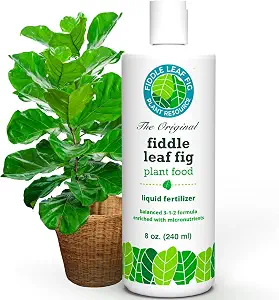 |
| Best Value The sweet spot between price and what you get | The Grow Co Fiddle Leaf Fig Slow-Release Plant Food Pellets (5 oz) |  |
| Best Budget The cheapest option that still gets the job done reliably | Perfect Plants Fiddle Leaf Fig Slow-Release Fertilizer Pellets, 5 oz |  |
| Highest Rated A top-rated pick with lots of positive feedback | NitroGene Tech 3-1-2 Liquid Fertilizer for Fiddle Leaf Fig, 8 oz |  |
| Most Popular A crowd favorite that many people choose with confidence | TPS Nutrients Fiddle Leaf Fig Liquid Fertilizer, 8 oz |  |
| Best Seller A high-volume bestseller chosen again and again | TPS NUTRIENTS Fiddle Leaf Fig Liquid Fertilizer, 32 fl oz |  |
HiThrive Fiddle Leaf Fig Liquid Fertilizer, 16 oz

| Item Form | Liquid |
|---|---|
| Target Species | Ficus plants |
| Liquid Volume | 16 fluid ounces |
| Mixing Ratio | 1:128 (1 teaspoon per gallon) |
This HiThrive liquid fertilizer is made specifically for ficus species and delivers a high-nitrogen 6-2-4 formula with added micronutrients to encourage greener, larger leaves and stronger roots. It is used by mixing a small measured dose into each gallon of water (standard rate 1 teaspoon per gallon; heavier feeding at 2 teaspoons), then applying during regular watering either directly to the soil or by bottom-watering. The 16 oz bottle claims enough concentrate to make roughly 96 gallons of ready-to-use solution, so it stretches well for routine maintenance. Practical benefits include easy dosing, instant-acting nutrients for visible leaf color and growth, and a blend aimed at the specific needs of fiddle leaf figs rather than a generic houseplant feed. Important limitations are that the formula is focused on rapid growth, so users should monitor for over-fertilization and follow dilution guidance, and the single bottle size may require repeat purchases for very large collections. For growers wanting slow-release or organic-certified options this is not that type of product.
Best for: Plant owners who want an easy-to-use, results-oriented fertilizer to promote larger, greener fiddle leaf fig leaves and steady growth with regular feeding.
Less Ideal for: People seeking organic, slow-release, or very mild low-nitrogen feeds for bonsai-style or deliberately slow-growing ficus specimens should consider other products.
- Targeted 6-2-4 NPK formula formulated for ficus and fiddle leaf fig growth
- Concentrated liquid that mixes to make a large volume of feed (mixing ratio 1 tsp per gallon)
- Includes micronutrients to support leaf color and root development
- Simple dosing that can be applied with every watering for consistent results
- High-nitrogen formula may require careful dosing to avoid leaf burn with overuse
- Not an organic or slow-release fertilizer option
Verdict: A concentrated, easy-to-use liquid feed tailored to fiddle leaf figs for reliably greener leaves and faster upright growth.
Fiddle Leaf Fig Plant Food, 3-1-2 Liquid Fertilizer (8 oz)

| Item Form | Liquid |
|---|---|
| Specific Uses For Product | Balanced 3-1-2 formula enriched with micronutrients |
| Application Method | Watering |
| Target Species | Ficus Lyrata, Audrey |
| Unit Count | 8 Fluid Ounces |
This 8 oz liquid plant food is formulated specifically for fiddle leaf figs and similar indoor fig trees and is meant to be added to the watering routine. It uses a balanced 3-1-2 NPK ratio with added micronutrients and is diluted at one teaspoon per two cups of water so you can feed every watering without complex measuring. The flip-top bottle and clear mixing ratio make application simple and low mess for regular use. Because it is a liquid with three forms of nitrogen, it supplies both immediate and sustained nitrogen to support leaf growth and root development, which is useful for potted fig trees that need steady nutrition. The product is made in the USA and includes care resources for troubleshooting. Limitations are its small bottle size for larger or frequently watered trees and that it targets fiddle leaf figs specifically, so buyers with diverse plant collections may prefer a more general-purpose formulation or larger concentrate.
Best for: For plant owners who prioritize steady, performance-driven nutrition for potted fiddle leaf figs and want a simple feed-every-water routine that promotes leaf and root development.
Less Ideal for: Not a great fit for gardeners managing many different houseplant species who need a universal fertilizer or for those who prefer bulk concentrates to feed large collections.
- Balanced 3-1-2 NPK with micronutrients tailored for Ficus species
- Easy dilution rate (1 tsp per 2 cups) for consistent, repeatable feeding
- Liquid form delivers nutrients quickly and mixes into normal watering routine
- Flip-top bottle and induction seal reduce mess and allow controlled dispensing
- Only 8 oz per bottle can be consumed quickly on larger or multiple potted figs
- Formulation is specialized for fiddle leaf figs and may not suit all houseplant needs
Verdict: A convenient, plant-specific liquid fertilizer that makes performance-focused, regular feeding of potted fiddle leaf figs easy and reliable.
The Grow Co Fiddle Leaf Fig Slow-Release Plant Food Pellets (5 oz)

| Item Form | Granules |
|---|---|
| Specific Uses For Product | Plant Food |
| Coverage | Medium |
| Target Species | Fig |
| Unit Count | 5 Ounce |
This is a small, easy-to-use slow-release pellet fertilizer designed specifically for ficus species, including fiddle-leaf figs. You sprinkle or lightly mix the granules into the potting medium and they release nutrients with each watering, which reduces the need for frequent liquid feeding. The formula targets fig varieties and claims balanced macronutrients to support root strength, glossy leaves, and steady growth. Its main practical benefit is convenience: one application can feed a potted plant for up to six months, so it suits owners who prefer low-maintenance care and want to avoid fertilizer burns from over-application. Because it is granular and coated for slow release, it is less likely to spike soil salts compared with repeated liquid feeds. The product comes in a compact 5 ounce unit so it is suitable for smaller pots or to trial on a single plant. Limitations are the small unit size if you have many or large trees and the need to follow application directions carefully to avoid under- or overdoing coverage in different pot sizes.
Best for: A budget-minded plant owner with one or a few potted ficus or fiddle-leaf figs who wants a low-effort, infrequent feeding schedule that avoids liquid fertilizer routines.
Less Ideal for: Those caring for many large specimen figs or commercial growers who need bulk fertilizer or customizable nutrient schedules should look for larger capacity or professional formulations.
- Slow-release coating provides steady feeding for up to six months
- Formulated specifically for ficus species and fiddle-leaf figs
- Easy, no-mess granular application that reduces need for frequent liquid feedings
- Gentle feeding method helps lower risk of fertilizer burn when used as directed
- Small 5 oz unit may be insufficient for multiple or large potted trees
- Instructions require measuring by pot width which adds a small step to application
Verdict: A simple, low-maintenance slow-release pellet feed that keeps a single potted fig healthy for months with minimal effort.
Perfect Plants Fiddle Leaf Fig Slow-Release Fertilizer Pellets, 5 oz

| Unit Count | 5 Ounce |
|---|---|
| Item Form | Granules |
| Specific Uses For Product | Fiddle Leaf Fig Trees |
| Application Method | Sprinkle |
| Mixing Ratio | 16:5:11 |
This 5 oz bag of slow‑release pellets is made specifically for fiddle leaf fig trees and is used by sprinkling granules into the potting mix where they release nutrients gradually as the plant is watered. The 16-5-11 formula delivers a higher nitrogen balance to support leaf growth and glossy foliage while the pellets are intended to feed for roughly six months, so you only need to apply twice a year for most indoor plants. The resealable bag keeps unused pellets dry between applications and the granular form avoids frequent liquid mixing or measuring. Expect easier maintenance and steadier growth compared with spot feeding liquid fertilizers, though the small 5 oz size is best for a single plant or a couple of pots rather than a collection. Also, slow‑release granules are less flexible for correcting acute nutrient deficiencies quickly. For routine care of a healthy fiddle leaf fig this is a low‑effort option that keeps leaves green and reduces fertilizing chores.
Best for: Buyers who want a low‑maintenance, set‑and‑forget feeding schedule for one or a few indoor fiddle leaf figs and prioritize convenience over frequent dosing.
Less Ideal for: Growers with large collections of plants or those needing rapid correction of nutrient problems should consider larger or fast‑acting fertilizers instead.
- Formulated specifically for fiddle leaf fig trees with a 16-5-11 NPK balance
- Slow‑release pellets feed plants for up to six months from one application
- Granular application is simple to sprinkle into potting mix and avoids liquid measuring
- Resealable bag preserves unused pellets between uses
- Small 5 oz package is most suitable for one or two plants rather than multiple trees
- Slow‑release granules cannot correct nutrient deficiencies immediately
Verdict: If you want an easy, low‑effort fertilizer that feeds a fiddle leaf fig for about six months from a single application, this slow‑release pellet formula is a practical pick.
NitroGene Tech 3-1-2 Liquid Fertilizer for Fiddle Leaf Fig, 8 oz

| Item Form | Liquid |
|---|---|
| Application Method | Watering |
| Target Species | Ficus plants |
| Liquid Volume | 8 fluid ounces |
| Mixing Ratio | 3-1-2 |
This 3-1-2 liquid fertilizer is designed specifically for fiddle leaf figs and other Ficus species and is used by diluting a small amount in water and applying during regular watering. The concentrated formula (mix one teaspoon per two cups of water) makes it easy to feed plants weekly without mess, and the product emphasizes micronutrients to support root strength, reduce leaf yellowing, and promote glossy foliage. In practical use the small bottle is convenient for indoor growers and allows precise dosing for single pots; the liquid form also avoids granular residue and mixes quickly. Limitations include the small 8 oz size, which means frequent repurchase for larger collections, and the product does not list an NPK breakdown beyond the 3-1-2 ratio or detailed micronutrient amounts on the provided information. For growers seeking a simple, plant-specific liquid feed that fits a routine watering schedule this fertilizer is straightforward and reliable, but those who need larger volumes or full nutrient analysis may want a different option.
Best for: Buyers who prioritize a predictable, easy-to-use fertilizer tailored to fiddle leaf figs and who prefer a simple weekly liquid feed that integrates with normal watering.
Less Ideal for: Collectors with many houseplants or those who want bulk fertilizer or a complete, labeled nutrient analysis should consider larger or more fully specified products instead.
- Formulated specifically for fiddle leaf figs and Ficus species
- Concentrated liquid mixes quickly for mess-free, teaspoon dosing
- Promotes root development and greener foliage through added micronutrients
- Simple weekly application that fits into regular watering routine
- Small 8 oz bottle may not last for multiple plants or long-term use
- No detailed NPK breakdown or micronutrient quantities provided in the listed specs
Verdict: A straightforward, fiddle leaf fig–focused liquid feed that delivers easy weekly dosing for reliable indoor growth.
TPS Nutrients Fiddle Leaf Fig Liquid Fertilizer, 8 oz

| Item Form | Liquid |
|---|---|
| Application Method | Dilute and apply to soil |
| Coverage | Medium |
| Target Species | Fig |
| Mixing Ratio | 1:32 |
This 8 oz liquid fertilizer is formulated specifically for fiddle leaf figs and designed to be diluted and applied to the soil. It contains an NPK profile aimed at supporting foliage and new growth and includes kelp to help reduce yellowing and leaf drop. Typical use is straightforward: mix according to the listed 1:32 ratio and water the potting mix every few weeks to provide steady nutrition without granular mess. The liquid format absorbs quickly so symptoms of nutrient deficiency can respond faster than with slow-release products, and the gentle formula reduces the risk of burning when used as directed. Limitations are the small bottle size for larger or multiple trees and the product does not give precise per-plant dosing beyond the mixing ratio, so careful measuring is necessary to avoid overfeeding.; frequent feeders or big specimens will need repeated purchases.
Best for: Buyers who want a fiddle leaf fig–focused, easy-to-apply liquid feed and who prefer products with many user reviews to confirm consistent results.
Less Ideal for: Those managing large collections or very large indoor trees who prefer bulk or slow-release fertilizers that require less frequent reapplication.
- Formulated specifically for fiddle leaf figs to support leaf size and color
- Liquid concentrate absorbs quickly for faster correction of deficiencies
- Kelp-enriched formula adds natural growth stimulants
- Gentle feeding profile reduces risk of fertilizer burn if mixed properly
- Small 8 oz bottle may not last long for medium to large plants or multiple specimens
- Product directions do not include precise per-pot dosage guidance beyond the mixing ratio
Verdict: A fiddle leaf fig–targeted liquid concentrate that delivers fast-acting, kelp-enriched nutrition in a compact, easy-to-mix bottle.
TPS NUTRIENTS Fiddle Leaf Fig Liquid Fertilizer, 32 fl oz

| Item Form | Liquid |
|---|---|
| Application Method | Applied directly to soil |
| Target Species | Fig |
| Mixing Ratio | 1:4 |
| Unit Count | 32 Fluid Ounces |
This is a liquid plant food made specifically for fiddle leaf figs and other indoor ficus-type plants. It is intended to be mixed at 1:4 and applied directly to the soil, so feeding is quick and straightforward compared with slow-release granules. The formulation highlights kelp enrichment and a gentle feeding profile aimed at promoting larger, greener leaves, reducing yellowing and leaf drop, and supporting root health for better nutrient uptake. Because it is liquid, you can see effects faster and adjust frequency more easily for plants that show sensitivity. The product is sold in a 32 fluid ounce bottle, which is a practical size for several feeding sessions in a home collection. Limitations are that the NPK specifics beyond marketing claims are not detailed on the label here and frequent liquid feedings require attention to dilution and schedule to avoid overfeeding sensitive plants.
Best for: A cautious indoor plant owner who wants a targeted, easy-to-apply liquid feed to improve leaf size and color on fiddle leaf figs without aggressive fertilization methods.
Less Ideal for: Gardeners who prefer long-term, low-maintenance granular fertilizers or who need exact NPK and micronutrient analysis for precision feeding.
- Formulated specifically for fiddle leaf figs and similar ficus plants
- Liquid form for fast uptake and easy adjustment of feed strength
- Kelp-enriched, gentle formula that aims to reduce yellowing and leaf drop
- Clear mixing ratio (1:4) simplifies dosing for home use
- Full nutrient breakdown (detailed NPK and micronutrients) is not provided in the product text
- Requires regular mixing and careful dosing compared with single-application fertilizers
Verdict: Use this kelp-enriched liquid fertilizer when you want a simple, fiddle-leaf-fig–focused feed that encourages bigger, greener leaves with fast, controllable results.
Choosing the Right Plant Food for Fiddle Leaf Fig: Key Factors to Consider
Nutrient Balance and Ratio
Fiddle leaf figs benefit from balanced macronutrients with modestly higher nitrogen during active leaf expansion. The N-P-K ratio influences whether a feed promotes leaf growth, root development, or flowering. For indoor fiddle leaf figs you typically want a formula that supports leaf size and chlorophyll production without forcing excessive vertical growth.
Micronutrients such as iron, magnesium, and manganese matter for leaf color. Deficiencies show as pale or interveinal chlorosis on large leaves. Choose a plant food that lists both macro and essential micro elements so you can address subtle color problems without frequent corrective feeding.
Soluble Salt and Residue Risk
Many concentrated feeds can raise soluble salts in the potting mix, which leads to brown leaf margins and root stress over time. For potted fiddle leaf figs, which are often grown in relatively small volumes of potting media compared with their canopy size, salt buildup happens faster than in garden beds.
Look for feeds that emphasize low-salt formulations or recommend clear leaching schedules. Also consider how the product handles in situations where you might water infrequently or use tap water with high mineral content. Managing residue risk reduces leaf tip burn and keeps roots healthy long term.
Application Method and Frequency
Application convenience is crucial for indoor plant care. Liquid concentrates, water-soluble powders, and slow-release granules all behave differently in practice. Liquids let you correct deficiencies quickly and are easy to mix into regular watering. Granules can reduce handling but may release nutrients unpredictably if potting mix dries out completely.
Consider how often you tend to water and whether you prefer adding feed at every watering or on a monthly schedule. An application style that matches your routine will lead to more consistent uptake and fewer dosing mistakes, which is especially important for large-leaved plants that can show stress visibly.
Compatibility With Potting Mix and Repotting
Potting mixes for fiddle leaf figs often include bark, perlite, and organic components that hold moisture differently than standard houseplant mixes. Some fertilizers break down or bind differently depending on organic matter and pH. A feed that performs well in a peat- or coir-based mix may behave differently in one with high bark content.
Also factor in your repotting cadence. If you repot every 1 to 2 years, you may prefer a milder ongoing feed and supplement after potting. For plants left longer between repots, choose products that manage slow nutrient release and low salt accumulation.
pH Sensitivity and Micronutrient Availability
Fiddle leaf figs prefer slightly acidic to neutral pH ranges where micronutrients remain available. A fertilizer that is acidifying or has chelated micronutrients can help prevent common nutrient lockups, especially iron and manganese. If your water is alkaline or you use a potting mix with buffering components, pick a feed that maintains micronutrient availability.
Regularly checking leaf color and performing occasional soil pH checks will help you match feed choice to your local water and mix characteristics, avoiding wasted feed and slow onset deficiencies.
Feeding Schedule and Seasonal Needs
Indoor fiddle leaf figs have different nutrient needs across the year. During spring and summer they use more nitrogen for new leaf growth, while in fall and winter uptake slows. Choose a feeding plan and product that lets you reduce or pause applications without risking salt buildup.
Some feeds are designed for year-round gentle feeding, while others are stronger and intended only for the active season. Align the product strength with how much light your plant receives and whether you can reliably follow a seasonal routine.
How Different Feed Forms Behave Indoors
Liquid concentrates, water-soluble powders, and slow-release granules each have practical strengths for indoor fiddle leaf figs. Liquids deliver nutrients immediately through a single watering event and are easiest to dose for corrective treatments. Powders dissolve quickly and can be good for split applications but require thorough mixing to avoid hotspots.
Slow-release granules reduce application frequency but depend on consistent moisture to release nutrients evenly. In homes where pots dry completely between waterings, granules may release unevenly and produce flushes of nutrient followed by lean periods. Match the form of feed to your watering pattern and attention level.
- Liquid: fast uptake, easy to correct deficiencies, needs more frequent application.
- Water-soluble powder: flexible dosing, requires careful mixing.
- Slow-release granules: low-hassle monthly feeding, release varies with moisture.
Dealing With Leaf Issues Related to Feeding
Brown tips and margins often signal salt buildup or inconsistent watering rather than just underfeeding. If you see scorched edges, reduce feed concentration and flush the potting mix with clear water a few times over subsequent waterings. That will help remove excess salts and let roots recover.
Yellowing between veins points to micronutrient shortages or pH-related lockup. Try a feed with chelated micronutrients or check the pH of your water and mix. Always adjust dosage gradually and observe new growth for improvement before increasing strength.
- Brown tips: check salts and reduce concentration.
- Interveinal yellowing: consider chelated micronutrients or pH adjustment.
- Sudden wilting after feeding: possible overfertilization, leach the potting mix.
Integrating Feeding With Watering and Light
Feeding is only effective if the plant is actively growing and receiving sufficient light. In low-light winter conditions, reduce feed frequency and strength because uptake is slower and excess nutrients can accumulate. For bright, east- or west-facing spots, follow a more robust schedule during the active season.
Water quality affects both nutrient uptake and residual salts. If your tap water is high in calcium or chlorides, use occasional filtered water for leaching and consider a feed formulated to handle harder water.
- High light + active growth: increase feeding during spring and summer.
- Low light or winter: cut back frequency and concentration.
- Hard water: plan periodic leaching and monitor leaf tips for salt damage.
Practical Dosing Tips for Large-Leaf Houseplants
Measure doses carefully rather than estimating. Large leaves show nutrient stress visibly, so small dosing errors can lead to noticeable damage. Start at the lower end of recommended strength and increase only if new growth is pale or slow.
Keep a feeding log noting dates, product, and concentration. That helps identify patterns if leaf issues develop and makes seasonal adjustments easier. When switching products, flush the pot thoroughly at the next watering to avoid mixing incompatible residues.
- Start low, step up slowly if needed.
- Keep a simple feeding log.
- Flush after switching products to prevent residue interactions.
Adjusting Feed for Pot Size and Plant Age
Younger, newly repotted fiddle leaf figs in small to medium pots need gentler feeding because the potting mix contains fewer nutrient reserves. Mature plants in larger pots have greater root mass and can use stronger or less frequent feeds, but they also accumulate salts faster due to larger overall uptake.
When repotting into fresh mix, pause heavy feeding for a few weeks while roots settle. If you move to a much larger pot, expect a transition period where nutrient distribution changes and adjust your schedule accordingly.
- Small pots: use milder feeds and watch for salt buildup.
- Large pots: less frequent but watch for residue over time.
- After repotting: wait before resuming full-strength feeding.
How We Chose the Best Plant Food for Fiddle Leaf Fig
We focused on characteristics that directly affect how fiddle leaf figs grow and how easy they are to maintain indoors. Editorial filters prioritized nutrient formulations that support leaf expansion and color, application methods suited to typical indoor routines, and product stability to avoid salt accumulation in potting mixes. Durability of the formula and predictable dosing were included so caregivers get repeatable results across seasons. We also considered how each feed interacts with common potting mixes and watering schedules used for large-leaved Ficus species. Exclusions included specialty formulas intended only for seedlings, products requiring professional fertilizer rigs, and any feed that relies on unclear labeling of active nutrients. The final candidates were evaluated on specific, scoreable dimensions: nutrient balance for broadleaf houseplants, soluble salt risk and residue, delivery convenience for indoor pots, and compatibility with routine watering and repotting. These same dimensions guided the scoring labels used throughout the review.
FAQ
How often should I feed a fiddle leaf fig indoors?
It usually depends on the feed form and light level. For liquids during the active season, feeding every 2 to 4 weeks at reduced strength is common. Slow-release granules can be applied monthly to quarterly, depending on the product and pot moisture.
Can I use general houseplant fertilizer on a fiddle leaf fig?
Often yes, provided the formula supports broadleaf houseplants and includes micronutrients. Choose a balanced feed and adjust strength to the plant's light and growth rate. Avoid high-phosphorus blends intended for flowering plants.
What should I do if leaf tips turn brown after feeding?
Brown tips often indicate salt buildup or overfeeding. Stop fertilizing temporarily and flush the potting mix with clear water several times. Reduce future feed concentration and check watering habits to prevent repeat buildup.
Is organic plant food better for fiddle leaf figs?
Organic feeds can provide steady nutrient release and improve potting mix biology, but they may release nutrients more slowly. They work well if you expect gradual uptake and have a consistent watering schedule. If rapid correction is needed, a soluble feed may be more effective.
How do I adjust feeding in winter?
Reduce both frequency and concentration in winter when growth slows and light levels drop. Many growers pause regular feeding entirely during the coldest, lowest-light months and resume in spring when new growth appears.
Should I worry about water pH when feeding?
Water pH affects micronutrient availability and can lead to lockups if consistently alkaline. If your water is very hard or alkaline, occasional use of slightly acidic, filtered water for leaching and choosing chelated micronutrients can help maintain leaf color.
Final Verdict
When choosing plant food for fiddle leaf fig, prioritize a balanced nutrient profile with essential micronutrients and a low risk of salt buildup. Match the feed form to how you water and how often you repot, and start at the lower end of recommended concentrations to avoid leaf tip burn. Pay attention to seasonal light changes and water quality; those factors will determine whether you need stronger feeding in summer or a gentler approach year-round. Focus on predictable results and practical routines rather than chasing high-strength formulas. A consistent, well-measured feeding plan that fits your home conditions will produce steady, glossy growth over time.
