

Note: This article contains affiliate links. If you click on these links and make a purchase, I may earn a small commission at no extra cost to you. This helps support my research and content. Read my full affiliate disclosure here.
Choosing the right mulch for weed control changes how your beds look and how much time you spend fighting volunteers. The right mulch reduces light at the soil surface, blocks weed seeds, moderates moisture, and protects soil structure so plants spend energy on growth instead of shading out competitors. This guide covers seven shortlisted garden mulches for weed control across common garden situations, from new beds to established borders. We evaluate each option on practical performance factors gardeners care about, including how well it suppresses weed growth and how long the material lasts before needing renewal.
Top Picks at a Glance
| Best Overall The best all-around choice for most situations | USA PINESTRAW Long Needle Pine Straw Mulch, Square Bale |  |
| Best Quality Built to a higher standard if you want something more solid | Back to the Roots Organic Coconut Husk Mulch Block (Expands to 2 cu ft) |  |
| Best Value The sweet spot between price and what you get | PlantBest Coco Mulch Compressed Block (expands to 2.5 cu ft) |  |
| Best Budget The cheapest option that still gets the job done reliably | Kela Tipi Natural Wheat Straw Garden Mulch Bale |  |
| Highest Rated A top-rated pick with lots of positive feedback | USA PINESTRAW Long Needle Pine Straw Mulch – 100 sq ft Coverage |  |
| Most Popular A crowd favorite that many people choose with confidence | EZ Straw Seeding Mulch with Tackifier, 1 cu. ft. Bale |  |
| Best Seller A high-volume bestseller chosen again and again | HealthiStraw GardenStraw Premium Garden Mulch, 3 cu ft |  |
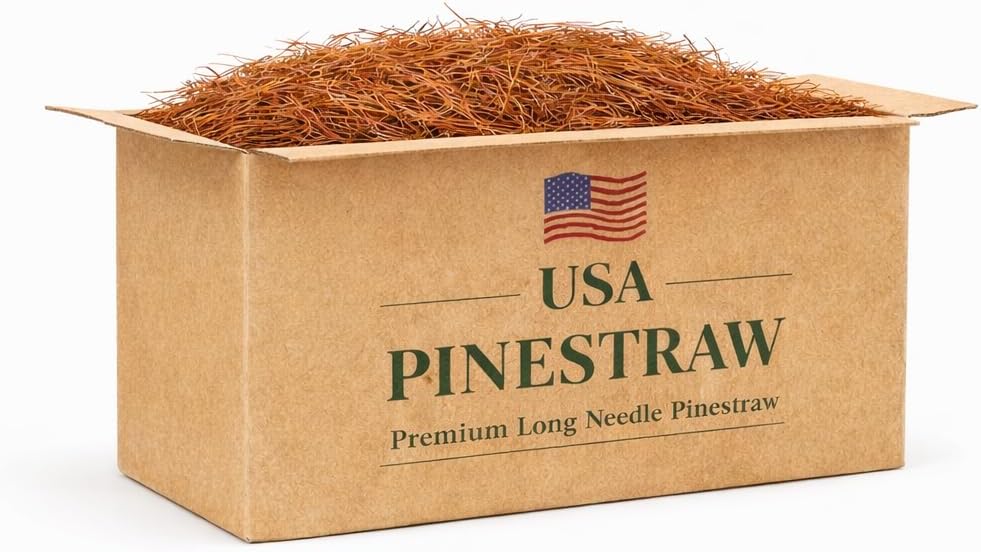
USA PINESTRAW Long Needle Pine Straw Mulch, Square Bale
| Material Type | Pine |
|---|---|
| Other Special Features of the Product | Organic |
| Package Size Name | Square Bale |
| Unit Count | 1 Count |
This product is a single premium square bale of long-needle pine straw intended for use as organic mulch around beds and shrubs. It is typically spread 2 to 4 inches deep around plants, pathways, and trees to suppress weeds, retain soil moisture, and protect roots from temperature swings. Because it is long-needle pine straw, it interlocks well and resists blowing away better than chopped mulches, and it decomposes slowly to add organic matter without dramatically altering soil texture. Practical benefits for blueberry plantings include good acidifying potential over time and excellent moisture retention, both helpful for blueberry health. Limitations are that you will need multiple bales for larger beds and periodic top-ups each season as the straw settles and decomposes. Also pine straw can be bulky to handle compared with bagged compost or wood chips, and it does not provide immediate nutrient boosts the way composted mulches do.
Best for: Gardeners seeking a low-maintenance, organic mulch for acid-loving shrubs who want better moisture retention and natural weed suppression in small to medium beds.
Less Ideal for: People who need a sterile, compacted mulch for container-grown blueberries or those wanting immediate nutrient-rich soil amendments rather than a slow-decomposing cover.
- Organic long-needle pine straw that naturally suppresses weeds
- Good moisture retention that reduces watering frequency
- Interlocking needles resist wind displacement better than loose shredded mulches
- Slow decomposition adds organic matter over time without rapid nutrient release
- Sold as single square bale so multiple purchases needed for larger beds
- Bulky to handle and store compared with bagged options
Verdict: Choose this long-needle pine straw bale if you want an organic, moisture-retaining mulch that stays put and supports acid-loving plants like blueberries.
Back to the Roots Organic Coconut Husk Mulch Block (Expands to 2 cu ft)

| Item Highlight | Compressed 10 lb coco husk mulch expands to 58 qt; peat-free; OMRI Listed |
|---|---|
| Item Type Name | Mulch |
| Brand Name | Back to the Roots |
| Volume | 2 cubic feet |
This compressed coconut husk mulch block arrives as a compact 10 lb brick that expands to roughly 2 cubic feet after adding water, making it easy to store and handle compared with bulky bags. It is OMRI listed and peat free, so gardeners can use it in vegetable beds, flower borders, and raised planters without adding peat-based material. The coarse husk chips improve surface moisture retention and aeration on the soil, which helps reduce watering frequency and supports root health. Setup is simple: break the block apart, soak, let it fluff, then spread a shallow layer around plants. Because it is lightweight when dry and made from an upcycled byproduct of coconut processing, it is a sustainable alternative to some other mulches. Limitations to note are that coconut husk mulch can float or wash away on steep slopes and may need occasional top-ups as it slowly breaks down, and its coarser texture may not form as uniform a surface as shredded bark for ornamental beds.
Best for: Gardeners who want a compact, easy-to-store organic mulch that improves moisture retention and soil aeration in vegetable beds and raised planters while prioritizing sustainable materials.
Less Ideal for: People needing a heavy, erosion-resistant mulch for steep slopes or those who want a very fine, decorative mulch finish for formal ornamental beds.
- Expands from a compact 10 lb block to about 2 cubic feet, saving storage space
- OMRI listed and peat free for organic gardening use
- Improves moisture retention and soil aeration when applied to beds and raised planters
- Made from upcycled coconut husk, offering a more sustainable option than peat
- Coarse chips can be prone to washing away on steep or exposed slopes
- Breaks down over time and requires periodic replenishing in high-traffic beds
Verdict: A space-saving, OMRI-listed coconut husk mulch block that delivers sustainable moisture retention and aeration for productive garden beds.
PlantBest Coco Mulch Compressed Block (expands to 2.5 cu ft)

| Item Form | Block |
|---|---|
| Coverage | 2.5 cubic feet |
| Specific Uses For Product | gardening and landscaping |
| Mixing Ratio | 6 fold in 5 minutes |
| Target Species | plants |
This compressed coco mulch block is designed to expand quickly with water into a lightweight, easy-to-spread mulch for flower beds and borders. One 9.1 lb block soaks up water and expands to roughly 2.5 cubic feet, making it simple to store and handle compared with bulky bags. The coconut fibers form a cohesive layer that helps retain soil moisture, reduce watering frequency, and suppress weed growth while resisting mild washout on slopes. It is peat-free and made from renewable coconut coir, so it avoids dyes and chemicals and can last through up to two seasons in typical garden use. Mixing and expansion are fast using the provided water ratio, and the material is useful around plants, trees, and walkways. Limitations are that coverage claims assume a 1.5-inch depth so you may need more than one block for larger beds, and it will gradually decompose over time so expect to top up after a season or two.
Best for: Gardeners who want an easy-to-store, peat-free mulch for flower beds and borders that conserves water and reduces weed pressure without heavy bags.
Less Ideal for: People needing permanent, decorative bark that lasts many years or those covering very large beds where buying in bulk loose mulch is more economical.
- Expands with water to a usable mulch, reducing storage bulk and handling weight
- Made from renewable coconut coir with no dyes or chemicals
- Helps retain soil moisture and can reduce how often you need to water
- Fibrous structure suppresses weeds and resists minor erosion on slopes
- Coverage is calculated at a 1.5-inch depth so larger beds may require multiple blocks
- Will break down over time and typically needs replenishing after one to two seasons
Verdict: A compact, peat-free coco mulch that expands with water to give flower beds moisture-retaining, weed-suppressing coverage with easy storage and handling.
Kela Tipi Natural Wheat Straw Garden Mulch Bale

| Manufacturer | Natural Wheat Straw |
|---|---|
| Item Weight | 15.8 ounces |
| Product Dimensions | 14 x 10 x 1.2 inches |
This wheat straw bale is a simple, no-frills mulch made from 100% dried wheat straw that will not germinate and is free of additives. It is used by spreading a layer around vegetable beds, strawberries, roses, or newly seeded lawn areas to suppress weeds, retain soil moisture, and add organic matter as it breaks down. Notable features include its seed-free drying process and broad suitability for landscaping, small-animal bedding, and decorative uses. Practical benefits are reduced weed pressure when applied at an appropriate thickness, improved moisture retention, and a safe, chemical-free option for edible gardens and chicken coops. Limitations are that straw can be bulky to handle, may require topping up each season as it decomposes, and will not provide the same long-term weed suppression or decorative uniformity as heavier bark mulches. For weed control specifically, multiple bales or a thicker layer will be needed to be effective in established beds.
Best for: Buyers looking for a low-cost, chemical-free mulch for vegetable beds, strawberries, or small landscaping projects who prioritize affordability and safe use around animals and edible plants.
Less Ideal for: Gardeners who want a permanent, decorative mulch layer or long-term weed barrier should consider heavier bark or synthetic options instead.
- Made from 100% natural wheat straw with no additives or dyes
- Dried and processed to be seed-free so it should not germinate in beds
- Lightweight and versatile for mulch, animal bedding, or decorative uses
- Breaks down to add organic matter and improve soil moisture retention
- Decomposes relatively quickly so it needs periodic replenishing
- Can be bulky to transport and spread compared with bagged mulches
Verdict: A budget-friendly, seed-free wheat straw bale that provides an affordable, safe mulch for short-term weed suppression and moisture retention.
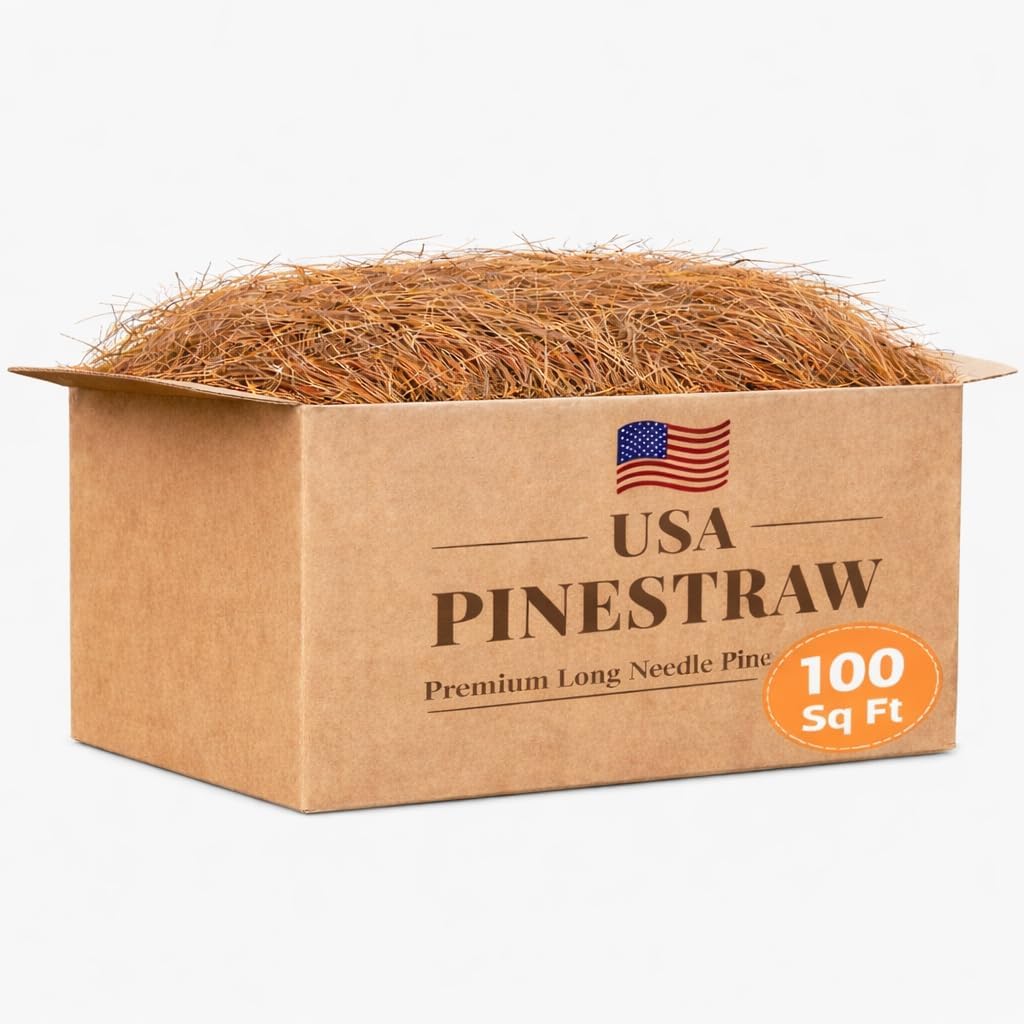
USA PINESTRAW Long Needle Pine Straw Mulch – 100 sq ft Coverage
| Coverage | 100 Sqft |
|---|---|
| Material | 100% Pine Straw |
| Origin | USA harvested |
This pine straw mulch is a simple, natural option for suppressing weeds and conserving soil moisture in flower beds, around shrubs, and under trees. Sold as a compressed bale that covers roughly 100 square feet, the long needles form a breathable, interlocking layer that helps block sunlight to weed seeds while still allowing water to reach roots. It is lightweight to spread and stays in place better than loose fines, making it suitable for slopes and pathways where erosion control matters. Because it is 100% organic and USA harvested, it also adds organic matter as it slowly breaks down and helps improve soil structure over time. Limitations to expect are seasonal settling and gradual decomposition, so periodic topping up is needed to keep coverage and depth effective, and it may not form as compact a barrier as rubber or inorganic mulches for long-term weed exclusion in very high-weed-pressure areas.
Best for: Home gardeners who want a low-maintenance, natural mulch that improves soil health while controlling weeds and conserving moisture in beds and around shrubs.
Less Ideal for: People seeking a permanent, zero-maintenance weed barrier or those who prefer inorganic mulches that never decompose.
- Effective natural weed suppression by forming a dense, light-blocking layer
- Helps retain soil moisture and reduce watering frequency
- Breathable structure allows water and air to reach roots while reducing erosion
- Sustainably sourced 100% organic pine straw from the USA
- Breaks down over time and requires periodic replenishing to maintain depth
- May shift or thin out in very windy conditions without edging or staples
Verdict: Choose this pine straw bale if you want an eco-friendly mulch that suppresses weeds, retains moisture, and improves soil with regular replenishment.
EZ Straw Seeding Mulch with Tackifier, 1 cu. ft. Bale

| Indoor Outdoor Usage | Outdoor |
|---|---|
| Other Special Features of the Product | Organic |
| Moisture Needs | Moderate Watering |
| Material Features | Natural |
| Unit Count | 1 Count |
EZ Straw Seeding Mulch is a processed straw product blended with a natural tackifier that makes the straw cling together and form a protective mat over newly sown grass seed. You use it by spreading the straw lightly over seeded areas to protect seeds from wind, heavy washout, and birds while retaining moisture to promote faster germination. Notable features include the biodegradable natural material, an all‑natural tackifier that breaks down and feeds soil, and convenient UV‑protected bagging for storage. In practice it reduces the need for frequent watering, helps seed stay put on slopes and bare patches, and decomposes cleanly into the lawn as seedlings establish. Limitations are that it covers visually until the seed grows in so it is not decorative, and it does not replace soil preparation or starter fertilizer when those are needed for poor soils.
Best for: Buyers looking for a proven, low‑risk way to protect and speed lawn seed germination who value natural materials and social proof from other gardeners.
Less Ideal for: Homeowners who need an instant finished look or who require soil amendments and fertilizers in addition to surface protection should consider other products.
- Natural biodegradable straw that decomposes and feeds soil
- Tackifier binds straw to protect seed from wind, washout, and birds
- Helps retain moisture for faster germination and less frequent watering
- Packaged in a UV protected bag with handle for convenient storage
- Visible until grass establishes, so not a finished landscaping look
Verdict: Use this natural tackified straw mulch when you want a reliable, biodegradable way to protect seed and speed lawn germination.
HealthiStraw GardenStraw Premium Garden Mulch, 3 cu ft

| Net volume | 3 cu ft |
|---|---|
| Intended use | Garden mulch, lawn seeding, compost-friendly |
| Material | 100% wheat straw |
| Source | Sustainably sourced, non-GMO |
HealthiStraw GardenStraw is a 3 cubic foot compressed bale of cleaned wheat straw formulated for use as garden mulch and seed protection. It is designed for vegetable, herb, flower and shrub beds where you want a lightweight, compostable mulch that retains soil moisture and suppresses weeds. The straw is processed to reduce dust and stray seeds and the short, specially cut fibers interlock when watered so the mulch stays in place without chemical tackifiers. For bushes you can apply a 2 to 3 inch layer around the drip line to cut evaporation, reduce compaction and gradually add organic matter as it breaks down. Practical benefits include easy spreading from a compressed bale, fast composting into the soil, and reduced watering needs. Limitations are that straw is less decorative than bark or wood chips and will decompose faster, so it requires periodic replenishing; it also provides less long-term weed barrier than heavier mulches. For gardeners focused on soil health and moisture conservation, it is a straightforward, low-risk choice.
Best for: Gardeners who prioritize soil health and want an easy-to-apply, compostable mulch for shrubs and mixed beds that reduces watering and improves organic matter over time.
Less Ideal for: People seeking a long-lasting, decorative mulch or a heavy-duty weed barrier for high-traffic beds should consider wood chips or stone instead.
- Cleaned, non-GMO wheat straw with reduced dust and seeds
- Fibers interlock when wetted so the mulch stays in place without binders
- Helps retain soil moisture and can reduce watering needs substantially
- Composts quickly and adds organic carbon to improve soil structure
- Decomposes faster than wood mulches so it needs topping up more often
- Less decorative and provides a lighter-duty weed barrier compared with heavier bark or rock mulches
Verdict: A clean, fast-composting straw mulch that conserves moisture and improves soil health, making it a safe, practical choice for mulching bushes.
Choosing the Right Garden Mulch for Weed Control: Key Factors to Consider
Weed Suppression Effectiveness
How well a mulch prevents weed seeds from germinating and emerging is the single most important factor for this use case. Dense, impenetrable layers or materials that form a continuous barrier limit light and physical space for seedlings. Organic mulches that break down quickly can still suppress weeds but will require more frequent replenishment. Consider whether the mulch leaves gaps where light can reach soil or whether it compacts and cracks over time, creating pathways for weeds.
Longevity and Breakdown Rate
Different mulches decompose at different rates, and that determines how often you will need to top up beds. Fast-breaking organic mulches return nutrients to the soil but lose their physical weed-blocking ability sooner. Slow-decomposing materials provide longer-lasting coverage but may delay nutrient cycling. Match the breakdown rate to the planting plan: short-lived mulches can be good for vegetable beds rotated yearly, while long-lasting options suit perennial borders.
Impact on Soil Moisture and Temperature
Mulch modifies the microclimate at the soil surface. Good mulch reduces evaporation, keeps soil cooler in summer, and buffers temperature swings that stress roots. However, overly thick or impermeable layers can hold too much moisture and create conditions for rot or fungal issues. Think about local climate and irrigation routine when choosing a mulch so you neither over-dry nor over-saturate root zones.
Source Cleanliness and Seed Content
Some mulches contain weed seeds or residues that introduce new problems. Wood-based and processed materials are generally cleaner, whereas uncomposted hay or straw can bring in a lot of unwanted seed. Verify whether the material has been heat-treated or composted to kill seeds, and prefer screened or processed options when minimizing future weed pressure is a priority.
Compatibility With Plants and Soil Health
Mulches interact with soil biology and chemistry. Some materials temporarily tie up nitrogen as they decompose, which can affect young plant growth unless you adjust fertilizer timing. Other mulches may change soil pH slightly over many seasons. Choose mulches that align with the needs of the plants in the bed-for example, acidic bark for acid-loving shrubs versus neutral organic compost for mixed perennial plantings.
Practicality of Application and Maintenance
Consider how easy the mulch is to spread, how clean it keeps walkways and beds, and how it integrates with tasks like planting, weeding, and edging. Lightweight mulches can blow away in windy sites, while very heavy materials take more effort to place. Also think about how often you will need to refresh the layer and how messy the material is when handled, as this affects ongoing maintenance choices.
Preparing Beds Before Mulching
Start with a clean seedbed by removing existing weeds and, where practical, digging out deep-rooted perennials. Smooth and level the soil to reduce low spots where pooled water could sit under the mulch.
If weeds are abundant, let an initial period of dry-down and manual removal reduce the population before laying a long-term mulch. In sites with persistent perennial roots, a thin layer of mulch over active roots will not stop regrowth; removal or solarization may be needed first.
- Pull or dig out vigorous perennial weeds before mulching.
- Rake the soil surface smooth to avoid low areas.
- Consider a temporary weed barrier when establishing new beds.
Application Best Practices
Apply mulch at the recommended depth for the material you choose. Too thin and light may still let weeds through; too thick and you may create overly moist conditions or smother shallow-rooted plants.
Keep mulch a few inches away from plant crowns and tree trunks to prevent rot and pest harborage. Maintain a consistent layer and reapply where signs of breakdown or settling appear.
- Typical depths range from 2 to 4 inches for organic mulches and 1 to 2 inches for heavier inorganic layers.
- Avoid piling mulch against stems or trunks.
Combining Mulch With Other Weed Controls
Mulch works best as part of an integrated approach. Pairing mulch with hand-pulling, targeted hoeing, or smothering methods reduces the seed bank and lowers the workload over time. For newly tilled or disturbed areas, applying a mulch after an initial weed-free period gives it a better chance to suppress regrowth.
Permeable landscape fabric can be useful under certain mulch layers but can also complicate planting and soil life if left indefinitely. Use fabric selectively and monitor where it traps moisture or debris.
- Use hand removal for established perennial weeds before mulching.
- Consider a short-term cover crop or cardboard layer when creating new beds.
Seasonal Considerations
Plan mulch timing around planting and seasonal weed cycles. Spring application helps suppress flushes of annual weeds, while a light top-up in late summer can reduce fall germination. In colder climates, a winter layer can also provide insulation for roots.
Avoid heavy fresh applications directly over newly seeded lawns or beds where you intend to broadcast seed, unless the material is specifically intended for seedbed use.
- Top dress as needed in midseason after significant breakdown.
- Use winter mulches to protect shallow-rooted perennials from freeze-thaw heaving.
Environmental and Wildlife Effects
Some mulches attract or deter wildlife. Grainy materials may draw rodents or birds, while aromatic wood chips or bark are less attractive to pests. Consider the local wildlife context when choosing a mulch, especially near vegetable plots or young trees.
Think about downstream environmental effects too. Choose sustainably sourced organic materials where possible to reduce pressure on natural habitats, and avoid materials that shed contaminants into stormwater in sensitive sites.
- Avoid food-based or fragrant mulches in areas prone to rodent activity.
- Prefer certified or locally sourced organic materials when sustainability is a priority.
How We Chose the Best Garden Mulch for Weed Control
We focused on attributes that directly affect a mulch's ability to stop weeds and support healthy planting. Key evaluation criteria included weed suppression efficacy, material longevity and breakdown rate, effects on soil moisture and temperature, and ease of application and maintenance. We also considered how each mulch interacts with planting needs, such as seed-starting areas versus perennial beds, and the likelihood of introducing weed seeds with the material itself. Products were excluded if they are primarily decorative without meaningful suppression, or if they require specialized equipment to install beyond typical garden tools. We prioritized mulches that are widely applicable in home gardens and that balance suppression with soil health. Additional filters removed options that strongly alter soil pH or chemistry in ways that require frequent corrective amendments. Finally, durability in place and minimal need for reapplication were important for lower-maintenance choices.
FAQ
How thick should mulch be to block most weed seedlings?
Most gardeners find 2 to 4 inches of organic mulch effectively blocks light for annual weed seedlings. Denser inorganic layers can work at 1 to 2 inches. Adjust depth based on material density and plant needs.
Will mulch stop perennial weeds with deep roots?
Mulch alone rarely eradicates deep-rooted perennials. It suppresses seedlings and slows spread, but established roots can push through a mulch layer. Removing or cutting back the root systems is usually required before long-term suppression.
Can mulch change soil nutrients or pH over time?
Yes. Organic mulches add organic matter as they decompose and can temporarily affect nitrogen availability during rapid breakdown. Some materials, like certain bark types, can slightly acidify soil with prolonged use. Monitor soil health and adjust fertilization accordingly.
Is it okay to use mulch in vegetable beds?
Mulch can be very effective in vegetable beds for moisture retention and weed control, but choose materials that are clean and free of weed seed. Lighter mulches may be fine for annual crops, while thicker or long-lasting mulches suit perennial vegetable areas.
How often do I need to refresh mulch in a typical garden bed?
Refresh intervals depend on the material and climate. Fast-breaking organic mulches may need topping every season, while hardwood chips can go several years before renewal. Inspect mulch annually and add more when it drops below the recommended depth.
Final Verdict
For effective weed control, prioritize a mulch that creates a reliable physical barrier, matches your bed type, and fits your maintenance rhythm. Expect tradeoffs between rapid nutrient return and lasting coverage. If you want lower maintenance, choose longer-lasting materials; if you prioritize soil-building, accept more frequent reapplication. Decide first on the primary goal for the bed-rapid suppression, soil improvement, or decorative finish-and then select a mulch that balances weed control, longevity, and soil health accordingly.
