

Note: This article contains affiliate links. If you click on these links and make a purchase, I may earn a small commission at no extra cost to you. This helps support my research and content. Read my full affiliate disclosure here.
A fiddle leaf fig needs more than sunlight and occasional watering to keep its large leaves glossy and vibrant. Choosing the right fertilizer for fiddle leaf fig tree affects leaf size, color, root strength, and how the plant responds to seasonal growth cycles. In this guide we shortlist the top fertilizer options for container-grown fiddle leaf figs and explain how each type addresses common issues like slow growth, yellowing leaves, and tip burn. Below you will find the factors we used to evaluate these fertilizers and the key practical details to help you pick a feeding approach suited to your care routine.
Top Picks at a Glance
| Best Overall The best all-around choice for most situations | BLESS YOUR SOIL Fiddle Leaf Treats Powder Plant Food (8 oz) |  |
| Best Quality Built to a higher standard if you want something more solid | Fiddle Leaf Fig Plant Food, 3-1-2 Liquid Fertilizer (8 oz) | 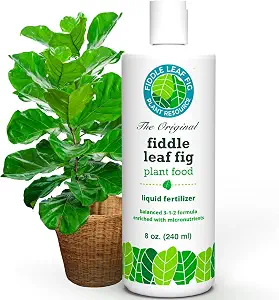 |
| Best Value The sweet spot between price and what you get | HiThrive Fiddle Leaf Fig Liquid Plant Food, 6-2-4 NPK, 16 oz |  |
| Best Budget The cheapest option that still gets the job done reliably | The Grow Co Fiddle Leaf Fig Slow-Release Plant Food Pellets (5 oz) |  |
| Highest Rated A top-rated pick with lots of positive feedback | Easy Harvesting Fiddle Leaf Fig Liquid Fertilizer, 3-1-2 Concentrated Pump Bottle (16 oz) |  |
| Most Popular A crowd favorite that many people choose with confidence | Miracle-Gro Indoor Plant Food for Tropicals, 8 fl. oz. (2-Pack) |  |
| Best Seller A high-volume bestseller chosen again and again | TPS Nutrients Fiddle Leaf Fig Liquid Fertilizer, 8 oz |  |
BLESS YOUR SOIL Fiddle Leaf Treats Powder Plant Food (8 oz)

| Item Form | Powder |
|---|---|
| Specific Uses For Product | Instant feed, Constant feed, soil, soilless grow media, LECA, container plants, indoor plants. |
| Coverage | 22 gallons of water |
| Target Species | Ficus lyrata, Ficus benjamina, Ficus elastica and related ficus |
| Mixing Ratio | 1-2 tsp per gallon |
BLESS YOUR SOIL Fiddle Leaf Treats is a concentrated powdered plant food designed specifically for fiddle leaf figs and related ficus species. It mixes at 1 to 2 teaspoons per gallon and is intended to be added during regular watering to provide both immediate and ongoing nutrition. The formula combines macronutrients and a range of micronutrients with a small amount of kelp and organics to support leaf size, color, and root strength without burning, and the dry pouch plus scoop makes dosing simple and shelf-stable compared with liquids. Practical benefits include more nutrient per scoop than liquid fertilizers, suitability for soil and soilless systems, and clear directions for seasonal use. Important limitations are that it is a targeted ficus formula rather than a balanced all-purpose houseplant fertilizer and it requires consistent, correct dosing with water rather than a single granular application. Users also need to manage light, water, and pests alongside feeding since nutrition alone will not fix environmental problems.
Best for: Plant owners who want a dedicated, plant-specific feed to encourage larger, glossier leaves on fiddle leaf figs and other ficus trees and who are willing to follow a regular watering-and-feed routine.
Less Ideal for: Someone seeking a one-size-fits-all houseplant fertilizer or a no-maintenance granule; also not ideal for growers who prefer ready-to-use liquid feeds.
- Concentrated powder supplies more nutrients per scoop than comparable liquid feeds
- Urea-free, formulated to avoid burning common with some fertilizers
- Includes micronutrients and kelp to support leaf color, growth, and microbial activity
- Resealable dry pouch and measuring scoop for stable storage and easy dosing
- Works in soil, soilless mixes and semi-hydroponic setups
- Designed specifically for ficus and rubber plants so may not match nutritional needs of non-ficus species
- Requires regular mixing and consistent application with watering schedule rather than one-time granular feeding
Verdict: A concentrated, shelf-stable powder made to reliably boost leaf size and vigor on fiddle leaf figs when used regularly with your watering routine.
Fiddle Leaf Fig Plant Food, 3-1-2 Liquid Fertilizer (8 oz)

| Item Form | Liquid |
|---|---|
| Specific Uses For Product | Balanced 3-1-2 formula enriched with micronutrients |
| Application Method | Watering |
| Target Species | Ficus Lyrata, Audrey |
| Unit Count | 8 Fluid Ounces |
This 8 oz liquid plant food is formulated specifically for fiddle leaf figs and similar indoor fig trees and is meant to be added to the watering routine. It uses a balanced 3-1-2 NPK ratio with added micronutrients and is diluted at one teaspoon per two cups of water so you can feed every watering without complex measuring. The flip-top bottle and clear mixing ratio make application simple and low mess for regular use. Because it is a liquid with three forms of nitrogen, it supplies both immediate and sustained nitrogen to support leaf growth and root development, which is useful for potted fig trees that need steady nutrition. The product is made in the USA and includes care resources for troubleshooting. Limitations are its small bottle size for larger or frequently watered trees and that it targets fiddle leaf figs specifically, so buyers with diverse plant collections may prefer a more general-purpose formulation or larger concentrate.
Best for: For plant owners who prioritize steady, performance-driven nutrition for potted fiddle leaf figs and want a simple feed-every-water routine that promotes leaf and root development.
Less Ideal for: Not a great fit for gardeners managing many different houseplant species who need a universal fertilizer or for those who prefer bulk concentrates to feed large collections.
- Balanced 3-1-2 NPK with micronutrients tailored for Ficus species
- Easy dilution rate (1 tsp per 2 cups) for consistent, repeatable feeding
- Liquid form delivers nutrients quickly and mixes into normal watering routine
- Flip-top bottle and induction seal reduce mess and allow controlled dispensing
- Only 8 oz per bottle can be consumed quickly on larger or multiple potted figs
- Formulation is specialized for fiddle leaf figs and may not suit all houseplant needs
Verdict: A convenient, plant-specific liquid fertilizer that makes performance-focused, regular feeding of potted fiddle leaf figs easy and reliable.
HiThrive Fiddle Leaf Fig Liquid Plant Food, 6-2-4 NPK, 16 oz

| Item Form | Liquid |
|---|---|
| Target Species | Ficus plants |
| Liquid Volume | 16 fluid ounces |
| Mixing Ratio | 1:128 (1 teaspoon per gallon) |
HiThrive Fiddle Leaf Fig Liquid Plant Food is a concentrated, water-soluble feed designed for regular use on fiddle leaf figs and similar ficus plants. The 6-2-4 NPK formula emphasizes nitrogen to promote leaf growth while including phosphorus, potassium, and micronutrients to support roots and stress resilience. It is used by mixing according to the label—standard feeding at 1 teaspoon per gallon of water or a doubled dose for deficiency—then applying with each watering either directly to the soil or by bottom-watering. The 16 oz bottle mixes into a large volume of solution, which keeps per‑feed cost low and reduces trips to buy more. Practical benefits include simple measuring, fast uptake from liquid delivery, and a formula tailored to foliage-heavy indoor trees. Limitations are that the formula favors leafy growth so it may encourage top growth over flowering or fruiting and it requires routine application rather than a slow‑release schedule. Users should follow the dilution guidance to avoid overfertilizing sensitive plants.
Best for: Buyers who want an efficient, foliage-focused fertilizer to keep indoor fiddle leaf figs visibly green and growing with straightforward, repeatable feeding.
Less Ideal for: Not the best choice for gardeners seeking a one‑time slow‑release feed or those prioritizing flowering and fruit production on other plant types.
- Concentrated 6-2-4 NPK formula tuned for vigorous foliage growth
- Includes micronutrients to support overall plant health beyond NPK
- Simple mixing ratio and directions for standard and deficiency feeding
- 16 oz bottle mixes into a large volume of solution for good value and fewer replacements
- Liquid formula requires frequent application rather than providing long-term slow release
- Higher nitrogen emphasis may prioritize leaf growth over blooms or fruiting
Verdict: A concentrated, easy-to-mix liquid feed that delivers targeted nutrients to keep fiddle leaf figs lush and fast-growing.
The Grow Co Fiddle Leaf Fig Slow-Release Plant Food Pellets (5 oz)

| Item Form | Granules |
|---|---|
| Specific Uses For Product | Plant Food |
| Coverage | Medium |
| Target Species | Fig |
| Unit Count | 5 Ounce |
This is a small, easy-to-use slow-release pellet fertilizer designed specifically for ficus species, including fiddle-leaf figs. You sprinkle or lightly mix the granules into the potting medium and they release nutrients with each watering, which reduces the need for frequent liquid feeding. The formula targets fig varieties and claims balanced macronutrients to support root strength, glossy leaves, and steady growth. Its main practical benefit is convenience: one application can feed a potted plant for up to six months, so it suits owners who prefer low-maintenance care and want to avoid fertilizer burns from over-application. Because it is granular and coated for slow release, it is less likely to spike soil salts compared with repeated liquid feeds. The product comes in a compact 5 ounce unit so it is suitable for smaller pots or to trial on a single plant. Limitations are the small unit size if you have many or large trees and the need to follow application directions carefully to avoid under- or overdoing coverage in different pot sizes.
Best for: A budget-minded plant owner with one or a few potted ficus or fiddle-leaf figs who wants a low-effort, infrequent feeding schedule that avoids liquid fertilizer routines.
Less Ideal for: Those caring for many large specimen figs or commercial growers who need bulk fertilizer or customizable nutrient schedules should look for larger capacity or professional formulations.
- Slow-release coating provides steady feeding for up to six months
- Formulated specifically for ficus species and fiddle-leaf figs
- Easy, no-mess granular application that reduces need for frequent liquid feedings
- Gentle feeding method helps lower risk of fertilizer burn when used as directed
- Small 5 oz unit may be insufficient for multiple or large potted trees
- Instructions require measuring by pot width which adds a small step to application
Verdict: A simple, low-maintenance slow-release pellet feed that keeps a single potted fig healthy for months with minimal effort.
Easy Harvesting Fiddle Leaf Fig Liquid Fertilizer, 3-1-2 Concentrated Pump Bottle (16 oz)

| Item Form | Liquid |
|---|---|
| Specific Uses For Product | Hydroponics, Indoor Fiddle Leaf Fig Plants, Outdoor Fiddle Leaf Fig Plants |
| Application Method | Pump |
| Coverage | Up To 32 Square Feet |
| Liquid Volume | 16 fluid ounces |
This Easy Harvesting liquid fertilizer is a ready-to-use 3-1-2 formula packaged in a 16 oz pump bottle intended to make routine feeding straightforward. You mix by adding two pumps per gallon of water, which simplifies dosing and reduces measuring errors compared with powders or granular feeds. The balanced N-P-K plus calcium and a chloride-free formulation targets lush foliage, root support, and overall plant resilience, so it is suitable for regular maintenance of fiddle leaf figs and similar houseplants. The concentrate claims to make up to about 118 gallons, so a single bottle serves a small collection for many months. Practical benefits include the easy pump application, compatibility with hydroponic and potted plants, and a gentle formula that is less likely to burn leaves when used as directed. Limitations are that the label gives only general mixing instructions without feeding frequency guidance, and the ingredient list is simple so advanced users seeking complete micronutrient analysis or organic certifications may need a different product.
Best for: Plant owners who prioritize a simple, dependable feeding routine for fiddle leaf figs and other indoor tropicals and want an easy pump-and-mix solution that minimizes dosing mistakes.
Less Ideal for: Growers who need detailed nutrient analyses, organic-certified fertilizers, or customized regimens for large-scale collections should consider alternate formulations.
- Balanced 3-1-2 N-P-K plus calcium supports foliage and root health
- Pump dispenser simplifies accurate mixing and reduces mess
- Concentrated 16 oz bottle stretches to many feedings for small collections
- Chloride-free, gentle formula suitable for regular indoor use
- Product details do not list a full micronutrient breakdown or organic certification
- Feeding frequency and specific dilution guidance beyond the basic pump ratio are not provided
Verdict: Choose this pump-and-mix 3-1-2 concentrate when you want a reliable, easy-to-use fertilizer that keeps fiddle leaf figs healthy with minimal fuss.
Miracle-Gro Indoor Plant Food for Tropicals, 8 fl. oz. (2-Pack)

| Item Form | Liquid |
|---|---|
| Application Method | Directly to soil or mixed with water |
| Target Species | Tropical Plants |
| Mixing Ratio | 4 pumps:1 quart of water |
| Unit Count | 16 Fluid Ounces (per bottle) |
This liquid formula is designed to feed tropical indoor plants and is useful for houseplants that benefit from regular, low‑volume nutrition. It can be applied directly to potting soil using the built‑in pump or diluted at a ratio of 4 pumps per quart of water for routine watering, with reapplication every two weeks. The potassium‑focused formulation aims to promote lush green foliage, which matters for many broadleaf tropicals. Practical benefits include an easy pump dispenser for small pots, two bottles in the bundle for longer supply, and clear mixing guidance so dosing is straightforward. Limitations to consider: the product is formulated for general tropical houseplants rather than a specialist crop, and coverage is described as low so frequent dosing or multiple bottles may be needed for larger collections. If you prefer granular slow‑release nutrition or a fertilizer tailored to a very specific species, this liquid feed may not match those needs.
Best for: Indoor plant owners who want a simple, pump‑dispensed liquid fertilizer to maintain lush foliage on common tropical houseplants and who value straightforward dosing and social proof from other buyers.
Less Ideal for: Collectors seeking a slow‑release granular fertilizer, a formula customized for specialist epiphytes, or growers who want concentrated coverage for large collections.
- Designed specifically for tropical indoor plants with a potassium‑focused formula to support foliage
- Built‑in pump and clear 4 pumps per quart mixing ratio for easy, repeatable dosing
- Comes as a two‑bottle bundle so you have spare supply for ongoing feeding
- Liquid form delivers nutrients immediately when applied to soil
- Not species‑specific so it is a general tropical formula rather than tailored to unusual plants
- Labeled coverage is low, meaning frequent applications or additional product may be required for many plants
Verdict: A convenient, pump‑dispensed liquid fertilizer that makes biweekly feeding of common tropical houseplants quick and reliable.
TPS Nutrients Fiddle Leaf Fig Liquid Fertilizer, 8 oz

| Item Form | Liquid |
|---|---|
| Application Method | Dilute and apply to soil |
| Coverage | Medium |
| Target Species | Fig |
| Mixing Ratio | 1:32 |
This 8 oz liquid fertilizer is formulated specifically for fiddle leaf figs and designed to be diluted and applied to the soil. It contains an NPK profile aimed at supporting foliage and new growth and includes kelp to help reduce yellowing and leaf drop. Typical use is straightforward: mix according to the listed 1:32 ratio and water the potting mix every few weeks to provide steady nutrition without granular mess. The liquid format absorbs quickly so symptoms of nutrient deficiency can respond faster than with slow-release products, and the gentle formula reduces the risk of burning when used as directed. Limitations are the small bottle size for larger or multiple trees and the product does not give precise per-plant dosing beyond the mixing ratio, so careful measuring is necessary to avoid overfeeding.; frequent feeders or big specimens will need repeated purchases.
Best for: Buyers who want a fiddle leaf fig–focused, easy-to-apply liquid feed and who prefer products with many user reviews to confirm consistent results.
Less Ideal for: Those managing large collections or very large indoor trees who prefer bulk or slow-release fertilizers that require less frequent reapplication.
- Formulated specifically for fiddle leaf figs to support leaf size and color
- Liquid concentrate absorbs quickly for faster correction of deficiencies
- Kelp-enriched formula adds natural growth stimulants
- Gentle feeding profile reduces risk of fertilizer burn if mixed properly
- Small 8 oz bottle may not last long for medium to large plants or multiple specimens
- Product directions do not include precise per-pot dosage guidance beyond the mixing ratio
Verdict: A fiddle leaf fig–targeted liquid concentrate that delivers fast-acting, kelp-enriched nutrition in a compact, easy-to-mix bottle.
Choosing the Right Fertilizer for Fiddle Leaf Fig Tree: Key Factors to Consider
Nutrient Balance and N-P-K Ratio
Fiddle leaf figs respond to a fertilizer with a balanced nitrogen, phosphorus, and potassium profile that supports leaf growth without forcing excessive vertical stretch.
Nitrogen promotes leaf size and deep green color, phosphorus aids root development and overall plant energy, and potassium helps stress tolerance. A product with moderate nitrogen and adequate micronutrients usually yields fuller, healthier leaves in container plants. Overly high nitrogen can cause weak, floppy growth and increase watering needs.
Feeding Schedule and Concentration
How often a fertilizer needs to be applied and at what dilution shapes daily care. Slow-release granules offer a low-maintenance monthly or multi-month option, while water-soluble formulas require more frequent, lower-dose feedings.
Concentration matters because potted fiddle leaf figs have limited soil volume. Using a lower concentration more often reduces the risk of nutrient shock. Clear label instructions and options to dilute further are helpful for gardeners who rotate watering and feeding routines.
Salt Content and Risk of Fertilizer Burn
Potted fiddle leaf figs are vulnerable to salt buildup from frequent feeding and hard water. High-salt fertilizers or repeated full-strength applications can cause leaf tip browning and root stress.
Look for products with lower salt indexes or those formulated for houseplants. Periodic leaching of the potting mix by thorough watering is a practical maintenance step, but starting with a lower-salt fertilizer reduces the need for corrective flushing.
Formulation Type and Application Method
Fertilizers come as granules, spikes, liquids, and concentrates for foliar spray. Each method has tradeoffs for indoor fiddle leaf figs. Controlled-release granules simplify care and reduce weekly tasks, but can be harder to adjust quickly. Liquid feeds let you correct deficiencies fast and are compatible with foliar feeding to green up leaves quickly.
Consider whether you prefer weekly liquid dosing, a monthly controlled-release, or occasional foliar sprays for quick color improvement. Choose a format that matches your watering habits and tolerance for routine plant care.
Presence of Micronutrients and Secondary Elements
Beyond N-P-K, micronutrients such as magnesium, iron, calcium, and manganese influence leaf color, new growth, and resistance to minor physiological disorders. Iron helps prevent interveinal yellowing, magnesium supports chlorophyll, and calcium contributes to cell-wall strength in new leaves.
A fertilizer that lists key micronutrients or includes a chelated iron source is beneficial for indoor figs, which cannot access a wide soil mineral reservoir in pots. However, excesses of some trace elements can also cause imbalances, so moderate levels and clear labeling are important.
pH Effects and Compatibility with Potting Mix
Fiddle leaf figs grow best in slightly acidic to neutral potting mixes. Some fertilizers can alter medium pH over time, affecting nutrient availability and leading to deficiencies even when total nutrients are present.
Choose formulations compatible with common indoor potting soils, or be prepared to test and adjust potting mix pH if you notice persistent deficiency symptoms. Slow-release products often have a gentler pH impact than repeated strong liquid applications.
When to Start Fertilizing a Young Fiddle Leaf Fig
Begin feeding after the plant has settled into its new pot and grown a few leaves in the potting mix. Very young or recently repotted plants need time to reestablish roots before regular fertilization.
A light, diluted liquid feed once a month or a very small amount of slow-release granules is usually enough to support early growth without overwhelming developing roots.
- Wait 4-8 weeks after repotting before applying full-strength fertilizer
- Start with half-strength liquid solutions to avoid shock
- Use gentle, balanced formulas for seedlings and newly rooted cuttings
Adjusting Feedings Through the Seasons
Fiddle leaf figs are most active in spring and summer, so increase feed frequency slightly during the growing season and reduce or pause feedings in late fall and winter when growth slows. Indoor light levels should guide adjustments: lower light often means lower nutrient demand.
Keep an eye on leaf appearance. Deep green, steady growth indicates feeding is appropriate. Yellowing between veins or tip burn suggests a need to cut back or flush the soil.
- Increase to regular feeding during active growth months
- Reduce or stop during dormancy or low light months
- Monitor leaves for signs of overfeeding or deficiency
How to Apply Liquid and Foliar Feeds Safely
For soil watering, dilute concentrates according to label guidance and apply evenly across the potting mix. Avoid pouring undiluted solutions directly onto the root ball. For foliar sprays, use a fine mist in the morning so leaves dry quickly and avoid prolonged wetness that can invite pests or disease.
Foliar feeding can give quick color improvement for minor deficiencies, but it should complement rather than replace soil feeding. Rotate foliar and soil applications to balance immediate benefits with longer-term root nutrition.
- Dilute liquid feeds to half strength if you are unsure
- Spray leaves when they are dry and temperatures are moderate
- Avoid foliar feeding during very low light or cold indoor temperatures
Managing Salt Buildup and Flushing Pots
If you use regular liquid fertilizers, flush the potting mix every few months by thoroughly watering until excess runs from the drainage hole. This reduces salt concentration and helps prevent tip burn and root stress.
For slow-release products, occasional flushing is still useful, but the frequency can be lower. Always allow the top inch of soil to dry slightly between thorough waterings to discourage root rot.
- Flush pots with tepid water until runoff is clear every 2-3 months when feeding regularly
- Check drainage and repot if the medium becomes compacted
- Wipe dust from leaves to improve foliar absorption when spraying
Organic Vs Synthetic Options for Indoor Use
Organic fertilizers often release nutrients more slowly and may improve potting mix biology, which can benefit long-term root health. They are less likely to cause sharp salt spikes but can be less immediately potent for reversing acute deficiencies.
Synthetic formulations give predictable nutrient dosages and faster correction of issues. For indoor fiddle leaf figs, many gardeners prefer a combination approach: an organic base with occasional targeted synthetic feeds for quick fixes.
- Consider organic options for steady, low-risk feeding
- Use synthetic for rapid correction of visible deficiencies
- Combine approaches cautiously and monitor plant response
How We Chose the Best Fertilizer for Fiddle Leaf Fig Tree
We evaluated fertilizers based on characteristics that matter for container fiddle leaf figs and for indoor gardeners who want predictable results. Key criteria included nutrient balance and formulation, since the right N-P-K ratio and presence of secondary nutrients determine leaf growth and color. We judged feeding cadence and ease of application to reflect how often you will realistically treat houseplants. Salt load and fertilizer burn risk were assessed because fig roots in pots are sensitive to overfeeding and salt buildup. We looked at fertilizer solubility and whether the product is suitable for foliar feeding, soil drench, or controlled-release applications to match different care styles. Environmental and ingredient considerations such as organic inputs or synthetic salts were also factored in for indoor air and household use. We excluded garden or landscape fertilizers formulated only for outdoor soil beds, and any products intended solely for hydroponics or large-scale commercial operations. The final shortlist favors formulations that perform well in pots and under typical indoor light levels, and that give clear application guidance for fiddle leaf figs.
FAQ
How often should I fertilize an indoor fiddle leaf fig?
Often you will feed every 4 to 6 weeks with a diluted liquid formula during active growth. Slow-release granules can be applied less frequently, typically every 2 to 4 months depending on product instructions and pot size.
Can I use houseplant fertilizer on a fiddle leaf fig?
Yes, many balanced houseplant fertilizers work well if applied at the correct dilution. Look for products that list micronutrients and are formulated for container plants to avoid excessive salt buildup.
What are signs my fiddle leaf fig is overfertilized?
Common signs include brown leaf tips, crispy margins, sudden leaf drop, and white crust or salt deposits on the soil surface. If you suspect overfeeding, flush the potting mix with water and reduce or skip the next scheduled feedings.
Should I foliar feed a fiddle leaf fig?
Foliar feeding can be useful for quickly addressing minor nutrient gaps, especially iron deficiencies. Use it as a supplement to soil feeding rather than the sole method, and apply in the morning so leaves dry quickly.
Does water quality affect feeding choices?
Yes, hard water adds minerals and can increase salt buildup in pots. If you use hard tap water, choose lower-salt fertilizers and flush the soil more often to prevent concentration of salts around the roots.
When is the best time of year to repot and restart fertilization?
Repot in spring when growth begins, and wait several weeks after repotting before resuming regular fertilization. This gives roots time to settle and reduces the risk of fertilizer shock in fresh potting mix.
Final Verdict
Choosing the right fertilizer for fiddle leaf fig tree comes down to matching nutrient balance, application method, and feeding frequency to your care routine and pot size. Prioritize moderate nitrogen, adequate micronutrients, and a low salt approach for container-grown figs. Tradeoffs exist between convenience and control: slow-release products reduce maintenance, while liquid feeds let you correct issues quickly. Focus on consistent, gentle feeding and adjust based on leaf appearance and seasonal growth to keep your fiddle leaf fig healthy and vigorous.
