

Note: This article contains affiliate links. If you click on these links and make a purchase, I may earn a small commission at no extra cost to you. This helps support my research and content. Read my full affiliate disclosure here.
Bringing a flowering cactus indoors adds seasonal color and architectural interest without the fuss of high-maintenance houseplants. The right indoor bloomer balances light and water needs with your home's temperature and available space. This guide covers seven top flowering cacti chosen for indoor conditions, with attention to how they behave on windowsills, in bright rooms, or under grow lights. We shortlisted compact, consistently flowering options and evaluated them on practical gardening criteria gardeners care about, including light tolerance, watering resilience, and ease of care. Read on to find the indoor flowering cactus that fits your light, routine, and aesthetic goals.
Top Picks at a Glance
| Best Overall The best all-around choice for most situations | American Plant Exchange Christmas Cactus (4-Inch Pot) |  |
| Best Quality Built to a higher standard if you want something more solid | BubbleBlooms Curly Sue (Epiphyllium guatemalensis) 4" Orchid Cactus |  |
| Best Value The sweet spot between price and what you get | Fat Plants San Diego Live Mini Cactus Plants, 4‑Pack |  |
| Best Budget The cheapest option that still gets the job done reliably | TriStar Plants Thanksgiving Cactus (4" Pot) |  |
| Highest Rated A top-rated pick with lots of positive feedback | CTS Air Plants Red Flower Christmas Cactus (Schlumbergera) |  |
| Most Popular A crowd favorite that many people choose with confidence | Altman Plants Assorted Cactus 8-Pack (2.5" Nursery Pots) |  |
| Best Seller A high-volume bestseller chosen again and again | THE NEXT GARDENER Bunny Ear Cactus — 4-inch Potted Succulent |  |
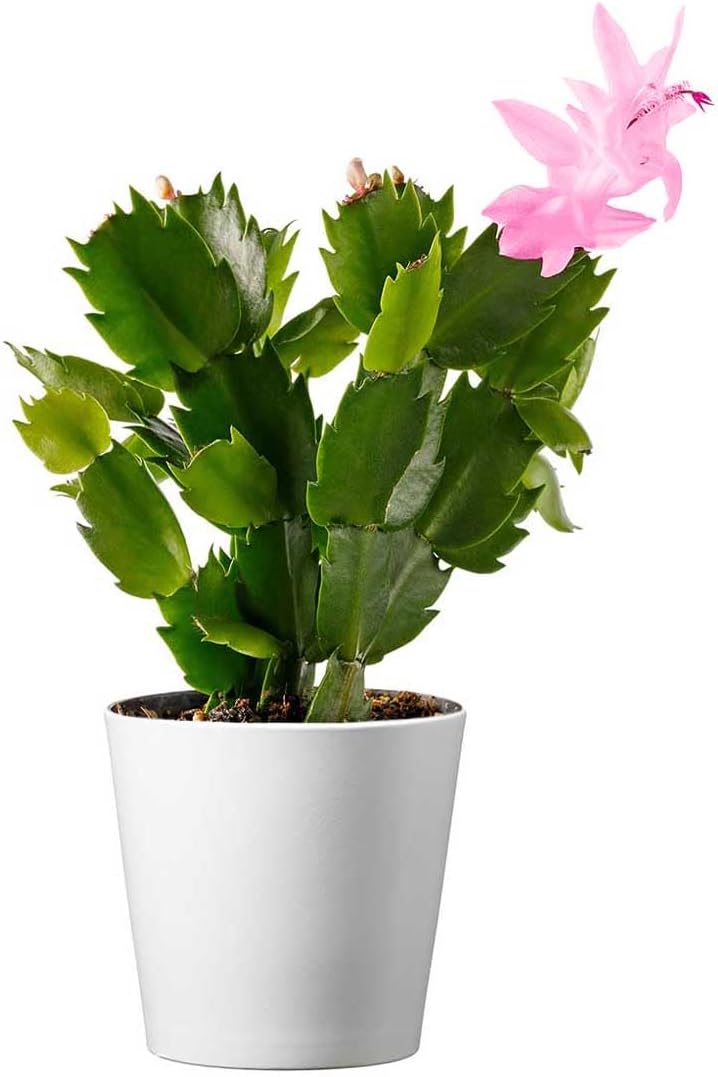
American Plant Exchange Christmas Cactus (4-Inch Pot)
| Indoor Outdoor Usage | Indoor |
|---|---|
| Expected Blooming Period | Holiday season |
| Sunlight Exposure | Partial Sun |
| Moisture Needs | Regular Watering |
This American Plant Exchange Christmas Cactus is a beginner-friendly Schlumbergera sold in a 4-inch grow pot with a decorative cover. It is designed to produce vibrant tubular blooms in reds, pinks, or whites during the holiday season and is typically displayed on a windowsill, table, or hanging basket where it receives bright, indirect light. The listing highlights easy care: a well-draining mix, regular but moderate watering, and partial sun to encourage blooming. Practical benefits include long-term longevity when cared for and a compact size that fits small indoor spaces; the plant is also non-toxic to pets. Limitations to expect are that specimens may ship out of bloom and flower color is not selectable, so you may have to wait through a care cycle to see blooms. The product is marketed as heirloom stock and includes a simple pot cover, but buyers wanting large or immediate floral impact should plan for several weeks of acclimation and care before peak flowering.
Best for: Buyers who prefer low-risk, low-maintenance houseplants that add seasonal color without demanding specialist care or space, and who value a plant that will reliably fit small indoor spots.
Less Ideal for: People seeking an immediate, large floral show or a guaranteed specific flower color should consider larger mature specimens or nursery-grown plants instead.
- Easy-care plant that thrives in bright, indirect light with moderate watering
- Compact 4-inch pot size fits small indoor spaces and windowsills
- Includes a decorative pot cover so it is display-ready on arrival
- Non-toxic to pets, making it safer for households with animals
- May arrive out of bloom and flower color is not guaranteed
- Smaller 4-inch plant may require time before producing a large display of flowers
Verdict: A compact, easy-care Christmas cactus that reliably brings seasonal pink or red blooms to small indoor spaces with minimal fuss.
BubbleBlooms Curly Sue (Epiphyllium guatemalensis) 4" Orchid Cactus

| Indoor Outdoor Usage | Indoor |
|---|---|
| Moisture Needs | Little To No Watering |
| Expected Blooming Period | Year Round |
| Sunlight Exposure | Full Sun |
| USDA Hardiness Zone | 6,7,8,9,10,11,12 |
This BubbleBlooms Curly Sue is a live Epiphyllum orchid cactus offered in a 4-inch nursery pot and aimed at indoor display where it can get bright light or morning sun. It blooms year round with pink flowers and is presented as a low-maintenance specimen that prefers sandy, well-draining media and little water between thorough soakings. Typical use is as a decorative houseplant on a shelf or windowsill where the trailing, curly stems and seasonal flowers add texture and color. Notable features from the listing include air-purifying qualities, preparation for shipment in a nursery container, and a seller emphasis on safe packaging for delivery. Practical benefits are easy care for someone who wants a flowering succulent without daily attention and a compact size that fits small spaces. Important limitations are that it is an indoor plant that needs bright light rather than deep shade and that specific cultivar vigor and flower timing can vary with growing conditions, so you may need to adjust light and watering to encourage reliable blooms.
Best for: Buyers who want a low-effort, flowering houseplant to add a splash of pink and texture to small indoor spaces and who prefer plants that tolerate occasional neglect.
Less Ideal for: People seeking a hardy outdoor succulent for full-sun garden beds or buyers who need precise cultivar performance and predictable bloom schedules.
- Compact 4-inch nursery pot size fits small indoor spots and gift displays
- Low moisture requirements make it suitable for forgetful plant owners
- Year-round blooming potential with attractive pink flowers
- Prepared and shipped in a nursery container with protective packaging
- Requires bright light or sun to bloom well and will not thrive in deep shade
- Limited information on exact cultivar performance means flowering timing may vary
Verdict: A compact, low-maintenance flowering orchid cactus that adds pink blooms and texture to small indoor spaces with minimal watering needs.
Fat Plants San Diego Live Mini Cactus Plants, 4‑Pack

| Indoor Outdoor Usage | Indoor, Outdoor |
|---|---|
| Other Special Features of the Product | Drought Tolerant |
| Expected Blooming Period | Fall |
| Sunlight Exposure | Partial Sun |
| Moisture Needs | Little To No Watering |
This 4‑pack of mini cacti arrives fully rooted in small nursery pots and is designed for easy display, repotting, or gifting. Each pack contains four different cultivars selected for variety in shape, texture, and color, with no duplicates within the set. These cacti are drought tolerant and need bright light, well‑draining soil, and infrequent, deep watering—water only after the potting mix dries to avoid rot. Typical uses are desktop or windowsill accents, starter plants for a small succulent collection, or low‑care gifts. Practical benefits include immediate readiness to grow, compact size for small spaces, and simple care routines that suit beginners or busy owners. Limitations are the small nursery pots, which will require repotting as plants grow, and natural variation in species means you cannot choose specific cultivars; size and appearance will differ from photos. If you want identical specimens or larger specimen plants, this assortment may not meet that need.
Best for: Buyers who want a low‑maintenance, space‑efficient way to add living decor or start a small succulent collection and prefer ready‑to‑use plants rather than propagating from cuttings.
Less Ideal for: Collectors seeking specific cactus varieties or larger, mature specimen plants should look for individual listings or larger pot sizes.
- Arrives fully rooted and ready to display or repot
- Hand‑selected assortment with no duplicates in the pack
- Low watering requirements suitable for beginners
- Compact size fits desks, shelves, and other small spaces
- Comes in small 2–2.5 inch nursery pots that will need repotting as plants grow
- Buyer cannot choose exact cultivars so appearance varies from what is pictured
Verdict: A practical, ready‑to‑display assortment of small, easy‑care cacti ideal for adding low‑maintenance greenery to tight spaces.
TriStar Plants Thanksgiving Cactus (4" Pot)

| Indoor Outdoor Usage | Indoor |
|---|---|
| Expected Blooming Period | Fall to Winter |
| Sunlight Exposure | Bright Light |
| Soil Type | Peat Soil |
| Moisture Needs | Regular Watering |
The TriStar Thanksgiving Cactus is a compact, beginner-friendly houseplant prized for its late-fall blooms that add seasonal color to indoor spaces. Sold in a 4-inch pot, the plant prefers bright indirect light and regular watering and will typically flower from fall into winter when given slightly cooler nights and a short day photoperiod. Notable features from the listing include air-purifying benefit and heirloom stock, which suggest a healthy specimen and straightforward care. Its small size makes it convenient for desks, shelves, or tabletop displays and it is described as non-toxic to pets, though keeping plants out of reach is still wise. The main limitations are its seasonal blooming habit so you may not receive flowers at delivery depending on timing, and it is rated for USDA zone 10 so it is strictly an indoor plant in cooler climates. With routine watering, bright light, and occasional feeding, this cactus delivers colorful holiday blooms without demanding specialized care.
Best for: Buyers who want a low-effort flowering houseplant to add seasonal color to small indoor spaces and prefer something easy to maintain.
Less Ideal for: Gardeners seeking a perennial outdoor cactus for cold climates or those who want reliably continuous flowering year-round.
- Compact 4-inch pot ideal for small indoor spaces
- Blooms in fall to winter to provide seasonal color
- Low care needs suitable for beginners
- Listed as having air purification benefits
- Blooms are seasonal and may not be present at delivery
- Rated for warm climates so it requires indoor care in cooler zones
Verdict: Choose this Thanksgiving cactus if you want a small, easy-care indoor succulent that reliably brings bright holiday blooms with minimal fuss.
CTS Air Plants Red Flower Christmas Cactus (Schlumbergera)

| Indoor Outdoor Usage | Indoor |
|---|---|
| Expected Blooming Period | Winter |
| Sunlight Exposure | Full Sun |
| Soil Type | Loam Soil |
| Moisture Needs | Moderate Watering |
This CTS Air Plants Schlumbergera is a small, potted Christmas cactus grown to produce large red, star-shaped flowers in late fall and winter. It is intended for indoor use, often placed in a bright, filtered window or a spot with part sun; the plant tolerates less direct midday sun and benefits from slightly moist but never waterlogged soil. Typical use is as a seasonal flowering houseplant or in a hanging basket where the trailing stems can show the blooms. Notable features include established, fully rooted stock and care notes that it requires more frequent watering than many desert cacti and protection from intense sun. Practical benefits are easy seasonal color without complex care routines and suitability for indoor holiday display. Important limitations are its need for consistent moderate watering compared with succulents and sensitivity to direct noon sun, so it is not a set-and-forget succulent for bright, hot rooms. Expect natural variation in size and appearance for live plants.
Best for: Buyers who want a reliable, easy-to-display indoor flowering cactus for seasonal color and who are willing to follow a simple watering routine and provide filtered light.
Less Ideal for: Not a good choice for people seeking a low-water, low-maintenance succulent for hot, sun-drenched rooms or for gardeners who prefer plants that tolerate frequent neglect.
- Blooms large red, star-shaped flowers in winter for holiday color
- Sold established and fully rooted for quicker display of blooms
- Suitable for hanging baskets or trailing displays
- Prefers filtered or part sun making it adaptable to many indoor windows
- Requires more frequent, moderate watering than typical desert cacti
- Sensitive to direct midday sun and can suffer in hot, unfiltered light
Verdict: A dependable indoor Christmas cactus for dependable winter red blooms when given filtered light and regular moderate watering.
Altman Plants Assorted Cactus 8-Pack (2.5" Nursery Pots)

| Indoor Outdoor Usage | Indoor |
|---|---|
| Other Special Features of the Product | Variety Pack |
| Sunlight Exposure | Partial Sun |
| Soil Type | Sandy Soil |
| Moisture Needs | Moderate Watering |
This Altman Plants 8-pack delivers a selection of 2.5-inch cacti in nursery pots that are useful for starting a low-maintenance collection, filling a sunny windowsill, or grouping in a container garden. The plants are hand-selected and shipped dry to minimize transit stress, so most arrive rooted and ready to be potted or displayed as-is. Typical use is simple: give them several hours of bright light, only water after the soil fully dries, and repot to a larger, well-draining mix as they outgrow the 2.5-inch containers. Notable features include the variety of species (Echinocactus, Mammillaria, Notocactus, Opuntia and similar genera), labeled nursery pots, and sandy cactus soil in the pots. Practical benefits are easy care, visual variety for mixed displays, and a quick way to add multiple plants at once. Important limitations are that individual species and sizes vary by availability so you may receive different plants than pictured, and the small nursery pots mean you will likely need to repot within weeks to months if rapid growth or flowering is expected.
Best for: Gardeners who want a compact, performance-focused way to establish a diverse cactus collection or add hardy accent plants to sunny indoor and part-sun outdoor spots without fuss.
Less Ideal for: People needing large, mature specimen plants right away or those who prefer a guaranteed, specific species lineup for a themed display.
- Hand-selected assortment gives a variety of cactus shapes and textures
- Shipped dry to reduce rot and improve live arrival rates
- Arrives in labeled 2.5-inch nursery pots for easy identification and care
- Low-maintenance plants that require infrequent watering and bright light
- 2.5-inch pots are small and will need repotting relatively soon for fast-growing specimens
- Species mix varies by availability so you may not receive the exact plants shown
Verdict: Buy this 8-pack if you want an easy, low-maintenance way to build a diverse cactus collection for sunny indoor or part-sun outdoor spots.
THE NEXT GARDENER Bunny Ear Cactus — 4-inch Potted Succulent

| Indoor Outdoor Usage | Indoor |
|---|---|
| Other Special Features of the Product | Drought Tolerant |
| Sunlight Exposure | Partial Sun |
| Moisture Needs | Moderate Watering |
This 4-inch Bunny Ear Cactus arrives fully rooted in a grower pot and is designed for low-maintenance indoor care. It prefers bright, indirect light and can tolerate partial sun, which makes it well suited to a sunny windowsill or tabletop. The plant is drought tolerant and follows a simple soak-and-dry watering rhythm, so weekly checks and occasional deep watering are usually enough. Its small size and sandy, well-draining potting mix help prevent overwatering and make it easy to move or display in small spaces. Practical benefits include minimal upkeep, a compact footprint for desks or shelves, and visual interest from the characteristic pad-like stems. Limitations are the modest size and lack of a decorative nursery pot, so you may want to replant it for a finished look, and like most cacti it needs protection from cold and overwatering to avoid rot. For a buyer seeking a low-effort indoor cactus, this delivers a straightforward, beginner-friendly plant.
Best for: A cautious first-time indoor gardener or busy home owner who wants a reliable, low-care cactus for bright indoor spots without fuss.
Less Ideal for: Collectors seeking large or showy specimens and outdoor gardeners who need cold-hardy or landscape-sized cacti.
- Fully rooted 4-inch plant ready to display or repot
- Drought tolerant and low maintenance suitable for beginners
- Compact size fits windowsills, desks, and small indoor spaces
- Comes potted in well-draining sandy soil for typical cactus needs
- Arrives in a basic grower pot so you may need to repot into a decorative container
- Small expected height limits impact as a standalone statement plant
Verdict: A dependable, low-maintenance indoor cactus that is easy for risk-averse beginners to care for and display in small spaces.
Choosing the Right Flowering Cactus for Indoors: Key Factors to Consider
Light Requirements and Placement
Light is the primary driver of flowering for most cacti. Indoor flowering cacti range from species that need direct sun for several hours to those that will bloom with bright indirect light. Assess the brightest spots in your home: south- or west-facing windows typically provide the intense light some species require, while east-facing locations can suit plants that tolerate morning sun.
If natural light is limited, consider whether you can supplement with a full-spectrum grow light. Placement also affects temperature swings; many flowering cacti need warm daytime temperatures and a modest drop at night to set buds. Planning placement with both light intensity and daily temperature variation in mind increases the chance of consistent blooms.
Watering Rhythm and Soil
Indoor cacti need a balance between drought tolerance and occasional thorough watering. Overwatering is the most common cause of rot for indoor specimens, especially in dense or poorly draining soils. Use a fast-draining cactus or succulent mix and containers with drainage holes to avoid waterlogging.
Establish a seasonal watering rhythm: more frequent but measured water in active growth and very sparse water during rest periods. How often you water also depends on pot size, container material, and indoor humidity. Understanding the plant's dormancy timing helps prevent flower bud drop caused by erratic moisture levels.
Temperature and Dormancy Needs
Many flowering cacti require a cool, drier rest period in winter to initiate bloom the following season. Indoor temperatures can be more constant than outdoors, so replicating a modest winter cooldown-typically a drop to around 50 to 60°F for several weeks-encourages bud formation for some species.
Not all indoor situations can provide this change. When winter cooling is limited, choose cacti with less stringent dormancy cues or use a cooler room for winter placement. Avoid exposing cacti to heat sources that keep them too warm at night, as that can suppress bud set and reduce flowering.
Pot Size, Root Space, and Growth Habit
Flowering cacti used indoors are often valued for compact habits, but roots still need adequate space to support buds. A pot that is too small stresses the plant and can reduce flowering, while an overly large container retains excess moisture and raises rot risk. Match pot size to the plant's current root ball and allow room for modest seasonal growth.
Consider growth habit when planning placement and companion plants. Columnar or hanging species require different supports than low-growing, clumping types. Choosing a cactus with a growth habit suited to your indoor display prevents future repotting and helps maintain bloom consistency.
Pest and Disease Susceptibility
Indoors, common pests such as mealybugs and spider mites can weaken a cactus and reduce its capacity to bloom. Good airflow, occasional inspection, and rapid treatment of infestations preserve plant vigor. Root rot from persistent wet soils is a leading cause of decline for indoor cacti and directly impacts flower production.
Select plants with documented resistance to common indoor pests when possible, and prioritize clean, sterile potting practices. Quarantine new plants for a few weeks and inspect for signs of scale or mealybugs. Maintaining healthy, pest-free plants is often the single best insurance for repeat flowering.
Blooming Season and Floral Display
Different cacti bloom at different times of year and produce varied flower sizes and colors. Consider whether you want a dramatic single-season show or more frequent, smaller blooms. Some species flower at night, others open in the morning and close by evening, so the timing of blooms affects enjoyment.
If seasonal timing matters, plan collections to stagger bloom windows or choose species known to flower in the season you prefer. Also factor in flower longevity and whether spent blooms are easy to deadhead without damaging the plant.
Setting Up an Indoor Light Plan
Map the brightest spots in your home and track how many hours of direct and indirect light each receives. Bright, direct sun for several hours is ideal for many flowering cacti, but some will still bloom under bright indirect light if given steady conditions.
If natural light is marginal, a simple LED grow light on a timer can provide the intensity and daylength control that encourages bud formation. Position lights close enough to supply brightness but far enough to avoid heat stress; adjust height as the plant grows.
- South-facing windows provide strongest natural light.
- Use timers to simulate consistent daylength during budding season.
- Rotate plants periodically so all sides get light and flower buds form evenly.
Repotting and Soil Tips for Indoor Flowering
Repot when roots fill the pot or when soil has broken down and retains too much moisture. Choose a gritty, fast-draining mix with coarse sand or perlite to prevent sogginess. Clay pots speed drying, while plastic retains moisture longer; pick container material based on your watering habits.
Handle roots gently and avoid overpotting. Fresh soil supplies nutrients and improves drainage, which can reinvigorate a plant and support better flowering the next season.
- Repotting is best in spring before active growth begins.
- Avoid deep replanting that buries stems; maintain original crown level to prevent rot.
Managing Water and Humidity Indoors
Aim for a soak-and-dry approach: water thoroughly, then allow the soil to dry before the next watering. Humidity in most homes is low enough for cacti, but excessive indoor humidity combined with poor airflow increases rot risk.
Monitor plants closely after watering and adjust frequency by season. Use pot saucers only briefly and empty excess water to prevent bottom saturation.
- Check soil moisture by finger or moisture meter before watering.
- Reduce watering dramatically during winter rest to encourage bud set for some species.
Supporting Buds and Protecting Blooms
Avoid major moves or drafts when buds are forming, as sudden changes in light, temperature, or vibration can cause bud drop. Keep a steady routine for watering and light to improve bud retention.
When blooms appear, keep direct overhead watering away from flower throats and avoid heavy handling. If flowers are short-lived, plan display spots where you can see them daily to enjoy the brief show.
- Minimize repotting or relocation during flowering season.
- Provide gentle air circulation to reduce fungal issues without creating cold drafts.
Propagation and Growing on Indoors
Many flowering cacti can be propagated from offsets or cuttings, which lets you expand your collection without sourcing new plants. Allow cut surfaces to callus before planting to reduce rot risk, and start cuttings in a well-draining medium with bright light and minimal water until roots form.
Seed propagation is slower and may take years to reach flowering size, so offsets are the fastest route to a flowering plant indoors. Track parent plant conditions that produced good blooms to replicate those settings for successful propagation.
- Use sterile tools when taking cuttings to limit disease spread.
- Keep newly rooted cuttings in bright, indirect light until established.
How We Chose the Best Flowering Cactus for Indoors
We selected candidates based on traits that matter for indoor gardeners and for reliable flowering in home conditions. Evaluation focused on specific, observable dimensions: light requirement adaptability, watering and drought tolerance, flowering frequency and bud reliability, size and growth habit for indoor placement, and resistance to common indoor pests and rot. We excluded large outdoor-only species and any cacti that need prolonged winter dormancy in unheated spaces. We also discounted specimens that require greenhouse-level humidity or highly specialized soils. Sources included cultivation notes, grower observations, and horticultural references to ensure we favored plants that perform as houseplants rather than outdoor specimens. The final list prioritizes plants that flower under bright indoor light or supplemental lighting, are forgiving of typical household watering, and fit small to medium indoor containers. These selection filters align with the scoring criteria below and reflect what indoor gardeners most often need when choosing a flowering cactus.
FAQ
How much light does a flowering cactus need indoors?
It depends on the species, but many flowering cacti need several hours of bright direct light daily. Some will bloom with bright indirect light if the plant otherwise has good conditions. If natural light is insufficient, supplemental grow lights on a timer can help.
How often should I water an indoor flowering cactus?
Use a soak-and-dry approach: water thoroughly, then let the soil dry before watering again. Frequency varies with pot size, season, and indoor climate, but most indoor cacti need much less water in winter when growth slows.
Do indoor flowering cacti need a winter rest to bloom?
Many do. A cooler, drier period in winter helps some species set buds for the following season. If you cannot provide a cooler spot, choose varieties known to be less dependent on strict dormancy cues.
Why are buds dropping before they open?
Buds often drop from sudden changes in light, temperature, or moisture. Overwatering, transplant shock, or drafts can also cause bud drop. Stabilizing care and avoiding major moves during bud formation usually improves retention.
Can I keep a flowering cactus in a hanging basket or on a windowsill?
Yes. Match the plant's growth habit to the display: trailing or epiphytic types suit hanging baskets, while compact columnar or globular cacti work well on windowsills with strong light. Ensure good drainage and stable conditions in either location.
How do I prevent rot while trying to encourage flowering?
Use a fast-draining soil mix, a pot with drainage holes, and a conservative watering regimen. Allow soil to dry between waterings and avoid standing water in saucers. Proper airflow and pot choice also reduce rot risk.
Final Verdict
Choosing the right flowering cactus for indoor life means matching the plant to your light levels, watering habits, and available space. Prioritize species that fit your windowsill intensity and that tolerate your household temperature swings. Balance pot size and soil drainage to support healthy roots and bud set. Focus on light adaptability and watering tolerance first, then consider flowering reliability and pest resistance. With those tradeoffs in mind, you can confidently pick an indoor flowering cactus that will brighten your home during its seasonal display.
