

Note: This article contains affiliate links. If you click on these links and make a purchase, I may earn a small commission at no extra cost to you. This helps support my research and content. Read my full affiliate disclosure here.
If you grow aroids you know their roots need air, steady moisture, and a light, chunky medium to stay healthy. The right Aroid potting mix prevents root rot, supports vigorous root growth, and helps showy foliage develop its best color and size. This guide shortlists seven top mixes gardeners use for philodendrons, monsteras, anthuriums, and other tropicals and explains how we evaluated drainage, moisture retention, and nutrient balance. Read on to compare practical traits that matter for repotting, container culture, and long-term vigor.
Top Picks at a Glance
| Best Overall The best all-around choice for most situations | Top Tier Genetics Aroid Potting Mix for Monstera & Tropical Houseplants (8 qts) |  |
| Best Quality Built to a higher standard if you want something more solid | HydraGarden Forbidden Cereal Aroid Potting Mix, 6.5 QT |  |
| Best Value The sweet spot between price and what you get | Grow Queen Craft Aroid Potting Mix, Chunky Peat-Free Blend, 8 QT |  |
| Best Budget The cheapest option that still gets the job done reliably | Top Tier Genetics Aroid Soil Blend for Monstera and Alocasia (4 qt) | |
| Highest Rated A top-rated pick with lots of positive feedback | Molly's Aroid Potting Mix (3 Dry Quarts) |  |
| Most Popular A crowd favorite that many people choose with confidence | Rosy Soil Aroid Potting Mix, Chunky Biochar Soil, 4 Quarts |  |
| Best Seller A high-volume bestseller chosen again and again | Back to the Roots Organic Indoor Potting Mix, 12 Quart |  |
Top Tier Genetics Aroid Potting Mix for Monstera & Tropical Houseplants (8 qts)
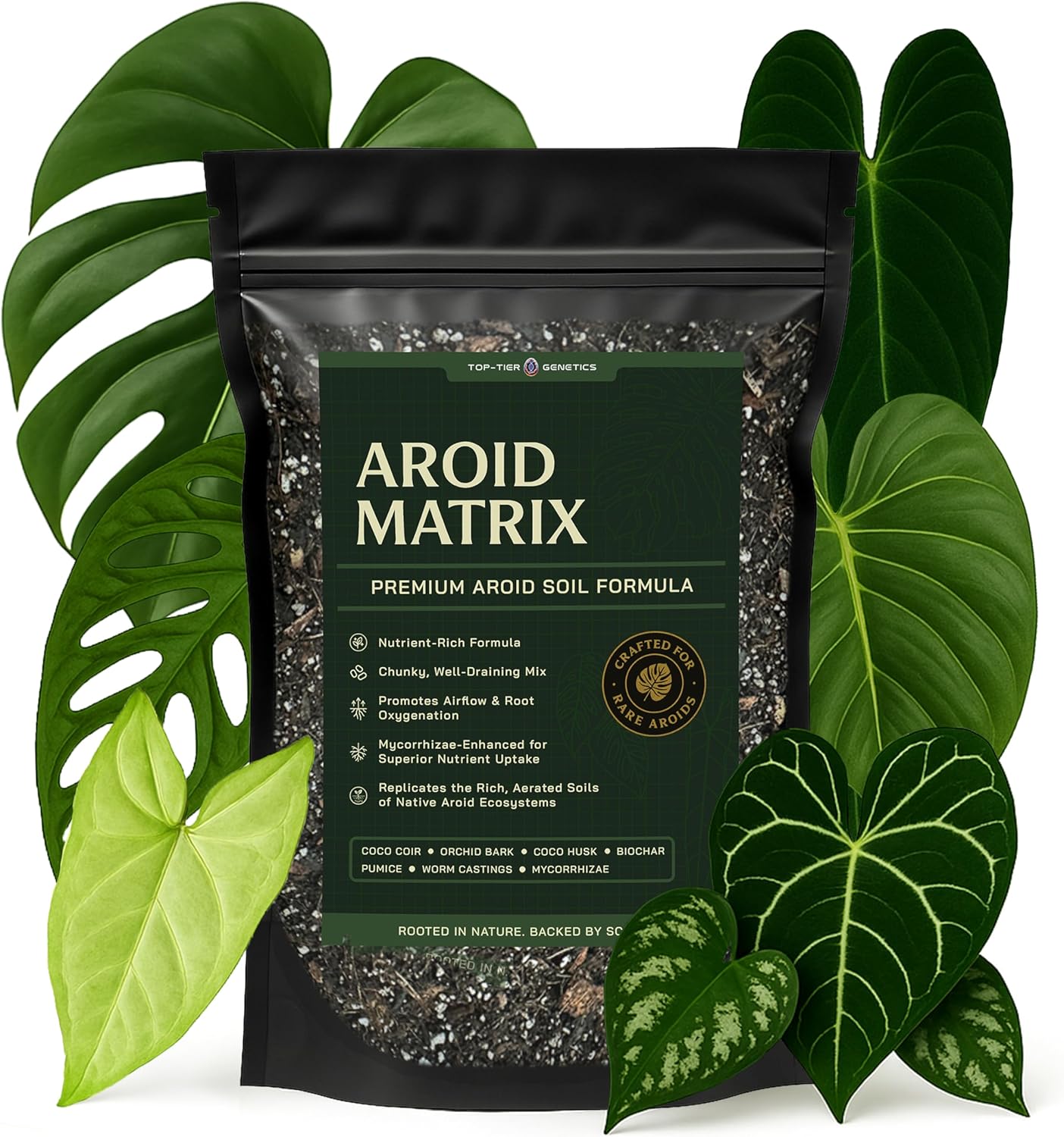
| Volume | 8 quarts |
|---|---|
| Ingredients | Orchid bark, coco coir, pumice, coco husk, worm castings, biochar, mycorrhizae |
| Style Name | Nutrient-rich, moisture-retaining |
This aroid-specific potting mix is designed for Monstera and similar tropical houseplants, providing chunky aeration and organized moisture retention straight from the bag. The blend uses orchid bark, coco husk and pumice to keep the medium open so roots get oxygen and excess water drains quickly, while coco coir and worm castings supply steady moisture and nutrients. Biochar and mycorrhizae help build microbial life and improve nutrient availability over time, which can support stronger root systems and fuller foliage. It is convenient for repotting or top-ups because no additional mixing is required, and the organic ingredients make it appealing for growers who prefer natural amendments. Limitations are mainly pack size and precision: the 8-quart bag is convenient for one or two small to medium plants but means frequent repurchases for larger collections, and the ready mix does not allow heavy customization of drainage versus moisture for very particular setups.
Best for: Plant owners who want a reliable, low-effort potting mix tailored to Monstera and other aroids and who value organic amendments and biological support for steady growth.
Less Ideal for: Growers who prefer to create custom mixes for precise moisture control or those managing large collections who need bulk quantities in a single purchase.
- Chunky components (orchid bark, pumice, coco husk) provide excellent aeration and fast drainage to reduce root rot risk
- Contains worm castings and biochar to supply nutrients and support long-term soil health
- Includes mycorrhizae to improve root establishment and nutrient uptake
- Ready to use out of the bag, making repotting faster and simpler
- 8-quart bag is relatively small for people with multiple or large plants
- Pre-mixed formula limits ability to fine-tune drainage or moisture for very specific setups
Verdict: A convenient, ready-made organic mix that gives Monstera and other aroids the chunky drainage and biological boost they need for healthy roots and foliage.
HydraGarden Forbidden Cereal Aroid Potting Mix, 6.5 QT

| Unit Count | 6.5 Ounce |
|---|---|
| Brand Name | HydraGarden |
| Style Name | Houseplants & Aroids |
| Ingredients | Orchid Bark, Charcoal, Perlite, Coco Chunks, Coco Coir, LECA Clay Pebbles, Worm Castings, Sphagnum Moss |
HydraGarden Forbidden Cereal is a high-drainage, soilless potting mix built from chunky components like orchid bark, coco coir, coco chips, perlite, biochar, worm castings and LECA clay pebbles with a small bag of New Zealand sphagnum moss layered on top. It is used as a repotting and growing medium for aroids and many common houseplants where preventing waterlogging and improving root oxygenation are priorities. The mix’s large particle profile lets water move quickly through containers, reduces the chance of root rot, and keeps roots from becoming compacted while still offering organic matter and nutrients from castings and charcoal. The separated sphagnum allows you to add a moisture-retaining topper when needed without compromising overall drainage. Practical limits are that its chunky texture holds less water than peat-rich mixes so watering frequency will increase for moisture-loving species, and the soilless formula may require more frequent feeding compared with a loam-based soil. For growers who prioritize fast drainage, root health, and a lightweight, peat-free blend, this mix delivers predictable, performance-focused results.
Best for: Serious growers who prioritize root health and fast drainage for aroids and tropical houseplants and who monitor watering and feeding closely to maximize plant performance.
Less Ideal for: Casual owners who want a low-maintenance, moisture-retentive potting medium or growers of very moisture-loving species that require consistently damp substrate.
- Very high drainage and aeration from chunky ingredients reduces risk of root rot
- Peat-free, soilless organic components including worm castings and biochar for nutrient support
- Layered sphagnum moss gives flexible moisture retention as a topper or propagation aid
- Includes LECA clay pebbles for improved structure and long-term stability
- Holds less moisture than peat-based mixes so plants may need more frequent watering
- Soilless formula typically requires more regular fertilizing for sustained nutrient supply
Verdict: Choose this mix if you need a chunky, peat-free medium that maximizes drainage and root aeration for high-performance aroid growing.
Grow Queen Craft Aroid Potting Mix, Chunky Peat-Free Blend, 8 QT

| Item Type Name | Potting Mix |
|---|---|
| Volume | 8 quarts |
| Ingredients | Tree fern fiber, earthworm castings, pumice, lava rock, biochar, coco coir, gypsum, alfalfa, fir bark |
| Style Name | For plants that like high drainage with good moisture retention |
This Grow Queen Craft Aroid Mix is a ready-to-use, chunky potting soil designed for Monstera, Alocasia and other tropical houseplants. The blend pairs large bark pieces, pumice and lava rock to keep the mix airy and fast-draining while coco coir and charged biochar retain some moisture between waterings. Beneficial ingredients like earthworm castings and alfalfa provide gentle nutrition and support soil microbes so repotted plants can establish without immediate fertilizer. The mix arrives pre-moistened and is pH balanced toward the slightly acidic range aroids prefer, which removes a common repotting guesswork for collectors. Practical gardeners will appreciate that it avoids peat and perlite, relying on pumice and lava rock for porosity and durability against compaction. The main limitations are bag volume for larger plants and that the formula is tailored to tropical and aroid species, so very different plants with heavy, moisture-retentive needs may require a different mix or amendment.
Best for: Buyers who want a low-maintenance, botanist-crafted mix that gives aroids good aeration and steady moisture hold so repotting is reliable and fuss-free.
Less Ideal for: People repotting many large trees or those growing plants that need consistently soggy, heavy soils should look for bulk or moisture-retentive mixes instead.
- Chunky texture with bark, pumice and lava rock for strong aeration and rapid drainage
- Peat-free formula using coco coir and charged biochar to hold usable moisture and support microbes
- Includes earthworm castings and alfalfa for mild, built-in nutrition
- PH balanced toward slightly acidic ideal for aroids, reducing need for immediate adjustments
- 8 quart bag may be small for multiple large repots or very large specimens
- Formulation is specialized for tropical/aroid plants and may not suit species that prefer uniformly moist soil
Verdict: A ready-to-use, peat-free chunky mix that gives aroids professional-level drainage and balanced moisture for healthier roots.
Top Tier Genetics Aroid Soil Blend for Monstera and Alocasia (4 qt)
| Volume | 4 quarts |
|---|---|
| Ingredients | Orchid bark; coco coir; pumice; coco husk; worm castings; biochar; mycorrhizae |
| Unit Count | 64 Ounce |
This ready‑to‑use aroid soil is designed for plants like Alocasia and Monstera and aims to give fast-draining, airy conditions without additional mixing. The mix combines orchid bark, coco coir and pumice for chunky structure that keeps media loose and prevents compaction, while coco husk and coir offer balanced moisture retention so roots stay hydrated but not waterlogged. Worm castings and mycorrhizae add nutrients and beneficial fungi to support early root establishment and leaf growth, and biochar helps hold nutrients and foster microbial life over time. Practical benefits include saving time—you can pot plants straight from the bag—and reducing common aroid problems such as slow drainage and root rot. Limitations are the small 4 quart volume, which means it is best for repotting small to medium plants or for top dressing rather than redoing large specimens, and gardeners who prefer precise DIY mixes may find ready blends less customizable.
Best for: Buyers who want a convenient, ready-made soil that minimizes repotting hassle and targets the drainage and biology needs of Alocasia and other aroids.
Less Ideal for: Growers repotting large specimens or those who prefer to custom-blend exact proportions of bark, coir and pumice should look for larger bags or individual components.
- Chunky, well-aerated mix reduces compaction and improves drainage for aroids
- Includes worm castings and mycorrhizae to support root development and nutrient uptake
- Biochar and organic matter help long-term soil biology and nutrient retention
- Ready to use out of the bag saves time compared with mixing components yourself
- Small 4 quart bag may be insufficient for repotting larger Alocasia plants
- Pre-blended formula limits ability to adjust ratios for individual plant preferences
Verdict: A convenient, biology‑forward chunky mix that gives Alocasia the fast drainage and microbial boost they need without any mixing.
Molly's Aroid Potting Mix (3 Dry Quarts)

| Unit Count | 1 Count |
|---|---|
| Item Highlight | Tropical Plant Mix with Coco Coir, Orchid Bark, Worm Castings & Perlite |
| Manufacturer | VERYPLANTS |
| Volume | 3 quarts |
Molly's Aroid Potting Mix is a chunky, soilless blend designed for Monstera, philodendron and similar tropical houseplants; for a rubber plant it provides the airy, fast-draining root environment these plants prefer. The mix combines coco coir, orchid bark, perlite and worm castings with included mycorrhizal fungi to support root development, nutrient uptake and moisture balance. Because it is soil-free and lighter than garden soil, it is cleaner to handle and less likely to compact, which reduces the risk of root rot from overwatering. The resealable, heat-sealed bag keeps the mix fresh between uses and the formulation is pH-balanced and mineral-enriched for steady growth. Limitations to note are the small 3-quart bag size, which means frequent purchases or multiple bags for larger plants, and the mix may need occasional supplementing with slow-release fertilizer for long-term feeding in larger containers. For growers who repot often or want a ready-to-use, aroid-focused medium, this mix saves time and promotes healthy, well-aerated roots.
Best for: Buyers who prioritize strong root health and fast drainage for tropical houseplants and want a ready-made, clean mix that reduces repotting frequency.
Less Ideal for: Gardeners who need large volumes of potting medium for many plants or prefer to custom-blend their own soil mixes for specific nutrient profiles.
- Chunky, fast-draining formula that reduces compaction and overwatering risk
- Includes mycorrhizal fungi to improve root nutrient and water uptake
- Soilless blend is cleaner and lighter to handle than garden soil
- pH-balanced and contains organic and mineral components for steady growth
- Small 3-quart bag may be insufficient for larger rubber plants or multiple repots
- May require additional fertilizer over time for mature plants
Verdict: Choose this mix if you want a ready-made, airy aroid potting medium that promotes fast drainage and healthier roots for rubber plants.
Rosy Soil Aroid Potting Mix, Chunky Biochar Soil, 4 Quarts

| Unit Count | 128 Ounce |
|---|---|
| Volume | 4 quarts |
| Item Highlight | Peat-Free, Microbially Active, Superior Aeration & Drainage |
| Style Name | Aroid Soil |
Rosy Soil Aroid Potting Mix is designed specifically for Monsteras, philodendrons, anthuriums and other tropical aroids that need fast-draining, airy media. The mix combines pine bark fines, pumice and biochar to give a chunky structure that resists compaction and lets roots breathe while water moves through quickly. It is also enriched with worm castings, mycorrhizae and compost to create a microbially active medium that supports nutrient uptake and root vigor over time. Because it is peat-free and formulated to be carbon negative, it is a good choice for growers who want an environmentally friendlier alternative to peat-based mixes. In practical use the mix fills multiple small pots from a 4-quart bag, comes in a resealable bag to stay fresh, and is well-suited for repotting and top-ups where drainage and aeration are priorities. Limitations are the small package size for larger collections and the chunky texture may dry faster than peat blends, requiring more frequent watering for some indoor conditions.
Best for: Buyers who prioritize plant performance and root health for Monsteras and other tropical aroids and who want a fast-draining, microbially active soil that keeps roots airy.
Less Ideal for: Casual plant owners who prefer low-maintenance, moisture-retentive peat blends or who need large volumes for many pots should consider other options.
- Chunky mix with pine bark and pumice provides excellent drainage and prevents compaction
- Includes biochar and beneficial microbes to boost nutrient availability and root health
- Peat-free, designed to reduce carbon impact compared with traditional peat mixes
- Resealable bag and 4-quart volume convenient for repotting multiple small houseplants
- 4-quart bag is small for larger collections or multiple repots
- Chunky texture dries faster than peat-based mixes and may require more frequent watering
Verdict: Choose this mix if you want a high-performance, chunky potting medium that gives Monsteras and other aroids superior drainage, aeration, and microbial support.
Back to the Roots Organic Indoor Potting Mix, 12 Quart

| Volume | 12 quarts |
|---|---|
| Item Highlight | Indoor potting mix for pothos, monstera, ferns |
| Organic | 100% organic |
| Peat-free | Peat-free |
| Origin | Made in the USA |
This indoor potting mix is designed for everyday houseplants and seed starting, offering an organic, peat-free alternative that emphasizes moisture retention and root health. The formula includes yucca extract to help the soil hold water longer and added mycorrhizae to encourage stronger root development and better nutrient uptake. It also uses dolomitic limestone to balance pH and is made without bark or compost to reduce gnats and other indoor pests. Typical use is repotting monsteras, pothos, ferns and similar tropical foliage or refreshing topsoil in indoor containers. Practical benefits include easier watering management for busy or cautious plant owners and a reduced likelihood of pest problems compared with mixes containing coarse bark. Limitations are that the mix is an all-purpose indoor blend rather than a chunky, fast-draining aroid-specific mix, so growers who need very airy media for large root-bound monsteras may want to amend it with perlite, orchid bark, or pumice for extra drainage and airflow.
Best for: Homeowners who prefer a low-risk, easy-care potting mix for common tropical houseplants and want an organic, low-gnat option that reduces hands-on maintenance.
Less Ideal for: Advanced collectors growing very large or high-airflow aroids who need a chunky, fast-draining substrate straight out of the bag.
- Organic and peat-free composition suitable for eco-conscious indoor gardeners
- Yucca extract improves moisture retention for less frequent watering
- Includes mycorrhizae to support root growth and nutrient uptake
- Balanced pH with dolomitic limestone to help nutrient availability
- Not formulated as a very airy aroid mix so may require amendments for large monsteras
Verdict: A reliable, organic indoor potting mix that makes repotting monsteras and other common houseplants low effort and low risk.
Choosing the Right Aroid Potting Mix: Key Factors to Consider
Drainage and Aeration
Aroids thrive when roots get oxygen as well as moisture. A good potting mix drains excess water quickly while leaving air space between particles. That means coarse ingredients such as pumice, perlite, or chunky bark are important to prevent waterlogging and to reduce the risk of root rot.
If drainage is too slow, you will need to water less often and accept slower nutrient uptake. If drainage is too fast without moisture-retaining components, plants can dry out between waterings and show stress. Aim for a balance that fits your container size and watering rhythm.
Moisture Retention and Water Buffering
A mix must hold enough water to supply roots between waterings while not staying soggy. Organic components like well-aged compost, coco coir, or fine bark provide water-holding capacity and slow-release nutrients. These materials should be present in moderation and combined with coarse particles so the mix still breathes.
The ideal moisture buffer depends on your home environment and how often you want to water. In drier homes, increase water-retaining elements slightly. In humid or low-light spaces, prioritize faster drainage to avoid persistent dampness.
Particle Size and Stability
Particle size determines how the mix performs over time. Large, stable particles maintain air pockets and resist compaction, while very fine components pack down and reduce oxygen around roots. Look for mixes that list specific coarse ingredients and avoid blends that are mainly fine peat or small particles.
Stability also affects repotting intervals. A stable, chunky mix will keep structure for longer and support larger root masses. Unstable mixes may need more frequent refreshes or the addition of coarse amendments to restore porosity.
Nutrient Content and Amendment Needs
Some potting mixes include slow-release fertilizer or composted components, while others are intentionally low in nutrients so growers can control feeding. For aroids, moderate baseline nutrition is useful but not necessary if you plan a regular feeding schedule. Check ingredient lists for compost, worm castings, or added fertilizers if you prefer less initial amendment work.
Even mixes with good baseline nutrition may benefit from supplemental feeding during the growing season. Consider your feeding plan and whether you want a mix that requires immediate amendment or one that supports plants without extra inputs for several weeks.
pH, Salts, and Ingredient Quality
Aroids prefer slightly acidic to neutral conditions. Ingredient quality affects pH and soluble salt levels in the root zone. Coconut coir, bark, and inert minerally amendments tend to be low in salts and stable in pH, while some composts or manures can introduce variable salts and a higher pH.
For sensitive aroid species, choose mixes with clear ingredient labeling and minimal added salts. Rinse or leach a new mix if you suspect high salts, and monitor plants after repotting for signs of nutrient burn or deficiency.
Suitability for Container Size and Growing Stage
Seedlings, juveniles, and large mature aroids have different needs. Small plants and seedlings often need a finer but still aerated medium that holds moisture, whereas mature plants in big containers benefit from chunkier mixes that support large root masses and encourage drainage.
Consider whether you will use the mix as-is across pot sizes or whether you will modify particle ratios for different stages. A versatile base mix should allow easy adjustment by adding more coarse pumice or more fine organic material depending on plant size.
How to Amend a Base Aroid Mix
Many gardeners start with a commercial base mix and tweak particle ratios to fit a plant or pot. Add pumice or coarse perlite to increase aeration, or fold in a small portion of fine coco coir or compost to hold moisture. Make adjustments gradually and observe how quickly the pot dries.
When repotting, avoid overturning every component. Stir in amendments to the existing root ball where possible so the plant experiences less shock. For very heavy or compacted mixes, remove some old soil and replace with a chunkier blend.
- Add 10 to 30 percent coarse amendment for better airflow in larger pots
- Mix 5 to 10 percent fine organic material for seedlings to retain moisture
- Replace compacted mix every 12 to 24 months depending on plant growth
Repotting Tips for Aroids
Repot in a slightly larger container when roots begin to circle or growth slows, not necessarily every year. Choose a pot that matches the plant's current root volume and use a well-draining mix to minimize transplant stress.
Handle roots gently and trim only dead or rotting sections. After repotting, allow the plant to settle for a week before resuming regular feeding and avoid overwatering while roots recover.
- Use pots with drainage holes and consider elevating containers on feet for better flow
- Water lightly immediately after repotting if the mix is dry, then wait until the top inch is dry before the next watering
Managing Watering and Feeding with Chunky Mixes
Chunky mixes can behave differently than traditional potting soil. They may require more frequent, lighter waterings or the use of bottom-watering to ensure even rewetting. Learn how your chosen mix holds moisture and adjust your routine.
Fertilize during active growth with a balanced, diluted feed. Because chunky mixes often contain less organic matter, they may need more consistent feeding to supply nutrients for rapid foliage growth.
- Check moisture several inches down with a probe or finger rather than relying on surface dryness
- Use a handful of slow-release fertilizer or regular liquid feeds during the growing season
Preventing Common Root Problems
Root rot and fungal issues arise from prolonged saturation and poor aeration. Ensure the mix drains well and avoid leaving plants in saucers full of water. Good airflow around the pot and moderate watering frequency reduce disease pressure.
If you see yellowing leaves or a sudden decline after watering, inspect roots for softness or discoloration. Repotting into a fresh, chunkier mix and trimming affected roots can often revive the plant.
- Avoid deep, infrequent soakings in poorly draining mixes
- Increase ventilation in humid spaces to lower disease risk
Best Practices for Making Your Own Aroid Mix
Combine coarse mineral components with a measured amount of organic material for a reproducible mix. A typical home blend might include bark, pumice or perlite, and a small portion of coir or compost. Sift ingredients to remove dust and fine particles that reduce porosity.
Label and store your homemade blends dry and covered to keep ingredients consistent. Test one container first so you can tweak ratios without risking your entire collection.
- Aim for visible chunks and avoid mixes that look like fine potting soil
- Keep a consistent recipe so repots behave predictably
How We Chose the Best Aroid Potting Mix
We selected mixes that reflect how aroid growers actually pot and maintain tropical houseplants. We prioritized blends that offer fast drainage with moisture-holding pockets, physical structure that resists compaction, and stable nutrient availability. Key evaluation dimensions were particle size and aeration, drainage rate under typical container conditions, organic component quality and nutrient buffering, long-term stability and compaction resistance, and suitability across container sizes and watering schedules. We also considered ingredient clarity so gardeners can judge rewetting and amendment needs. Picks were excluded if ingredient lists were vague, if blends relied solely on fine peat with poor aeration, or if mixes were designed mainly for succulents or orchids rather than aroids. We favored mixes that work with common repotting practices and that allow easy amendment with pumice, coir, or slow-release nutrition when desired.
FAQ
How often should I repot aroids?
Repotting frequency depends on growth rate and mix stability. Many aroids need repotting every 12 to 24 months when the mix compacts or roots become pot-bound. Slow growers may go longer, while fast growers may need attention yearly.
Can I use orchid bark or cactus mix for aroids?
Orchid bark can be a useful coarse component in an aroid mix when blended with moisture-retaining material. Cactus mixes are usually too fine and drain too quickly unless amended with chunky bark or pumice to increase aeration.
Should I add fertilizer to a premium aroid mix?
It depends on the mix's ingredient list. Some mixes include compost or slow-release nutrients, while others are inert and require feeding. Monitor growth and leaf color and feed during the active season if plants show slow growth.
How do I know if a mix has too many fine particles?
A soil that compacts, forms a crust, or stays damp long after watering likely has excess fines. Visible dust when handling or a lack of visible chunks are signs. Amend with coarse pumice, bark, or perlite to restore porosity.
Is coir a good substitute for peat in aroid mixes?
Coir is a reliable, renewable alternative to peat and holds moisture without becoming hydrophobic when dry. It also resists compaction better than some peats, making it a good choice when balanced with chunky amendments.
Final Verdict
Choose an Aroid potting mix that matches your watering habits, container size, and the specific species you grow. Prioritize drainage and stable particles for larger plants and allow slightly more water retention for seedlings or drier homes. Balance nutrients and amendment needs with how often you want to feed. Focus on mixes with clear ingredient lists and a chunky structure that you can tweak. That approach minimizes root problems and makes repotting and long-term care straightforward so you can enjoy healthy, vigorous aroid growth.
