

Note: This article contains affiliate links. If you click on these links and make a purchase, I may earn a small commission at no extra cost to you. This helps support my research and content. Read my full affiliate disclosure here.
If you grow aroids indoors or in a shaded patio, the right fertilizer changes how quickly leaves unfurl, how richly variegation shows, and how reliably new growth appears. Aroid fertilizers are formulated to meet the steady but specific needs of pothos, philodendrons, monstera, anthuriums, and other tropical-leaved plants. This guide shortlists seven top options suitable for different growing methods and gardener priorities. We evaluate each pick for nutrient balance, ease of use, and how it performs in common aroid setups like potting mixes, soilless blends, and semi-hydroponics. Read on to see which formulations match your watering habit and growing conditions.
Top Picks at a Glance
| Best Overall The best all-around choice for most situations | Dyna-Gro Foliage Pro 32 oz Liquid Plant Fertilizer | 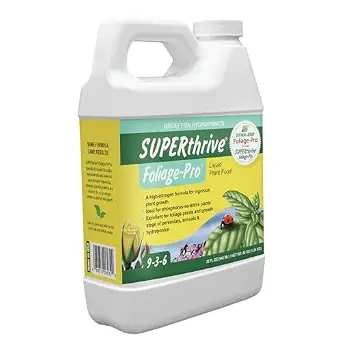 |
| Best Quality Built to a higher standard if you want something more solid | Growth Technology GT Foliage Focus Liquid Plant Food, 1 Quart | 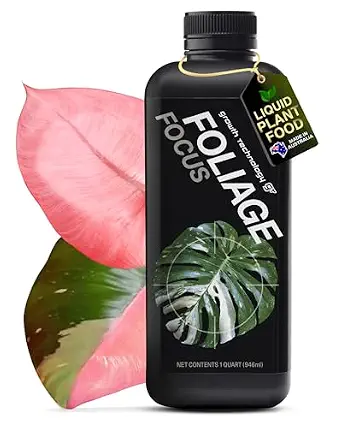 |
| Best Value The sweet spot between price and what you get | Grow Queen Organic Liquid Indoor Plant Food 5-5-5 with Sea Kelp, 8 oz |  |
| Best Budget The cheapest option that still gets the job done reliably | Jaggar Cross Green Fuel Aroid & Begonia Fertilizer (14-10-16), 8 oz |  |
| Highest Rated A top-rated pick with lots of positive feedback | GARDENERA Organic Liquid Kelp Spray for Aroid Plants, 8 oz (Ready-to-Use) |  |
| Most Popular A crowd favorite that many people choose with confidence | TPS NUTRIENTS Monstera Liquid Plant Food, 8 oz |  |
| Best Seller A high-volume bestseller chosen again and again | TPS NUTRIENTS Indoor Plant Food Liquid Fertilizer, 8 fl oz |  |
Dyna-Gro Foliage Pro 32 oz Liquid Plant Fertilizer

| Item Form | Liquid |
|---|---|
| Specific Uses For Product | indoor plant care, greenhouse production, and low light environments |
| Application Method | Mix with water |
| Mixing Ratio | 3:1:2 or 9-3-6 |
Dyna-Gro Foliage Pro is a concentrated liquid fertilizer designed as a complete nutrient source for tropical foliage and common indoor plants. It mixes with water and can be used as the sole feed in soil or hydroponic setups, with the label recommending a 3:1:2 or 9-3-6 mixing ratio to match plant needs. In practice it encourages leafy growth, stronger stems, and richer leaf color thanks to its foliage-focused NPK balance, and its liquid form makes it easy to apply during regular watering. The formula is versatile for greenhouse production and low-light interiors where steady nutrition matters. Expect reliable, steady results rather than instant dramatic changes; you still need to follow dilution guidance and schedule to avoid overfeeding. The product comes in a pint/quart-sized bottle that is easy to measure and store, but users should wear basic protection when handling concentrate and keep it away from children and pets.
Best for: Plant owners who prioritize steady, performance-oriented foliage results and want a single liquid feed they can rely on for indoor and greenhouse plants.
Less Ideal for: Growers who need a bloom-boosting or high-phosphorus feed for flowering and fruiting plants should choose a fertilizer formulated for blooms instead.
- Balanced foliage-focused NPK (3:1:2) tuned for leaf growth and coloration
- Liquid concentrate that mixes easily with water for consistent feeding
- Suitable as a sole nutrient for both soil and hydroponic systems
- Works well in low-light and greenhouse environments where steady nutrition is needed
- Requires careful dilution and regular scheduling to avoid nutrient buildup
- Not formulated for heavy-flowering or fruiting requirements where different NPK is preferred
Verdict: If you want a dependable, foliage-focused liquid fertilizer that can serve as a single feed for indoor and greenhouse plants, this is a strong choice.
Growth Technology GT Foliage Focus Liquid Plant Food, 1 Quart

| Item Form | Liquid |
|---|---|
| Specific Uses For Product | Houseplant and Tropical Plant Care |
| Application Method | Foliar spray |
| Liquid Volume | 946 ml |
| Mixing Ratio | 1:20, 1.5:20, 2:20 |
Growth Technology GT Foliage Focus is a pH-buffered, concentrated liquid fertilizer aimed at promoting strong roots and vibrant foliage on aroids, monsteras, ferns, palms and other indoor tropicals. It is used by diluting into water at the recommended rates for soil, hydroponic systems, or as a foliar spray and can be applied with each watering for steady feeding or adjusted to stronger mixes during active growth. Notable features include a balanced mix of nitrate-nitrogen, phosphorus, potassium, calcium, magnesium and trace elements and explicit mixing ratios for weak, normal and strong feeds. In practice the formula is versatile across soil, potting mix, semi-hydroponic setups and full hydroponics, and the foliar option helps with quick leaf uptake when leaves look pale. Important limitations are that regular feeding requires monthly flushing to avoid salt buildup and you must follow dilution guidance closely to avoid overfeeding sensitive species. The one-quart bottle supplies frequent feeders but will require careful measuring during routine use.
Best for: Buyers who prioritize visible leaf performance and steady nutrient control for aroids and tropical houseplants and who want a single feed solution that works across soil and hydro setups.
Less Ideal for: Casual plant owners who prefer organic or slow-release granular fertilizers or those unwilling to follow regular dilution and flushing routines.
- Balanced mineral profile including N, P, K, calcium and magnesium for foliage and root support
- Versatile application: soil drench, hydroponics, semi-hydroponic systems and foliar spray
- pH buffered formula simplifies mixing and reduces need for extra additives
- Clear dilution guidance for weak, normal and strong feeding makes dosing straightforward
- Requires monthly flushing to prevent mineral salt buildup in pots and systems
- Concentrated formula demands careful measuring to avoid overfeeding sensitive plants
Verdict: A concentrated, versatile liquid feed for growers who want robust leaf growth and one formula that works across soil and hydroponic indoor tropical setups.
Grow Queen Organic Liquid Indoor Plant Food 5-5-5 with Sea Kelp, 8 oz

| Item Form | Liquid |
|---|---|
| Mixing Ratio | 1:1 |
| Specific Uses For Product | Plant Growth |
| Application Method | Watering |
| Target Species | Plants |
Grow Queen's 8 oz concentrated liquid plant food is a balanced 5-5-5 organic fertilizer designed for regular use on houseplants, tropicals and container gardens. You mix one capful (about 4 ml) per gallon of water and either drench the soil or apply as a foliar mist every one to three weeks, which makes it straightforward to fold into a weekly watering routine. The formula includes Ecklonia maxima sea kelp and trace micronutrients, which help support greener foliage, stronger stems and root development without the burning risk of high-strength synthetic feeds. At the stated dilution the bottle treats up to 50 gallons so it will last a small collection for months. It is also labeled safe for aerated hydroponic systems when reservoirs are changed regularly, though it can form a film in stagnant water so fresh mixes are recommended. The product has an earthy ocean scent from real kelp and excludes perfumes and dyes, but that natural smell may bother some users. Directions are simple and the fertilizer pairs well with slow-release feeds for longer-term nutrition.
Best for: Buyers who want a simple, one-bottle solution to feed a mixed collection of houseplants regularly and prefer organic ingredients and seaweed benefits.
Less Ideal for: Growers who need precision nutrient formulas for specific flowering or high-yield vegetable crops or those who require ready-to-use sprays without mixing.
- Balanced 5-5-5 NPK suitable for general indoor plant feeding
- Concentrated formula stretches up to 50 gallons from an 8 oz bottle
- Contains sea kelp and micronutrients to promote foliage color and root strength
- Safe for regular use at recommended dilution with low burn risk
- Natural kelp scent may be noticeable indoors
- Can form a film in standing water so not ideal for non-aerated reservoirs
Verdict: A concentrated, easy-to-use organic 5-5-5 liquid fertilizer with sea kelp that provides straightforward, all-purpose nutrition for indoor plant collections.
Jaggar Cross Green Fuel Aroid & Begonia Fertilizer (14-10-16), 8 oz

| NPK ratio | 14-10-16 |
|---|---|
| Form | Powder |
| Target species | Houseplants |
| Makes | About 40 gallons solution |
This powder fertilizer is designed to be dissolved into water and applied to potting substrates for aroids, begonias and similar houseplants. It uses a 14-10-16 NPK balance with added calcium and magnesium and a small amount of urea to promote steady, leafy growth and durable, dark green foliage. Typical use is mixing the measured dose into water and watering plants on a regular fertilizing schedule; the 8 oz pouch is concentrated and makes about 40 gallons of solution, so a little goes a long way. The formula emphasizes robust leaf development and tolerance of lower humidity, which is useful for indoor begonias that need consistent green growth. Important limitations are that it is a soluble feed only so you must follow dilution and frequency guidance to avoid overfeeding, and the powder form requires careful handling and storage. Safety precautions are needed when mixing because it can irritate skin and eyes.
Best for: Buyers who want an affordable, professional-strength soluble fertilizer to encourage large, dark green leaves on begonias and other broad-leaf tropical houseplants and who are willing to mix and dose feeds regularly.
Less Ideal for: Gardners who prefer set-and-forget slow-release fertilizers or who do not want to handle concentrated powders should consider a liquid ready-to-use or slow-release alternative.
- Commercially tested 14-10-16 formula tailored for aroids and begonias
- Includes calcium and magnesium for healthier, firmer leaves
- Concentrated powder makes up to about 40 gallons of feed, stretching an 8 oz package
- Soluble formula gives predictable, controllable dosing compared with slow-release products
- Powder requires careful measuring and safe handling to avoid irritation
- Only a water-soluble feed so requires regular applications rather than single long-term dosing
Verdict: A concentrated, professional 14-10-16 soluble feed that stretches an 8 oz package into many applications to boost leaf size and color in begonias.
GARDENERA Organic Liquid Kelp Spray for Aroid Plants, 8 oz (Ready-to-Use)

| Form | Ready-to-use liquid |
|---|---|
| Volume | 8 oz |
| Primary ingredient | Ascophyllum Nodosum seaweed |
| Intended plants | Aroid plants (Monstera, Philodendron, Anthurium) |
This organic liquid kelp spray is a pre-diluted foliar fertilizer aimed at aroid houseplants such as Monstera, Philodendron, and Anthurium. It is made from Ascophyllum nodosum and is marketed as 100 percent organic and produced in the United States. Typical use is a light misting to leaves and possibly the root zone to supply trace minerals and natural growth stimulants without mixing or measuring. Practical benefits include convenience from the ready-to-use format, gentle nutrient delivery that is suitable for frequent foliar feeding, and claims of improved leaf gloss, color and stronger root systems. Because it is seaweed-based it is low risk for burn compared with concentrated synthetic fertilizers. The main limitations are that it does not list NPK or quantitative nutrient content on the provided data so it should not be relied on as the sole source of macronutrients for heavy feeders, and results will be gradual rather than immediate. This product fits into a regular maintenance routine to support healthy foliage and roots rather than acting as an all-in-one growth booster for nutrient-deficient plants.
Best for: Buyers who prioritize a low-risk, organic maintenance product for keeping aroids visually healthy and prefer convenient, ready-to-use solutions.
Less Ideal for: Growers needing a primary, high-nutrient fertilizer for heavy feeders or rapid recovery from deficiency should choose a product with specified macronutrient analysis.
- Ready-to-use foliar spray requires no dilution or measuring
- Made from organic Ascophyllum nodosum seaweed for natural trace minerals and growth hormones
- Formulated specifically for aroid plants to support leaf color and glossy foliage
- No quantitative nutrient profile or NPK values provided so macronutrient contribution is unclear
- Small 8 oz size may require frequent repurchase for regular use
Verdict: A convenient, organic foliar kelp spray for steady, low-risk support of aroid leaf color and root health.
TPS NUTRIENTS Monstera Liquid Plant Food, 8 oz

| Item Form | Liquid |
|---|---|
| Application Method | Mix with water and apply to plant |
| Target Species | Monstera |
| Mixing Ratio | 1:32 |
| Unit Count | 8 Fluid Ounces |
This liquid Monstera fertilizer is a concentrated, kelp-enriched formula designed to be mixed with water at a 1:32 ratio and applied to container-grown tropical houseplants. In everyday use you dilute the 8 ounce bottle to make multiple feedings, which makes it convenient for regular maintenance of foliage and root health. The label highlights faster absorption, support for new leaf and stem growth, and ingredients aimed at stronger roots and deeper leaf color. Practical benefits include targeted nutrition for Monstera varieties, easy mixing and application, and a small bottle that stores easily for apartment or desk plants. Limitations are its small unit size if you have many plants and the need to follow the mixing ratio precisely to avoid overfeeding. There is no detailed N-P-K breakdown visible, so buyers who want exact macronutrient numbers or a granular feeding schedule may need to contact the brand or compare products with full nutrient labels.
Best for: Buyers who prioritize reliable, plant-specific nutrition for indoor Monsteras and want an easy-to-mix liquid feed to support fuller foliage and healthier roots.
Less Ideal for: Growers who need detailed N-P-K analytics, professional growers with large numbers of plants, or those who prefer slow-release granular fertilizers.
- Formulated specifically for Monstera and tropical houseplants
- Kelp-enriched, fast-absorbing liquid that supports foliage and root development
- Concentrated 1:32 mixing ratio lets a small bottle treat multiple feedings
- Easy to store and apply for indoor pots and decorative planters
- No explicit N-P-K or full nutrient breakdown provided on the listing
- 8 fl oz size may require frequent repurchasing for larger collections
Verdict: A compact, easy-to-mix liquid fertilizer tailored for Monstera owners who want faster-absorbing, kelp-enriched nutrition for healthier leaves and roots.
TPS NUTRIENTS Indoor Plant Food Liquid Fertilizer, 8 fl oz

| Item Form | Liquid |
|---|---|
| Specific Uses For Product | Plant Food |
| Application Method | Watering can |
| Mixing Ratio | 2:1 (oz/gallon) or 1:64 (tbsp/gallon) |
TPS NUTRIENTS Indoor Plant Food is a concentrated liquid fertilizer made for regular use with houseplants. You mix the measured dose into water and apply it with your usual watering can; the label gives an easy mixing ratio for household use. Its kelp-enriched formula is pitched at improving leaf color, encouraging steady new growth, and supporting root health, so expect glossier foliage and more frequent leaf production when plants are fed consistently. The 8 fl oz bottle is portable and fits on a plant shelf or utility area, and the liquid form dissolves readily for even application. It is intended for medium coverage and labeled as gentle for weekly feeding, which simplifies care for busy owners. Important limitations are that this is a small bottle meant for regular top-up feedings rather than long-term bulk use, and it assumes you will follow dilution directions to avoid overfeeding. Keep it away from children and pets and avoid skin or eye contact when handling.
Best for: Plant owners who want a simple, low-effort weekly fertilizer to keep indoor foliage vibrant and encourage steady new leaf growth. Good for people who prefer an easy liquid mix applied during regular watering routines.
Less Ideal for: Gardeners needing a bulk or multi-season fertilizer for outdoor beds or large collections should consider larger-capacity or specialized products instead.
- Liquid concentrate mixes easily for even application with a watering can
- Kelp-enriched formula aimed at improving foliage color and encouraging new growth
- Gentle enough for weekly feedings according to product guidance
- Clear mixing instructions for home use
- Small 8 fl oz volume limits how many plants you can feed before repurchasing
- Not formulated or labeled for outdoor or large-scale garden use
Verdict: A convenient kelp-enriched liquid concentrate that makes weekly feeding easy for anyone who wants healthier, more vibrant indoor foliage.
Choosing the Right Aroid Fertilizer: Key Factors to Consider
Nutrient Ratio and Macronutrient Balance
Aroids typically prioritize leaf and root development over heavy flowering, so the balance of nitrogen, phosphorus, and potassium affects how leaves emerge and stay healthy. Higher nitrogen levels often encourage rapid leaf growth and darker green foliage, but excess nitrogen can reduce variegation contrast and lead to softer tissue that tears easily. Phosphorus supports root establishment, especially after repotting, while potassium helps cell strength and drought stress tolerance.
When choosing a fertilizer, look for ratios that favor steady nitrogen with moderate phosphorus and potassium, or adjustable feeds that allow you to reduce nitrogen during slower growth periods. Understanding how a formulation presents its N-P-K lets you match feeding to the plant's life stage and your watering frequency.
Solubility and Release Profile
How a fertilizer dissolves or releases affects dosing and frequency. Water-soluble fertilizers offer quick uptake and are easy to use for fortnightly or weekly feeds, which suits active growers who water frequently. Controlled-release granules deliver nutrients over months and reduce feeding frequency, which helps avoid missed feeds but can be harder to manage in small pots where root volume is limited.
Consider your routine: frequent waterers often benefit from soluble feeds that can be diluted, while collectors who prefer low-maintenance setups may prefer slow-release options. Also think about how solubility interacts with semi-hydroponic systems, where highly soluble formulations can be easier to meter but may need careful monitoring for salts.
Micronutrients and Trace Elements
Micronutrients like iron, magnesium, manganese, and boron are crucial for leaf color, variegation expression, and preventing deficiency symptoms such as yellowing between veins. A mix that includes chelated iron or available magnesium can correct subtle chlorosis before it becomes severe.
Not all fertilizers list micronutrient content prominently, so check labels for trace element inclusion if your plants show signs of nutrient imbalance or if you use reverse-osmosis or rainwater, which can be low in minerals. Micronutrient availability also depends on substrate pH, so pair your feed choice with substrate management for best results.
Salt Buildup and Root Safety
Some concentrated formulations lead to salt accumulation in pots, which damages fine roots and causes leaf tip burn. This is especially relevant for aroids in small containers or tightly packed mixes with limited leaching.
Look for feeds with lower salt index, clear dosing instructions, and recommendations for periodic flushing. Consider how often you repot and whether you can rinse the substrate; plants in semi-hydroponic or self-watering setups may need gentler, lower-salt feeds to avoid osmotic stress.
Application Convenience and Dosing Flexibility
Practical use matters as much as chemistry. Options that dissolve cleanly, include simple measuring tools, or allow easy dilution make consistent feeding more likely. Granular or capsule technologies that require no measuring can be convenient but may offer less control for small pots and delicate specimen plants.
Dosing flexibility helps you adapt feed strength to plant age, season, and responsiveness. If you maintain many varieties with different needs, choose a formulation that scales from weak weekly feeds to occasional fuller-strength applications without causing shock.
Compatibility With Different Growing Media
Aroids are grown in a range of media from airy, chunky mixes to sphagnum-based substrates and semi-hydroponic setups. Fertilizer performance depends on how nutrients move in each medium. For example, a highly leachable feed may wash out quickly from a loose bark mix but be ideal for capillary mats in semi-hydroponics.
Assess how a product behaves in your chosen substrate and adjust concentration and frequency accordingly. Some fertilizers include application notes for soilless mixes or hydroponics, which can simplify adapting the feed to your media.
Feeding Schedules for Different Growth Stages
Aroids have seasonal and developmental rhythms. During active spring and summer growth, increase feeding frequency or strength moderately to support new leaves. Reduce or pause feeding in winter when growth slows, unless you keep plants in warm, well-lit indoor spaces that sustain active growth year-round.
Young plants and recently repotted specimens need gentler feeds while roots reestablish. Mature plants that are actively producing large leaves can tolerate slightly stronger applications, but always monitor leaf tips and root health for signs of overfeeding.
- Seedlings and newly rooted cuttings: dilute solutions at quarter to half strength and feed less often.
- Active growth: regular, moderate-strength feeds every 1 to 2 weeks for water-soluble formulas.
- Dormant or slow growth: reduce to once a month or stop entirely depending on conditions.
Adjusting Feed for Variegated Vs. All-Green Aroids
Variegated aroids often need more careful nutrient management because the white or pale leaf areas have less chlorophyll and therefore less capacity to process excess nitrogen. All-green varieties are generally more vigorous and can handle slightly higher nitrogen levels.
If variegated leaves become dull or start reverting to more green, back off nitrogen and ensure adequate light. Micronutrients are particularly important for maintaining clear variegation contrast, so choose feeds that include trace elements or supplement with targeted micronutrient boosts if needed.
- Favor balanced or slightly lower-nitrogen formulas for variegated plants.
- Use foliar feeding sparingly and only when deficiencies are present.
Managing Salt Buildup and Periodic Flushing
Salt buildup is one of the most common long-term problems for container-grown aroids. Regularly check the rim and drainage holes for white crust and monitor leaf tips for burn. Periodic flushing with ample water helps remove accumulated salts, especially when using soluble feeds.
If plants are in small pots, reduce feed concentration and increase repotting frequency to avoid chronic salt stress. For semi-hydroponic setups, follow manufacturer guidance for reservoir changes and consider milder feeds to keep electrical conductivity stable.
- Flush pots with a generous volume of water every few months or if salts appear.
- Repot into fresh mix when roots become compacted or salts persist after flushing.
Signs of Nutrient Deficiency Versus Water Stress
Leaf symptoms can look similar whether they arise from nutrient shortage or improper watering. Uniform yellowing often points to nitrogen or iron deficiency, while crispy edges and overall wilt suggest inconsistent watering or root problems. Inspect roots when possible to distinguish among causes.
Take a conservative approach when diagnosing problems. Correcting perceived nutrient issues with stronger feeds can worsen root injury if the real problem is overwatering or poor drainage. Start with a balanced feed at low strength after confirming substrate and root condition.
- Interveinal chlorosis commonly indicates iron or magnesium shortage.
- Soft, limp leaves with good soil moisture may indicate root disease rather than nutrient lack.
Adapting Fertilizer Choice to Indoor Air and Light Conditions
Indoor light levels and air humidity alter how quickly aroids use nutrients. In bright, humid spaces plants grow faster and need more regular feeding. In low-light, low-humidity rooms, slow-release or lower-strength feeds prevent buildup while still supporting baseline health.
Match fertilizer concentration to cultural conditions rather than using a standard rate for all plants. If you supplement with grow lights, expect higher nutrient uptake and increase feeding accordingly.
- High light plus regular watering: use soluble feeds at normal strength.
- Low light or dry indoor air: reduce feed strength and frequency.
How We Chose the Best Aroid Fertilizer
We focused on attributes that matter for aroid growers rather than broad garden uses. Primary evaluation criteria included nutrient ratio suitability for foliage and root health, solubility or release profile to match common watering patterns, and the presence of micronutrients that support variegation and leaf color. We also judged feeding convenience and dosing flexibility so options suit small collections and frequent feeders alike. Longevity and predictable release were important for semi-hydroponic and mixed-media systems. Finally, we considered formulation safety for indoor environments, including salt buildup risk and compatibility with common potting mixes. We excluded broad-purpose lawn or vegetable fertilizers and any formulations clearly intended only for outdoor landscape use. Products that required specialized equipment or very frequent corrective applications were deprioritized. The resulting list emphasizes balanced, practical choices that work across typical indoor aroid routines and align with the scoring dimensions above.
FAQ
How often should I fertilize indoor aroids?
It depends on the formulation and growth rate. Water-soluble feeds are commonly used every 1 to 2 weeks during active growth, while slow-release products may only need application every few months. Reduce or pause feeding in low-light or winter periods.
Can I use a general houseplant fertilizer on aroids?
Often yes, if the formula is balanced and includes micronutrients, but adjust strength and frequency. Avoid high-phosphorus bloom boosters and heavy salt-index feeds that can stress roots in small pots.
What are the signs of fertilizer burn on aroids?
Typical signs include brown, crispy leaf edges, sudden wilting, and a white salt crust on the soil surface. If you suspect burn, flush the pot with water and reduce future feed concentration.
Is foliar feeding useful for correcting micronutrient issues?
Foliar sprays can correct some micronutrient shortages quickly, particularly iron deficiencies, but they are a short-term fix. Address underlying substrate pH and long-term feeding to prevent recurring issues.
Should I change fertilizer when repotting aroids?
Repotting is a good time to reset nutrient levels. Use a milder feed until roots reestablish, and choose a formulation compatible with the fresh media to avoid sudden salt spikes.
Are liquid fertilizers better than granules for small pots?
Liquid, water-soluble fertilizers offer finer control in small containers because you can dilute to very low strength. Granules can be less predictable in small volumes and may lead to localized salt pockets if not mixed well.
Final Verdict
Selecting the right fertilizer for aroids is about matching feed chemistry and delivery to your growing style and the plants' needs. Prioritize nutrient ratios that support leaf and root health, include key micronutrients, and keep salt buildup low for long-term vitality. Balance convenience against control: soluble feeds give flexibility and quick correction, while controlled-release products reduce maintenance but require attention in small pots. With those tradeoffs in mind, choose a fertilizer that fits your watering routine, container sizes, and light conditions to keep tropical foliage healthy and vibrant.
