

Note: This article contains affiliate links. If you click on these links and make a purchase, I may earn a small commission at no extra cost to you. This helps support my research and content. Read my full affiliate disclosure here.
Choosing the right live plants changes how a crested gecko uses its terrarium. The right selection offers hiding spots, microclimate control, and surfaces for climbing while supporting bioactive cleanup crews. This guide focuses specifically on plants suited for bioactive terrariums housing crested geckos, emphasizing realistic growth habit, humidity performance, and safety for both the animal and microfauna. We shortlisted five reliable plant types commonly used in reptile-friendly bioactive builds. Each pick was evaluated for its tolerance of high humidity, growth form in confined spaces, and ease of care so you can match plants to the enclosure size and maintenance routine. Read on to see why these plants work well in crested gecko habitats and how to use them effectively.
Top Picks at a Glance
| Best Overall The best all-around choice for most situations | LUCKYRUNES Live Moss Duo Pack for Terrariums and Reptile Habitats |  |
| Best Quality Built to a higher standard if you want something more solid | Josh's Frogs Crested Gecko Vivarium Plant Kit (2 plants) |  |
| Best Value The sweet spot between price and what you get | LUCKYRUNES Live Moss 4-Pack for Terrariums and Floral Decor |  |
| Best Budget The cheapest option that still gets the job done reliably | SCALYKIN Sphagnum Moss for Reptiles & Plants, 3.5 oz Terrarium Bedding |  |
| Most Popular A crowd favorite that many people choose with confidence | Sukh Sphagnum Moss for Reptiles, 5 oz |  |
LUCKYRUNES Live Moss Duo Pack for Terrariums and Reptile Habitats

| Indoor Outdoor Usage | Indoor |
|---|---|
| Other Special Features of the Product | Supports humidity, Suitable for terrariums, Grows over time, Naturally grown, Ideal for reptiles |
| Sunlight Exposure | Full Shade |
| Moisture Needs | Regular Watering |
| Number of Pieces | 2 |
This duo pack supplies two different live moss types prepared for terrarium use and small habitat projects. The moss ships dry and dormant for safe transit and revives quickly when misted or lightly soaked, making it useful for closed terrariums, bioactive reptile setups, bonsai accents, and miniature landscapes. Its natural water-holding ability helps stabilize humidity in enclosures for geckos, frogs, and other small reptiles while providing soft, realistic groundcover that grows slowly over time. Care is straightforward: keep the moss shaded, mist regularly, and maintain a humid microclimate for continued growth. Because the pieces are small and packaged flat, they are easy to position and store for short periods. Limitations are that the kit is a starter amount—best for small tanks or as accent patches—and it requires consistent humidity and low light to thrive, so it is not a set-it-and-forget-it decorative product for dry, bright rooms.
Best for: Ideal for hobbyists building closed terrariums or small bioactive reptile habitats who want live, low-maintenance groundcover that revives easily and grows over time.
Less Ideal for: Not a good fit for users who need large-area coverage, want a maintenance-free artificial look, or keep plants in bright, dry rooms where humidity cannot be maintained.
- Includes two distinct live moss varieties for contrasting texture and color
- Ships dry and revives quickly with misting to avoid rot during transit
- Helps retain moisture and stabilize humidity in closed terrariums and reptile enclosures
- Designed for indoor, low-light environments and beginner-friendly care
- Small quantity intended as starter patches rather than full coverage for larger tanks
- Needs regular misting and a shaded, humid environment to stay healthy
Verdict: A compact, easy-to-revive pair of real moss varieties that bring living groundcover and humidity support to small closed terrariums and reptile enclosures.
Josh's Frogs Crested Gecko Vivarium Plant Kit (2 plants)

| Plant or Animal Product Type | Vine |
|---|---|
| Unit Count | 2 Count |
| Moisture Needs | Moderate Watering |
| Sunlight Exposure | Full Sun |
This kit supplies two live plants selected to replicate natural cover and climbing structure in a crested gecko bioactive terrarium. It typically includes one tropical plant and one vining plant in 2.5" pots, both labeled and chosen for sturdiness so they will hold light gecko weight and create hiding spots and vertical texture. The plants are described as natural, tolerant of moderate watering, and suited to full-sun or bright humid setups that many hobbyists provide under terrarium lighting. Practical benefits include ready pairing of compatible species, small pot sizes that fit common 10–40 gallon enclosures, and a live arrival promise that helps ensure you receive viable plants. Limitations are the lack of guaranteed specific varieties in each kit and the small nursery pots, which means you may need to pot-up, trim, or secure plants to hardscape for long-term growth and to prevent root crowding in a bioactive substrate. The kit is most useful for hobbyists who want a quick, low-effort way to introduce climbing cover and visual appeal to a crested gecko habitat.
Best for: A hobbyist setting up or upgrading a bioactive crested gecko terrarium who values ready-made, pet-safe plant pairings and wants plants that provide climbing and hiding structure with minimal selection effort.
Less Ideal for: Buyers who need exact plant species for a curated plant list or those installing large-scale planted vivaria that require mature specimens ready to fill space immediately.
- Includes one tropical plant plus one vine selected for gecko climbing and shelter
- Plants arrive potted and labeled for easy placement in enclosures
- Plants described as sturdy and natural, suitable for humid terrarium conditions
- Specific plant varieties are not guaranteed in each kit
- Plants come in small 2.5" nursery pots and may need repotting or securing for long-term use
Verdict: A convenient two-plant kit that quickly adds sturdy climbing cover and hide spots to a crested gecko bioactive terrarium.
LUCKYRUNES Live Moss 4-Pack for Terrariums and Floral Decor

| Indoor Outdoor Usage | Indoor |
|---|---|
| Sunlight Exposure | Full Shade; Indirect Light |
| USDA Hardiness Zone | 3 to 9 |
| Moisture Needs | Moderate to High |
| Unit Count | 4 Count |
This LUCKYRUNES live moss 4-pack supplies four different small sheets of real moss intended for closed terrariums and other indoor plant displays. Each piece arrives compressed or dry at times but revives easily when misted and placed in a shaded, humid environment, making it suitable for closed containers where steady moisture and indirect light are maintained. The pack is marketed as mixed varieties commonly used as top dressing for bonsai, fairy gardens, orchid pots, and closed terraria, and the moss is untreated and dye-free so it integrates naturally with live plantings. Practical benefits include simple upkeep for beginners, instant natural texture without potting or propagation, and compatibility with reptile or amphibian display accents when used decoratively. Important limitations are that the moss needs moderate to high humidity and regular misting to stay healthy in a closed terrarium, and it is sold as decorative living material rather than a complete substrate or pet bedding replacement.
Best for: Buyers who want low-effort, natural greenery to finish a closed terrarium or miniature indoor scene and prefer plants that revive quickly with simple misting and humidity management.
Less Ideal for: People who want a maintenance-free decorative that tolerates drying out completely or those needing a full substrate solution for planting rather than top-dressing.
- Real living moss with no dyes or preservatives for a natural look
- Works well in closed terrariums and other high-humidity indoor displays
- Easy to revive after shipping by misting and providing shade
- Variety pack offers mixed textures suitable for miniature landscapes and floral arranging
- Requires consistent moderate to high humidity and occasional misting to stay healthy
- Sold as decorative pieces only and not a substitute for complete substrate or pet bedding
Verdict: A ready-to-use, dye-free mixed moss pack that makes closed terrariums and miniature landscapes look natural with minimal beginner-friendly care.
SCALYKIN Sphagnum Moss for Reptiles & Plants, 3.5 oz Terrarium Bedding

| Package weight | 3.5 OZ |
|---|
This 3.5 ounce pack of sphagnum moss is aimed at small terrarium projects where humidity and hiding spots matter. The moss is described as hand‑selected and UV‑sterilized with low dust and no dyes, so it can be used loose in humid hides, as a top layer for live-plant pockets, or to line small shelters for crested geckos. Its natural texture holds and releases water well, making it useful for maintaining localized humidity and assisting with shedding when used inside a moist hide. Because the package is small it is best for spot use, planting pockets, or refreshing a single humid hide rather than bedding a whole enclosure repeatedly. Practical benefits include an authentic rainforest look and easy rehydration, while limitations are the small quantity and the need for regular replacement to avoid organic breakdown in a bioactive setup. For budget setups this provides an inexpensive way to add real moss and humidity control in targeted areas of a crested gecko terrarium.
Best for: Buyers setting up or refreshing a crested gecko terrarium on a tight budget who need an inexpensive, natural material for humid hides, plant pockets, and small humidity zones.
Less Ideal for: People building or maintaining large enclosures, full substrate replacements, or long‑term bioactive floors should choose larger quantity or more durable substrate options.
- UV‑sterilized and low dust for a cleaner substrate option
- High water retention useful for maintaining localized humidity and humid hides
- Natural texture improves terrarium aesthetics and supports plant pockets
- Suitable for a range of small reptiles and moisture‑loving plants
- Small 3.5 oz amount limits use to spot applications rather than full‑tank bedding
- Requires regular replacement to prevent organic breakdown in bioactive setups
Verdict: A low‑cost way to add real sphagnum moss for targeted humidity control and plant pockets in a crested gecko terrarium.
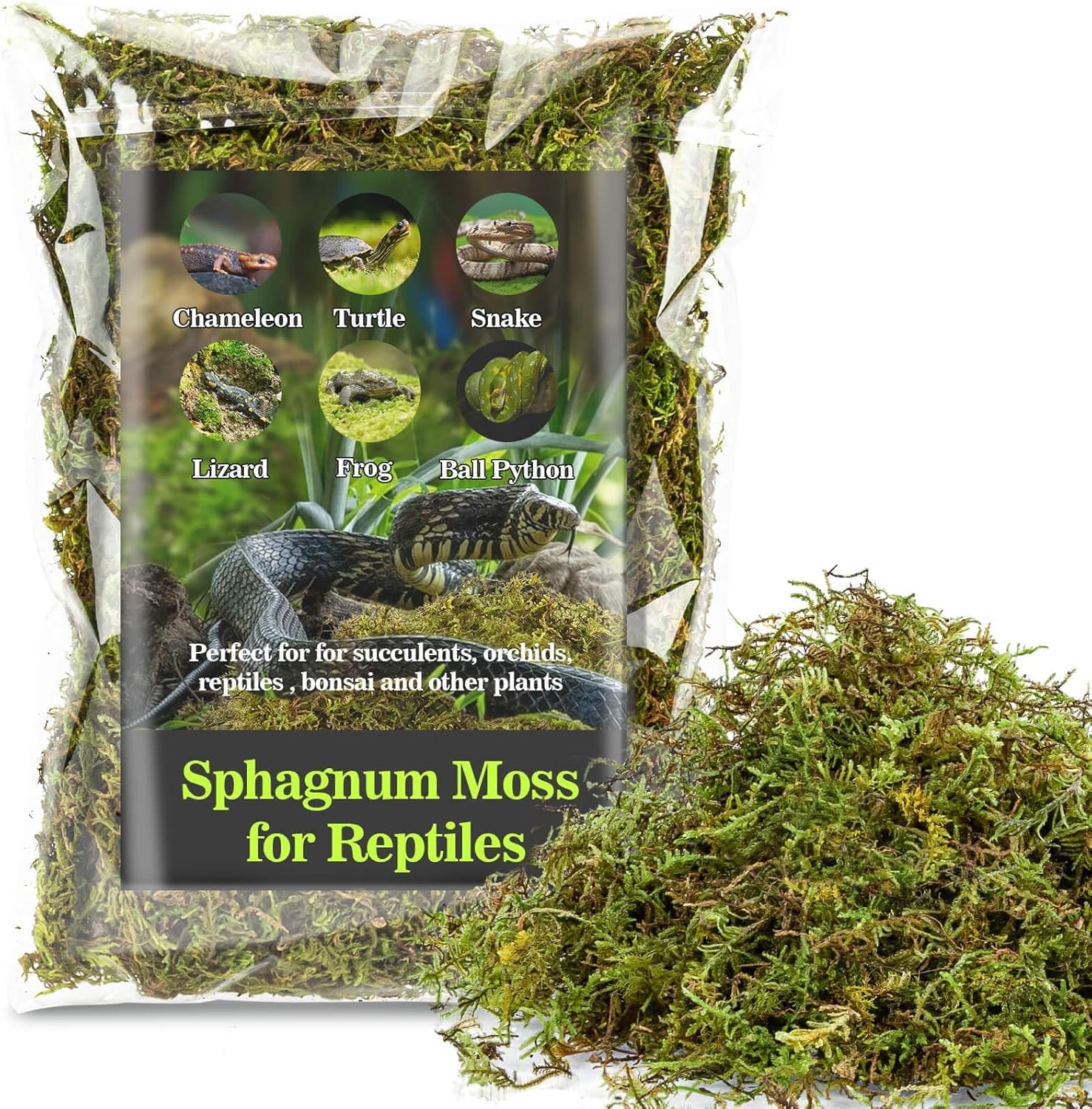
Sukh Sphagnum Moss for Reptiles, 5 oz
| Package weight | 5 ounces |
|---|---|
| Item model number | H-Re-SphagnumMoss-112 |
| Suitable for | Reptiles, amphibians, orchids and terrarium plants |
| Manufacturer | H-Re-SphagnumMoss |
This 5 ounce pack of Sukh sphagnum moss is designed to help maintain elevated humidity and provide a soft, natural surface inside small enclosures. Use it as part of a mixed substrate or in humid microhabitats for crested geckos, tree frogs, or breeding setups where a moist retreat or egg-laying area is needed. The long fibers absorb and retain water well, which keeps localized humidity steadier between mistings and creates comfortable hiding and nesting spots that encourage natural behaviors. It is also useful around orchids or in pot liners where moisture retention matters. Expect to monitor and refresh the moss regularly since it requires cleaning and replacement to avoid mold or bacterial buildup if left overly wet. Because this is a small, lightweight pouch it suits spot-use and layering rather than covering an entire large enclosure as a primary substrate.
Best for: Buyers who prioritize proven products with good user feedback and want an easy-to-use moisture-retaining layer or hide for bioactive crested gecko enclosures.
Less Ideal for: Not a good fit for keepers who need a single product to cover large terrariums or those who prefer fully self-cleaning substrates for long-term bioactive systems.
- High moisture retention helps stabilize localized humidity for humidity-sensitive species
- Long fibers create soft hiding and nesting areas that encourage natural behaviors
- Versatile for use in vivarium accents, orchid potting, or as part of a mixed substrate
- Small 5 oz package limits coverage so multiple packs may be needed for larger setups
Verdict: A compact, well-absorbing sphagnum moss ideal for adding reliable humidity spots and soft nesting areas to crested gecko bioactive setups.
Choosing the Right Plants for Bioactive Terrarium Crested Gecko: Key Factors to Consider
Humidity Tolerance
Crested geckos need high and stable humidity to maintain skin health and proper shedding. Plants chosen for a bioactive terrarium must tolerate frequent misting and prolonged ambient moisture without developing root rot or fungal problems. Species that can thrive in consistently moist substrates and whose leaves resist constant wetting reduce maintenance and lower the risk of mold. Consider the plant's native habitat-tropical understory plants typically perform best in gecko enclosures.
Also evaluate how a plant influences microclimates inside the tank. Dense foliage can create localized pockets of higher humidity that benefit geckos, but poorly draining pots or thick root mats can trap water and harm microfauna. Choose plants with balanced moisture needs that match the intended humidity regime for the terrarium.
Growth Habit and Size
Plants must fit the spatial limits of a terrarium while providing functional cover and climbing surfaces. Vining and trailing species can create vertical pathways and cover without needing a large pot, while compact rosettes and groundcovers offer shelter and substrate protection. Consider mature size and growth rate; fast-spreading plants may require regular pruning or replacement in a small enclosure.
Matching growth habit to enclosure height is important. Tall, upright plants suit taller enclosures and provide perching branches, whereas low mats and dense groundcovers are better for shallow tanks. Also consider whether stems are sturdy enough to support a gecko briefly perching on leaves or slender branches.
Leaf Durability and Safety
Leaves should be tough enough to withstand occasional climbing and be non-toxic if accidentally nibbled or mouthed. Thin, brittle foliage can tear and create sharp edges; it can also degrade quickly in wet conditions and add to the detritus load for cleanup crews. Select plants with flexible but resilient leaves that shed water rather than holding persistent surface film.
Safety also includes chemical safety. Avoid plants treated with pesticides or fertilizers before introduction, and prefer species without known reptile toxins. When in doubt, choose traditionally terrarium-safe plants or verified non-toxic species to reduce health risk to your gecko and the microfauna community.
Root Behavior and Substrate Compatibility
Plants interact with the bioactive substrate and cleanup crew through their roots. Hairy or fibrous roots that break into the substrate can mix with microfauna habitat, which is generally fine, but aggressive taproots or deep rooters can disturb litter and drainage layers. Choose plants with root systems compatible with the depth of your substrate and the presence of leaf litter and decomposition layers.
Also consider how easily a plant can be removed or divided when the enclosure needs resetting. Plants that can be potted in small removable containers or propagated from cuttings simplify maintenance and reduce disruption to the bioactive cycle during replacements.
Light and Placement Flexibility
Terrarium lighting is often limited compared with outdoor conditions, so choose plants that tolerate low to moderate light if you do not use high-output grow lights. Some common terrarium plants can adapt to fluorescent or LED fixtures designed for plant growth, but others require brighter conditions and may not thrive in shaded enclosures.
Think about placement relative to heat and misting sources. Plants placed near frequent misting should handle regular wetting, while those near basking areas must tolerate slightly warmer, drier microclimates. Flexibility in light and placement expands your options and helps keep foliage healthy across the enclosure.
Maintenance and Propagation Ease
Routine terrarium maintenance should be manageable without disturbing the bioactive system. Plants that are easy to prune, propagate, and replace reduce the workload and allow you to maintain healthy cover and humidity. Species that root readily from cuttings can be propagated to replace damaged specimens without needing to disturb the substrate dramatically.
Consider grooming needs such as trimming spent leaves, managing pest outbreaks, and periodic repotting. Plants requiring frequent fertilization, delicate handling, or specialized soil mixes are less suitable for low-maintenance bioactive setups.
Using Plants to Shape Microclimates
Thoughtful plant placement creates microclimates that crested geckos use for thermoregulation and humidity control. Position denser-leaved plants near the back and upper areas to retain moisture layers and provide daytime cover. Low-growing groundcovers and small rosettes help hold substrate moisture at floor level where cleanup invertebrates work best.
Stagger plants by height to produce wet and slightly drier zones within the same terrarium. This allows the gecko to move between spots for hydration and cooling without changing enclosures. Regularly monitor leaf wetness and substrate moisture in each zone to ensure the intended gradient persists.
- Place sturdier plants where the gecko frequently perches to reduce wear on delicate foliage.
- Use small pots or moss-wrapped root balls to replace specimens without disturbing the substrate.
- Rotate or trim plants that begin to dominate light and airflow patterns.
Plant Establishment and Quarantine
New plants should be quarantined and rinsed before adding them to a bioactive terrarium. Quarantine helps detect pests or chemical residues and lets you acclimate a plant to terrarium humidity gradually. During quarantine, check for scale, mites, or fungus and treat with reptile-safe measures if needed.
When introducing a plant, plant it into the enclosure in a way that protects the cleanup crew. Avoid burying large pots directly into the substrate unless the plant's root system is compatible with long-term integration.
- Rinse soil and trim excess potting medium to reduce foreign microbes.
- Observe new plants for a week in a separate container with similar humidity levels before transfer.
- Use sterile tools when cutting or dividing plants to limit cross-contamination.
Balancing Light and Humidity Needs
Strike a balance between light levels that support plant health and the humidity regime needed by crested geckos. Low-light tolerant species will hold up under shaded conditions and frequent misting, while more light-demanding plants may need supplemental LED or fluorescent fixtures to avoid leggy growth. Place light-tolerant species where you can provide more intensity without overheating the enclosure.
Avoid placing moss or highly moisture-loving plants directly under strong lights that increase evaporation. Instead, use lights on a timed schedule and monitor both midday and night temperatures to avoid stressing plants or your gecko.
- Use adjustable LED fixtures to dial in intensity for different plant groups.
- Position hygrometers at several heights to track humidity gradients.
- Supplement low light with periodic daylight-spectrum hours rather than continuous intense lighting.
Supporting the Cleanup Crew
Plants and microfauna work together in a bioactive terrarium. Leaf litter from plants feeds springtails and isopods, which in turn break down waste and reduce mold. Choose plants that shed slowly and produce leaves that decompose reasonably without creating a heavy, smelly litter layer.
Avoid plants that exude sticky residues or heavy sap that can interfere with microfauna activity. Regularly inspect the base of plants for trapped debris and gently remove compacted litter to keep decomposition moving.
- Keep at least some open substrate patches for isopods to forage.
- Trim dense mats that block airflow to the soil surface.
- Top-dress with leaf litter from the same plant species when possible to maintain consistent microbial communities.
Recovery and Replacement Strategies
Even well-chosen plants can decline or become overgrown. Have a plan for recovery and replacement that minimizes disruption to the bioactive cycle. Keep healthy cuttings or starter pots on hand to swap into the enclosure quickly when a specimen needs removal.
When replacing plants, do so in stages rather than removing large sections at once. This maintains habitat continuity for the gecko and microfauna and reduces the shock of sudden environmental change.
- Rotate in new plants during lower-activity times for your gecko.
- Propagate from healthy parent plants to maintain consistent genetics and growth habits.
- Limit soil disturbance by using removable pots or planting in pre-formed wells.
How We Chose the Best Plants for Bioactive Terrarium Crested Gecko
We selected plants based on criteria that matter for long-term success in crested gecko bioactive terrariums. Humidity tolerance was a primary filter because crested geckos need consistently high ambient moisture; candidates had to thrive in 60 to 90 percent relative humidity and tolerate periodic misting. Growth habit and size were evaluated to ensure plants provide vertical cover, perching surfaces, or ground-level shelter without quickly outgrowing typical enclosure heights. Leaf toughness and toxicity screening were used to exclude plants with known reptile-toxic compounds or extremely brittle foliage that could create hazards. Root system behavior was considered so plants would not excessively disrupt substrate layers or damage live-springtails and isopod colonies. Hardiness to low-to-moderate light levels common in terrariums was required, as was reasonable ease of propagation for replacement or expansion. Plants with aggressive invasive root habits, known toxicity to reptiles, or demands for high, direct sunlight were excluded. We prioritized species and plant forms that reliably support microfauna, hold humidity, and offer safe structural elements for climbing and hiding. These criteria align with the scoring metrics used in the product cards.
FAQ
Can crested geckos eat terrarium plants?
Crested geckos may occasionally nibble soft leaves or lick moisture but they are not plant-eaters by necessity. Choose non-toxic species and monitor for repeated chewing behavior, which can indicate dietary deficiency or stress.
How often should plants in a crested gecko terrarium be misted?
Misting frequency depends on enclosure size and ventilation but most setups need daily or twice-daily short mists to maintain high humidity. Watch plant condition and substrate moisture rather than following a rigid schedule.
Will moss survive in a bioactive crested gecko enclosure?
Moss can do well if kept consistently moist and shaded, but some mosses are sensitive to high foot traffic and direct light. Choose species that tolerate regular misting and position moss where it will not be compacted by frequent activity.
How do I prevent mold on plant leaves in a humid terrarium?
Good airflow, moderate misting, and avoiding water pooling on leaves reduce mold risk. Prune overcrowded foliage and ensure substrate drainage and active cleanup crew populations to process decaying material.
Is it better to pot plants or plant directly into the substrate?
Both approaches work. Small pots or moss-wrapped root balls allow easier removal and reduce substrate disturbance, while direct planting integrates roots with the bioactive layers. Choose based on how often you expect to replace or move the plants.
Final Verdict
Select plants that match your enclosure's humidity, light, and space constraints while prioritizing durable, non-toxic foliage and compatible root behavior. Think in terms of microclimates: mix trailing, upright, and groundcover forms to give your crested gecko options for hiding and climbing. Maintain a propagation and replacement plan so individual plants can be refreshed without upsetting the bioactive system. Prioritize humidity tolerance and safe leaf structure over ornamentals that require heavy maintenance. With the right plant choices you can create a self-supporting, comfortable environment that benefits both your crested gecko and the cleanup crew.
