

Note: This article contains affiliate links. If you click on these links and make a purchase, I may earn a small commission at no extra cost to you. This helps support my research and content. Read my full affiliate disclosure here.
Choosing the right potting soil for grow bags changes how well your container plants establish roots, hold moisture, and access nutrients. Grow bags behave differently than rigid pots because fabric walls increase air pruning and evaporation, so the mix you use needs to compensate with structure and water management. This guide shortlists seven top potting soils for grow bags and explains the criteria we used to evaluate them. You will get practical guidance on drainage, water retention, nutrient profile, and suitability for vegetables, herbs, and annuals. Use these notes to match a mix to your growing style and climate before selecting from the product list below.
Top Picks at a Glance
| Best Overall The best all-around choice for most situations | FoxFarm Ocean Forest Potting Soil, 12 Quart |  |
| Best Quality Built to a higher standard if you want something more solid | FoxFarm Happy Frog Potting Soil, Container Garden, 2 cu ft (with 2 Plant Tags) |  |
| Best Value The sweet spot between price and what you get | Miracle-Gro Potting Mix for Containers, Feeds Up to 6 Months, 2 cu ft |  |
| Best Budget The cheapest option that still gets the job done reliably | Office Roast 3 qt All-Purpose Potting Mix |  |
| Highest Rated A top-rated pick with lots of positive feedback | GARICK Potting Soil, 40 lb |  |
| Most Popular A crowd favorite that many people choose with confidence | Miracle-Gro Organic Indoor Potting Mix, 16 qt. |  |
| Best Seller A high-volume bestseller chosen again and again | Back to the Roots Premium Organic Potting Mix, 6 Quart |  |
FoxFarm Ocean Forest Potting Soil, 12 Quart

| Item Form | Granules |
|---|---|
| Specific Uses For Product | Dry Fertilizer |
| Coverage | 4.8 sq ft |
| Mixing Ratio | 1:1 |
FoxFarm Ocean Forest is a pre-mixed potting soil that combines aged forest products, sandy loam and sphagnum peat moss with organic amendments like fish meal, crab meal and earthworm castings. It is sold ready to use straight from the bag for planting in containers, seed starting or top dressing; the manufacturer recommends no additional nitrogen fertilizer for the first 30 days. The mix has a light, aerated texture that promotes drainage while still retaining moisture, and the built-in micronutrients make it practical for growers who want strong early growth without immediate feeding. Practical benefits include easy pot filling, good root zone aeration for roses in containers, and built-in organic fertility to support blooms. Limitations to consider are that the bag is best for containers or small beds only and heavier feeders may need supplemental feeding after the initial month; users should also follow handling precautions to avoid skin or eye irritation.
Best for: Gardeners who want a high-quality, nutrient-rich potting medium to get container roses or plant starts off to a strong, flowering start and prefer a ready-made organic blend.
Less Ideal for: Large in-ground rose beds or landscapers needing bulk soil amendments should look for bulk garden soil or custom rose mixes instead.
- Ready-to-use out of the bag so you can pot immediately
- Organic amendments (fish meal, crab meal, earthworm castings) supply early nutrients
- Light, aerated texture that supports drainage and root development
- pH adjusted for optimal nutrient uptake per product description
- Pack size (12 qt) covers a small area and may require multiple bags for several roses
- No long-term feeding provided after the first 30 days so additional fertilizer is needed for sustained heavy bloom
Verdict: Choose this soil if you want a ready-made, organically amended potting mix that jump-starts container roses and seedlings with good drainage and early fertility.
FoxFarm Happy Frog Potting Soil, Container Garden, 2 cu ft (with 2 Plant Tags)

| Brand | FoxFarm |
|---|---|
| Style Name | Container Garden |
| Unit Count | 600 Ounce |
| Volume | 2 cubic feet |
FoxFarm Happy Frog Potting Soil is a premixed container blend made to nourish potted plants without additional amendments. It comes ready to use and is formulated with beneficial microbes and mycorrhizal fungi alongside organic inputs such as earthworm castings, bat guano, and aged forest humus to support root development and nutrient uptake. For growing hot peppers in containers this mix offers a nutrient-rich, well-amended medium that encourages strong vegetative growth and flowering when paired with proper watering and feeding. The included plant tags make keeping track of varieties and planting dates convenient. Practical limits to note are that this is a potting soil designed for containers rather than field beds, so peppers in ground or very large planters may still need different soil or additional bulk amendments. Also, while the mix is nutrient-dense at planting, active growers should plan a feeding schedule because high-demand fruiting crops benefit from supplemental fertilizer over the season.
Best for: Growers who want a dependable, ready-made potting medium for container-grown hot peppers and prefer a product that supports root health out of the bag.
Less Ideal for: Gardeners planting directly in raised beds or open ground who need large volumes of soil or want to custom-blend base soil at scale.
- Pre-amended with earthworm castings, bat guano, and aged forest products for immediate nutrient availability
- Contains beneficial microbes and mycorrhizal fungi to improve root health and nutrient uptake
- Ready to use straight from the bag for quick potting and repotting
- Includes plant tags to track varieties and planting dates
- Formulated specifically for containers so may not be ideal for in-ground garden beds
- Nutrient levels diminish over time for heavy-feeding crops and require supplemental fertilization
Verdict: A reliable, microbe-rich potting mix that simplifies container pepper growing by delivering immediate nutrients and strong root support.
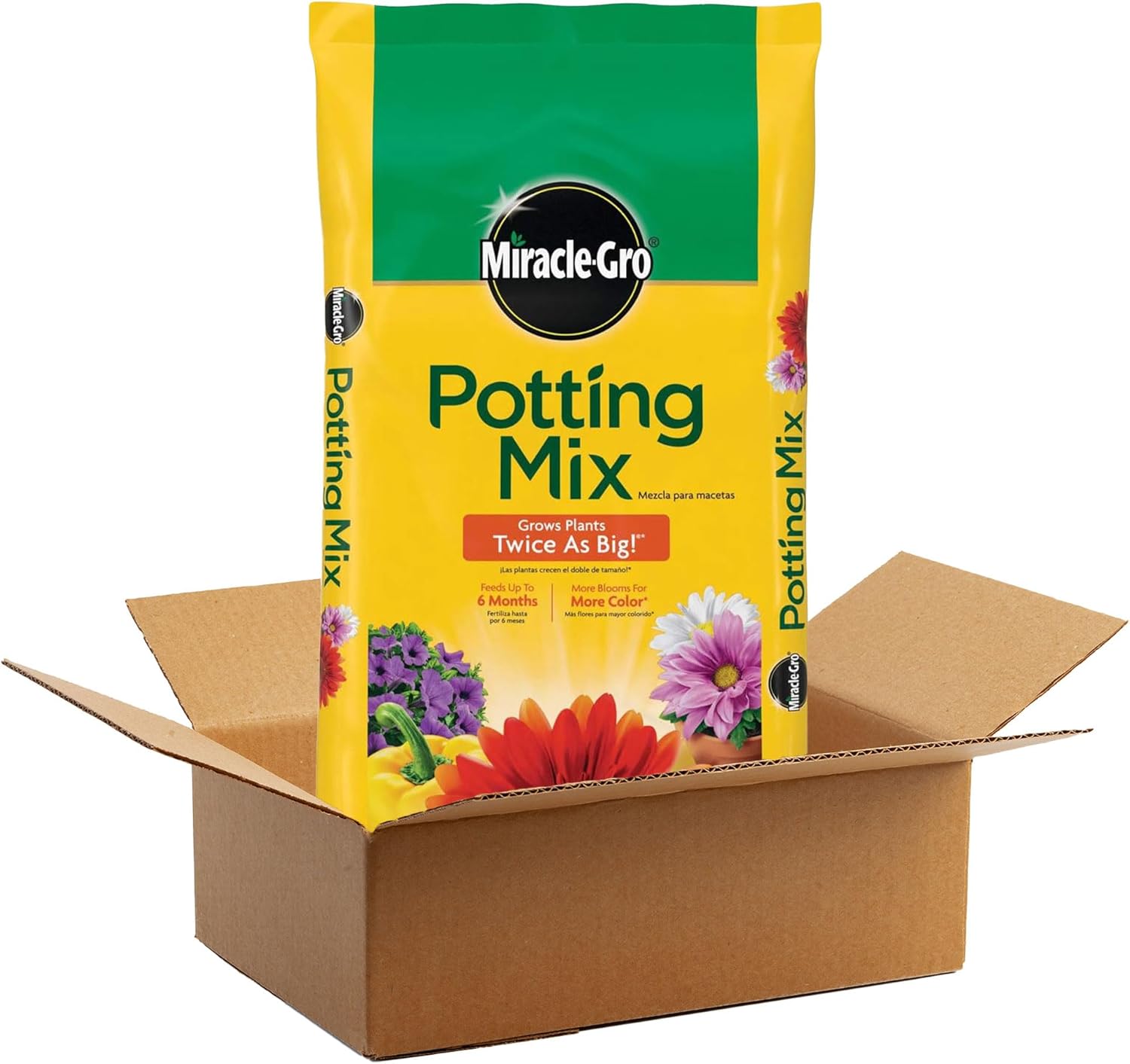
Miracle-Gro Potting Mix for Containers, Feeds Up to 6 Months, 2 cu ft
| Brand Name | Miracle-Gro |
|---|---|
| Item Highlight | For Flowers, Vegetables, Shrubs, Annuals & Perennials |
| Unit Count | 2400 Ounce |
| Volume | 2 cubic feet |
Miracle-Gro Potting Mix is a container-focused soil blend designed to simplify planting in pots and grow bags. It is typically used to fill containers one-third full, position the plant, then top up and water, delivering built-in plant food that claims to nourish for up to six months. The mix is formulated to support flowers, vegetables, shrubs and houseplants and is intended to promote bigger plants and more blooms compared with unfed soil. For practical gardeners this product saves time because it reduces the need for frequent fertilizing during a growing cycle and makes fast filling of multiple grow bags straightforward given the 2 cu ft bag size. Limitations to consider are that the long-term feeding claim assumes following a regular feeding schedule after 30 days and that users managing specific pH or custom soil recipes may prefer a neutral base or mixing in amendments. Also the bag is best suited to small to medium grow bag projects rather than large-scale soil replacement.
Best for: Gardeners who want a low-effort, time-saving potting mix for grow bags and container projects and prefer a ready-made mix that includes extended feeding.
Less Ideal for: Growers who build bespoke soil blends, manage sensitive edibles with precise nutrient or pH needs, or who are filling very large beds instead of individual grow bags.
- Includes plant food intended to feed container plants for up to six months, reducing early-season fertilizing
- Formulated specifically for containers and grow bags to promote larger plants and more blooms
- Ready-to-use mix that follows a simple fill-plant-water routine, speeding up planting tasks
- 2 cubic feet bag provides enough mix for roughly two 14-inch containers or several small grow bags
- Feeding claims depend on following the recommended follow-up feeding after 30 days for best results
- Not formulated for users who need precise control over pH or custom soil ingredient ratios
Verdict: A convenient, ready-to-use potting mix for grow bags that reduces early-season feeding and speeds up container planting.
Office Roast 3 qt All-Purpose Potting Mix

| Brand Name | Office Roast |
|---|---|
| Unit Count | 16 Ounce |
| Volume | 3 quarts |
| Style Name | Potting Mix |
This 3-quart Office Roast potting mix is a lightweight, pre-mixed soil for pots, seed trays, and container-grown plants. It is formulated to retain moisture while still draining well, which helps prevent waterlogged roots in containers and supports seed germination and early root development. Typical uses include repotting houseplants, filling small containers for herbs or annuals, and starting seeds in trays. The product is convenient out of the bag with no amendments required for basic planting and is sized for small projects or trial pots. Notable features described by the maker are seed-starter readiness, indoor and outdoor versatility, and a balance of moisture retention and drainage. Limitations are the small 3-quart volume, which means you will need multiple bags for larger containers or several hydrangea pots, and there is no listed fertilizer analysis or long-term nutrient profile, so heavier feeders will need additional feeding. The mix is best for short-term potting and starting plants rather than large-scale or nutrient-hungry container plantings.
Best for: Buyers looking for an inexpensive, ready-made potting mix to fill small containers, start seeds, or trial new plants and who prioritize convenience over bulk supply.
Less Ideal for: Gardeners needing larger volumes for multiple large pots or long-term nutrient-rich mixes for heavy-feeding plants should look for bulk or fertilized potting soils instead.
- Ready-to-use out of the bag for quick potting and seed starting
- Balanced moisture retention with fast drainage to reduce risk of root rot in containers
- Lightweight formulation suited to small pots and seed trays
- Versatile for indoor and outdoor container use
- Small 3-quart volume requires multiple bags for medium to large pots or several hydrangeas
- No listed fertilizer content or N-P-K values for long-term feeding planning
Verdict: A convenient, budget-friendly 3-quart potting mix that works well for seed starting and small hydrangea pots when you need a ready-to-use soil.
GARICK Potting Soil, 40 lb

| Unit Count | 1120 Ounce |
|---|---|
| Item Type Name | SOIL |
| Style Name | Potting |
GARICK Potting Soil is a straightforward, no-frills bagged mix intended for general container and potted-plant use. It is sold in a 40 pound bag and described as a general-purpose growing medium that supports a range of plants and helps optimize flowering and overall vigor. Typical use is filling pots, planters, and 5-gallon bucket gardens where gardeners need a ready-to-use mix without custom blending. The product emphasizes quality ingredients and ease of use, so you can quickly pot transplants or refresh containers. It does not list specific amendments or drainage additives, so expect it to perform as an all-around potting medium rather than a specialty mix for succulents or heavy-feeding vegetables. The practical benefits are convenience, a large bag size that reduces frequent repurchasing, and suitability for routine container gardening tasks. Limitations are the lack of detailed nutrient analysis and no explicit claims about added fertilizers or moisture-control components, so heavy feeders may need supplemental fertilizer and users in specific climates should monitor watering needs.
Best for: Gardeners who want a reliable, ready-to-use potting mix for routine container work and 5-gallon bucket gardens without fuss over custom blends.
Less Ideal for: Growers seeking a precise, nutrient-rich mix for heavy-feeding vegetables or specialty plants that require specific drainage or amendment profiles.
- Large 40 lb bag reduces how often you need to buy soil for multiple containers
- Formulated as a general-purpose potting medium suitable for many plant types
- Ready-to-use mix convenient for filling 5-gallon bucket gardens and standard pots
- Presented by a recognizable brand with consistent product packaging
- No detailed nutrient or ingredient breakdown provided
- No specific mention of added fertilizer, moisture control, or drainage amendments
- Not tailored for specialty plants that require precise soil recipes
Verdict: A dependable, ready-to-use potting soil in a large bag that keeps container and 5-gallon bucket gardens stocked with minimal fuss.
Miracle-Gro Organic Indoor Potting Mix, 16 qt.

| Volume | 1 cubic feet |
|---|---|
| Style Name | Indoor |
| Item Highlight | Protects Against Over & Under Watering |
| OMRI Listed | Yes |
Miracle-Gro Organic Indoor Potting Mix is a ready-to-use organic blend designed for houseplants, seedlings, and container herbs. It combines coir for air space and moisture retention, sphagnum peat moss to hold and release water, and a quick-start natural fertilizer so young plants get an initial nutrient boost. Typical use is filling pots or seed trays with a drain hole, transplanting by loosening the root ball and topping up with fresh mix, or starting seeds in shallow trays and keeping them moist until germination. Practical benefits for herb growers include improved moisture regulation that helps prevent both waterlogging and rapid drying, and organic certification for those avoiding synthetic inputs. The bag claims one 16 qt. package fills a 12-inch container, which fits small- to medium-sized herb pots. Limitations are the modest volume per bag for users with multiple pots and the inclusion of peat, which some growers try to avoid for sustainability reasons. Also, plants that need very fast-draining media, such as certain succulents, may need a different blend or added grit.
Best for: Buyers who want an easy, organic potting mix for growing kitchen herbs and houseplants and who prioritize proven formulations and user guidance over sourcing bulk soil.
Less Ideal for: People looking to pot large numbers of containers at once or gardeners who prefer a peat-free, fast-draining custom mix should consider larger bags or alternative blends.
- OMRI listed and made with organic ingredients suited to organic indoor gardening
- Blend of coir and sphagnum peat moss balances aeration and moisture retention
- Includes quick-start natural fertilizer to feed plants during establishment
- Formulated specifically for indoor containers and seed starting
- 16 qt. bag provides limited coverage if you have several herb pots
- Contains peat which some gardeners avoid for environmental reasons
Verdict: A convenient OMRI-listed indoor potting mix that helps regulate moisture and gives seedlings and container herbs a reliable, organic start.
Back to the Roots Premium Organic Potting Mix, 6 Quart

| Unit Count | 192 Fluid Ounces |
|---|---|
| Volume | 6 quarts |
| Item Highlight | Peat-free potting soil for outdoor plants, indoor plants, vegetables, herbs and flowers |
| Made in | USA |
Back to the Roots Premium Organic Potting Mix is a small-batch, all-purpose soil designed for indoor and outdoor container plants, including flowers, herbs, and vegetables. The 6 quart bag contains a peat-free blend made from upcycled plant matter and wood fines, with added organic plant food, yucca extract to help retain and regulate moisture, and dolomitic limestone to stabilize pH. In practice this mix is easy to use straight from the bag for potting annuals and bedding plants or for refreshing topsoil in containers. Its light, well-draining texture helps roots establish without becoming waterlogged while still holding enough moisture for frequent flowering plants. Because it is organic and made in the USA, it suits growers who want a lower-carbon-footprint option. Limitations are the small bag size for larger projects and that very heavy feeders or long-term container plantings may need periodic fertilization or larger volumes of soil to maintain vigor.
Best for: Buyers who want a safe, organic, ready-to-use potting mix for potted flowers and small container gardens and prefer products with predictable performance and lower environmental impact.
Less Ideal for: Gardeners planning large-scale repotting, heavy-feeding perennials, or long-term container plantings that require bulk soil or extended nutrient release.
- Peat-free organic formula made from upcycled plant matter and wood fines
- Includes yucca extract for improved moisture retention and control
- Dolomitic limestone added to help balance soil pH for flowering plants
- Light, well-draining texture suitable for container-grown flowers and annuals
- Small 6 quart bag is not economical for large pots or multiple containers
- Does not include slow-release fertilizer strong enough for long-term heavy feeders
Verdict: A reliable, peat-free organic potting mix that delivers predictable moisture control and pH balance for potted flowers and small container gardens.
Choosing the Right Potting Soil for Grow Bags: Key Factors to Consider
Water Retention
Water retention is critical because grow bags tend to dry more quickly than rigid containers. A mix with some water-holding components such as coconut coir, peat alternatives, or fine compost will keep moisture available to roots between watering without turning the bag soggy.
Too little retention forces frequent watering and stress; too much creates anaerobic pockets and root rot. Look for mixes that specify moisture-holding ingredients and consider your climate: hot, windy conditions need higher retention than cool, humid environments.
Drainage and Aeration
Good drainage and aeration prevent soil compaction and encourage healthy, fibrous root systems in grow bags. Fabric walls increase oxygen exchange, so the potting mix should include coarse components such as perlite, pumice, or sharp sand to preserve pore space.
Proper particle size distribution gives roots room to expand and allows excess water to escape quickly. If the mix compacts easily when wet, roots can suffocate and plants will perform poorly in the intentionally airy environment of a grow bag.
Nutrient Profile and Release
Potting soils for grow bags should provide an initial nutrient charge and predictable release during the crop cycle. For short-season vegetables and annuals, a balanced starter charge with slow-release elements reduces the need for constant fertilizing.
Longer-production plants or heavy feeders may still require additional feeding, so check whether the mix uses organic amendments that liberate nutrients slowly or a controlled-release fertilizer for steadier uptake. Knowing the nutrient approach helps you plan maintenance feedings and avoid deficiencies.
Organic Matter Quality and Clean Fill
The source and quality of organic matter affect both nutrient availability and pathogen risk. Well-composted organic material, clean coconut coir, or screened compost reduces weed seed and disease pressure compared with raw or poorly processed inputs.
Gardeners should prefer mixes that disclose ingredient origins and composting standards. Clean fill also minimizes contaminants and surprises that can harm seedlings or introduce pests to a small, contained system like a grow bag.
Texture and Weight
Texture determines how a grow bag feels to handle and how much it weighs when filled. Lightweight mixes that still maintain structure make it easier to move bags and reduce strain on stands or shelves.
However, very light, fluffy mixes can dry out faster. Balance a light overall weight with enough coarse and fine components to preserve moisture and create stable anchoring for stems and roots.
pH and Salt Levels
Soil pH and soluble salt levels influence nutrient availability and seedling vigor in containers. Many mixes aim for a near-neutral pH that suits a range of vegetables and ornamentals.
High soluble salts from certain amendments can damage sensitive transplants, especially in smaller grow bags. Look for products that specify pH range and have measures to control initial salinity, or plan a soak-and-drain step before planting to reduce excess salts.
How Grow Bag Conditions Change Potting Mix Needs
Grow bags have breathable fabric sides that promote air pruning at the pot edge and higher evaporation rates. That means mixes that work in plastic pots may need more water-holding ingredients or finer particles to prevent drought stress in a grow bag.
Because fabric containers shed excess water faster, gardeners can lean toward mixes with good drainage without risking standing water. The balance between porosity and moisture retention is the main difference to focus on when choosing a potting soil for these containers.
- Air pruning benefits root density but increases surface drying
- Fabric sides reduce anaerobic zones but raise watering frequency
- Particle size should support both drainage and moisture capture
Matching Mix Type to Plant Needs
Vegetables and most annuals do well in a loamy, well-draining mix with a steady nutrient source. For shallow-rooted herbs, use a lighter mix with faster drainage so the soil does not stay waterlogged around fine roots.
For heavy feeders like tomatoes or peppers, prioritize mixes with a richer organic base or those designed for long-season production. Consider top-dressing with compost or adjusting fertilization rather than swapping mixes mid-season.
- Herbs: lighter, quick-draining blends
- Leafy greens: moderate retention, even nutrient release
- Fruit-bearing crops: higher organic matter and steady nutrients
Preparing Grow Bags Before Planting
Before filling, make sure the grow bag is clean and placed on a surface that allows drainage. If you expect heavy watering, raise bags slightly to avoid waterlogging against a hard surface.
Fill bags to the recommended level and settle the mix lightly; avoid compacting. If a mix seems too salty or dense, rinse and let it drain or blend in additional coarse material like perlite to improve aeration.
- Raise bags off flat surfaces for better drainage
- Do not compress the soil when filling
- Soak and drain mixes that show high initial salts
Watering Strategies for Grow Bag Containers
Because grow bags dry faster, water in the early morning and check moisture deeper in the bag rather than relying solely on surface feel. Use a moisture meter or finger test down several inches to judge saturation at root depth.
Mulching the surface with straw or shredded bark can slow evaporation and even out moisture swings. For consistent production, consider drip irrigation or a wicking setup that reduces the need for hand-watering while keeping roots evenly moist.
- Water deeply and check root-zone moisture
- Use surface mulch to reduce evaporation
- Drip systems provide the most consistent moisture
Seasonal Care and Reuse of Grow Bag Soil
At the end of a season, remove spent roots and top up organic matter rather than simply refilling. Lightweight potting mixes can lose structure after repeated wet-dry cycles; refreshing with compost or a balanced potting top-up restores fertility and texture.
If you plan to reuse mix, sterilize or compost out old root matter and replace a portion of the media to avoid disease carryover. For long-term reuse, periodically test pH and salt levels to ensure the soil environment remains suitable.
- Top up with compost and balanced amendments between crops
- Replace a portion of mix yearly to maintain structure
- Check pH and salts before reusing older mixes
How We Chose the Best Potting Soil for Grow Bags
We focused on features that directly affect plant health in fabric grow bags. Primary evaluation criteria included moisture management, because grow bags dry faster than plastic pots; aeration and structure, which influence root pruning and oxygen access; nutrient formulation and release profile, to support seedlings through production; and organic content and pest-free fill, since contaminants or weed seeds can create problems in small containers. We also considered ease of use, such as ready-to-plant mixes versus those that need amendment, and environmental considerations like responsibly sourced ingredients. Excluded from our shortlist were mixes intended only for in-ground beds, heavy garden soil, or synthetically compacted substrates that do not drain well in fabric containers. We filtered out products with unclear ingredient lists or those lacking information on particle sizes and moisture retention. The final picks balance porous structure, water-holding components, predictable nutrient release, and clean manufacturing so gardeners can expect reliable results in grow bags.
FAQ
Can I use standard potting soil in grow bags?
Often you can, but standard potting soils may need adjustment. If the mix is heavy or contains fine garden soil it can compact in a grow bag. Amend with coarse material or choose a formula designed for containers to improve aeration.
How often should I water grow bags compared with plastic pots?
Grow bags usually need more frequent watering because fabric walls increase evaporation. Frequency depends on weather and plant size, but expect to check moisture daily in hot conditions and adjust watering volume to reach root depth.
Is coconut coir a good component for grow bag mixes?
Yes. Coconut coir holds water well while remaining airy and less prone to compaction than some peats. It also has a neutral pH when buffered and is a sustainable alternative for moisture retention in containers.
Should I add fertilizer to potting soil when using grow bags?
Usually yes. Many potting mixes include starter nutrients but long-season or heavy-feeding crops benefit from supplemental feeding. Use liquid feeds or slow-release formulas according to crop needs and the mix's initial nutrient information.
How deep should I fill a grow bag for vegetables?
Most vegetables need at least 10 to 12 inches of growing medium for root development, with larger crops like tomatoes benefiting from deeper fills. Ensure consistent depth across the bag so roots have uniform space.
Can I reuse potting soil from grow bags next season?
You can, with caution. Remove roots and refresh the mix by adding compost and checking for pests or disease. Replace a portion of the media each season to restore structure and fertility and reduce buildup of salts or pathogens.
Final Verdict
Selecting potting soil for grow bags requires balancing drainage with moisture retention, matching texture and nutrients to the plants you will grow. Prioritize mixes that list coarse particles for aeration and reliable water-holding ingredients to reduce extreme moisture swings. Decide based on your climate, crop type, and how often you want to water. For most container gardeners, a loamy, well-structured mix with a steady nutrient profile and clean organic matter offers the best starting point for successful grow bag production.
