

Note: This article contains affiliate links. If you click on these links and make a purchase, I may earn a small commission at no extra cost to you. This helps support my research and content. Read my full affiliate disclosure here.
Picking the right soil for ferns outdoors makes a big difference in how well these shade-loving plants grow and spread. Ferns need a mix that holds consistent moisture without becoming waterlogged, provides slightly acidic conditions, and supplies steady, slow-release nutrients that support fronds and new crowns. This guide covers seven top soil choices suited to outdoor fern beds and containers. The shortlisted options reflect the kinds of mixes gardeners actually use in shady borders, under trees, and on moist slopes. Below you will find practical notes on drainage, organic content, acidity, and texture so you can match soil to the planting spot and fern type.
Top Picks at a Glance
| Best Overall The best all-around choice for most situations | FoxFarm Ocean Forest Potting Soil, 12 Qt (4 Bags) |  |
| Best Quality Built to a higher standard if you want something more solid | Rosy Soil Garden Mix Biochar Potting Soil, 8 Quart |  |
| Best Value The sweet spot between price and what you get | Burpee Premium Organic Potting Mix with Coco Coir (9 Quart) |  |
| Best Budget The cheapest option that still gets the job done reliably | Rio Hamza Trading Fern Potting Soil Mix (8 Quart) |  |
| Highest Rated A top-rated pick with lots of positive feedback | Tezula Plants New Zealand Tree Fern Fiber Growing Medium (1 Gallon) |  |
| Most Popular A crowd favorite that many people choose with confidence | Miracle-Gro Organic Outdoor Potting Mix, 16 qt. |  |
| Best Seller A high-volume bestseller chosen again and again | Back to the Roots Premium Organic Potting Mix, 6 Quart |  |
FoxFarm Ocean Forest Potting Soil, 12 Qt (4 Bags)

| Brand | FoxFarm |
|---|---|
| Item Highlight | Ready-to-use, aerated soil with fish emulsion, crab meal and earthworm castings. |
| Number of Packs | 4 |
| Volume | 12 quarts |
FoxFarm Ocean Forest is a pre-mixed potting soil designed to give seedlings, container plants, and raised-bed plantings a nutrient-dense, well-aerated growing medium straight from the bag. The mix combines aged forest products, sandy loam and sphagnum peat moss for good drainage and air porosity while organic inputs such as fish emulsion, crab meal and earthworm castings provide immediate feeding for young plants. In practice it is most useful for transplanting seedlings, filling pots and topping raised beds where you want plants to establish quickly without a long wait for soil amendments. Notable features include an airy texture that reduces compaction and a built-in nutrient profile that can delay the need for early fertilizers. Important limitations are that it is sold in 12 quart bags which may require many bags for large raised beds and that the peat-based content may dry faster than heavier garden soils, so more frequent watering can be necessary. For gardeners focused on vigorous starts and faster establishment, it is a straightforward, high-performance potting mix.
Best for: Gardeners who prioritize fast, vigorous establishment in containers and raised beds and want a high-performance, plug-and-play soil to get plants growing quickly.
Less Ideal for: Those building large in-ground beds who need bulk topsoil or want a lower-maintenance, water-retentive soil for drought-prone sites should consider bulk garden soil alternatives.
- Ready-to-use, no mixing required for quick planting
- Aerated, light texture that reduces compaction and improves root oxygenation
- Contains organic amendments (fish meal, crab meal, earthworm castings) for immediate nutrient availability
- Small bag volume means multiple bags are needed for larger raised beds
- Peat-based mix can dry out faster than heavier soils, requiring more frequent watering
Verdict: Choose this mix when you want a ready-made, nutrient-rich potting soil that gives seedlings and raised-bed plantings a fast, high-performance start.
Rosy Soil Garden Mix Biochar Potting Soil, 8 Quart

| Brand Name | Rosy Soil |
|---|---|
| Item Highlight | Organic Garden Soil with Worm Castings for Vegetables, Herbs, and Flowers, Peat-free Outdoor Potting Mix, Made in USA |
| Volume | 8 quarts |
Rosy Soil Garden Mix is a ready-to-use organic potting soil designed for outdoor vegetables, herbs, and container-grown plants. The formula combines biochar, compost, worm castings, mycorrhizae, and pine bark fines to create a loose, well-aerated medium that holds moisture and supports beneficial microbes. In practice you can use it straight from the resealable 8 quart bag to fill patio planters, raised beds, or large tomato containers, or blend it into existing soil to improve drainage and structure. Biochar helps the mix retain water and nutrients between waterings while resisting compaction that can lead to root rot. The inclusion of mycorrhizae and worm castings supplies biological activity that benefits young tomato roots and helps with nutrient uptake. Limitations are the small bag size for larger plantings and that specific nutrient levels are not listed, so heavier-feeding tomatoes may still need additional fertilizer later in the season.
Best for: Gardeners who prioritize consistent, biologically active, peat-free soil for container-grown tomatoes and want a low-maintenance mix that resists compaction and holds moisture.
Less Ideal for: Growers planting large numbers of tomato plants or filling big raised beds who need bulk soil or a pre-fertilized mix for heavy-feeding varieties.
- Peat-free organic blend with biochar that improves moisture retention and soil structure
- Includes worm castings and mycorrhizae to boost microbial activity and root health
- Pine bark fines keep the mix well drained and resistant to compaction
- Resealable 8 quart bag keeps unused mix fresh and is easy to store
- 8 quart volume is small for multiple or large tomato containers
- No guaranteed NPK or specific fertilizer analysis provided
Verdict: A compact, peat-free garden mix built with biochar and microbial amendments to give container tomatoes reliable drainage, moisture retention, and root support.
Burpee Premium Organic Potting Mix with Coco Coir (9 Quart)

| Item Form | Powder |
|---|---|
| Specific Uses For Product | Plant Growth, Root Development, Seed Development, Soil Conditioning |
| Coverage | 9 Qt Container |
| Liquid Volume | 9 quarts |
Burpee Premium Organic Potting Mix is a ready-to-use container soil designed for indoor and outdoor pots, seed starting, and raised bed containers. The mix combines coco coir for improved aeration and moisture retention with a nutrient blend that feeds plants for up to three months, making it useful for establishing seedlings or repotting established vegetables, herbs, and ornamentals. It is OMRI listed, which suits organic growers, and the bag is sold in a convenient 9-quart size that fits most small to medium containers. Practical benefits include reduced watering frequency thanks to the coir component and a balanced medium that promotes root development and germination. Limitations are the small bag size for larger projects and that it supplies nutrients for only a limited period, so longer-term containers will need supplemental fertilizer. The mix is powdery and light, so it is easy to handle but may compress over time in deep pots and benefit from occasional loosening.
Best for: Gardeners who want a compact, ready-made organic potting mix that reduces maintenance and supports reliable seed starting and container growth.
Less Ideal for: Those establishing large beds or filling many large containers at once should choose bulk soil or larger bags instead.
- OMRI listed organic blend suitable for organic container gardening
- Coco coir improves moisture retention while maintaining good aeration
- Includes slow-release nutrients that feed plants for up to three months
- Light, easy-to-handle texture ideal for seed starting and repotting
- 9-quart bag is small for larger containers or multiple pots
- Nutrient supply is temporary so additional fertilizer is required for long-season crops
Verdict: A compact OMRI-listed potting mix with coco coir that simplifies seed starting and short-term container growing by improving moisture balance and early root development.
Rio Hamza Trading Fern Potting Soil Mix (8 Quart)

| Volume | 8 quarts |
|---|---|
| Ingredients | peat moss, perlite, lime, sand, charcoal, mulch |
This fern potting soil is formulated to give ferns a balance of water retention and airflow that supports healthy fronds and root growth. Typical use is potting or repotting indoor and outdoor ferns in containers where consistent moisture and good drainage matter; the mix lists peat moss, perlite, sand, charcoal, mulch, and lime as ingredients, which together help hold moisture without letting soil compact. The 8-quart size is convenient for repotting several small to medium plants or refreshing the top layer of larger pots. Practical benefits include improved root aeration from perlite and sand, gentle nutrient support from the organic components, and moisture buffering from peat moss. Limitations are that the bag is a modest single 8-quart unit, so larger collections will need multiple bags, and peat-based mixes can dry out in very warm, low-humidity indoor environments requiring closer watering attention. This is a straightforward, plant-focused mix for gardeners who want a ready-made fern substrate without needing to blend components themselves.
Best for: Buyers who want a ready-made, no-mix substrate that reliably supports fern health and saves time when potting or repotting small to medium collections.
Less Ideal for: Large-scale gardeners who need bulk soil or growers who prefer a peat-free or custom-blended substrate for specific environmental conditions.
- Formulated blend tailored for ferns with peat moss and perlite for moisture retention and aeration
- Includes sand and charcoal to improve drainage and reduce compaction
- Nutrient-containing organic components to support foliage growth
- Convenient 8-quart package suitable for potting or repotting multiple small plants
- Only an 8-quart quantity which may be insufficient for larger collections or full soil replacement
- Contains peat moss which may require more frequent watering in dry indoor conditions
Verdict: A convenient ready-to-use fern mix that delivers the moisture retention and aeration ferns need for healthy foliage.
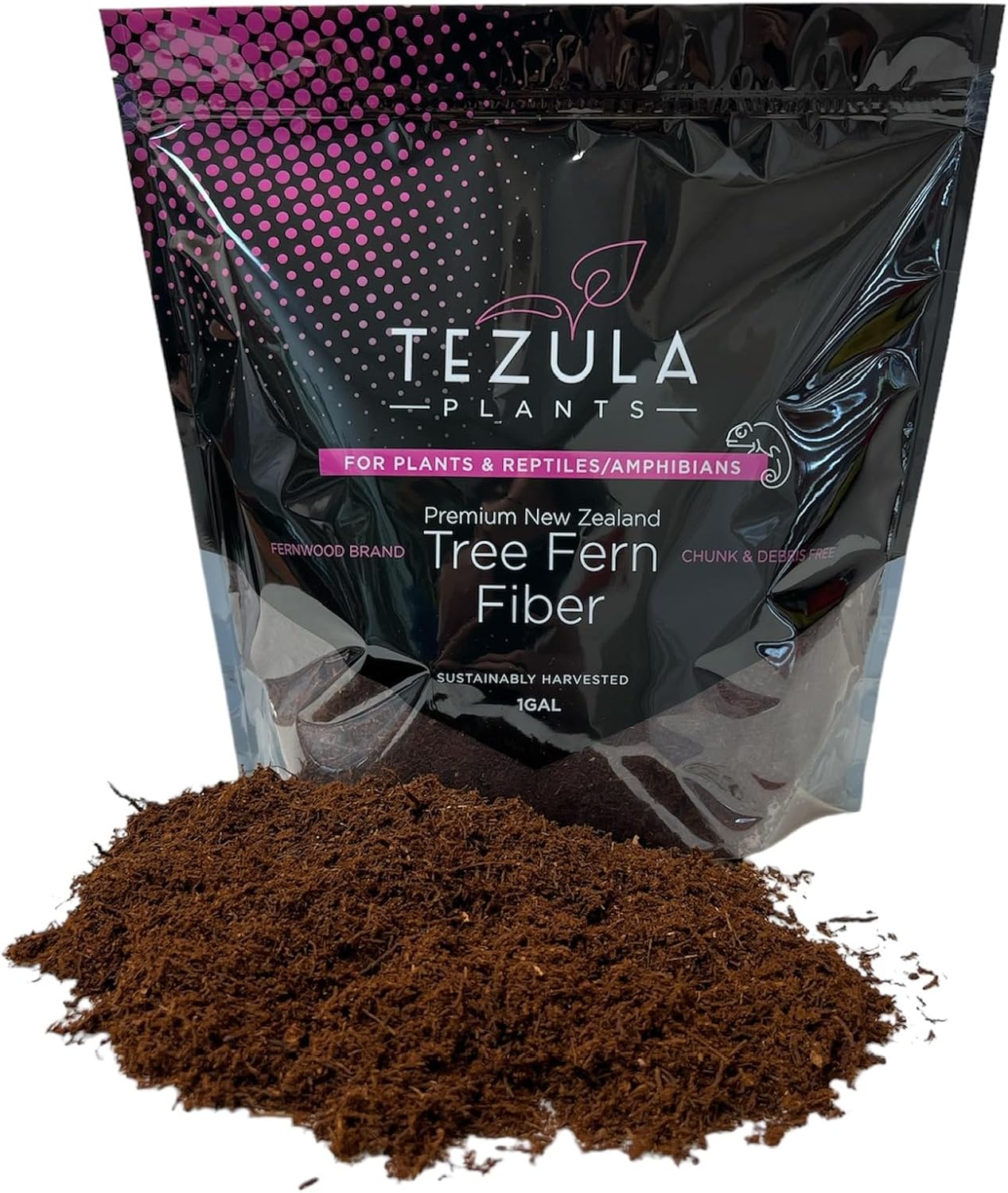
Tezula Plants New Zealand Tree Fern Fiber Growing Medium (1 Gallon)
| Brand Name | Tezula Plants |
|---|---|
| Item Type Name | Potting Medium |
| Volume | 1 gallons |
This 1‑gallon bag of Tezula Plants New Zealand tree fern fiber is a ready-to-use, debris‑free growing medium aimed at orchids, aroids and tropicals and also suitable for humid reptile terrariums. It is supplied cleaned of large chunks so repotting is straightforward and less messy than raw fern fiber. The substrate wicks water and evens moisture through the root zone while retaining enough air space to reduce risk of waterlogging, which makes it convenient for plants that need consistent humidity without sitting in soggy mix. Because it is soft and porous it mixes easily with bark or perlite if you want a coarser blend. It is sustainably harvested and untreated, which will matter to growers avoiding added chemicals. The main limitations are quantity and longevity for outdoor garden beds: one gallon is best for individual pots or top dressing rather than large-scale planting, and like other organic fibers it will break down over time and need periodic replacement or mixing into potting blends.
Best for: Gardeners who need a reliable, ready-to-use moisture‑retentive medium for individual fern, orchid, or tropical pots and who prioritize consistent humidity and low prep time.
Less Ideal for: People planting large outdoor fern beds or seeking a permanent, mineral‑based soil substitute should choose bulk potting mixes or soil amendments designed for ground planting.
- Debris‑free and pre‑cleaned for easier repotting and less mess
- Natural wicking action helps distribute moisture evenly through the root zone
- High porosity preserves air circulation around roots to reduce waterlogging
- 100% untreated New Zealand tree fern fiber, sustainably harvested
- Sold as a single 1 gallon unit, so not practical for large outdoor bed projects
- Organic fiber will decompose over time and requires periodic replacement or amendment
Verdict: Buy this if you want a clean, natural tree fern fiber medium that reliably holds and evens moisture in individual pots for ferns, orchids, and tropicals.
Miracle-Gro Organic Outdoor Potting Mix, 16 qt.

| Volume | 16 qt. |
|---|---|
| Item Highlight | Plant Soil For Outdoor Container Plants, Contains Quick-Release Natural Fertilizer, OMRI Listed |
| Manufacturer | Scotts Miracle Gro |
This 16 qt. Miracle-Gro Organic Outdoor Potting Mix is designed specifically for outdoor container plants and is useful for planting strawberries in pots. The mix contains responsibly sourced peat and upcycled green waste and includes a quick-release natural fertilizer that feeds for up to two months, which helps young strawberry plants establish and start producing. It is OMRI listed so it fits an organic container-gardening approach. Typical use is to partially fill a 12-inch pot, set the plant with a loosened root ball, add more mix, and water thoroughly; a single bag is sized to fill about one 12-inch container. Practical benefits include moisture retention suitable for exposed pots and a built-in starter nutrient charge so you may not need immediate additional feeding. Important limitations are that nutrients last about two months so plan a feeding schedule for fruiting plants and that peat-based mixes can compact over time, so repotting or refreshing the soil biannually is recommended for continued vigor.
Best for: Gardeners who want an organic-ready potting mix for outdoor container strawberries and prefer a product that gives an initial nutrient boost while simplifying first-season care.
Less Ideal for: Growers who need a long-term, self-sustaining soil blend for mature strawberry beds or those who avoid peat entirely should consider alternatives.
- OMRI listed and made with responsibly sourced peat suitable for organic container gardening
- Includes quick-release natural fertilizer that feeds plants for up to two months
- Formulated to retain moisture for outdoor containers exposed to sun and wind
- Contains upcycled green waste and is locally crafted to reduce transport distance
- Fertilizer effect is limited to about two months so additional feeding is needed for ongoing fruiting
- Peat-based mix can compact over time and requires bi-annual repotting to refresh structure
Verdict: A convenient OMRI-listed container potting mix that gives outdoor strawberry starters an organic nutrient boost and good moisture retention for the first months.
Back to the Roots Premium Organic Potting Mix, 6 Quart

| Unit Count | 192 Fluid Ounces |
|---|---|
| Volume | 6 quarts |
| Item Highlight | Peat-free potting soil for outdoor plants, indoor plants, vegetables, herbs and flowers |
| Made in | USA |
Back to the Roots Premium Organic Potting Mix is a small-batch, all-purpose soil designed for indoor and outdoor container plants, including flowers, herbs, and vegetables. The 6 quart bag contains a peat-free blend made from upcycled plant matter and wood fines, with added organic plant food, yucca extract to help retain and regulate moisture, and dolomitic limestone to stabilize pH. In practice this mix is easy to use straight from the bag for potting annuals and bedding plants or for refreshing topsoil in containers. Its light, well-draining texture helps roots establish without becoming waterlogged while still holding enough moisture for frequent flowering plants. Because it is organic and made in the USA, it suits growers who want a lower-carbon-footprint option. Limitations are the small bag size for larger projects and that very heavy feeders or long-term container plantings may need periodic fertilization or larger volumes of soil to maintain vigor.
Best for: Buyers who want a safe, organic, ready-to-use potting mix for potted flowers and small container gardens and prefer products with predictable performance and lower environmental impact.
Less Ideal for: Gardeners planning large-scale repotting, heavy-feeding perennials, or long-term container plantings that require bulk soil or extended nutrient release.
- Peat-free organic formula made from upcycled plant matter and wood fines
- Includes yucca extract for improved moisture retention and control
- Dolomitic limestone added to help balance soil pH for flowering plants
- Light, well-draining texture suitable for container-grown flowers and annuals
- Small 6 quart bag is not economical for large pots or multiple containers
- Does not include slow-release fertilizer strong enough for long-term heavy feeders
Verdict: A reliable, peat-free organic potting mix that delivers predictable moisture control and pH balance for potted flowers and small container gardens.
Choosing the Right Soil for Ferns Outdoors: Key Factors to Consider
Moisture Retention and Soil Texture
Ferns thrive where soil stays evenly moist without turning into a swamp. Soil texture determines how water is held and released. A good fern soil has enough fine material and organic matter to retain water near roots while still allowing excess to percolate away.
Sandy soils drain too fast and can stress ferns in dry spells, while heavy clay holds water and suffocates roots. Aim for a loam-like balance or a mix amended with shredded leaf mold, peat alternative, or compost to increase moisture-holding capacity without compaction.
Drainage and Aeration
Proper drainage prevents root rot and keeps crowns healthy, especially in shaded beds where evaporation is slower. Drainage depends on particle size distribution, the presence of coarse components, and how compacted the soil becomes after watering.
Incorporate materials that improve aeration-coarse compost, grit, or small amounts of horticultural sand-if the existing garden soil is heavy. For containers, mixes should include drainage-enhancing elements and be light enough to allow roots to breathe.
Soil Acidity and pH Stability
Most ferns prefer slightly acidic to neutral soils. pH affects nutrient availability and microbial activity in the root zone. Soils that are too alkaline can lock up iron and other micronutrients, leading to yellowing fronds even when fertility seems sufficient.
Choose mixes formulated for acid-loving plants or that include acidic organic matter like pine fines or leaf mold if your garden soil trends alkaline. Consider periodic pH testing and gentle amendments rather than heavy synthetic treatments to maintain stability.
Organic Matter and Nutrient Release
Ferns are not heavy feeders, but they benefit from steady, slow-release nutrients supplied by organic matter. High-quality compost, well-aged leaf mold, or loam content supports microbial life that gradually mineralizes nutrients for plant uptake.
Avoid mixes with excessive fresh manure or strong synthetic fertilizer levels that can burn delicate fern roots. Look for soils with a balance of humus for nutrition and structure, which also helps with water regulation.
Compatibility with Mulch and Understory Planting
Ferns are often part of layered shade plantings and are commonly mulched to conserve moisture. The chosen soil should accept mulching without creating an overly wet interface that invites pests or disease.
Soils that integrate well with organic mulches, leaf litter, or companion-plant root systems will support a healthy understory. Consider how the mix will interact with surrounding beds, tree roots, and leaf fall across seasons.
Suitability for Containers Versus In-Ground Beds
Outdoor ferns are grown in both beds and containers, and soil needs differ between those settings. Container mixes must be lighter, drain reliably, and not compress over time. In-ground soils should focus on long-term structure, root expansion, and compatibility with native soil.
If you move plants between containers and beds, choose a versatile mix or be prepared to amend accordingly when planting out. Also consider how often you will water and whether containers sit in saucers or raised beds that affect moisture dynamics.
Best Soil Textures for Different Fern Types
Not all ferns respond the same to soil texture. Tree ferns and larger species tolerate coarser, well-draining mixes because their root crowns prefer airflow, while groundcover and woodland ferns often perform better in richer, finer-textured soils that hold steady moisture. Match texture to the fern's natural habitat when choosing a mix.
If you grow a mix of species, aim for a middle ground: a loamy texture with added organic matter to retain moisture and some coarse particles for drainage. Test small batches in pots first if you are uncertain.
- Tree and crown-forming ferns: coarser mix with good aeration
- Woodland groundcovers: finer, humus-rich loam
- Container specimens: lightweight yet moisture-retentive blend
Adapting Native Garden Soil for Ferns
You can often improve your existing garden soil to suit ferns rather than replacing it. For heavy soils, work in generous amounts of organic matter and coarse materials to break up compaction. For very sandy sites, add humus and fine organic components to increase water retention.
Carry out amendments in the planting zone and avoid burying roots too deeply. Incorporating several inches of finished compost and leaf mold into the top planting layer typically benefits fern establishment and long-term vigor.
- Test pH and texture before major amendments
- Work amendments into the top 6 to 12 inches where most fern roots grow
- Avoid overworking soil under tree roots to prevent damage
Mulching and Top-Dressing Practices
Mulch amplifies the benefits of a good fern soil by conserving moisture, moderating temperature, and slowly adding organic matter. Use coarse bark, shredded leaves, or well-rotted compost as a surface layer, and keep mulch a few inches away from crowns to reduce rot risk.
Top-dressing with compost in spring supplies gentle nutrients. Heavy mulches that remain constantly soggy can promote pests and disease, so allow some surface to dry between waterings depending on local conditions.
- Apply 1 to 3 inches of organic mulch depending on site moisture
- Refresh mulch annually to maintain structure and nutrient input
Managing Soil Moisture in Shaded Sites
Shade reduces evaporation, so soils under tree canopies or dense shrubs stay wetter longer. Choose a soil that balances retention with drainage to avoid waterlogged periods after storms. Improve site drainage where water ponds by raising beds or adding coarse material below the planting zone.
For persistently damp sites, prefer looser, gritty components to maintain root oxygen. In contrast, in dry shade, prioritize organic matter that holds moisture without compacting.
- Use raised beds or ridges in poorly drained areas
- Consider planting tolerant fern species where improving drainage is impractical
Seasonal Care and Soil Maintenance
Soils for outdoor ferns benefit from light seasonal care. In spring, add a thin layer of compost or leaf mold to replenish organic matter. Avoid deep digging near established crowns; instead, top-dress and gently fork the surface to improve aeration if needed.
Adjust watering during dry spells and monitor for compaction. Periodic soil testing for pH and nutrient levels helps you make targeted amendments rather than blanket treatments.
- Top-dress annually with compost or leaf mold
- Check pH every few years and amend gradually
How We Chose the Best Soil for Ferns Outdoors
We limited our selections to soils and mixes appropriate for outdoor fern planting and excluded heavy clay, purely decorative topdressings, and indoor potting-only blends. Each candidate was evaluated against concrete gardening needs for ferns: moisture management, soil acidity and pH stability, organic matter content and slow-release nutrition, and texture suited to root and rhizome growth. We also considered real-world handling factors such as ease of incorporation into existing beds, suitability for containers, and how readily the mix accepts mulches or compost top-ups. Durability and consistency were important: blends that break down extremely fast or compact quickly under repeated watering were deprioritized. Exclusions included products formulated primarily for succulents, high-sand beach mixes, or heavily fertilized annual-flower soils that can burn or overstimulate fern foliage. The result is a focused list that reflects what gardeners need for healthy, resilient outdoor ferns.
FAQ
How acidic should soil be for most outdoor ferns?
Most outdoor ferns prefer slightly acidic to neutral soil, typically around pH 5.5 to 7.0. Exact preference varies by species, so test your soil and aim to make gradual adjustments with acidic organic matter if the pH is high.
Can I use regular garden soil in containers for ferns?
Regular garden soil is often too heavy for containers because it compacts and drains poorly. Use a lighter mix with added organic matter and drainage components to keep container-grown ferns healthy.
How often should I top-dress fern beds with compost?
A light top-dressing once a year in spring is usually sufficient to maintain organic matter and nutrient levels. Heavier additions can be split across seasons to avoid shocking root systems.
Will mulching increase the acidity of my fern soil?
Mulches like pine needles or shredded leaves can slightly acidify the soil over time as they break down, but the effect is gradual and depends on the mulch type and volume. Rely on periodic testing rather than assumptions.
What adjustments help ferns in heavy clay soils?
Improve clay by incorporating coarse organic matter, compost, and grit to reduce compaction and improve aeration. Creating raised planting areas also helps keep roots from sitting in continuously wet conditions.
How can I keep soil from drying out under tree canopies?
Use mulches and organic amendments to increase the soil's water-holding capacity, and choose a mix with good humus content. Water more frequently in prolonged dry periods and consider installing raised beds or edge barriers to concentrate moisture.
Final Verdict
Choose soil for ferns outdoors that balances moisture retention with reliable drainage, supplies steady organic nutrition, and matches your site conditions. Prioritize texture and organic matter first, then refine pH and drainage based on whether you are planting in containers, beds, or under trees. By focusing on these tradeoffs you can pick a mix that minimizes maintenance and supports vigorous frond production. Use seasonal top-dressing and mulching to keep the soil healthy rather than frequent heavy amendments, and adjust the blend to suit specific fern types and microclimates.
