

Note: This article contains affiliate links. If you click on these links and make a purchase, I may earn a small commission at no extra cost to you. This helps support my research and content. Read my full affiliate disclosure here.
Picking the right soil mix matters for ferns because these plants thrive on consistent moisture, good aeration, and steady nutrient release. A dedicated soil mix for ferns should hold water without becoming waterlogged, drain enough to avoid root rot, and supply enough organic matter to support delicate root systems. This guide shortlists the top options suited to a range of fern situations, from potted house specimens to shaded garden beds and hanging baskets. Below you will find practical notes on how each shortlisted mix performs in real garden and container use, plus the criteria we used to evaluate them and the factors to weigh when choosing the best mix for your planting situation.
Top Picks at a Glance
| Best Overall The best all-around choice for most situations | Soil Sunrise Fern Potting Soil Mix (8 Quarts) |  |
| Best Quality Built to a higher standard if you want something more solid | Rosy Soil Organic Houseplant Potting Mix, Peat-Free, 8 Quarts |  |
| Best Value The sweet spot between price and what you get | Miracle-Gro Indoor Potting Mix for All Plants, 6 qt., 2-Pack |  |
| Best Budget The cheapest option that still gets the job done reliably | Doter Fern Potting Soil Mix, 1 qt |  |
| Highest Rated A top-rated pick with lots of positive feedback | Rosy Soil Organic Houseplant Potting Soil, Pack of 2 (16 Quarts) |  |
| Most Popular A crowd favorite that many people choose with confidence | Back to the Roots Organic Indoor Potting Mix, 6 Quart |  |
| Best Seller A high-volume bestseller chosen again and again | Back to the Roots Organic Indoor Potting Mix, 12 Quart |  |
Soil Sunrise Fern Potting Soil Mix (8 Quarts)

| Volume | 8 quarts |
|---|---|
| Ingredients | Peat, pine bark, perlite, sand, charcoal, lime |
| Unit Count | 1 Count |
| Manufacturer | Soil Sunrise |
This 8-quart Soil Sunrise fern mix is a purpose-made potting medium for container ferns such as Boston, maidenhair, and bird's nest. It combines peat moss for moisture retention with perlite and sand to keep the mix airy and draining, while pine bark and horticultural charcoal improve structure and protect roots. Use it for repotting house ferns, refreshing container soil in hanging baskets, or starting new transplants; the small-batch hand blend aims for consistent texture and pH suited to ferns. Practical benefits include less compaction than standard houseplant soils, improved aeration that reduces root rot risk, and a mix that holds enough moisture so plants do not need daily watering. Limitations are inherent to the bag size and ingredients: 8 quarts covers roughly one large 12-inch pot so multiple bags are needed for several plants, and peat-based mixes dry differently across climates so you may still need to adjust watering frequency. Safety notes advise keeping contact with skin and eyes to a minimum and using in ventilated areas.
Best for: Buyers who want a ready-made, fern-focused potting mix to simplify repotting and container care and who prioritize consistent performance over mixing their own media.
Less Ideal for: People creating large-scale beds or filling many pots at once who need bulk volumes or gardeners who prefer peat-free or purely organic formulas.
- Formulated specifically for ferns with ingredients that balance moisture and drainage
- Perlite and sand reduce compaction and improve aeration for healthier roots
- Pine bark and horticultural charcoal enhance soil structure and help protect roots
- Hand-blended in small batches for consistent texture and pH
- Suitable for both indoor house ferns and outdoor container use
- 8-quart bag is small for multi-plant projects so you may need several bags
- Peat-based composition can require watering adjustments in different climates
Verdict: A convenient, small-batch potting mix that delivers the moisture balance and aeration potted ferns need.
Rosy Soil Organic Houseplant Potting Mix, Peat-Free, 8 Quarts

| Item Highlight | Biochar and Worm Castings, for Monstera, Pothos, Tropical Indoor Plants, Peat Free |
|---|---|
| Unit Count | 256 Ounce |
| Item Type Name | Soil for House Plants |
| Manufacturer | Rosy Soil |
| Style Name | Houseplant |
Rosy Soil Houseplant Potting Mix is a peat-free, organic indoor soil designed for tropical houseplants such as peace lilies. The blend uses biochar, worm castings, compost, bark fines and mycorrhizal fungi to create a living medium that encourages stronger root growth and improved nutrient and water uptake. Its chunky, well-draining texture (bark fines and sand) helps prevent waterlogging and root rot, while biochar resists compaction so the mix stays aerated longer between repots. The included mycorrhizae and beneficial microbes make this particularly useful when repotting or refreshing containers because they establish around roots and can boost plant vigor from the start. Important limitations are the bag size and handling: an 8 quart bag fills several medium pots but may not be enough for multiple large repots, and the product produces fine dust so care is needed when pouring. Also there are no added synthetic fertilizers, so you may need to supplement feeding for fast-growing or nutrient-hungry plants.
Best for: Buyers who prioritize long-term plant performance and healthy root development for indoor tropicals and want a peat-free, biologically active soil when repotting peace lilies and similar plants.
Less Ideal for: People who need large volumes for many plants or immediate high-nutrient fertility without supplementing with fertilizer should consider bulk or fertilized alternatives.
- Peat-free organic formula with biochar and worm castings for long-term soil health
- Contains mycorrhizal fungi and beneficial microbes to improve root nutrient and water uptake
- Chunky, well-draining texture that helps prevent root rot and compaction
- Resealable bag preserves remaining soil between uses
- 8 quart volume may be small for multiple or large repots
- Can produce fine dust when pouring so protective measures are advisable
Verdict: Choose this peat-free, microbially active mix when you want a performance-oriented soil that improves root health and drains well for peace lily repotting.
Miracle-Gro Indoor Potting Mix for All Plants, 6 qt., 2-Pack

| Number of Packs | 2 |
|---|---|
| Unit Count | 400.58 Ounce |
| Item Highlight | Feeds for up to 6 Months |
| Ingredients | Sphagnum Peat Moss, Coir, Perlite, Fertilizer, Wetting Agent |
This Miracle-Gro indoor potting mix is formulated as an all-purpose soil for indoor container plants and is sold in a two-pack of 6‑quart bags. It combines sphagnum peat moss, coconut coir, and perlite to create a lightweight, well-draining mix that holds moisture yet releases it to roots, which helps tropical houseplants like a Dragon Tree avoid waterlogged roots. The bagged mix includes a slow-release fertilizer meant to feed plants for up to six months so you do not need to amend immediately after potting. Notably the formula excludes bark and compost, which can reduce habitats for fungus gnats — useful when repotting indoor specimens. Use is straightforward: fill a pot with drainage, set the plant, backfill with mix, and water. Limitations are that the fertilizer schedule is fixed to the included feed and heavy feeders may need additional fertilizing after several months, and serious growers who want a custom cactus or orchid-style mix will find the texture too fine. For routine repotting of Dragon Trees and similar tropical houseplants this mix is convenient and consistent.
Best for: Buyers who want a reliable, low-effort potting mix for repotting tropical houseplants like Dragon Trees and prefer a product with built-in feeding and pest-reduction features.
Less Ideal for: Specialist growers who need custom texture blends for succulents, orchids, or aggressive feeders should choose purpose-formulated mixes or amend this product accordingly.
- Balanced blend of peat moss, coir, and perlite for good moisture retention and drainage
- Includes slow-release fertilizer that feeds up to six months for low-maintenance care
- Bark- and compost-free formula reduces places for fungus gnats to breed
- Ready-to-use bag makes repotting quick with no mixing required
- Fertilizer is fixed for about six months so additional feeding may be necessary for heavy feeders
- Texture may be too fine for plants that prefer very fast-draining or chunky mixes
Verdict: A convenient, low-maintenance indoor potting mix that keeps Dragon Trees healthy with good drainage and up to six months of built-in feeding.
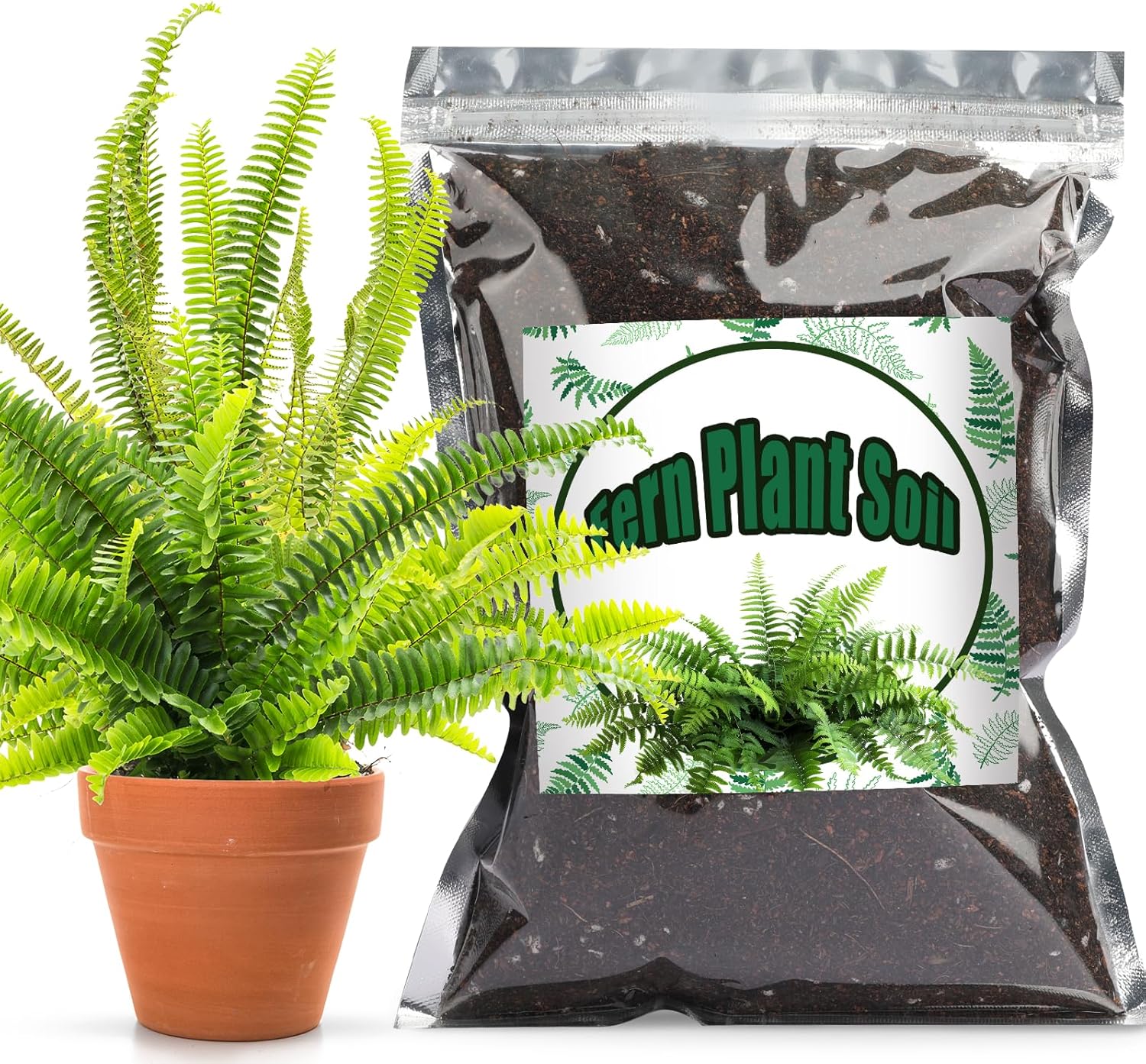
Doter Fern Potting Soil Mix, 1 qt
| Brand | Doter |
|---|---|
| Unit Count | 32 Ounce |
| Item Type | Garden soil |
| Volume | 1 quarts |
This 1 quart Doter fern potting mix is a ready-to-use blend formulated to give potted ferns consistent moisture without waterlogging. It combines moisture-retentive components like peat moss with chunky perlite and horticultural charcoal to improve aeration and drainage, which helps prevent root rot in consistently damp-loving species. In practice the bag works well for repotting small ferns, topping off shallow fern pots, or starting new divisions; the small size makes it easy to handle and mix with existing media. Notable features include added organic matter and worm-casting style amendments mentioned by the brand, plus sterile additives to reduce pests. The main limitation is the 1 quart volume, which means you will need multiple bags for larger pots or several plants, and the mix description does not give specific nutrient or pH values so experienced growers may want to amend for long-term feeding. For casual indoor fern care and quick repotting jobs this blend provides a balanced, low-effort medium.
Best for: Buyers who want an affordable, ready-made potting mix to repot or top-dress a few small ferns quickly and with minimal fuss.
Less Ideal for: Gardeners who need bulk quantities for many plants or who require exact pH and nutrient specifications for specialized fern cultivars should look elsewhere.
- Formulated to retain moisture while including components that improve drainage to reduce root rot risk
- Contains organic amendments and sterile additives aimed at healthier root development
- Small 1 quart size is easy to handle for repotting small plants or topping pots
- Versatile for indoor and outdoor potted ferns, mosses, and similar moisture-loving plants
- Only a 1 quart volume so multiple bags are required for larger pots or multiple plants
- No explicit nutrient analysis or pH information provided for precise long-term fertilization planning
Verdict: A convenient, budget-friendly small-bag fern mix that keeps soil moist without becoming waterlogged, ideal for quick repots and small collections.
Rosy Soil Organic Houseplant Potting Soil, Pack of 2 (16 Quarts)

| Item Highlight | Organic Indoor Potting Mix with Biochar and Worm Castings |
|---|---|
| Number of Packs | 2 |
| Unit Count | 512 Ounce |
| Item Type Name | Soil |
| Volume | 16 quarts |
This Rosy Soil houseplant potting mix is a peat-free, organic blend designed for indoor tropicals and works well for ferns. It combines biochar, worm castings, mycorrhizal fungi, compost, and bark fines to keep the mix loose and aerated so water passes through rather than pools. In practice the soil makes repotting straightforward: it cushions roots, improves microbial activity that helps nutrient and water uptake, and drains well enough to reduce the risk of root rot in moisture-loving but sensitive plants like ferns. The resealable bag and stable biochar structure mean the mix resists compaction and stays usable across several repots. Limitations to note are that it is formulated as a general houseplant mix rather than a specialty fern substrate, so very shade-adapted or moisture-specialist fern species may still benefit from extra peat-free amendments or slightly higher organic content. For typical indoor ferns and other tropicals this blend offers reliable drainage, living microbes, and organic nutrients in a convenient two-pack.
Best for: Buyers who prioritize a reliable, low-maintenance organic potting soil for indoor tropicals and want a mix that drains well and retains microbial activity for healthier roots.
Less Ideal for: Growers seeking a highly customized fern-only substrate for rare or moisture-extreme fern species should consider a specialist mix or add targeted amendments.
- Peat-free organic formula with biochar and worm castings supports long-term soil structure and nutrients
- Includes mycorrhizal fungi and beneficial microbes to improve root nutrient and water uptake
- Bark fines and sand improve drainage and aeration to reduce risk of root rot
- Resealable bag and biochar resistance to compaction keep the mix usable between repots
- Designed as a general houseplant mix rather than a fern-specific substrate for specialist species
Verdict: A dependable peat-free organic potting mix that improves drainage and root health for most indoor ferns and tropical houseplants.
Back to the Roots Organic Indoor Potting Mix, 6 Quart

| Unit Count | 192 Fluid Ounces |
|---|---|
| Item Type Name | Indoor Potting Mix 6qt |
| Item Highlight | Peat-free, 100% organic, made in the USA |
| Ingredients | Coconut Coir, Yucca, Mycorrhizae, Perlite, Horticultural Sand |
This Back to the Roots indoor potting mix is a ready-to-use, 6-quart blend designed for common houseplants such as pothos, monstera and ferns. It combines coconut coir, yucca extract, mycorrhizae, perlite and horticultural sand to improve moisture retention, drainage and root development without peat. In practice it feels light and friable, so it is easy to pot seedlings or repot mature plants and it reduces compaction that can suffocate roots. The added mycorrhizae helps young roots establish and take up nutrients more efficiently while yucca extract helps the mix hold water between waterings, which is convenient for forgetful or busy plant owners. Because it is peat-free and made in the USA, it is a more sustainable choice versus traditional peat-based mixes. Limitations are the small 6-quart size, which means frequent repurchasing for larger collections, and the bag does not include fertilizer so you will need to feed plants separately as they grow.
Best for: Buyers who prioritize low-risk, easy-care houseplant solutions and want an organic, ready-to-use potting mix that reduces watering hassles and supports healthy root growth.
Less Ideal for: Not ideal for gardeners who need large-volume soil for many pots or for those expecting a mix that includes built-in fertilizer for long-term feeding.
- Peat-free organic formula that reduces environmental impact
- Yucca extract improves moisture retention between waterings
- Contains mycorrhizae to support root development and nutrient uptake
- Light, well-draining texture suitable for repotting seedlings and houseplants
- Small 6-quart volume may require frequent repurchasing for larger plant collections
- Does not include fertilizer so additional feeding is necessary
Verdict: A compact, peat-free potting mix that simplifies indoor plant care by holding moisture and boosting root establishment.
Back to the Roots Organic Indoor Potting Mix, 12 Quart

| Volume | 12 quarts |
|---|---|
| Item Highlight | Indoor potting mix for pothos, monstera, ferns |
| Organic | 100% organic |
| Peat-free | Peat-free |
| Origin | Made in the USA |
This indoor potting mix is designed for everyday houseplants and seed starting, offering an organic, peat-free alternative that emphasizes moisture retention and root health. The formula includes yucca extract to help the soil hold water longer and added mycorrhizae to encourage stronger root development and better nutrient uptake. It also uses dolomitic limestone to balance pH and is made without bark or compost to reduce gnats and other indoor pests. Typical use is repotting monsteras, pothos, ferns and similar tropical foliage or refreshing topsoil in indoor containers. Practical benefits include easier watering management for busy or cautious plant owners and a reduced likelihood of pest problems compared with mixes containing coarse bark. Limitations are that the mix is an all-purpose indoor blend rather than a chunky, fast-draining aroid-specific mix, so growers who need very airy media for large root-bound monsteras may want to amend it with perlite, orchid bark, or pumice for extra drainage and airflow.
Best for: Homeowners who prefer a low-risk, easy-care potting mix for common tropical houseplants and want an organic, low-gnat option that reduces hands-on maintenance.
Less Ideal for: Advanced collectors growing very large or high-airflow aroids who need a chunky, fast-draining substrate straight out of the bag.
- Organic and peat-free composition suitable for eco-conscious indoor gardeners
- Yucca extract improves moisture retention for less frequent watering
- Includes mycorrhizae to support root growth and nutrient uptake
- Balanced pH with dolomitic limestone to help nutrient availability
- Not formulated as a very airy aroid mix so may require amendments for large monsteras
Verdict: A reliable, organic indoor potting mix that makes repotting monsteras and other common houseplants low effort and low risk.
Choosing the Right Soil Mix for Ferns: Key Factors to Consider
Water Retention Vs Drainage Balance
Fern roots need consistent moisture but also access to oxygen. A soil mix that holds too much water will suffocate roots and invite root rot, while an overly fast-draining mix will dry out the fine root hairs quickly. Look for a balance where the mix retains enough moisture for a day or two between waterings in indoor pots, or longer in shaded outdoor beds, yet still lets excess water move away after watering.
Components like well-aged compost, peat or peat alternatives, and coconut coir increase moisture-holding capacity. Combine those with coarse materials such as composted bark, perlite, or pumice to maintain pore space. Pay attention to how a mix behaves in the container size you plan to use because volume, pot material, and exposure will change the wet-dry cycle significantly.
Particle Size and Aeration
Fine, compacted soils reduce oxygen availability and slow root growth. Ferns prefer light, open mixes that allow easy root penetration and steady airflow. Larger particles create macropores that keep channels for oxygen while smaller particles and organic fines hold water.
Aim for a heterogeneous structure where pieces of bark or coarse material are large enough to maintain long-term porosity. Avoid mixes that are overly fine or powdery when dry; these tend to compact after repeated waterings and heavy handling.
Organic Matter Quality and Nutrient Release
Ferns are not heavy feeders but do benefit from steady, gentle nutrient release. High-quality, well-stabilized organic matter feeds roots without causing nutrient spikes that stress plants. Fresh or incompletely composted materials can leach salts or tie up nitrogen as they break down, which is not ideal for sensitive ferns.
Look for mixes with mature compost, composted wood products, or aged leaf mold. These provide slow-release nutrients and help improve moisture buffering. If a mix lists only generic 'organic material' with no detail, expect variable performance and plan to supplement with light, balanced feedings.
Acidity and pH Buffering
Many fern species prefer slightly acidic to neutral soils. A mix that drifts too alkaline or too acidic will affect nutrient availability and leaf color over time. Components like peat and pine bark tend to lower pH slightly, while some composts and lime-amended materials can raise it.
Choose a mix that lists pH or contains materials appropriate for shade-loving plants. For planted containers, consider that repeated watering with hard water can gradually raise pH; mixes with some buffering organic matter help maintain a stable root environment.
Sterility and Disease Risk
Ferns grown in containers are vulnerable to root pathogens when mixes retain cool, wet conditions. Sterile mixes or those that have been heat-treated reduce the initial load of weed seeds and soil-borne pests. However, completely sterile media can also lack beneficial microbes that help organic breakdown.
For established plants, a balance is best: mixes that are free of contaminants at purchase but that support a healthy microbial community over time through stable organic matter. Avoid potting mixes with high amounts of uncomposted manure or unknown raw materials that can introduce pests and pathogens.
Suitability for Containers Vs In-Ground Planting
Container-grown ferns and garden-bed ferns need different physical properties. In containers, drainage, water holding capacity, and weight matter most. Lightweight mixes with coarse components reduce compaction and make pots easier to move. In-ground plantings benefit from mixes that integrate with existing soil and retain moisture during dry spells without forming a compacted layer.
Assess how a mix will interact with existing soil. For in-ground planting, mixes that improve long-term soil structure and increase organic matter are helpful. For containers, prioritize mixes engineered for free drainage combined with good moisture retention.
Adjusting Mixes for Different Fern Types
Not all ferns have identical needs. Epiphytic ferns and those that naturally grow on tree trunks prefer very airy, quickly draining mixes with high bark content, while ground-dwelling forest ferns often do better with richer, more moisture-retentive blends that mimic leaf-litter soils. Match the mix texture to the species' natural habit.
You can modify a base fern mix by adding more coarse material for air-loving species or increasing aged compost or coir for moisture-loving types. Test a small pot first to observe moisture cycles before repotting a prized specimen.
- Epiphytic types: increase bark, reduce fine compost
- Terrestrial types: increase compost or leaf mold for retention
- Hanging baskets: use lighter mixes with good drainage to avoid heavy, waterlogged pots
Container Size, Material, and How They Change Soil Behavior
The same soil mix behaves differently in a small plastic pot, a large clay planter, or a hanging basket. Small pots dry faster and expose roots to temperature swings. Clay pots wick moisture out and can help prevent soggy conditions, while plastic keeps moisture longer. Consider these interactions when selecting a mix and set a watering schedule accordingly.
Large containers need mixes that retain enough moisture to support the root ball between waterings but still allow excess water to drain. Add coarse drainage material only if it improves aeration; a deep layer of gravel does not substitute for a well-structured mix.
- Small pots: favor mixes with slightly higher moisture retention
- Porous pots: may need lighter mixes to avoid over-drying
- Hangers: choose lightweight, fast-draining components to reduce weight and waterlogging risk
Feeding and Long-Term Care in Fern Mixes
Because fern mixes often rely on stable organic matter, nutrient levels decline gradually. Use light, balanced feedings during the growing season rather than heavy amendments. Slow-release organic fertilizers or regular dilute liquid feedings support frond growth without shocking roots.
Refresh container mixes every year or two by topdressing with compost or replacing part of the media. Over time organic components break down and the mix compacts, changing water behavior and nutrient availability.
- Use low-strength liquid feed every 2-4 weeks in active growth
- Topdress with aged compost annually for long-term beds
- Repot or rework containers every 12-24 months to restore structure
Watering Strategies for Different Mixes
Adapt your watering techniques to the chosen mix. More retentive mixes allow less frequent watering but require careful observation to avoid saturation. Fast-draining mixes need more regular watering but reduce root rot risk. Check moisture by feeling the mix 1-2 inches below the surface or using a moisture meter for precision.
When repotting, water thoroughly until excess drains and then allow the top layer to dry slightly according to the mix's retention profile. For outdoor shaded beds, monitor after heavy rains as some mixes shed water faster than native soil does.
- Test moisture below the surface, not just on top
- Adjust frequency with season and pot exposure
- Flushing containers occasionally prevents salt buildup
Making Your Own Fern-Friendly Mix
DIY mixes let you tailor particle sizes and organic content to specific fern needs. A simple starting blend is one part aged compost or leaf mold, one part coarse pine bark or orchid bark, and one part coconut coir or peat substitute. Add a handful of perlite or pumice if extra drainage and aeration are needed.
Mix components thoroughly and pre-moisten before potting to test wet-dry behavior. Store any unused blend in a breathable bag to maintain structure and prevent anaerobic conditions.
- Typical DIY ratio: 1 compost : 1 coarse bark : 1 coir/peat substitute
- Add perlite/pumice 10-20% for more air space
- Pre-moisten and observe before planting delicate ferns
How We Chose the Best Soil Mix for Ferns
We selected mixes that match the unique needs of ferns in containers and shaded garden spots. Editorial filters prioritized blends with balanced water retention and drainage, stable organic matter content, appropriate pH buffering for shade plants, and particle structure that preserves aeration around fine fern roots. We favored mixes that include components known to perform in moist, low-light environments such as composted bark, peat or peat alternatives, compost, and inert aeration materials. Evaluation criteria used here were moisture management, aeration and structure, organic content and nutrient stability, and suitability for containers or in-ground planting. We excluded mixes designed exclusively for succulents, cacti, or heavy clay soil remediation because those aims conflict with fern requirements. We also filtered out blends with unclear ingredient lists or those lacking guidance for shade plant maintenance. The result is a practical set of top contenders that reflect what gardeners actually need when growing healthy ferns.
FAQ
How often should I water ferns in a moisture-retentive mix?
It depends on pot size, exposure, and season. Often watering every 5-10 days for average indoor pots is typical, but check moisture an inch below the surface and adjust. Smaller pots and warmer spots need more frequent checks.
Can I use garden soil mixed with compost for potted ferns?
Garden soil alone is usually too heavy and can compact in containers. If you use it, blend liberally with coarse bark, compost, and aeration material to avoid poor drainage and compaction.
Should I add fertilizer to a peat-heavy fern mix?
Yes, peat-heavy or sterile mixes often lack available nutrients. Use light, balanced feedings during the growing season or a slow-release organic amendment to maintain steady nutrition without overfertilizing.
How can I reduce the risk of root rot in shaded outdoor beds?
Improve soil structure with coarse organic matter like composted bark and ensure surface grading allows excess water to run away. Avoid mixes that stay saturated for long periods and consider raised planting or surface mulches to improve aeration.
Is coconut coir a good substitute for peat in fern mixes?
Coconut coir can be a suitable alternative. It retains moisture well and improves structure but may need buffering if it has high salts. Rinse or choose buffered coir and combine it with coarse components to maintain aeration.
When should I repot ferns into fresh mix?
Repot or refresh topsoil every 12-24 months for containers, depending on how quickly the mix breaks down and how vigorous the fern is. Repot sooner if you notice compaction, poor drainage, or slowed growth.
Final Verdict
Choose a soil mix that matches the fern species and your planting situation. Prioritize a balance of moisture retention and aeration, stable organic matter, and pH appropriate for shade-loving plants. Remember that container materials and pot size will change how a mix performs, so be prepared to tweak blends or watering routines. The right mix reduces stress on roots and simplifies watering and feeding routines. Focus on the core tradeoffs described here and select the mix that best fits your fern type and growing conditions for reliable, lush frond growth.
