

Note: This article contains affiliate links. If you click on these links and make a purchase, I may earn a small commission at no extra cost to you. This helps support my research and content. Read my full affiliate disclosure here.
Choosing the right soil mix for lemon tree matters more than watering schedules or fertilizer timing. Lemon trees need a growing medium that drains quickly to avoid root rot but holds enough moisture and nutrients between feedings. If your tree is in a container, patio, or in-ground bed, the soil blend you use will determine root oxygenation, nutrient availability, and how often you need to water. This guide covers seven shortlisted soil mixes suited for lemon tree growing situations and explains the practical tradeoffs gardeners should expect. We evaluate mixes for drainage, nutrient retention, structure, and ease of use to help you pick the best fit for your site and care routine.
Top Picks at a Glance
| Best Overall The best all-around choice for most situations | GARDENWISE Organic Lemon Tree Soil (3 quarts) |  |
| Best Quality Built to a higher standard if you want something more solid | E.B. Stone Organics Citrus & Palm Mix Potting Soil, 1.5 cu ft |  |
| Best Value The sweet spot between price and what you get | Duspro Pre-Mixed 4‑in‑1 Citrus Tree Potting Soil Mix, 10 Quarts |  |
| Best Budget The cheapest option that still gets the job done reliably | Doter Citrus Tree Potting Soil Mix (1 qt) |  |
| Highest Rated A top-rated pick with lots of positive feedback | LECHUZA CITRUSPON Citrus Potting Soil, 2.7 US dry gal |  |
| Most Popular A crowd favorite that many people choose with confidence | Soil Sunrise Citrus Tree Potting Soil Mix (12 Quarts) |  |
| Best Seller A high-volume bestseller chosen again and again | Back to the Roots Premium Organic Potting Mix, 6 Quart |  |
GARDENWISE Organic Lemon Tree Soil (3 quarts)

| Unit Count | 96 Fluid Ounces |
|---|---|
| Included Components | Perlite, coarse sand, coconut coir, vermiculite, garden compost, peat moss, dolomite, organic fertilizer |
| Item Type Name | Lemon Tree Soil |
| Volume | 3 quarts |
This citrus-specific potting mix is designed to give potted lemon trees the acidic, well-draining root zone they prefer. The blend combines perlite, coarse sand, coconut coir, vermiculite, compost, peat moss and dolomite with organic fertilizer and mycorrhizal fungi to improve aeration, moisture retention and nutrient uptake. It is typically used for repotting or topping up containers for Meyer lemons and other citrus where good drainage and slightly acidic pH matter. The included organic fertilizer claims up to six months of feeding, which reduces the need for frequent fertilizing early on. Notable features are the optimized pH range of 5.5 to 6.5 and the extra coarse particles that help prevent waterlogging and root rot. Because the product comes in a small 3 quart volume, it suits small potted trees, starter plants, or targeted soil amendments rather than full repots of large containers. Expect to supplement with additional soil if you are filling larger pots or planning long-term container culture.
Best for: Buyers who want a ready-made, citrus-focused potting mix that simplifies feeding and improves drainage for potted lemon or Meyer lemon trees.
Less Ideal for: Gardeners needing large volumes for in-ground planting or repotting very large containers should look for bulk mixes or larger bags.
- Formulated pH of 5.5–6.5 ideal for citrus health
- Contains a mix of drainage materials (perlite and coarse sand) to reduce overwatering issues
- Includes organic fertilizer that supplies nutrients for up to six months
- Lightweight, breathable texture that promotes strong root development
- Small 3 quart volume means multiple bags are required for repotting larger containers
Verdict: A ready-to-use, citrus-tuned potting mix that gives potted lemon trees the acidic pH and drainage they need with built-in organic feeding.
E.B. Stone Organics Citrus & Palm Mix Potting Soil, 1.5 cu ft

| Brand Name | E.B. Stone Organics |
|---|---|
| Unit Count | 1536 Ounce |
| Volume | 1.5 cubic feet |
| Style Name | Potting Soil |
E.B. Stone Organics Citrus & Palm Mix is a ready-to-use organic soil blend designed for container and in-ground planting of citrus, palms, avocados and tropical foliage. The mix pairs aged fir bark and pumice to keep the root zone well aerated and fast-draining so plants that dislike soggy feet avoid root rot, while added mycorrhizae improve nutrient and water uptake. It is intended to be used straight from the bag for potting or worked into beds when planting, which simplifies planting and repotting tasks. For gardeners seeking reliability, this blend delivers consistent structure and moisture retention without heavy amendments, and the organic base supports longer-term soil biology. Limitations are the single bag volume of 1.5 cubic feet, which means larger projects will require multiple bags and mixing on site, and it does not list N-P-K numbers or slow-release fertilizer content so supplemental feeding may be needed for heavy-feeding specimens.
Best for: Gardeners who prioritize reliable, low-maintenance potting media for citrus and tropical plants and want a ready-made organic blend that supports healthy roots.
Less Ideal for: People who need large volumes for landscaping projects or who prefer a potting mix with specified fertilizer content and tailored nutrient ratios.
- Formulated specifically for citrus, palms and tropicals to match their root needs.
- Aged fir bark and pumice provide good drainage and aeration to reduce risk of root rot.
- Contains beneficial mycorrhizae to enhance root nutrient and water uptake.
- Ready-to-use bag simplifies repotting or planting without on-site blending.
- Single bag is only 1.5 cubic feet so multiple bags are required for larger trees or beds.
- No detailed fertilizer analysis provided so additional feeding may be necessary for heavy feeders.
Verdict: Choose this mix when you want a consistent, ready-to-use organic soil that promotes healthy, well-aerated roots for citrus and tropical plants.
Duspro Pre-Mixed 4‑in‑1 Citrus Tree Potting Soil Mix, 10 Quarts

| Style Name | 10 Quarts |
|---|---|
| Item Highlight | Indoor Fruit Tree Mix for Potted Lemon Tree, Oranges & Other Citrus Trees, Drainage, Root Aeration & Balanced Moisture |
| Unit Count | 1 Ounce |
| Item Weight | 1.24 kg |
This Duspro 4‑in‑1 citrus potting mix is a pre-mixed blend of coco coir, coco fiber, perlite and vermiculite formulated for repotting lemons, limes, oranges and similar potted fruit trees. It is used straight from the bag: pour into a drainage pot, position the tree and backfill around the rootball, or blend with other substrates if you need a different texture. The double-screened ingredients give a consistent, pourable texture that reduces dust and makes filling pots easier. Perlite improves drainage and root airflow while the coco components and vermiculite help hold balanced moisture so roots avoid staying waterlogged. Practical benefits include saving time versus buying and mixing components yourself and predictable performance for standard container citrus. Limitations are typical for lightweight mixes: it contains no slow‑release fertilizer so you will need to supplement nutrients, and a 10‑quart bag suits only a few repots of 6–8 inch containers, so buy accordingly for larger projects.
Best for: Buyers who want a no‑fuss, ready-made soil mix to repot or refresh potted citrus trees and prefer predictable moisture and drainage without measuring ingredients.
Less Ideal for: Growers who need a fertilized or heavy feeding mix out of the bag or those repotting many large trees who require bulk quantities.
- Formulated specifically for potted citrus with components that balance drainage and moisture
- Pre-mixed 4‑in‑1 blend saves time and simplifies repotting
- Double-screened texture for cleaner pouring and consistent fill
- Perlite improves aeration around roots to reduce risk of root rot
- No nutrients or fertilizer included so regular feeding is required
- 10 quart size is modest for multiple or larger trees
Verdict: A convenient pre-mixed potting medium that delivers balanced drainage and moisture control for potted citrus, saving you the time and guesswork of blending components yourself.
Doter Citrus Tree Potting Soil Mix (1 qt)
| Brand Name | Doter |
|---|---|
| Item Type Name | Garden soil |
| Volume | 1 quarts |
| Item Weight | 224 g |
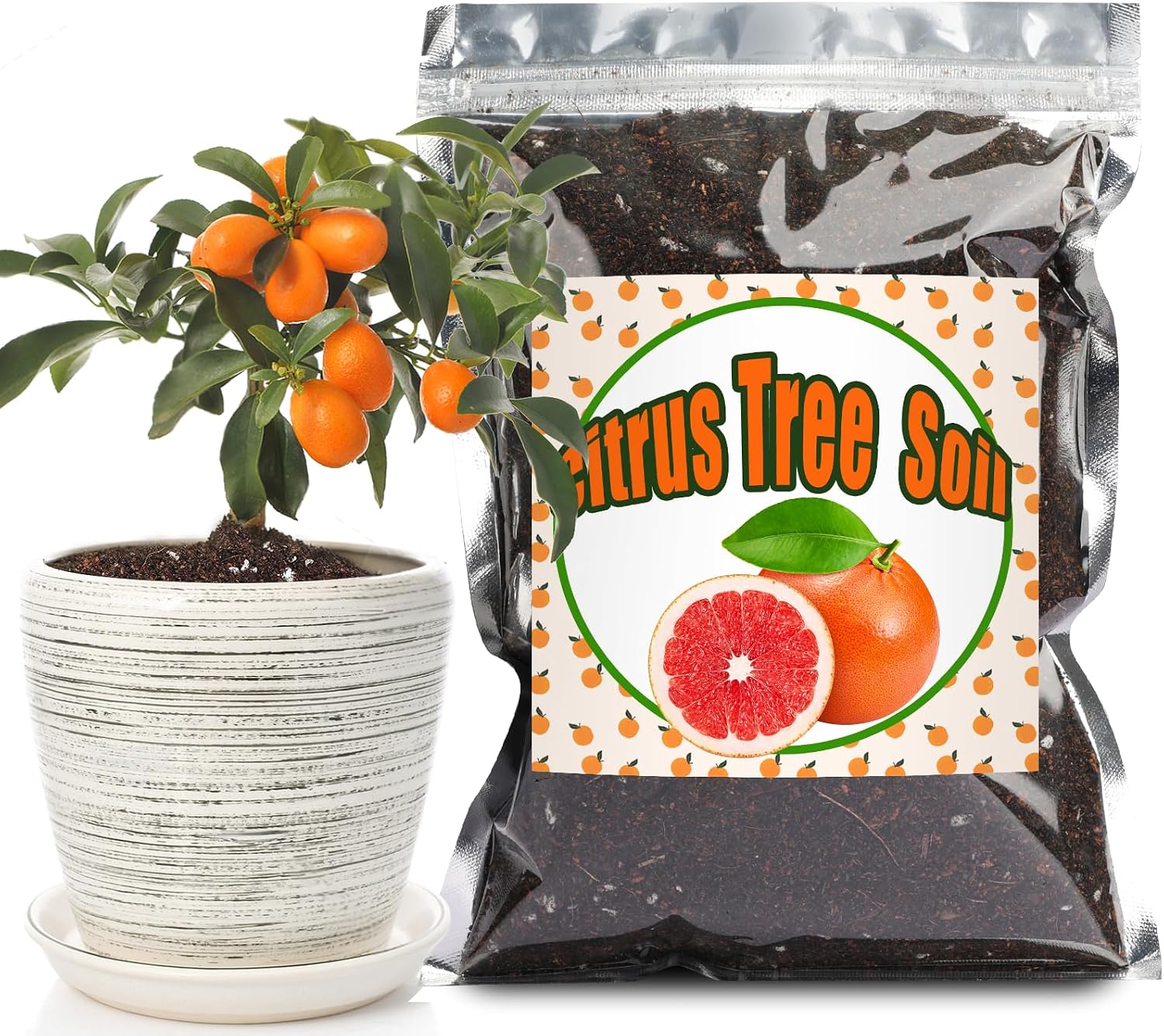
This Doter citrus potting mix is a small, 1-quart, ready-to-use soil blend designed for container-grown lemon, lime, orange and other citrus trees. It mixes organic and mineral components to deliver a balanced nutrient profile and claims an ideal pH between 6.0 and 7.1, which helps citrus roots access nutrients. The formulation emphasizes drainage and aeration so pots do not stay waterlogged, and the bagged format makes it convenient for repotting seedlings or refreshing the top layer in containers. For budget-conscious gardeners the single-quart size is useful for small projects, trial runs, or blending into larger mixes, but you will likely need multiple bags for a single mature container tree. The product works best as a component or short-term potting medium rather than a sole long-term planting substrate for large trees. Expect good seedling establishment and faster drainage compared with generic garden soil, but plan to supplement with larger volumes or slow-release fertilizer for sustained feeding on mature citrus.
Best for: Gardeners looking for an inexpensive, small-batch citrus-specific soil to repot seedlings, top-dress containers, or trial a citrus blend before committing to larger quantities.
Less Ideal for: Growers with mature potted citrus or those who need large volumes for in-ground planting should choose bulk soils or custom mixes instead.
- Formulated pH between 6.0 and 7.1, suitable for citrus nutrient uptake
- Designed for improved drainage and aeration to reduce root rot risk
- Nutrient-rich blend of organic and mineral components to support growth
- Ready-to-use bag convenient for repotting seedlings and small containers
- Small 1-quart volume means multiple bags are required for larger pots or trees
- Not marketed as a long-term complete potting substrate for mature trees
Verdict: A convenient, budget-friendly small bag of citrus-specific potting mix ideal for repotting seedlings and topping up container citrus plants.
LECHUZA CITRUSPON Citrus Potting Soil, 2.7 US dry gal

| Brand Name | Lechuza |
|---|---|
| Item Highlight | peat-free mineral substrate; improves drainage and aeration; for lemon, orange and citrus |
| Volume | 12 liters |
LECHUZA CITRUSPON is a purpose-built potting mix for lemon, orange and other potted citrus that emphasizes fast drainage and root aeration. It is a mineral, peat-free substrate that comes pre-fertilized to feed plants for approximately six to eight months, so you can repot a citrus tree and expect steady nutrient availability during establishment. In practice the mix sheds excess water quickly and helps prevent the soggy root conditions that stunt fruiting, while its open structure improves oxygen access to root systems. That combination supports stronger flowering, better fruit set and healthier glossy foliage compared with generic potting soils. The product is sold in a 2.7 US dry gallon bag suitable for small to medium containers, and being mineral-based it is more stable and less compressible than peat mixes. Limitations are the fixed fertilizer payload and bag size: you may need to supplement nutrients after the initial feeding window and buy multiple bags for larger trees or repeated repots.
Best for: Growers who prioritize vigorous performance from potted citrus and want a ready-to-use, low-maintenance substrate that prevents waterlogging and supports fruiting.
Less Ideal for: Gardeners wanting a large-volume, budget bulk soil for landscape planting or those who prefer to custom-blend their own amendment and fertilizer schedule.
- Designed specifically for citrus so it targets the watering and nutrient needs of lemon and orange trees
- High drainage and aeration reduce risk of waterlogged roots and root rot in containers
- Pre-fertilized formula supplies nutrients for about six to eight months after repotting
- Peat-free, mineral composition offers a more sustainable, stable substrate than peat-heavy mixes
- Sold in a relatively small 2.7 US dry gallon bag which may require multiple bags for larger pots or trees
- Pre-fertilized nutrients are limited to about six to eight months and will need supplementation afterward
Verdict: Choose this mix when you want a peat-free, high-drainage, pre-fertilized substrate that helps potted lemon trees set fruit and avoid root waterlogging.
Soil Sunrise Citrus Tree Potting Soil Mix (12 Quarts)

| Volume | 12 quarts |
|---|---|
| Ingredients | Peat moss, perlite, sand, worm castings, lime |
| Unit Count | 1 Count |
| Style Name | Peat Moss,Potting Soil Mix |
Soil Sunrise Citrus Tree Potting Soil is a 100% natural, hand-blended mix intended for growing potted citrus like Meyer lemons, key limes, and dwarf mandarins. The formula combines peat moss for moisture retention, perlite and sand for improved drainage and aeration, worm castings for gentle nutrients, and lime to stabilize pH—ingredients gardeners typically mix themselves but pre-blended here. In practice this makes repotting or starting citrus in containers simpler and reduces the risk of soggy roots that cause rot. The resealable 12-quart bag is sized for several small repots or one larger container, and the absence of fillers means you get a predictable texture. Limitations are that peat-based mixes compress over time and will need occasional refreshing or adding organic amendments, and it does not include slow-release fertilizer so planned feeding is still required for fruit production. For buyers who prefer a ready-to-use citrus blend, this delivers appropriate drainage and pH control but expect to supplement nutrients seasonally for best yields.
Best for: Home growers who want a ready-made, citrus-focused potting mix to simplify repotting and container growing of lemon and lime trees and who value proven ingredient combinations backed by other buyers.
Less Ideal for: Growers seeking an all-in-one fertilized potting media or those who avoid peat for environmental reasons should look at alternatives.
- Custom blend targeted to citrus with peat, perlite, sand and lime for balanced drainage and pH.
- Includes worm castings to provide natural, mild nutrient support.
- Hand-blended, all-natural formula without fillers or synthetic additives.
- Resealable 12-quart bag suitable for multiple small repots or one larger container.
- Peat-based mix can compact or settle over time and may require refreshing.
- Does not contain built-in slow-release fertilizer so regular feeding is still necessary.
Verdict: Choose this mix if you want a ready-to-use, citrus-specific potting soil that improves drainage and pH control for healthier potted lemon trees.
Back to the Roots Premium Organic Potting Mix, 6 Quart

| Unit Count | 192 Fluid Ounces |
|---|---|
| Volume | 6 quarts |
| Item Highlight | Peat-free potting soil for outdoor plants, indoor plants, vegetables, herbs and flowers |
| Made in | USA |
Back to the Roots Premium Organic Potting Mix is a small-batch, all-purpose soil designed for indoor and outdoor container plants, including flowers, herbs, and vegetables. The 6 quart bag contains a peat-free blend made from upcycled plant matter and wood fines, with added organic plant food, yucca extract to help retain and regulate moisture, and dolomitic limestone to stabilize pH. In practice this mix is easy to use straight from the bag for potting annuals and bedding plants or for refreshing topsoil in containers. Its light, well-draining texture helps roots establish without becoming waterlogged while still holding enough moisture for frequent flowering plants. Because it is organic and made in the USA, it suits growers who want a lower-carbon-footprint option. Limitations are the small bag size for larger projects and that very heavy feeders or long-term container plantings may need periodic fertilization or larger volumes of soil to maintain vigor.
Best for: Buyers who want a safe, organic, ready-to-use potting mix for potted flowers and small container gardens and prefer products with predictable performance and lower environmental impact.
Less Ideal for: Gardeners planning large-scale repotting, heavy-feeding perennials, or long-term container plantings that require bulk soil or extended nutrient release.
- Peat-free organic formula made from upcycled plant matter and wood fines
- Includes yucca extract for improved moisture retention and control
- Dolomitic limestone added to help balance soil pH for flowering plants
- Light, well-draining texture suitable for container-grown flowers and annuals
- Small 6 quart bag is not economical for large pots or multiple containers
- Does not include slow-release fertilizer strong enough for long-term heavy feeders
Verdict: A reliable, peat-free organic potting mix that delivers predictable moisture control and pH balance for potted flowers and small container gardens.
Choosing the Right Soil Mix for Lemon Tree: Key Factors to Consider
Drainage and Percolation
Lemon trees are vulnerable to root oxygen stress, so a soil mix that sheds excess water quickly is essential. Good drainage prevents waterlogged pockets where roots can suffocate and fungal pathogens thrive. In practice you want a balance: the mix should allow rapid excess flow after heavy watering or rain, while keeping enough moisture in the matrix so roots do not dry out between waterings.
Particle size, inclusion of coarse materials like pine bark or horticultural grit, and the proportion of mineral to organic components control percolation. For container-grown trees this factor becomes even more important because pots limit how water moves away from roots.
Nutrient Retention and Release
Citrus are fairly hungry and benefit from steady access to key nutrients. A mix that retains fertilizer without locking it up helps reduce the need for very frequent feeding. Organic components such as compost or well-aged bark add cation exchange capacity, which holds available nitrogen, potassium, and other ions near the root zone.
At the same time you do not want excessive nutrient binding that impedes availability. The right balance supports growth and fruiting while allowing predictable responses to your fertilizer regimen.
Structure, Compaction Resistance, and Root Penetration
A soil mix must stay open enough for roots to spread while resisting compaction over time. Mixes heavy in fine peat or very fine silt can compress, reducing aeration and making subsequent watering erratic. Coarse components and stable organic matter keep pore spaces intact so roots can breathe and move.
For planted-in-ground lemon trees, structure affects how rapidly roots explore the surrounding soil. For container trees, long-term structure determines how often repotting is needed and whether roots become girdled or potbound.
pH Balance and Salt Management
Lemon trees prefer a slightly acidic medium. A soil mix should either be near the desirable pH range out of the bag or be amendable to tweaks with sulfur or lime. Additionally, salts from irrigation water, fertilizers, or certain amendments can accumulate and stress citrus roots. Mixes with good leaching characteristics and moderate buffering capacity help keep soluble salts in check while maintaining a stable pH.
Gardeners using municipal or well water with higher salts should favor mixes that make occasional flushing effective without stripping needed nutrients.
Water Holding Vs Ease of Rewetting
It is important that a mix hold enough moisture between feedings but does not become hydrophobic when it dries. Some blends with high peat or coir can repel water once fully dry, making rewetting difficult and stressing roots. Conversely, mixes that rewet easily reduce the chance of uneven moisture pockets.
Consider local climate and your watering routine. In hot, windy sites a slightly higher water-holding capacity can be helpful. In humid or cool sites, prioritize faster drainage to avoid prolonged wetness.
Practical Handling and Amendability
How a mix handles during planting, repotting, and seasonal top-ups matters. Dusty, overscreened mixes are hard to work with, while very chunky blends may not conform well in containers. A good soil mix should be easy to place around roots, blend with in-ground soil if needed, and accept standard amendments like slow-release fertilizer, compost, or lime without breaking down unpredictably.
Also consider whether you need to pre-moisten or pre-condition the mix before use and whether it stores well without molding or drying out excessively.
Container Vs In-Ground Use
Decide first whether the mix will live in a pot or be blended into garden soil. Containers need a lighter, fast-draining mix because their confined space amplifies wet-dry cycles and limits lateral root escape. In-ground plantings can benefit from a richer organic fraction and deeper moisture-holding capacity, but improving native soil structure is often necessary for heavier clays.
When using containers, pack the blend loosely and avoid tamping. For in-ground lemon trees, mix at least a portion of the chosen medium with existing soil to create a transition zone that encourages gradual root exploration.
- Containers: prioritize aeration and rewetting
- In-ground: balance organic matter and drainage
- Amend native soil to reduce sharp contrasts
Adjusting Mixes for Local Climate
Hot, arid climates require mixes with higher water-holding elements such as aged compost or a small amount of coir, paired with grit to maintain aeration. In cooler, wetter climates favor quicker-draining blends and reduce organic material that stays waterlogged.
Also consider seasonal rainfall patterns. If heavy rains are common, create better surface drainage in beds and use pot feet and saucers for containers to prevent prolonged saturation.
- Dry climates: add organic water-holders and mulches
- Wet climates: increase mineral drainage components
- Containers: ensure drainage holes and elevated placement
How to Recondition Old Potting Mix
Old mixes can compact and lose nutrients. Refresh them by loosening the media, removing dead roots, and mixing in fresh coarse material and compost. Replacing a portion of the old mix with fresh blend restores structure without full repotting.
If the mix has become hydrophobic, soak and aerate it, then incorporate wetter components to improve rewetting. Test pH and salt levels before reusing for optimal results.
- Loosen and screen packed soil
- Mix in coarse grit and fresh compost
- Flush salts if irrigation is high in minerals
Topdressing and Feeding in Different Mixes
Feeding practices should match the mix's nutrient-holding behavior. Fast-draining mixes may need more frequent, lighter feedings or slow-release formulations that persist between irrigations. Mixes with higher organic content can support less frequent feeding but monitor for nitrogen tie-up when adding large amounts of fresh carbon.
Topdressing with compost or an appropriate granular fertilizer replenishes nutrients without disturbing roots. For containers, broadcast small amounts regularly; for in-ground trees, apply wider and thinner layers to feed the root zone.
- Fast-draining: smaller, more frequent feeds
- High-organic: periodic compost topdressing
- Always adjust fertilizer based on leaf color and growth
Preparing a Planting Hole for In-Ground Lemon Trees
Dig a hole wider than the root ball to avoid forcing roots to turn. Backfill with a mix that improves drainage and adds organic structure without creating a dense collar around the trunk. Create a slight mound at the base so the root flare sits at the correct level after settling.
Avoid creating a bowl that holds water around the trunk. Instead, grade soil away from the trunk and use a well-draining backfill so irrigation and rain move through the root zone predictably.
- Wider hole encourages lateral root growth
- Backfill with a balanced, airy mix
- Grade soil away from trunk to prevent pooling
How We Chose the Best Soil Mix for Lemon Tree
We focused on mixes that match the specific needs of citrus roots and the realities of home gardens and containers. Evaluation centered on drainage behavior, nutrient-holding capacity, structural stability, and ease of rewetting. Drainage tests and ingredient composition help predict how quickly excess water moves away from the root zone. Nutrient retention considers organic matter and mineral components that supply and hold fertilizer between applications. Structure and crumb stability assess whether a mix compacts over time or stays friable for root growth. We also weighed pH buffering and salt management, since citrus prefer slightly acidic, low-salt conditions. Exclusions included mixes designed solely for succulents, mixes with unclear ingredient lists, and potting substrates that rely entirely on peat without added aeration. Practical handling factors such as dust, pre-moistened condition, and how easy a mix is to amend at planting were incorporated into decisions. The listed criteria reflect what gardeners can measure or observe in typical backyard and container settings.
FAQ
How often should I water a potted lemon tree in a fast-draining mix?
Watering frequency depends on pot size, climate, and season. In a fast-draining mix you will usually water more often than in heavier media. Check moisture by feeling the top few inches; water when the top inch feels slightly dry, not bone dry.
Can I use garden soil alone for a lemon tree in a container?
Garden soil alone is usually too dense for containers and can compact, reducing aeration. It is better to use a purpose-built mix or amend garden soil heavily with coarse materials and organic matter to improve drainage and structure.
Should I test pH for a lemon tree soil mix?
Testing pH is a good practice, especially if you see nutrient symptoms. Lemon trees prefer slightly acidic conditions, and most commercial mixes are close to that range. Adjust pH gradually with sulfur or lime if tests show persistent deviation.
How can I tell if my soil mix is holding too much salt?
Leaf burn, stunted growth, and crusty white residues on the soil surface can indicate salt buildup. Leach the container with extra water periodically and consider using a mix that allows effective flushing if your water or fertilizer has higher salt content.
Is it better to repot annually or refresh part of the mix?
Annual repotting is usually unnecessary for established lemon trees. Refreshing a portion of the mix, topdressing, or repotting every few years depending on root crowding and mix breakdown is often sufficient.
Final Verdict
Prioritize drainage and stable structure when choosing a soil mix for lemon tree, then match water-holding and nutrient retention to your climate and watering routine. Expect tradeoffs: faster-draining blends reduce root rot risk but require more frequent feeding, while richer mixes hold nutrients longer but need careful moisture control. Choose a mix that fits your planting situation-container or in-ground-and be prepared to adjust feeding and watering. With the right medium, you reduce many common citrus problems and give your lemon tree the best chance to thrive.
