

Note: This article contains affiliate links. If you click on these links and make a purchase, I may earn a small commission at no extra cost to you. This helps support my research and content. Read my full affiliate disclosure here.
If you grow petunias, you know how quickly aphids, whiteflies, and thrips can disfigure blossoms and stunt growth. Choosing the right bug spray for petunias matters because these annuals have tender foliage and showy flowers that can react poorly to harsh chemicals or heavy residues. You want a product that knocks down pests quickly while minimizing harm to blooms, beneficial insects, and future blooms. This guide covers six shortlisted options suited to petunia care and explains the practical tradeoffs you should expect. We evaluate sprays for insect control, plant safety, residual effect, application ease, and suitability for container and in-ground plantings. Read on to match a spray to the size of your planting and your pest pressure before the product list below.
Top Picks at a Glance
| Best Overall The best all-around choice for most situations | Bonide Captain Jack's Deadbug Brew Concentrate, 32 oz |  |
| Best Quality Built to a higher standard if you want something more solid | BioAdvanced All-in-One Rose & Flower Plant Care Spray, 24 fl oz | 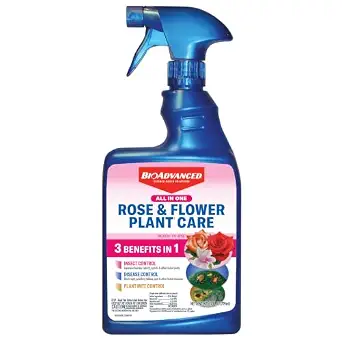 |
| Best Value The sweet spot between price and what you get | Bonide Captain Jack's Deadbug Brew Ready-to-Use Spray, 32 oz |  |
| Best Budget The cheapest option that still gets the job done reliably | BioAdvanced Rose & Flower Insect Killer Spray, 24 oz |  |
| Highest Rated A top-rated pick with lots of positive feedback | Sevin Insect Killer Concentrate II, 32 oz |  |
| Most Popular A crowd favorite that many people choose with confidence | Bonide Captain Jack's Ready-to-Use Neem Oil Spray, 32 oz |  |
Bonide Captain Jack's Deadbug Brew Concentrate, 32 oz

| Unit Count | 32 Ounce |
|---|---|
| Item Form | Liquid |
| Target Species | Insects |
| Active Ingredients | Spinosad |
Bonide Captain Jack's Deadbug Brew is a concentrated spinosad-based insecticide designed for use on vegetables, fruits, flowers, and ornamentals in organic gardens. You mix the concentrate with water and apply it with a trigger, hand-held, backpack, or hose-end sprayer to target caterpillars, beetles, borers, leaf miners, thrips, spider mites and other listed pests. Because the active ingredient is spinosad, the product targets many chewing and some sucking insects while having limited impact on predatory beneficials when used as directed. The concentrate format keeps storage and transport compact and lets you treat multiple beds or trees from one bottle. Important limitations are following label directions closely for application rates and timing and taking normal safety precautions; like all insecticides it will not selectively remove a single pest species and repeated use can require integrated pest management strategies. For gardeners seeking a broadly effective, organic-eligible spray, this is a practical go-to option.
Best for: Gardeners who want a single, broadly effective insecticide approved for organic use to protect vegetables, fruits and ornamental beds and who prefer a concentrate that treats multiple areas.
Less Ideal for: People seeking an immediate-contact knockdown spray for household pests or those unwilling to follow dilution and safety instructions should consider other options.
- Contains spinosad, an organic-approved active ingredient effective against many caterpillars, beetles, borers and leaf-feeding pests
- Concentrate mixes easily with water and works with common sprayers including trigger, backpack and hose-end models
- Approved for use on a wide range of edible and ornamental plants, including vegetables, fruits and ornamentals
- Formulation is designed to have limited impact on predatory beneficial insects when used according to the label
- Requires careful dilution and adherence to label directions for safe and effective use
- Not selective to a single pest species and may require integration with other IPM practices
Verdict: Choose this concentrated spinosad spray if you want a versatile, organic-approved insecticide to protect a wide range of garden plants.
BioAdvanced All-in-One Rose & Flower Plant Care Spray, 24 fl oz

| Unit Count | 24 Fluid Ounces |
|---|---|
| Item Form | Liquid |
| Target Species | Fungus |
| Included Components | CARE ROSE&FLOWER RTU 3IN1 24OZ |
This ready-to-use BioAdvanced spray delivers three actions in one bottle: it kills listed insects on contact, controls common fungal diseases, and tackles spider mites while leaving a protective residue that lasts up to 14 days. You use it like a normal garden spray—apply to rose bushes, ornamentals, vines, shrubs, and similar plants when pollinators are not present. The product lists active ingredients (bifenthrin and myclobutanil) and is formulated to be rainproof within about four hours, so it holds up in typical garden conditions. Practical benefits include saving time by combining insect, disease, and mite control in a single application and being convenient as a ready-to-spray bottle. Important limitations are that it targets only the listed pests and diseases, must be used with pollinator safety in mind, and contains synthetic active ingredients that some gardeners prefer to avoid. Follow label directions and safety guidance for effective and responsible use.
Best for: Gardeners who want a simple, time-saving solution to keep roses and ornamental flowers healthy without mixing concentrates and who prioritize broad, short-term protection.
Less Ideal for: Growers seeking strictly organic or pollinator-safe products or those who need treatment for pests or diseases not listed on the label should look elsewhere.
- Three-in-one formula combines insecticide, fungicide, and miticide for fewer separate treatments
- Ready-to-use spray is convenient for spot and whole-plant applications
- Rainproof within about four hours and provides protection up to 14 days
- Kills listed pests on contact for fast visible results
- Active ingredients are synthetic and may be undesirable for organic gardeners
- Protection only covers pests and diseases specifically listed on the label
Verdict: Choose this ready-to-use spray if you want a convenient, single-product solution to kill common rose pests, control fungal diseases, and suppress mites with up to two weeks of protection.
Bonide Captain Jack's Deadbug Brew Ready-to-Use Spray, 32 oz

| Item Form | Spray |
|---|---|
| Target Species | Insects |
| Liquid Volume | 32 fluid ounces |
| Active Ingredients | Spinosad 0.5% |
Bonide Captain Jack's Deadbug Brew is a 32 oz ready-to-use spinosad spray formulated for organic gardening and aimed at controlling chewing and some leaf-feeding insects. You use it like a typical foliar spray, shaking the bottle and applying thoroughly to the tops and undersides of leaves on vegetables, fruit trees, and ornamentals. The active ingredient spinosad is effective against caterpillars, beetles, loopers, thrips, and similar pests and is labeled to spare many predatory beneficial insects when used as directed, which helps maintain biological control in the garden. The built-in spray nozzle makes application quick for small to medium beds and container crops. Limitations are that it is a contact and stomach poison so thorough coverage is required and repeat applications may be necessary for heavy infestations; it is not systemic and will not protect new growth after application. Also users must follow safety directions and avoid use when pollinators are active.
Best for: Gardeners who prioritize practical, low-fuss pest control for vegetables and fruit and who want an organic-approved spray they can apply quickly without mixing.
Less Ideal for: Large acreage growers or those who need long-lasting systemic protection should look for professional or systemic options instead.
- Contains spinosad, an approved active ingredient for organic gardening that targets many chewing pests
- Ready-to-use spray with integrated nozzle for simple, no-mixing application
- Label supports use on a wide variety of vegetables and fruit crops
- Designed to have limited impact on many predatory beneficial insects when used properly
- Works by contact and ingestion so thorough coverage and repeat applications are necessary
- Not systemic, so new growth after treatment is unprotected
Verdict: A convenient, organic-approved spinosad spray that delivers effective contact control of common foliage-feeding pests on cucurbits and other garden crops.
BioAdvanced Rose & Flower Insect Killer Spray, 24 oz

| Unit Count | 24 Fluid Ounces |
|---|---|
| Item Form | Spray |
| Target Species | Insects |
| Active Ingredients | Cyfluthrin |
| Specification Met | EPA |
This ready-to-use BioAdvanced spray is designed for quick spot treatment of roses, flowers, shrubs and vegetable gardens. The bottle delivers a fast-acting cyfluthrin formula that kills common pests such as aphids, whiteflies, Japanese beetles and caterpillars on contact, and the label claims protection for up to 14 days after application. Typical use is a direct spray to foliage until leaves are coated but not dripping, making it convenient for spot treatments or treating individual plants without mixing. The product is easy to apply and covers many common garden pests, which is helpful when you want an immediate reduction in visible damage. Important limitations are that it is a chemical insecticide with a synthetic active ingredient and is formulated for above-ground pests only, so it does not target soil-dwelling stages and should be used according to label precautions around beneficial insects and flowering pollinators. For gardeners needing occasional, effective knockdown of common pests, this is a practical ready-to-use option.
Best for: Gardeners who want an affordable, no-mix spray to quickly knock down visible pests on roses and ornamental plants and who prioritize convenience and immediate results.
Less Ideal for: People looking for organic or pollinator-safe options or those needing systemic or soil-targeted pest control should consider alternatives.
- Ready-to-use sprayer for easy spot application
- Kills a wide range of listed pests on contact
- Provides up to 14 days of residual protection as stated on the label
- Contains a synthetic pyrethroid active ingredient which can harm beneficial insects if applied to blooms
- Not intended for control of soil-dwelling pests or grubs
Verdict: A convenient, budget-friendly ready-to-use spray for rapidly reducing common above-ground garden pests on roses and flowers.
Sevin Insect Killer Concentrate II, 32 oz

| Item Form | Liquid |
|---|---|
| Target Species | Insects |
| Liquid Volume | 32 fluid ounces |
| Active Ingredients | Zeta Cypermethrin |
Sevin Insect Killer Concentrate II is a garden spray concentrate you mix with water and apply with a handheld, tank, or hose-end sprayer to control insects on lawns, vegetables, fruits, shrubs, and ornamentals. The label rate (for example 4 fl oz per gallon) and included measuring cap make mixing straightforward for routine applications. It kills by contact more than 500 listed pests and claims residual control for up to three months on most insects, which reduces how often you need to reapply. The formula lists zeta-cypermethrin as the active ingredient, so it is fast acting against chewing and sap-sucking pests but you must avoid spraying open blooms to protect pollinators and follow label precautions for personal safety. It is versatile for spot treatments or broader landscape use, but users should follow label restrictions for certain pests and regional regulations. Practical gardeners will appreciate the concentrated format and multi-plant label, while those needing an organic or pollinator-safe option will want alternatives.
Best for: Gardeners who want a practical, no-nonsense concentrate to control a wide range of insect pests across vegetable beds, ornamentals, and lawns and who prioritize effective, infrequent applications.
Less Ideal for: People seeking organic, pollinator-safe, or aquatic-friendly pest control should consider non-synthetic or targeted biological options instead.
- Concentrated formula lets you treat large areas from a single bottle when mixed as directed
- Kills over 500 listed insect pests by contact, covering many common garden problems
- Measuring cap and clear mixing instructions make preparation simple and consistent
- Works on both ornamental and edible plants so one product covers multiple garden zones
- Contains a synthetic pyrethroid (zeta-cypermethrin) which can harm pollinators and aquatic life if misused
- Not registered for certain pests or regions so users must check local label restrictions
Verdict: A versatile, concentrated insecticide that gives practical gardeners broad-spectrum, long-lasting control when used according to the label.
Bonide Captain Jack's Ready-to-Use Neem Oil Spray, 32 oz

| Item Form | Liquid |
|---|---|
| Target Species | Insects |
| Liquid Volume | 32 fluid ounces |
| Active Ingredients | Clarified Hydrophobic Extract of Neem Oil |
This ready-to-use neem oil spray is a multipurpose garden treatment that kills insects at all life stages while also serving as a miticide and preventative fungicide. Packaged in a 32-ounce trigger bottle, it is applied by shaking and thoroughly spraying plant surfaces, including leaf undersides, at the first sign of pests or disease and reapplying every 7 to 14 days as needed. The active ingredient is a clarified hydrophobic extract of neem oil, which is approved for organic gardening and labeled safe to use on vegetables up to the day of harvest. Practical benefits include broad pest coverage (aphids, whiteflies, spider mites and others), disease suppression such as powdery mildew, and convenience from a ready-to-use sprayer. Important limitations are that results are slower than synthetic contact insecticides and application timing matters to avoid leaf burn in full sun; repeated applications may be needed for heavy infestations. Follow label safety directions and keep the product away from children and pets.
Best for: Gardeners who want a single, organic-approved product to manage common vegetable garden pests and fungal problems and who prefer products with strong user feedback.
Less Ideal for: Growers needing rapid knockdown of severe infestations or commercial producers who require fast-acting, high-throughput treatments.
- Kills multiple pest stages including eggs, larvae and adults for more complete control.
- Also acts as a fungicide and miticide so one product covers pests and common fungal issues.
- Ready-to-use trigger bottle requires no mixing and is easy to apply to leaves and undersides.
- Approved for organic gardening and can be used on vegetables up to day of harvest.
- Slower-acting than many synthetic contact insecticides, so it may take several applications to see control.
- Must avoid spraying in peak sunlight to reduce risk of leaf burn.
Verdict: A convenient, organic-approved all-in-one neem spray that controls common vegetable garden pests and fungal issues with minimal fuss.
Choosing the Right Bug Spray for Petunias: Key Factors to Consider
Insect Control Spectrum
Different pests respond to different active ingredients. Broad-spectrum contact sprays will knock down aphids, whiteflies, and thrips quickly but may not control hidden eggs or larvae. Systemic or translaminar actives can protect new growth briefly, but many are not labeled for use on flowering ornamentals or may harm pollinators if they move into nectar and pollen.
Evaluate the kinds of pests you see on your petunias and choose a spray with proven activity against those pests. If you have recurring issues with eggs or larvae, look for products that list ovicidal or larvicidal activity on the label.
Plant and Flower Safety
Petunia leaves and petals are thin and often show spray damage before tougher garden plants do. Some formulations contain strong surfactants, oils, or high pH solvents that can cause leaf spotting, petal discoloration, or flower drop, especially in hot sun.
Always check label guidance for sensitivity and recommended spray windows such as early morning or evening. Test any new spray on a few plants and wait 48 hours to watch for phytotoxic symptoms before treating large displays.
Residual Protection and Reapplication Interval
Residual duration determines how often you need to reapply and how long pollinators might be at risk. Short-residual contact sprays often require more frequent applications but reduce long-term exposure. Longer-residual products can suppress reinfestation but increase the window of risk for beneficial insects.
Balance the need for lasting control with your garden's pollinator activity. For heavy pest pressure, a product with moderate residual activity used sparingly can be effective; in low-pressure settings, spot treatments may be preferable.
Application Method and Coverage
How you apply a spray affects coverage on dense petunia mounds and inside tight blooms where pests hide. Fine mist sprayers provide good overhead bloom coverage but can waste product through drift. Foam or directed stream applicators reduce drift but may miss undersides of leaves.
Consider the scale of your planting: a small patio container can be treated with a pump sprayer, while larger beds may benefit from a hose-end or backpack sprayer for speed. Make sure the chosen applicator can reach leaf undersides without damaging flowers.
Safety for Pollinators and Beneficial Insects
Petunias attract pollinators and may sit near pollinator habitat. Many insecticides are toxic to bees, hoverflies, and predatory insects, especially during bloom. Some reduced-risk and botanical options break down quickly and pose lower risk when applied correctly.
Time applications for when pollinators are inactive, such as early morning or late evening, and avoid spraying blooms when pollinators are present. Choose products labeled as reduced risk or safe for use on flowering ornamentals when possible.
Suitability for Containers Versus In-Ground Beds
Container-grown petunias experience faster drying and higher evaporative stress, which can increase sensitivity to certain spray ingredients. In-ground plantings may tolerate some formulations better due to cooler root zones and more stable moisture.
For containers, prefer light-contact or reduced-strength applications and avoid heavy oil-based products. For in-ground beds, ensure good soil moisture before application to reduce plant stress and follow label directions for repeat applications.
Common Pests That Attack Petunias
Aphids, whiteflies, thrips, spider mites, and leaf miners are the pests you are most likely to encounter on petunias. Aphids cluster on new growth and flower buds, sucking sap and secreting sticky honeydew that encourages sooty mold. Whiteflies fly up when disturbed and lay eggs on leaf undersides. Thrips feed inside flowers, causing streaked or deformed blooms. Spider mites create a fine stippling and webbing under hot, dry conditions. Leaf miners tunnel inside leaves, leaving translucent trails.
- Identify the pest carefully before treating because knockdown strategies differ.
- Check both top and bottom leaf surfaces and inside flower tubes for signs of infestation.
- Consider physical controls like flushing with water or hand removal for low-level problems.
Timing Applications to Protect Flowers and Pollinators
Apply sprays in the coolest part of the day, typically early morning or late evening, when pollinators are least active and plants are less stressed. Avoid applications during full sun or high temperatures to reduce the chance of leaf scorch. If possible, remove open flowers temporarily or target spray to foliage and bud areas rather than full blooms.
- Wait until dew has dried to prevent runoff but avoid high midday heat.
- If you spot bees visiting, postpone the spray until activity declines.
- Record application dates to guide safe reapplication intervals and avoid overlapping treatments that increase plant stress.
Nonchemical Alternatives and Integrated Pest Management
Nonchemical methods can reduce reliance on sprays and maintain long-term plant health. Regularly inspect plants, dislodge pests with a strong water spray, and introduce or conserve natural enemies like ladybugs and lacewings. Use sticky traps to monitor flying pests and prune heavily infested growth to remove breeding sites. Combine cultural tactics with targeted spray use only when pest populations exceed thresholds that threaten bloom quality. This integrated approach reduces the number of treatments needed and keeps beneficial insect populations healthier.
- Use high-pressure water sprays to dislodge aphids and whiteflies for small plantings.
- Encourage predator insects by planting diverse nectar sources near petunias.
- Rotate treatment types across the season to limit resistance buildup in pest populations.
How to Test a New Spray on Petunias Safely
Before treating a whole bed or container group, test any new product on a single plant or a few stems. Apply at the lowest labeled rate and monitor for 48 to 72 hours for signs of phytotoxicity such as leaf curling, spotting, or flower discoloration. If damage appears, stop further use and rinse treated foliage with water if recommended on the label. Testing saves entire displays from accidental damage and helps you understand how your microclimate and sun exposure influence spray safety.
- Choose a test plant in the same light exposure as the rest of the planting.
- Document results and note the environmental conditions at the time of application for future reference.
How We Chose the Best Bug Spray for Petunias
We selected products based on attributes that matter when treating petunias in garden beds, borders, and containers. First, we prioritized insect control spectrum and knockdown speed, because soft-bodied pests like aphids and thrips require fast action. Second, plant safety and flower compatibility guided choices; petunias have delicate blooms and thin leaves that can scorch or drop when exposed to strong surfactants or oils. Third, residual protection and reapplication interval were considered so gardeners can balance frequency against pollinator exposure. Fourth, ease of application and formulation versatility matter for small container displays and larger bedding schemes; we preferred options that offer hose-end, pump, or ready-to-use setups without complex mixing. Finally, we looked at environmental profile: toxicity to pollinators and aquatic life, as well as organic or reduced-risk formulas for low-impact gardens. We excluded products with user reports of consistent flower burn or vague label directions that could lead to misuse. The final list focuses on sprays that performed well across these concrete criteria and suit common petunia growing situations.
FAQ
Can I spray petunias while they are in full bloom?
It often depends on the product. Many contact insecticides and oils can cause petal spotting if applied to open flowers, especially in hot sun. When possible, target foliage and buds, or apply during cooler hours and avoid heavy misting directly on flowers.
Are botanical or organic sprays safer for petunias and pollinators?
Botanical and reduced-risk sprays typically break down faster and can be less toxic to pollinators, but they are not automatically safe for all ornamentals. Some oils and plant extracts can still cause flower or leaf damage if misused. Always follow label directions and test on a small area first.
How often should I reapply a spray on petunias?
Reapplication intervals vary by product and pest pressure. Short-residual contact sprays may need reapplying every 7 to 10 days under heavy pressure, while some products list longer intervals. Follow label instructions and only reapply when pest counts or damage justify it.
Will treating petunias harm nearby vegetables or herbs?
Drift and runoff are the main concerns. Many ornamentals and edibles share sensitivity to certain actives. Avoid spraying on windy days, use directed application methods, and prevent spray drift onto edible foliage to reduce risk.
Final Verdict
When choosing a bug spray for petunias, prioritize plant and flower safety alongside the spray's effectiveness against your specific pests. Balance residual needs with pollinator protection and pick an application method that matches the scale of your planting. Test new products on a few plants before broad use and favor targeted, infrequent treatments combined with cultural controls for the healthiest blooms. With a clear view of pest type, planting situation, and tolerance for reapplication, you can select a spray that keeps petunias blooming without unnecessary harm.
