

Note: This article contains affiliate links. If you click on these links and make a purchase, I may earn a small commission at no extra cost to you. This helps support my research and content. Read my full affiliate disclosure here.
Clay soil packs dense, heavy and often sticky, which makes ordinary digging slow and exhausting. Choosing the right garden spade for clay soil changes how quickly you can break ground, transplant large roots, and shape beds without damaging the tool or your back. This guide shortlists seven top spades suited to compacted ground and explains the practical traits that matter in a working garden. We evaluate each pick on blade strength, shaft and handle ergonomics, and long-term durability so you can pick a tool matched to your soil and workload. Read on to see how the shortlisted spades differ and which features have the biggest impact in clay.
Top Picks at a Glance
| Best Overall The best all-around choice for most situations | Fiskars 44" Pro D-Handle Digging Shovel |  |
| Best Quality Built to a higher standard if you want something more solid | DeWit Shark Tine Spade, T‑Handle Forged Alloy Steel |  |
| Best Value The sweet spot between price and what you get | Spear & Jackson Neverbend Professional Treaded Digging Spade |  |
| Best Budget The cheapest option that still gets the job done reliably | HIGHLIGHT 45-Inch Heavy Duty Spade Shovel with Fiberglass D-Grip |  |
| Highest Rated A top-rated pick with lots of positive feedback | CKG Carbon Fiber Handle Flat Spade Shovel (43 in) |  |
| Most Popular A crowd favorite that many people choose with confidence | Root Slayer Garden Shovel with Serrated V-Tip |  |
| Best Seller A high-volume bestseller chosen again and again | Root Slayer Perennial Garden Shovel (Fiberglass Shaft) |  |
Fiskars 44" Pro D-Handle Digging Shovel

| Material Type | Alloy Steel, Aluminum |
|---|---|
| Blade Material | Alloy Steel |
| Handle Material | Aluminum, Metal |
| Grip Type | Ergonomic |
The Fiskars 44" Pro D-Handle Digging Shovel is built for regular garden and landscaping tasks that require strength and control. Its heavy-gauge alloy-steel blade has a sharpened edge and extended shank to pierce and pry in compact or clay soils, while the teardrop-shaped shaft and softgrip touchpoints make repeated digging more comfortable. The aluminum D-handle keeps the wrist in a neutral position for better leverage when planting, turning soil, or digging holes for shrubs and trees. This model is intended for frequent use rather than occasional light tasks, and the robust construction should resist separation and wear over time. The main compromises are its weight and single-purpose design: it is optimized for digging and prying rather than delicate or multi-tool tasks, and the longer handle requires storage space. For gardeners who value durability, ergonomic design, and a blade that stays sharp through heavy use, this shovel performs reliably across most garden digging jobs.
Best for: Gardeners who want a durable, ergonomic digging shovel for regular planting, hole digging, and soil turning and who prioritize long-term performance over minimal weight.
Less Ideal for: People who need a lightweight or compact tool for occasional light-duty tasks or who have very limited storage space.
- Heavy-gauge alloy-steel blade with sharpened edge for easier penetration in compact soil
- Aluminum D-handle and teardrop shaft provide ergonomic grip and better wrist alignment
- Large step and extended shank increase leverage for digging and prying
- Durable construction meant for frequent, long-term use
- Long 44" length makes storage more awkward in small sheds
- Heavier construction can be tiring for users seeking a lightweight option
Verdict: Choose this shovel if you want a tough, ergonomically designed digging tool that holds up to frequent use in compact or heavy garden soils.
DeWit Shark Tine Spade, T‑Handle Forged Alloy Steel
| Material Type | Alloy Steel, Plastic |
|---|---|
| Handle Material | Wood |
| Blade Material | Alloy Steel |
| Grip Type | Ergonomic |
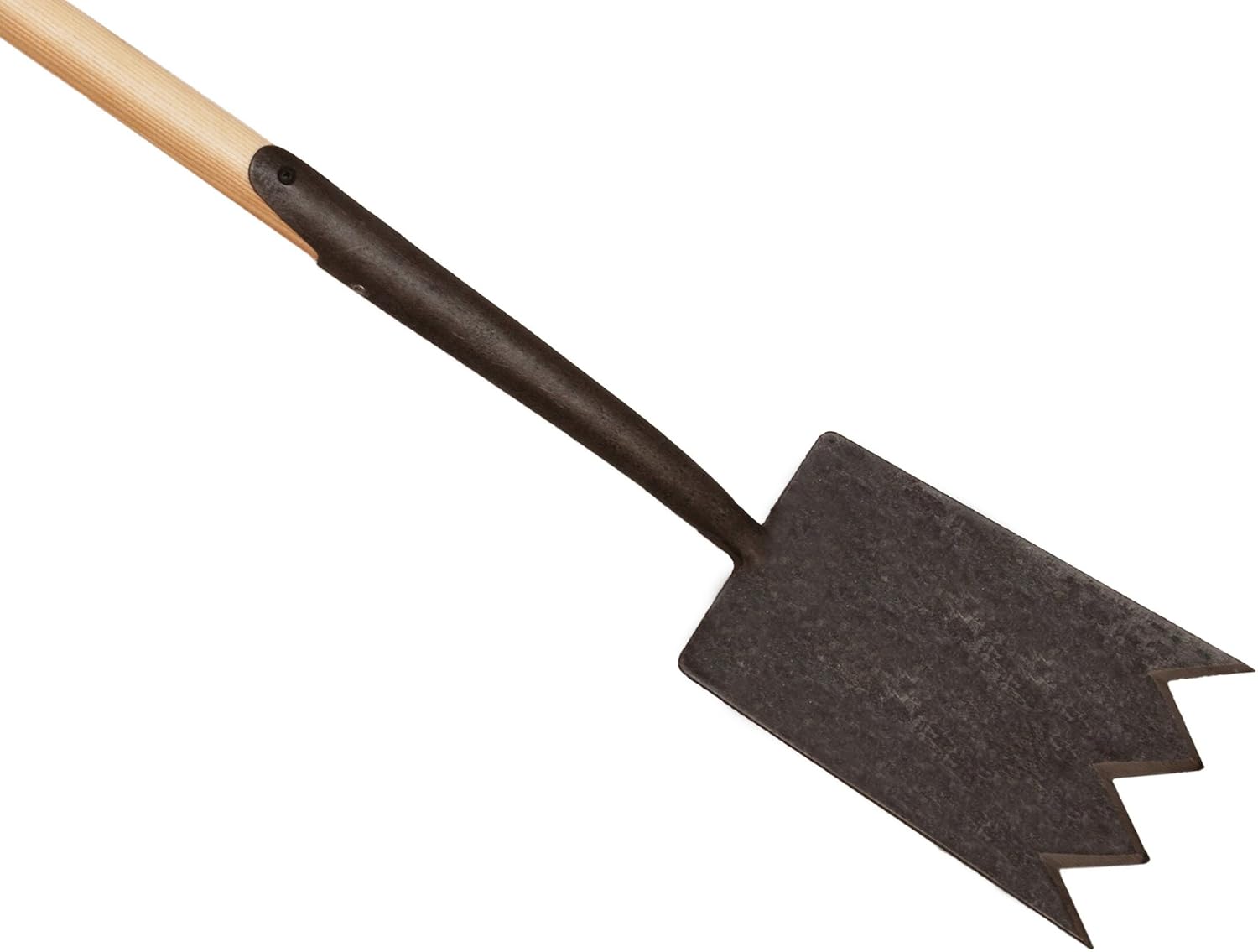
The DeWit Shark Tine Spade is built for tough digging in compacted clay and root‑filled soil. Its one‑piece forged alloy steel head has four pronounced teeth that bite into hard ground, making initial penetration and breaking up clay much easier than a plain flat spade. The long t‑handle lets you apply leverage while standing to reduce wrist strain during repetitive digging, and the ash wood handle keeps the tool lighter and more maneuverable for extended use. Because the head and teeth are hardened and heat treated, the spade holds an edge longer and stands up to frequent, aggressive use. Expect efficient slicing of roots and rapid turnover of small areas, though the focused tooth design is less suited to fine edging or working in very tight planting holes. For gardeners who need a durable, high‑leverage tool to tackle compacted clay, this spade speeds tough jobs and lasts through heavy use, but it is a specialized implement rather than an all‑purpose digging shovel.
Best for: Gardeners who regularly battle compacted clay or rooty soil and prioritize a durable, high‑leverage tool that speeds heavy digging tasks.
Less Ideal for: People who mostly do delicate planting, precise edging, or container gardening should choose a narrower or smaller spade instead.
- Forged one‑piece alloy steel head with hardened teeth for durability and long edge retention
- Shark tine design cuts roots and penetrates compacted clay more effectively than a flat blade
- T‑handle provides better leverage and reduces wrist strain when digging standing up
- Ash wood handle keeps the tool relatively lightweight and comfortable for extended use
- Tooth geometry prioritizes breaking and cutting over fine soil finishing or precise edging
- Heavier and larger than small hand spades, so less convenient for tight beds or container work
Verdict: If you need a tough, long‑lasting spade that bites into clay and slices roots, this Shark Tine model delivers professional‑grade breaking power and leverage.
Spear & Jackson Neverbend Professional Treaded Digging Spade

| Material Type | Carbon Steel |
|---|---|
| Handle Material | Wood |
| Blade Material | Carbon Steel |
| Grip Type | Treaded |
The Spear & Jackson Neverbend Professional Treaded Digging Spade is built for hard digging in compacted and clay soils. Its solid forged carbon steel head and long lipped, double-riveted socket resist bending under pressure, while the treaded top gives your foot more purchase when driving the blade into dense ground. The hammer-finish powder coating helps resist rust and abrasion, which is useful when you are working in moist clay that can accelerate corrosion. A weatherproofed hardwood shaft and metal Y-shaped handle give a rigid connection for levering and edging tasks. In practice this spade is best used for breaking clay, cutting clean edges, transplanting root balls, and general heavy-duty digging where leverage and a tough blade matter. Expect a tool that favors durability and force over lightness: it is relatively heavy and not the choice if you need a lightweight or compact tool for frequent carrying. For gardeners who need a long-lasting, professional-grade spade to handle stubborn clay, this model performs reliably.
Best for: Practical gardeners and landscapers who need a tough, long-lasting spade to break and move dense clay soil and who prioritize durability and leverage over light weight.
Less Ideal for: People who need a lightweight, compact spade for frequent carrying or for very small raised beds should consider lighter alternatives.
- Solid forged carbon steel head and double-riveted socket for high strength under heavy loads
- Treaded blade top provides improved foothold for driving the spade into compacted soil
- Hammer-finish powder coating improves resistance to rust and abrasion in damp clay
- Sturdy hardwood shaft and metal Y handle deliver good leverage and control for edging and prying
- Heavier construction makes it less comfortable for long periods or for users preferring lightweight tools
- Wooden shaft and metal fittings may need occasional maintenance to prevent weather wear
Verdict: A rugged, professional-grade spade made to dig and edge through stubborn clay with long-term durability.
HIGHLIGHT 45-Inch Heavy Duty Spade Shovel with Fiberglass D-Grip

| Material Type | Carbon Steel |
|---|---|
| Handle Material | Fiberglass |
| Grip Type | D-Grip |
This HIGHLIGHT 45-inch spade is built for tough ground work like cutting through clay, trenching for drainage, and transplanting shrubs. The sharp, high-carbon steel blade holds an edge and the rust-resistant finish helps in wet soil; the pointed profile makes it easier to slice through compacted clay and roots. The fiberglass shaft keeps weight down compared with solid wood and resists splintering or rot, while the oversized D-grip gives good leverage for prying and controlled digging. A pedal on the blade reduces strain when pushing into hard soil. Expect a durable, no-frills tool that performs well on dense soils, but note the fiberglass handle transmits more shock than cushioned or suspension-style grips and the hard blade may need occasional sharpening after heavy, rocky use. For buyers who want a rugged, serviceable spade for clay and drainage work, this balances strength and simplicity without extra features.
Best for: Practical gardeners who need a sturdy, straightforward spade for breaking and digging in clay or installing drainage; ideal for buyers prioritizing durability and function over extra comfort features.
Less Ideal for: If you need a lightweight hobby shovel for casual potted-plant work or want a highly cushioned, vibration-reducing handle for long daily use, choose a softer-grip or ergonomic model instead.
- High-carbon steel blade suitable for cutting through compacted clay and roots
- Fiberglass handle that resists rot and reduces overall tool weight
- D-shaped grip and pedal at the blade for improved leverage and reduced back strain
- Rust-resistant coating for better durability in wet soil conditions
- Fiberglass handle transmits more vibration than padded or shock-absorbing grips
- Blade may require periodic sharpening after heavy use in rocky soil
Verdict: A tough, no-frills 45-inch spade that delivers the strength and blade profile needed to handle clay soils and drainage work.
CKG Carbon Fiber Handle Flat Spade Shovel (43 in)

| Material Type | Carbon Fiber |
|---|---|
| Blade Material | Alloy Steel |
| Grip Type | D-Grip |
| Number of Items | 1 |
This CKG flat spade is built for demanding garden tasks while keeping weight down thanks to its integrated carbon fiber handle. The square, reinforced alloy-steel blade is suited to cutting through compacted soil and creating clean edges or narrow trenches, and the D-grip gives a secure hold when digging in wet or slippery conditions. Because the shaft is carbon fiber the tool reduces user fatigue during long sessions, which helps when breaking up dense clay in multiple spots. Notable features are the heavy-duty blade construction and ergonomic grip that translate to practical benefits: more efficient soil penetration, easier control when levering roots, and less strain on wrists and shoulders. Limitations include the relatively light overall mass compared with traditional all-steel spades, which means you may need to apply more force or use a foot on the blade for very hardpan clay, and the blade lacks serrations that some specialized diggers use for cutting roots. For gardeners who prioritize a reliable, lower-fatigue tool for regular work in compacted soils, this spade balances strength and usability well.
Best for: Gardeners who need a dependable, lower-fatigue spade for regular digging, edging, and trenching in compacted or clay soils and who value control and comfort over raw weight. They prioritize consistent performance across routine landscaping tasks.
Less Ideal for: Users who need a brute-force digging tool for breaking extremely hard or rocky ground or who prefer maximum blade weight for chopping through dense roots and stones should consider a heavier all-steel spade instead.
- Carbon fiber handle keeps the tool noticeably lightweight and reduces user fatigue.
- Reinforced alloy-steel blade suitable for edging, trenching, and digging in compacted soil.
- D-shaped non-slip grip improves control in wet or muddy conditions.
- Ergonomic design helps reduce strain during extended use.
- Lighter construction means less inertia for chopping through very hardpan clay compared with heavier all-steel spades.
- Blade has a plain edge rather than serrated teeth for cutting thick roots.
Verdict: A durable, low-fatigue flat spade that reliably handles edging and trenching in clay soils while keeping user strain to a minimum.
Root Slayer Garden Shovel with Serrated V-Tip

| Blade Material | Carbon Steel |
|---|---|
| Handle Material | Carbon Steel |
| Blade Length | 13 inches |
| Grip Type | Ergonomic |
The Root Slayer is a purpose-built digging shovel that combines a sharpened inverted-V tip, sawtooth edges, and a sturdy carbon steel blade so you can cut through roots and packed soil without switching tools. In use it functions as a spade, root saw, and hatchet for tasks like digging planting holes, removing stubborn grasses, and trenching in clay or compacted ground. The resin-encased steel shaft and ergonomic O-handle give good leverage and a comfortable grip during repeated digs, while the powder-coated carbon steel resists rust and holds up to heavy garden work. Because the blade focuses force on a narrow point it penetrates hard-packed areas more easily than a flat shovel, and the serrated sides let you slice roots instead of yanking them. Expect a robust, long-lasting tool suited to regular backyard landscaping, but be mindful it is built for cutting and digging rather than prying or levering large stones, and the heavier construction adds noticeable weight compared with lightweight trowels or fiberglass-handled alternatives.
Best for: Gardeners who need a single robust tool for digging in compacted soil and cutting roots while valuing proven design and positive user feedback.
Less Ideal for: If you mainly need a lightweight transplanting trowel, long-handled pry tool, or a shovel for moving large volumes of loose material, this specialized root-cutting shovel is not the best match.
- V-shaped sharpened tip concentrates force to penetrate compacted soil and break through roots
- Serrated blade edges allow cutting through roots without switching tools
- Powder-coated carbon steel blade offers durability and rust resistance for repeated outdoor use
- Ergonomic O-handle and resin-encased steel shaft provide good leverage and a comfortable grip
- Heavier construction makes it less convenient for prolonged overhead or fine-detail tasks
- Not designed for heavy prying or levering large rocks
Verdict: Buy this if you want a durable, root-cutting shovel that makes digging holes in compacted soil and slicing roots significantly easier than a standard spade.
Root Slayer Perennial Garden Shovel (Fiberglass Shaft)

| Blade Material | Carbon Steel |
|---|---|
| Handle Material | Fiberglass, Steel |
| Blade Length | 9 inches |
| Grip Type | Ergonomic |
The Root Slayer Perennial Garden Shovel is a smaller, lightweight version of the brand's rip-tooth shovel built for jobs where precision and root-cutting matter. Its V-shaped, ripsaw-tooth tip slices through roots, sod, and compacted clay better than a plain spade, while the narrower blade makes it easier to dig close to existing plants and in raised beds or tight spaces. The fiberglass shaft keeps the tool relatively light without sacrificing leverage and the ergonomic O-handle improves control for repeated digging or transplanting. Practical benefits for clay soil users include the aggressive serrations that reduce the bending and prying needed to break through dense soil and roots, and the long shaft that adds leverage for tougher digs. Limitations are its smaller blade size, which slows work when moving large volumes of clay compared with a full-size spade, and the need to keep the serrations sharp for best performance. It is a dependable option for gardeners who prioritize root-cutting and precise digging in heavy soils rather than bulk soil removal.
Best for: Gardeners who need a reliable, easy-to-handle tool for cutting roots and precise digging in tight beds or clay-heavy soil and who prefer a lower-effort tool for transplanting and perennial care.
Less Ideal for: People who need to move large amounts of clay or sod quickly should choose a full-size digging spade or a wider blade tool instead.
- Ripsaw V-tip cuts through roots and compacted soil for easier digging in clay
- Narrow blade allows precise digging around plants and in raised beds
- Fiberglass shaft keeps weight down while providing good leverage
- Ergonomic O-handle offers a comfortable, secure grip during extended use
- Smaller blade moves less soil per stroke compared with full-size spades
- Serrated edge requires occasional sharpening to maintain cutting performance
Verdict: Choose this shovel if you want a compact, root-cutting tool that makes precise digging and transplanting in clay and tight garden spaces far easier.
Choosing the Right Garden Spade for Clay Soil: Key Factors to Consider
Blade Material and Construction
A spade blade for clay should use thicker steel or a forged head to resist bending and hold an edge. Clay is abrasive and transmits high side loads when you twist or pry, so thin pressed-sheet blades are more likely to deform. Forged or heat-treated blades retain a sharper leading edge that penetrates compacted soil and cuts through roots more effectively. Look for full-tang or well-reinforced socket joints where the shaft meets the blade to prevent wobble and failure under heavy leverage.
Finishes matter too. A painted or powder-coated blade can reduce sticking when the soil is wet, while a bare tempered surface may need more cleaning to avoid rust. Consider whether the tool can be re-sharpened and whether the blade profile suits the typical tasks you do in clay.
Blade Shape and Edge Geometry
The profile of the blade governs how easily it enters dense ground and how reliably soil releases. A relatively narrow, slightly curved spade with a sharp, chisel-like leading edge slices into compacted clay more readily than a wide, flat square point. Conversely, a broader blade moves more soil per stroke but demands more force to penetrate. A well-defined bevel angle helps the blade wedge into hard soil while providing enough side support to resist bending when levering roots or stones.
Also consider the toe and shoulder design. A blunt shoulder will transfer more force into the shaft and can help pry, while a tapered toe concentrates force for initial penetration. Choose a shape that matches whether you prioritize initial penetration or bulk soil movement.
Shaft Length and Stiffness
Shaft length affects leverage and posture. A longer shaft increases leverage for prying dense clay but can reduce control in tight beds; a shorter shaft gives more precise foot placement and control but requires more exertion. For clay, slightly longer shafts often reduce the force your body must supply when levering roots and compacted clods.
Material and stiffness are equally important. Fiberglass shafts resist rot and can absorb shock, but cheap fiberglass can splinter under sudden lateral loads common when working around rocks. Hardwood shafts offer good stiffness and a tactile feel but need proper maintenance. Metal tubular shafts provide strength but may transmit more shock to the hands. Prioritize a shaft that stays straight under load and pairs well with the handle design for leverage.
Handle Shape and Grip Comfort
Working clay requires repeated heavy strokes and prying, so handle ergonomics influence fatigue and injury risk. T-shaped or D-grip handles give extra leverage for lifting and prying, while long straight handles allow two-handed power digging. A comfortable grip material reduces blistering during extended use; textured or contoured grips help when hands are wet or muddy.
Also consider hand clearance for winter gloves and the presence of vibration-damping materials. Some handles have molded ergonomics to reduce wrist strain, which can be valuable if you spend long sessions breaking new ground in heavy clay.
Corrosion and Maintenance Needs
Clay often holds moisture, which accelerates corrosion on metal components. Spades with corrosion-resistant coatings or stainless-steel elements need less upkeep, while bare steel requires regular cleaning and drying to prevent rust. Consider whether the blade finish is compatible with occasional sharpening and whether any protective coatings will wear through with heavy use.
Maintenance also covers replaceable parts and ease of repair. A replaceable handle or accessible socket joint can extend tool life in a hard-working garden. Think about your willingness to oil, sharpen, and store the spade properly versus buying a lower-maintenance construction.
Weight and Balance
Weight determines how much force you must move with each stroke. Heavier heads help the blade penetrate compacted clay but increase fatigue over long sessions. Balance between head and shaft helps control where force is applied; a head-heavy spade drives in more easily but can feel clumsy for controlled digging.
Match weight to the tasks you do most often. If you are prying out deep-rooted plants, a heavier, well-balanced spade is useful. If you do many fine planting operations, a lighter, more balanced tool will reduce strain and improve precision.
Preparing Clay Soil Before Digging
Loosening extremely compacted clay before heavy digging reduces tool stress and makes each spade stroke more effective. Where possible, soak the area lightly a day before working to soften the upper layer, but avoid turning overly wet clay which can smear and compact further.
Use a combination of manual picks, mulches, or organic amendments in advance to gradually build structure. Breaking the first layer with a long-handled tool or fork reduces the force needed for subsequent spade work and protects the blade and shaft from sudden shocks.
- Water lightly 12-24 hours before digging to soften the top layer.
- Use organic matter to improve long-term drainage and structure.
- Start with a fork or mattock for very compacted spots before switching to a spade.
Sharpening and Edge Care for Clay Work
Maintaining a sharp, correctly angled edge makes a dramatic difference in clay. A dull blade shoves and compacts soil rather than cutting, increasing effort and causing more tool wear. Use a flat file or grinder sparingly to re-establish the bevel, keeping the angle consistent to avoid thinning the blade.
After sharpening, clean off mud and dry the blade to prevent rust. Apply a light coat of oil or wax if the tool will be stored for a season, and check joints for tightness before the next use.
- File at the existing bevel angle; avoid aggressive grinding that overheats the steel.
- Clean mud immediately after use to reduce corrosion.
- Oil the blade lightly for long-term storage.
Using Leverage and Body Mechanics
Good body mechanics reduce fatigue and help you use the spade effectively in heavy clay. Plant your foot on the top edge of the blade and use your legs and hips to drive the spade in rather than relying solely on arm strength. When prying roots or turning hard clods, use the shaft as a lever with controlled, steady pressure instead of jerking motions.
If you need extra leverage, reposition the feet and use two hands spaced on the shaft to increase control. Rotate tasks and take short breaks to avoid repetitive strain when working large areas.
- Drive with the hips and legs, not just the arms.
- Use two-handed grips for prying and controlled turns.
- Change posture and rest to prevent lower back strain.
Adapting Spade Choice to Garden Tasks
Different spade designs suit different tasks even within clay soils. Narrow, beveled spades work best for deep planting holes and cutting through root mats, while wider square-point blades are useful for edging and moving loosened soil. Consider keeping two types if you frequently switch between precision planting and larger bed preparation.
For mixed gardens where you encounter roots and stones, prioritize a robust blade and stiff shaft. For raised beds or container filling, a lighter, narrower spade may be easier to handle without sacrificing penetration.
- Narrow blades for precise digging and root cutting.
- Broad blades for moving and leveling loosened soil.
- Consider owning a dedicated spade for heavy clay tasks and a lighter one for finer work.
Storing and Caring for Spades After Clay Use
Proper storage extends the life of a spade used in clay. Remove mud promptly, dry the tool, and treat any exposed steel to prevent rust. Hang spades or store them off the ground to avoid moisture contact that accelerates corrosion and wood degradation.
Inspect the shaft and handle regularly for cracks or loosening where the head meets the shaft. Tighten or repair before the next heavy use and replace parts where necessary to maintain safe leverage.
- Clean and dry after each use to prevent rust.
- Store tools off the ground in a dry place.
- Check and repair loose joints before heavy tasks.
How We Chose the Best Garden Spade for Clay Soil
We focused on features that directly affect digging performance in dense, compacted clay. Primary evaluation criteria included blade metallurgy and construction for edge retention and resistance to bending; blade shape and bevel for penetration and soil release; shaft material and strength to resist twisting under heavy load; handle length and grip design for leverage and reduced strain; and overall build quality including joint reinforcement between blade and shaft. For inclusion we required full-length digging spades with blades sized for typical garden tasks, solid shaft-to-blade attachment (no permanently flimsy rivets), and materials compatible with repeated use in abrasive, wet clay. Tools intended only for light edging, transplant forks, or purely decorative use were excluded. We also deprioritized spades with clearly unsuitable shaft lengths or ergonomics for average adult use. Final selections were chosen to represent a range of durable constructions and ergonomic choices suited to clay soil work.
FAQ
What blade shape is best for digging in dense clay?
A narrow, slightly curved blade with a sharp chisel-like leading edge typically penetrates dense clay more easily than a wide flat blade. The narrow profile concentrates force for initial entry and makes cutting through compacted clods and roots more efficient.
Should I water clay soil before using a spade?
Lightly wetting clay 12 to 24 hours before digging can soften the top layer and make initial penetration easier. Avoid digging when the soil is saturated because that can smear and compact the structure further.
Is a wooden shaft better than fiberglass for clay work?
Both have pros and cons. Hardwood shafts offer stiffness and a comfortable feel, while fiberglass resists rot and can absorb some shock. Quality of construction matters more than material alone; a well-made hardwood shaft can outperform a low-grade fiberglass one under heavy lateral loads.
How often should I sharpen a spade used in clay?
Frequency depends on use, but re-sharpening after several heavy sessions or whenever the blade starts to push rather than cut is typical. Regular light filing maintains the bevel without removing too much steel.
Can I use a garden spade to pry out rocks in clay?
A durable, stiff spade can be used to pry around rocks, but avoid levering at extreme angles that stress the joint between blade and shaft. For large rocks, use a pry bar or digging bar to reduce risk to the spade.
How do I prevent my spade from rusting after working in wet clay?
Clean off mud, dry the blade, and apply a light coat of oil or wax before storage. Storing the spade indoors and off the ground also reduces exposure to moisture that causes rust.
Final Verdict
For clay soils prioritize blade construction, edge geometry, and shaft stiffness over cosmetic features. A thick, well-forged blade with a narrow profile and secure shaft-to-head joint will make digging and prying much easier and reduce the chance of tool failure. Balance and handle ergonomics then shape comfort and reduce fatigue during long sessions. Choose the spade that matches the tasks you do most often: more aggressive, heavier tools for breaking new ground and prying roots, or lighter, narrower spades for precision planting and raised bed work. With the right combination of materials and ergonomics you can work clay soils efficiently and keep the tool serviceable for years.
