

Note: This article contains affiliate links. If you click on these links and make a purchase, I may earn a small commission at no extra cost to you. This helps support my research and content. Read my full affiliate disclosure here.
Choosing the right plants for a vivarium changes how the whole enclosure behaves. The wrong plant can rot in constant moisture or fail under subdued lighting, while the right species helps regulate humidity, stabilizes substrate, and creates natural hiding places for animals. This guide covers six shortlisted vivarium plants that perform well in humid, enclosed setups and details the traits that matter for long-term success. You will get practical guidance on light requirements, moisture tolerance, growth habit, and maintenance needs so you can match plants to your enclosure and animal inhabitants. Below are the top picks and the factors we used to evaluate them, followed by care tips and troubleshooting for common vivarium challenges.
Top Picks at a Glance
| Best Overall The best all-around choice for most situations | Josh's Frogs 12x12x24 Vivarium Plant Kit (3 Plants) |  |
| Best Quality Built to a higher standard if you want something more solid | Josh's Frogs 10 Gallon Tropical Vivarium Plant Kit |  |
| Best Value The sweet spot between price and what you get | LUCKYRUNES Live Moss Duo Pack for Terrariums and Reptile Habitats |  |
| Best Budget The cheapest option that still gets the job done reliably | Tin Roof Treasure Live Terrarium Moss Assortment |  |
| Highest Rated A top-rated pick with lots of positive feedback | Josh's Frogs White's Tree Frog Vivarium Plant Kit (3 plants) for 18x18x24 Terrarium |  |
| Best Seller A high-volume bestseller chosen again and again | Plants for Pets Essential Houseplant Collection, 4‑Pack (4.25" Nursery Pots) | 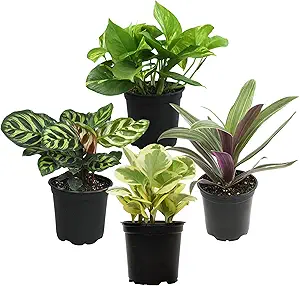 |
Josh's Frogs 12x12x24 Vivarium Plant Kit (3 Plants)

| Indoor Outdoor Usage | Indoor |
|---|---|
| Sunlight Exposure | Partial Sun |
| Soil Type | Sandy Soil |
| Moisture Needs | Moderate Watering |
This kit supplies three live plants chosen to establish a small tropical vivarium: a fern, a larger bromeliad and a vining plant. It is designed for indoor enclosures where partial sun and moderate watering are appropriate, and the plants arrive potted or bare-root in sizes meant for small tanks. The practical benefit is convenience; you get a coordinated mix that helps build humidity, shelter, and climbing structure without hunting for individual specimens. Josh's Frogs quarantines and inspects plants for pests and uses OMRI-listed treatments, which reduces the chance of introducing hitchhikers to a bioactive setup. Expect typical vivarium care: regular misting, indirect light, and planting into suitable substrate. Limitations are that exact plant varieties are not guaranteed and bromeliads may arrive bare-root, so some planting and acclimation are required. This kit is best for hobbyists who want an easy, modest starting planting for a terrarium rather than collectors seeking specific rare species.
Best for: Someone building a small to medium tropical vivarium who wants a convenient, vetted starter planting that supports humidity and natural cover without sourcing plants separately.
Less Ideal for: Collectors who need specific rare or named plant varieties or growers aiming to stock large enclosures should look for single-specimen listings instead.
- Includes a balanced mix of a fern, bromeliad and vine suited to tropical vivariums
- Plants are quarantined and checked for pests before shipping
- Arrives ready to plant with small pots or bare-root bromeliad for easy installation
- Uses only OMRI-listed treatments appropriate for bioactive enclosures
- Exact plant varieties are not guaranteed which may disappoint buyers wanting specific species
- Bromeliads shipped bare-root require extra handling and initial care
Verdict: A convenient, pet-safe starter trio that makes creating a humid, bioactive vivarium quick and straightforward.
Josh's Frogs 10 Gallon Tropical Vivarium Plant Kit

| Indoor Outdoor Usage | Indoor |
|---|---|
| Other Special Features of the Product | Pet Friendly |
| Sunlight Exposure | Full Sun |
| Soil Type | Sandy Soil |
This Josh's Frogs kit delivers six live plants selected to establish a small tropical vivarium: two tropicals, two bromeliads, one fern, and one vining plant. It is intended for indoor use in warm, humid enclosures and is marketed as pet safe and quarantine-checked to reduce pests. Typical use is planting the small nursery pots and bare-root bromeliads into substrate to create humidity-retaining foliage, climbing structure for small reptiles and amphibians, and visual cover. Notable features include OMRI-listed treatments, labeled plants (except bromeliads) and a live arrival promise for suitable temperatures. Practical benefits are immediate greenery without sourcing individual species, plants chosen to tolerate terrarium humidity, and a mix that supports both groundcover and vertical interest. Important limitations are the small pot sizes and that specific varieties are not guaranteed, so larger or display-focused vivariums may require upsizing or additional plants for fuller coverage and long-term growth.
Best for: Buyers setting up a 10-gallon tropical vivarium who want a fast, pet-safe way to add a mix of foliage for humidity control, cover, and climbing surfaces.
Less Ideal for: Collectors who need specific named varieties, display terrariums that require mature plants, or large enclosures that need denser planting should look for larger specimens or bulk options.
- Curated mix of six plants covering groundcover, vine and bromeliad niches for a balanced small vivarium
- Plants are quarantined and labeled to help avoid pests and aid planting
- Treated only with OMRI-listed products suitable for bioactive and pet enclosures
- Includes both potted and bare-root options to simplify initial planting
- Sized for a 10-gallon tropical setup so you get an immediately usable set
- Small 2–3 inch nursery pots mean plants will need repotting for long-term growth
- Specific plant varieties are not guaranteed so exact appearance may vary
Verdict: A convenient, pet-safe six-plant pack that supplies the basic foliage types needed to quickly establish a 10-gallon tropical vivarium.
LUCKYRUNES Live Moss Duo Pack for Terrariums and Reptile Habitats

| Indoor Outdoor Usage | Indoor |
|---|---|
| Other Special Features of the Product | Supports humidity, Suitable for terrariums, Grows over time, Naturally grown, Ideal for reptiles |
| Sunlight Exposure | Full Shade |
| Moisture Needs | Regular Watering |
| Number of Pieces | 2 |
This duo pack supplies two different live moss types prepared for terrarium use and small habitat projects. The moss ships dry and dormant for safe transit and revives quickly when misted or lightly soaked, making it useful for closed terrariums, bioactive reptile setups, bonsai accents, and miniature landscapes. Its natural water-holding ability helps stabilize humidity in enclosures for geckos, frogs, and other small reptiles while providing soft, realistic groundcover that grows slowly over time. Care is straightforward: keep the moss shaded, mist regularly, and maintain a humid microclimate for continued growth. Because the pieces are small and packaged flat, they are easy to position and store for short periods. Limitations are that the kit is a starter amount—best for small tanks or as accent patches—and it requires consistent humidity and low light to thrive, so it is not a set-it-and-forget-it decorative product for dry, bright rooms.
Best for: Ideal for hobbyists building closed terrariums or small bioactive reptile habitats who want live, low-maintenance groundcover that revives easily and grows over time.
Less Ideal for: Not a good fit for users who need large-area coverage, want a maintenance-free artificial look, or keep plants in bright, dry rooms where humidity cannot be maintained.
- Includes two distinct live moss varieties for contrasting texture and color
- Ships dry and revives quickly with misting to avoid rot during transit
- Helps retain moisture and stabilize humidity in closed terrariums and reptile enclosures
- Designed for indoor, low-light environments and beginner-friendly care
- Small quantity intended as starter patches rather than full coverage for larger tanks
- Needs regular misting and a shaded, humid environment to stay healthy
Verdict: A compact, easy-to-revive pair of real moss varieties that bring living groundcover and humidity support to small closed terrariums and reptile enclosures.
Tin Roof Treasure Live Terrarium Moss Assortment

| Plant or Animal Product Type | Moss |
|---|---|
| Indoor Outdoor Usage | Indoor |
| Included Components | bag |
| Material Type | Moss |
This live moss assortment is sold as a starter supply for closed terrariums and comes as a 6"×9" bag containing several types of fresh moss. It is typically used to establish groundcover, add texture, and create a natural look inside glass enclosures where humidity and low light favor moss growth. Notable features are the variety mix and lightweight packaging that make it easy to arrange patches and layer between substrate and decorative elements. In practice the moss establishes quickly in consistently humid, low-airflow conditions and helps retain moisture inside a closed system, reducing the need for frequent watering. Because it is fresh plant material, expect some initial trimming and selective placement to remove debris or stems that do not suit a tiny terrarium scene. Buyers should also plan on monitoring humidity and avoiding direct sun, since moss prefers shaded, stable environments. For hobbyists building a small closed terrarium this provides an inexpensive, ready-to-use groundcover option.
Best for: Hobbyists assembling small closed terrariums who want an easy, natural groundcover that establishes quickly and helps maintain internal humidity.
Less Ideal for: Gardeners seeking large-scale outdoor landscaping material or anyone wanting a low-maintenance, sun-exposed planting solution.
- Mixture of several live moss varieties provides natural texture and color contrast
- Sold in a ready-to-use bag sized for small terrariums and fairy gardens
- Fresh live material helps retain moisture inside closed systems, reducing watering frequency
- Lightweight and easy to position when arranging a terrarium scene
- Fresh moss may include debris or stems that need trimming before placement
- Requires consistently high humidity and low light to thrive in closed terrariums
Verdict: A convenient, mixed pack of fresh moss that makes it simple to add authentic groundcover to a closed terrarium.
Josh's Frogs White's Tree Frog Vivarium Plant Kit (3 plants) for 18x18x24 Terrarium

| Kit contents | 1 tropical, 1 vine, 1 bromeliad |
|---|---|
| Pot size | 3-4" pots (bromeliad bare root) |
| Intended terrarium | 18x18x24 (29 gallon) |
| Guarantee | Live arrival guarantee |
This kit supplies three live plants selected to establish planting layers in an 18x18x24 (29 gallon) vivarium: a tropical ground plant, a climbing vine, and a bromeliad delivered bare root. It is intended for hobbyists building a White's tree frog enclosure or similar amphibian setups where humidity and foliage cover matter. Plants arrive in small pots (3–4 inch) except the bromeliad which ships bare root, so you should expect to repot and secure the vine to supports after setup. The live arrival guarantee provides extra reassurance for buyers who prioritize reliability, and using a kit removes guesswork about compatible species for closed terrariums. Limitations are that plant sizes are small on arrival and some initial care is required to acclimate them to your substrate, lighting, and misting schedule. For maintainable, natural-looking vivaria this kit gives a straightforward starting point, but you may want to supplement with additional plants or moss if you prefer denser cover immediately.
Best for: Buyers who want a reliable, ready-made selection of compatible live plants to establish a natural planting scheme in a medium vivarium without researching individual species.
Less Ideal for: People who need instant dense foliage or larger specimen plants for immediate visual impact.
- Curated trio (tropical plant, vine, bromeliad) matched to 18x18x24 vivariums
- Live arrival guarantee reduces risk of dead plants on delivery
- Bromeliad shipped bare root for easier planting and positioning
- Small starter pots simplify potting and placement inside a terrarium
- Plants are small (3–4 inch pots) and may take weeks to reach full cover
- Requires repotting and acclimation to vivarium conditions after arrival
Verdict: A dependable starter trio of live plants tailored for 18x18x24 vivariums that minimizes selection uncertainty and comes with a live arrival guarantee.
Plants for Pets Essential Houseplant Collection, 4‑Pack (4.25" Nursery Pots)

| Indoor Outdoor Usage | Indoor, Outdoor |
|---|---|
| Other Special Features of the Product | Air Purification, Compact, Low Maintenance |
| Sunlight Exposure | Partial Sun |
| Moisture Needs | Regular Watering |
This four-pack of assorted houseplants delivers a convenient starter set for low-light indoor spaces by shipping four healthy greenhouse-grown plants in 4.25" nursery pots. The assortment includes popular, easy-care genera such as Pothos, Philodendron, Peperomia, Calathea and similar foliage plants that tolerate indirect or lower light. Typical use is to place these on shelves, desks, or bathrooms with limited sunlight and follow simple care guidance: bright indirect to partial sun and water when the soil begins to dry. Notable features are the hand-selected stock from climate-controlled greenhouses, small nursery pots for easy placement, and emphasis on low maintenance and air purification. Practical benefits include variety in foliage types for quick visual impact, minimal initial upkeep for new plant owners, and plant choices that broadly tolerate lower light. Important limitations are the small pot size which means more frequent watering and earlier repotting for long-term growth, and the exact varieties are randomized so you cannot guarantee a specific species in each pack.
Best for: Buyers who want a practical, low-effort way to add greenery to dim rooms and prefer a ready-to-place assortment that requires minimal initial care.
Less Ideal for: Collectors who need specific species or mature specimens and gardeners who want plants already planted in decorative or larger containers.
- Includes four different, easy-care houseplants that tolerate indirect and lower light
- Shipped in small 4.25" nursery pots that are easy to place around the home
- Plants are greenhouse-grown and hand-selected for health and vibrant foliage
- Promoted as low-maintenance with general air purification benefits
- Small nursery pots limit long-term growth and require repotting sooner
- Assortment is randomized so you may not receive a specific desired variety
Verdict: A convenient, low-maintenance four-pack of small houseplants that makes it easy to add tolerant foliage to low-light indoor spaces.
Choosing the Right Vivarium Plants: Key Factors to Consider
Humidity Tolerance
Vivarium environments are typically humid and often remain moist around the substrate and walls. Plants that tolerate near-constant humidity are less likely to develop fungal infections, leaf drop, or root rot. Look for species known to keep stomata functioning in saturated air and that can tolerate condensation on leaves. Humidity tolerance affects placement too; some plants handle misting and direct contact with fog better than others, allowing you to place them in front of background waterfalls or mist lines without damage.
Light Requirements
Many vivaria receive only artificial light or indirect daylight, so choosing plants that perform under low to moderate light is essential. Low-light growers maintain compact growth and stay healthy without high-intensity bulbs. Consider how much daily photoperiod you can provide and whether you will use full-spectrum LED fixtures. Light needs determine which plants you can place on the floor of the vivarium versus higher positions where light is stronger.
Growth Habit and Size
Growth habit determines how a plant occupies vertical and horizontal space inside a tank. Slow, compact growers are usually best for small enclosures because they require less pruning and do not overwhelm animals. Creeping or rooting plants can stabilize substrate but may need containment to prevent spreading. Epiphytic or clumping species are useful for mounting on backgrounds and hardscape without disturbing the substrate. Knowing mature size helps avoid surprise overcrowding that can reduce ventilation and increase humidity-related problems.
Rooting Behavior and Substrate Interaction
Some plants develop shallow, fibrous roots while others send deep, penetrating roots that can destabilize decor or clog drainage layers. Choose species with root systems compatible with your substrate layers and drainage design. Shallow-rooted plants are easier to remove and reposition, while deeper-rooted specimens provide more anchoring but can damage backgrounds or filtration troughs. Roots also affect water distribution in the substrate, influencing humidity pockets and nutrient availability.
Maintenance and Pruning Needs
Maintenance frequency impacts the health of both plants and animal inhabitants. Species that need constant trimming create more debris and stress animals when pruned, while low-maintenance plants reduce disturbance. Consider how often you can perform pruning, whether cuttings will regrow quickly, and if pruning sites heal cleanly in high humidity. Easy-to-clean plants with minimal leaf drop keep water quality more stable in vivaria housing amphibians or invertebrates.
Animal Compatibility and Safety
If the vivarium houses animals, plant safety matters. Non-toxic foliage, minimal sharp edges, and low pollen or sap production reduce the risk of harm or irritation. Some species may harbor pests or develop sticky residues that attract insects; others may drop leaves that decompose and alter water chemistry. Choose plants that tolerate contact, are easy to disinfect if necessary, and do not release harmful compounds into the enclosure environment.
Placement Strategies Inside the Vivarium
Plan plant locations based on individual light and humidity microclimates within the enclosure. Areas near background waterfalls and foggers will be wetter and favor moisture-loving species, while elevated spots and front glass areas dry out faster and suit plants that prefer moderate moisture.
Use tiered placement to create depth. Mount epiphytes and small clumpers higher on backgrounds or driftwood to keep substrate space open and provide climbing surfaces for animals. Groundcover and shallow-rooted plants work well across the substrate to reduce erosion during watering.
- Place rot-prone plants away from direct constant mist.
- Reserve bright spots for species requiring more light.
- Use polystyrene or cork mounts to elevate delicate roots.
Propagation and Establishment Techniques
Start new plants from cuttings or divisions to help them establish quickly in the humid microclimate. Use small mesh or substrate collars to keep cuttings in place until they root. In many cases, cuttings root faster in a vivarium than in dry environments because of constant humidity.
When introducing new specimens, rinse soil-free plants to remove pests and excess potting media. For potted plants, trim away large root balls and plant into a vivarium-appropriate mix rather than leaving commercial compost intact.
- Use sterile cutting tools to reduce infection risk.
- Mist cuttings lightly until roots form to avoid waterlogging.
Managing Mold, Algae, and Rot
High humidity increases the chance of mold and algae, especially on substrate and leaf surfaces. Improve airflow with low-wattage fans or timed ventilation rather than reducing humidity drastically. Remove decaying material promptly and prune inner foliage to increase light penetration and reduce stagnant pockets.
If rot appears at the base of a plant, isolate the specimen and trim away affected tissue to prevent spread. Consider replacing the affected substrate layer if mold is persistent, and examine plumbing or misting sources for over-saturation.
- Trim lower leaves that touch substrate to limit decay.
- Use activated charcoal in drainage layers to reduce odors and microbial growth.
Designing for Aesthetics and Function
Choose a mix of textures and growth forms to create a natural-looking landscape that also serves enclosure functions like cover and climbing routes. Broadleaf plants provide hiding spots, while fine-textured groundcover reduces splash and helps retain substrate structure.
Think about seasonal growth patterns. Some plants will flush growth during certain periods when light is increased. Plan for that by leaving space for expansion and by choosing species with complementary growth cycles.
- Combine epiphytes with groundcover for vertical interest.
- Use plants with slow spread in high-traffic animal zones.
Sourcing and Quarantine Best Practices
Bring all new plants into quarantine outside the main vivarium for a few weeks to watch for pests, pathogens, or hidden eggs. Quarantine makes it easier to treat issues without exposing animal inhabitants.
Inspect for snails, spider mites, scale, and fungus before planting. If treatment is needed, use methods compatible with the enclosed environment and any animals present. Rinse and repot when possible to eliminate hitchhiking pests in potting media.
- Keep a separate growing tray and lighting for quarantine.
- Treat infestations with targeted, low-toxicity solutions suited to vivarium contexts.
How We Chose the Best Vivarium Plants
We selected plants that are proven to thrive in enclosed, humid environments typical of vivaria. Primary evaluation centered on humidity tolerance and light flexibility because many vivarium setups have high moisture and limited direct light. We also assessed root and growth habits to avoid species that become invasive in small enclosures or damage backgrounds and equipment. Disease resistance and susceptibility to rot or fungal issues were important, since persistent moisture increases those risks. Ease of maintenance and pruning needs were measured to favor plants that can be managed without frequent disruptive replanting. Finally, suitability for animal inhabitants was considered, focusing on non-toxic foliage and minimal leaf drop to reduce water contamination. We excluded any species known to require long dry cycles, aggressive spreaders that overtake small terraria, or plants needing strong direct sun. Plants that are strictly aquatic rather than terrestrial or epiphytic in nature were also filtered out unless they adapt to moist, soil-based vivaria. The end result is a list of hardy, garden-proven vivarium plants that balance appearance with survivability under closed or semi-closed conditions.
FAQ
How much light do vivarium plants usually need?
It depends on the species but many vivarium plants tolerate low to moderate light. Use a full-spectrum LED with a controlled photoperiod and place higher-light species closer to the fixture. Monitor growth and adjust light duration before increasing intensity.
Can I use ordinary potting soil inside a vivarium?
Ordinary potting mixes often retain too much moisture and may compact in enclosed setups. Use a well-draining, loose mix with layers for drainage and consider adding materials like orchid bark or perlite to improve aeration and reduce rot risk.
How do I prevent mold without drying the vivarium too much?
Improve air circulation with periodic ventilation cycles or small fans and remove decaying plant material promptly. Adjust misting frequency rather than humidity setpoints and avoid spraying directly into dense foliage to reduce wet surfaces where mold thrives.
Are vivarium plants safe for amphibians and reptiles?
Many vivarium plants are safe, but safety depends on the species and any treatments they received. Select non-toxic plants and quarantine new specimens to check for pesticide residues or pests before introducing them to animal enclosures.
How often should I prune plants in a vivarium?
Pruning frequency varies by growth rate but generally every few weeks to every few months is common. Trim to control size, remove decaying material, and maintain airflow. Fast growers will need more frequent light pruning to prevent overcrowding.
What should I do if a plant starts rotting at the base?
Isolate and remove the damaged tissue, reduce nearby moisture, and improve airflow around the plant. If rot is extensive, remove the plant and inspect substrate and drainage layers for persistent saturation that might require partial replacement.
Final Verdict
Prioritize species that tolerate high humidity, modest light, and have manageable growth habits when choosing plants for a vivarium. Balance visual goals with functional needs like substrate stabilization, animal safety, and ease of maintenance. Accept tradeoffs: faster-growing plants provide cover quickly but need more pruning, while slower growers are low-maintenance but take longer to fill space. Focus on compatibility with your enclosure's microclimates and the animals you keep to make confident planting decisions.
