

Note: This article contains affiliate links. If you click on these links and make a purchase, I may earn a small commission at no extra cost to you. This helps support my research and content. Read my full affiliate disclosure here.
Picking the right shrub for a sunny container changes how a patio, balcony, or entry feels through the seasons. In full sun, container shrubs face heat, reflected light from hard surfaces, and limited root volume, so choices that tolerate drought, resist sun scorch, and stay compact matter more than sheer hardiness zones alone. This guide shortlists the top container-friendly shrubs suited to sustained bright sun and explains the traits that make them reliable in pots. We evaluate candidates for sun tolerance, container vigor, and seasonal interest to help you choose a shrub that will thrive in a confined, hot location.
Top Picks at a Glance
| Best Overall The best all-around choice for most situations | Proven Winners Blue Chiffon Hibiscus (2 gal) |  |
| Best Quality Built to a higher standard if you want something more solid | Proven Winners White Pillar Rose of Sharon (2 Gal.) |  |
| Best Budget The cheapest option that still gets the job done reliably | Dwarf Allamanda (2-Pack) — Compact Golden Yellow Shrub for Containers |  |
| Highest Rated A top-rated pick with lots of positive feedback | Proven Winners Sprinter Boxwood Live Evergreen Shrub, 3 Gallon |  |
| Most Popular A crowd favorite that many people choose with confidence | Southern Living Obsession Nandina Shrub (2 Gal) |  |
| Best Seller A high-volume bestseller chosen again and again | Dwarf Alberta Spruce (1 Gallon) — Conical Evergreen Shrub |  |
Proven Winners Blue Chiffon Hibiscus (2 gal)

| Indoor Outdoor Usage | Outdoor |
|---|---|
| Expected Blooming Period | Spring to Fall |
| Sunlight Exposure | Full sun to partial shade |
| USDA Hardiness Zone | 5, 6, 7, 8, 9 |
| Moisture Needs | Regular Watering |
The Blue Chiffon Proven Winners hibiscus is a flowering shrub that delivers bold, late-summer to fall blooms and can be grown in a 2-gallon container for use on patios or terraces. It performs best in full sun to part shade and prefers regular watering and well-draining garden soils. Typical uses include container accents, focal points in mixed perennial pots, or a single statement shrub near seating areas where its large, lacy blue flowers can be enjoyed. Notable features are its extended bloom period from spring through fall, adaptability to a wide range of soil types, and suitability for USDA zones 5–9. Practical benefits for container gardeners are strong visual impact, repeat flowering over several months, and hardy behavior for colder-zone gardeners when overwintered properly. Important limitations are its mature size—tall, upright growth may require pruning or a large, sturdy pot and regular watering in containers, and it will lose foliage in winter in colder climates. Expect to fertilize in early spring and mulch for best container performance.
Best for: Gardeners who want a high-impact flowering shrub in a container and prioritize long season blooms and reliable performance across cooler to warm climates.
Less Ideal for: Those who need a very compact, low-maintenance patio plant or who cannot provide regular watering and seasonal pruning for large container shrubs.
- Strong, long bloom period from spring through fall for prolonged color
- Works in a 2-gallon container for patio or deck use
- Adaptable to a wide range of soil types and performs in USDA zones 5–9
- Mature height can be very tall for containers and may need regular pruning or staking
- Requires consistent watering and feeding when grown in pots
Verdict: Choose this hibiscus when you want a container shrub that delivers dramatic, long-lasting blue blooms and dependable performance across USDA zones 5–9.
Proven Winners White Pillar Rose of Sharon (2 Gal.)

| Indoor Outdoor Usage | Outdoor |
|---|---|
| Expected Blooming Period | Spring to Fall |
| Sunlight Exposure | Full sun to partial shade |
| USDA Hardiness Zone | 5, 6, 7, 8, 9 |
| Moisture Needs | Regular Watering |
The Proven Winners White Pillar Rose of Sharon is a space-saving, columnar hibiscus well suited to containers or tight landscape spots where vertical interest is desired. It blooms from spring through fall with pure white semi-double flowers and remains deciduous, dropping foliage in winter and re-leafing in spring. Typical use is in a large container, next to an entryway, or as a specimen where height is wanted without wide spread; the plant is often shipped dormant and arrives trimmed for easier planting. Notable features include its naturally narrow habit that reduces footprint, suitability for USDA zones 5 to 9, and tolerance of full sun to partial shade. Practical benefits are dramatic summer blooms, easy placement in constrained spots, and straightforward care instructions like regular watering, mulching, and spring fertilization. Limitations to consider are its eventual height — it can reach 10 to 16 feet tall at maturity so a sufficiently large, stable container and regular pruning are necessary, and it prefers sandy, well-draining soil and consistent moisture to perform well.
Best for: Gardeners who want a high-impact, vertical flowering shrub for a sunny container or narrow spot and who plan to manage height with pruning or a large stable pot.
Less Ideal for: Gardeners seeking a low-growing, maintenance-free container plant or those who cannot provide regular watering and well-draining soil.
- Narrow, columnar growth habit saves horizontal space in containers or small beds
- Produces showy white semi-double blooms from spring through fall
- Adapted to USDA zones 5–9 and tolerates full sun to partial shade
- Shipped trimmed and often arrives dormant for easier planting and establishment
- Can reach 10–16 feet tall at maturity, requiring a large, stable container and periodic pruning
- Prefers sandy, well-draining soil and regular watering, so it is less forgiving in heavy clay or drought-prone containers
Verdict: Choose this compact-column hibiscus when you want dramatic, long-season white blooms in a sunny container without sacrificing yard space.
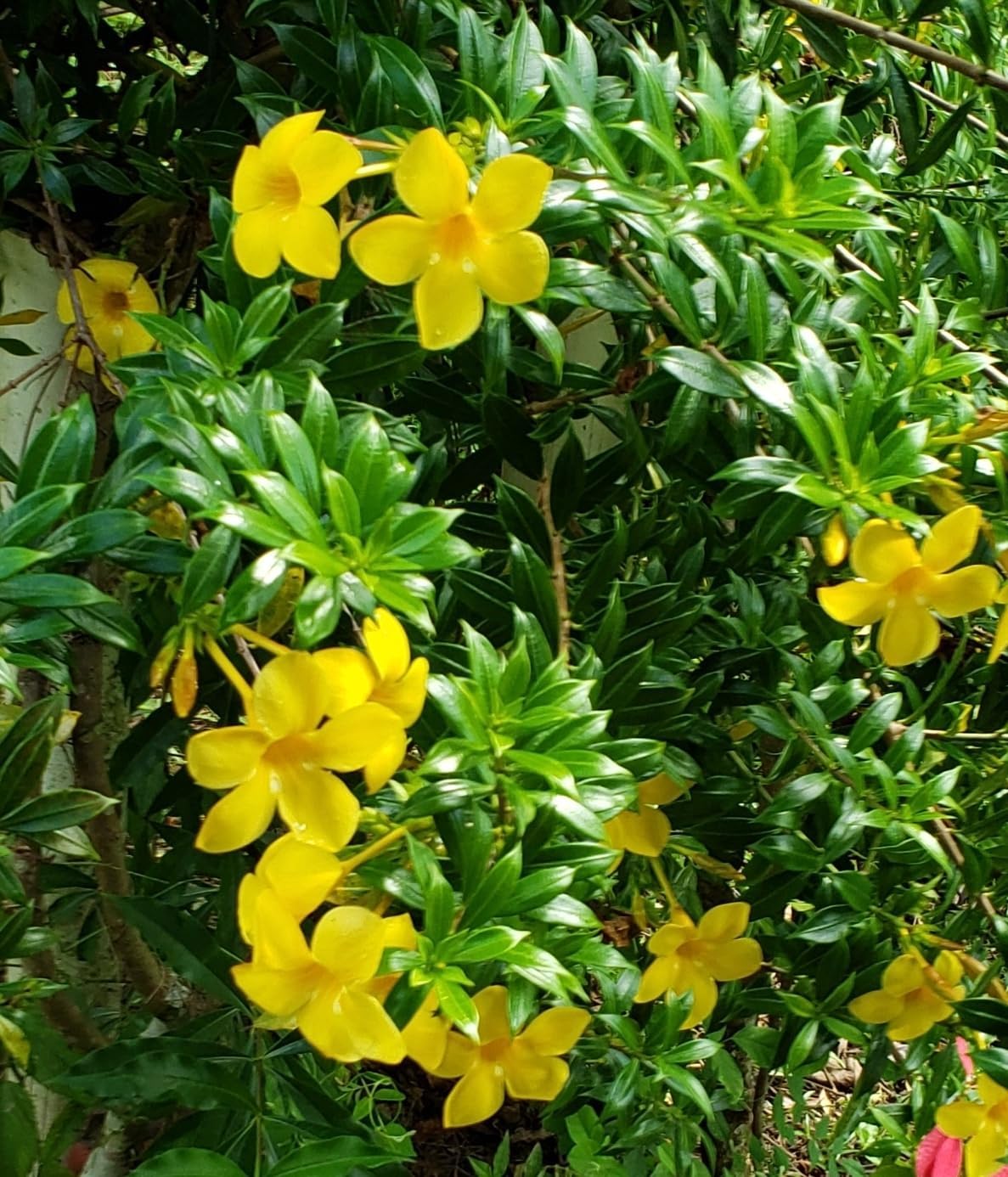
Dwarf Allamanda (2-Pack) — Compact Golden Yellow Shrub for Containers
| Indoor Outdoor Usage | Outdoor |
|---|---|
| Sunlight Exposure | Full Sun |
| USDA Hardiness Zone | 9-11 |
| Expected Blooming Period | Summer |
| Soil Type | Potting mix, Sandy soil (Must be well-draining) |
The Dwarf Allamanda arrives as two 5–9 inch nursery-grown starters meant for containers, small beds, or patios where space is limited. This shrubby form keeps the showy yellow trumpet flowers of standard Allamanda but stays tidy instead of sprawling, so it is typically potted in well-draining potting mix and placed in a sunny spot to maximize blooms. It is low-maintenance once established, tolerates regular watering needs, and attracts butterflies, making it an easy way to add tropical color to a sunny container display. Its hardiness in USDA zones 9–11 means it will perform best as a perennial in warm climates and as an annual where winters are colder. Practical limitations are climate sensitivity to frost and the need for full sun and well-draining soil to avoid root problems; gardeners outside the recommended zones should treat it as a seasonal container plant or bring it indoors during cold snaps. The two-plant pack gives quick visual impact for small outdoor spaces without demanding much pruning or care.
Best for: Buyers looking for an inexpensive way to add bright, tropical color to sunny containers or small patios who prefer low-maintenance, space-efficient shrubs.
Less Ideal for: Gardeners in cold climates who need year-round outdoor shrubs or those seeking plants that tolerate deep shade should consider other species.
- Compact, shrubby habit suited to pots and small gardens
- Produces large golden trumpet flowers that attract butterflies
- Sold as two starter plants for quicker coverage in containers
- Low maintenance once established with minimal pruning needed
- Not frost-hardy outside USDA zones 9–11 so requires seasonal protection or indoor overwintering
- Requires full sun and well-draining soil to bloom well and avoid root issues
Verdict: A budget-friendly two-pack that gives compact, butterfly-attracting tropical color in sunny containers with minimal upkeep.
Proven Winners Sprinter Boxwood Live Evergreen Shrub, 3 Gallon

| Sunlight Exposure | Full Sun |
|---|---|
| Expected Blooming Period | Winter |
| Moisture Needs | Moderate Watering |
| Expected Planting Period | Winter |
| Plant or Animal Product Type | Shrub & Hedge |
Proven Winners Sprinter Boxwood is a nursery-grown Buxus microphylla cultivar intended to establish quickly and provide dense evergreen structure. It is typically used as a low hedge, foundation planting, or small formal accent where year-round green foliage is desired. Notable features include vigorous, fast-filling growth and a naturally compact, rounded habit that responds well to light pruning for clean edges or clipped shapes. The plant ships established in a 3-gallon container and is suited to USDA Zones 5–9, performing best in full sun to partial shade with moist, well-drained soil. Practical benefits are dependable four-season color, relatively quick privacy screening compared with slower boxwoods, and versatility in both small and larger landscape beds. Important limitations are that it is intended as an outdoor landscape shrub rather than a true container plant for narrow window boxes, and it requires appropriate winter hardiness and site drainage to perform as promised. Placement and ongoing watering are important to ensure the fast establishment the cultivar promises.
Best for: Homeowners wanting a low-maintenance, dependable evergreen for easy-to-establish hedging, borders, or small landscape accents who prioritize predictable year-round structure and reliable performance.
Less Ideal for: Gardeners who need compact plants specifically sized for narrow window boxes or who want a flowering annual for seasonal color rather than a permanent evergreen shrub.
- Fast-establishing cultivar that fills in more quickly than traditional boxwoods
- Dense, glossy evergreen foliage provides year-round structure and color
- Professionally nursery-grown and shipped in a 3-gallon container for strong root development
- Performs across USDA Zones 5–9 and tolerates full sun to partial shade
- Not optimized for narrow or very small window boxes since it grows into a 2–4 foot shrub
- Requires consistent moisture and well-drained soil to avoid stress in some sites
Verdict: Choose Sprinter Boxwood when you need a reliably fast-establishing evergreen that delivers year-round structure and fills in quickly for hedges and landscape accents.
Southern Living Obsession Nandina Shrub (2 Gal)

| Sunlight Exposure | Full Sun to Part Shade |
|---|---|
| USDA Hardiness Zone | 6, 7, 8, 9, 10 |
| Moisture Needs | Moderate Watering |
| Expected Planting Period | Year Round |
The Southern Living Obsession Nandina is a 2-gallon evergreen shrub prized for intense red foliage that holds color through much of the year. It is marketed for outdoor beds and containers, and performs in full sun to part shade across USDA zones 6 to 10. Typical use is as an accent in mixed borders, a colorful container specimen on a patio, or a low hedge where a 3- to 4-foot mature height is acceptable. Practical benefits include low maintenance, deer resistance, and moderate water needs once established; the plant is described as organic and suited to loam soils with well-drained conditions. Limitations to consider are that it does not produce notable blossoms and requires routine watering while establishing; it will also reach about 48 inches, so plan placement or pruning accordingly. For container use, choose a generous pot and monitor soil moisture to keep foliage vibrant in hot, sunny sites.
Best for: Gardeners who want a low-maintenance, colorful evergreen for patio containers or small landscape accents and value year-round foliage interest.
Less Ideal for: People seeking a showy flowering shrub or those who need a very small dwarf variety for tight spaces should consider other options.
- Bright red evergreen foliage provides season-long color
- Suitable for containers or landscape beds thanks to compact mature size
- Tolerates full sun to part shade across USDA zones 6–10
- Low maintenance and described as deer resistant
- Does not produce significant blossoms for floral interest
- Requires consistent watering until established
Verdict: Choose this nandina when you want an easy-care, brightly colored evergreen that performs well in pots and small garden settings.
Dwarf Alberta Spruce (1 Gallon) — Conical Evergreen Shrub

| Sunlight Exposure | Full sun to partial shade |
|---|---|
| USDA Hardiness Zone | 2, 3, 4, 5, 6, 7, 8 |
| Moisture Needs | Moderate Watering |
| Indoor Outdoor Usage | Outdoor |
The Dwarf Alberta Spruce is a slow-growing, conical evergreen commonly used as a container specimen or small landscape accent. In practice it is planted in pots or garden beds where its dense, soft needles form a tidy, formal shape without frequent pruning. It prefers full sun to partial shade and tolerates a wide range of USDA zones, giving reliable year-round interest. Notable features are its dwarf habit that keeps mature height manageable and its suitability for containers or topiary work. Care is straightforward: water moderately, plant slightly above pot soil level with mulch, and fertilize in early spring. Expect 4 to 8 feet of height at maturity over several years, so plan pot size and placement accordingly. Limitations are its slow growth if you need immediate screening and the need to monitor watering in containers because moderate moisture needs can mean more frequent watering than permanent in-ground plantings. For gardeners wanting a low-maintenance evergreen focal point in a pot, it performs well; those needing rapid privacy hedging should look elsewhere.
Best for: Practical gardeners who want a low-maintenance evergreen focal point for pots or small landscapes and value year-round structure over fast growth.
Less Ideal for: People who need fast privacy hedging or instant tall screening or those unwilling to water containers regularly during dry periods.
- Compact conical form that works well as a container specimen or topiary
- Evergreen year-round interest suitable for seasonal décor
- Wide USDA zone tolerance (zones 2–8) for many climates
- Low maintenance once established with simple watering and spring fertilizing
- Slow to reach mature size, so it does not provide quick screening
- Container plantings require frequent monitoring of soil moisture
Verdict: A compact, low-maintenance evergreen that delivers year-round container interest and formal shape for gardeners who prioritize reliable structure over rapid growth.
Choosing the Right Shrubs for Containers in Full Sun: Key Factors to Consider
Sun and Heat Tolerance
Plants in full sun containers must tolerate sustained direct light and periods of reflected heat from paving or siding. Heat tolerance affects leaf scorch, flower set, and overall vigor. Choose shrubs known to keep foliage intact and bloom under bright conditions rather than those that drop leaves or fail to flower when exposed to intense light.
Sun-loving shrubs may still need some protection on the hottest afternoons in very warm climates, but selecting varieties with proven high light tolerance reduces irrigation demands and avoids frequent replacement.
Container Vigor and Mature Size
A shrub's eventual size and growth habit determine how well it fits a pot without becoming rootbound or top-heavy. Compact, naturally slow-growing types or those that respond well to pruning make better container subjects. Consider spread, height, and branching density relative to pot diameter and depth.
Plants that quickly outgrow their containers require more frequent repotting or aggressive root pruning, which raises maintenance time. Pick shrubs that maintain an attractive scale without constant intervention.
Drought Resistance and Water Needs
Potted soil dries faster than garden beds, so drought-resistant shrubs are easier to keep in full sun. Look for species with lower water needs, deep or efficient root systems, or sclerophyllous leaves that reduce transpiration. Drought resistance influences how often you will water, how large the container should be to buffer moisture loss, and whether a mulch layer or water-retentive soil mix is necessary.
Even drought-tolerant shrubs need consistent moisture while establishing, but once settled they should tolerate occasional skipped waterings without severe stress.
Soil and Drainage Requirements
Good drainage is essential in containers to prevent root rot, especially in hot sun where evaporation concentrates salts. Choose shrubs that adapt to the weight and porosity of container mixes rather than those that demand heavy, moisture-retentive ground soil. A fast-draining potting medium with organic matter helps balance moisture retention and aeration.
Consider whether the shrub tolerates slightly alkaline or acidic mixes common in potting media, and whether it benefits from periodic feeding since nutrients leach faster from containers.
Seasonal Interest and Bloom Cycle
A strong container shrub contributes structure and color over multiple seasons. Evaluate whether a plant offers spring or summer flowers, autumn color, interesting winter silhouette, or evergreen presence. Seasonal interest affects how the container arrangement reads across the year and whether the shrub pulls double duty as focal point and screening element.
Choose shrubs that align with your desired visual calendar, for example a summer-blooming specimen for seasonal color or an evergreen for year-round backbone.
Maintenance Needs and Hardiness in Pots
Maintenance for container shrubs includes pruning, feeding, pest checks, and winter care if relevant. Some shrubs require regular deadheading or shaping to keep tidy, while others are lower maintenance. Consider cold-hardiness in conjunction with container exposure; pots freeze more readily than soil, so select shrubs whose hardiness aligns with container placement and your winter protection plans.
Factor in how often you can repot or refresh soil and whether you prefer routine tasks like light pruning over intensive seasonal work.
Choosing the Right Container and Soil Mix
Container size and material influence root temperature, moisture retention, and stability in full sun. Larger containers buffer moisture loss and heat better than small pots. Clay pots breathe but dry faster, while lighter plastic or composite pots retain moisture longer and weigh less for easier movement.
Use a fast-draining potting mix amended with organic matter and a moisture-retention component like coir or composted bark. Add a layer of coarse drainage at the bottom only if your potting mix is heavy; otherwise prioritize a uniform, airy mix. Match container size to the shrub's expected root ball to reduce the need for frequent repotting.
- Choose containers at least one size larger than a nursery pot for establishing shrubs
- Avoid deep, narrow pots for broad-rooted shrubs; prefer squat, roomy containers
- Consider saucers or drip trays to protect decking, but ensure excess water drains away
Irrigation Strategies for Sunny Containers
Sun-exposed containers dry quickly and need a consistent watering plan. Water deeply until excess drains, rather than frequent shallow misting, to encourage roots to explore the full container volume. Morning watering reduces overnight wetness that can invite disease and gives plants the moisture they need for the heat of the day.
Mulch the top inch of the soil with coarse organic material to reduce evaporation and moderate surface temperature. Use drip irrigation or self-watering inserts for busy gardeners, but monitor soil moisture regularly because system settings may need adjustment in intense sun.
- Water until water flows from drainage holes to ensure full-soil wetting
- Check soil moisture by finger test or probe rather than relying solely on a schedule
- Increase watering frequency during heat waves and reduce it in cool, cloudy periods
Pruning and Size Management for Containers
Regular pruning keeps container shrubs within scale and promotes denser branching. Light shaping after flowering prevents legginess and helps maintain a pleasing silhouette. Remove dead or weak wood to improve airflow and reduce pest pressure in tight container situations.
Root pruning every few years and refreshing the topsoil helps maintain vigor without moving to a larger container. When repotting, trim up to one-third of the root mass for established shrubs to keep growth under control and encourage new feeder roots within the pot.
- Time pruning to the shrub's flowering cycle when possible
- Perform root pruning during repotting to prevent pot-bound stress
- Use clean, sharp tools to make precise cuts and reduce disease risk
Placement and Microclimate Considerations
Full sun does not mean identical conditions everywhere. South- and west-facing walls may reflect heat and create hotter microclimates than open sites. Position containers where the shrub receives the intended light but gains some protection from afternoon blast if you are in a very hot region.
Consider using a light-colored background or a shade sail to lower reflected heat, and group pots to create mutual shade for the root zone. Mobility matters: choose lightweight containers or place plants on wheeled stands if you plan to move them into shade during heat waves or winters.
- Avoid placing pots directly on hot pavement for long periods
- Group containers to create a microclimate and reduce transpirational stress
- Rotate containers occasionally so all sides receive even light
Designing Container Combinations with Shrubs
A container shrub can be the anchor of a mixed planting that includes low groundcover, trailing foliage, or annual color. Scale is crucial: select companions that will not overwhelm the shrub or compete aggressively for water in the same pot.
Use complementary textures and staggered bloom times to extend visual interest. Plant lower water-use companions with similarly drought-tolerant shrubs to avoid mismatched irrigation requirements.
- Combine shrubs with low-growing succulents or grasses for varied texture
- Avoid water-hungry bedding plants in the same container as drought-tolerant shrubs
- Choose a single focal shrub per large pot rather than multiple aggressive shrubs
How We Chose the Best Shrubs for Containers in Full Sun
We shortlisted shrubs that reliably perform in containers placed in sustained full sun by applying garden-tested, practical filters. Key evaluation criteria included sun tolerance and heat resistance, because direct bright light and reflected heat are the primary stresses for potted shrubs. We also scored growth habit and ultimate size so selections remain proportionate to typical container volumes and avoid frequent root pruning. Drought tolerance and water-use efficiency were measured, focusing on plants that survive reduced soil moisture between irrigations. Seasonal interest and structural value were considered to ensure bloom, foliage contrast, or evergreen presence across months. Finally, disease and pest resilience in hot, dry microclimates was assessed to favor low-maintenance choices. Plants with a known need for deep, consistently moist ground soil or those that grow overwhelmingly large for containers were excluded. We did not include shrubs that require heavy winter protection in mild container locations. Our filters favored species and cultivars that are manageable in pot culture and that translate well to the typical care routines of container gardeners.
FAQ
How often should I water shrubs in full sun containers?
It often depends on container size and weather, but generally water deeply when the top inch of soil is dry. During hot spells you may need daily checks and more frequent watering; larger pots reduce the frequency compared with small ones.
Can I grow evergreen shrubs in containers placed in full sun?
Yes, many evergreen shrubs adapt well to sunny containers, offering year-round structure. Ensure the species tolerates the site heat and that you provide enough winter protection where pots can freeze more than ground soil.
Do container shrubs need different fertilizer than garden shrubs?
Containers leach nutrients faster, so regular feeding is usually necessary. Use a balanced, slow-release fertilizer or periodic liquid feed during the growing season to maintain vigor and flowering.
How big should a container be for a shrub in full sun?
Choose a pot that gives ample root room for the shrub's root ball plus some extra space for growth. A larger container moderates heat and moisture swings, so when in doubt pick a bigger, stable pot rather than a marginally sized one.
Will shrubs in containers survive heat waves?
Many sun-tolerant shrubs will survive heat waves if watered well and mulched, but extreme or prolonged heat can stress plants. Temporary shading, increased watering, and moving pots into cooler microclimates help during peak heat.
How often should I repot a shrub grown in a container?
Repotting frequency depends on growth rate and container size; typically every 2 to 4 years for actively growing shrubs. Refreshing the topsoil annually and performing root pruning during repotting keeps plants healthy without upsizing too soon.
Final Verdict
For containers in full sun, prioritize shrubs that combine high light tolerance with compact or controllable growth. Balance drought resistance and seasonal interest so your potted planting remains attractive through heat and dry spells. Accept tradeoffs between low-maintenance evergreen structure and shrubs that reward you with dramatic seasonal blooms; choose based on how much pruning, watering, and annual care you want to commit to. With the right container, soil mix, and placement, a sun-loving shrub can be a long-lived, low-fuss focal point on a sunny patio.
