

Note: This article contains affiliate links. If you click on these links and make a purchase, I may earn a small commission at no extra cost to you. This helps support my research and content. Read my full affiliate disclosure here.
If your deck bakes in midday sun, choosing plants that tolerate heat and bright light matters more than sheer prettiness. The right selections will keep containers looking lively through hot spells, limit constant watering, and avoid afternoon collapse. This guide shortlists seven top options suited specifically for full sun deck conditions, focusing on how they perform in containers, how often they need attention, and how much seasonal color they provide. Below you will find the top picks and a clear set of decision factors gardeners use to match plants to deck microclimates and maintenance plans.
Top Picks at a Glance
| Best Overall The best all-around choice for most situations | Southern Living Obsession Nandina Shrub (2 Gal) |  |
| Best Quality Built to a higher standard if you want something more solid | Proven Winners Purple Pillar Rose of Sharon Hibiscus 2 Gal Shrub |  |
| Best Value The sweet spot between price and what you get | Perfect Plants Sweet Drift Rose Live Plant (1 Gallon) |  |
| Best Budget The cheapest option that still gets the job done reliably | SPROUTARAQ Morning Glory Seeds (Dark Red/Dark Purple) |  |
| Highest Rated A top-rated pick with lots of positive feedback | Perfect Plants Podocarpus Maki Live Plant (1 Gallon) |  |
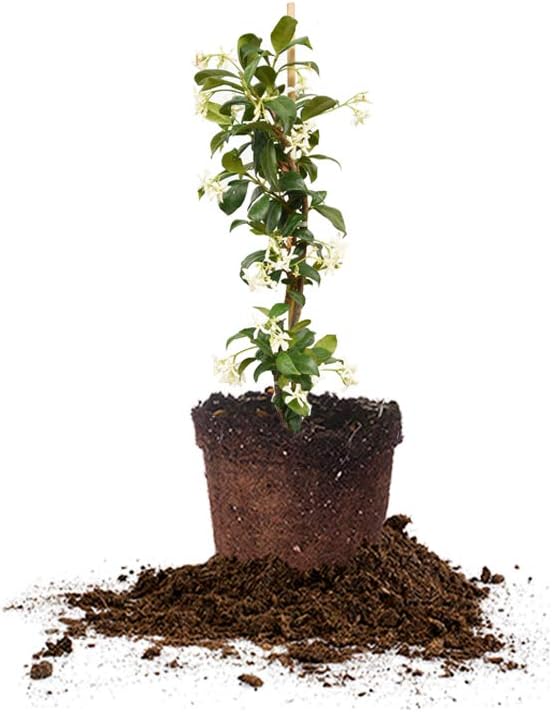
| Most Popular A crowd favorite that many people choose with confidence | Perfect Plants Confederate Jasmine Live Plant, 1 Gallon |  |
| Best Seller A high-volume bestseller chosen again and again | KVITER Mix Moss Rose (Portulaca grandiflora) Heirloom Flower Seeds — Double Moss Rose Mix |  |
Southern Living Obsession Nandina Shrub (2 Gal)

| Sunlight Exposure | Full Sun to Part Shade |
|---|---|
| USDA Hardiness Zone | 6, 7, 8, 9, 10 |
| Moisture Needs | Moderate Watering |
| Expected Planting Period | Year Round |
The Southern Living Obsession Nandina is a 2-gallon evergreen shrub prized for intense red foliage that holds color through much of the year. It is marketed for outdoor beds and containers, and performs in full sun to part shade across USDA zones 6 to 10. Typical use is as an accent in mixed borders, a colorful container specimen on a patio, or a low hedge where a 3- to 4-foot mature height is acceptable. Practical benefits include low maintenance, deer resistance, and moderate water needs once established; the plant is described as organic and suited to loam soils with well-drained conditions. Limitations to consider are that it does not produce notable blossoms and requires routine watering while establishing; it will also reach about 48 inches, so plan placement or pruning accordingly. For container use, choose a generous pot and monitor soil moisture to keep foliage vibrant in hot, sunny sites.
Best for: Gardeners who want a low-maintenance, colorful evergreen for patio containers or small landscape accents and value year-round foliage interest.
Less Ideal for: People seeking a showy flowering shrub or those who need a very small dwarf variety for tight spaces should consider other options.
- Bright red evergreen foliage provides season-long color
- Suitable for containers or landscape beds thanks to compact mature size
- Tolerates full sun to part shade across USDA zones 6–10
- Low maintenance and described as deer resistant
- Does not produce significant blossoms for floral interest
- Requires consistent watering until established
Verdict: Choose this nandina when you want an easy-care, brightly colored evergreen that performs well in pots and small garden settings.
Proven Winners Purple Pillar Rose of Sharon Hibiscus 2 Gal Shrub

| Sunlight Exposure | Full sun to partial shade |
|---|---|
| USDA Hardiness Zone | 5, 6, 7, 8, 9 |
| Expected Blooming Period | Spring to Fall |
| Moisture Needs | Regular Watering |
| Plant or Animal Product Type | Shrub & Hedge |
The Proven Winners Purple Pillar is a columnar Rose of Sharon hibiscus marketed as a space-saving flowering shrub for outdoor containers and landscapes. It produces purple blooms along upright stems from spring through fall and is intended for full sun to partial shade in USDA zones 5 through 9. Its narrow, vertical habit makes it well suited to tight spots such as flanking an entryway, a patio container, or a narrow border where a tall accent or privacy element is needed. Care is straightforward: plant in well-draining sandy soil, water regularly during establishment, mulch, and fertilize in early spring. The plant ships dormant in winter to early spring and arrives trimmed to encourage healthy growth. Limits to consider are its tall mature height, which requires planning for overhead space, and the need for consistent moisture in hotter sites. For use in pots, regular watering and an appropriately large container are necessary to support its vertical habit and extended bloom period.
Best for: Gardeners who need a high-impact flowering plant for narrow spaces, patios, or containers and prioritize season-long blooms and vertical structure over wide spread.
Less Ideal for: Those seeking a compact, low-height shrub for small-scale groundcover or people who prefer plants that tolerate prolonged drought without extra watering.
- Columnar growth habit saves horizontal space while providing tall floral impact
- Long bloom period from spring through fall for extended seasonal color
- Suitable for full sun to partial shade and USDA zones 5–9 for broad climate adaptability
- Low maintenance cultural needs with simple planting and seasonal fertilizing
- Very tall mature height requires planning for overhead clearance
- Needs consistent watering when grown in containers or hot sites
Verdict: Choose this narrow, tall hibiscus when you want a container-friendly, space-saving plant that delivers long-lasting purple blooms in full sun.
Perfect Plants Sweet Drift Rose Live Plant (1 Gallon)

| Indoor Outdoor Usage | Outdoor |
|---|---|
| Sunlight Exposure | Full Sun |
| USDA Hardiness Zone | 10, 5, 6, 7, 8, 9 |
| Moisture Needs | Moderate Watering |
The Sweet Drift Rose is a compact, groundcover-style rose sold as a 1-gallon live plant that produces baby-pink blooms across the growing season. It is typically planted in full-sun locations on decks, borders, or in massed groups to create continuous low-height color. Notable features include disease resistance, low maintenance needs, and tolerance to a wide range of hardiness zones, which makes it suitable for both novice and experienced gardeners. The plant ships with easy-to-use plant food and a care guide and prefers well-drained, slightly acidic soil and regular watering. Practical benefits for deck planting are its modest mature height and spreading habit that fill gaps without overwhelming railing planters or low containers. Limitations are that it requires full sun to perform best and benefits from occasional pruning and feeding to keep blooms consistent; it also does not ship to some states. For buyers wanting a reliable, low-profile flowering rose for sunny deck locations, this variety delivers predictable color with minimal fuss.
Best for: Gardeners who want a low-maintenance, flowering groundcover for sunny decks and borders and prefer plants that reliably rebloom with minimal hands-on care.
Less Ideal for: People with heavily shaded decks or those seeking tall specimen roses or container-only varieties that tolerate little sun exposure.
- Disease resistant variety that reduces time spent on fungicide or intensive care
- Low, spreading growth habit works well as a groundcover or to fill gaps near deck edges
- Performs across a wide range of USDA zones, offering winter tolerance for many climates
- Ships with plant food and a care guide to simplify establishment for beginners
- Performs best in full sun so it is not suited to shaded deck spots
- Requires well-drained, slightly acidic soil and regular watering to thrive
Verdict: A hardy, low-growing rose that delivers repeated baby-pink blooms in full sun with minimal maintenance, ideal for bright deck plantings.
SPROUTARAQ Morning Glory Seeds (Dark Red/Dark Purple)

| Indoor Outdoor Usage | Outdoor |
|---|---|
| Expected Blooming Period | Summer to Fall |
| Sunlight Exposure | Full Sun |
| Expected Planting Period | Spring |
| Moisture Needs | Regular Watering |
These morning glory seeds grow vigorous climbing annuals that suit a whiskey barrel planter where you want fast vertical coverage and bold summer to fall blooms. Sow in spring in a sunny spot and provide a trellis or stake; the plants reach up to about 6–10 feet and quickly fill vertical space while flowering through warm months. The listing highlights full sun preference, regular watering, and sandy, well draining soil which matches typical morning glory needs, and the pack contains multiple seeds for repeated sowing or filling several barrels. Because they are annuals, expect a season of heavy flowering rather than permanent structure, and you will need to manage self-seeding and thinning if you prefer tidier growth. These seeds are presented in a small-count packet, so you may need multiple packets to densely cover larger planters or multiple barrels. For gardeners seeking an inexpensive, fast, flowering climber for container displays, these deliver strong visual impact with straightforward care.
Best for: Buyers who want an inexpensive, fast-blooming climber to quickly add vertical color to a whiskey barrel planter and who prefer easy, low-effort annuals.
Less Ideal for: Gardeners seeking permanent perennial structure or exact control over self-seeding and spread should choose more long-lived or clump-forming plants instead.
- Fast-growing climber ideal for vertical coverage in containers
- Produces abundant summer to fall flowers for strong seasonal impact
- Suitable for full sun locations common for barrel planters
- Annual habit means plants need replanting each year
- Packet unit count is small so multiple packets may be required for larger displays
Verdict: An affordable, fast-growing annual vine that quickly provides bold seasonal color and vertical coverage for whiskey barrel planters.
Perfect Plants Podocarpus Maki Live Plant (1 Gallon)

| Indoor Outdoor Usage | Outdoor |
|---|---|
| Other Special Features of the Product | Deer Resistant, Low Maintenance, Pest Resistant, Rabbit Resistant |
| Sunlight Exposure | Full Sun |
| USDA Hardiness Zone | 10, 6, 7, 8, 9 |
| Moisture Needs | Moderate Watering |
This 1-gallon Podocarpus Maki (Japanese Yew) arrives as a young, upright evergreen that is commonly used for narrow hedges, privacy screens, foundation plantings, or grown in large containers. It establishes in full sun to partial shade and prefers well-draining loam with moderate watering; once established it shows good drought tolerance and strong pest and deer resistance. The plant’s columnar habit and glossy foliage deliver a polished, low-pruning look, making it easy to maintain as a container specimen where vertical structure is wanted. Practical limitations are its climate range and shipping restrictions — it is intended for USDA zones that overlap with warmer temperate areas and cannot be shipped to some states — and a 1-gallon size means you should expect a couple of seasons of growth before it becomes a substantial screen in a container. For reliable, low-maintenance vertical greenery in a patio pot, Podocarpus Maki is a solid, long-lived choice provided you match it to the correct zone and container size.
Best for: Buyers who want a dependable, low-maintenance evergreen for a patio pot or narrow container screen and who prioritize long-term reliability over immediate size.
Less Ideal for: Gardeners seeking an instant, full-height privacy screen or those outside the plant’s suitable hardiness zones should consider larger specimens or different species.
- Upright, columnar growth suits narrow containers and formal screening
- Low maintenance once established with minimal pruning needed
- Resistant to deer, rabbits, and common pests which reduces ongoing care
- Tolerates drought after establishment and handles urban pollution well
- 1-gallon size is small so noticeable height and density require multiple seasons to develop
- Not suitable for colder zones outside its USDA hardiness range
Verdict: A dependable, low-maintenance columnar evergreen that works well in containers for reliable vertical structure over time.
Perfect Plants Confederate Jasmine Live Plant, 1 Gallon
| Indoor Outdoor Usage | Outdoor |
|---|---|
| Other Special Features of the Product | Fragrant |
| Expected Blooming Period | Summer, Spring |
| Sunlight Exposure | Full Sun, Partial Shade |
| USDA Hardiness Zone | 4 |
This 1-gallon Confederate jasmine arrives as a young vine that quickly establishes in sunny spots and rewards with heavily scented, pale pinwheel flowers in spring and summer. Growers typically train it on a trellis, fence, hanging basket with support, or along railings; the vine is noted for cascading lime-green foliage and responds well to light shaping with clips or garden wire. Notable features from the listing include suitability for full sun to partial shade, moderate watering needs, and USDA hardiness to zone 4, which means it can persist in a wide range of climates when planted in appropriate sites. As a live plant it is straightforward to plant in loam-based soils and is described as easy to grow and maintain. Limitations to consider are that this is a young, single-plant offering so it will take time to reach its mature height and spread, and it requires support and periodic pruning to control vigor if used in baskets or confined containers. Also it does not ship to certain states according to the product notes.
Best for: Buyers who want an easy-care, fragrant climbing vine to add scent and cascading foliage to sunny baskets or supported containers and who value proven plant performance backed by customer feedback.
Less Ideal for: Gardeners seeking an instant full basket display or a no-maintenance groundcover should look elsewhere, as this vine needs time, training, and occasional pruning to fill space.
- Fragrant spring and summer blooms that add strong scent to outdoor spaces
- Tolerates full sun to partial shade making placement flexible
- Described as easy to grow which suits novice gardeners
- Hardy to USDA zone 4 so adaptable across many climates
- Sold as a single 1-gallon plant so it needs time and space to reach full coverage
- Requires a trellis or support and pruning to train and control growth
Verdict: A fragrant, easy-to-grow jasmine vine ideal for gardeners who want a proven, sun-tolerant climber to add scent and cascading foliage to hanging baskets and supported containers.
KVITER Mix Moss Rose (Portulaca grandiflora) Heirloom Flower Seeds — Double Moss Rose Mix

| Indoor Outdoor Usage | Outdoor |
|---|---|
| Other Special Features of the Product | Drought Tolerant, Growing Guide Included, High Germination Rate, Made in the USA |
| Expected Blooming Period | Late Spring to Fall |
| Sunlight Exposure | Full Sun |
| USDA Hardiness Zone | 2-12 |
KVITER Mix Moss Rose seeds provide a straightforward way to establish a low, flowering ground cover that blooms from late spring through fall. The packet contains heirloom, non-GMO seeds of Portulaca grandiflora selected for double, ruffled blooms in pinks, reds, yellows and oranges; the included growing guide and high germination rate make direct sowing into warm, well-drained soil simple. These plants thrive in full sun and minimal water, so they are ideal for hot, dry spots, rocky borders, edging and shallow containers where you want continuous pink and mixed-color flowers without much care. Expect compact succulent foliage that spreads to form a colorful mat and attracts pollinators. Limitations are that moss rose prefers sandy or loamy, very well-drained soils and will not do well in shade or waterlogged conditions, and the low height means it is decorative rather than structural. Seed mix variability means color distribution is not uniform, so the result is a blended, natural look rather than a single solid block of pink.
Best for: Gardeners who want an easy, low-maintenance flowering ground cover for sunny, dry areas and who prioritize continuous seasonal color with minimal watering.
Less Ideal for: People seeking tall or structural plants, dense single-color lawns of pink flowers, or gardeners with shady, poorly drained sites should look elsewhere.
- Heirloom non-GMO seeds with high stated germination for reliable sprouting
- Drought tolerant and thrives in full sun, suited to hot, dry sites
- Large unit count suitable for covering substantial ground or many containers
- Includes step-by-step growing guide to simplify direct sowing for beginners
- Performs poorly in shade or wet soils so site selection is important
- Seed mix produces a varied color blend rather than uniform pink-only coverage
Verdict: A simple, low-water choice to create a long-blooming, low pink-and-mix ground cover in hot sunny spots.
Choosing the Right Full Sun Deck Plants: Key Factors to Consider
Sun and Heat Tolerance
Full sun deck plants must cope not only with direct sunlight but with higher ambient temperatures caused by reflected heat from decking materials. Choose species and cultivars rated for prolonged full sun exposure and midday heat. Heat-tolerant plants maintain leaf integrity and continue flowering rather than wilting quickly in hot spells.
When assessing tolerance, look at typical USDA hardiness and heat-zone notes, but prioritize documented container performance in full-sun situations. A plant that tolerates full sun in the ground may still struggle in a shallow pot where roots overheat and dry out rapidly.
Container Performance and Root Space
Plants behave differently in containers than in garden beds. Root restriction affects water use, nutrient needs, and growth habit. Choose plants that thrive in limited soil volume or plan appropriately sized containers to match root systems. Compact or controlled-growth cultivars reduce the need for frequent repotting.
Consider root heat: dark plastic or metal pots absorb heat and can stress roots. Selecting species that tolerate fluctuating root temperatures, or using insulating pot materials and adequate soil depth, will improve survival and vigor on sunny decks.
Water Needs and Drought Resistance
Full sun decks dry out faster than shady spots. Plants with good drought resistance or low to moderate water requirements are easier to maintain. Understand the typical watering cadence for a plant in a container under full sun so you can match it to your schedule or irrigation plan.
Even drought-tolerant species need consistent watering while establishing. Use well-draining potting mixes and consider grouping containers with similar water needs to simplify care and avoid stress from inconsistent moisture levels.
Seasonal Color and Bloom Duration
Deck plants are often chosen for seasonal interest and visual impact. Evaluate bloom period length and whether a plant reblooms with deadheading or needs more hands-on care to maintain flowering. Long-blooming annuals and perennials give sustained color with less intervention, while some species offer bold foliage color that lasts beyond flowering.
Plan mixes of bloom types and foliage textures to carry visual interest across the season. Combine early, peak, and late bloomers to avoid long gaps in color on the deck.
Maintenance and Pruning Requirements
Maintenance level affects whether a plant is a good fit for a busy gardener. Some deck-friendly plants need little more than occasional deadheading and light pruning, while others require frequent grooming, feeding, or pinching to stay compact and productive. Consider how much time you can commit to container upkeep and choose plants with matching care needs.
Also factor in seasonal tasks such as winter protection or moving large containers. Low-maintenance choices reduce the need for regular repositioning and heavy seasonal labor.
Matching Plants to Deck Microclimates
Not all full-sun decks are the same. A south-facing deck with tall railings and light-colored boards will reflect and intensify heat differently than a west-facing deck that gets harsh afternoon sun. Walk your deck throughout the day to note hottest hours, wind exposure, and where heat pools.
Once you know the microclimates, place plants with the highest heat tolerance where temperatures spike and use more tender sun lovers in spots that get morning sun and some afternoon relief. Grouping containers with similar water needs and heat tolerance simplifies care and reduces stress caused by moving pots between conditions.
- Track sun exposure in morning, midday, and afternoon for several days.
- Note areas of reflected heat from walls, glass, or decking materials.
- Group containers by watering frequency and sun tolerance.
Container Choices and Soil Mixes for Hot Conditions
Container material and size change how hot the root zone becomes. Terracotta and metal heat up quickly, while thick composite or insulated planters buffer temperature swings. Choose deeper pots for plants with larger root systems and to provide more moisture reserve on hot days.
Use potting mixes formulated for containers that include moisture-retaining yet well-draining components such as coconut coir, compost, and perlite. Adding a slow-release fertilizer or using a regular liquid feed schedule helps plants in small soil volumes sustain blooms and foliage under full sun stress.
- Prefer larger pots for long-term plantings to reduce watering frequency.
- Use light-colored or insulated planters to reflect heat when possible.
- Mix in water-retaining amendments for very sunny, dry decks.
Watering Strategies That Reduce Stress
Frequent shallow watering stresses roots and increases evaporation. Water deeply and thoroughly so moisture reaches most of the soil column, then allow the top inch to dry depending on plant needs. For busy gardeners, drip irrigation or self-watering containers provide consistent moisture without daily attention.
Morning watering is usually best because it reduces midday stress and gives foliage time to dry before evening, lowering disease risk. During heat waves, check containers daily and increase watering volume rather than frequency when possible to maintain deeper soil moisture.
- Water early in the day when possible to reduce evaporation.
- Use mulch on the soil surface in containers to cut evaporation.
- Consider automated drip systems for grouped containers.
Design Ideas for Long-Lasting Deck Color
Mix upright structural plants with trailing and mounded forms to create layered compositions that read well from deck seating areas. Use a repeating color or texture to tie groups of containers together. Consider foliage contrast as much as flower color when planning long-term palettes.
Plan for succession by combining plants that peak at different times. Include at least one season-long foliage performer to maintain interest between major bloom periods. Position taller specimens toward the back or corners of the deck to avoid blocking sightlines.
- Pair long-blooming plants with seasonal fillers for continuous color.
- Use trailing plants on rail planters to soften hard edges.
- Balance height and texture to maintain sightlines from seating areas.
Protecting Containers and Plants in Extreme Heat
During heat waves, move vulnerable containers to partial shade if possible or create temporary shade with sail cloth or umbrellas. Elevating pots off hot decking surfaces using feet or risers reduces heat transfer into the root zone.
Consider temporary measures such as shade cloth for a few days or adding reflective screens behind containers that face intense afternoon sun. Keep an eye on stressed foliage and increase humidity around sensitive specimens by misting in the early morning when appropriate.
- Raise pots slightly to reduce direct heat transfer from the deck.
- Use temporary shade for tender plants during heat waves.
- Monitor plants daily during extreme conditions for rapid intervention.
How We Chose the Best Full Sun Deck Plants
We focused on traits that matter for plants grown in containers on full-sun decks. Primary evaluation criteria were sun and heat tolerance, container performance including root restriction and soil needs, drought resilience and watering frequency, seasonal color and bloom longevity, and maintenance demands such as pruning and deadheading. We prioritized plants known to handle reflected heat from decking and railings and those that perform with regular container care rather than ground planting. We excluded plants that require shade, extensive feeding schedules, or large in-ground root space. Also excluded were highly invasive species and plants with severe pest or disease vulnerabilities in hot, confined container environments. The selection process emphasized real-world usability: availability of container-friendly cultivars, predictable growth habit on a deck, and manageable seasonal chores. These criteria align with the practical needs of deck gardeners who want reliable color and structure without constant intervention.
FAQ
How often should full-sun deck containers be watered?
Watering frequency depends on container size, potting mix, and temperature. In full sun, small pots often need daily attention in hot weather while larger containers may need water every two to four days. Water deeply until excess drains and check the top inch of soil before rewatering.
Can I use the same soil mix for all full-sun deck plants?
A high-quality, well-draining container mix works for most full-sun plants, but some drought-succulent types prefer grittier, faster-draining mixes. Adjust the mix for species with specific needs and avoid heavy garden soil that compacts and holds too much heat.
Are there low-maintenance options for busy deck gardeners?
Yes. Look for plants with strong drought tolerance, minimal pruning needs, and long bloom windows. Choosing larger containers and grouping similar-water plants also reduces daily work and prevents overwatering or neglect.
How can I prevent root overheating in containers on hot decks?
Use light-colored or insulating pot materials, provide root insulation with mulches or fabric liners, and select deeper pots that keep root zones cooler. Elevating pots off hot surfaces and adding shade during peak heat also helps protect roots.
Do full-sun deck plants need more fertilizer than garden plants?
Container plants often require more frequent feeding than in-ground specimens because nutrients leach out with regular watering. Use a balanced slow-release fertilizer or routine liquid feeding during the growing season depending on plant vigor and bloom performance.
Final Verdict
On a sunny deck the best plants strike a balance between heat tolerance, manageable water needs, and sustained visual impact. Prioritize species that perform reliably in containers under reflected heat and that fit the size of your pots. Accepting tradeoffs between the most dramatic bloomers and the lowest-maintenance choices will help you build a planting scheme that looks good and fits your care routine. Focus first on sun and heat tolerance, container suitability, and watering demands when choosing full sun deck plants. With those priorities guiding selections, you can confidently compose containers that stay vibrant through the hottest months without constant intervention.
