

Note: This article contains affiliate links. If you click on these links and make a purchase, I may earn a small commission at no extra cost to you. This helps support my research and content. Read my full affiliate disclosure here.
Aloe plants need a potting mix that dries out between waterings, resists compaction, and supplies modest nutrients without holding excess moisture. Choosing the right mix affects root health, rot risk, and how often you need to water. This guide covers seven top potting mixes for aloe plants shortlisted for real garden and indoor conditions, including patio containers and small pots. We evaluated options for drainage, nutrient balance, and pH suitability so you can pick a blend that keeps aloes firm and vigorous. Below are practical notes and insight to help you decide which mix fits your pot size and watering habits.
Top Picks at a Glance
| Best Overall The best all-around choice for most situations | Miracle-Gro Succulent Potting Mix, 4 qt. (2-Pack) |  |
| Best Quality Built to a higher standard if you want something more solid | GeoJava Java Cactus & Succulent Soil (6 QT) |  |
| Best Value The sweet spot between price and what you get | Back to the Roots Organic Succulent & Cacti Soil, 6 Quart |  |
| Best Budget The cheapest option that still gets the job done reliably | Doter Aloe Vera Potting Soil Mix, 1 qt |  |
| Highest Rated A top-rated pick with lots of positive feedback | Rosy Soil Indoor Plant Soil Bundle — 4 qt Cactus & Succulent Mix and 4 qt Houseplant Potting Soil |  |
| Most Popular A crowd favorite that many people choose with confidence | Miracle-Gro Indoor Potting Mix for Cactus & Succulent, 8 qt. (2-Pack) |  |
| Best Seller A high-volume bestseller chosen again and again | Back to the Roots Succulent & Cacti Mix, 12 Quart (100% Organic) |  |
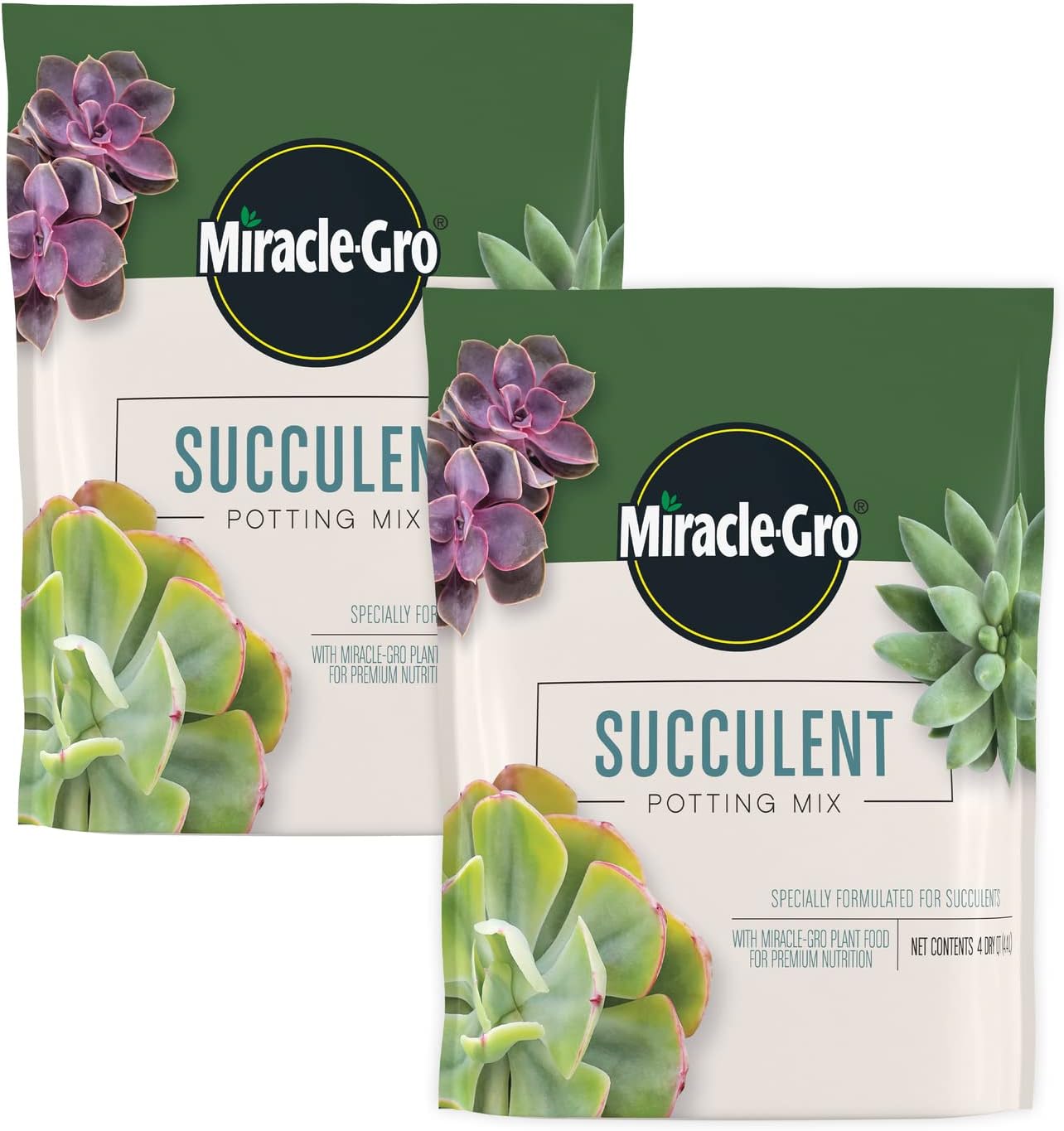
Miracle-Gro Succulent Potting Mix, 4 qt. (2-Pack)
| Item Type Name | Succulent Potting Mix |
|---|---|
| Unit Count | 256 Ounce |
| Number of Packs | 2 |
| Volume | 4 quarts |
This succulent potting mix is designed to give indoor succulents like aloe a fast-draining, low-compaction medium while adding a baseline of nutrition. The blend of sphagnum peat moss and processed forest products creates a lighter texture than standard potting soil so water moves through more quickly and roots get more air. It is sold in 4 quart bags that the manufacturer says will fill an 8-inch pot, and it is intended for use with pots that have drainage holes. In practice it works well for repotting or top-dressing small to medium aloe plants and other drought-tolerant houseplants. Notable features include the peat-based blend tailored for succulents and the inclusion of Miracle-Gro plant food to support early growth. Important limitations are that the mix contains peat rather than coarse mineral components like pumice or perlite, so very heavy soils or outdoor plantings may need added grit for extra drainage, and the bag size is small for larger collections so frequent replenishment or mixing into bulk mixes may be necessary.
Best for: A practical indoor gardener who wants an easy, ready-made potting mix for aloe and similar succulents and prefers a convenient, slightly enriched medium for repotting and routine pot care.
Less Ideal for: Gardeners seeking a purely inorganic, ultra-fast-draining cactus mix for outdoor or large-container desert-style plantings should consider mixes with higher sand, pumice, or perlite content.
- Formulated specifically for succulents and cacti which supports drought-tolerant houseplants
- Light, peat-based blend promotes quicker drainage and better root aeration than typical potting soil
- Includes built-in plant food to give seedlings and freshly potted plants a nutrient boost
- Appropriate bag size for repotting individual aloe plants or filling 8-inch containers
- Contains peat rather than a high proportion of inorganic aggregates so extremely fast drainage may require adding perlite or pumice
- Small 4 qt. bag means frequent purchases or mixing with other media for larger collections
Verdict: A convenient, peat-based succulent mix that gives aloe plants improved drainage and a built-in nutrient boost for easy indoor repotting.
GeoJava Java Cactus & Succulent Soil (6 QT)

| Brand Name | GeoJava |
|---|---|
| Unit Count | 192 Ounce |
| Style Name | Cactus & Succulent |
This GeoJava Java Cactus & Succulent Soil is a gritty, peat-free mix designed to keep roots well aerated and water moving through quickly to avoid soggy conditions that cause rot. It comes premixed with buffered coco coir, coffee compost, lava sand and expanded shale so you can repot, propagate, or transplant succulents straight from the bag without blending components. The texture is loose and fast-draining, which helps rapid root growth and long-lasting structure in small indoor pots and terracotta containers. Bags are resealable for tidy storage and the formula is odorless and naturally sourced, which is convenient for indoor use. Expect consistent performance across batches, but if you prefer to tune drainage for very large pots or specialty species you may still want to add extra grit or perlite. Overall this is a practical, no-fuss soil for growers who want a reliable, ready-made mix that favors rapid drainage and healthy root establishment.
Best for: Succulent owners who prioritize strong drainage and reliable, ready-made mixes for indoor pots and frequent repotting.
Less Ideal for: Gardeners wanting a customizable base mix for outdoor beds or those who need bulk soil for large-scale plantings should look elsewhere.
- Gritty, fast-draining texture reduces risk of root rot for succulents and cacti
- Premixed, ready-to-use formula saves time on repotting and propagation
- Contains buffered coco coir and expanded shale to support stable soil structure and root growth
- Resealable bag keeps remaining mix fresh and tidy for storage
- 6 quart bag may require multiple purchases for larger collections or multiple repots
- May need extra grit or perlite for very large pots or species with extreme drainage needs
Verdict: Buy this if you want a reliable, ready-to-use gritty mix that promotes fast drainage and strong root development in potted succulents.
Back to the Roots Organic Succulent & Cacti Soil, 6 Quart

| Volume | 6 quarts |
|---|---|
| Item Highlight | Fast-draining cactus and succulent soil; peat-free; made in the USA |
| Ingredients | Dolomitic Limestone, Perlite, Horticultural Sand, Aged Bark, Plant Food |
This 6-quart Succulent & Cacti Mix from Back to the Roots is a ready-to-use potting soil made to give desert plants the aeration and drainage they need. The blend includes aged bark, perlite, horticultural sand and dolomitic limestone to promote quick drainage and healthy root growth while supplying basic nutrients. It is peat-free and made in the USA, so you can pot aloe, jade, echeveria or small cacti without mixing your own amendments. Typical use is topping or repotting container succulents and cacti, or refreshing the surface of established pots to improve structure and drainage. For risk-averse gardeners the packaged mix removes guesswork and reduces overwatering problems. Limitations: a 6-quart bag is best for a few small pots or single repots rather than large planters, and heavier feeding may still be needed after a month since the product advises adding organic fertilizer for sustained nutrition. Follow handling precautions to avoid dust and wear gloves when working with the soil.
Best for: Buyers who want a no-fuss, pre-mixed soil that reduces overwatering risk for potted succulents and cacti and prefer an organic, peat-free option made domestically.
Less Ideal for: Gardeners who need soil in bulk for many large containers or those who want a custom mix with specific ratios of grit and soil for advanced specimens.
- Formulated specifically for succulents and cacti with perlite and horticultural sand for fast drainage
- Peat-free organic blend that includes aged bark to improve aeration and root support
- Contains dolomitic limestone and plant food for baseline nutrients
- Made in the USA and sold in a ready-to-use 6 quart bag for convenience
- Small 6 quart volume is insufficient for multiple large repots or big planters
- Nutrient content is limited so supplemental organic fertilizer is recommended after transplanting
Verdict: A convenient, peat-free ready mix that simplifies potting and repotting small succulents and cacti by providing reliable drainage and basic nutrients.
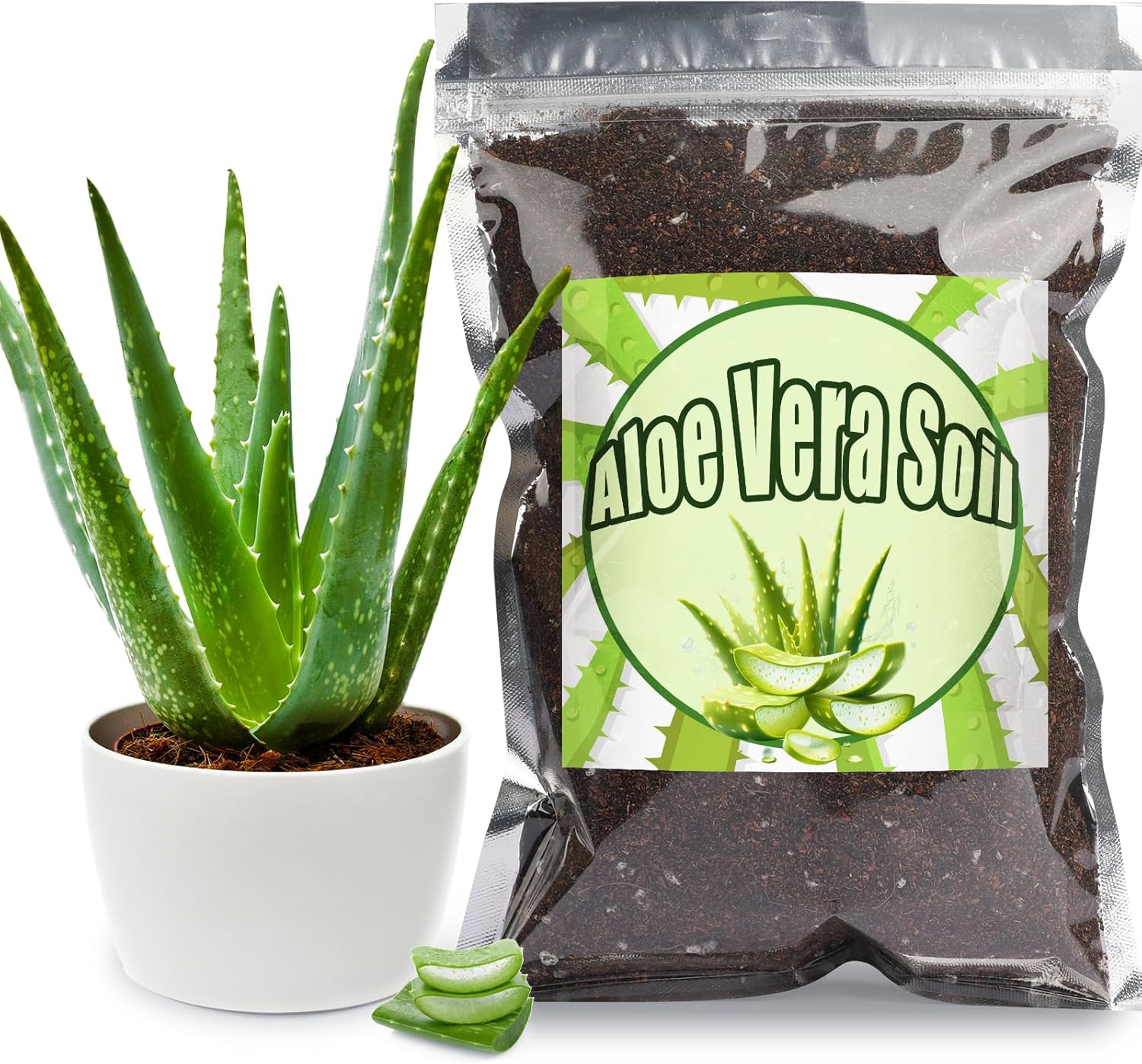
Doter Aloe Vera Potting Soil Mix, 1 qt
| Brand Name | Doter |
|---|---|
| Item Type Name | Garden soil |
| Volume | 1 quarts |
This 1 qt Doter Aloe Vera Potting Soil Mix is a small, ready-to-use media designed to give aloe vera the fast-draining, aerated conditions it prefers. The blend emphasizes drainage and aeration to reduce waterlogging and root rot risk, while added organic matter and nutrients support leaf plumpness and steady growth. In practice you would use it for repotting small pups, top-dressing starter pots, or refreshing the surface of container-grown succulents. Its balanced pH and nutrient content mean you can pot a plant and not need an immediate fertilizer application. The main limitation is the small 1 quart volume, which makes it convenient for single small pots but requires multiple bags for full repots or several plants. Also the listing does not specify exact ingredient ratios or long-term nutrient content, so gardeners who prefer full control over substrate components may mix their own perlite or pumice for heavier-duty mixes.
Best for: Buyers looking for an inexpensive, ready-to-use potting mix to repot small aloe pups or refresh the topsoil in individual containers, and who prefer convenience over custom mixing.
Less Ideal for: Gardeners repotting mature or multiple aloe plants at once or those who require precise control of substrate components should consider larger bulk mixes or custom blends.
- Formulated for succulents with emphasis on drainage to help prevent root rot
- Contains nutrients and balanced pH so newly potted aloes have a ready-to-use environment
- Good aeration to support healthy root respiration and growth
- Convenient pre-mixed option for repotting pups or refreshing small containers
- Small 1 quart size is insufficient for repotting larger plants or multiple pots
- No detailed ingredient ratios provided for gardeners wanting custom mixes
Verdict: A compact, ready-made, well-draining mix that makes quick repotting and top-dressing of small aloe plants easy and affordable.
Rosy Soil Indoor Plant Soil Bundle — 4 qt Cactus & Succulent Mix and 4 qt Houseplant Potting Soil

| Unit Count | 256 Ounce |
|---|---|
| Style Name | Nutrient-rich, indoor potting soil mix with cactus & succulent specific additives |
| Volume | 4 quarts |
| Ingredients | Biochar, Pumice, Mycorrhizae, Sand, Pine Bark Fines, Compost |
This Rosy Soil bundle pairs a chunky cactus and succulent mix with a moisture-balancing houseplant potting soil, giving you one solution for drought-tolerant plants like aloe vera and for tropical indoor species. The cactus mix is gritty and fast-draining so roots stay aerated and avoid rot, while the houseplant mix adds biochar and worm castings plus mycorrhizae to support steady nutrient availability. Both bags are peat-free and include printed planting guidance, and the shared microbial base means you can expect healthier root zones without heavy fertilizer. For aloe vera specifically, the chunky structure and pumice-heavy ingredient list help prevent overwatering problems and promote strong root growth. Limitations are the small bag sizes — each 4 qt bag only fills a couple of medium pots — so this is best for potting and repotting individual plants rather than large batches, and the product is labeled for indoor use only so it is not intended for outdoor garden beds.
Best for: Growers who prioritize a dependable, biologically active potting medium for indoor succulents and common houseplants and want mixes that reduce overwatering risk for plants like aloe vera.
Less Ideal for: Gardeners who need bulk soil for outdoor beds or who want a single all-purpose outdoor potting blend for many large containers.
- Cactus mix is gritty and fast-draining, ideal for preventing root rot in aloe vera
- Houseplant mix contains biochar, worm castings and mycorrhizae to support soil biology and nutrient uptake
- Peat-free, organically derived ingredients reduce reliance on peat and support sustainable sourcing
- Two resealable bags with planting guidance make it easy for reliable, repeatable repotting
- Each bag is only 4 quarts, so quantity is limited for multiple or large pots
Verdict: Choose this bundle if you want a reliable, peat-free pair of indoor mixes that keep aloe vera roots dry while feeding plants with beneficial microbes.
Miracle-Gro Indoor Potting Mix for Cactus & Succulent, 8 qt. (2-Pack)

| Item Highlight | Fast-Draining Cactus and Succulent Potting Mix with Plant Food |
|---|---|
| Number of Packs | 2 |
| Included Components | 2 bags |
| Item Type Name | Soil |
| Ingredients | Sphagnum Peat Moss, Sand, Perlite |
This two-pack of Miracle-Gro Indoor Potting Mix is designed for repotting indoor cacti, succulents and other desert-loving container plants like Thanksgiving cactus. The mix combines sphagnum peat moss, sand, perlite and other forest products to promote fast drainage and reduce water retention that can cause root rot. Each bag is pre-mixed and ready to use, so you simply fill a pot with drainage, add the plant and firm the soil around the root ball. It also contains a measured amount of plant food to support early growth so you may not need extra fertilizer right away. Practical benefits include easier watering schedules for moisture-sensitive plants and a light, airy texture that helps roots establish after repotting. Limitations are that the bags are small for larger specimens and the formula is focused on drainage rather than long-term nutrient reserve, so plan to feed or repot periodically for established or heavy-feeding plants.
Best for: Buyers who prioritize protecting moisture-sensitive indoor succulents and want a trusted, ready-to-use mix that reduces the chance of overwatering issues when repotting.
Less Ideal for: Gardeners who prefer to custom-blend potting mixes for long-term nutrient delivery or who need large-volume soil for many or large containers.
- Formulated for cacti and succulents with fast-draining components like sand and perlite
- Pre-mixed and ready to use so no additional amendments are required at potting
- Includes plant food to give new repots an initial nutrient boost
- Light texture helps roots establish and reduces risk of overwatering-related rot
- 8 qt. bag size is limited for repotting larger plants or multiple sizable pots
Verdict: A convenient, fast-draining potting mix that makes repotting Thanksgiving cactus and other succulents safer and simpler.
Back to the Roots Succulent & Cacti Mix, 12 Quart (100% Organic)

| Brand | Back to the Roots |
|---|---|
| Item Type | Potting Mix |
| Style Name | Succulent & Cacti Mix |
| Volume | 12 quarts |
This 12-quart Back to the Roots Succulent & Cacti Mix is a purpose-made potting soil for potted desert plants that combines aged bark, perlite, and sand to promote fast drainage and airy root zones. In practice it is used as a direct potting medium for repotting or top-dressing indoor and patio succulents and cacti; the coarse components reduce standing moisture so plants are less prone to root rot. The mix is enriched with organic nutrients and includes root-supporting ingredients mentioned by the brand, which can help young plants establish without immediate fertilizer. Its organic formulation and US manufacture make it appealing to buyers who prefer natural inputs. Limitations: for long-term container culture you will likely need to re-fertilize after a few weeks because lightweight mixes release nutrients faster than heavier soils, and particularly large specimens may prefer a coarser custom blend. Also the bagged volume is moderate, so multiple purchases are needed for several pots.
Best for: Buyers who want a low-risk, ready-made potting mix that minimizes overwatering problems and works straight from the bag for indoor or patio succulents and cacti.
Less Ideal for: Growers who want a custom, very coarse cactus blend for large specimen plants or those preferring to control exact mineral ratios should look to specialized professional mixes or DIY recipes.
- Formulated specifically for succulents and cacti with perlite, aged bark, and sand for improved drainage
- Organic nutrient content helps seedlings and newly repotted plants get established
- Lightweight, airy texture reduces risk of waterlogged roots in containers
- Made in the USA with an established brand and clear product focus
- Nutrient levels may decline quickly so follow-up fertilizing is recommended
- 12-quart bag is modest for multiple pots or large plants
Verdict: A dependable, ready-to-use organic mix that reduces watering mistakes and gets potted cacti and succulents off to a strong start.
Choosing the Right Potting Mix for Aloe Plants: Key Factors to Consider
Drainage Rate
Drainage rate determines how quickly excess water exits the root zone. For aloe plants, fast drainage lowers the risk of root rot by preventing prolonged saturation. A mix with coarse mineral components such as pumice, perlite, or coarse sand creates channels for water to run through while keeping finer organic particles from packing down.
When drainage is insufficient, roots sit in wet pockets and opportunistic fungi or bacteria can establish. In containers, drainage rate interacts with pot size and the presence of drainage holes, so choose a mix whose percolation suits your potting situation.
Water Retention Balance
Water retention balance is the mix's ability to hold enough moisture for roots between waterings without staying soggy. Aloes need intermittent moisture but also dry periods. A balanced mix combines some organic material to store moisture with mineral components to shed excess.
Too little retention forces very frequent watering and stresses the plant, while too much retention increases rot risk. Consider your climate and how often you like to water when choosing retention characteristics.
Particle Texture and Aeration
Particle texture affects how the mix resists compaction and how easily roots can grow. Larger, angular particles such as horticultural grit, coarse sand, or pumice create stable pore space and improve oxygen flow. Fine, decomposed materials compress over time and reduce aeration.
Good aeration supports healthy root metabolism and reduces anaerobic zones where disease organisms thrive. For container-grown aloes, texture stability over several months matters because repeated watering can settle a mix down.
Nutrient Profile and Longevity
Aloe plants are light feeders that do not require continuously rich soil. The nutrient profile of a mix should supply low-to-moderate nutrients or be inert enough so you can control feeding separately. Long-lasting slow-release nutrients may be useful for gardeners who prefer less frequent fertilizing, but excessively rich mixes encourage soft, watery growth vulnerable to pests and rot.
Consider whether the mix includes slow-release fertilizer or is intentionally lean. Also evaluate how long the mix retains its structure and nutrient state before repotting is needed.
pH and Salt Content
pH affects nutrient availability and microbial activity at the root zone. Aloes generally prefer slightly acidic to neutral conditions. A mix that is too alkaline or too acidic can lock out certain nutrients or encourage unwanted microorganisms. Salt content from residual fertilizers or recycled materials can cause leaf tip burn and hinder water uptake.
Look for mixes with neutral pH or those labeled suitable for succulents. Low soluble salt content is especially important for indoor-grown aloes or those in small pots prone to salt buildup.
Container Compatibility and Pot Size
How a mix behaves in different container sizes is important. Small pots dry out quicker and benefit from mixes with slightly higher water retention, while large planters need superior drainage to avoid waterlogged lower zones. Heavier mineral-rich mixes can stabilize top-heavy plants in larger pots but may be overkill in tiny saucers.
Also consider whether the mix compacts in narrow containers or if it shifts too freely in hanging baskets. Matching mix weight and structure to container type improves watering predictability and root stability.
Adapting Mixes for Indoor Versus Outdoor Aloes
Indoor and outdoor growing expose aloes to different temperatures, light levels, and watering rhythms. Indoor pots typically dry more slowly because of lower light and airflow, so a slightly grittier mix with a touch more mineral content helps avoid moisture retention under lower evaporation.
Outdoor patio or balcony plants face higher light and wind, so mixes with marginally higher organic content can be appropriate without creating soggy conditions. Adjust the mix to local climate and to how often you can water.
- Indoor: increase coarse mineral fraction to speed drying.
- Outdoor: ensure good aeration but allow modest organic content for heat-stressed plants.
- All locations: always use pots with drainage holes and monitor moisture until you learn the mix's behavior.
DIY Amendments to Improve Drainage
If a premixed potting soil feels too fine, you can amend it to improve drainage without starting from scratch. Adding pumice or coarse perlite at 20 to 40 percent by volume increases porosity and reduces compaction. Coarse builder's sand can also help but avoid fine play sand that compacts.
Gradual amendment preserves some water-holding capacity while providing the fast percolation aloes need. Always mix thoroughly so amendments are evenly distributed, and avoid adding too much organic matter if your goal is rapid drying.
- Pumice: long-lasting, improves aeration without floating.
- Perlite: lightweight and effective for quick drainage.
- Coarse sand: increases heft and drainage but should be coarse and washed.
Repotting Timing and Mix Refresh
Repot aloes when roots begin to crowd the pot or when the mix shows compaction and slow drainage. For many indoor plants, repotting every 18 to 36 months refreshes structure and reduces salt buildup. During repotting, replace a portion of old mix with a fresh, grittier blend to restore aeration.
If a mix has become dense but roots are healthy, consider top-dressing with a shallow layer of fresh grit and lightly working it into the surface to improve surface drainage without disturbing the plant too much.
- Check rootbound signs before repotting decisions.
- Replace compacted mix rather than just adding volume.
- Top-dress with grit for minor refreshes.
Feeding Strategy for Low-Nutrient Mixes
When you use lean potting mixes designed for succulents, plan a light feeding routine to supply necessary nutrients. Use a diluted balanced fertilizer at reduced strength during the active growing season, and avoid heavy feeding in cool months when growth is slow.
Slow-release formulations can work if they are low in concentration. Alternatively, occasional liquid feedings let you fine-tune nutrient delivery without altering the mix structure.
- Apply fertilizer at half or quarter strength during spring and summer.
- Flush soil occasionally to prevent salt buildup if using regular liquid feed.
- Skip or reduce feeding in fall and winter when growth pauses.
Monitoring Moisture Without Guesswork
Rather than relying on a set schedule, check moisture by weight or with a probe. Lift the pot to feel its weight after watering and again as it dries to learn the mix's drying curve. A moisture meter or a simple wooden skewer pushed into the mix can help judge internal moisture below the surface.
Understanding the specific mix behavior prevents overwatering and helps you adapt watering frequency to the season and to the plant's needs.
- Lift pots to estimate moisture by weight.
- Use a probe or skewer to test subsurface moisture.
- Adjust watering based on plant response and seasonality.
How We Chose the Best Potting Mix for Aloe Plants
We shortlisted mixes that suit aloe plant physiology and common container situations. Primary evaluation criteria included drainage rate, water retention balance, particle texture and aeration, nutrient profile and longevity, pH suitability, and container compatibility. Drainage rate was judged by ingredient makeup and reported performance in containers. Water retention balance considered whether the mix holds enough moisture for stress-free growth without staying soggy between typical indoor or patio waterings. Particle texture and aeration focused on grit, perlite, pumice, or coarse sand content that prevents compaction and promotes oxygen at the root zone. Nutrient profile and longevity assessed whether the blend supplies low-to-moderate nutrients appropriate for slow-growing succulents or whether it requires immediate fertilizer top-ups. pH suitability checked for slightly acidic to neutral ranges that aloes prefer. Container compatibility reviewed how mixes behave in small pots, large planters, and hanging containers. We excluded mixes formulated for heavy-feeding tropicals, water-retentive seed-starting mixes, and general-purpose garden soils that lack coarse drainage components. Also excluded were blends with unverified ingredient lists or those designed primarily for bog or moisture-loving plants. The chosen dimensions above reflect practical gardener needs for root health, rot prevention, and predictable watering frequency.
FAQ
Can I use general-purpose potting mix for aloe plants?
General-purpose potting mixes often retain more moisture than aloe prefers. They can be used if amended with coarse mineral components to improve drainage and aeration. Without amendment, general mixes increase the risk of root rot in containers.
How often should I water an aloe in a well-draining mix?
Watering frequency depends on pot size, light, and temperature, but with a well-draining mix you will generally water less often. Allow the top few centimeters to dry between waterings and adjust to seasonal growth, watering more in warm active months and less during dormancy.
Is pumice better than perlite for aloe potting mixes?
Pumice and perlite both improve drainage and aeration. Pumice is heavier and more stable long-term, while perlite is lightweight and effective immediately. Either works well when used in appropriate proportions, and choice often comes down to availability and personal preference.
Should I add fertilizer to a cactus or succulent mix for aloe plants?
Cactus and succulent mixes are usually low in nutrients. A light, diluted fertilizer during the growing season supports steady growth. Avoid heavy feeding and follow a conservative schedule to prevent overly lush, weak growth.
What pot material is best when using a fast-draining mix?
Terracotta and unglazed ceramic pots wick moisture and can help speed drying when paired with a fast-draining mix. Plastic pots retain moisture longer, which may require an even grittier mix or less frequent watering to avoid saturation.
Final Verdict
For aloe plants prioritize mixes that combine fast drainage with modest moisture-holding capacity and stable particle texture. Focus on drainage rate, aeration, and a lean nutrient profile when deciding. Tradeoffs include how often you want to water versus how much structure you need for root stability. Choose a mix that matches your pot size and the microclimate where the plant lives. If in doubt, err toward grittier, well-aerated blends and add controlled feeding during the growing season to keep aloes healthy and compact.
