

Note: This article contains affiliate links. If you click on these links and make a purchase, I may earn a small commission at no extra cost to you. This helps support my research and content. Read my full affiliate disclosure here.
Aspen trees respond well to targeted feeding that corrects nutrient imbalances and supports root development. Choosing the right fertilizer for aspen trees matters because overfeeding or the wrong nutrient ratio can encourage weak wood, excessive shoot growth, or stress under drought. This guide shortlists five solid options gardeners commonly use around established and young aspens and explains the practical differences you should care about in the landscape. We evaluate each option for nutrient balance, how easy it is to apply in a yard or near a drip line, and how it affects root versus top growth. Read on for clear, garden-focused guidance that helps you match a fertilizer to your site and tree age.
Top Picks at a Glance
| Best Value The sweet spot between price and what you get | Espoma Tree‑Tone 6-3-2 Organic Fertilizer, 4 lb. Bag (Pack of 2) |  |
| Best Budget The cheapest option that still gets the job done reliably | Jobe's Slow Release Tree and Shrub Fertilizer Spikes (5 Count) |  |
| Highest Rated A top-rated pick with lots of positive feedback | TreeHelp Annual Care Kit for Aspen |  |
| Most Popular A crowd favorite that many people choose with confidence | TreeHelp Premium Fertilizer for Aspen (liquid) |  |
| Best Seller A high-volume bestseller chosen again and again | Miracle-Gro Tree & Shrub Plant Food Spikes, 12 Spikes |  |
Espoma Tree‑Tone 6-3-2 Organic Fertilizer, 4 lb. Bag (Pack of 2)

| Item Form | Powder |
|---|---|
| Specific Uses For Product | Plant Growth |
| Coverage | Medium |
| Target Species | trees |
| Mixing Ratio | No mixing required |
Espoma Tree‑Tone is a ready‑to‑use organic fertilizer made for trees and larger woody plants. It delivers a balanced 6-3-2 NPK formulation with 5% calcium and organic inputs that feed roots slowly while improving soil biology. Typical use is in spring and fall: spread around the root zone according to label guidance and leave it on the soil surface since no mixing is required. The product comes in two 4 lb. bags that make treating multiple small trees convenient. Notable benefits are its organic certification and the inclusion of Bio-tone to support microbial activity, which helps sustained plant growth rather than a quick surge of foliage. Because it is granular and medium coverage, it is easy to apply precisely around drip lines. Limitations are its lower NPK numbers compared with synthetic fertilizers, so results are steady rather than dramatic, and you may need larger quantities for mature trees or fast corrective feeding. For gardeners prioritizing long-term soil health and consistent growth, Tree‑Tone performs reliably as a regular maintenance fertilizer.
Best for: Gardeners who want reliable, soil‑friendly feeding for shade, fruit, and ornamental trees and who prioritize steady, long‑term plant health over rapid foliage boosts.
Less Ideal for: People seeking fast, high‑nitrogen corrective feeding for heavy feeders or large mature trees that require concentrated, immediate nutrient correction.
- Organic formula approved for organic gardening and made with natural ingredients
- Contains 6-3-2 NPK plus 5% calcium to support steady tree growth and fruiting
- Ready to use granular form requires no mixing and is easy to apply
- Includes Bio-tone to encourage soil microbial activity and long-term soil health
- Lower nutrient concentration means larger or repeated applications may be needed for large or nutrient‑depleted trees
Verdict: Choose Tree‑Tone if you want an organic, easy‑to‑apply fertilizer that promotes steady tree growth and long‑term soil health.
Jobe's Slow Release Tree and Shrub Fertilizer Spikes (5 Count)

| NPK | 15-3-3 |
|---|---|
| Application Method | Insert spikes into the ground |
| Unit Count | 5 Count |
| Target Species | Tree and Shrub |
Jobe's Slow Release Tree and Shrub Fertilizer Spikes are pre-measured sticks formulated with an NPK of 15-3-3 intended to feed roots slowly through the growing season. You insert the spikes around the drip line of trees or shrubs using the included cap and a hammer, and the manufacturer recommends doing this in early spring and late fall. The spikes target the root zone so there is little mess or runoff and the slow-release feather and bone meal–based nutrients reduce the risk of overfertilizing. For practical use on acid-loving shrubs such as ligustrum, the spikes provide a season-long nutrient supply without regular granular or liquid feeding. Limiting factors are the small five-spike pack and fixed nutrient ratio, so larger shrubs or extensive hedges will need multiple packs and careful spacing to get even coverage. The application depth and minimum distance from the trunk must be followed to avoid root or trunk stress.
Best for: Gardeners who want a low-effort, no-mess fertilizer solution for individual ligustrum plants or small hedges and prefer twice-yearly maintenance over frequent feeding.
Less Ideal for: Large properties, long ligustrum hedgerows, or gardeners who need adjustable NPK blends or season-long custom feeding programs.
- Slow-release NPK 15-3-3 formulated for trees and shrubs
- Pre-measured spikes reduce mess and eliminate mixing or runoff
- Simple twice-yearly application targets root zone for efficient feeding
- Small 5-count pack may not cover multiple shrubs or long hedges
- Fixed nutrient ratio may not suit all soil tests or stages of growth
Verdict: A convenient, low-maintenance way to give individual ligustrum shrubs a season-long nutrient boost with minimal effort.
TreeHelp Annual Care Kit for Aspen
| Item Form | kit |
|---|---|
| Specific Uses For Product | Root Development |
| Application Method | drench |
| Coverage | Annual |
| Target Species | Aspen trees |
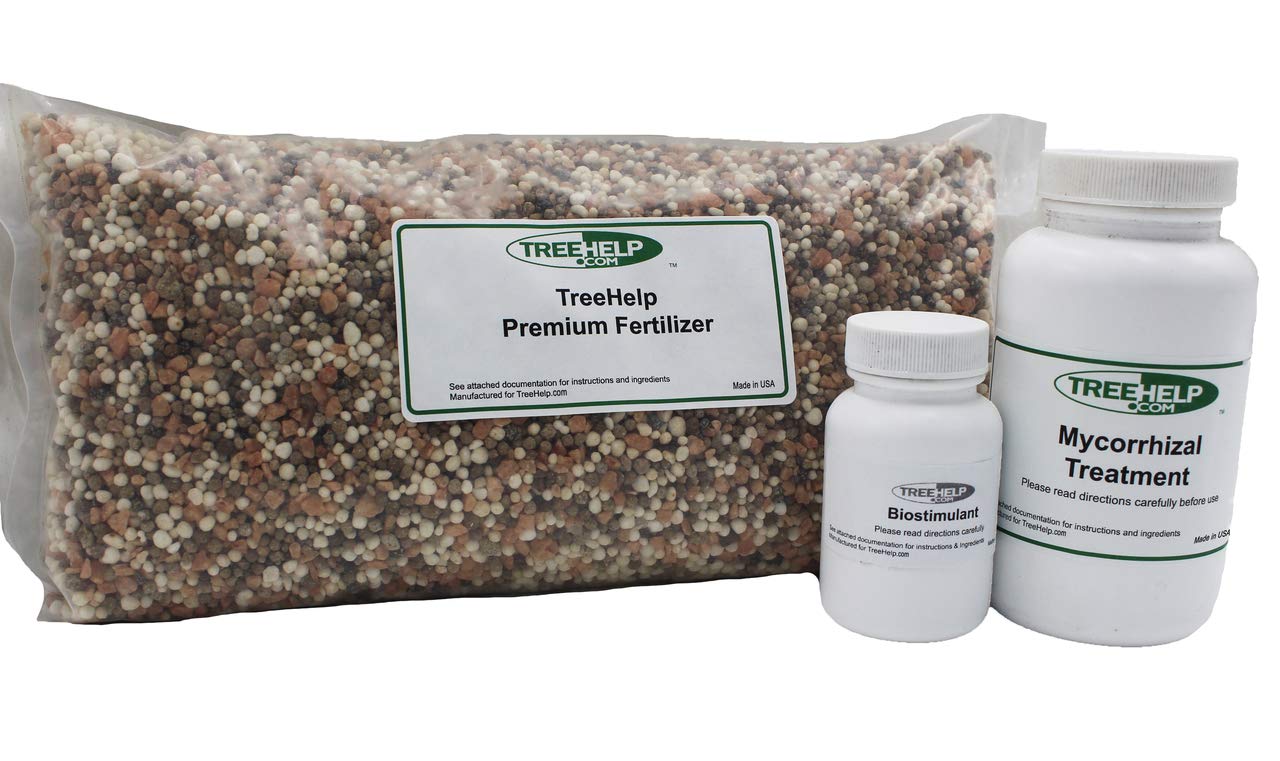
This TreeHelp Annual Care Kit is designed as a single-season treatment to support root health and steady growth in aspen trees. It combines a concentrated mycorrhizal treatment to colonize roots, a slow‑release fertilizer with macro and micronutrients, and a water‑soluble biostimulant containing beneficial bacteria, humic extracts, sea kelp and amino acids. Typical use is a spring‑through‑summer application to one large tree or two to three smaller or newly planted trees, with instructions provided for soil drench application. The slow‑release nitrogen helps avoid weak, elongated growth while higher phosphorus and potassium support flowering and overall vigor. The mycorrhizae can improve nutrient uptake especially in marginal soils, and the biostimulant gives a broader microbial and hormonal boost. Limitations: the kit is sized for only a few trees and is intended for annual application rather than continual feeding, and it should not be applied in late fall or winter. For gardeners prioritizing straightforward, root‑focused care, this kit centralizes the key components into a single, ready package.
Best for: A buyer who wants a reliable, root‑focused annual treatment that simplifies aspen care into a single kit and prefers products that emphasize long‑term vitality over quick greening.
Less Ideal for: Not a good fit for those managing large numbers of trees, commercial plantings, or gardeners seeking continuous granular feeding schedules.
- Includes mycorrhizal inoculant to improve root colonization and nutrient uptake
- Slow‑release nitrogen formula to promote steady, non‑leggy growth
- Combination kit (fungi, fertilizer, biostimulant) covers multiple aspects of tree health
- Sized and labelled for treating one large or 2–3 smaller aspen trees with application instructions
- Kit treats only a small number of trees so multiple kits are needed for larger plantings
- Not intended for fall or winter application which limits timing options
Verdict: Buy this kit if you want a simple, reliable annual program that combines mycorrhizae, slow‑release fertilizer, and biostimulant to strengthen aspen roots and long‑term vigor.
TreeHelp Premium Fertilizer for Aspen (liquid)
| Item Form | Liquid |
|---|---|
| Specific Uses For Product | Root Development |
| Coverage | Full |
| Target Species | Aspen |
| Mixing Ratio | 100% (or 1:1) |
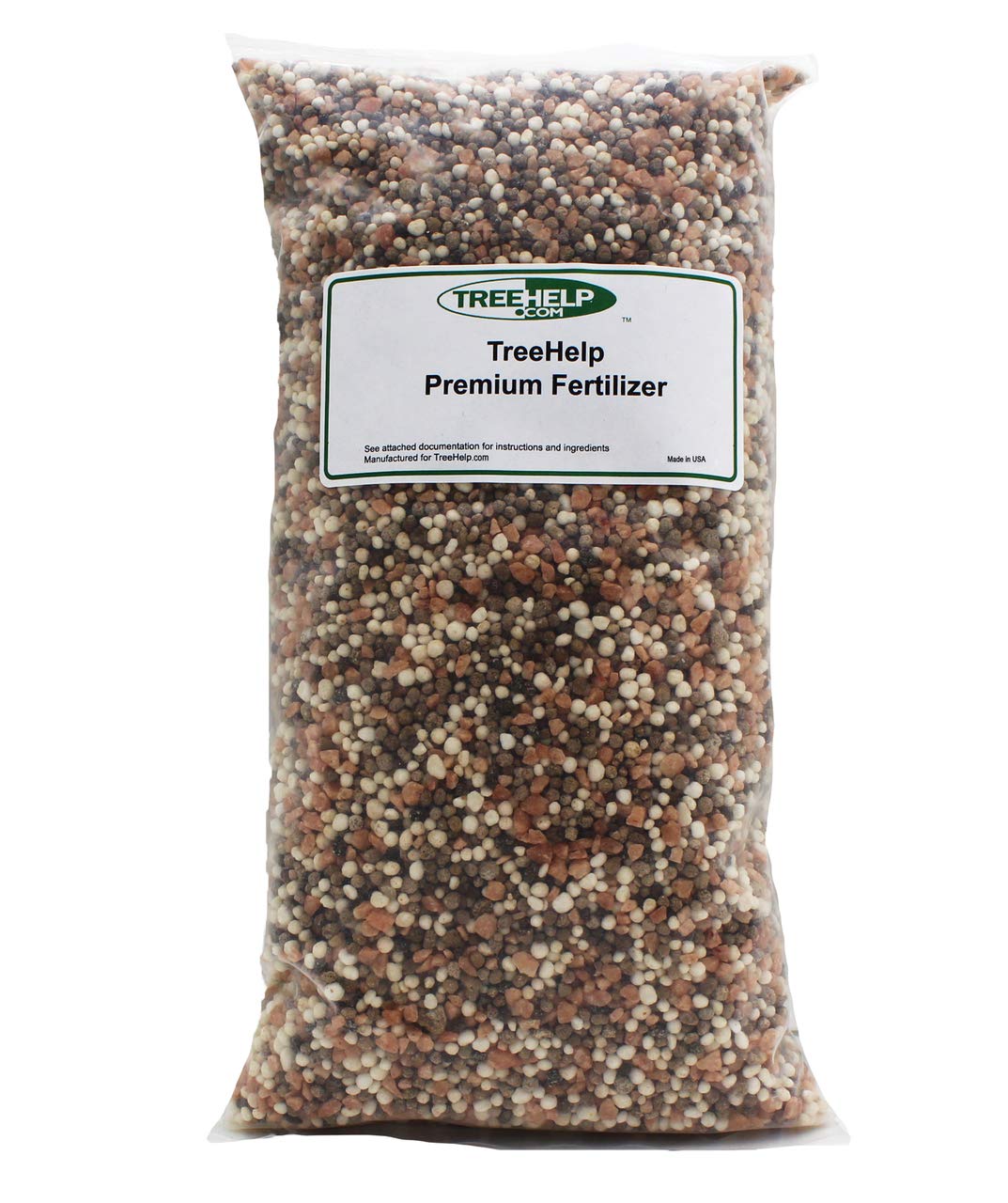
TreeHelp Premium Fertilizer is a liquid formula designed for aspen trees and marketed to support stronger root systems and steady nutrient release through the growing season. You mix it at the recommended ratio and apply according to the included instructions; a single unit is intended to treat one large aspen or two to three smaller or newly planted trees. Notable features are its liquid form for easier application and a focus on root development plus a slow-release nitrogen component that extends feeding over time. In practice this makes it useful for transplant recovery, establishing young trees, or improving declining vigor in mature trees. The product is straightforward to use and includes application guidance, but it is specialized for aspen so its labeled benefit is narrower than general-purpose fertilizers. Also it is not sold for use in Washington state and the available size means you should confirm coverage needs before buying if you manage many trees.
Best for: Buyers who want a species-specific solution to improve root development and stabilize nutrient supply for newly planted or struggling aspen trees and who prefer clear instructions and social-proof backed options.
Less Ideal for: Gardeners managing many different tree species or large acreages who need a broad-spectrum or bulk fertilizer should consider a more general product or larger-format option.
- Formulated specifically for aspen so nutrient balance targets species needs
- Liquid form allows quick mixing and straightforward application
- Slow-release nitrogen provides extended feeding through the season
- Includes instructions and a mixing ratio for consistent use
- Labeled only for aspen so benefits may not translate to other tree species
- Not available for sale in Washington state
Verdict: Choose this product when you want a targeted, easy-to-apply fertilizer that supports root development and steady feeding specifically for aspen trees.
Miracle-Gro Tree & Shrub Plant Food Spikes, 12 Spikes

| NPK | 15-5-10 |
|---|---|
| Coverage | 12 spikes per season |
| Target Species | trees, shrubs, evergreens and acid-loving plants |
| Application Method | Place spikes around the tree's drip line |
These Miracle-Gro Tree & Shrub Plant Food Spikes are pre-measured sticks that deliver slow-release nutrition directly to the root zone of trees and shrubs. They are typically used by watering the soil around the drip line, spacing spikes around the drip line at least 3 feet apart, and driving them into the ground so they sit below the soil surface. The 15-5-10 NPK mix supplies a higher proportion of nitrogen for foliage with phosphorus and potassium to support root and overall plant health, and the package contains 12 spikes intended for seasonal feedings. Practical benefits include simple, low-effort applications for established cherry trees where precise granular spreading is inconvenient, and the spikes help localize nutrients to the root zone rather than blanket-feeding the whole bed. Limitations are that they are designed for early spring and mid-fall use only, so they do not replace a tailored feeding schedule for trees needing summer supplements, and they require firm soil for insertion which can be difficult in very compacted or rocky sites. The product is best as an easy seasonal maintenance feed rather than an intensive corrective treatment.
Best for: Gardeners who want a low-effort, dependable seasonal feed for established flowering trees and shrubs and prefer an application that targets the root zone without granular spreading.
Less Ideal for: People needing aggressive summer corrections, quick nutrient fixes, or those working on newly planted trees that require a different feeding routine.
- Slow-release formula delivers nutrients directly to the root zone
- Pre-measured spikes make application simple and low-mess
- NPK 15-5-10 supports foliage color and overall tree vigor
- Includes 12 spikes, enough for multiple small trees or one larger drip line
- Intended for two seasonal applications only and not for summer feeding needs
- Can be hard to install in very rocky or compacted soils
Verdict: A simple, targeted seasonal feeding option that makes it easy to maintain vibrant foliage on established flowering trees with minimal effort.
Choosing the Right Fertilizer for Aspen Trees: Key Factors to Consider
Nutrient Ratio and Tree Age
Aspens have different nutrient needs at different life stages. Young trees benefit from a formulation with slightly higher nitrogen to encourage leaf and shoot growth, while established specimens need a balanced NPK to maintain wood strength and overall health. Excessive nitrogen in mature trees can promote weak, succulent growth that breaks in wind and stress, so choosing a ratio that supports steady development without over-stimulating the canopy matters.
Check the label for NPK and for the presence of secondary nutrients like magnesium and calcium. Micronutrients such as iron, manganese, and zinc can be important on some soils, especially alkaline or depleted sites.
Release Profile and Longevity
How quickly nutrients become available affects how often you need to fertilize and the risk of leaching. Fast-release fertilizers deliver a quick green-up but can require more frequent applications and increase salt stress risk if misapplied. Slow-release or controlled-release products provide a steadier supply of nutrients over weeks to months, reducing application frequency and smoothing growth cycles.
Match release profile to your season and irrigation practices. In drought-prone yards, slow-release options reduce the chances that nutrients become unavailable due to dry soil or are washed away during heavy water events.
Application Method and Root Zone Considerations
Aspen root systems are relatively shallow and spread beyond the drip line, so application method and placement are critical. Granular fertilizers can be broadcast across the root zone or banded in a ring, while water-soluble products allow a soil drench that reaches fine feeder roots. Tablet or spike forms concentrate nutrients and may be useful in localized spots but can miss wide root spread if placed poorly.
Avoid heavy, concentrated applications against the trunk. Instead, distribute fertilizer where feeder roots are most active, typically from just outside the trunk to beyond the canopy edge.
Soil Type and pH Influence
Soil texture and pH determine nutrient availability for aspens. Sandy soils drain quickly and often require more frequent, smaller applications to maintain nutrient levels. Clay soils hold nutrients longer but can become compacted, reducing root uptake. Alkaline soils can lock up iron and manganese, so a fertilizer that includes chelated micronutrients or paired soil amendments may be beneficial.
Test your soil before applying a long-term fertilizer plan. Adjusting pH and addressing structural issues will improve fertilizer efficiency and the tree's overall response.
Timing and Seasonal Goals
Timing fertilizer applications to the tree's growth cycle reduces stress and improves uptake. Early spring feeding supports the first flush of leaves, while late-season high-nitrogen applications are usually ill-advised because they can delay dormancy. If the goal is to support root recovery after a stressful summer, target late spring or early fall applications with formulations that favor root development.
Consider local climate. In regions with short growing seasons, concentrate feeding where the tree will use nutrients most effectively rather than spreading small doses across the year.
Environmental and Safety Concerns
Fertilizers can impact surrounding plants, water bodies, and soil life. Choose products with lower salt index for sensitive sites and avoid overapplication near watercourses. Organic-based options can support soil biology but may release nutrients more slowly and require more frequent applications to correct deficiencies.
Follow label rates and account for the tree's size and site specifics. Use protective measures to prevent granules from washing into storm drains and consider pet and child safety when storing and applying materials.
When to Test Soil and What to Look For
A soil test tells you what nutrients are actually limiting growth and whether pH adjustments are needed. For aspen trees, testing for available nitrogen, phosphorus, potassium, and micronutrients like iron and manganese is especially useful. Sampling in the root zone and testing during the growing season gives the most actionable results.
Interpreting a soil test helps you choose a fertilizer with the right balance rather than guessing. If calcium or magnesium is low, those should be addressed alongside a standard fertilizer to prevent imbalances that reduce nutrient uptake.
- Collect multiple samples from around the drip line for representative results
- Test pH to see if micronutrients are likely to be locked up
- Use results to select NPK and any needed micronutrient supplements
Practical Application Tips for Yard Use
Spread granular fertilizer evenly across the root zone rather than piling it near the trunk. Lightly rake or water in to move nutrients into the topsoil where feeder roots can access them. For soluble blends, apply as a soil drench following dilution instructions so nutrients reach the fine roots.
Avoid applying during drought or immediately before heavy rain. If you irrigate, time the application so water carries nutrients into the soil but does not wash them away. Wear gloves when handling concentrated products and keep granules away from ornamental beds that may be sensitive.
- Measure dose by canopy size or trunk diameter per label guidance
- Apply in early morning or evening to reduce leaf burn risk
- Water lightly after application to activate most granular formulas
Balancing Organic and Synthetic Options
Organic fertilizers feed plants and soil organisms but generally release nutrients more slowly. They are a good choice for improving long-term soil structure and microbial health around aspens, especially in perennial landscapes. Synthetic or mineral fertilizers supply nutrients in predictable quantities and can correct specific deficiencies quickly.
Many gardeners use a combined approach: an annual organic amendment to build soil plus targeted synthetic applications if a soil test shows an immediate deficiency. Consider your maintenance tolerance and whether you need quick corrective action or slow, steady improvement.
- Organic matter improves water retention and root growth over time
- Synthetic options can be more precise for quick corrections
- Mixing approaches requires care to avoid overfeeding
Managing Pest and Disease Risks When Feeding
Excessive nitrogen can increase susceptibility to some pests and diseases by producing softer, more attractive new growth. Keep applications within recommended rates and consider overall tree vigor rather than pushing rapid top growth. Healthy trees with balanced nutrition are more resilient to common pests.
Inspect the canopy and trunk before and after feeding. If you see unusual dieback or insect pressure, address those problems as part of the care plan instead of increasing fertilizer. Proper pruning, mulching, and irrigation management often yield better long-term results than additional feeding alone.
- Avoid late-season high-nitrogen feeding that delays dormancy
- Pair fertilization with regular health checks for pests and disease
- Use fertilizer as one tool in an integrated tree care strategy
Adjusting Fertilizer Strategy for Urban Conditions
Urban soils are often compacted, shallow, or contaminated with construction debris. In these cases, choosing a fertilizer that supports root vigor while you address soil structure gives better results. Amending with compost and using techniques like vertical mulching or structural soil installation can improve long-term uptake.
For trees in confined spaces or planters, use low-salt, controlled-release formulations and monitor soil moisture carefully. Container-grown aspens, while less common, need frequent but measured feeding because limited soil volume changes nutrient dynamics quickly.
- Test and amend compacted soils before relying on fertilizers alone
- Use controlled-release products in confined root spaces
- Monitor runoff and adjust applications to reduce environmental impact
How We Chose the Best Fertilizer for Aspen Trees
We selected contenders that are appropriate for aspen trees across common yard and garden conditions. Our editorial filters emphasized nutrient formulations and delivery methods that address typical aspen needs: balanced nitrogen for steady foliage, adequate potassium for stress tolerance, and micronutrients that prevent common deficiencies. We prioritized products available in forms practical for home gardeners: granular slow-release, water-soluble concentrates for soil drench, and controlled-release tablets for localized feeding at the root zone. Key evaluation criteria included nutrient ratio suitability for deciduous shade trees, release profile and longevity in soil, ease and safety of application around shallow roots, and the presence or absence of additives that might affect soil biology. We also considered packaging sizes and handling convenience for typical yard use. Exclusions: we did not include specialty forest fertilization practices, experimental treatments, or formulations intended only for commercial growers. The result is a list focused on usable, reliable fertilizer options that match real-world aspen care needs.
FAQ
How often should I fertilize established aspen trees?
Established aspens usually benefit from one targeted feeding in early spring. In soils that test low for nutrients, a follow-up light application in early summer can help, but frequent high-nitrogen treatments are not recommended because they encourage weak growth.
Can I use lawn fertilizer around aspen trees?
You can use lawn fertilizers if the NPK and application rate are appropriate for trees, but many lawn mixes are high in nitrogen and designed for turf density. Apply carefully and avoid concentrated bands near the trunk; broadcasting across the root zone and adjusting the dose by canopy size is safer.
Are organic fertilizers effective on aspens?
Organic fertilizers can be effective, especially for long-term soil health and gradual nutrient release. They may act more slowly, so if a soil test shows a specific deficiency, you might need a targeted correction in addition to organic amendments.
Will fertilizing fix yellow leaves on my aspen?
Yellow leaves can result from nutrient deficiency, poor drainage, root damage, or disease. A soil test is the best first step. If the test indicates a specific lack, fertilizing can help, but addressing drainage, compaction, or pests may also be necessary.
Is it safe to fertilize young saplings the same way as mature trees?
Young saplings often need higher relative nitrogen to promote leaf and shoot growth, but doses should be scaled to trunk diameter or canopy size. Avoid heavy, concentrated applications and focus on even, light feeding that supports root establishment.
Final Verdict
Pick a fertilizer strategy that matches your soil test, tree age, and seasonal goals. For most home landscapes, a balanced formulation with a predictable release profile applied across the root zone provides steady growth without the risks of over-stimulation. Combine appropriate feeding with soil improvement, proper watering, and routine health inspections to keep aspens vigorous. Prioritize root-safe placement and timing over chasing fast green-up. That approach reduces stress, supports durable wood, and gives you a clearer return on the effort you put into feeding.
