

Note: This article contains affiliate links. If you click on these links and make a purchase, I may earn a small commission at no extra cost to you. This helps support my research and content. Read my full affiliate disclosure here.
Growing healthy ginger depends on steady nutrients delivered at the right stages. The wrong fertilizer can promote leafy growth at the expense of the rhizome you want to harvest. This guide looks at seven top fertilizer options for ginger suited to containers, raised beds, and ground plots. We shortlisted products that fit common garden situations and evaluated them for nutrient profile, feeding frequency, and ease of use. Read on to understand the traits that matter for strong roots and bigger rhizomes and to see which options match your planting style.
Top Picks at a Glance
| Best Overall The best all-around choice for most situations | Exotica Tropicals Professional Nursery Ginger Fertilizer, 4 lb Slow-Release Pellets |  |
| Best Quality Built to a higher standard if you want something more solid | Osmocote Smart‑Release Plant Food Plus Outdoor & Indoor, 2 lb |  |
| Best Value The sweet spot between price and what you get | Dr. Earth Organic Tomato, Vegetable & Herb Fertilizer (64 oz) |  |
| Best Budget The cheapest option that still gets the job done reliably | Miracle-Gro Pour & Feed Singles Ready-to-Use Plant Food |  |
| Highest Rated A top-rated pick with lots of positive feedback | Foliage-Pro Liquid Plant Food 9-3-6 (32 fl oz) |  |
| Most Popular A crowd favorite that many people choose with confidence | Miracle-Gro Water Soluble All Purpose Plant Food, 3 lb |  |
| Best Seller A high-volume bestseller chosen again and again | TPS NUTRIENTS Indoor Plant Food Liquid Fertilizer, 8 fl oz |  |
Exotica Tropicals Professional Nursery Ginger Fertilizer, 4 lb Slow-Release Pellets
| Item Form | Pellets |
|---|---|
| Specific Uses For Product | Plant Food |
| Coverage | Medium |
| Target Species | Ginger |
| Mixing Ratio | 18:5:12 |
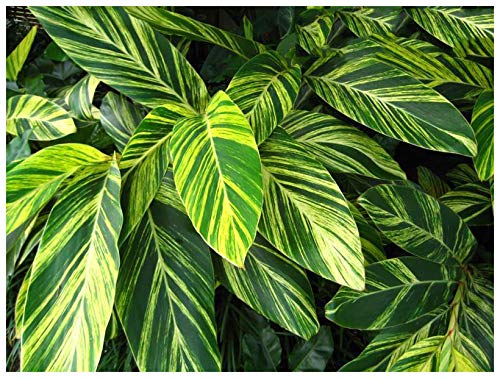
This fertilizer is formulated specifically for ginger and similar tropical rhizomes and combines a high-nitrogen 18-5-12 analysis with coated slow-release pellets that feed for about 5 to 6 months. It is typically applied at the start of the growing season (manufacturer recommends 4 pounds per planting area) and re-applied semiannually, so it suits gardeners who want long-lasting nutrition without frequent feedings. The product includes a small instant-release fraction for an initial green-up plus magnesium, iron, manganese and other micros that support leafy growth and overall plant health. Practical benefits include reduced application frequency, targeted nutrition for vigorous foliage and a pellet form that is easy to broadcast or work into the topsoil. Important limitations are that the high nitrogen is aimed at vegetative growth rather than flowering or fruiting and the safety notice means handling precautions are needed; it is not intended for use near waterways. For a balanced home grower looking for reliable, nursery-grade feeding for ginger, this delivers steady, uncomplicated nutrition.
Best for: Gardeners who want a low-maintenance, nursery-grade fertilizer to keep ginger and similar tropical rhizomes vigorous through the growing season without frequent feedings.
Less Ideal for: Growers seeking a bloom-boosting or low-nitrogen formula for flowering crops or those who prefer liquid feeds and precise weekly fertigation schedules.
- Professional nursery formulation tailored to ginger and related rhizomes
- Coated slow-release pellets provide about 5–6 months of nutrient delivery
- Contains a small instant-release portion for quick green-up after application
- Includes essential micronutrients such as magnesium, iron and manganese
- High nitrogen ratio focuses on foliage growth rather than promoting blooms or rhizome flowering
- Requires careful handling and storage due to safety warnings
Verdict: Choose this if you want a nursery-grade, slow-release pellet fertilizer that keeps ginger healthy with minimal reapplication.
Osmocote Smart‑Release Plant Food Plus Outdoor & Indoor, 2 lb

| Item Form | Granules |
|---|---|
| Application Method | Sprinkle |
| Target Species | All plants |
| Mixing Ratio | 1 capful (3 tablespoons) per 2 gallons soil or per 4 sq. ft. |
| Unit Count | 32 Ounce |
Osmocote Smart‑Release Plant Food Plus is a granular, resin‑coated fertilizer designed to feed flowers and other plants steadily for up to six months with 11 essential nutrients. You apply it by sprinkling the recommended amount into the top inch or two of potting mix or garden soil, watering it in, and reapplying every six months; indoor plants use about half the outdoor rate. The resin coating times nutrient release to moisture and temperature, which reduces the need for frequent feedings and lowers the risk of fertilizer burn when used as directed. It works across containers, raised beds, and in‑ground flower beds and covers up to roughly 75 square feet per 2 lb container. Limitations are that a single 2 lb container is only enough for small gardens or several pots, and the slow‑release formula is not suitable when an immediate corrective boost is needed for acute nutrient deficiencies. For gardeners focused on steady, maintenance feeding for flowering plants this is an easy, low‑effort option.
Best for: Gardeners who want reliable, low‑maintenance feeding for flowers and mixed plantings and prefer a consistent supply of nutrients over months rather than frequent liquid feedings.
Less Ideal for: Growers who need fast corrective feeding for visible nutrient deficiencies or those managing very large beds who want bulk fertilizer options to reduce trips to reapply.
- Feeds continuously up to six months with a single application
- Resin coating times nutrient release to plant needs based on moisture and temperature
- Formulated with 11 essential nutrients suitable for a wide range of flowering plants
- No-burn pledge when used as directed reduces risk of overfeeding
- 2 lb container only covers about 75 sq. ft., so frequent repurchase is needed for larger gardens
- Slow‑release formulation does not provide a rapid corrective nutrient boost
Verdict: Choose this product if you want a hands-off, long‑lasting fertilizer that keeps flowering plants fed for months with a single application.
Dr. Earth Organic Tomato, Vegetable & Herb Fertilizer (64 oz)

| Unit Count | 64 Ounce |
|---|---|
| Item Form | Granules |
| Specific Uses For Product | Organic |
| Target Species | Herb |
| Coverage | Medium |
This granular organic fertilizer is designed to boost vegetable and herb production by supplying balanced nutrients and soil biology support. It is typically broadcast into beds, mixed into potting mixes, or applied at planting and midseason for a nutritional lift; the manufacturer recommends reapplying every six weeks for containers. Notable features include a fully organic ingredient list, fast but sustained nutrient release, and a blend of probiotic microbes plus ecto and endo mycorrhizae intended to improve nutrient uptake and drought tolerance. In practice that means healthier root systems and potentially better yields and flavor in crops like cucumbers when used as part of an organic program. Limitations are that it is a medium coverage product in a 64 ounce bag so larger plots will need more frequent purchases, and it contains phosphorus so local runoff rules should be checked before use. Follow the directions for pH and application timing to avoid overapplication in small containers.
Best for: Gardeners who prioritize organic soil health and want a single, biology‑focused fertilizer to support vegetables like cucumbers in beds or containers.
Less Ideal for: Large‑scale growers seeking a bulk, high‑coverage fertilizer or those who must avoid phosphorus due to local regulations should consider other options.
- 100 percent organic formula suitable for certified organic gardens
- Contains beneficial microbes and eight strains of mycorrhizae to support root health and nutrient uptake
- Granular form releases nutrients quickly and continues feeding for several months
- Works for beds, raised planters and containers and can be used at planting, transplanting or midseason
- Bag is medium coverage so not economical for very large vegetable plots
- Includes phosphorus which may be restricted in some local jurisdictions
Verdict: Choose this product if you want an organic, microbe‑rich granular fertilizer that supports root health and steady feeding for cucumber and other vegetable plantings.
Miracle-Gro Pour & Feed Singles Ready-to-Use Plant Food

| Item Form | Liquid |
|---|---|
| Application Method | Pour |
| Coverage | Medium |
| Unit Count | 2 Ounce |
| Specific Uses For Product | Plant Food |
Miracle-Gro Pour & Feed Singles are single-use, pre-measured liquid doses that you snap open and pour onto the soil of container plants, so there is no mixing, measuring, or long-term storage. Each 2-ounce single is formulated for potted plants and is intended to feed 12 to 18-inch containers every 10 to 14 days, making it convenient for quick top-ups on vegetables grown in pots. The cap-measure instructions and pour application simplify regular feeding, and the ready-to-use format reduces the chance of over- or under-dosing. Practically, these work well for growers who rotate several small vegetable containers or need an easy solution when juggling many plants. Limitations are that the singles are sized for medium pots only, so very small or very large containers may need adjusted amounts or additional applications, and the format creates more single-use packaging than bulk concentrates. For gardeners prioritizing simplicity and predictable dosing, the product streamlines weekly feeding for container vegetables, but those managing large numbers of pots may prefer a concentrated liquid or granular option for lower per-application cost and less waste.
Best for: Ideal for hobby gardeners growing a few container vegetables who want a no-fuss, predictable feeding routine and value convenience over lowest cost.
Less Ideal for: Not the best choice for producers managing many pots or those focused on minimizing packaging waste or per-application cost.
- Ready-to-use pre-measured singles eliminate mixing and measuring
- Simple pour application designed for container plants
- Labels recommend a clear 10 to 14 day feeding schedule for consistency
- Portable single doses are convenient for spot feeding or travel
- Singles are sized for 12–18 inch pots and may not match very small or very large containers
- Single-use packaging generates more waste than concentrated formulas
Verdict: An easy, no-mix feeding solution that makes consistent fertilizing of medium container vegetables fast and foolproof.
Foliage-Pro Liquid Plant Food 9-3-6 (32 fl oz)

| Brand | Foliage-Pro |
|---|---|
| Model Number | 9-3-6 |
| Item Form | Liquid |
| Target Species | foliage plants |
| Mixing Ratio | 1 gallon : 1/4 – 1/2 tsp |
Foliage-Pro 9-3-6 is a concentrated liquid fertilizer designed for foliage-focused houseplants like Alocasia. It mixes at a very low rate (about 1 gallon to 1/4–1/2 teaspoon), so a single 32 fl oz bottle yields many feedings and is easy to dose for frequent watering schedules. The NPK formula favors nitrogen to support lush leaf growth while offering potassium for overall plant vigor and modest phosphorus. In practice it is applied as a regular feed during the growing season and can be used diluted at each watering or as a periodic supplement. The liquid form dissolves completely, avoiding gritty residue in pots or emitters. Buyers should note this is a general foliage fertilizer rather than an Alocasia-specific formulation, so results depend on correct dilution and consistent feeding; overuse of any concentrated feed can cause salt buildup if not flushed occasionally. For users seeking simple, reliable nourishment for leafy tropicals, this delivers predictable, easy-to-control nutrition.
Best for: Buyers who prioritize reliable, easy-to-dose nutrition for tropical foliage plants and want a concentrated product that stretches over many feedings.
Less Ideal for: Growers seeking a fertilizer tailored specifically to address Alocasia nutrient deficiencies or those who want a slow-release granular option for low-maintenance feeding.
- Concentrated liquid mixes at very low rates for economical, frequent feeding
- NPK 9-3-6 favors foliage growth which suits leaf-focused plants
- Dissolves fully so it does not clog drippers or leave grit in potting mix
- Not formulated specifically for Alocasia so it lacks micronutrient tailoring for that genus
Verdict: A concentrated, easy-to-dose liquid fertilizer that reliably encourages lush foliage growth in leafy tropicals like Alocasia.
Miracle-Gro Water Soluble All Purpose Plant Food, 3 lb

| Item Form | Powder |
|---|---|
| Application Method | Mix with water in a watering can |
| Fertilizer Analysis (N‑P‑K) | 24-8-16 |
| Unit Count | 48 Ounce |
| Coverage | Feeds approximately 1,200 sq. ft. |
Miracle‑Gro Water Soluble All Purpose Plant Food is a powdered NPK 24‑8‑16 formula that dissolves in water to give plants a quick nutrient boost. You mix measured scoops into a watering can and apply to the soil at the base of plants every 7–14 days for outdoor use or every 14 days for houseplants. Notable features include a high nitrogen content for leafy growth, compatibility with containers and in‑ground beds, and guidance for use with a Miracle‑Gro Garden Feeder for larger areas. In practical terms this is a fast‑acting feed that encourages bigger, greener foliage and works well in regular maintenance of perennials like hostas. Limitations are that it is a fast‑release fertilizer rather than a slow‑release option, so it requires regular reapplication and careful measuring to avoid overfeeding. Also, the 24‑8‑16 balance is geared toward vegetative growth, so it is not optimized if you want to prioritize flowering or bloom boosting.
Best for: Buyers who want a reliable, fast‑acting feed to maintain lush, leafy perennials and container plants and who value proven products with broad user endorsement.
Less Ideal for: Gardeners seeking a single, long‑lasting granular fertilizer or a bloom‑focused formula should consider alternative slow‑release or high‑phosphorus products.
- Water‑soluble powder mixes easily for quick uptake by roots
- High nitrogen formula promotes robust leafy growth ideal for shade plants
- Clear mixing and application instructions for both indoor and outdoor use
- Suitable for containers and in‑ground gardens and compatible with garden feeders
- Requires frequent applications so it is not a low‑maintenance, slow‑release option
- High nitrogen ratio is less suitable when the primary goal is more flowers than foliage
Verdict: A fast‑acting, water‑soluble fertilizer that reliably produces bigger, greener hosta leaves when used as directed.
TPS NUTRIENTS Indoor Plant Food Liquid Fertilizer, 8 fl oz

| Item Form | Liquid |
|---|---|
| Specific Uses For Product | Plant Food |
| Application Method | Watering can |
| Mixing Ratio | 2:1 (oz/gallon) or 1:64 (tbsp/gallon) |
TPS NUTRIENTS Indoor Plant Food is a concentrated liquid fertilizer made for regular use with houseplants. You mix the measured dose into water and apply it with your usual watering can; the label gives an easy mixing ratio for household use. Its kelp-enriched formula is pitched at improving leaf color, encouraging steady new growth, and supporting root health, so expect glossier foliage and more frequent leaf production when plants are fed consistently. The 8 fl oz bottle is portable and fits on a plant shelf or utility area, and the liquid form dissolves readily for even application. It is intended for medium coverage and labeled as gentle for weekly feeding, which simplifies care for busy owners. Important limitations are that this is a small bottle meant for regular top-up feedings rather than long-term bulk use, and it assumes you will follow dilution directions to avoid overfeeding. Keep it away from children and pets and avoid skin or eye contact when handling.
Best for: Plant owners who want a simple, low-effort weekly fertilizer to keep indoor foliage vibrant and encourage steady new leaf growth. Good for people who prefer an easy liquid mix applied during regular watering routines.
Less Ideal for: Gardeners needing a bulk or multi-season fertilizer for outdoor beds or large collections should consider larger-capacity or specialized products instead.
- Liquid concentrate mixes easily for even application with a watering can
- Kelp-enriched formula aimed at improving foliage color and encouraging new growth
- Gentle enough for weekly feedings according to product guidance
- Clear mixing instructions for home use
- Small 8 fl oz volume limits how many plants you can feed before repurchasing
- Not formulated or labeled for outdoor or large-scale garden use
Verdict: A convenient kelp-enriched liquid concentrate that makes weekly feeding easy for anyone who wants healthier, more vibrant indoor foliage.
Choosing the Right Fertilizer for Ginger: Key Factors to Consider
Nutrient Ratio and Timing
Ginger shifts nutrient needs over its growing cycle. Early on, moderate nitrogen supports leafy growth but too much diverts energy from rhizome formation. As the plant moves toward rhizome bulking, higher phosphorus and potassium relative to nitrogen help drive starch accumulation and thicker roots.
Choosing a fertilizer with clear N-P-K labeling and understanding when to switch or reduce feeding is critical. Slow-release or staged feeding products can simplify timing by reducing the need to change formulations mid-season.
Release Type and Feeding Frequency
Fertilizers come as slow-release granules, soluble powders, liquid concentrates, and organic granulars. Slow-release options provide a steady nutrient supply over weeks to months and reduce the risk of salt spikes. Soluble feeds act faster but require a strict schedule to avoid overfeeding.
Match the release pattern to how often you want to handle plants. Container-grown ginger often benefits from more frequent, lighter feedings because of faster nutrient leaching, while in-ground beds tolerate less frequent applications.
Salt Content and Soil Health
High-salt fertilizers can build up in potting mixes and poorly draining soils, damaging tender root tissue. Ginger prefers loose, well-drained media with moderate fertility, so a fertilizer with a low salt index reduces the chance of tip burn or stunted roots.
Consider products that list electrical conductivity or are labeled low-salt. Also plan maintenance practices like periodic flushing of containers or incorporating organic matter to buffer salts and maintain microbial health.
Formulation Compatibility With Organic Practices
If you grow ginger organically or use a lot of compost and mulch, pick a fertilizer that blends well with that approach. Organic-approved fertilizers typically supply nutrients more slowly and feed soil biology as well as the plant.
Using organic formulations often reduces the risk of chemical burn and improves long-term soil structure, but you must accept that nutrient levels are less concentrated and may require larger application volumes or earlier planning.
Application Method and Garden Setup
How you apply fertilizer affects both effectiveness and convenience. Granular top-dressings, banded applications, drenches, and foliar sprays each have pros and cons for ginger. Containers and raised beds lose nutrients faster through irrigation, making liquid feeds or more frequent granular top-ups a practical choice.
Think about access, ergonomics, and whether you prefer a single season-long application or regular maintenance. Also factor in whether the product can be safely used around companion plants and in mixed vegetable beds.
Impact on Flavor and Storage
Fertilizer choices influence not only yield but harvest quality. Excessive nitrogen can lead to lush foliage while sacrificing rhizome density and storage life. Balanced feeding aimed at root bulking and mineral uptake helps produce ginger that stores longer and has better flavor concentration.
Avoid high-chloride sources and heavy late-season nitrogen if you want long-keeping, pungent ginger. Timing the switch to a bloom/root-focused feed several weeks before harvest supports final bulking without promoting unwanted leafy growth.
Feeding Schedule by Growing Stage
Establish a simple schedule tied to three stages: establishment, bulking, and maturation. During establishment, give light, balanced nutrition to support root development without encouraging excessive tops. During bulking, shift toward higher phosphorus and potassium and reduce nitrogen. In the final maturation weeks taper off feeding to let plants translocate sugars to the rhizome.
Adjust frequency depending on whether ginger is in a container or the ground. Containers typically need lighter, more frequent feedings because nutrients wash out faster. In beds with good organic matter, a single seasonal application plus a midseason supplement may suffice.
- Establishment: low-moderate N, weekly to biweekly light feeds
- Bulking: increased P and K, reduced N, every 2-4 weeks
- Maturation: taper feeds 4-6 weeks before harvest
Using Organic Fertilizers and Compost
Organic fertilizers and well-rotted compost build soil life that benefits ginger long-term. They supply a range of micronutrients and release nitrogen slowly, which helps avoid salt stress and overgrowth of foliage. Mix compost into planting beds before planting and topdress containers sparingly during the season.
Combine organic amendments with occasional mineral supplements if tissue tests or visible signs indicate specific deficiencies. Organic approaches often require more planning but support sustained soil structure and steady nutrient supply.
- Pre-plant soil amendment with compost improves drainage and nutrient reserve
- Topdress with slow-release organic granules rather than heavy soluble feeds
- Monitor growth and add targeted mineral supplements only if needed
Container Considerations for Potted Ginger
Potted ginger dries and loses nutrients faster than garden beds. Choose potting mixes rich in organic matter with good drainage and consider using a controlled-release fertilizer to reduce handling. If using liquid feeds, dilute to half-strength and apply on a consistent schedule to avoid salt buildup.
Ensure containers have adequate drainage and flush them occasionally to prevent salt accumulation. A monthly light application of potassium-rich feed during bulking helps thicken rhizomes in pots.
- Use a loose, well-draining potting mix with added compost
- Prefer controlled-release or diluted liquid feeds for steady nutrition
- Flush pots periodically to lower soluble salts
Common Nutrient Deficiencies and Remedies
Yellowing older leaves often points to low nitrogen, while stunted growth with poor root bulking can indicate inadequate phosphorus. Pale new growth may signal iron or manganese issues in high pH soils. Address deficiencies with targeted supplements rather than blanket high-dose feeds.
Soil tests or tissue samples are the most reliable way to diagnose persistent problems. For quick fixes in the garden, use balanced, low-salt fertilizers for general recovery and specific mineral amendments for identified shortages.
- Nitrogen deficiency: older leaves yellow, remedy with light balanced feed
- Phosphorus deficiency: poor rhizome bulking, apply root-focused fertilizer
- Micronutrient issues: test soil pH and use chelated forms if needed
Timing Fertilizer With Watering and Mulch
Watering and mulch practice affect how fertilizers behave. Mulch conserves moisture and feeds soil life, which slows nutrient mineralization and provides a buffer. Heavy watering or frequent rain will leach soluble nutrients, requiring more regular feeding for containers and light soils.
Apply granular fertilizers before a light irrigation to move nutrients into the root zone, or apply diluted liquid feeds after watering to reduce burn risk. Keep mulch pulled slightly away from crowns to avoid excess moisture around stem bases.
- Top-dress before watering to reduce surface loss
- Use organic mulches to improve moisture retention and soil biology
- Avoid piling mulch against plant crowns to prevent rot
How We Chose the Best Fertilizer for Ginger
We focused on criteria that directly affect ginger development and ordinary garden workflows. Key evaluation points included nutrient ratio and timing, because ginger needs a leaner early-season nitrogen supply and more potassium and phosphorus as rhizomes form. We evaluated release type and application frequency to favor products that provide steady nutrients without burning delicate roots. Soil friendliness and salt buildup risk were considered since ginger prefers loose, well-draining, low-salt substrates. Ease of use and flexibility for different planting setups mattered for gardeners moving between containers and in-ground beds. We also assessed organic compatibility and whether a product works alongside compost and living mulches. Exclusions: we left out formulations intended solely for lawns, high-chloride fertilizers, and products designed only for rapid foliar color correction rather than root development. The listed items met filters for appropriate N-P-K balance, low salt index, predictable release behavior, and practical application methods for home gardeners.
FAQ
How often should I fertilize ginger in pots?
Potted ginger usually needs lighter, more frequent feeding than in-ground plants. A diluted liquid feed every two to four weeks or a single controlled-release application at planting plus a midseason top-up often works well.
When should I stop feeding before harvest?
Stop or significantly reduce feeding about four to six weeks before harvest to encourage plants to move sugars into the rhizome. Avoid high-nitrogen feeds in the final month to prevent continued leafy growth at the expense of storage quality.
Can I use a general vegetable fertilizer for ginger?
General vegetable fertilizers can work if they offer an appropriate balance and low salt content. Prefer formulations that can be adjusted from moderate nitrogen during establishment to higher phosphorus and potassium during bulking.
Is foliar feeding useful for ginger?
Foliar feeding supplies micronutrients quickly and can correct short-term deficiencies. It is not a substitute for a balanced root feed and should be used as a supplement for targeted nutrients rather than the main feeding method.
How do I avoid fertilizer burn on ginger roots?
Use low-salt fertilizers, follow label dilution rates, and avoid applying concentrated feeds to dry soil. Regularly flush container media and maintain organic matter in beds to buffer nutrient spikes that can damage roots.
Do organic fertilizers give enough nutrients for commercial-scale ginger?
Organic fertilizers supply nutrients more slowly and support soil health, but scaling up requires careful planning and larger application volumes. Soil testing and staged nutrient planning help meet higher-yield demands without overreliance on synthetic inputs.
Final Verdict
Pick a fertilizer that matches your growing setup and the key phases of ginger development. Prioritize a nutrient profile that supports root bulking over leafy excess, low salt impact for sensitive roots, and an application method you will maintain reliably. Tradeoffs exist between convenience and control: slow-release or organic options reduce handling but may require earlier planning, while soluble feeds give precision at the cost of more frequent applications. Use the decision criteria above to choose the approach that fits your garden and timeline, and you will improve rhizome size, flavor, and storage life.
