

Note: This article contains affiliate links. If you click on these links and make a purchase, I may earn a small commission at no extra cost to you. This helps support my research and content. Read my full affiliate disclosure here.
If you grow spring bulbs, the fertilizer you use can determine how many flowers appear and how well bulbs store energy for next year. Choosing the right fertilizer for daffodils and tulips matters because these bulbs need a specific nutrient mix and feeding schedule to produce sturdy foliage, strong stems, and abundant blooms. This guide covers seven carefully shortlisted fertilizer options suitable for daffodils and tulips and explains the practical differences in nutrient ratios, release methods, and application timing. We summarize the evaluation criteria used so you can pick the product that best fits your soil, planting setup, and maintenance style.
Top Picks at a Glance
| Best Overall The best all-around choice for most situations | Down To Earth Organic Fish Bone Meal Fertilizer 4-12-0, 1 lb |  |
| Best Quality Built to a higher standard if you want something more solid | Jobe's Organics Granular Bulb Fertilizer, 4 lb | 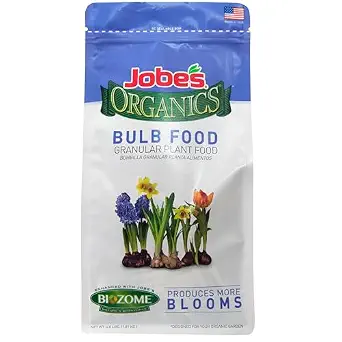 |
| Best Value The sweet spot between price and what you get | Espoma Organic Bulb-Tone 3-5-3 Organic Fertilizer for Bulbs, 4 lb |  |
| Best Budget The cheapest option that still gets the job done reliably | SouthernGRO Dutch Bulb Food 7-8-5, 4 lb |  |
| Highest Rated A top-rated pick with lots of positive feedback | Espoma Bulb-Tone Organic Bulb Food, 3-5-3, 4 lb (4 pack) |  |
| Most Popular A crowd favorite that many people choose with confidence | Espoma Bulb-Tone Organic Fertilizer 3-5-3, 4 lb |  |
| Best Seller A high-volume bestseller chosen again and again | Lilly Miller Bulb & Bloom Food 4-10-10 (4 lb) |  |
Down To Earth Organic Fish Bone Meal Fertilizer 4-12-0, 1 lb

| Item Form | Granules |
|---|---|
| Specific Uses For Product | Plant Growth |
| Coverage | Organic |
| Target Species | flowering plants, trees, shrubs |
| Mixing Ratio | 4-12-0 |
This fish bone meal from Down To Earth is a granular, OMRI-listed organic fertilizer with an N-P-K analysis of 4-12-0 designed to boost root growth and flowering. It is typically worked into the topsoil around bulbs or transplants and watered in; directions recommend reapplication every 4 to 6 weeks. The high phosphorus and calcium content make it especially well suited for daffodils and tulips, helping set strong roots and reduce blossom-end problems in nearby vegetables. As a slow-release, single-ingredient amendment it feeds steadily without the burn risk of soluble synthetics and supports organic gardening practices. Limitations are that it supplies little nitrogen or potassium, so you will need an additional balanced or nitrogen-rich feed for leafy growth or broader nutrient needs, and the 1 lb size covers only a small area compared with larger garden bags. For gardeners who want a targeted, natural bloom and root booster, this product is easy to apply and pairs well with compost or all-purpose organic fertilizers.
Best for: Gardeners who want a natural, targeted bloom and root booster for spring bulbs and flowering plants and who plan to integrate it into an organic feeding program.
Less Ideal for: Those looking for a complete all-in-one fertilizer or a single product to feed large beds season-long should consider a balanced or higher-volume option instead.
- High phosphorus ratio (4-12-0) supports strong root development and abundant blooms for bulbs
- OMRI-listed organic fish bone meal made from a single natural ingredient
- Slow-release granular form reduces risk of fertilizer burn and feeds over time
- Provides minimal nitrogen and no potassium so it must be supplemented for balanced nutrition
- Small 1 lb unit has limited coverage for larger beds or multiple seasons
Verdict: Use this OMRI-listed fish bone meal when you want a reliable organic phosphorus boost to strengthen roots and produce fuller blooms in daffodils and tulips.
Jobe's Organics Granular Bulb Fertilizer, 4 lb

| Item Form | Granules |
|---|---|
| Specific Uses For Product | Plant Growth, Root Development, Seed Development, Soil Conditioning |
| Target Species | bulbs, flowers |
| Mixing Ratio | 3-5-4 |
Jobe's Organics Granular Bulb Fertilizer is an OMRI-listed, pet- and kid-friendly granular formula designed to feed tulips and other spring bulbs through bloom. It uses a 3-5-4 NPK ratio aimed at supporting flowering and root development and is applied every 3 to 5 weeks during the growing season. In practice the granules are easy to measure and sprinkle into bulb beds or mixed into the planting hole, and because it is organic it reduces the risk of burning delicate bulbs when used as directed. The product is versatile for both new plantings and established beds and is intended to minimize runoff and mess compared with liquids. Limitations to know are that granular organics release nutrients more slowly than soluble feeds, so you should expect gradual results rather than an immediate boost, and regular reapplication is required during bloom. For growers seeking steady, low-risk feeding tailored to bulb flowering, this delivers practical, reliable nutrition.
Best for: Gardeners who prioritize steady, low-risk feeding for tulips and other bulb flowers and want an organic product that protects delicate bulbs while supporting bloom production.
Less Ideal for: Growers who need an immediate, dramatic bloom response or who prefer quick-release, water-soluble feeds for rapid correction of nutrient deficiencies.
- OMRI listed organic formula suitable for certified organic production
- 3-5-4 NPK ratio formulated to promote blooms and root development
- Granular form is easy to measure and apply to beds or planting holes
- Labeled safe for use around children and pets when used as directed
- Slower nutrient release than water-soluble fertilizers, so effects are gradual
- Requires repeated applications every 3–5 weeks during the season for best results
Verdict: Choose this product if you want a reliable organic granular fertilizer that steadily promotes bulbs' blooms and root health without risking burn.
Espoma Organic Bulb-Tone 3-5-3 Organic Fertilizer for Bulbs, 4 lb

| Item Form | Granules |
|---|---|
| Specific Uses For Product | Plant Food |
| Target Species | bulbs |
| Mixing Ratio | 3:5:3 |
Espoma Bulb-Tone is a ready-to-use granular fertilizer designed specifically for bulbs such as tulips, daffodils, crocus and lilies. You apply it at planting by placing some in the hole or broadcast it on the soil surface for established bulbs, then water it in; directions give clear doses for rows, beds and individual bulbs. Its 3-5-3 NPK and 6% calcium focus on supporting root establishment and flowering without synthetic carriers, and it is certified for organic gardening so it fits an organic bed program. Because it comes as granules there is no measuring or mixing required beyond following the label rates, and the Bio-tone formulation includes natural amendments intended to improve soil biology. Limitations to note are that it is a general bulb fertilizer rather than a liquid feed so results are on a seasonal timeline and it requires correct placement and watering to avoid foliage contact. For gardeners wanting a targeted, organic bulb food for seasonal planting and post-bloom feeding, this product is straightforward and practical.
Best for: Gardeners who want a straightforward, organic bulb fertilizer for planting and seasonal feeding and who prioritize established organic practices and predictable bloom support.
Less Ideal for: Growers who need fast-acting liquid feeds for quick foliar correction or who prefer a multi-use general-purpose fertilizer for non-bulb plantings.
- Formulated specifically for bulbs with a 3-5-3 NPK ratio suited to bloom promotion
- Ready-to-use granules require no onsite mixing
- Approved for organic gardening and contains natural amendments to support soil biology
- Clear application rates for planting, bed and individual bulb use
- Granular form means slower release and seasonal rather than immediate foliar feeding
- Must be applied and watered carefully to avoid fertilizer on foliage
Verdict: A purpose-built organic granular fertilizer that gives consistent seasonal bloom support for tulips and other bulbs.
SouthernGRO Dutch Bulb Food 7-8-5, 4 lb

| Item Form | Granules |
|---|---|
| Specific Uses For Product | Root Development |
| Coverage | Bulb flowers such as Tulips, Daffodils, Iris, Crocus, Hyacinths, Lilies |
| Mixing Ratio | 7:8:5 |
SouthernGRO Dutch Bulb Food is a granular 7-8-5 fertilizer made for in-ground bulb plants like tulips, daffodils, iris and hyacinths. You apply it to soil around bulbs at planting or seasonally to supply the primary nutrients that support root development and larger flowers. The formula is derived from common nutrient sources such as diammonium phosphate, urea and muriate of potash, and the product is sold as a simple, single 4 lb bag with a mixing ratio provided for application. Practical benefits include clear targeting for bulb crops and an easy granular form that is straightforward to work into garden soil. Important limitations are that it is not intended for container use and the bag size is modest, so larger beds will need multiple bags. If you want a no-frills, bulb-specific feed to add during planting or spring top-dress, this product covers the basics without specialty additives.
Best for: Buyers who want an affordable, straightforward bulb fertilizer for in-ground tulips and other spring bulbs and who prefer a simple granular feed to use at planting or seasonal top-dressing.
Less Ideal for: Gardeners who primarily grow bulbs in pots or who need a large-volume fertilizer for extensive beds should consider other products or bulk options.
- Bulb-focused 7-8-5 NPK ratio formulated to encourage root development and flowering
- Granular form is easy to apply around in-ground bulbs at planting or as a top-dress
- Contains standard, widely used nutrient sources for predictable performance
- Suitable for a range of common bulb species including tulips, daffodils and iris
- Not intended for container use
- 4 lb bag offers limited coverage for larger planting areas
Verdict: A budget-friendly, no-frills granular bulb fertilizer that supplies the basic nutrients tulip growers need for stronger roots and bigger blooms.
Espoma Bulb-Tone Organic Bulb Food, 3-5-3, 4 lb (4 pack)

| Item Form | Granules |
|---|---|
| Specific Uses For Product | Bulbs |
| Coverage | Organic |
| Mixing Ratio | 3:5:3 |
Espoma Bulb-Tone is a ready-to-use granular fertilizer designed specifically for bulb crops such as daffodils and tulips. It supplies a balanced 3-5-3 nutrient ratio with added calcium and beneficial microbes to support root and bloom development. Use it at planting by placing a small amount in the planting hole or as a top-dress on established bulbs after bloom, then water to move nutrients into the root zone. The organic formula means it breaks down slowly and supports soil biology rather than delivering a quick synthetic boost. Practical benefits include ease of use with no mixing required, an emphasis on consistent organic ingredients, and labeling aimed at bulb timing and application. Important limitations are that it is a low-analysis fertilizer so it will not produce rapid foliar greening if bulbs are severely nutrient-deficient, and because it is granular and organic it may work more slowly than soluble feeds in cold soils. For gardeners who want reliable, soil-friendly feeding tailored to spring bulbs, this product fits that approach.
Best for: Gardeners who prioritize steady, soil-friendly feeding for spring bulbs and want a product formulated specifically for daffodils and tulips.
Less Ideal for: Gardeners seeking fast, dramatic green-up or immediate correction of severe nutrient deficiencies should consider a soluble or higher-analysis feed instead.
- Formulated specifically for bulbs with a targeted 3-5-3 N-P-K for bloom support
- Contains added calcium and beneficial microbes to improve soil health
- Ready-to-use granular form requires no mixing and is easy to apply at planting or post-bloom
- Organic certified ingredients support long-term soil biology rather than quick synthetic action
- Lower nutrient analysis means slower visible results compared with soluble synthetic fertilizers
- Granular organic formula can act slowly in cold or compacted soils
Verdict: Choose Bulb-Tone when you want a dependable organic bulb fertilizer that supports blooms and soil health for daffodils and tulips.
Espoma Bulb-Tone Organic Fertilizer 3-5-3, 4 lb

| Item Form | Granules |
|---|---|
| Specific Uses For Product | Gardening,Organic,Plant Food |
| Coverage | Medium |
| Target Species | bulbs |
| Mixing Ratio | 3:5:3 |
Espoma Bulb-Tone is an organic granular fertilizer designed primarily for planting and feeding spring and fall bulbs, but it can be applied to other allium crops like onions when a balanced, natural boost is desired. It is ready to use out of the bag and recommended for placing in the planting hole for new bulbs or sprinkling on the soil surface for established plants then watering in. Notable features include its 3-5-3 NPK ratio, inclusion of calcium, and Espoma's Bio-tone formula made from organic ingredients approved for organic gardening. In practice this product provides steady nutrient release and helps support root development and flowering; for onions that translates to healthier sets and improved bulb formation when applied at planting and during early growth. Limitations are that it is formulated for bulbs rather than specifically for vegetable onions, so growers seeking higher nitrogen for heavier foliage or a slow-release formulation tailored to vegetable production may want a fertilizer made for vegetables. For gardeners who prioritize natural inputs and predictable, gentle feeding, Bulb-Tone is a dependable choice.
Best for: Gardeners who prefer organic, reliable products and want a gentle, easy-to-apply fertilizer to support bulb and bulb-like crops during planting and early growth.
Less Ideal for: Growers who need a vegetable-specific fertilizer with higher nitrogen or a targeted slow-release program for commercial onion production.
- Organic formula approved for organic gardening
- Ready-to-use granular form that can be placed at planting or sprinkled on soil
- Balanced 3-5-3 NPK with added calcium to support root and bulb development
- Produces steady, gentle nutrient release suitable for sensitive bulb roots
- Formulated for ornamental bulbs rather than specifically for vegetable onions
- Not a high-nitrogen feed if you want vigorous foliage growth
Verdict: Choose Bulb-Tone when you want an organic, ready-to-use granular fertilizer that reliably supports bulb and bulb-like crops with balanced nutrients.
Lilly Miller Bulb & Bloom Food 4-10-10 (4 lb)

| Item Form | Powder |
|---|---|
| Specific Uses For Product | plant care |
| Coverage | Medium |
| Target Species | bulbs |
| Mixing Ratio | 4:10:10 |
Lilly Miller Bulb & Bloom Food is a slow-release powder fertilizer formulated as a 4-10-10 blend aimed at boosting bloom strength and vigor in bulbous plants. It is typically worked into the soil around the base of bulbs at the start of the growing season or mixed according to the manufacturer mixing ratio for ongoing feeding. Notable features include its higher middle number phosphorus content to support flower development and potassium for overall plant health, and a powder form that mixes readily with soil and potting mixes. Practical benefits for Asiatic lilies include clearer flower set and sustained bloom energy over the season without needing weekly feedings. Important limitations are that it contains phosphorus so local regulations may restrict its use on turf or near waterways, and users should follow safety directions to avoid inhalation and wear gloves during application. This product is best used as a targeted seasonal feed rather than a continuous high-nitrogen growth fertilizer.
Best for: Gardeners who want a no-fuss seasonal bloom booster for Asiatic lilies and other flowering bulbs and prefer a slow-release feed to reduce application frequency.
Less Ideal for: People seeking a high-nitrogen fertilizer for leafy growth or those who must avoid phosphorus inputs due to local restrictions or proximity to sensitive waterways.
- Formulated with higher phosphorus and potassium to support stronger, longer-lasting blooms
- Slow-release powder reduces the need for frequent applications
- Easy to incorporate into soil or potting mix using the provided mixing ratio
- Designed specifically for bulbs so it matches the nutrient needs of flowering bulbs
- Contains phosphorus which may be restricted in some areas and requires careful application to avoid runoff
- Powder form can be dusty and requires protective equipment to avoid inhalation
Verdict: A purpose-built slow-release bloom fertilizer that gives Asiatic lilies stronger flowers with less frequent feeding.
Choosing the Right Fertilizer for Daffodils and Tulips: Key Factors to Consider
Nutrient Ratio and Timing
Bulbs such as daffodils and tulips need a fertilizer that supports root development and flowering rather than excessive leafy growth. A formula with moderate nitrogen, higher phosphorus, and adequate potassium helps form strong roots and encourages bloom production. Timing matters: apply a feeding when foliage first appears in spring and avoid high-nitrogen applications late in the season that can reduce the bulb's ability to store energy for the next year.
Consistent, seasonal feeding aligned with the bulbs' growth cycle increases bloom reliability over time. Read product labels for recommended application windows and follow rates for bulbs rather than general garden use.
Release Method and Predictability
Slow-release granular fertilizers deliver nutrients over several weeks and reduce the risk of burning bulbs or causing a rapid flush of foliage. Water-soluble or liquid feeds provide quick uptake and are useful when you need an immediate response before flowering. Choose the release method that matches your maintenance routine: low-effort gardeners benefit from timed-release granules, while attentive gardeners may prefer controlled liquid feeds for targeted boosts.
Predictability of nutrient release also interacts with soil temperature and moisture. In cool, wet soils a slow-release product that depends on warmth may underperform, so check manufacturer guidance on temperature-dependent release.
Salt Index and Bulb Safety
Bulbs are sensitive to high soluble salt levels, which can scorch roots and damage emerging shoots. Fertilizers with a lower salt index or those designed for bulbs reduce this risk. Avoid high-concentration applications placed directly against bulbs, and always follow dilution and placement instructions to keep nutrients in the root zone without causing localized burn.
If your soil is already saline or you see signs of tip scorch, choose a product labeled for safe use with bulbs and consider a lower-rate application to protect delicate root tissues.
Soil Type and Compatibility
Soil texture and organic matter influence how fertilizers behave. Sandy soils drain quickly and benefit from more frequent, lower-dose feeds, while heavy clay retains nutrients longer and risks salt buildup if overfed. Organic amendments and compost interact with fertilizer choices by improving nutrient-holding capacity and buffering sharp changes in availability.
Test or assess your soil to match fertilizer form and rate. Some formulations work better with alkaline soils, others with acidic conditions. Compatibility matters for both nutrient uptake and avoiding unintended pH shifts that can limit bulb performance.
Application Method and Garden Setup
How you plant and maintain bulbs affects the ideal fertilizer. In-ground borders and naturalized drifts can be fed with broadcast or banded granulars applied as foliage emerges. Containers and small beds require divisible doses and more frequent feeding because potting mixes drain faster and hold fewer nutrients. Placement matters: keep granular fertilizer slightly away from the crown and work it into the soil surface to encourage root access without contacting the bulb directly.
Consider tools and time required for application. Products with clear, simple instructions reduce the chance of over- or under-feeding across the planting area.
When to Feed Bulbs Through the Season
Feed bulbs when foliage first emerges in spring to support root activity and flower bud development. A single well-timed application at green-up is often the most important feed for daffodils and tulips.
Avoid late-summer or fall nitrogen-heavy feeds that can stimulate new leaf growth and reduce the bulb's ability to enter dormancy. After flowering, allow the foliage to die back naturally while limiting additional high-nitrogen applications.
- Green-up application supports blooms
- Avoid late-season high nitrogen
- Let foliage senesce for bulb energy storage
Feeding Bulbs in Containers Versus In-Ground
Containers need more frequent feeding because potting mixes dry and leach nutrients faster than garden soil. Use dilute liquid feeds every few weeks during the active period or slow-release granules formulated for containers.
In-ground bulbs benefit from a single spring application with a residual product or a targeted liquid feed at bud swell. Ensure container drainage and monitor for salt buildup, flushing pots occasionally if salts accumulate.
- Container feeding: dilute and frequent
- In-ground feeding: single targeted application often sufficient
- Flush containers if salts accumulate
Organic Options and Soil Building
Organic fertilizers and compost can supply steady nutrition while improving soil structure and microbial activity. Bone meal and well-rotted compost are traditional choices for bulbs because they add phosphorus and slowly available nutrients.
Organic approaches typically release nutrients more slowly than synthetic formulas, so they work well when combined with a spring feed to meet the immediate needs of emerging shoots. Regular soil-building practices will reduce dependence on large synthetic applications over time.
- Bone meal supplies slow phosphorus
- Compost improves structure and retention
- Combine organics with targeted spring feed for best results
Avoiding Common Feeding Mistakes
Over-application and placing concentrated fertilizer next to bulbs are common causes of scorch and poor performance. Always follow label rates for bulb plantings, and err on the lower side if you are unsure.
Another common error is feeding at the wrong time. High nitrogen in late summer or fall can prevent bulbs from entering dormancy properly. Also avoid feeding stressed or waterlogged bulbs until they recover, as uptake will be limited and the risk of burn increases.
- Do not place fertilizer directly against bulbs
- Follow recommended rates and timing
- Avoid feeding waterlogged or stressed bulbs
Testing Soil and Adjusting Nutrition
A basic soil test helps determine baseline nutrient levels and pH, allowing you to choose a fertilizer that addresses any deficiencies. Many bulbs tolerate a range of pH, but extreme acidity or alkalinity can limit nutrient availability.
Use test results to adjust phosphorus or potassium if required and to avoid unnecessary nitrogen that promotes foliage over flowers. Retest periodically if you change your feeding program or add significant organic matter.
- Soil testing informs targeted feeding
- Adjust fertilizer choice based on test results
- Retest after major changes to soil or feeding routine
How We Chose the Best Fertilizer for Daffodils and Tulips
We prioritized fertilizers that match the biological needs of spring bulbs and that perform well across common garden conditions. Selection focused on nutrient profile relevance, specifically phosphorus and balanced nitrogen that support root and bloom development. Release method was a second critical filter: we preferred options with predictable nutrient delivery, including slow-release granulars and clear liquid feeding instructions. Application practicality was assessed by ease of use for common bulb beds, container plantings, and small borders. We evaluated product stability and nutrient labeling clarity so gardeners can follow timing and rates confidently. Environmental considerations factored in, favoring formulas with low salt index or clear guidance to avoid bulb scorch. Exclusions included broad-purpose lawn feeds with inappropriate N-P-K ratios and products lacking transparent nutrient data. The final list emphasizes fertilizers that make a measurable difference when used with proper timing and soil preparation.
FAQ
How often should I feed daffodils and tulips?
Usually one targeted application at green-up and, if needed, a light follow-up at bud swell is sufficient. Containers may need dilute feeds every few weeks during active growth.
Is bone meal a good fertilizer for bulbs?
Bone meal supplies slow-release phosphorus and can help root development, but its nutrient release is slow and variable. Combine it with a spring feed if you need quicker nutrient availability.
Can I use a general-purpose garden fertilizer on bulbs?
You can, but check the N-P-K ratio. Products with high nitrogen are likely to produce excessive foliage and fewer blooms. Choose a formula with balanced or bloom-supportive ratios for best results.
Will fertilizing after flowering help next year's blooms?
Light feeding after flowering can help replenish bulb reserves if foliage remains healthy and photosynthesizing. Avoid high-nitrogen treatments late in the season that could delay dormancy.
How do I avoid fertilizer burn on bulbs?
Avoid placing undiluted or concentrated fertilizer directly against the bulb, follow label rates, water after application to move nutrients into the root zone, and choose lower-salt-index formulations when possible.
Final Verdict
Prioritize fertilizers that match the nutrient needs and timing of spring bulbs. Focus on formulations that provide moderate nitrogen, adequate phosphorus, and a predictable release method suited to your soil and planting style. Tradeoffs include convenience versus speed of uptake and synthetic strength versus organic soil benefits. Use soil testing and sensible application timing to avoid common mistakes like overfeeding or late-season nitrogen. With the right feeding plan you can improve bloom size and help bulbs build reserves for reliable flowers year after year.
