

Note: This article contains affiliate links. If you click on these links and make a purchase, I may earn a small commission at no extra cost to you. This helps support my research and content. Read my full affiliate disclosure here.
When you need a reliable tool for planting, edging, and breaking compacted soil, the right round point garden shovel makes routine tasks faster and less tiring. This guide looks at six shortlisted round point garden shovels chosen for everyday backyard and small-scale vegetable garden work. You will get practical information about durability, digging performance, and handle ergonomics so you can match a shovel to the soil and tasks you face. The picks below are the top options we considered for gardeners who want dependable digging, good control when planting, and a tool that stands up to heavy use. Read on to see the evaluation criteria and what matters when choosing a shovel for your garden chores.
Top Picks at a Glance
| Best Overall The best all-around choice for most situations | VNIMTI Heavy-Duty Round-Point Gardening Shovel with Fiberglass Handle |  |
| Best Quality Built to a higher standard if you want something more solid | Truper Tru Pro Round-Point Shovel with Fiberglass Handle and Cushion Grip |  |
| Best Value The sweet spot between price and what you get | VNIMTI 41-inch Round Garden Shovel with D-Handle |  |
| Best Budget The cheapest option that still gets the job done reliably | Pretul Round Point Shovel with D-Grip Handle |  |
| Highest Rated A top-rated pick with lots of positive feedback | HANTOP Round Digging Shovel with Fiberglass Handle, 58-inch |  |
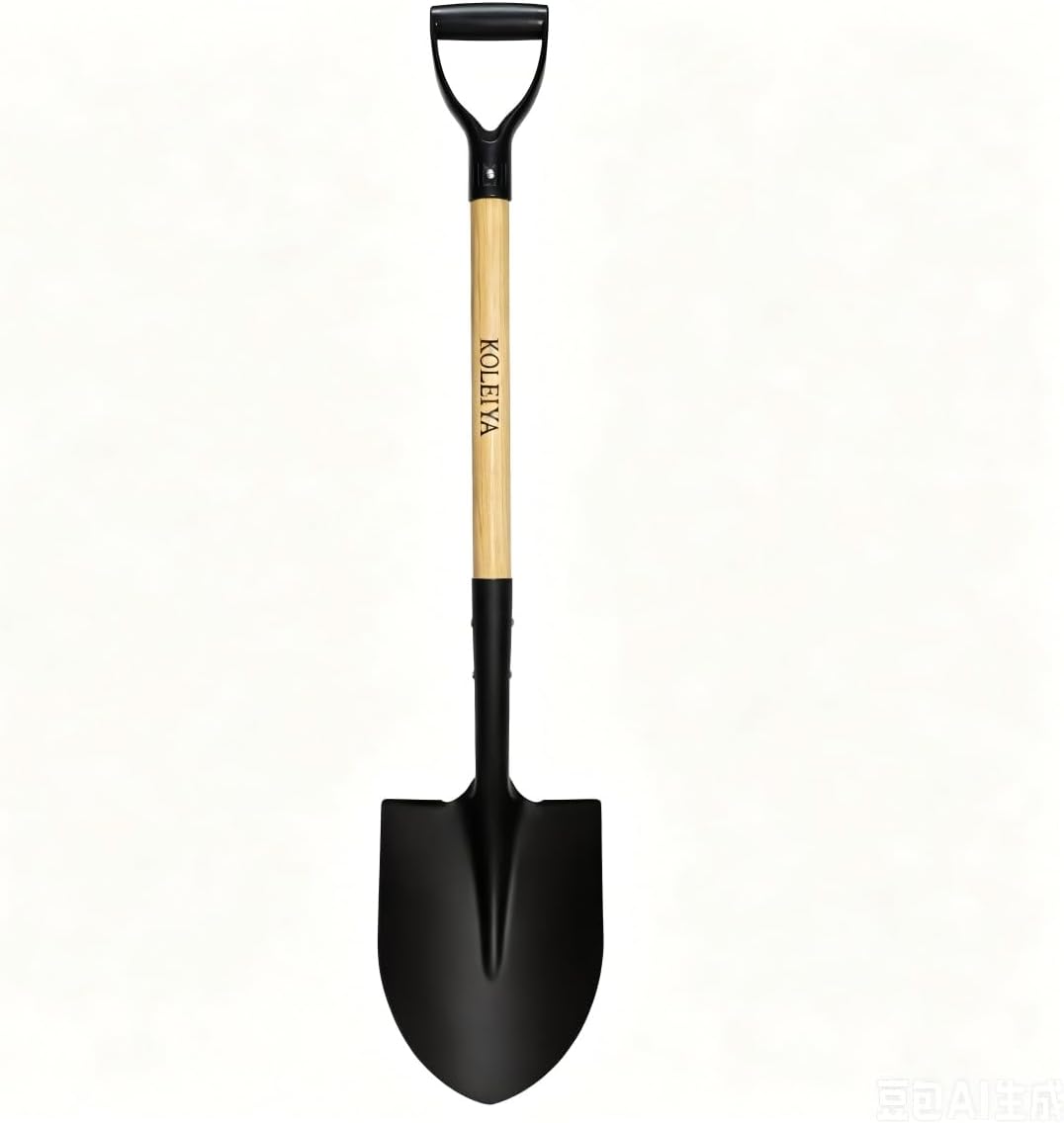
| Most Popular A crowd favorite that many people choose with confidence | KOLEIYA 41 Inch Round Point Garden Shovel with D-Handle |  |
VNIMTI Heavy-Duty Round-Point Gardening Shovel with Fiberglass Handle

| Material Type | Fiberglass, Metal |
|---|---|
| Handle Material | Alloy Steel |
| Blade Material | Alloy Steel |
| Grip Type | Ergonomic |
This VNIMTI round-point gardening shovel is built for regular to heavy digging tasks around the yard. The alloy steel blade is described as strong and sharp, and the larger round head plus wide tread make it easier to drive the blade into soil and apply consistent foot pressure. The long 56-inch fiberglass handle keeps your posture more upright for less back strain during extended use, and two non-slip grip zones improve control in wet or muddy conditions. Typical uses are digging planting holes, turning compacted soil, cutting through roots and working in gravel or sticky clay where more leverage is needed. Practical benefits include faster digging from the larger head, reduced fatigue from the longer shaft, and a sturdy construction that should hold up under tougher jobs. Limitations are that the tool is fairly heavy and long, which can be awkward for very small gardens, tight beds, or storage, and the product information does not list a specific corrosion resistance or blade coating for wet environments.
Best for: A practical gardener who wants a durable, all-purpose digging shovel for regular to heavy tasks and values leverage and reduced back strain during extended work sessions.
Less Ideal for: Not the best choice for small urban balconies, raised beds with tight spacing, or gardeners who need a compact or very lightweight trowel-style tool.
- Large round blade and wide tread for more efficient digging and better foot leverage
- Alloy steel blade and sturdy construction suited for heavy-duty yard work
- Long fiberglass handle reduces bending and helps maintain an upright posture
- Ergonomic, non-slip grip zones provide better control in wet or muddy conditions
- Relatively heavy and long which may be cumbersome in tight beds or for users preferring a lightweight tool
- No explicit information about blade coating or rust resistance in the product details
Verdict: Choose this shovel if you want a sturdy, long-handled round-point tool that speeds digging and cuts down on back fatigue for routine heavy garden work.
Truper Tru Pro Round-Point Shovel with Fiberglass Handle and Cushion Grip

| Blade Material | High Carbon Steel |
|---|---|
| Handle Material | Fiberglass |
| Gauge | 14 |
| Grip Type | PRL F |
| Warranty | Lifetime replacement warranty |
This Truper Tru Pro round-point shovel is built for demanding digging tasks. The high-carbon steel blade and 14-gauge construction make it effective at slicing into compacted or rocky soil, while the reinforced connection to the fiberglass handle resists bending under leverage. The 48-inch fiberglass handle offers weather resistance and reduced vibration compared with wood, and the 9-inch cushioned grip improves control when driving the blade or levering sod. Typical uses include planting, edging, breaking up hard ground, and moving soil or gravel on a regular basis. Notable features are the round-point profile for efficient penetration, professional-grade materials, and a long grip that helps with two-handed power on deep digs. Expect long service life and lower maintenance than wooden-handle shovels, but the heavier high-carbon blade and longer handle make it less convenient for tight spaces or precision container work. Also the fiberglass handle transmits less flex than wood but cannot be easily reshaped in the field if damaged.
Best for: Buyers who prioritize digging performance and durability for regular garden or landscaping work and want a tool that stands up to heavy use.
Less Ideal for: Not the best choice for small-scale container gardeners, raised-bed planting in tight spaces, or those who prefer a lightweight folding or compact tool.
- High-carbon steel round-point blade for efficient penetration of compacted and rocky soils
- 48-inch fiberglass handle resists weathering and reduces vibration compared with wood
- 9-inch cushioned grip provides better comfort and control during heavy digging
- Reinforced professional construction designed for frequent, jobsite-level use
- Long fiberglass handle and heavy blade can be unwieldy in tight beds or for delicate container work
- Fiberglass handle is durable but not easily repaired if cracked or fractured
Verdict: Choose this shovel when you need a rugged, professional-grade tool that consistently powers through compacted or rocky soil.
VNIMTI 41-inch Round Garden Shovel with D-Handle

| Material Type | High Carbon Steel, Wood |
|---|---|
| Blade Material | High Carbon Steel |
| Handle Material | Wood |
| Grip Type | D-Grip |
This VNIMTI round garden shovel is a straightforward digging tool built around a high-carbon steel blade and a wooden D-handle. In typical use it works as a general-purpose digging and transplanting shovel for breaking compacted soil, edging lawns, moving dirt or gravel, and clearing light snow. The blade is heat-treated for hardness so it resists bending when it hits rocks, and the tapered drop-shaped head plus foot step make it easier to pry into packed ground. The D-grip handle gives secure control for levering and repeated lifts while the 41-inch length provides usable reach without being cumbersome. It is fairly lightweight for its size, which helps on longer jobs, though the wooden handle will need occasional care to avoid weathering and it is not as impact-resistant as some synthetic handles. This is not a specialty spade for precise trenching or heavy rock work but it is a durable, no-frills shovel that covers the everyday digging tasks most gardeners need.
Best for: Gardeners who want a reliable, general-purpose digging shovel for transplanting, edging, and everyday soil work and who value durability and simple maintenance.
Less Ideal for: Users needing a specialty spade for precise trenching, heavy rock excavation, or an all-weather handle with maximum impact resistance should look elsewhere.
- High-carbon steel blade with heat treatment improves hardness and resistance to bending
- D-shaped handle offers a secure grip for levering and control
- Drop-shaped blade and step pads make it easier to penetrate compacted soil
- Relatively lightweight for a 41-inch shovel, reducing user fatigue on longer tasks
- Wooden handle requires maintenance and is less impact-resistant than fiberglass or metal
- Not designed for heavy rock removal or extremely demanding excavation
Verdict: A tough, no-nonsense round garden shovel that makes everyday digging and transplanting easier thanks to a hardened steel blade and a comfortable D-handle.
Pretul Round Point Shovel with D-Grip Handle

| Brand | Pretul |
|---|---|
| Grip Type | Ergonomic |
| Material Type | Plastic |
This Pretul round-point shovel is a budget-oriented garden tool designed for light digging, planting, and moving loose soil or mulch. It has a round blade profile that cuts into soil for planting and edging, and the fist-style D-grip makes single-hand control easier when levering sod or scooping. The shovel is notable for its low-cost all-plastic construction, which keeps it lightweight and resistant to rust. Typical use will be in raised beds, container gardens, or for seasonal planting where heavy rock or compacted ground is not common. The main practical benefit is affordability combined with ergonomic grip type that helps reduce hand fatigue during short jobs. Important limitations are its plastic blade and handle, which offer less strength and durability than metal or hardwood alternatives and can flex or wear out under heavy leverage or when digging in dense, rooty soils. For regular heavy-duty landscaping or breaking compacted clay this shovel is likely to be outperformed by metal-blade models.
Best for: Gardeners on a tight budget who need a lightweight shovel for planting, transplanting, and light bed work in raised beds or containers. Best for seasonal or occasional use rather than daily heavy labor.
Less Ideal for: Landscapers or gardeners who regularly dig in rocky, root-filled, or compacted soils should choose a metal-blade shovel with a stronger handle instead.
- Very affordable option for casual gardeners
- Lightweight plastic construction is rustproof and easy to maneuver
- D-grip handle improves control when scooping or levering
- Round-point blade shape suits planting, edging, and transplanting tasks
- All-plastic blade and handle reduce durability under heavy or rocky conditions
- Not suitable for prying roots or compacted clay due to limited stiffness
Verdict: If you want the cheapest, rustproof round-point shovel for light planting and bed work, this Pretul model delivers basic function and an ergonomic D-grip at minimal cost.
HANTOP Round Digging Shovel with Fiberglass Handle, 58-inch

| Material Type | Fiberglass, Metal |
|---|---|
| Handle Material | Fiberglass |
| Blade Material | Metal |
| Grip Type | Padded |
This HANTOP digging shovel is built for everyday garden work: the 58-inch fiberglass handle gives reach and reduces strain on the back while the pointed, sharpened metal blade slices through soil, roots, and clods. Typical use is digging planting holes, transplanting, and general bed preparation; the wide foot step helps when you need extra leverage to break compacted ground. The padded grip adds comfort for extended use and the fiberglass handle resists rot and absorbs shock better than plain wood. Because the blade is sharpened and serrated, it is useful for cutting through small roots and compacted soil, but it is not intended for prying very large rocks. The tool is heavier than some lightweight trowels, which helps with momentum when digging but may be noticeable over long sessions. For a balanced all-purpose garden shovel this one pairs durability, reach, and a comfortable grip in a straightforward, no-frills design.
Best for: Gardeners who want a durable, comfortable all-purpose digging shovel for planting, transplanting, and regular bed preparation without specializing in rock or turf work.
Less Ideal for: People who need a very lightweight hand tool for frequent short tasks or who routinely dig around large rocks and tough roots should consider specialized tools instead.
- Long fiberglass handle reduces back strain and resists rot
- Sharpened, serrated metal blade cuts through roots and compacted soil
- Wide foot step provides good leverage for breaking ground
- Padded grip improves comfort during extended use
- Heavier weight may be tiring for prolonged use
- Not designed for heavy prying of large rocks or roots
Verdict: A sturdy, comfortable long-handled shovel that balances reach, blade performance, and user comfort for everyday digging and planting tasks.
KOLEIYA 41 Inch Round Point Garden Shovel with D-Handle
| Material Type | Alloy Steel, Wood |
|---|---|
| Handle Material | Wood |
| Blade Material | Alloy Steel |
| Grip Type | D-Grip |
This KOLEIYA 41-inch round point shovel is a straightforward, heavy-duty digging tool for routine garden and landscaping tasks. It pairs a hardened alloy steel blade with a solid hardwood handle and a wide D-grip to give good leverage when digging, transplanting, scooping gravel or compost, and clearing light snow or ice. The blade is attached with double rivets for durability and the 41-inch length lets users work upright with less stooping. At about 3.3 pounds it is light enough for extended use by a range of gardeners while still feeling sturdy. The shovel is best for typical backyard soil, raised beds, and edging; its round-point blade handles root penetration and breaking compacted soil better than a flat spade. It is not a specialty tool for extremely rocky excavation or heavy demolition, and users who frequently work in very abrasive or professional construction conditions may want thicker industrial models. For home gardeners seeking a reliable, well-made round point shovel, this model balances strength, comfort, and everyday utility.
Best for: Buyers who want a dependable, all-purpose garden shovel for regular yard work and prefer verified product performance and build quality when selecting tools.
Less Ideal for: Professional contractors or users who need a shovel for constant heavy excavation in highly rocky or industrial environments should consider purpose-built commercial tools instead.
- Hard alloy steel blade for digging and root penetration
- Solid hardwood handle with wide D-grip for comfortable leverage
- Double-rivet blade attachment for stronger long-term hold
- 41-inch length reduces stooping and improves posture during use
- Not intended for sustained heavy-duty excavation in very rocky or abrasive conditions
Verdict: A well-built, comfortable round point shovel that gives home gardeners durable digging performance for everyday yard and garden tasks.
Choosing the Right Round Point Garden Shovel: Key Factors to Consider
Blade Material and Construction
The blade is the business end of a round point garden shovel so its material and thickness determine how well it slices through roots and firm soil. Steel blades with a measurable thickness resist bending when levering heavy loads; thinner stamped blades wear faster and can warp under stress.
Look for heat-treated or hardened steel if you often break compacted ground. Powder-coating or rust-resistant finishes help extend blade life in wet gardens. Also inspect how the edge is formed: a sharpened or slightly beveled lip cuts turf and roots more cleanly than a blunt edge.
Tip Shape and Penetration
Round point tips concentrate force into a smaller area, which helps penetrate sod and clay more easily than square blades. The exact curvature and point profile affect how readily the shovel enters soil and how much effort you must apply from the foot or hands.
A pronounced point is useful for breaking firm layers and for planting deeper root balls. If you mostly work in loose, sandy soil, an aggressive point is less important than a broader face for moving material quickly. Consider what soil types you encounter most when weighing tip geometry.
Handle Material and Ergonomics
Handle material affects both comfort and longevity. Wood shafts absorb shock and can be more pleasant to hold for long sessions, but they require maintenance and may splinter over time. Fiberglass shafts resist weather and are lighter, while steel shafts add durability but can transfer more vibration to the hands.
Grip shape and diameter matter for control. A tapered or D-shaped handle at the top improves leverage and allows a secure two-handed stance. Pay attention to textures and any molded grips that reduce slipping when your hands are wet or muddy.
Shaft Length and Balance
Shaft length changes leverage and body posture. Longer shafts let you use more leg power and reduce bending for deep digging, but they can be harder to store and may feel unwieldy in tight beds. Shorter shafts give more control for planting and edging close to fences or raised beds.
Balance between blade and handle determines how the shovel sits when lifted. A well-balanced tool reduces wrist strain during repetitive digging. Consider your height and typical task when choosing shaft length and overall balance.
Join Method and Overall Durability
How the blade connects to the shaft often dictates the shovel's lifespan. A welded socket or through-tang construction distributes stress better than simple riveted attachments. Joints that move or flex are common failure points when levering heavy soil or prying out roots.
Inspect whether the manufacturer uses reinforced collars, rivets, or full-tang designs in descriptions. Corrosion-prone connections accelerate failure in damp gardens, so finishes and tight fits increase longevity.
Weight, Balance, and Intended Use
A heavier shovel can feel more solid and drive through dense soil with less effort from your upper body, but it also causes earlier fatigue during extended use. Lightweight options reduce fatigue for gardeners who spend long periods digging or planting, but they may flex under heavy strain.
Match the shovel weight to your typical tasks. If you frequently pry roots or deal with clay, favor sturdiness. For light planting, transplanting, or work in raised beds, prioritize a lighter, well-balanced tool that preserves energy over a long session.
Matching Shovel Geometry to Soil Types
Soil texture and compaction determine which round point geometry will work best. In heavy clay or compacted yards, a narrower, more pointed blade penetrates with less force and helps break up dense pockets. In looser, organic soils a broader face moves more material per scoop and makes planting faster.
If your garden has mixed soil types, choose a versatile profile that balances penetration and carrying capacity. Regularly sharpening the leading edge improves cutting performance across all soils.
- Narrow point for clay and compacted soil
- Broader face for loose, organic soil
- Keep edge sharp for consistent penetration
Care and Maintenance for Longevity
Routine maintenance keeps a shovel performing season after season. After use, knock off excess soil, dry the blade, and apply a light oil to steel surfaces to prevent rust. Wooden handles benefit from occasional sanding and oiling to prevent splinters and swelling.
Store shovels hanging or off the ground to avoid long-term moisture exposure. Tighten or inspect fasteners periodically and address any wobble at the blade-shaft join before it becomes a failure.
- Clean and dry after each use
- Light oil on steel and linseed oil on wood
- Store off the ground and inspect joints regularly
Ergonomic Tips to Reduce Strain
Using proper technique reduces fatigue and the risk of injury. Bend at the knees when digging and let your legs and hips provide the power rather than leaning solely on your back. Position the shovel so the foot rests on the lip evenly and use controlled, steady pressure.
If you experience wrist or shoulder discomfort, try a different shaft length or a handle with a more ergonomic grip. Alternating hands and taking short breaks during repetitive tasks also preserves stamina.
- Bend at the knees and use leg power
- Keep the shovel close to the body for control
- Switch hands and rest during long sessions
Using a Shovel for Planting Versus Edging
Round point garden shovels are versatile but perform different roles depending on how you use them. For planting, work the point into the soil to open a hole slightly larger than the root ball, then use the face to move soil back in and firm gently. For edging, use the point to cut a clean line and the blade face to remove the loosened strip.
Adjust your technique to protect nearby plants and to create tidy edges. A sharpened edge gives cleaner cuts for turf and helps create lasting garden lines.
- Point-first for planting holes
- Edge-first for clean lawn borders
- Sharpen edge for neat cuts
When to Repair or Replace Parts
Small issues often have simple fixes. Tighten loose collars, replace worn grips, and address minor rust before it penetrates the metal. A cracked wooden shaft can sometimes be sanded and treated for short-term use, but a full replacement is safer for long-term reliability.
Replace a shovel when the blade bends permanently, the shaft fractures, or the join fails. Continued use of a compromised tool risks injury and can make garden work slower and more difficult.
- Repair loose fittings and grips quickly
- Replace shafts with visible cracks
- Retire tools with bent or warped blades
How We Chose the Best Round Point Garden Shovel
We limited the roundup to round point garden shovels intended for general digging, planting, and light breaking of compacted soil. We prioritized build features that matter in real gardens: blade material and thickness for wear resistance, handle material and shape for comfort and torque, shaft strength and joining method for long-term reliability, and overall weight and balance for daily handling. Our evaluation included practical durability checks from specifications and manufacturer details, assessments of blade shape and edge geometry for effective slicing of roots and turf, and ergonomics reviews focusing on grip shape, shaft length, and weight distribution. We also noted corrosion resistance treatments and ease of maintenance. We excluded specialized trenching or transplanting tools, shovels designed solely for snow, and any designs meant exclusively for heavy landscaping contractors. The list focuses on shovels suited to home gardeners who need dependable digging, planting, and edging performance.
FAQ
Is a round point shovel better than a square shovel for planting?
A round point shovel is generally better for planting because the pointed tip penetrates soil and cuts roots more easily, making holes and loosening compacted ground. Square shovels move material and create flat-bottomed trenches more efficiently, so the best choice depends on the task.
How often should I sharpen the shovel edge?
Sharpening frequency depends on use and soil conditions. Heavy use in abrasive or root-filled soils may need sharpening a few times per season, while light gardening may only require an annual touch-up. A sharp edge improves penetration and reduces effort.
What handle length is best for someone 5 feet 6 inches tall?
For gardeners around 5 feet 6 inches, a shaft length in the mid range-typically about 48 to 52 inches-offers a balance between leverage and control. Try to test a few lengths if possible, because personal lifting style and task type influence what feels comfortable.
Can I use a round point shovel in rocky soil?
You can use a round point shovel in rocky soil, but expect more wear and potential bending of the blade. For frequent rock work choose a shovel with thicker steel, reinforced joins, and a robust shaft to withstand prying and impact.
How do I prevent a wooden handle from splitting?
Prevent splitting by keeping the handle dry and treating it periodically with linseed oil or another wood preservative. Avoid leaving the shovel exposed to prolonged wet conditions and store it off the ground. Light sanding and oiling address small rough spots before they develop into splits.
Is a heavier shovel always more durable?
Not always. Heavier shovels often feel sturdier and can aid penetration in dense soils, but weight alone does not guarantee construction quality. A well-made lightweight shovel with strong materials and good join design can outlast a heavy tool with weak connections.
Final Verdict
Choose the round point garden shovel that matches your common soil conditions and the tasks you do most. Prioritize a durable blade and a secure join if you break compacted ground regularly, and favor comfort and lighter weight for long planting or edging sessions. Balance the tradeoffs between penetration ability, weight, and shaft length to find a tool that reduces fatigue while delivering reliable digging performance. With the criteria above in mind you can select a shovel that will handle years of garden work confidently.
