

Note: This article contains affiliate links. If you click on these links and make a purchase, I may earn a small commission at no extra cost to you. This helps support my research and content. Read my full affiliate disclosure here.
Sunny containers need plants that tolerate heat, dry soil, and strong light while still looking good on patios, decks, and balcony boxes. Choosing the right plants for planters in sun matters because container soil heats and dries faster than in-ground beds, and root space is limited. The right selections reduce watering, avoid frequent repotting, and keep seasonal color or foliage interest through hot spells. This guide shortlists seven top choices suited to sunny planters and evaluates them against container performance and drought resilience. Below you will find practical notes on placement, watering rhythms, and how each plant type behaves in a real planter environment.
Top Picks at a Glance
| Best Overall The best all-around choice for most situations | CitronellaKing Pacific Sunset Agapanthus — Variegated Evergreen African Lily (2 live plants) |  |
| Best Quality Built to a higher standard if you want something more solid | Costa Farms Ruellia (Mexican Petunia) Live Outdoor Plant, Purple Flowers |  |
| Best Value The sweet spot between price and what you get | Groundio Moss Rose (Portulaca grandiflora) Mixed-Color Seeds, 23,500 Count |  |
| Best Budget The cheapest option that still gets the job done reliably | Wivolibe Dwarf Dahlia Mix Seeds — 300+ Non-GMO Heirloom Seeds |  |
| Highest Rated A top-rated pick with lots of positive feedback | CitronellaKing Santa Barbara Mexican Sage (Salvia leucantha) — 2 Live Starter Plants |  |
| Most Popular A crowd favorite that many people choose with confidence | PERFECT PLANTS Frostproof Gardenia Live Plant, 1 Gallon |  |
| Best Seller A high-volume bestseller chosen again and again | KVITER Mix Moss Rose (Portulaca grandiflora) Heirloom Flower Seeds — Double Moss Rose Mix |  |
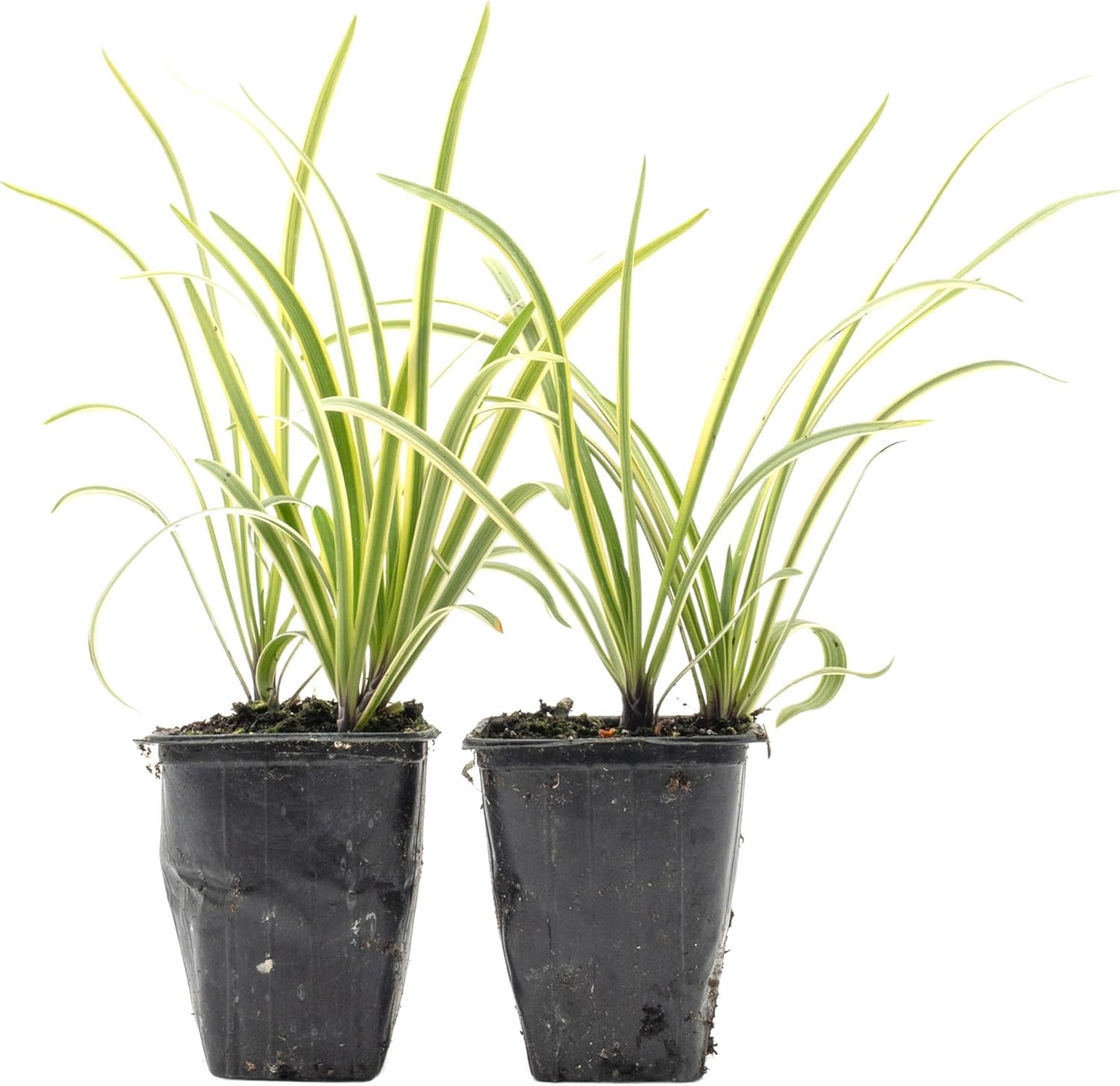
CitronellaKing Pacific Sunset Agapanthus — Variegated Evergreen African Lily (2 live plants)
| Sunlight Exposure | Full Sun to Partial Shade |
|---|---|
| USDA Hardiness Zone | 8-10 |
| Expected Blooming Period | Late spring to early summer |
| Moisture Needs | Regular Watering, Drought Tolerant once established |
| Plant or Animal Product Type | Agapanthus Pacific Grove |
The Pacific Sunset Agapanthus is a compact, variegated evergreen perennial sold as two well-rooted starter plants ready for planting in containers or sunny garden beds. It produces neat clumps of green leaves edged in gold and lifts rounded clusters of blue-violet flowers from late spring into early summer. Use it in planters on sunny patios, as a border accent, or grouped in mass plantings where its tidy habit and seasonal blooms add structure and color. Practical benefits include drought tolerance once established, low ongoing maintenance, and deer resistance, which reduces pest pressure in outdoor settings. Because it stays around 1–2 feet, it is an easy fit for medium-size pots and mixed planter combinations. Limitations are zone-dependent hardiness and a relatively brief peak bloom window, so it works best where winters are mild and you want summer floral interest rather than year-round flowering. New plants need a short acclimation period and well-draining soil after transplanting to establish quickly.
Best for: Buyers who want a low-maintenance, decorative perennial for sunny planters or border accents that provides seasonal blooms and architectural foliage with minimal care.
Less Ideal for: Gardeners in cold climates below USDA zone 8 or those seeking continuous flowering through multiple seasons should consider other species or annuals.
- Compact, tidy clumping habit fits well in medium planters and mixed containers
- Variegated evergreen foliage provides year-round interest in mild climates
- Drought tolerant once established, reducing watering needs
- Large clusters of blue-violet blooms attract pollinators and add seasonal color
- Flowering primarily in late spring to early summer so blooms are not continuous year-round
- Hardy only to USDA zones 8–10, limiting use in colder climates
Verdict: A tidy, variegated perennial that brings bold foliage and summer-blue flower clusters to sunny planters with very little maintenance.
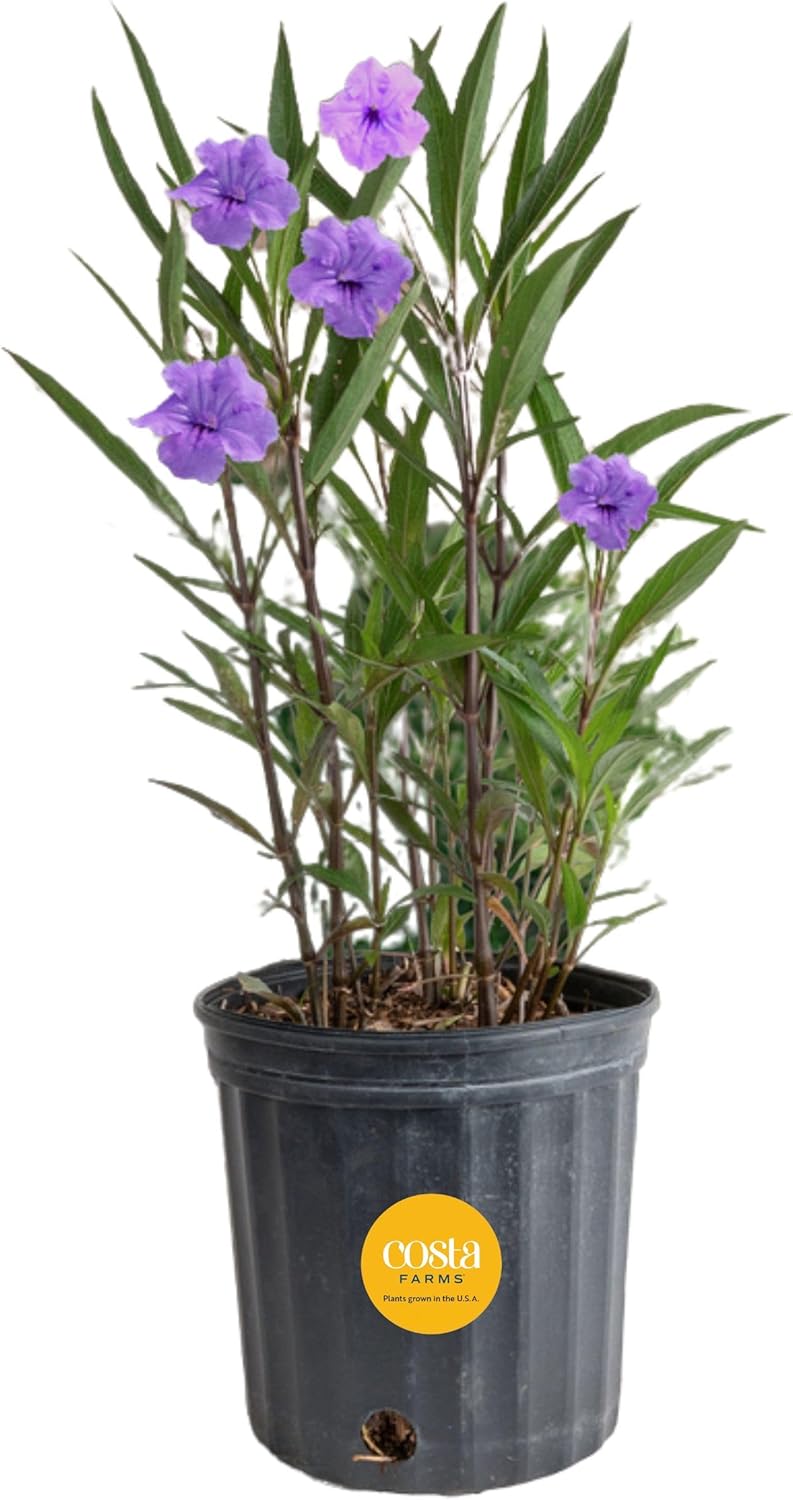
Costa Farms Ruellia (Mexican Petunia) Live Outdoor Plant, Purple Flowers
| Indoor Outdoor Usage | Outdoor |
|---|---|
| Sunlight Exposure | Full Sun |
| Expected Plant Height | 36 inches |
| Container Material | Plastic |
This Costa Farms Ruellia (Mexican petunia) is a vigorous, easy-care flowering plant that delivers continuous purple trumpet-shaped blooms and quick vertical growth. For pots on a sunny patio it establishes fast and reaches about 2 to 3 feet tall, making it a dependable thriller or focal plant in large containers. The plant performs best in full sun but tolerates partial shade and a wide range of soils as long as drainage is reasonable. Its drought tolerance and heat resilience mean lower watering needs once established, and its nectar-rich flowers attract pollinators such as hummingbirds and butterflies. Practical limitations include its rapid growth habit, which can require regular pruning or dividing in confined pots to prevent crowding, and the plastic nursery container that may need upgrading for long-term container culture. For gardeners seeking a low-effort, high-impact annual or summer perennial look in warm climates, this is an efficient choice for sunny pots and mixed container arrangements.
Best for: Buyers who want a high-performing, low-maintenance flowering plant to create bold color and height in full-sun pots and mixed container designs.
Less Ideal for: Gardeners seeking a very compact, slow-growing filler for small pots or those who do not want to perform occasional pruning or repotting should consider other compact annuals.
- Produces prolific, continuous purple blooms for strong visual impact
- Fast growth that quickly fills large pots or provides vertical interest
- Heat and drought tolerant once established, reducing watering frequency
- Attracts pollinators, adding wildlife and movement to containers
- Can outgrow containers quickly and needs regular pruning or dividing in pots
- Supplied in a basic plastic nursery container that may require repotting for long-term use
Verdict: Choose this Ruellia when you need a fast-growing, heat-tolerant plant that reliably delivers nonstop purple blooms and strong container presence in full sun.
Groundio Moss Rose (Portulaca grandiflora) Mixed-Color Seeds, 23,500 Count

| Unit Count | 23500 Count |
|---|---|
| Expected Blooming Period | Summer to Fall |
| Sunlight Exposure | Full Sun |
| Material Features | GMO Free, Heirloom |
| Other Special Features of the Product | High Germination Rate |
These Groundio moss rose seeds supply a huge quantity of Portulaca grandiflora seed for quickly establishing a colorful carpet of low annual flowers. They are intended to be surface-sown in well-drained soil and will germinate quickly in warm temperatures, producing double-petaled blooms in mixed pinks, reds, yellows, oranges, whites, and purples from summer into fall. Key useful traits are high reported germination, non-GMO heirloom seed, and strong tolerance for heat and drought, which makes them easy to use in pots, hanging baskets, rock gardens, and dry sunny beds. Practical benefits include very broad coverage from one packet, minimal watering needs once established, and simple sowing that does not require a green thumb. Limitations are that the seed mix is aimed at full sun and well-drained soils only, so performance will drop in shadier or waterlogged locations, and buyers who need precise spacing or single-color uniformity may prefer smaller, variety-specific packets instead of this mixed bulk offering.
Best for: Gardeners who want a low-maintenance, high-coverage annual to fill pots and sunny containers quickly without fuss, and who prioritize easy establishment and drought tolerance over precise variety control.
Less Ideal for: People planting in shade, consistently moist containers, or those seeking single-color displays or tight spacing control for formal designs should choose a different seed selection.
- Very large seed count (23,500) provides extensive coverage for pots and containers
- High reported germination for faster, more reliable establishment
- Heat and drought tolerant once established, suitable for hot sunny sites
- Non-GMO heirloom seed for traditional varieties and genetic consistency
- Designed for full sun and well-drained soil so not suitable for shady or wet conditions
- Mixed colors mean less control if you want a single color or uniform look
Verdict: If you need an easy, low-water annual to rapidly fill sunny pots and hanging baskets with nonstop summer color, this giant pack of moss rose seeds delivers simple, reliable results.
Wivolibe Dwarf Dahlia Mix Seeds — 300+ Non-GMO Heirloom Seeds

| Number of Pieces | 300 |
|---|---|
| Indoor Outdoor Usage | Outdoor |
| Expected Blooming Period | Summer |
| Sunlight Exposure | Full Sun |
| Material Features | GMO Free, Organic |
These Wivolibe dwarf dahlia seeds provide a budget-friendly way to fill sunny planters and garden borders with colorful, compact blooms. The packet contains more than 300 seeds of a curated multicolor mix that produces shorter, bushy plants suited to containers, window boxes, and front-of-border plantings. They are marketed as non-GMO heirloom seeds with a high germination rate, so you can expect many seedlings per sowing and the option to save seeds at season's end. Dwarf dahlias here are described as cold-hardy and drought-tolerant, which reduces watering and care once plants are established. Typical uses are mass-sowing in planters for continuous summer blooms and cutting small bouquets. The main limitations are the usual variability of open-pollinated mixes — colors and flower forms may vary — and the extra time and attention required during germination and early care compared with buying established plants. For gardeners on a tight budget who want lots of color from sun-exposed containers, this seed mix is a practical choice.
Best for: Gardeners looking to maximize color per dollar in sunny planters or small borders and who are comfortable starting plants from seed and saving occasional effort for germination.
Less Ideal for: Buyers who want immediate, mature blooms or who prefer guaranteed uniform cultivars should choose potted plants or named varieties instead.
- Generous seed count of 300+ gives many plants from a single packet
- Non-GMO heirloom seeds allow seed saving for future seasons
- Compact dwarf habit works well in containers and small garden borders
- Described as cold-hardy and drought-tolerant, lowering maintenance
- Open-pollinated mix means flower colors and forms can be inconsistent
- Requires germination and early care rather than providing instant mature plants
Verdict: If you want lots of summer color in sun‑exposed planters on a tight budget, this large packet of dwarf dahlia heirloom seeds delivers high value per seed and easy container suitability.
CitronellaKing Santa Barbara Mexican Sage (Salvia leucantha) — 2 Live Starter Plants

| Indoor Outdoor Usage | Outdoor |
|---|---|
| Expected Blooming Period | Summer, Fall |
| Sunlight Exposure | Full Sun to Partial Shade |
| USDA Hardiness Zone | 8-11 |
| Moisture Needs | Moderate Watering |
These two Santa Barbara Mexican sage starters arrive ready to plant and provide an easy, reliable option for sunny planters and borders. The plants form compact, aromatic mounds with soft purple flower spikes that attract pollinators and add seasonal color; they are described as heat-loving and drought-tolerant once established. Typical use is in containers, mass plantings, low hedges, or as accents where 2–3 foot tall upright habit is desirable. Notable features include evergreen, fragrant foliage, pest resistance, and low to moderate water needs, which reduce routine care demands. Because they ship in small nursery cubes, you will want to acclimate and transplant promptly into well-draining potting mix or planter soil and keep the soil evenly moist until roots establish. Limitations are that they are suited to warmer climates (USDA zones 8–11) and need full sun for best flowering, so they are not ideal in cool, shaded sites or for gardeners expecting immediate large specimens from the starter size.
Best for: Gardeners who want a dependable, low-maintenance flowering shrub for sunny planters or pollinator borders and prefer plants that establish quickly and tolerate heat and dry spells.
Less Ideal for: Homeowners in cool or heavily shaded regions or those seeking instant large specimens without transplanting and growth time should consider alternatives.
- Attractive, pollinator-friendly purple blooms that add color to planters and borders
- Heat-loving and naturally drought-tolerant once established, lowering water needs
- Compact, mounding evergreen habit suitable for containers and small hedges
- Fragrant foliage and reported pest resistance for low-maintenance care
- Starter plants in small nursery cubes require prompt transplanting to reach mature size
- Restricted to warmer growing zones and performs best in full sun
Verdict: A reliable, low-maintenance flowering sage suited to sunny planters and pollinator gardens where heat tolerance and steady performance matter most.
PERFECT PLANTS Frostproof Gardenia Live Plant, 1 Gallon

| Indoor Outdoor Usage | Outdoor |
|---|---|
| Other Special Features of the Product | Deer Resistant, Fragrant |
| Expected Blooming Period | Summer |
| Sunlight Exposure | Full Sun, Partial Shade |
| Expected Planting Period | Spring |
This 1-gallon Frostproof gardenia is a compact, fragrant shrub intended for outdoor landscape use. It arrives as a live plant with a recommended mature height around 5 feet and is typically planted in mulch beds, as a low hedge, or as an accent near entries where its scent can be enjoyed. Notable features include deer resistance, a history of reliable spring and summer blooms, and included easy-to-use plant food for a simpler start. The plant prefers full sun to partial shade, so it will tolerate some shaded locations but performs best where it receives several hours of direct light. Practical benefits for a cautious buyer are straightforward care, minimal pruning to maintain shape, and an aromatic presence that enhances small gardens or patios. Limitations are that it is sold as a 1-gallon specimen so it will need time to reach mature size, and the product text notes shipping exclusions to a few states which affects availability for some buyers.
Best for: Buyers who want an easy-care, scented shrub for a small garden or patio and prefer reliable, low-maintenance plants that establish steadily rather than instant large specimens.
Less Ideal for: Gardeners seeking an immediate tall screening hedge or a plant for deep, full shade should consider alternative species better suited to dense shade or instant privacy needs.
- Fragrant white blooms that enhance outdoor seating areas during spring and summer
- Deer resistant variety reduces need for protective measures in deer-prone yards
- Includes plant food to simplify initial establishment
- Tolerates partial shade, allowing placement in spots without full sun all day
- Sold as a small 1-gallon plant so it requires time to reach mature size
- Per product notes it does not ship to certain states which limits access for some buyers
Verdict: Choose this gardenia if you want a low-maintenance, fragrant shrub that tolerates some shade and adds seasonal white blooms to small outdoor spaces.
KVITER Mix Moss Rose (Portulaca grandiflora) Heirloom Flower Seeds — Double Moss Rose Mix

| Indoor Outdoor Usage | Outdoor |
|---|---|
| Other Special Features of the Product | Drought Tolerant, Growing Guide Included, High Germination Rate, Made in the USA |
| Expected Blooming Period | Late Spring to Fall |
| Sunlight Exposure | Full Sun |
| USDA Hardiness Zone | 2-12 |
KVITER Mix Moss Rose seeds provide a straightforward way to establish a low, flowering ground cover that blooms from late spring through fall. The packet contains heirloom, non-GMO seeds of Portulaca grandiflora selected for double, ruffled blooms in pinks, reds, yellows and oranges; the included growing guide and high germination rate make direct sowing into warm, well-drained soil simple. These plants thrive in full sun and minimal water, so they are ideal for hot, dry spots, rocky borders, edging and shallow containers where you want continuous pink and mixed-color flowers without much care. Expect compact succulent foliage that spreads to form a colorful mat and attracts pollinators. Limitations are that moss rose prefers sandy or loamy, very well-drained soils and will not do well in shade or waterlogged conditions, and the low height means it is decorative rather than structural. Seed mix variability means color distribution is not uniform, so the result is a blended, natural look rather than a single solid block of pink.
Best for: Gardeners who want an easy, low-maintenance flowering ground cover for sunny, dry areas and who prioritize continuous seasonal color with minimal watering.
Less Ideal for: People seeking tall or structural plants, dense single-color lawns of pink flowers, or gardeners with shady, poorly drained sites should look elsewhere.
- Heirloom non-GMO seeds with high stated germination for reliable sprouting
- Drought tolerant and thrives in full sun, suited to hot, dry sites
- Large unit count suitable for covering substantial ground or many containers
- Includes step-by-step growing guide to simplify direct sowing for beginners
- Performs poorly in shade or wet soils so site selection is important
- Seed mix produces a varied color blend rather than uniform pink-only coverage
Verdict: A simple, low-water choice to create a long-blooming, low pink-and-mix ground cover in hot sunny spots.
Choosing the Right Plants for Planters in Sun: Key Factors to Consider
Sun Exposure and Microclimate
Full sun means more than a few hours of direct light. Planters placed on south- or west-facing walls, balconies, or exposed patios receive intense midday heat that raises container temperatures well above ambient air. That increases evaporation from the potting mix and stresses roots.
Choose plants rated for sustained sun and consider the site microclimate when planning combos. Reflective surfaces, wind exposure, or heat radiating from concrete will change watering frequency and may favor tougher, more drought-adapted species. Matching plant tolerance to the actual microclimate reduces losses and maintenance.
Container Size and Root Volume
Available soil volume controls how long a planter holds water and nutrients. Small pots dry faster and restrict root growth, which favors plants with compact root systems or those adapted to shallow soils.
When selecting plants for sun-exposed planters, match mature root habits to the container. Deep-rooted or fast-spreading species need larger tubs to avoid rootbound stress and frequent repotting. For tight spaces, choose naturally compact or clumping plants that tolerate periodic drying.
Soil and Watering Regimen
Potting mix choice and watering approach determine how long plants survive hot spells. A well-draining, moisture-retentive mix with added organic matter and a light water-retention component will perform best in sunny planters.
Watering frequency should be based on pot size, plant type, and weather. In strong sun, planters often need daily checks during heat waves. Consider mulching the surface with inorganic mulch like gravel or thin bark to slow evaporation without compacting the soil.
Plant Architecture and Maintenance
Growth habit affects how a plant looks and behaves in a container. Upright, trailing, and mounded plants each serve different design roles and demand different pruning habits.
Maintenance covers deadheading, seasonal pruning, and occasional fertilizing. Low-maintenance plants reduce hands-on time, but many sunny-flowering plants reward light deadheading to prolong bloom. Decide how much time you will spend and pick species that match your willingness to prune and tidy.
Drought Strategy and Water-Use Efficiency
Plants cope with heat in different ways: some store water in succulent tissues, others drop leaves or develop small, reflective foliage. Selecting species with efficient water use means fewer emergency waterings and better survival during hot, dry periods.
Look for natural adaptations like hairy leaves, small or waxy foliage, deep taproots when possible for larger containers, or succulence for extremely dry sites. Those traits translate into more reliable performance in sun-exposed pots.
Seasonal Interest and Longevity
Decide whether you want continuous summer blooms, long-lasting foliage texture, or seasonal focal points. Some plants produce showy flowers for a few weeks, while others provide steady color or architectural leaves for months.
Consider pairing a long-blooming anchor with a shorter-lived seasonal accent so the planter remains attractive through different parts of the season. Also factor in whether you plan to switch out plants between seasons or leave containers largely undisturbed.
Designing a Sunny Planter
Think in layers when composing a sunny container. Use an upright specimen to supply height, a mounded or mid-height plant for body, and a trailing element to spill down the sides. This combination balances sun exposure across plants and creates visual depth.
Select containers with enough volume to match the tallest or most vigorous species. Large pots buffer temperature swings and reduce watering frequency, which is especially helpful in hot, sunny locations.
- Choose at least one drought-tolerant anchor plant.
- Match trailing plants to container rim height for proper spill.
- Leave space for seasonal replacements or fillers.
Watering Tips for Hot Conditions
Water early in the morning to reduce evaporative loss and allow moisture to reach roots before midday heat. In full sun, check moisture by feeling the top inch of soil; if it is dry, water thoroughly until excess runs from drainage holes.
Avoid light, frequent sprinkle watering that wets only the surface. Deep, less frequent watering encourages roots to grow deeper into the potting mix and improves drought resilience.
- Use saucers or trays to catch excess water, but avoid standing water for long periods.
- Consider self-watering planters or water-retaining crystals for very hot, exposed sites.
Fertilizing and Soil Management
Plants in containers rely on you for nutrient supply. Use a balanced slow-release fertilizer at planting, then supplement with a diluted liquid feed during active growth and bloom to maintain vigor. Strong sun increases nutrient use and can cause faster leaching from potting mix.
Refresh the top few inches of potting mix each season and repot every one to three years depending on plant growth. Replenishing organic matter improves moisture retention and root health in sun-exposed pots.
- Avoid heavy feeding right before extreme heat; feed during stable weather.
- Inspect soil for compaction and refresh if drainage slows.
Managing Heat Stress and Sunscald
Even sun-tolerant plants can suffer during record heat. Provide temporary shade with a sheer cloth or move portable containers to a brighter, but slightly less intense spot during heatwaves. Watch for leaf bleaching, drooping, or sunscald on exposed stems.
Mulching the soil surface and maintaining consistent moisture reduces root temperature spikes. For very hot sites, lighter-colored pots reflect heat and keep root zones cooler than dark-colored containers.
- Use breathable pot materials or add insulation between a hot surface and pot base.
- Trim damaged foliage after heat events to encourage new growth.
Seasonal Refresh and Overwintering
Plan for seasonal changes by selecting some plants you will replace and some you will maintain. Tender plants in planters may need to be brought inside or replaced before the first hard frost. Bulbous or perennial choices can be kept in larger containers and overwintered with extra mulching or moved to sheltered locations.
When repotting in spring, check roots and refresh soil. Dividing clumping perennials in containers can restore vigor and free up space for seasonal inserts.
- Label container mixes with planting dates to track nutrient cycles.
- Consider portable containers for easy overwintering of tender plants.
How We Chose the Best Plants for Planters in Sun
We focused on traits that matter most for plants kept in small to medium containers exposed to full sun. Selection emphasized proven heat tolerance, water-use efficiency in confined soil, predictable seasonal reliability, and compact or container-friendly growth habits. We also prioritized plants with straightforward maintenance needs for busy gardeners, including simple pruning, limited feeding requirements, and resistance to common container pests and mildew. Practical performance in real planters was a major filter: plants had to establish quickly in potting mix, tolerate routine drying between waterings, and not require aggressive root-pruning schedules. We excluded species that need deep ground roots, heavy shade, or specialist greenhouse care. Final choices balanced immediate visual impact, multi-week color or foliage interest, and durability under heat and sun exposure.
FAQ
How often should sun-exposed planters be watered during hot weather?
It depends on pot size and plant type, but many sun-exposed planters need daily checks during heat waves. Larger pots hold moisture longer than small ones, and drought-adapted plants require less frequent watering. Water deeply when the top inch of soil is dry rather than giving light surface sprinkles.
Can I keep perennials in sunny containers year after year?
Yes, many perennials tolerate containers for multiple seasons if given enough root space and refreshed soil. Expect to repot or divide clumping perennials every one to three years and to top up nutrients. Some perennials may need protection or to be moved indoors in cold climates.
What potting mix is best for plants in sun-exposed planters?
A well-draining, moisture-retentive potting mix with added organic matter works best. Incorporate materials that retain some moisture yet allow excess to drain, such as composted bark or coco coir. Avoid garden soil that compacts and reduces drainage in containers.
Are self-watering containers a good option for sunny locations?
Self-watering containers can reduce daily watering needs by providing a reservoir, which helps in full sun. They are especially useful for busy gardeners or for small pots that would otherwise dry rapidly. Monitor for overreliance on reservoirs that keep soil overly wet for plants that prefer a dry period.
How do I prevent sunscald on plants in planters?
Prevent sunscald by keeping soil consistently moist during extreme heat, providing temporary shade during the hottest hours, and using lighter-colored pots to reflect heat. Ensure plants are well watered before predicted heat waves and trim any damaged foliage after the event.
Final Verdict
Choosing plants for sunny planters comes down to matching species traits to the container environment and site microclimate. Prioritize drought tolerance, appropriate root habits for the pot size, and plants that provide the type of seasonal interest you want, whether steady foliage texture or bold summer blooms. Balance maintenance expectations against visual goals. If you want low fuss, favor naturally drought-adapted, low-prune plants in larger pots to reduce watering frequency. If seasonal color is the priority, plan for periodic deadheading, feeding, and occasional replacements to keep containers vigorous.
