

Note: This article contains affiliate links. If you click on these links and make a purchase, I may earn a small commission at no extra cost to you. This helps support my research and content. Read my full affiliate disclosure here.
If you have a soggy corner of the yard or a consistently damp slope under canopy, choosing the right plants matters more than usual. Plants suited to shady, wet areas survive saturated soils, resist crown rot, and still provide structure and seasonal interest. This guide presents six top picks that perform reliably in low light and high moisture. We shortlisted options that combine strong water tolerance, shade resilience, garden behavior suitable for borders or massing, and wildlife value. Below you will find practical notes on planting, maintenance, and site-matching to help you pick the best fits for your landscape.
Top Picks at a Glance
| Best Overall The best all-around choice for most situations | Plants for Pets Autumn Fern (Dryopteris erythrosora) 1-Gallon Live Outdoor Plant |  |
| Best Quality Built to a higher standard if you want something more solid | Perennial Farm Marketplace Juncus effusus (Common Soft Rush) – #1 Container |  |
| Best Value The sweet spot between price and what you get | The Three Company Creeping Jenny (Lysimachia nummularia) 2-Pack Live Trailing Groundcover |  |
| Best Budget The cheapest option that still gets the job done reliably | Seedville Broadleaf Arrowhead (Sagittaria latifolia) Pond Seed Pack — 500 Count |  |
| Highest Rated A top-rated pick with lots of positive feedback | CZ Grain Acorus americanus Live Plant Plug (Sweet Flag) for Ponds & Rain Gardens |  |
| Most Popular A crowd favorite that many people choose with confidence | Touch Of ECO Hosta Bare Roots 6-Pack (Mixed Heart-Shaped) |  |
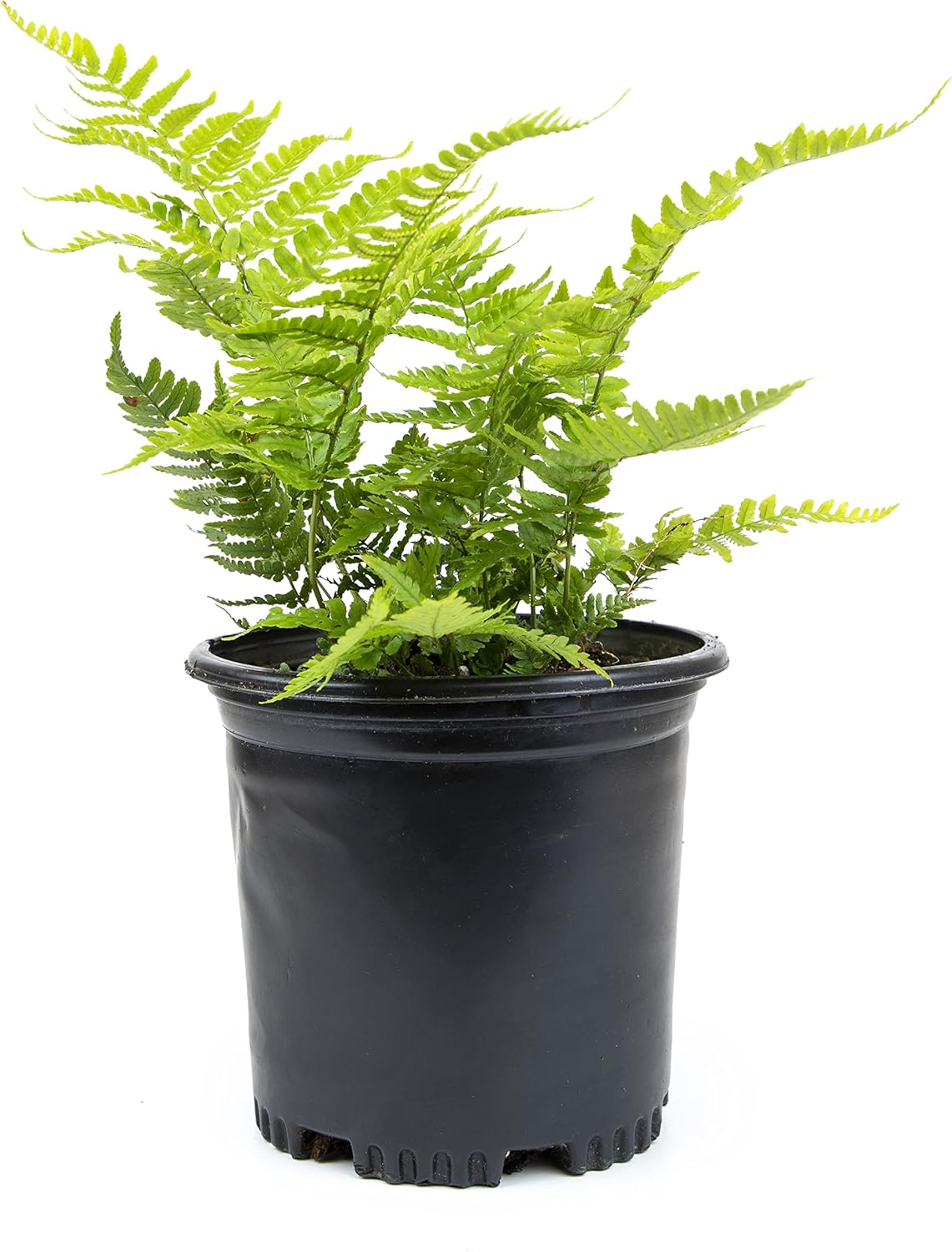
Plants for Pets Autumn Fern (Dryopteris erythrosora) 1-Gallon Live Outdoor Plant
| Indoor Outdoor Usage | Outdoor |
|---|---|
| Sunlight Exposure | Partial Shade |
| USDA Hardiness Zone | 7 |
| Moisture Needs | Moderate Watering |
| Soil Type | Sandy Soil |
This autumn fern is a shade-tolerant perennial sold in a 1-gallon nursery pot and intended for outdoor planting. It is used as ground cover, a border or understory specimen where filtered light prevails; new fronds emerge copper-red in spring and mature to deep green for seasonal interest. The plant spreads slowly by rhizomes, so you can expect gradual filling-in rather than rapid crowding. It prefers evenly moist, well-drained soil and regular watering but is reported to tolerate short dry periods once established. Notable features include deer and rabbit resistance, suitability for heavy shade, and hardiness to Zone 7. Practical benefits for planter use include attractive, low-profile foliage that adds texture and color contrast to shady containers and paired plantings. Limitations are that it is sized for outdoor beds and planters rather than indoor display, and it will need consistent moisture and appropriate shade to keep fronds healthy; it is not a fast spreader for quick coverage if you need instant fill in a large planter group.
Best for: Buyers who want a low-profile, reliable shade plant for planters or shady borders and prioritize attractive foliage and low pest pressure over rapid spread.
Less Ideal for: Gardeners who need fast ground cover or immediate dense screening, or those planning bright sun containers or indoor plantings.
- Shade-tolerant with attractive seasonal color from copper-red new fronds to deep green mature fronds
- Hardy to Zone 7 and resistant to deer and rabbits for low-loss outdoor planting
- Sold fully rooted in a 1-gallon nursery pot ready for transplanting into planters or beds
- Slow, rhizome-driven spread gives controlled ground-cover without aggressive invasion
- Requires consistently moist, well-drained soil and regular watering for best foliage condition
- Not intended as an indoor houseplant and may decline in bright sun or dry indoor conditions
Verdict: Choose this autumn fern when you need a hardy, shade-loving planter plant that delivers year-round foliage interest with minimal pest problems.
Perennial Farm Marketplace Juncus effusus (Common Soft Rush) – #1 Container

| Sunlight Exposure | Partial Shade |
|---|---|
| Moisture Needs | Moderate Watering |
| Expected Blooming Period | Summer |
| Plant or Animal Product Type | Herbs |
This common soft rush is a practical choice for gardeners needing a tough, moisture-loving accent at pond edges, bog gardens, or consistently damp shady spots. Plants arrive container-rooted and ready to plant; stems are rounded and roughly 1/4 inch thick with a fanning clump habit that reaches about 3 feet tall. It tolerates sitting in shallow water up to about 6 inches and performs well in partial shade, which makes it useful for softening hard edges around water features and providing vertical texture in wet, shaded beds. The variety is described as resistant and deer tolerant, and it is hardy across a wide range of USDA zones so it establishes reliably in appropriate climates. Limitations to note are shipping restrictions to several western states and that plants shipped in late fall through winter may arrive dormant and trimmed, so visual impact can vary on arrival. Expect to space plants around 18 inches apart for a steady, cohesive stand rather than an instant massing effect.
Best for: Gardeners who need a reliable, low-maintenance native-like rush for shady, consistently wet edges of ponds, bogs, or rain gardens and who prioritize performance and durability.
Less Ideal for: If you want immediate dense groundcover or a flowering perennial for bright sun, choose a different species suited to dry or high-light conditions.
- Designed for wet sites and can tolerate up to about 6 inches of standing water
- Part shade tolerant so it works in shady wet areas where many plants fail
- Arrives container-rooted and ready to plant for quick establishment
- Clumping, upright habit provides vertical texture for pond edges and rain gardens
- Restricted from shipment to several USDA regions which limits availability for some buyers
- May arrive dormant and trimmed if shipped in winter months, reducing immediate visual impact
Verdict: Choose this common soft rush when you need a hardy, water-tolerant, vertical accent that performs well in shady wet areas.
The Three Company Creeping Jenny (Lysimachia nummularia) 2-Pack Live Trailing Groundcover

| USDA Hardiness Zone | 4-9 |
|---|---|
| Sunlight Exposure | Full Sun |
| Expected Blooming Period | Summer |
| Soil Type | Well-draining Soil |
| Moisture Needs | Regular Watering |
Creeping Jenny (Lysimachia nummularia) is a vigorous trailing perennial valued for rapid coverage and bright chartreuse leaves. It is typically used in containers, hanging baskets, as an edging plant, or to form a low mat in shady containers where quick visual impact is wanted. The plants arrive live and establish quickly in well‑draining soil with regular watering and tolerate full sun to partial shade, making them flexible for many shade container spots. Notable features include fast spreading habit for erosion control or weed suppression and suitability for USDA zones 4–9 so it returns in many temperate climates. Practical benefits are immediate color, low long‑term maintenance once established, and usefulness in mixed shade containers to contrast darker foliage. Important limitations are that it can become aggressive in favorable conditions and will need periodic pruning or containment to prevent it overtaking small pots or nearby plants, and it prefers consistent moisture so may need more frequent watering in shallower containers.
Best for: Gardeners who want a fast‑establishing, colorful trailing plant for shaded or partially shaded containers and hanging baskets and who prioritize quick visual impact and easy seasonal color.
Less Ideal for: People who prefer strictly non‑invasive, slow‑growing plants for tightly packed mixed containers or who want truly drought‑tolerant species for infrequently watered pots.
- Fast spreading habit provides quick coverage in containers and hanging baskets
- Bright chartreuse foliage adds season‑long color in shade or partial shade
- Hardy across USDA zones 4–9 for reliable perennial return in many climates
- Low maintenance once established, tolerates a range of soils with regular watering
- Can be invasive in favorable conditions and requires trimming or barriers in small containers
- Needs consistent moisture so shallow pots may require frequent watering
Verdict: Choose this fast‑spreading Creeping Jenny 2‑pack when you need an easy, high‑impact trailing groundcover for shaded containers and hanging baskets.
Seedville Broadleaf Arrowhead (Sagittaria latifolia) Pond Seed Pack — 500 Count

| Unit Count | 500 Count |
|---|---|
| USDA Hardiness Zone | 4 – 11 |
| Sunlight Exposure | Sun – Part Shade |
| Soil Type | Moist – Pond, Bog, Or Water Garden |
| Moisture Needs | High – Requires Moist To Wet Conditions, Suitable For Ponds, Bogs, And Water Gardens |
Seedville Broadleaf Arrowhead seeds provide an inexpensive way to establish a native wetland plant in ponds, bogs, or consistently moist garden areas. The pack of 500 untreated seeds is intended for sowing in fall with cold stratification, starting indoors before last frost, or direct planting after frost; plants grow 24 to 36 inches tall and produce 1‑inch white flowers from late spring through summer. This species tolerates sun to part shade, attracts wildlife, and produces edible rhizomes, so it is useful for naturalizing margins and restoring wet ground on a budget. Because it prefers standing water or very wet soil and spreads via rhizomes, it is best contained in pots or monitored to avoid unwanted spreading. Germination and establishment will require consistent moisture and some patience, and you should expect variable germination from untreated seed compared with treated or pelleted options.
Best for: Buyers who want an affordable way to naturalize or revegetate ponds, bogs, or other wet ground with a native, wildlife‑friendly plant and are prepared to manage containment and germination steps.
Less Ideal for: Gardners seeking a sterile, slow‑spreading ornamental or those who cannot provide consistently wet conditions and ongoing containment should consider alternative plants.
- Large seed count provides good value for seeding ponds or bogs
- Suitable for sun to part shade and hardy across zones 4–11
- Attracts waterfowl and wildlife and produces edible rhizomes
- Adapted to moist or standing water so it establishes in persistently wet sites
- Seeds are untreated which can lead to variable germination rates
- Will spread via rhizomes if not contained, requiring management to prevent takeover
Verdict: A budget‑friendly bulk seed pack for establishing native Broadleaf Arrowhead in ponds and wet ground when you want wildlife value and broad hardiness.
CZ Grain Acorus americanus Live Plant Plug (Sweet Flag) for Ponds & Rain Gardens

| Unit Count | 1 Count |
|---|---|
| Other Special Features of the Product | Low Maintenance |
| Sunlight Exposure | Partial Sun |
| Brand Name | CZ Grain |
This live Acorus americanus plug is a straightforward way to add hardy marginal planting to a pond, rain garden, or wetland edge. Sold as a single established plug, it arrives with roots ready to transplant into shallow water or consistently moist soil. Sweet flag is noted for vertical, sword-like foliage that gives structure around pond margins and tolerates full sun to partial shade once established. Its low-maintenance habit and cold hardiness mean it needs little ongoing care beyond keeping the planting area wet while roots take hold. The plant also provides habitat value for aquatic wildlife and beneficial insects, which is useful in naturalized water features. Expect a simple planting process but remember this is one starter plug only, so creating a filled-in border will require multiple purchases and time for spread. If you want quick, dense coverage right away or a pre-grown container specimen, this plug will be slower to deliver that look.
Best for: Gardeners who want a reliable, low-maintenance marginal plant for pond edges or rain gardens and prefer established starter plugs they can transplant themselves.
Less Ideal for: Buyers seeking instant, full coverage or large, mature pond plants should look for larger container specimens or pre-established planting mats instead.
- Live, rooted plug ready for transplanting into ponds or wet soil
- Low-maintenance perennial that tolerates full sun to partial shade
- Cold hardy and dependable once established
- Adds vertical texture and supports aquatic wildlife and pollinators
- Sold as a single plug so achieving dense planting requires multiple purchases
- Not a mature specimen so it takes time to fill in and establish
Verdict: A dependable, low-maintenance starter plug for adding hardy marginal planting and wildlife value to ponds and rain gardens.
Touch Of ECO Hosta Bare Roots 6-Pack (Mixed Heart-Shaped)

| Unit Count | 6 Count |
|---|---|
| Indoor Outdoor Usage | Outdoor |
| USDA Hardiness Zone | 3-9 |
| Moisture Needs | Regular Watering |
These Touch Of ECO hosta bare roots arrive dormant and are intended to be planted in fall or early spring for reliable, low-maintenance shade interest. Each pack contains six mixed heart-shaped hosta crowns that produce rich green foliage and fragrant white or purple flowers on tall stems from spring through fall. Hostas are typically used in shady borders, under trees, or in large planters where regular watering and indirect light suit them best. The listing notes hardiness to zones 3 through 9, so they will return year after year in a wide range of climates, and the plants attract pollinators while being resistant to deer. Practical gardeners will appreciate that the plants ship as bare roots for easy planting and faster establishment when placed with the crown at soil level and watered in. Limitations are that these are not container-ready potted plants and need initial attention to planting depth and moisture; smaller or shallow planters may not give the crowns enough room to spread.
Best for: Gardeners who want reliable, low-maintenance shade plants to establish in planters or beds and prefer economical bare-root stock they can plant themselves.
Less Ideal for: Buyers who want instant, display-ready potted plants or who need specimens sized for very small decorative containers.
- Six bare-root crowns per pack provide quick value for filling multiple planters or a shady border
- Hardy across USDA zones 3–9 so they are suitable for most climates
- Attractive heart-shaped foliage with seasonal fragrant blooms adds texture and pollinator value
- Ships dormant for easy handling and planting in fall or early spring
- Arrives as bare roots rather than established potted plants, so initial planting care is required
- Not suitable for very small or shallow containers where crowns cannot spread
Verdict: A cost-effective way to fill shady planters or beds with hardy, low-maintenance hostas if you are comfortable planting bare-root stock.
Choosing the Right Plants for Shady Wet Areas: Key Factors to Consider
Soil Drainage and Saturation Patterns
Understanding how water moves through the site is the first step. Some shady wet areas hold standing water for days after rain, while others are soggy only during the growing season. Plants differ in whether they can tolerate continuous inundation, intermittent saturation, or merely high moisture. Matching species to the actual drainage pattern reduces mortality and long-term maintenance.
Test a spot by digging a small hole and noting how quickly water drains after a rain, or observe the area after storms across several weeks. If water stands for more than 24 to 48 hours, choose true wetland-tolerant plants. If the ground is rarely ponded but remains damp, pick species labeled moisture-loving but not strictly aquatic.
Light Levels and Canopy Influence
Shade in wet sites can vary from dappled light under deciduous trees to dense, year-round shade beneath evergreens. Light quantity affects flowering, foliage color, and growth rate. Many moisture-tolerant plants can handle deep shade but will often produce fewer flowers and denser, darker foliage.
Consider seasonal shifts: deciduous trees let in more light in spring before leaf-out, which can be enough for early-flowering understory plants. Measure light qualitatively across the day, and choose plants known for the specific shade intensity in your spot to avoid weak, leggy growth.
Soil Type and pH Effects
Wet soils range from organic-rich peat and muck to heavy clay that stays waterlogged. Soil texture and acidity influence nutrient availability and root health. Some moisture-loving species prefer acidic peat, while others tolerate neutral or slightly alkaline clays. Root oxygen levels are also affected by texture; organic soils may retain water but allow more root aeration than compacted clay.
Amendments will only go so far in persistently wet ground. When possible, choose plants adapted to your native soil type. If you must modify the site, focus on improving structure with organic matter and creating micro-elevations for less tolerant specimens.
Rooting Depth and Anchorage Needs
Plants in wet, shady spots must manage oxygen-poor soils and physical instability. Species with shallow, fibrous root systems are often better at handling periodic inundation, while deep taproots can suffer from lack of oxygen. For slopes or banks, choose plants that provide good soil binding to control erosion.
Consider long-term anchorage: waterlogged soil can shift, so prefer clumping or mat-forming plants that knit the surface together. For steep wet banks, incorporate species known for strong root mats to reduce slumping.
Maintenance and Long-Term Habit
Maintenance needs differ in wet shade. Debris, fallen leaves, and limited air circulation increase disease pressure, so choose plants requiring minimal trimming and with good natural airflow. Plan for seasonal tasks like removing spent foliage in early spring to prevent rot and thinning dense clumps to maintain vigor.
Also assess how quickly a species spreads. Aggressive runners or prolific self-seeders can be harder to control in moist soils. Opt for manageable habits when access is tight or when plantings are near paths and borders.
Ecological and Aesthetic Goals
Decide whether the planting should prioritize wildlife habitat, formal structure, or a mix. Many wet-shade plants support pollinators, amphibians, and birds by offering nectar, seed, and shelter. Others are chosen for dramatic foliage, seasonal color, or textural contrast in a woodland palette.
Balancing ecology and aesthetics affects species choice and layout. Integrate early bloomers for spring pollinators, dense groundcovers for amphibian shelter, and taller perennials for vertical interest while keeping sightlines and access in mind.
Planting and Soil Preparation in Shady Wet Spots
Timing and technique matter when planting into consistently moist ground. Plant on an overcast day or in the evening to reduce transplant shock. If soil is saturated, avoid compacting it; work when slightly less wet or build a planting hole that allows roots to establish without smothering.
When preparing beds, incorporate well-rotted organic matter sparingly to improve structure without creating a perched water table. For very wet sites, consider creating shallow mounds or hummocks for species that prefer moist but not standing water. Position moisture-loving and true-wet plants according to micro-elevations so each plant gets a suitable moisture regime.
- Plant slightly higher than the surrounding soil if the site ponds
- Avoid heavy tilling that destroys soil structure in saturated ground
- Use mulches that shed water and protect roots without compacting
Designing Plantings That Manage Water
Use vegetation strategically to slow surface flow and encourage infiltration. Group species by moisture tolerance, placing the most water-tolerant nearest to the wettest points and transitional species slightly upslope. This creates a natural gradient that reduces maintenance and improves survival.
Incorporate structural elements such as woody shrubs or sedges to anchor soil. Native wetland plants are often the best choices for erosion control because they evolved to handle fluctuating water levels.
- Create layered plantings: groundcovers, mid-height perennials, and taller shrubs
- Use clumping grasses and sedges for edge stabilization
- Allow some seasonal leaf litter to nourish wet soils and protect amphibian habitat
Common Pests and Diseases in Damp Shade
Damp shade encourages fungal pathogens and some slug or snail activity. Poor air movement around dense plantings raises the risk of foliar fungal diseases. Monitor for yellowing, crown collapse, or soft bases which can indicate rot.
Control measures are cultural first: improve spacing, thin dead material in early spring, and avoid overhead watering. For slugs and snails, use physical barriers or traps and encourage predators by maintaining habitat for birds and toads.
- Inspect crowns and soil line regularly for soft rot
- Remove and dispose of heavily diseased foliage to prevent spread
- Encourage beneficial insects and amphibians to reduce pest pressure
Seasonal Care and Dormancy Management
Many plants for shady wet areas go dormant in winter or die back to the crown, which is normal. Leave standing seedheads where appropriate for winter interest and wildlife, but cut back in late winter if the foliage traps moisture against crowns.
In spring, clean out old growth before new shoots emerge to reduce rot. Avoid heavy feeding in wet soils; slow-release organic fertilizers applied sparingly are usually sufficient when soil biology is intact.
- Cut back dead foliage in late winter to improve airflow
- Avoid planting late in the season when cold, wet soils slow root establishment
- Topdress with compost in spring rather than deep digging
Integrating Wet Shade Plants Into Different Garden Styles
Wet shade plantings can suit formal, cottage, or naturalistic designs. For a naturalized look, let clumps and drifts dominate and favor native species that self-sow at moderate rates. In structured gardens, use defined edges, repeated clumps, and a limited palette for a tidier appearance.
Even in small urban yards, narrow rain gardens or shaded basins can be planted with moisture-loving understory species to create a lush, low-maintenance focal area.
- Use repetition of texture and color to unify plantings
- Edge wet areas with gravel paths or stepping stones to protect roots from compaction
- Select a few strong performers and use them as anchors for the design
How We Chose the Best Plants for Shady Wet Areas
We selected plants based on criteria that reflect real-world performance in shady, waterlogged garden spots. First, water tolerance was essential: candidates must survive prolonged soil saturation and occasional standing water without chronic decline. Second, shade performance mattered; we favored species that carry foliage and flower under filtered light or deep shade. Third, disease and rot resistance were considered because wet conditions amplify fungal problems. Fourth, site behavior and invasiveness were evaluated to avoid choices that will overrun borders or neighboring plantings. Fifth, ecological benefits – such as nectar for pollinators or seed sources for birds – were included when compatible with moist shade. We excluded plants that require full sun, strictly dry soils, or heavy seasonal pruning regimes that conflict with wet-site maintenance. We also filtered out highly invasive taxa and species that need repeated soil amendments to thrive. The resulting shortlist balances durability, low-maintenance habits, and ecological value appropriate for shady wet areas.
FAQ
Can I plant bulbs in a shady wet area?
Some bulbs tolerate wet, shady ground, especially those that come from woodland habitats. Choose species known for moisture tolerance and plant them at appropriate depths. Avoid bulbs that require dry summer dormancy because prolonged wet conditions can cause rot.
How do I prevent rot when planting perennials in saturated soil?
Improve air circulation by spacing plants appropriately and removing dead material in spring. Plant species adapted to low-oxygen soils and, where possible, place slightly higher or on shallow mounds. Avoid heavy soil amendments that retain too much water around crowns.
Are native plants better choices for shady wet sites?
Natives adapted to local wetland conditions are often excellent because they evolved with regional soil and moisture patterns and support local wildlife. However, select noninvasive cultivars or species if natives are unavailable, and match plants to your specific light and soil conditions.
Can I convert a soggy lawn area to a planting bed?
Yes. Replacing turf with moisture-tolerant plants reduces maintenance and improves habitat. Loosen the turf, adjust grades if needed to manage pooling, and plant with species suited to the established moisture regime. Allow time for the new roots to stabilize the soil.
How often should I fertilize plants in wet shade?
Fertilize sparingly. Wet soils can leach nutrients, but heavy feeding stresses plants in low-oxygen conditions. Apply a light dressing of compost in spring and use slow-release or organic fertilizers only when plants show clear deficiency symptoms.
Will amphibians and pollinators use a shady wet garden?
Often yes. Shady wet gardens provide shelter for amphibians and nectar or pollen for shade-tolerant pollinators. Including a diversity of native plants and small areas of open water or shallow depressions increases habitat value.
Final Verdict
Choosing plants for shady wet areas means prioritizing moisture tolerance, shade resilience, and disease resistance over typical dry-garden traits. Match species to your specific drainage pattern, soil type, and light levels, and plan for planting and seasonal cleanup to reduce rot and pest problems. Balance ecological goals and maintenance by selecting a few robust performers, grouping by moisture needs, and using structural plants to stabilize soil. With proper site assessment and plant selection, damp, shaded spots can become attractive, low-maintenance parts of the garden.
