

Note: This article contains affiliate links. If you click on these links and make a purchase, I may earn a small commission at no extra cost to you. This helps support my research and content. Read my full affiliate disclosure here.
Growing peppers in containers changes how you choose a pot. The right planter for peppers balances root depth, drainage, and thermal behavior so plants set fruit reliably and avoid root stress. This guide covers six top planters suited for peppers in patios, balconies, and small gardens and explains the practical reasons each design made our shortlist. We evaluate each option for drainage, root volume, and material durability to help you pick a container that matches your space and growing style.
Top Picks at a Glance
| Best Overall The best all-around choice for most situations | FEED GARDEN 7‑Gallon Nonwoven Grow Bags, 4 Pack |  |
| Best Quality Built to a higher standard if you want something more solid | FEED GARDEN 10 Gallon Nonwoven Fabric Grow Bags, 4-Pack |  |
| Best Value The sweet spot between price and what you get | Gardzen 10-Pack 5 Gallon Fabric Grow Bags with Heavy-Duty Handles | 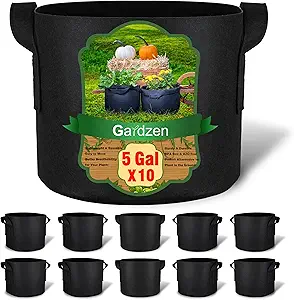 |
| Best Budget The cheapest option that still gets the job done reliably | Land Guard 4-Pack 5-Gallon Nonwoven Fabric Grow Bags with Handles |  |
| Most Popular A crowd favorite that many people choose with confidence | VIVOSUN 5-Pack 5 Gallon Fabric Grow Bags with Handles |  |
| Best Seller A high-volume bestseller chosen again and again | VIVOSUN 5-Pack 5-Gallon Fabric Grow Bags with Handles |  |
FEED GARDEN 7‑Gallon Nonwoven Grow Bags, 4 Pack

| Material Type | Nonwoven |
|---|---|
| Capacity | 7 gallons |
| Unit Count | 4 Count |
| Features | Breathable, Lightweight, Portable, Weather Resistant |
These FEED GARDEN 7‑gallon grow bags are basic, practical containers for balcony or small‑plot vegetable growing. Made from 300G nonwoven fabric, they offer improved breathability and drainage compared with plastic pots, which helps prevent overwatering and encourages denser root systems useful for fruiting plants like peppers. The fabric is thicker than single‑season bags, so the set is intended for multiple growing seasons, and the double‑stitched handles make moving soil‑filled bags easier when you need to reposition or overwinter them. At 7 gallons each the bags fit well for peppers, herbs, lettuces, and compact vegetables without taking excess space. Expect the usual characteristics of fabric pots: faster drying than rigid containers so you may need more frequent watering, and less decorative structure for a finished patio display. They are foldable for off‑season storage, lightweight to handle empty, and usable indoors or outdoors under normal weather exposure.
Best for: Gardeners who want a compact, reusable container for growing peppers and small vegetables in limited spaces and value breathability and easy handling over decorative form.
Less Ideal for: People who need decorative, rigid planters or those who prefer low‑maintenance containers that retain moisture longer should consider alternatives.
- 300G thick nonwoven fabric for greater tear resistance and multi‑season use
- Breathable construction improves drainage and reduces risk of root rot
- Double‑stitched reinforced handles for easier lifting and repositioning
- Compact 7‑gallon size fits pepper plants and small vegetables while saving space
- Fabric pots dry out faster than rigid containers, requiring more frequent watering
- Not decorative on their own so they may need a secondary pot or tray for appearance
Verdict: A practical 7‑gallon fabric grow bag set that gives pepper growers breathable, durable containers that are easy to move and store.
FEED GARDEN 10 Gallon Nonwoven Fabric Grow Bags, 4-Pack

| Capacity | 10 gallons |
|---|---|
| Unit Count | 4 Count |
| Material Type | Nonwoven Fabric |
| Other Special Features of the Product | Breathable, Foldable, Weather Resistant |
These FEED GARDEN 10‑gallon grow bags are built for practical, repeatable container gardening. The thick 300G nonwoven fabric provides strong aeration and quick drainage, which helps potato tubers develop healthy root systems and reduces the risk of rot in wet conditions. Reinforced double-stitched handles make it easy to move filled bags for crop rotation or to shift plants to sun, and the foldable design stores flat between seasons. Because the fabric is described as weather resistant and tear-resistant, the bags should hold up across multiple growing cycles if handled reasonably. Limitations to note are the fixed 10‑gallon capacity, which is well suited to early or mid-size potato varieties but may restrict very large or long-season cultivars, and the lack of pockets or integrated drainage controls that some specialized potato grow bags provide. These are straightforward, durable containers that simplify spacing, lifting, and storing tubers compared with rigid pots, but expect to manage irrigation and harvest without extra built-in features.
Best for: Gardeners who want a durable, space-efficient container for growing potatoes in limited spaces and who prioritize easy handling and seasonal storage.
Less Ideal for: Growers planning to cultivate very large or indeterminate potato varieties or those who want specialized bags with harvest flaps or built-in irrigation controls.
- Breathable nonwoven fabric improves aeration and drainage to reduce overwatering and encourage healthy tuber growth
- Durable 300G construction resists tearing for reuse across multiple seasons
- Double-stitched reinforced handles make moving full bags practical and safer
- Foldable design stores flat to save space when not in use
- 10‑gallon capacity may be small for very large potato varieties or long-season crops
- No integrated drainage valves or side harvest flaps for easier harvesting
Verdict: A practical, reusable 10‑gallon grow bag set that makes growing potatoes easier to move, store, and reuse.
Gardzen 10-Pack 5 Gallon Fabric Grow Bags with Heavy-Duty Handles

| Capacity | 5 gallons |
|---|---|
| Number of Pieces | 10 |
| Material Type | Thick Nonwoven Fabric |
| Other Special Features of the Product | Aeration |
| Indoor Outdoor Usage | Outdoor |
These Gardzen 5-gallon fabric grow bags are a practical option for container-grown peppers and other vegetables. Made from thick nonwoven fabric, the bags provide breathability and drainage that encourage air pruning and reduce root circling, which helps plants develop a more fibrous root system. The set includes ten bags and each has reinforced X-shaped stitching on the handles so you can move filled pots without tearing. They are washable, foldable for compact storage, and suitable for multi-season reuse. Because the bags are shorter and wider than rigid containers, they work well for shallow-rooted crops and for growing multiple pepper plants when used with good potting mix and regular feeding. Limitations are that the fabric is permeable so soil dries faster than in plastic pots and the shorter height gives less deep root volume for very large varieties, so you will need more frequent watering and attention for big pepper cultivars.
Best for: Buyers who want a cost-effective, space-efficient way to grow several pepper plants and prioritize root health and easy repositioning over minimal maintenance.
Less Ideal for: Growers who prefer very low-maintenance containers or who need deep root volume for large heirloom pepper varieties should consider taller rigid pots or deeper grow bags.
- Breathable nonwoven fabric promotes air pruning and better root structure.
- Reinforced X-shaped stitched handles allow safe lifting and repositioning of filled bags.
- Set of ten provides value for establishing multiple pepper plants or a small vegetable patch.
- Washable and foldable for easy storage between growing seasons.
- Permeable fabric causes faster moisture loss than rigid pots, requiring more frequent watering.
- Shorter height compared with some containers limits deep root development for very large pepper varieties.
Verdict: An economical ten-pack of breathable, reinforced fabric grow bags that reliably improves root health and makes growing multiple pepper plants simple and portable.
Land Guard 4-Pack 5-Gallon Nonwoven Fabric Grow Bags with Handles

| Capacity | 18.93 liters |
|---|---|
| Number of Pieces | 4 |
| Material Type | Nonwoven Fabric |
| Other Special Features of the Product | Breathable |
| Indoor Outdoor Usage | Outdoor |
These Land Guard grow bags are simple, inexpensive containers for growing herbs and small vegetables in limited space. The nonwoven fabric lets air and water pass through the soil, which reduces root circling and improves drainage so herbs like basil, parsley, and thyme establish healthier root systems. Each set includes four 5‑gallon bags with reinforced handles that make moving filled bags easier for repositioning or harvesting. The material is lightweight and folds flat for storage when not in use, and the breathable fabric provides modest insulation for roots during warm weather. Expect them to last multiple seasons with gentle use but know they are not indestructible; rough edges, constant sun exposure, or heavy abrasion can shorten their life. These are best for small-scale container herb gardens on patios, balconies, or raised beds where cost and portability matter more than decorative appearance or long-term commercial durability.
Best for: Budget-minded home gardeners who want an easy, portable way to grow several culinary herbs in containers on a patio, balcony, or small garden area.
Less Ideal for: Those seeking decorative or long-lasting hard planters for permanent displays or commercial growers who need very heavy-duty containers.
- Breathable nonwoven fabric improves drainage and reduces root circling.
- Includes reinforced handles for easier lifting and repositioning filled bags.
- Pack of four gives multiple planting spots for a small herb collection.
- Lightweight and foldable for compact storage when not in use.
- Material is not as durable as rigid planters and can wear faster with heavy use.
- Not decorative—plain utilitarian look that may not suit all outdoor aesthetics.
Verdict: An affordable, practical set of breathable 5‑gallon grow bags that gives budget gardeners a quick way to start a small container herb garden.
VIVOSUN 5-Pack 5 Gallon Fabric Grow Bags with Handles

| Capacity | 5 gallons |
|---|---|
| Material Type | Fabric |
| Unit Count | 5 Count |
| Other Special Features of the Product | Heavy Duty,Reinforced |
| Indoor Outdoor Usage | Indoor |
These VIVOSUN 5‑gallon fabric grow bags are made from a thickened nonwoven fabric that promotes air pruning and improved root structure while allowing excess water to drain naturally. Typical use is filling each bag with a potting mix and placing them on a bench, patio, or in a grow tent to raise peppers or other compact vegetables. Reinforced, double‑stitched handles make moving planted bags straightforward, and the breathable fabric keeps soil cooler and reduces the risk of waterlogged roots. Because they are lightweight and come in a five‑pack, they are convenient for starting several pepper plants or replacing plastic pots. Limitations to expect are modest capacity compared with larger planters—plants that need more root volume will require bigger containers—and the fabric will need a suitable flat surface or tray underneath to protect furniture from staining as they drain. These bags are best when you want simple, space‑efficient containers that improve root health for peppers grown in confined spaces.
Best for: Gardeners wanting a low‑maintenance, space‑efficient container solution for growing peppers in small yards, patios, or indoors who value proven products and clear user feedback.
Less Ideal for: Growers needing large single pots for big, vigorous pepper cultivars or those who prefer rigid decorative planters for display purposes.
- Breathable nonwoven fabric encourages air pruning and healthier roots
- Effective natural drainage reduces risk of overwatering
- Reinforced double‑stitched handles for easier lifting and transport
- Five‑pack offers good value for establishing multiple pepper plants
- 5‑gallon volume limits long‑term growth of large pepper varieties
Verdict: A practical five‑pack of breathable 5‑gallon fabric grow bags that simplifies growing healthy peppers in limited space.
VIVOSUN 5-Pack 5-Gallon Fabric Grow Bags with Handles

| Capacity | 5 Gallons |
|---|---|
| Material Type | Nonwoven fabric |
| Included Components | 5 Bags |
| Indoor Outdoor Usage | Indoor, Outdoor |
| Other Special Features of the Product | Drainage Hole |
These VIVOSUN grow bags are basic, reliable fabric planters for small- to medium-sized container crops. Made from 300g nonwoven fabric they breathe and drain well, which helps keep roots cooler and reduces waterlogging compared with plastic pots. The set includes five 5-gallon bags that work for vegetables, herbs, and annual flowers in raised beds, patios, or a grow tent. Notable features are reinforced serged handles that make filled bags easier to move and a built-in drainage hole to prevent standing water. Because the fabric encourages air pruning, you can develop a healthier, fibrous root system and reuse the bags for multiple seasons with reasonable care. Limitations are the modest 5-gallon capacity, which is not suitable for large shrubs or trees, and the fabric will eventually show wear if left constantly exposed to UV and abrasion. Occasional hand-washing and storing them out of direct sun when not in use will extend their life.
Best for: Buyers who prioritize proven, well-reviewed basics and want a reliable set of breathable containers for vegetables, herbs, or patio flowers that are easy to move and reuse.
Less Ideal for: Not a good choice for gardeners who need large containers for trees or permanent decorative pots that must withstand long-term outdoor exposure.
- Breathable nonwoven fabric improves drainage and root aeration
- Reinforced serged handles make moving filled bags practical
- Reusable construction for multiple seasons with proper care
- Built-in drainage hole reduces risk of waterlogging
- 5-gallon size limits use to small- and medium-rooted plants
- Fabric will degrade faster than rigid pots if left in constant sun or abrasive conditions
Verdict: A dependable, well-made 5-pack of breathable grow bags that gives risk-conscious gardeners a proven, easy-to-handle solution for small to medium container plants.
Choosing the Right Planter for Peppers: Key Factors to Consider
Container Depth and Volume
Peppers develop a moderately deep root system that benefits from both vertical depth and lateral room. A shallow wide dish can limit root growth and cause rapid moisture fluctuations, while a container with adequate depth reduces the risk of tipping and supports stronger stem development.
Volume affects how quickly soil dries between waterings. Larger volumes buffer temperature swings and moisture loss, which is especially important in hot, sunny spots. For most pepper varieties, aim for containers that provide several gallons of growing medium and enough depth for a consolidated rootball.
Drainage and Water Management
Proper drainage prevents root rot and salt buildup. Look for planters with multiple drainage holes or designs that accept drilled holes. A raised bottom or integrated reservoir can help in drier climates but can trap salts if not periodically flushed.
The planter should allow excess water to exit freely while retaining enough moisture for daily plant needs. Consider whether you will use saucers, self-watering inserts, or a simple elevated platform to keep roots out of standing water.
Material and Thermal Properties
Planter material influences soil temperature and moisture retention. Thin dark plastic or metal can heat quickly and stress roots on hot days. Breathable materials such as terracotta moderate temperature swings but can wick moisture away faster. Thicker plastic, composite, or insulated designs reduce rapid temperature changes and help buffer the root zone.
Choose a material that matches your microclimate: insulating options for hot, exposed patios and more breathable choices where overheating is less of a concern. Also consider how the material ages under sun exposure and whether it resists cracking and fading.
Mobility and Placement
Peppers often need repositioning to track light or shelter from strong winds. Heavy full containers are hard to move, so think about the planter's empty weight and whether it can accept casters or be lifted safely. Lightweight options are convenient for small patios but may need a wider base to resist tipping.
Placement also affects watering frequency and temperature exposure. If you plan to move plants seasonally, choose planters that make that process straightforward without disturbing roots.
Maintenance and Cleanability
Planters should be easy to clean between crops to reduce disease carryover. Smooth materials are simpler to rinse and sanitize, while porous surfaces may hold residues and require more effort. Removable liners or drain trays simplify routine maintenance and make seasonal soil changes less messy.
Consider whether the planter allows access to drainage holes and whether accessories like saucers or liners are compatible. Ease of cleaning shortens turnaround between plantings and helps manage pests and soil-borne pathogens.
Stability and Support
Mature pepper plants can become top-heavy with fruit, and wind will stress weak-rooted specimens. A planter with a wide, stable base or added ballast reduces tipping risk. Some containers provide built-in collars or tie points for staking which helps support heavy fruit loads.
Stability also relates to shape: narrow tall pots have deeper centers of gravity, while squat wide containers resist tipping better. Match the planter footprint to the variety and expected canopy size to keep plants upright through the season.
Sizing Containers for Different Pepper Types
Not all pepper varieties have the same root needs. Compact or patio types manage well in smaller pots with 1 to 3 gallons of soil, while larger sweet peppers and hot pepper varieties that set many fruits benefit from 3 to 7 gallon containers. Consider the mature plant height and how many stems you will keep; multiple plants in one pot need proportionally more volume.
If you want to grow peppers in groups on a balcony, using several mid-size planters can be more practical than one massive container. That approach improves drainage control and reduces the risk that a single problem will affect the whole crop.
- Compact peppers: 1-3 gallons
- Standard varieties: 3-5 gallons
- Large-fruited types: 5-7+ gallons
Self-watering and Reservoir Options
Self-watering planters and reservoirs reduce daily watering chores but require attention to salt buildup and root oxygen. In hot weather reservoirs can keep the substrate moist longer, which is helpful for busy gardeners or exposed sites.
If using a self-watering system, choose a design that provides an overflow or allows occasional flushing. Check that the system places the water where feeder roots access it without leaving the crown in standing water.
- Pros: reduced watering frequency, consistent moisture
- Cons: potential salt accumulation, monitoring required
Using Liners and Saucers Effectively
Liners make swapping soil and plants easier and protect decorative pots that are not frost-hardy. Ensure liners have proper drainage and that saucers are used only for short-term catchment. Standing water in saucers can lead to root oxygen loss and increase disease risk.
For balcony gardening, rigid liners that fit inside decorative shells let you lift plants out for inspection or winter storage without disturbing the rootball.
- Always ensure drainage holes are unobstructed
- Empty saucers after watering to avoid standing water
Best Placement Practices for Sun and Airflow
Peppers thrive with full sun and good airflow. Place planters where plants receive at least six hours of direct light and are not boxed in by walls that reduce circulation. Airflow helps dry foliage after rain and reduces fungal issues.
On rooftops or exposed balconies, consider wind protection or lower-profile planters to reduce mechanical damage. In tight spaces, rotate pots periodically to keep light distribution even across the canopy.
- Aim for 6+ hours of direct sun
- Space containers to allow airflow between plants
Seasonal Care and Overwintering Containers
In climates with cold winters, consider how you will overwinter peppers or store planters. Some materials hold up poorly to freeze-thaw cycles and may crack if left full of wet soil. Emptying, drying, and storing planters can extend their life.
If you want to keep perennials or overwinter plants, pick containers that can be moved indoors or insulated in place to protect roots from extreme cold.
- Empty and dry porous pots before freezing temperatures
- Choose frost-resistant materials when leaving containers outside
How We Chose the Best Planter for Peppers
We focused on characteristics that directly affect pepper health and yield in container settings. Primary evaluation criteria included drainage efficiency, usable root volume and depth, material thermal properties, weight and portability, and long-term durability in outdoor conditions. We looked for planters that allow excess water to escape quickly while still holding enough moist soil to prevent daily drought stress. Usable root volume was assessed by container shape and depth because peppers need space for lateral roots and a stable rootball. Material thermal behavior was considered because thin plastic or dark metal can overheat the root zone, while breathable or insulating materials moderate temperature swings. We also prioritized planters that are easy to move when full and that resist cracking, UV degradation, or rot over several seasons. Included containers had to be practical for patio or balcony gardeners: compatible with potting mixes, able to accept standard drainage or saucer setups, and large enough for common pepper varieties. We excluded novelty pots with inadequate depth, anything without drainage options, and containers clearly aimed only at decorative use with no functional planting space. The final short list balances everyday gardening realities with long-term performance for pepper production.
FAQ
How big should a planter be for a single pepper plant?
A single pepper plant typically does well in a 3 to 5 gallon container depending on variety. Smaller patio types can thrive in 1 to 3 gallons, while large-fruited varieties benefit from 5 gallons or more to support fruit load and reduce watering frequency.
Do peppers need drainage holes in their planters?
Yes, drainage holes are essential to prevent waterlogging and root rot. If using a decorative container without holes, place a drilled liner or use a waterproof liner with a separate planted insert that has drainage.
Are self-watering planters a good choice for peppers?
Self-watering planters can help by providing consistent moisture, especially in hot conditions or for busy gardeners. They do require occasional flushing to prevent salt buildup and careful monitoring to avoid keeping the root crown too wet.
What materials keep pepper roots coolest in summer?
Thicker, lighter-colored materials or insulated composite pots moderate soil temperature best. Terracotta breathes well but can heat or dry out quickly in full sun, while thin dark plastics or metal can warm the soil significantly on hot days.
Can I grow multiple pepper plants in one large planter?
You can, but plan for enough usable soil volume and space so roots do not compete excessively. Multiple plants in a single container increase watering needs and can make pest or disease spread quicker, so space and maintenance should guide the decision.
Final Verdict
Choosing the right planter for peppers comes down to balancing root volume, drainage, thermal control, and ease of handling. Prioritize adequate usable soil volume for your pepper variety, good drainage to prevent waterlogging, and a material that suits your microclimate. Consider how often you will move or water containers and whether self-watering or liners fit your routine. Weigh the tradeoffs between lightweight portability and thermal buffering, and match planter shape and footprint to the plant size to reduce tipping. With those priorities in mind, you can confidently pick a container that supports healthy vines, steady fruit set, and easier season-long care.
