

Note: This article contains affiliate links. If you click on these links and make a purchase, I may earn a small commission at no extra cost to you. This helps support my research and content. Read my full affiliate disclosure here.
A well-chosen window planter turns narrow sills or exterior ledges into productive growing space without crowding your yard. The right planter holds enough soil for roots to establish, drains reliably to avoid rot, and stands up to sun, rain, and temperature swings. This guide covers seven shortlisted window planters chosen for small-space and apartment-friendly setups, comparing how they perform where space, drainage, and ease of maintenance matter most. Below you will find practical notes on materials, water handling, installation, and longevity to help you pick the best planter for your window.
Top Picks at a Glance
| Best Overall The best all-around choice for most situations | Mayne Fairfield 4 ft Self-Watering Window Box (White) |  |
| Best Quality Built to a higher standard if you want something more solid | Mayne Fairfield 48in Self-Watering Rectangular Window Box Planter | 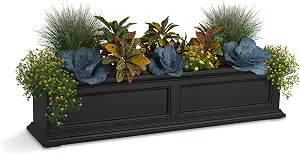 |
| Best Value The sweet spot between price and what you get | VIVOSUN Self-Watering Window Herb Planters, 6-Pack (10.5 in) |  |
| Best Budget The cheapest option that still gets the job done reliably | Torfican 5‑Piece Window Herb Planter Set with Saucers |  |
| Highest Rated A top-rated pick with lots of positive feedback | Mayne Fairview 60 in Self-Watering Rectangular Window Box Planter |  |
| Most Popular A crowd favorite that many people choose with confidence | CHUKEMAOYI 10-Pack Plastic Rectangular Window Box Planters |  |
| Best Seller A high-volume bestseller chosen again and again | LOCONHA Window Box Planter with Attached Saucer (Brick Red) |  |
Mayne Fairfield 4 ft Self-Watering Window Box (White)

| Capacity | 15 liters |
|---|---|
| Features | Built-In Overflow Drainage, Double Wall, Self Watering, UV Resistant, Weather Resistant |
| Mounting Type | Window Mount |
| Material Type | Plastic |
The Mayne Fairfield 4 ft window box is a low-maintenance planter designed for mounting on windowsills, walls, or railings. It uses a built-in water reservoir and capillary action to keep soil evenly moist, which reduces how often you need to water and helps container plants thrive during warm spells. The double-wall polyethylene construction and UV inhibitors make it weather resistant and fade resistant for four-season use, while included steel mounting brackets simplify installation. A built-in overflow drain and fill-port plug help prevent waterlogging and make refilling straightforward. Practical benefits include long-term durability against impact and chemicals, insulated roots from temperature swings, and a clean rectangular profile that works with many planting styles. Limitations to note are that it is a large, single box intended for decorative plantings rather than heavy vegetable production, and being plastic it will still show dirt and may need occasional cleaning to keep its matte finish looking fresh.
Best for: Gardeners who want a durable, low-maintenance window or wall planter that reduces daily watering and delivers a tidy, year-round display for flowers and compact ornamentals.
Less Ideal for: People looking for modular systems, large-scale edible production, or a natural-material aesthetic should consider alternative planters or containers.
- Built-in self-watering reservoir reduces watering frequency and helps maintain consistent soil moisture
- UV-resistant polyethylene construction resists fading and stands up to four-season outdoor exposure
- Includes steel mounting brackets and fill-port plug so it is ready to install out of the box
- Double-wall design provides extra stiffness and insulation for plant roots
- Built-in overflow drainage prevents waterlogging
- Large single-box design is better for ornamental displays than for growing large quantities of edibles
- Made of plastic so it may require cleaning to remove dirt and maintain appearance over time
Verdict: Choose this window box if you want a rugged, low-maintenance, self-watering planter that delivers a reliable, year-round floral display with minimal fuss.
Mayne Fairfield 48in Self-Watering Rectangular Window Box Planter

| Material Type | Polyethylene (PE) |
|---|---|
| Capacity | 4 gallons |
| Features | Self Watering; Built-In Overflow Drainage; UV Resistant; Weather Resistant |
| Mounting Type | Window Mount |
The Mayne Fairfield 48in window box is a performance-focused planter designed to keep flowers and annuals consistently hydrated with minimal upkeep. It uses an internal water reservoir and capillary action to draw moisture into the soil, reducing daily watering and helping plants survive heat spells. The double-wall, UV-resistant polyethylene construction is weather tough and resists fading, while the included steel wall-mount brackets make installation straightforward for windows, sills, rails, or walls. An integrated overflow drain prevents waterlogging and root rot, and the fill port plug makes refilling the reservoir tidy. Practical benefits include lower maintenance watering, season-round outdoor durability, and strong mounting hardware included out of the box. Limitations to note are its 4-gallon reservoir capacity, which means very hot, exposed sites may still need more frequent top-ups, and the plastic finish may not match traditional wood planters for decorative styles. Also the 48-inch size requires suitable mounting points and some two-person handling during install.
Best for: Gardeners who prioritize reliable low-maintenance performance and want a sturdy, weatherproof window box that keeps plants evenly watered with minimal daily attention.
Less Ideal for: Buyers seeking a decorative wooden or vintage-style planter or those who lack strong mounting locations for a long, heavy box.
- Built-in self-watering reservoir reduces daily watering and supports consistent moisture.
- UV-resistant polyethylene construction stands up to sun and weather for multi-season use.
- Includes steel wall-mount brackets so no separate mounting hardware is required.
- Integrated overflow drainage protects against overwatering and root rot.
- 4-gallon reservoir may require frequent refills in very hot, exposed locations.
- Large 48-inch unit needs secure mounting points and help to install.
Verdict: Choose this planter when you want a durable, low-maintenance window box that reliably keeps plants watered and stands up to outdoor weather.
VIVOSUN Self-Watering Window Herb Planters, 6-Pack (10.5 in)

| Unit Count | 6 Count |
|---|---|
| Other Special Features of the Product | Self Watering |
| Mounting Type | Floor Standing, Tabletop, Window Mount |
| Material Type | Plastic |
| Indoor Outdoor Usage | Indoor, Outdoor |
These VIVOSUN planters aim to simplify small-space gardening by combining a two-layer self-watering system with a compact rectangular design. Each box has an inner elevated container with water-absorbent strips and a detachable reservoir so plants sit above standing water while wicking moisture as needed. That makes them convenient for windowsills, balconies, or kitchen counter herb gardens and reduces how often you need to water. The lightweight plastic construction is corrosion-resistant and easy to move, and an easy-view side window shows reservoir level so you can top off without guesswork. The set includes plant labels and supports both soil and simple hydroponic transitions once roots are established. Limitations are typical of small plastic window boxes: they hold limited soil volume so larger vegetables or deep-rooted plants will need bigger containers, and plastic can fade over long outdoor sun exposure. Assembly and reservoir cleaning are straightforward but require occasional attention to prevent algae in standing water.
Best for: A practical gardener who wants low-maintenance window or balcony herb beds and values time savings, predictable moisture control, and easy upkeep for small-space growing.
Less Ideal for: Not a good choice for growers who need large or deep containers for mature vegetables, heavy feeders, or for permanent outdoor installations in hot direct sun.
- Integrated self-watering reservoir with wick strips reduces watering frequency and helps prevent overwatering
- Compact, lightweight plastic construction that is easy to move and mount on windowsills or tabletops
- Side water-level viewing window and large detachable reservoir for easy refills and maintenance
- Includes 10 plant labels to identify herbs and track growth
- Versatile for soil or simple hydroponic use once roots are established
- Small soil volume limits use to herbs, small flowers, succulents or seedlings rather than larger vegetables or deep-rooted plants
- Plastic material may fade or become brittle over prolonged direct sun exposure
Verdict: Buy this set if you want a compact, low-maintenance window planter that reliably wicks water and makes growing herbs and small plants fuss-free.
Torfican 5‑Piece Window Herb Planter Set with Saucers

| Unit Count | 5 Count |
|---|---|
| Capacity | 1.71 liters |
| Material Type | Acrylonitrile Butadiene Styrene (ABS) |
| Mounting Type | Window Mount |
| Included Components | Saucer |
These planters are a straightforward, budget-friendly way to grow herbs and small houseplants on a windowsill. Each rectangular pot is shallow and wide enough for single herb plants or a small succulent grouping, and the built-in drainage holes plus matching saucers make watering low‑risk and tidy. The thickened ABS plastic is odorless and resists fading or warping, so the set holds up to everyday indoor use and occasional outdoor balcony exposure. The minimalist white finish is a blank canvas if you want to paint or label them, and the included plant tags and mini transplanting tools are practical touches for beginners. Expect basic, no-frills performance: these are lightweight plastic planters, so they are not decorative statement pieces and will not provide insulation for temperature-sensitive plants. For growers aiming to maximize space, the narrow footprint fits most windowsills but limits how many herbs fit per pot. Overall they deliver reliable drainage and easy cleanup at a low cost, making them a sensible pick for starting an herb window box.
Best for: Good for cost‑minded gardeners who want a ready set to start growing herbs on a windowsill and prefer fuss‑free watering and cleanup.
Less Ideal for: Not ideal for gardeners seeking premium ceramic or insulating planters or for those who need larger pots for multi‑plant root systems.
- Built‑in drainage holes with matching saucers reduce overwatering and mess
- Durable, thick ABS plastic resists fading and deformation
- Five‑pack gives enough planters to start a small herb collection or windowsill display
- Simple white finish is easy to customize or label
- Lightweight plastic offers little thermal insulation for temperature‑sensitive herbs
- Not a decorative focal piece for styling beyond DIY customization
Verdict: A practical, low‑cost five‑pack of durable window planters that makes it easy to start an herb garden on a windowsill.
Mayne Fairview 60 in Self-Watering Rectangular Window Box Planter

| Capacity | 12.5 gallons |
|---|---|
| Included Components | Hardware, Mounting Bracket |
| Material Type | High Density Polyethylene (HDPE), Metal, Plastic, Resin |
| Other Special Features of the Product | Drainage Hole, Fade Resistant, Self Watering, Weather Resistant |
| Mounting Type | Window Mount |
The Mayne Fairview 60-inch window box is a heavy-duty, low-maintenance planter designed for long-term outdoor use on windowsills, walls, or railings. It uses a built-in water reservoir and capillary action to keep soil evenly moist so plants need less frequent watering, which is helpful for busy gardeners or seasonal residents. The unit includes steel mounting brackets and an overflow/drainage hole for easy installation and reliable drainage. Constructed from UV-resistant polyethylene and reinforced with metal hardware, the planter resists fading and weather damage and can be left outside through multiple seasons with minimal upkeep. Practical limitations are its large footprint which requires a wide mounting area and the plastic material, while durable, does not have the thermal mass of ceramic or wood that can moderate root temperature in extreme climates. Assembly is straightforward but mounting to masonry or uneven siding may require appropriate anchors and basic tools.
Best for: Buyers who prioritize a dependable, low-maintenance planter that stays attractive year after year and who need a long, secure window-box solution for regular outdoor planting.
Less Ideal for: Those with narrow windowsills, limited mounting space, or gardeners who prefer heavy ceramic or wooden planters for aesthetic weight and thermal benefits.
- Built-in self-watering reservoir reduces watering frequency and helps maintain consistent moisture
- UV fade-resistant polyethylene construction designed for all-season outdoor use
- Includes steel mounting brackets and hardware for secure installation
- Built-in drainage/overflow hole prevents waterlogging and simplifies winter prep
- Large 60-inch length requires a wide, structurally sound mounting surface
- Polyethylene offers less thermal buffering than heavier materials like ceramic or wood
Verdict: Choose this Fairview 60in window box if you want a sturdy, low-maintenance, self-watering planter that reliably holds up to outdoor conditions and comes ready to mount.
CHUKEMAOYI 10-Pack Plastic Rectangular Window Box Planters

| Material Type | Polypropylene (PP) |
|---|---|
| Mounting Type | Window Mount |
| Other Special Features of the Product | Drainage Hole |
| Indoor Outdoor Usage | Outdoor |
| Unit Count | 10 Count |
These CHUKEMAOYI window box planters are a practical option for planting tulips, annuals, herbs, and small vegetables on windowsills, balconies, or porch rails. Sold as a 10-pack, each planter is made from polypropylene, so they are lightweight, weather-resistant, and simple to move or rearrange between seasons. Built-in drainage holes and an attached saucer help keep excess water away from surfaces while supporting healthier root environments. The roughly 16.6-inch length gives room for several tulip bulbs or clustered bedding plants. Expect plain, functional styling that blends into most outdoor settings rather than decorative detail. Because they are injection-molded plastic they will not provide the insulation or breathability of terracotta, so you will need to monitor soil moisture more closely in hot weather and consider insulating for winter in freezing climates. For gardeners who want an economical, low-maintenance set of matching boxes to plant tulips across multiple windows or a long railing, this set covers that use well.
Best for: Gardeners who want an economical, consistent set of outdoor window boxes to plant tulips or seasonal bulbs across multiple windows or railings and who prioritize durability and low maintenance.
Less Ideal for: Buyers seeking decorative, high-end planters or those who rely on natural clay breathability and insulation for sensitive plants should consider ceramic or terracotta alternatives.
- Sold as a 10-pack for consistent, repeatable planting across multiple windows or a long rail
- Durable polypropylene construction resists sun and weather and is easy to clean
- Integrated drainage holes plus attached saucers prevent overflow and protect surfaces
- Length accommodates multiple tulip bulbs or small groupings for better display
- Plastic walls offer less insulation and breathability than ceramic or terracotta, requiring closer moisture management
- Basic aesthetic with no decorative detailing for those seeking a more ornamental planter
Verdict: A practical, weather-resistant 10-pack of window boxes that makes planting tulips across several windows or rails quick, consistent, and low-effort.
LOCONHA Window Box Planter with Attached Saucer (Brick Red)

| Capacity | 3.03 gallons |
|---|---|
| Mounting Type | Window Mount |
| Material Type | Plastic |
| Other Special Features of the Product | Drainage Hole |
This LOCONHA window box is a simple, budget-friendly planter for windowsills, balconies and small patios. Made from recyclable plastic with a polished finish, it resists discoloration from sun and weather while staying easy to lift and clean. The box includes a built-in drainage hole and an attached saucer so excess water is collected rather than dripping onto a sill or deck. Two bottom water inlets let you water from underneath to avoid splashing surfaces. With about a 3 gallon capacity it fits compact flower arrangements or a few small herbs or vegetables. Expect durable basic performance rather than premium looks or heavy-duty construction; plastic will flex under heavy loads and can look less refined than ceramic or wood. Because dimensions are modest, you will need multiple boxes for larger displays. For the price this planter delivers practical, low-maintenance container gardening suited to renters or anyone outfitting several windows on a budget.
Best for: Buyers who need inexpensive, no-fuss window or balcony planters to outfit multiple spots and prefer low-maintenance containers over decorative materials.
Less Ideal for: Gardeners looking for heavyweight decorative planters or single large containers for big shrubs or deep-rooted vegetables should consider sturdier or larger alternatives.
- Lightweight, recyclable plastic that is easy to move and clean
- Built-in drainage hole plus attached saucer prevents water runoff onto surfaces
- Water inlet design allows bottom watering to reduce splashing
- Weather-resistant finish resists discoloration from sun and rain
- Basic plastic construction can flex and looks less premium than ceramic or wood
- Single modest-size box may not be large enough for big plantings
Verdict: A practical, weather-resistant window box that stretches a small gardening budget while keeping watering tidy.
Choosing the Right Window Planter: Key Factors to Consider
Material and Weather Resistance
Material choice determines how a window planter weathers sun, rain, and temperature swings. Plastic and resin planters are lightweight and resist cracking in cold, but lower-grade plastics can fade or become brittle over several seasons. Metal planters are sturdy and sleek but can heat quickly in full sun and may corrode if not treated. Ceramic and terracotta offer excellent aesthetics and moderate insulation for roots, yet they are heavier and can chip or break during handling.
Think about exposure when choosing material. South-facing windows get stronger sun and higher heat stress, so select materials that resist UV damage and do not rapidly transfer heat to root zones. For exterior-mounted planters, corrosion resistance and secure fastenings are critical because wind and weather add mechanical stress over time.
Drainage and Water Management
Drainage design is the single most important functional factor for window planters. Containers with inadequate drainage hold excess moisture, causing root rot and nutrient lock-up. Look for planters with clear drainage holes, overflow channels, or removable liners that let you control water flow and prevent water pooling on ledges or windowsills. Some designs pair an inner liner with an outer tray to collect excess and reduce mess on the building surface.
Consider how you will water. If you plan to water by hand, shallow but wide planters dry faster and need more frequent attention. Self-watering or reservoir-style planters reduce watering frequency but require good overflow control so excess does not drip onto the window frame. Also factor in winter: drainage must remain functional through freeze-thaw cycles to avoid frost damage.
Planting Depth and Soil Volume
The depth and usable soil volume determine what you can grow. Many herbs, annuals, and small ornamental plants do well in 4 to 6 inches of soil, but root vegetables, larger perennials, or deeply rooting herbs need more depth. A planter that looks wide but is shallow will limit root development and force frequent replanting or heavier feeding schedules.
Assess the crops you want to grow and choose a planter that provides sufficient soil volume for those species. More soil buffers temperature swings and retains moisture, which helps plants during hot spells. However, extra soil increases weight, so balance volume needs with safe mounting or sill load limits.
Mounting Options and Safety
How the planter attaches or sits on the sill affects both safety and convenience. Freestanding sill planters are the simplest but can be displaced by wind or knocked from above if not adequately secured. Bracketed or rail-mounted planters distribute weight to the structure and are safer for exterior installations, but they require compatibility with your window type and robust hardware.
Evaluate the weight the sill or railing can safely carry, and choose mounting systems that include secure fasteners and clear instructions. For rented spaces, look for reversible or non-invasive mounting that does not damage frames. In all cases, ensure any exterior mount includes a secondary retention method to prevent accidental falls.
Accessibility and Maintenance
Window planters need regular maintenance: watering, deadheading, fertilizing, and occasional soil refresh. Ease of access for these tasks matters more than aesthetic alone. Planters with removable liners or lift-out trays make replanting and root inspection simpler. Designs that allow you to reach soil without leaning dangerously out a window are safer and encourage consistent care.
Also consider cleaning and winter storage. Smooth, non-porous materials rinse clean and can be stored for the off-season. Textured or porous planters trap soil and salts and take more effort to restore. If you expect to change displays seasonally, choose planters that balance easy handling with long-term durability.
Thermal Behavior and Microclimate
Window locations create distinct microclimates. South- or west-facing windows often subject plants to intense afternoon heat, while north-facing windows receive cooler, steadier light. The planter's thermal properties affect root temperature; dark metal or plastic can overheat, stressing roots and increasing water needs. Conversely, heavy ceramic moderates temperature swings and offers insulation against quick overnight cooling.
Account for the local microclimate when selecting a planter. In hot exposures choose lighter colors or insulating materials that reduce heat transfer. For cold sites, choose planters that retain some warmth and avoid thin plastics that become brittle in freezing weather.
Ideal Window Plants For Planters
Window planters work well for compact herbs, trailing annuals, and a few small perennials. Herbs such as basil, chives, thyme, and parsley fit shallow soils and provide constant harvests. Trailing petunias, calibrachoa, and ivy-leaved geraniums create a fuller look without needing deep rooting space.
For vegetable gardening, focus on small varieties and shallow-rooted crops. Leafy greens, baby lettuces, and radishes are sensible choices for narrow planters. Match plant choices to the planter depth and be prepared to replace heavy feeders more often in confined soil volumes.
- Herbs: basil, thyme, parsley, chives
- Flowers: trailing petunias, calibrachoa, lobelia
- Veggies: baby lettuce, radishes, microgreens
Installing and Securing Exterior Window Planters
Before installation, inspect the sill and surrounding structure for rot, loose mortar, or weak fastenings. Choose hardware rated for outdoor use and appropriate for your building material. If using rail or bracket mounts, confirm spacing and contact points clear gutters or trim.
During installation, distribute weight evenly and test stability with a small load before adding soil. Use safety lines or secondary tethers for large or heavy planters to prevent accidents. Periodically check fasteners and fittings, especially after storms.
- Inspect the sill and frame first
- Use outdoor-rated fasteners and distribute weight
- Add secondary tethers for extra safety
Seasonal Care and Winter Prep
Maintaining window planters across seasons keeps plants healthy and protects the planter. In summer, increase watering frequency for shallow planters and use mulch to reduce evaporation. Monitor for pests that favor the warm microclimate near windows.
Before freezing weather, remove any tender plants and drain standing water to prevent freeze damage to the planter. If storage is an option, clean and dry planters thoroughly to avoid mold or salt buildup. For fixed exterior installations, consider swapping in cold-hardy plantings and checking drainage pathways for ice blockages.
- Increase watering frequency in hot months
- Remove tender plants and drain water before freezing
- Clean and store removable planters over winter
Optimizing Soil and Fertilization in Narrow Planters
Use a lightweight potting mix with good drainage to maximize usable volume and reduce compaction. Avoid garden soil that becomes dense and retains too much water in shallow containers. Adding a small amount of slow-release fertilizer or using regular liquid feedings keeps plants productive when soil volume is limited.
Topdress with compost or replace part of the soil each season to restore nutrients. Because shallow planters dry and deplete more quickly, look for mixes that include moisture-retaining components without becoming waterlogged.
- Choose lightweight, well-draining potting mix
- Use slow-release or periodic liquid fertilization
- Refresh or topdress soil each season
How We Chose the Best Window Planter
We selected window planters by focusing on features that matter in real-world windowsill and ledge installations. Key evaluation criteria included material durability, drainage design, planting depth and root space, mounting or stability options, and maintenance ease. We prioritized planters that provide adequate soil volume for common windowsill crops such as herbs, annuals, and compact perennials while fitting standard sill widths. Products that required complex installation hardware or significant modification to existing window frames were excluded unless they offered clear benefits for long-term stability. We also screened out items lacking clear drainage or overflow features, because poor drainage quickly leads to root problems in confined planters. Final selections favored planters that balance weather resistance with lightweight handling and straightforward maintenance for gardeners managing window-side microclimates.
FAQ
How deep should a window planter be for herbs?
For most herbs, 4 to 6 inches of soil is sufficient. Deeper-rooting herbs or those you want to keep long-term benefit from 6 to 8 inches of soil to allow fuller root development and more stable moisture retention.
Can I put a window planter on any sill?
Not every sill is suitable. Check that the sill and surrounding trim are structurally sound and can support the planter's weight once filled with soil and plants. For exterior mounts, ensure proper fastening points and consider a bracketed system if the sill is narrow or fragile.
How often will I need to water a window planter?
Watering frequency depends on exposure, planter depth, and plant type. Shallow planters in full sun may need daily watering in hot weather, while deeper planters or shaded situations require water less often. Monitor soil moisture and adjust based on plant appearance rather than a fixed schedule.
Are self-watering window planters worth it?
Self-watering planters reduce watering frequency and help maintain steadier moisture, which is useful for busy gardeners or hot exposures. They must have reliable overflow control to prevent leaks, and they are best used where you can check reservoirs periodically.
Do window planters need liners?
Liners protect decorative outer shells and make replanting easier. A removable liner with drainage holes simplifies cleaning and allows you to lift the planting without disturbing a masonry sill. Use liners made of durable, weather-resistant material for long-term outdoor use.
How do I prevent my planter from staining the sill?
Use a tray or liner to catch runoff, and add a protective barrier like a thin waterproof mat under the planter. Ensure drainage does not direct water onto porous surfaces and rinse away any soil or fertilizer residues promptly to avoid long-term staining.
Final Verdict
Choosing the right window planter is a balance between providing enough soil and rooting space for your chosen plants and ensuring safe, durable mounting for the window location. Prioritize drainage design, adequate soil volume, and material suited to your exposure. Consider how often you will maintain the planter and whether removable liners or self-watering features fit your routine. Focus on the tradeoffs: larger soil volume and heavier materials improve plant resilience but require stronger mounts, while lightweight planters are easier to handle but need more frequent care. Match the planter to the microclimate and mounting constraints to create a reliable, attractive window garden.
